

Food that helps you sleep | And 5 foods to avoid before bedtime
Trouble falling asleep at night? Or waking up at 04, only to toss and turn until the alarm rings? We’ve all been there. At 52 years of age, we are becoming increasingly aware that sleep is the secret weapon for glowing skin and aging in style. And what we eat can be a powerful ally.
Let’s look at food that helps you sleep, backed by science: 12 sleep-friendly foods and 5 common culprits that may sabotage your slumber.
Table of Contents
The link between diet and sleep quality
Science shows that certain foods—like kiwi, kefir, and almonds—can actually help your body create melatonin and relax into sleep.
The connection between food and sleep lies in how nutrients influence key hormones like serotonin and melatonin, which regulate our sleep-wake cycle. Foods rich in tryptophan (an amino acid) help the body produce serotonin, a calming neurotransmitter that gets converted into melatonin, the hormone that signals it’s time to wind down. Meaning foods rich in these elements are among the best foods to help sleep.
Meanwhile, magnesium and potassium support muscle relaxation and nervous system calm, which can ease the body into sleep mode. Gut-friendly, probiotic-rich foods also play a role by supporting the gut-brain axis, a two-way communication system that affects mood, stress, and sleep quality. In other words, the best foods to help sleep don’t just fill your belly—they gently nudge your whole system toward rest and renewal.
Finally, eating a fiber-rich diet can also contribute to that deep, restful sleep. Our Western diet is generally too low in fiber, which negatively impacts gut health – which in turn is linked to sleep.
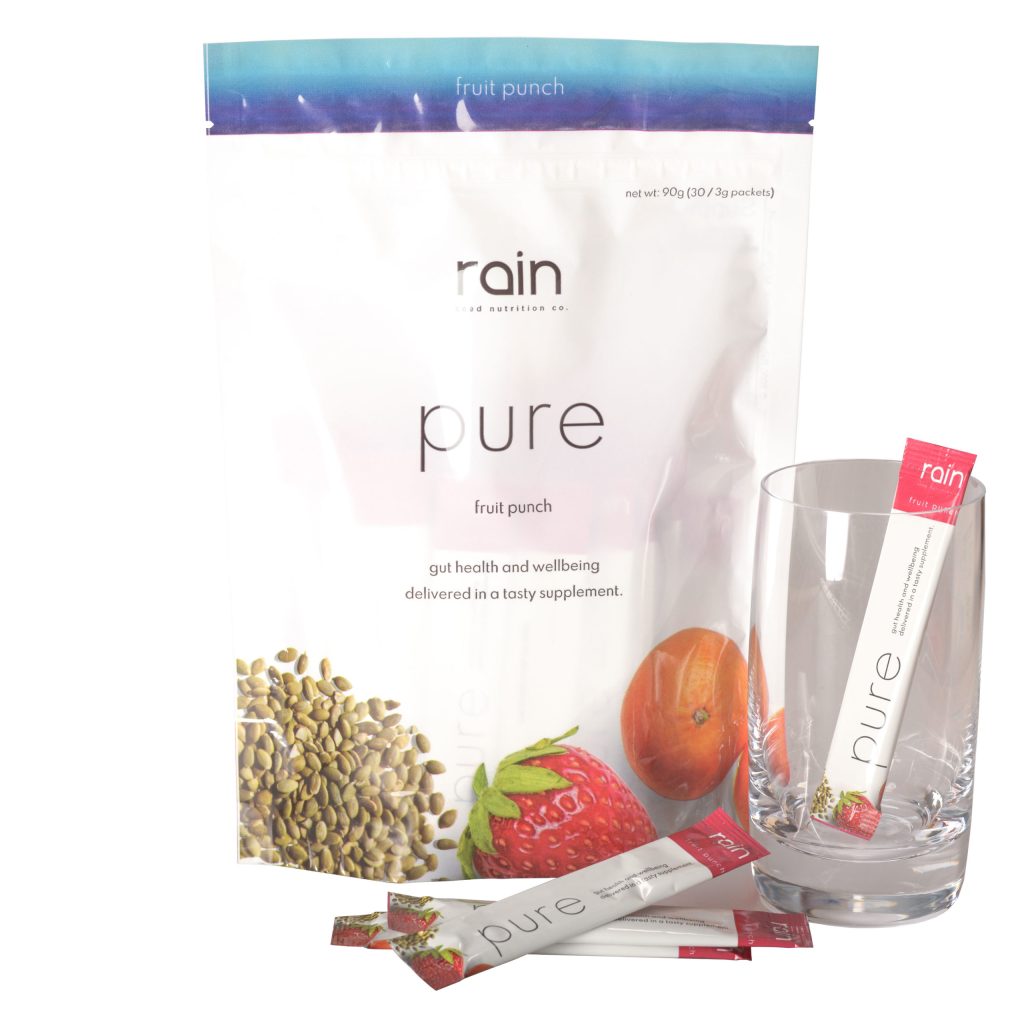
Try Pure by Rain International*, a powerful combination of probiotics & prebiotics and a Guts & Glory favorite. Simply mix with water for a refreshing drink to boost gut health! ✨ ORDER TODAY
*This is an affiliate link, meaning we may receive a small amount should you choose to buy – at no extra cost to you. Win Win!
People with a greater proportion of fiber in their diet also tended to fall asleep more quickly and wake up less often once they were asleep.
ScienceAlert.com

foods melatonin
🌙 Food that helps you sleep – your eat to sleep checklist
Keep this list handy so that you can easily add bedtime foods to your shopping list next time you’re off to the grocery store.
| best foods before bed | Why are these foods for good sleep hygiene? |
|---|---|
| Almonds | Rich in magnesium and melatonin—your body’s natural sleep regulators. |
| Bananas | Packed with potassium, magnesium, and B6 to help your body produce melatonin. |
| Buckwheat tea* | Caffeine-free and high in magnesium; promotes calm and reduces stress. |
| Chamomile tea | Contains apigenin, an antioxidant that binds to sleep receptors in your brain. |
| Honey | Helps shuttle tryptophan into your brain by spiking insulin slightly—dreamy! |
| Kefir | Probiotic-rich and supports serotonin (a precursor to melatonin) and gut calm. |
| Kiwi | Naturally high in serotonin and antioxidants that support sleep onset and quality. |
| Oats | Contain natural melatonin and complex carbs that help tryptophan do its job. |
| Pumpkin seeds | High in tryptophan and magnesium—both linked to better sleep and relaxation. |
| Tart cherries | One of the few foods that naturally contain melatonin—nature’s sleep hormone. |
| Turkey | A classic tryptophan source that may promote sleepiness and improve sleep length. |
| Yogurt | Loaded with probiotics that support gut-brain harmony and ease nighttime stress. |
| Walnuts | One of the best nuts for sleep! Contain melatonin and healthy fats that support serotonin production and smoother sleep cycles. |
So, these are all great foods for better sleep at night! For me personally, as the self-declared foodie in the Guts & Glory Health team, a glass of kefir is definitely one of the foods that help me sleep better.
*Affiliate link. Meaning we may receive a small amount should you choose to buy – at no extra cost to you. Win win!

PS If you are located in the UK, we highly recomment this particular buckwheat tea*. We came across this fantastic tea at Selfridges in London, and instantly fell in love. The taste and the soothing effect are unrivalled!
Buckwhat tea is by the best tea for sleep and relaxation, if you ask the Guts & Glory Health team!
Berit & Tonje, co-founders
How Probiotic-Rich Foods Support Sleep
The Science Behind
Gut health and sleep are more connected than you might think. The gut-brain axis—a two-way communication channel between your digestive system and nervous system—plays a key role in regulating sleep patterns. One of the reasons? Your gut is a major site for serotonin production, which your body later converts into melatonin, the hormone that tells your brain it’s time to sleep. Probiotic-rich foods like kefir, yogurt, miso, and fermented vegetables help nurture a healthy gut microbiome.
So, is kefir good for sleep? Yes!
Studies suggest that these beneficial bacteria may enhance sleep quality—especially in people experiencing low-grade inflammation or anxiety. So, if you’re looking for a natural way to sleep more soundly, eat some probiotics in the shape of kefir or yogurt before bedtime.
Try Pure by Rain International*, a powerful combination of probiotics & prebiotics and a Guts & Glory favorite. Simply mix with water for a refreshing drink to boost gut health! ✨ ORDER TODAY
*This is an affiliate link, meaning we may receive a small amount should you choose to buy – at no extra cost to you. Win Win!

Can probiotics improve sleep? Yes! Learn more:
Best Probiotics for Sleep – 5 Expert Tips for Restful Nights
😬 What foods to Avoid Before Bed
As well as eating foods to help you sleep before bed, it’s equally important to avoid foods that can keep you awake. We have listed five common culprits below.
| 5 worst foods before bed | Why It Disrupts Sleep |
|---|---|
| Alcohol | May knock you out—but wrecks your REM cycles and causes night waking. |
| Caffeinated foods/drinks | Lingers in the body for hours and delays melatonin release. |
| Fried or heavy meals | Slow digestion and can trigger reflux, bloating, or discomfort at night. |
| Refined sugars | Cause blood sugar spikes and crashes that wake you up mid-sleep. |
| Spicy foods | May increase core body temperature and cause heartburn or restlessness. |
Final tip: 5 Gentle Bedtime Snack Ideas
So what are some healthy snacks before bed? These are the best healthy snacks before bed if you ask the Guts & Glory Health tem 🙂
- A cup of buckwheat tea + a small handful of almonds
– Magnesium-rich and caffeine-free, this combo supports muscle relaxation and steady blood sugar through the night. - Banana slices with a spoonful of almond butter
– A dreamy blend of potassium, magnesium, and tryptophan to help your body unwind. - Plain yogurt or kefir with a drizzle of raw honey
– Probiotics for gut-brain calm, and just enough natural sugar to help tryptophan cross the blood-brain barrier. - Oatmeal with pumpkin seeds and warm plant milk
– Oats and seeds are both melatonin-friendly; the warm milk adds comfort and calm. - Tart cherry juice spritzer (cherry juice + sparkling water)
– A fizzy little treat with natural melatonin to nudge you gently toward sleep.
So, make sure to add these snack ideas to your list of best foods to help sleep.
Frequently Asked Questions about the best foods to help sleep
-
Can eating before bed help you sleep better?
-
Do probiotic-rich foods help you sleep better? Does kefir help you sleep?
Yes—emerging research suggests that probiotic-rich foods like yogurt, kefir, miso, and sauerkraut may support better sleep by promoting gut health. The gut produces about 90% of the body’s serotonin, a key precursor to melatonin (your natural sleep hormone). A balanced gut microbiome helps regulate mood, reduce nighttime stress, and may even influence your circadian rhythm. Including probiotic foods in your evening routine could support a calmer, more restful night.
-
What are the best foods for sleep?
Tryptophan (serotonin/melatonin precursor) such as turkey, milk, eggs, nuts, seeds, and cheese
Magnesium and potassium (muscle & nervous system relaxants) found in bananas, spinach, sweet potatoes, almonds, pumpkin seeds.
Foods that boost melatonin like tart cherries, kiwi, eggs, and dairy.This should help you create your own super-guide to the best foods to help sleep.
-
What foods and drinks steal sleep?
Avoid these nighttime sleep disrupting foods close to bedtime:
Caffeine (coffee, black tea, chocolate, energy drinks): can stay in your system 6–7 hours and interrupt sleep.
Alcohol: may induce sleep, but fragments REM cycles and leads to night awakenings.
Spicy, fatty, or acidic meals: can cause indigestion, reflux, and body temperature spikes.
High-sugar/refined carbs: trigger blood sugar spikes/crashes that disrupt sleep hormones. -
Does drinking tea before bed help you sleep?
Yes—especially herbal teas such as chamomile and buckwheat, which are caffeine-free and contain calming compounds like apigenin or magnesium to reduce stress and promote sleep onset.
-
How does gut health influence sleep?
A healthy gut supports the production of serotonin, a precursor to melatonin. Probiotic-rich foods like yogurt, kefir, and fermented products support the gut-brain axis—reducing nighttime stress and improving sleep quality. So, make sure to add probiotic-rich and gut-healthy foods to your list of the best foods to help sleep.
-
Does meal timing matter for sleep?
Yes. Eating heavy or late meals can disrupt digestion and circadian rhythms. Aim to finish eating 2–4 hours before bedtime, and opt for a small, balanced snack if needed .
-
How does nutrition affect sleep?
What you eat doesn’t just fuel your day—it also sets the tone for your night. The right nutrients help your body produce key sleep hormones like melatonin and serotonin, while stabilizing blood sugar and calming the nervous system. For example, foods rich in magnesium, tryptophan, and B vitamins support deep, restorative sleep, while processed sugars, caffeine, or heavy meals too close to bedtime can leave you tossing and turning.
In short: food is information for your body—and the better the message, the sweeter the dreams.
In addition to this overview of the best foods to help sleep, we recommend that you check out in more detail how probiotics can also help you find that beauty sleep!