

Can Your Gut Microbes Help Weight Management?
Excess weight is a major health issue that is driving a rise in heart disease, type 2 diabetes, and non-alcoholic fatty liver disease.
In short:
A new study sheds light on how our bodies use calories, and how bacteria in our gut can help us control our weight! Read on to find out more …
Table of Contents
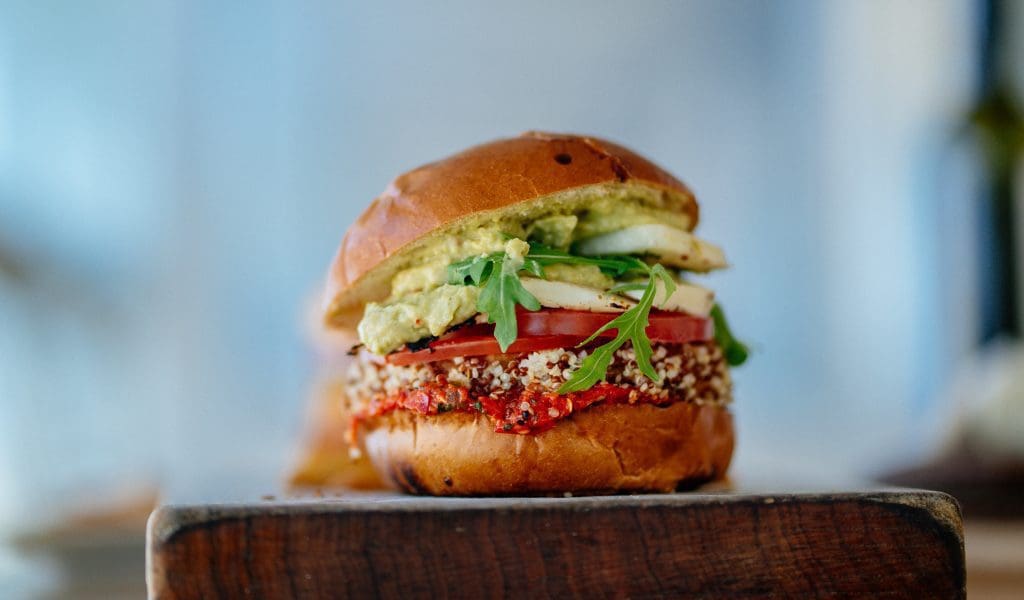
The long-held wisdom of counting ‘calories in’ vs. ‘calories out’, when trying to lose weight, has been turned on its head by a team of US scientists.
Our gut microbiome – the 100 trillion microbes that live in our gut – is at the heart of the story.
Are gut microbes linked to weight management?
Researchers have found that our gut microbiome is the control centre for energy consumption. Our gut microbes help extract energy from food and produce energy sources that our cells can use.
Importantly, these gut microbes live in the far end of our digestive tract – our colon – and so rely on fibre-rich wholefoods that make it all the way through. Highly processed, ground or refined foods, on the other hand, are quickly absorbed in your upper digestive tract, which means more calories for your body and fewer for your gut microbiome.
Corbin and her colleagues (Nature Communications, May 2023) wanted to better understand the role of our gut microbiome in weight management and metabolic health.
The Microbiome Enhancer Diet (MBD)
In a small but rigorous study, people were fed one of two diets:
The Microbiome Enhancer Diet – or MBD for short – was designed to deliver more foodstuffs to the colon – the latter part of your digestive tract, where most gut microbes live
- The MBD focused on 4 factors:
- Dietary fibreResistant starch
- Foods with ‘large particles’ (larger chunks)
- Limited processed foods
The Western Diet – consisting of easily digested, highly processed foods
The MBD and Western Diet both consisted of equal calories, fat, protein and carbohydrates – only the quality of the calories differed.
Key study findings about gut microbiome and weight
Corbin et al found that with the MBD, less energy was available to us from the food we eat. With a typical Western Diet, more energy is made available – even though the total number of calories were the same for both diets. Hence the added potential for weight gain.
The QUALITY of calories is as important as QUANTITY – if not more so!
Also, the microbiome of people eating the MBD was different, with gut microbes producing more molecules called Short Chain Fatty Acids (SCFAs), that are essential for our well-being.
Corbin explains:
“On a Western diet that doesn’t feed the microbes very much, almost all the energy goes to us and very little goes to the microbes … We don’t give the microbes any opportunity to utilize the calories we eat because we use them all. We pull the rope all the way to one end.”
Summary
By eating a fibre-rich MBD style diet, you are not just feeding yourself, but also your gut microbes. We now know this effectively reduces the number of calories your body absorbs; and may also boost your general well-being.
NOTE: This does not constitute or substitute for medical advice! Seek professional healthcare advice as needed
Other posts you might enjoy:
-

The Gut Microbiome and Weight Management
-
The Gut Microbiome and Weight Management