

Traveling With a Sensitive Gut: Practical Strategies for Healthy Digestion While Travelling
Table of Contents
Travelling can easily upset digestion, especially when routines, time zones, and food choices change. Sudden shifts in diet or schedule may lead to bloating, constipation, or general discomfort. Knowing how to protect digestive health while travelling helps the body stay balanced and comfortable throughout any trip.
Even those with healthy digestion can experience issues on the road, but those with a sensitive gut often notice symptoms more quickly. With a few practical steps, such as planning meals thoughtfully and managing stress, it becomes easier to maintain digestive comfort away from home.
This guide explains what causes gut sensitivity during travel, how to prepare effectively, and which daily habits support healthy digestion on the go. It also shares how diet, hydration, and mindful choices reduce discomfort and keep energy up throughout the journey.
Understanding the Sensitive Gut When Travelling

Changes in surroundings, meal schedules, and stress levels can place extra pressure on the digestive system. People with a sensitive stomach often react more strongly to these shifts, which can lead to discomfort, irregularity, or digestive issues that affect the enjoyment of travel.
How Travel Affects the Digestive System
Travel introduces many factors that can disturb normal digestion. Time zone changes upset circadian rhythms, making it harder for the body to regulate appetite and bowel movements. Altered eating times can also slow digestion and cause bloating or constipation.
During flights, cabin pressure and dehydration contribute to sluggish digestion. Lower air pressure causes the intestines to expand slightly, trapping gas and creating bloating. Limited water intake and dry cabin air worsen the effect.
Changes in diet—such as unfamiliar spices, rich meals, or lack of fibre—can further challenge the gut. Even healthy travellers can experience these effects, but those with a sensitive stomach are more prone to discomfort when the digestive system’s balance shifts.
Common Digestive Issues on the Move
The most frequent travel-related digestive issues include constipation, diarrhoea, bloating, and stomach cramps. These occur when the digestive system must adapt quickly to new foods, water sources, and eating patterns. Travellers who experience motion sickness may also develop nausea, which disrupts normal digestion.
Dehydration is a key factor in constipation, especially on long journeys or in hot climates. In contrast, consuming unfamiliar bacteria from food or water can trigger traveller’s diarrhoea. Sudden shifts between high-fat or low-fibre meals often intensify bloating and gas.
| Common Issue | Likely Cause | Helpful Tip |
|---|---|---|
| Constipation | Dehydration, inactivity, disrupted routine | Increase fluids and fibre |
| Diarrhoea | Contaminated food or water | Choose bottled water, eat freshly cooked food |
| Bloating | Cabin pressure, overeating, gas-forming foods | Eat smaller meals, move often |
Identifying Your Triggers
Understanding what causes an upset stomach helps prevent discomfort during travel. Common triggers include dairy, caffeine, alcohol, deep-fried foods, and foods high in spice or fat. Each person’s digestive system responds differently, so tracking meals before and during trips can reveal personal sensitivities.
Keeping a food and symptom diary helps identify problematic ingredients or eating patterns. For example, noting time, type of food, and any symptoms within a few hours can highlight patterns.
Travellers can then plan ahead by packing familiar snacks, choosing simple foods, and avoiding known triggers. Awareness allows better control, helping them maintain comfort even in unfamiliar settings.
Essential Preparation for Healthy Digestion

Careful preparation helps reduce digestive issues when travelling. Choosing the right meals, staying hydrated, and packing simple gut-supporting items can make the journey more comfortable and keep digestion steady.
Meal and Snack Planning
Eating patterns often change during travel, which can disturb digestion. Planning meals ahead helps maintain balance and prevents uncomfortable symptoms. Travellers can benefit from high-fibre foods like oats, fresh fruit, and vegetables, which support regular bowel movements. Including lean protein such as chicken, fish, tofu, or eggs keeps energy stable and reduces the risk of bloating.
A balanced approach helps manage variety without overwhelming the digestive system. Avoiding heavy, greasy, or overly spicy dishes may prevent discomfort. Taking digestive enzymes can assist in breaking down complex foods if digestion slows from routine changes.
It also helps to create a small snack plan. Packing plain crackers, banana chips, or low-sugar granola bars offers safe choices between meals. Travellers should stay hydrated, sipping water throughout the day rather than waiting until thirsty. Consistent hydration helps maintain stool softness and keeps digestion moving efficiently.
Packing Gut-Friendly Travel Essentials
Certain items make travelling easier for those with a sensitive gut. A small kit with reusable water bottles, digestive enzymes, and hydration sachets or electrolyte tablets helps maintain digestive comfort. Carrying probiotics supports gut balance, especially when adjusting to new foods and time zones.
Fibre supplements in powder or capsule form can support regularity when diet changes limit access to fresh produce. Travellers might also bring hand sanitiser and antibacterial wipes, which reduce the risk of infection from unfamiliar food environments.
Avoid repackaging medications or supplements without labels. Clear labelling ensures smooth security checks and easy access when needed. Storing all essentials in one small pouch keeps them organised and accessible during flights or road trips.
Travel Insurance and Medical Supplies
For anyone prone to digestive issues, comprehensive travel insurance can provide peace of mind. Policies that include cover for pre-existing digestive conditions or access to local healthcare are worth reviewing before departure. Travellers should know their provider’s process for emergency care abroad.
Carrying basic medical supplies helps with minor discomforts. Items may include rehydration salts for fluid loss, anti-diarrhoeal tablets, and mild antacids. Those under medical care should bring enough prescribed medication for the trip plus extra for delays.
A concise list of emergency contacts, local pharmacies, and medical centres can make response time faster if issues arise. Having the right preparation supports both safety and comfort, ensuring digestive problems cause minimal disruption.
Maintaining Gut Health on the Go
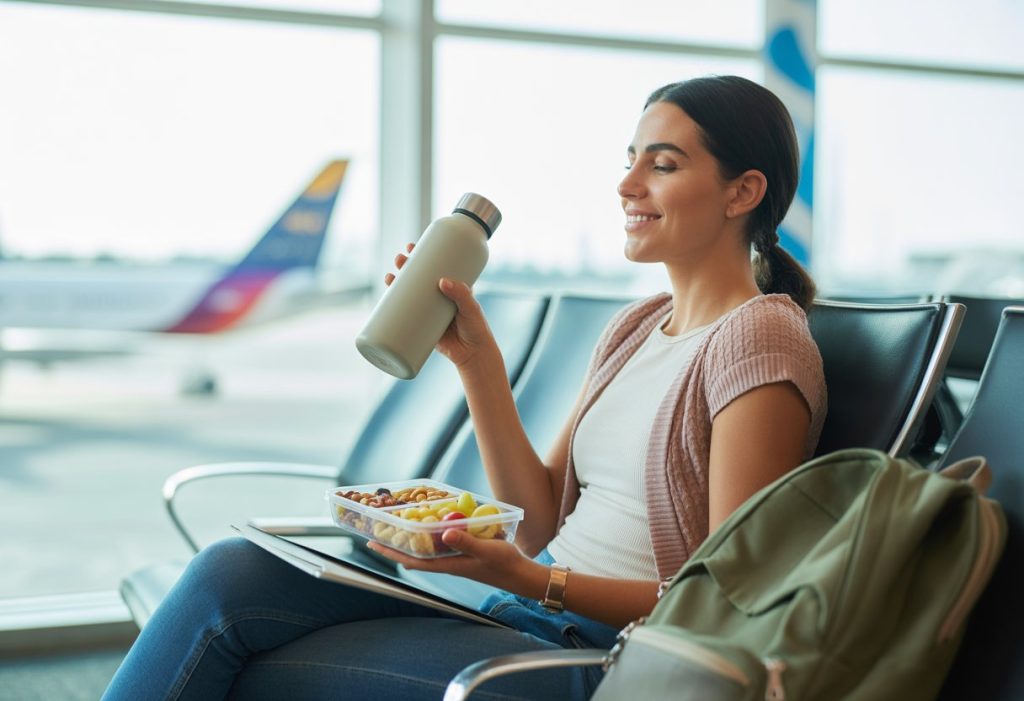
Travellers often face changes in sleep, diet, and routine that can affect digestion. Proper hydration, consistent eating patterns, and light physical activity all help reduce bloating, constipation, and other digestive discomforts.
Stay Hydrated and Avoid Dehydration
Adequate hydration supports digestion and nutrient absorption. When travelling, dry air on aeroplanes, hot climates, and irregular water intake can cause dehydration, which may slow digestion and lead to constipation. Carrying a reusable water bottle helps maintain steady fluid intake throughout the day.
People should aim for small, frequent sips rather than drinking large amounts at once. Herbal teas and water-rich foods such as cucumbers or oranges can add extra fluids without relying solely on plain water. Limiting alcohol and caffeine also helps, as both increase fluid loss and may irritate the stomach.
| Helpful Hydration Tips | Why It Matters |
|---|---|
| Drink 1 glass of water with every meal | Aids digestion |
| Refill your bottle before long journeys | Prevents dehydration |
| Avoid excess caffeine or soda | Reduces bloating |
Maintaining good hydration keeps bowel movements regular and lowers the risk of bloating, helping the digestive system stay balanced while on the move.
Keeping a Regular Meal Routine
Disrupted eating schedules can upset digestive health. Eating meals at consistent times each day supports the body’s natural rhythm and helps regulate bowel function. Travellers should plan meals around travel times rather than skipping them, which can lead to overeating later and slow digestion.
Choosing balanced meals with both fibre and protein helps maintain steady energy levels and reduces indigestion. Foods such as oats, bananas, and yoghurt are gentle on the stomach and easy to pack. Avoiding heavy, fatty, or spicy foods before long trips prevents discomfort and reduces bloating.
If local cuisine differs greatly, introducing new foods slowly allows the gut to adjust. A regular, predictable eating pattern helps prevent unnecessary strain on the stomach.
Incorporating Movement and Exercise
Physical activity promotes blood flow and improves gut motility. Even short walks after meals can help relieve bloating and discomfort. Regular movement also supports a healthy gut microbiota, which plays a role in efficient digestion.
Simple activities such as stretching, walking through the airport, or taking the stairs instead of lifts can make a noticeable difference. Travellers who remain active each day are less likely to experience constipation or sluggish digestion.
For longer trips, aiming for at least 30 minutes of moderate exercise most days—such as brisk walking or cycling—supports digestive regularity and overall comfort. A bit of movement each day keeps the gut working smoothly, even when far from home.
Managing Food and Drink Choices While Travelling
People with sensitive digestion benefit from simple, low-fat meals, clean drinking water, and steady fibre intake. Safe food handling, balanced portions, and choosing familiar ingredients help keep gut bacteria stable and reduce the risk of diarrhoea or bloating.
Choosing Low-Risk Foods and Drinks
Selecting food that is gentle on the stomach helps prevent discomfort while travelling. Lean proteins such as chicken, turkey, eggs, and fish tend to digest easily and support gut balance. Steamed or grilled dishes are safer than deep-fried or creamy options that can slow digestion.
Avoid raw salads, unpeeled fruit, and food sold from open street stalls when cleanliness is uncertain. Always wash hands or use sanitiser before eating. To reduce the chance of contamination, eat freshly cooked meals served hot.
Pack safe snacks to avoid long gaps between meals:
- Plain crackers
- Unsalted nuts
- Oat bars
- Bananas or peeled fruit cups
Drink bottled or filtered water, and skip ice in areas where water quality is unclear. Sugary sodas and alcohol may irritate the digestive tract, so choosing still water or herbal tea helps maintain hydration and comfort.
Finding Gut-Friendly Options Abroad
Travellers can often find suitable food if they know what to ask for. In restaurants, requesting grilled or steamed preparations and light seasoning prevents irritation. Simple sides like rice, potatoes, or boiled vegetables keep meals predictable and easy to tolerate.
Learning key food terms in the local language helps identify safe dishes and avoid hidden ingredients such as high-fat sauces or excess spice. Many grocery stores abroad sell yoghurt, kefir, or fermented vegetables, which support healthy gut bacteria.
When local cuisine relies heavily on spices or unfamiliar oils, adjusting portion size makes it easier to adapt slowly. Eating small, frequent meals allows the digestive system to process food smoothly and avoids overwhelming a sensitive gut.
Managing Fibre Intake During Travel
Fibre supports digestive regularity, but sudden changes can upset the stomach. People prone to diarrhoea or bloating should maintain moderate, consistent fibre intake. Switching too quickly between low- and high-fibre diets can disrupt gut bacteria and cause discomfort.
Two types of fibre affect digestion differently:
| Type | Source | Effect on Gut |
|---|---|---|
| Soluble fibre | Oats, apples, bananas | Softens stool, easy to digest |
| Insoluble fibre | Whole grains, bran, raw vegetables | Increases stool bulk, may cause bloating |
Hydration is vital. Fibre works best when combined with plenty of water. Travellers can carry small portions of oats or fibre supplements to stay consistent. Choosing cooked vegetables over raw ones can prevent irritation while still supporting digestive health.
Supporting Gut Microbes and Digestive Health
Healthy digestion depends on maintaining a steady balance of beneficial gut microbes. These microorganisms support nutrient absorption, protect against harmful bacteria, and help regulate the immune system. Choosing the right foods and supplements during travel can reduce discomfort and keep digestion stable.
Benefits of Probiotics and Fermented Foods
Probiotics contain live beneficial bacteria that help restore balance in the gut. They can be taken as capsules, powders, or naturally through fermented foods. Regular consumption may ease bloating, improve stool regularity, and support immune function—important benefits when routine and diet often change during travel.
Common fermented foods include:
- Yoghurt and kefir – rich in Lactobacillus and Bifidobacterium strains
- Sauerkraut and kimchi – provide both probiotics and fibre
- Kombucha – a fermented tea that adds mild probiotic support
Those sensitive to dairy may prefer fermented vegetables or drinks. When possible, choosing refrigerated products labelled with live active cultures offers better results, as these typically contain higher levels of viable bacteria.
Added Probiotic Boost with Gut Healthy Supplements
When I want to give my skin and gut health an extra boost, I add a quality probiotic supplement to my daily kefir routine. One of my go-to probiotics,YourBiology Gut+ contains a powerful mix of 20 Billion CFU probiotics and 10 different strains. Furthermore, it contains 2 prebiotics to help feed all the good bacteria!
I particularly like the addition of digestive enzymes, which helps me with bloating, and so it also features in our best probiotics for women review.

Selecting Digestive Enzymes for Travel
Digestive enzymes help break down carbohydrates, fats, and proteins. Changes in diet—especially when sampling local or unfamiliar foods—can strain normal digestion. A temporary enzyme supplement can reduce gas, stomach discomfort, or a feeling of fullness after meals.
Key enzymes include:
| Enzyme | Function | Common Sources |
|---|---|---|
| Amylase | Breaks down starches | Saliva, enzyme blends |
| Protease | Supports protein digestion | Pineapple (bromelain), papaya (papain) |
| Lipase | Aids fat breakdown | Pancreatic supplements, fungal sources |
Selecting a broad-spectrum enzyme product ensures coverage for various foods, including high-fat or dairy-heavy dishes. Enzyme capsules are easy to travel with and can be taken before or during a meal as needed.
Promoting Gut Microbe Diversity
Gut microbes thrive on variety. A diet that includes different fibre sources, plant foods, and fermented options helps maintain microbial balance. Travellers can support gut diversity by eating local fruits and vegetables, whole grains, and legumes when safe and available.
Other practical habits include staying hydrated and reducing ultra-processed food intake. Adequate sleep and stress management also aid microbial stability, as poor rest and tension can disrupt the gut. Maintaining this internal balance strengthens digestive resilience and supports smoother digestion while away from home.
Minimising Travel Stress and Its Impact on Digestion
High levels of stress and anxiety during travel can slow digestion, increase bloating, and upset the natural balance of the gut. Simple strategies such as managing emotional tension, building rest into travel plans, and staying calm during delays can support digestive comfort and maintain energy levels.
Managing Stress and Anxiety
Travel stress triggers the body’s fight-or-flight response, which can reduce gut motility and alter the microbiome. This often leads to discomfort such as cramping, bloating, or constipation. Managing this response helps protect digestive stability.
Practical strategies include:
- Deep breathing: Slow, steady breathing calms the nervous system and lowers cortisol levels.
- Mindful eating: Focusing on meals without distractions encourages slower chewing and easier digestion.
- Light exercise: A short walk or stretching helps relieve built-up tension and stimulates bowel movement.
Limiting caffeine and alcohol helps prevent dehydration and anxiety spikes. Some travellers find that listening to calming music, guided meditation, or reading before bed improves both mood and digestion. The goal is not to eliminate stress entirely, but to keep it low enough that it does not disrupt normal digestive function.
Planning Rest and Relaxation
Irregular sleep and constant movement during trips can impair the gut-brain connection. The body digests best when well-rested, so planning downtime is as important as scheduling sightseeing.
Travellers benefit from maintaining a consistent sleep routine where possible. Going to bed and waking up at similar times helps regulate hormones that influence digestion and appetite. When crossing time zones, short naps and exposure to daylight help reset the body clock.
During long journeys, rest periods can ease fatigue that contributes to poor digestion. Stretching at layovers or walking at service stops keeps blood flow steady. Quiet time—such as reading, journaling, or light yoga—allows both the mind and digestive system to reset after periods of activity or rich eating.
Coping with Delays and Unexpected Changes
Unplanned delays cause anxiety, rushed eating, and poor food choices, which can disrupt the gut. Managing these moments with preparation and calm decision-making helps protect digestion and mood.
Carrying healthy snacks like fruit, nuts, or yoghurt prevents long gaps between meals that can trigger bloating. Staying hydrated with water instead of fizzy or sugary drinks reduces the chance of discomfort during waiting periods.
When travel plans change suddenly, it helps to reframe the delay as downtime rather than lost time. Deep breathing, walking around, or brief stretching keeps stress hormones in check. By responding calmly instead of reacting in frustration, travellers maintain both emotional balance and digestive comfort even when circumstances shift.
Frequently Asked Questions
Travelling can affect digestion due to changes in routine, food, and environment. Taking simple steps such as planning meals, staying hydrated, and managing stress helps maintain comfort and prevent gut-related problems.
What are the best ways to manage food sensitivities while travelling?
Travellers with food sensitivities should research local cuisine and identify safe meal options before departure. Packing known snacks, such as plain rice cakes or oat bars, offers a backup when choices are limited.
It helps to communicate dietary needs clearly when eating out. Using translation apps or carrying a food allergy card in the local language can reduce the risk of exposure to problem ingredients.
How can one avoid digestive discomfort when trying different cuisines abroad?
Introducing new foods gradually supports better digestion and limits stomach upset. Eating smaller portions and chewing food well gives the digestive system time to adjust.
Choosing freshly prepared meals instead of rich, fried, or spicy options can also lower the chance of discomfort. Avoid eating too late at night to give the body time to digest properly.
What preventive measures can be taken to maintain gut health during long flights?
Long flights can slow digestion because of inactivity and dry cabin air. Standing or walking every hour keeps the intestines moving and improves circulation.
Drinking water regularly and limiting alcohol and caffeine help prevent dehydration. Some travellers find taking probiotics before and during trips supports a balanced gut.
Are there specific foods that should be avoided to prevent an upset stomach while on holiday?
Certain foods, such as unpasteurised dairy, raw or undercooked seafood, and street food left unrefrigerated, carry higher risks of bacterial contamination. Heavy, fried, or very spicy meals can trigger bloating or discomfort for sensitive stomachs.
Eating lighter dishes with well-cooked vegetables, lean meats, and whole grains can help keep digestion stable.
How can travellers ensure they stay hydrated without risking water-borne illnesses?
Drinking bottled or filtered water is safest in places where tap water quality is uncertain. Avoid ice cubes unless made from purified water.
Using a refillable bottle with a built-in filter makes it easier to stay hydrated safely. Herbal teas or diluted juice can also help maintain fluid intake without excess sugar.
What strategies can be used to adapt to new time zones without disrupting digestive health?
Gradually adjusting meal times a few days before travel can help the body adapt to new schedules. Once at the destination, eating light, balanced meals at local times supports the internal clock.
Staying active, getting enough daylight, and avoiding heavy late-night meals further aid both digestion and sleep adjustment.