

What’s the link between gut health and sleep?
Growing evidence suggests that sleep is linked to your gut microbiome – the community of trillions of bacteria and other microbes that live in your gut. And with the central role sleep plays in our overall health and well-being, scientists have explored these fundamental questions:
- How does gut health affect sleep?
- If I improve my gut health, will I sleep better?
- Which probiotics could help improve sleep quality?
Read on to find out what the experts say about your gut microbiome and sleep.
Table of Contents
Why is good sleep important?
Before delving into the subject of your gut microbiome and sleep quality, why even bother delving into the details of good sleep? And, why is good sleep so important for maintaining good health?
Here are three reasons why:
- Reduced risk of serious health problems: Getting enough sleep can lower the risk of serious health problems like diabetes and heart disease
- Improved mood and mental function: Good sleep can improve mood and mental function
- Reduced stress: Getting enough sleep can reduce stress and improve overall mood
So in short, good sleep equals good health, as it can reduce the risk of serious health problems, improve mood and mental well-being.
How can gut health affect sleep?
Gut health can affect sleep in several ways:
- A diverse microbiome – i.e. having many different types of microbes in your gut – is linked to better sleep quality and good health in general
- Some gut bacteria have been linked to better sleep (e.g. Bacteriodetes and Firmicutes)
- Other types of bacteria have been linked to poor sleep (that is, Lachnospiraceae, Corynebacterium, and Blautia)
- The gut microbiome and inflammation may be linked to poor sleep and metabolic disease
- Most serotonin, a neurotransmitter molecule that regulates mood, appetite, and sleep, is produced in the gut. An unbalanced gut microbiome – also referred to as dysbiosis – can reduce serotonin levels and affect wellbeing
Can sleep affect my gut microbiome?
Yes. The relationship between your gut microbiome and our brain is bi-directional, that is, it works both ways. Called the gut-brain axis, our gut and brain communicate 24/7 and has a profound effect on our overall well-being, including sleep.
Scientist have found that when we’re deprived of sleep, the ratio of different bacteria in our gut changes. And these changes can affect your sleep quality.
Stress impacts gut health, too, interfering with the communication between the gut and the rest of the body.
Can improving gut health help me sleep better?
Yes, improving your gut microbiome can improve sleep quality. The connection between your gut and your mind is so strong that it can actually impact your sleep every night.
At the Japanese University of Tsukuba, scientists have seen a link between our diet, gut microbes and sleep.
We found that microbe depletion eliminated serotonin in the gut, and we know that serotonin levels in the brain can affect sleep/wake cycles. Thus, changing which microbes are in the gut by altering diet has the potential to help those who have trouble sleeping!
Professor Yanagisawa
Conversely, as Professor Yanagisawa shares, changes to your diet can upset your gut microbes, thereby disrupting the natural sleep-wake cycle that regulates our sleep.
Can probiotic supplements help the gut microbiome and sleep?
Probiotic supplements may have a positive effect on your gut microbiome and sleep.
Studies have shown that supplementing with certain types of probiotics can increase levels of beneficial bacteria and improve sleep quality.
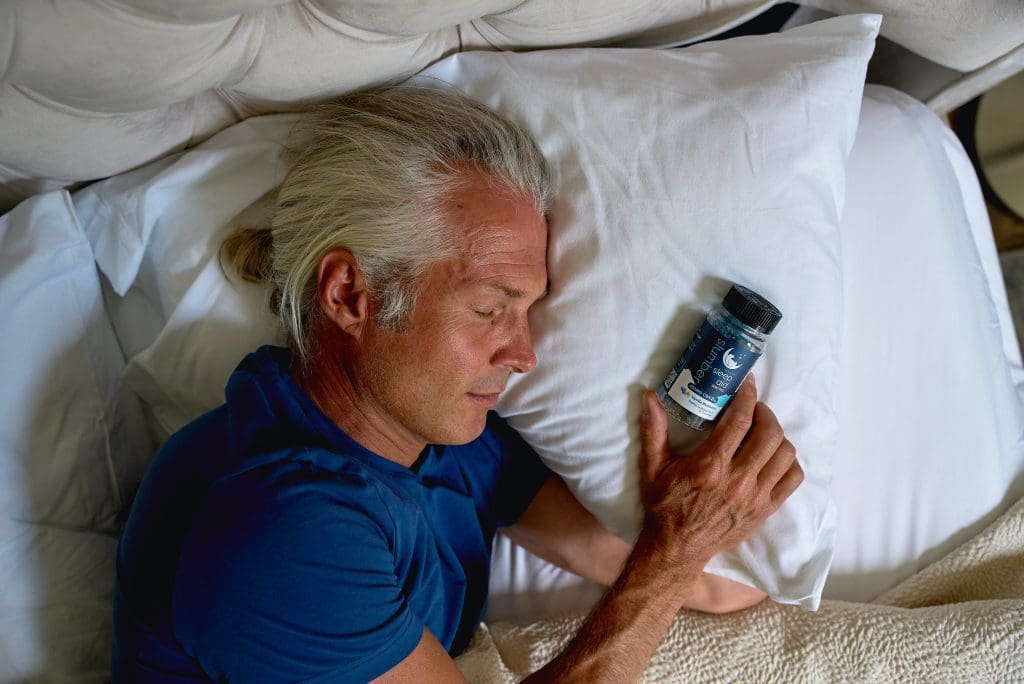
Specific gut bacteria that can help sleep include:
- Lactobacillus reuteri NK33
- Lactobacillus acidophilus Rosell-52
- Bifidobacterium longum Rosell-175
- Bifidobacterium adolescentis NK98
- Lactobacillus gasseri CP2305
Which probiotic brands have specific probiotics for sleep?
These probiotic supplement brands contain probiotics with proven sleep benefits:
I took the Holland & Barrett Gut Powered Night (independently purchased), which also include 5-HTP and chamomile flower and vitamins B3 and D6.
Additionally, I then tried the Microbiome Labs Zenbiome Sleep, which also worked a charm for my sleep!
Optibac Every Day probiotics contains Lactobacillus acidophilus / helveticus Rosell-52 which has been shown to have a favorable impact on sleep. Another one of its ingredients, Bifidobacterium longum Rosell-175, has shown potential benefits for sleep.
Somewhat to my surprise, I’m sleeping like a baby and waking up really refreshed!
It’s worth noting that Holland & Barrett don’t reveal the specific strains of their probiotics (Bifidobacterium lactis, Bifidobacterium bifidum, Lactobacillus acidophilus and Lactobacillus paracasei).
Can you safely take magnesium with probiotics? Science & reviews
While probiotics are a promising solution for better sleep, it may not be the whole story!
If you struggle to fall asleep or wake up feeling unrested, you might be missing a key mineral: magnesium. Often called the ‘relaxation mineral’, magnesium plays a vital role in calming the nervous system, regulating melatonin production, and supporting deep, restorative sleep.
Research shows that adequate magnesium levels can help improve sleep quality, reduce nighttime restlessness, and even ease stress and anxiety that keep you awake. From magnesium glycinate to magnesium citrate, the right form can work alongside lifestyle habits – like a balanced diet and good sleep hygiene – to help you drift off more easily and wake up refreshed.
So, can magnesium and probiotics be taken together?
Yes – it’s both safe and often beneficial to take magnesium with probiotics:
Real users report improved sleep, reduced stress, and better digestion when using combined formulations.
Scientific studies show they may help lower inflammation and enhance outcomes around mood and gut-brain health.
There are no known adverse interactions, and they operate via different mechanisms.
Summary & three steps to take for better sleep
In summary, sleep is super important for gut health. Improving sleep quality by adopting a healthier lifestyle, such as eating a microbiome friendly diet and reducing stress, can reap benefits for your overall well-being.
So, in summary:
- Eat a gut microbiome friendly diet
- Reduce stress
- Consider a sleep probiotic + magnesium supplement
Wishing you a good night’s sleep!
NB: This is not intended as healthcare advice. Consult a doctor before starting any new supplements
More posts you might enjoy:
-

Water Kefir vs Milk Kefir: Which actually fixes bloating?
-
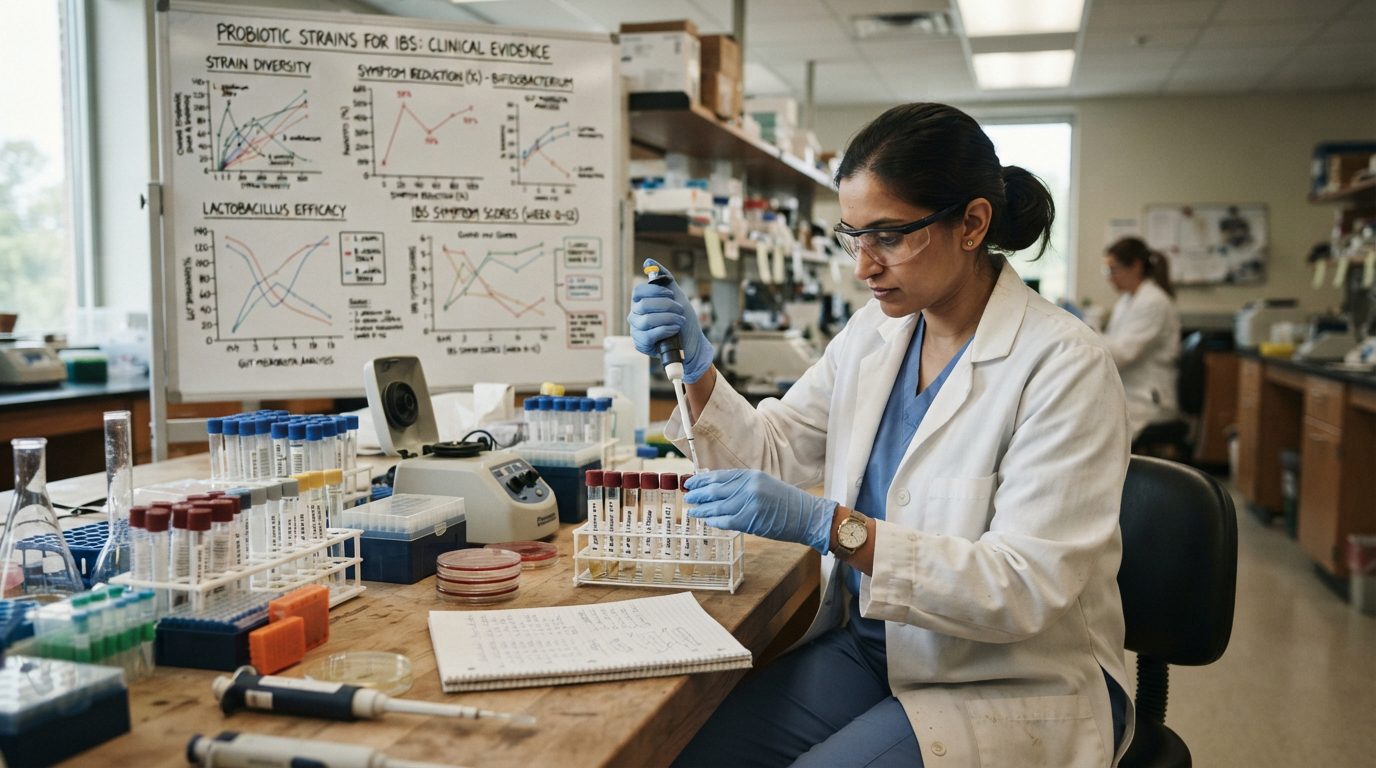
Probiotic strains for IBS: what the clinical evidence actually shows
-
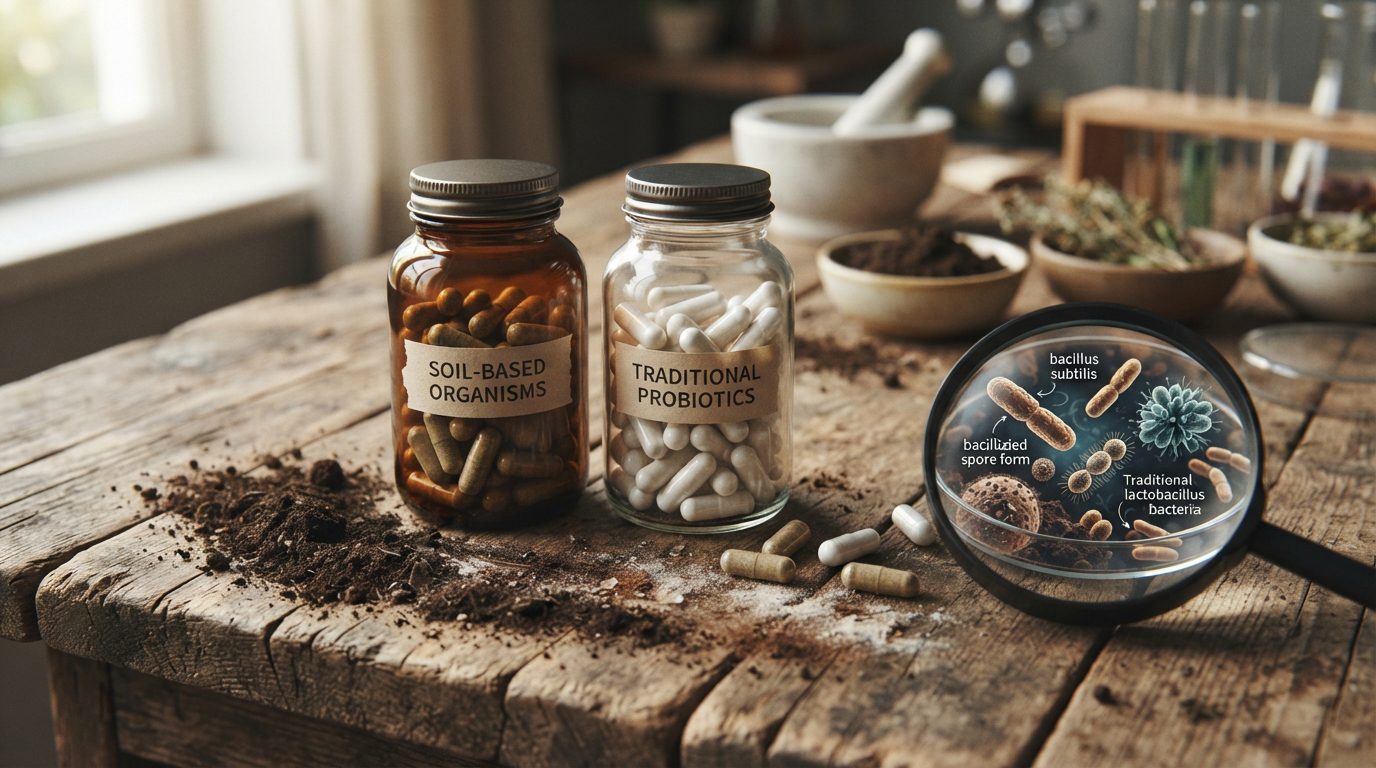
Compare Soil Based Organisms vs Traditional Probiotics for Sensitive Digestion (Best Picks for IBS, Bloating & Gut-Skin Results)
-
Best Spore-Based Probiotics for Sensitive Stomachs: Gentle, Science-Backed Support That Actually Works
-
Ultimate Guide to Using Prebiotic Fibre for Sustained Energy
-
How to Choose Quality Digestive Enzymes for Better Nutrient Absorption
-
Best Probiotics for Women Over 40: Our Science-Backed Pick of the Top Strains
-
Digestive Disorders & Microbiome Recovery: What the Science Actually Says
-
The ’30-30-3′ Microbiome Protocol
-
Chrono-Nutrition for the Microbiome
-
Postbiotic pH Balancing
-
Best Natural Remedies for Reducing Chronic Systemic Inflammation
-
Metabolic Beauty: The Gut-Skin Axis Guide (What’s Actually Working Right Now)
-
Menopause, Hormones & Gut Health: Understanding the Changes and Practical Solutions
-
The 24-Hour Glow Protocol: Transform Your Skin Through Microbiome-Focused Nutrition and Skincare
-
The Inside-Out Glow Up: How Gut Health Transforms Your Skin Care Results
-
Is Your Clean Skincare Actually Hurting Your Microbiome?
-
Brain, Belly, and Breakouts: How Stress Affects Your Skin Health
-
Pre, Pro, and Postbiotics: Why Your Face Needs Good Bacteria Too for Healthy Skin
-
Gut Health for Athletes: Fuelling, Recovery & Reducing GI Stress Explained












-
Your gut microbiome and sleep
Resources & further reading
Gut microbiome diversity is associated with sleep physiology in humans – PMC (nih.gov)
The Role of Microbiome in Insomnia, Circadian Disturbance and Depression – PMC (nih.gov)
Sleep and the gut microbiota in preschool-aged children | SLEEP | Oxford Academic (oup.com)
How Do the Bacteria in My Gut Affect My Sleep? (everydayhealth.com)
The Gut-Sleep Connection: How To Heal Your Gut For Better Sleep (myslumberyard.com)
Gut Microbes: A Key to Normal Sleep – University of Tsukuba