
Best Spore-Based Probiotics for Sensitive Stomachs: Gentle, Science-Backed Support That Actually Works
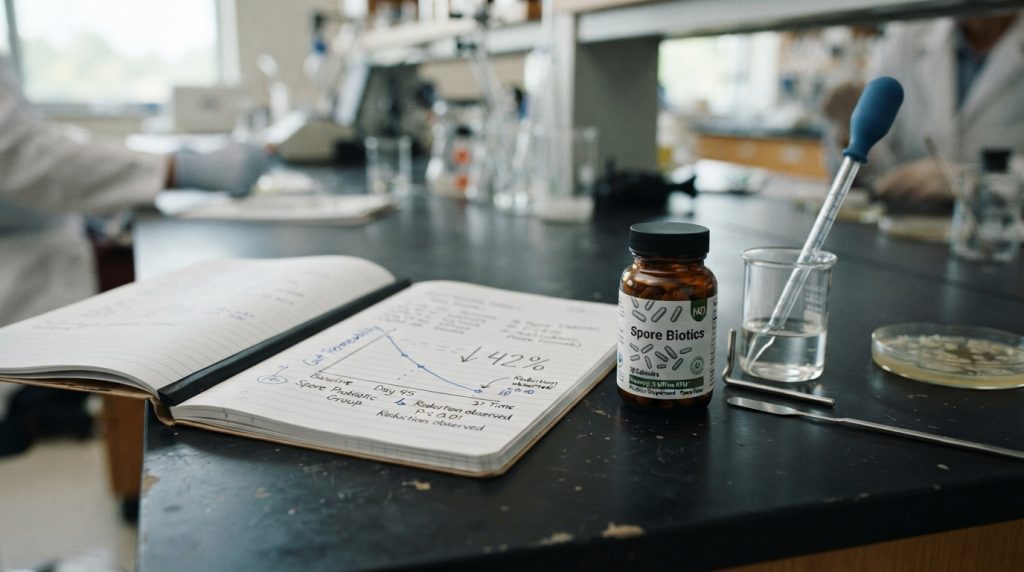
When it comes to the Best Spore-Based Probiotics for Sensitive Stomachs, the science is quietly impressive, clinical trials show a 30-day course can reduce markers of gut permeability by 42%, which explains why so many people finally feel relief without the usual bloating.
Key Takeaways
- What makes spore-based probiotics different?
They are naturally resilient strains that survive stomach acid and reach the gut intact, ideal for sensitive stomachs. - Are spore-based probiotics good for bloating?
Yes, research shows they can reduce gut inflammation and improve digestion without triggering excess gas. - Who should choose spore-based probiotics?
Anyone with IBS symptoms, post-antibiotic gut issues, or a reactive digestive system. - Do they support skin and mood?
Absolutely. Your microbiome impacts skin, hormones, and mood through the gut-skin axis. - Can food replace supplements?
Partly. Explore our gut-friendly microbiome recipes for daily support. - What’s our approach?
We combine targeted supplements with the 30-30-3 Microbiome Protocol for long-term balance.
Why Spore-Based Probiotics Are Different (And Better for Sensitive Stomachs)
We’ve read hundreds of research papers and articles, and collated the evidence for what really works, so you don’t have to!
And here’s the key insight, not all probiotics behave the same once they hit your gut.
Traditional strains often struggle to survive stomach acid, which means they may never reach your microbiome alive.
Spore-based probiotics, typically Bacillus strains, form a protective shell that allows them to pass through the digestive system intact.
Short version, they arrive where they are actually needed.
That’s why they are consistently recommended as the Best Spore-Based Probiotics for Sensitive Stomachs, especially for people who feel worse on standard probiotics.
Best Spore-Based Probiotics for Sensitive Stomachs: What to Look For
Choosing the right product matters more than most people realise.
Your microbiome, those 100 trillion microbes living inside you, responds differently depending on strain, dose, and delivery.
- Bacillus strains, such as Bacillus subtilis and Bacillus coagulans
- Low initial CFU, gentler for sensitive systems
- No unnecessary fillers, especially artificial additives
- Delayed-release capsules, for targeted delivery
- Clinically studied blends, not guesswork formulas
NB, more is not always better here.
If you’ve ever taken a high-dose probiotic and felt worse, that’s not a coincidence, that’s your gut talking.
Best Spore-Based Probiotics for Sensitive Stomachs and IBS Symptoms
Let’s talk real life.
Up to 15% of people experience IBS symptoms, from bloating to unpredictable digestion, which is exactly where gentle, soil-based strains shine.
Unlike aggressive multi-strain formulas, spore-based probiotics tend to stabilise rather than overwhelm.
They help regulate the gut environment, support microbial diversity, and reduce inflammatory responses.
In other words, they work with your system, not against it.
Did You Know?
Antibiotic-associated diarrhoea affects between 5-30% of patients, making resilient probiotic strains essential for sensitive stomach recovery.
Source: Canadian Digestive Health Foundation
Best Spore-Based Probiotics for Sensitive Stomachs vs Traditional Probiotics
This is where things get interesting.
Most traditional probiotics are transient, meaning they pass through your system without truly colonising or influencing long-term balance.
Spore-based strains behave differently.
- They remain dormant until they reach the intestines
- They actively interact with your existing microbiome
- They support enzyme production and nutrient absorption
- They help crowd out less beneficial bacteria
We’ve been fascinated to the point of obsession with this shift.
Because it aligns perfectly with what we see in practice, fewer flare-ups, better digestion, clearer skin.
Metabolic Beauty and the Gut-Skin Axis have officially moved from fringe wellness circles into mainstream science.
How to Use the Best Spore-Based Probiotics for Sensitive Stomachs Safely
If your gut is sensitive, start low and go slow.
This is not the place for aggressive dosing.
- Start with one capsule every other day
- Take with food to minimise reactions
- Gradually increase over 2 to 3 weeks
- Pair with fibre-rich meals to support colonisation
And this is where our 30-30-3 Microbiome Protocol comes in.
30 plant foods a week, 30 minutes of movement daily, 3 fermented foods.
Simple. Sustainable. Evidence-based.
What does this mean? Look to your fridge!
Think kefir smoothies, lentil soups, and gut-friendly bowls from our probiotic smoothie recipes.
The Gut-Skin Axis: Why Sensitive Stomachs Show Up on Your Skin
Your microbiome impacts your mood, skin, sleep and more.
Support it well, and you support hormone balance, metabolic beauty, and that inside-out glow we’re all chasing.
Neglect it, and it often shows up as dull skin, breakouts, or inflammation.
This is why we never look at probiotics in isolation.
For us, the Best Spore-Based Probiotics for Sensitive Stomachs are part of a bigger picture that includes skincare, nutrition, and lifestyle.
Our skin microbiome approach reflects this inside-out philosophy.
Did You Know?
Some probiotic supplements contain as few as 14 million viable cells despite higher label claims, highlighting the importance of quality and verification.
Source: ConsumerLab
Best Spore-Based Probiotics for Sensitive Stomachs: Our Practical Picks
We’ll be honest, truly high-quality spore-based options are still a niche.
But a few stand out for consistency and formulation.
- Soil-based Bacillus blends with transparent strain listing
- Clinically backed formulations focused on gut barrier support
- Gentle synbiotic combinations with prebiotic fibres
Some broader probiotic formulas, like Gut+ referenced in our recipe collections, can complement this approach when paired thoughtfully with diet.
But for sensitive stomachs, spore-based remains the gold standard.
Food First: Supporting Spore-Based Probiotics Naturally
We believe in 80/20, eating healthy with just the right amount of cake thrown in.
Supplements help, but your daily meals shape your microbiome far more.
- Fibre-rich vegetables and legumes
- Fermented foods like kefir and sauerkraut
- Polyphenol-rich foods like berries and olive oil
- Bone broth and soups for gut lining support
If you need inspiration, our gut-healing soups are quite literally a hug in a bowl.
Or explore balanced meals in our gut-friendly dinner ideas to make this sustainable.
Conclusion: Best Spore-Based Probiotics for Sensitive Stomachs
The Best Spore-Based Probiotics for Sensitive Stomachs are not about chasing trends.
They are about working with your biology, gently, consistently, and in a way that supports your microbiome long term.
When combined with real food, daily habits, and a bit of patience, they become a powerful tool for digestion, skin, and overall metabolic beauty.
Start small. Stay consistent. Let your gut lead the way.
Frequently Asked Questions
What are the best spore-based probiotics for sensitive stomachs?
The best spore-based probiotics for sensitive stomachs are those containing Bacillus strains like subtilis and coagulans, with clinically studied formulations and gentle dosing.
Are spore-based probiotics better for IBS and bloating?
Yes, the best spore-based probiotics for sensitive stomachs are often better tolerated in IBS because they reduce inflammation without causing excess gas.
How long do spore-based probiotics take to work?
Most people notice improvements within 2 to 4 weeks when using the best spore-based probiotics for sensitive stomachs consistently.
Can I take spore-based probiotics every day?
Yes, daily use is safe for most people, especially when starting with a low dose and gradually increasing.
Do spore-based probiotics help with skin issues?
Absolutely. The best spore-based probiotics for sensitive stomachs support the gut-skin axis, improving inflammation and skin clarity.
Should I take probiotics or just eat fermented foods?
Both work best together. Supplements provide targeted support, while fermented foods help maintain long-term microbiome diversity.