
Is Your Clean Skincare Actually Hurting Your Microbiome? The Hidden Truth About Popular Products
Your skin is home to trillions of tiny organisms that form a protective ecosystem called the skin microbiome. These bacteria, fungi, and other microbes help regulate moisture, control inflammation, and defend against harmful invaders. When this delicate balance gets disrupted, your skin becomes more vulnerable to irritation, breakouts, and other problems.

Many “clean” skincare products can actually harm your skin microbiome by stripping away both harmful and beneficial bacteria. Some clean beauty formulations contain harsh ingredients or lack the balance needed to support your skin’s natural ecosystem. The idea that “cleaner” always means better isn’t quite accurate when it comes to your microbiome.
Understanding how your skincare affects the microorganisms living on your skin helps you make better choices for long-term skin health. You’ll learn which ingredients might be disrupting your microbiome, what skin conditions can develop from this imbalance, and how to support your skin’s natural protective barrier. The relationship between clean beauty products and your skin’s ecosystem is more complex than most product labels suggest.
Table of Contents
How ‘Clean’ Skincare Impacts The Skin Microbiome
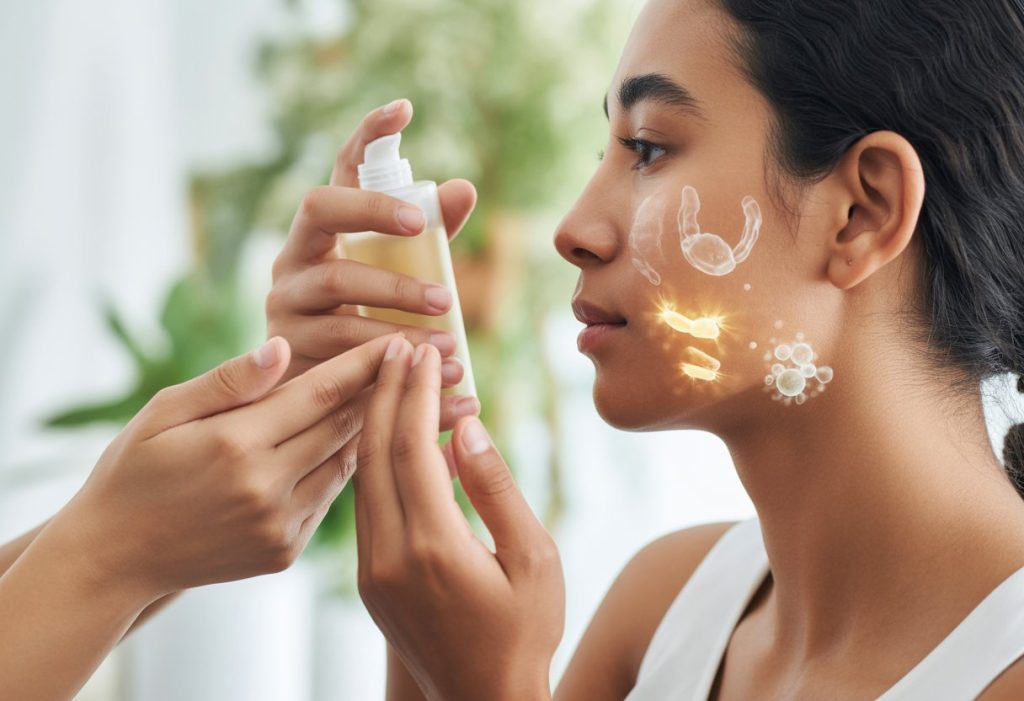
Clean skincare products can disrupt the delicate balance of microorganisms living on your skin, even when they avoid harsh chemicals. The removal of certain ingredients doesn’t guarantee protection for the beneficial bacteria that keep your skin healthy.
Disruption Of Beneficial Bacteria
Your skin microbiome contains billions of helpful microorganisms that protect against harmful pathogens and regulate inflammation. Many clean skincare products use strong preservatives or high concentrations of essential oils that kill both harmful and beneficial bacteria without distinction.
When you strip away good bacteria, your skin loses its natural defence system. This leaves it vulnerable to issues like dryness, sensitivity, and breakouts. Some clean products contain antibacterial ingredients such as tea tree oil or alcohol-based extracts that seem natural but still damage your microbiome.
The problem isn’t just what clean skincare removes—it’s also what it fails to replace. Your beneficial bacteria need specific nutrients to thrive, but many clean formulations focus only on avoiding “bad” ingredients rather than supporting the microorganisms your skin needs.
This is why—after many years of searching for a skincare solution for our misbehaving (and maturing!) skin— we finally created what we couldn’t find: Glow & Calm—microbiome friendly skincare that’s effective yet gentle, and backed by science!
Effects On Microbial Diversity
A healthy skin microbiome requires diverse species of bacteria, fungi, and other microorganisms working together. Clean skincare can reduce this microbial diversity when products are overly simplistic or contain ingredients that favour only certain types of bacteria.
Reduced diversity weakens your skin’s ability to adapt to environmental changes and fight off problematic microbes. Studies show that skin conditions like dermatitis and eczema often involve dysbiosis—an imbalance in the microbiome’s composition.
Signs of reduced microbial diversity include:
- Increased sensitivity to new products
- Persistent dryness or oiliness
- Frequent inflammatory responses
- Slow healing of minor skin damage
When your microbiome lacks diversity, even small disruptions can trigger significant skin problems.
Distinction Between Harmful And Good Bacteria
Not all bacteria on your skin are the same, yet many clean skincare products treat them as equal threats. Good bacteria like Staphylococcus epidermidis produce antimicrobial peptides that protect your skin, whilst harmful strains like certain Staphylococcus aureus types can cause infections.
Clean beauty formulations often target surface bacteria broadly rather than selectively supporting beneficial species. This approach ignores the fact that your skin needs certain bacteria to maintain its acid mantle and prevent moisture loss.
Understanding this distinction matters because truly effective skincare works with your microbiome rather than against it. Products that claim to be “clean” but don’t consider microbial balance may actually harm the protective bacteria your skin depends on whilst doing little to address genuinely problematic microbes.
Microbiome-friendly clean skincare—holistic approach
It’s worth noting that skincare, and caring for our skin microbiome, need a holistic ‘360 approach’, because the skin and gut microbiome are closely linked. Indeed, the skin and gut microbiome ‘talk’ 24-7 and is this connection is essential for skin health—alongside microbiome-friendly clean skincare.
When I want to give my skin and gut health an extra boost, I add a quality probiotic to my daily kefir routine. One of my go-to probiotics, YourBiology Gut+ contains a powerful mix of 20 Billion CFU probiotics and 10 different strains.

Importantly, Gut+ contains 2 prebiotics to help feed all the good bacteria that are essential for skin and gut health!
The Skin Barrier, Microbiome, And Skin Health

Your skin barrier and microbiome work together as a protective system that keeps your skin healthy and functioning properly. When either component becomes compromised, your skin health suffers through increased sensitivity, inflammation, and visible damage.
Functions Of The Skin Barrier
Your skin barrier is the outermost layer of your epidermis, made up of dead skin cells held together by lipids like ceramides, cholesterol, and fatty acids. This layer prevents water loss from your skin whilst blocking external irritants, allergens, and pathogens from entering.
The barrier also regulates temperature and produces sebum through your sebaceous glands. Sebum is an oily substance that lubricates your skin and provides antimicrobial protection. When your barrier functions properly, your skin maintains adequate hydration levels and appears smooth and healthy.
A compromised barrier leads to trans-epidermal water loss, which causes dryness, flaking, and sensitivity. You may notice increased redness, stinging, or burning when you apply products.
Microbiome’s Role In Barrier Protection
Your skin microbiome consists of billions of bacteria, fungi, and viruses that live on your skin’s surface. These microorganisms produce antimicrobial peptides that fight harmful pathogens and help maintain an acidic pH around 4.5 to 5.5.
Beneficial bacteria like Staphylococcus epidermidis strengthen your barrier by stimulating ceramide production. They also modulate your immune response, preventing unnecessary inflammation whilst protecting against genuine threats.
When your microbiome is balanced, it prevents overgrowth of problematic organisms like Cutibacterium acnes and Staphylococcus aureus. This diversity directly impacts your barrier strength and overall skin health.
Barrier Damage From Skincare Ingredients
Many “clean” skincare products contain harsh surfactants, high percentages of essential oils, and strong preservatives that disrupt both your barrier and microbiome. Sodium lauryl sulphate strips away protective lipids and sebum, whilst tea tree oil and lavender oil can be cytotoxic to skin cells at high concentrations.
Overuse of acids and retinoids thins your stratum corneum before your skin can properly regenerate. Alcohol denat and witch hazel extract remove essential moisture and alter your skin’s pH balance.
Antimicrobial ingredients like triclosan and benzoyl peroxide eliminate beneficial bacteria alongside harmful ones. This creates an imbalanced microbiome that cannot adequately support your skin barrier or maintain skin health.
Potential Skin Conditions Linked To Microbiome Disruption
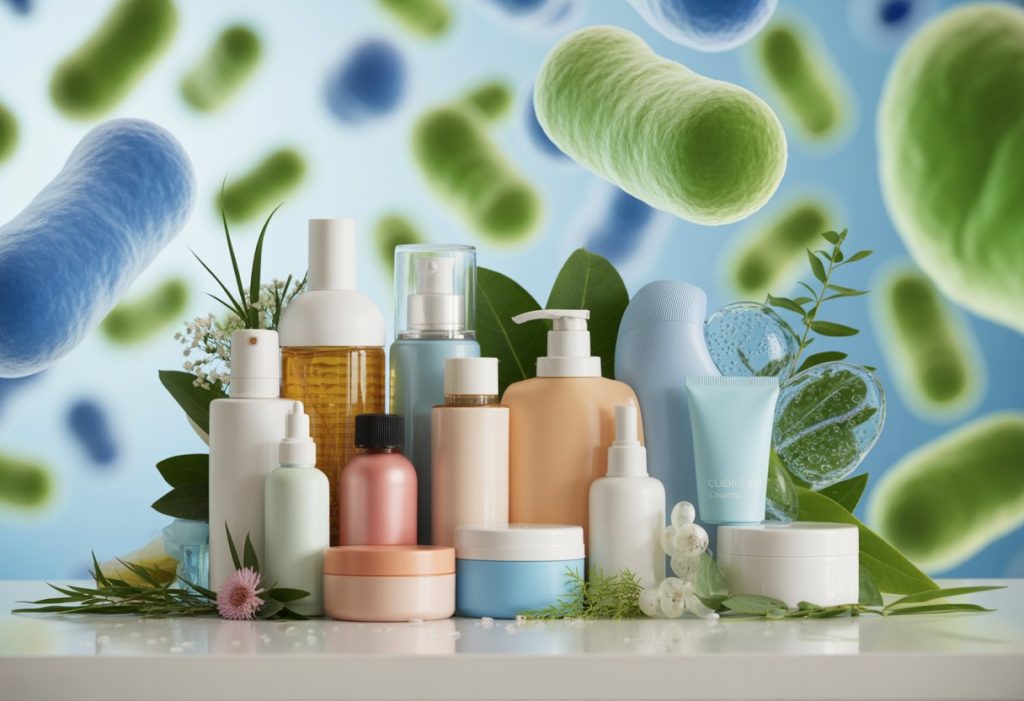
When your skin’s microbiome becomes unbalanced, harmful bacteria can take over while helpful microbes decrease. This shift weakens your skin’s natural defences and creates conditions where various skin problems can develop or worsen.
Eczema And Microbial Imbalance
Your skin needs a healthy balance of bacteria to maintain its protective barrier. When that balance breaks down, eczema can develop or get worse.
Research shows that people with eczema often have higher levels of Staphylococcus aureus on their skin. This harmful bacteria thrives when the microbiome is disrupted. When good bacteria decline, S. aureus multiplies and produces toxins that irritate your skin.
The connection works both ways. An imbalanced microbiome makes eczema worse, and eczema symptoms further disrupt the bacterial balance. This creates a cycle that’s hard to break.
Excessive cleansing and harsh products can strip away protective bacteria. This leaves your skin vulnerable to the bacterial overgrowth that contributes to eczema flare-ups.
Acne And Bacterial Diversity
Your skin hosts many types of bacteria that normally keep each other in check. When this diversity decreases, acne-causing bacteria can dominate.
Cutibacterium acnes (formerly Propionibacterium acnes) lives on everyone’s skin. Problems start when certain strains multiply too quickly whilst beneficial bacteria decrease. Low bacterial diversity allows these problematic strains to flourish in your pores.
Some “clean” skincare ingredients can disrupt this bacterial balance. Products marketed as antibacterial might kill helpful microbes along with harmful ones. This leaves your skin more vulnerable to breakouts.
Key factors in acne-related dysbiosis:
- Loss of beneficial bacterial strains
- Overgrowth of inflammatory bacteria
- Reduced microbial diversity in sebaceous follicles
- Disrupted skin pH from harsh cleansers
Rosacea And Inflammation
Rosacea involves chronic inflammation that’s closely linked to microbiome changes. Your skin’s bacterial balance plays a major role in controlling inflammatory responses.
People with rosacea often show different bacterial populations compared to those without the condition. These microbial shifts can trigger inflammation and make blood vessels more reactive.
When your microbiome is disrupted, your skin’s immune system becomes overactive. It starts responding too strongly to normal bacteria, creating the redness and irritation characteristic of rosacea. Products that strip your skin’s natural ecosystem can worsen this inflammatory response.
Dermatitis And Allergic Reactions
Dermatitis commonly occurs alongside dysbiosis. When your microbiome becomes unbalanced, your skin loses its ability to regulate immune responses properly.
A healthy microbiome helps your skin distinguish between harmless substances and real threats. When beneficial bacteria decline, your skin may start reacting to ingredients it would normally tolerate. This leads to contact dermatitis and allergic reactions.
Signs of microbiome-related dermatitis:
- Increased sensitivity to products
- Unexpected reactions to familiar ingredients
- Persistent irritation despite changing products
- Slow healing of minor skin damage
Your skin’s protective barrier weakens without adequate microbial support. This allows irritants to penetrate more easily and trigger allergic responses. Even products labelled as “clean” can cause problems if they disrupt your microbiome’s natural balance.
Understanding Clean Skincare Ingredients And Their Effects
Clean skincare products often contain different ingredients than conventional products, but not all of these alternatives support your skin’s microbiome. Some common clean ingredients can strip away beneficial bacteria, while others help maintain the delicate balance your skin needs to stay healthy.
Harsh Chemicals Versus Gentle Alternatives
Traditional skincare products often contain sulphates, synthetic fragrances, and strong alcohols that damage your skin’s protective barrier. These ingredients strip away natural oils and kill both harmful and beneficial bacteria living on your skin.
Clean alternatives include ingredients like plant-based cleansers, natural oils, and botanical extracts. However, “natural” doesn’t always mean gentle. Essential oils like tea tree, peppermint, and citrus can irritate your skin and disrupt your microbiome when used in high concentrations.
Microbiome-friendly alternatives include:
- Amino acid-based cleansers instead of sulphates
- Squalane or jojoba oil instead of mineral oil
- Fragrance-free formulas or those with minimal natural fragrance
The key is choosing products that clean and care for your skin without destroying the good bacteria.
Role Of Hyaluronic Acid In Microbiome Health
Hyaluronic acid is a popular clean beauty ingredient that helps your skin retain moisture. Your body produces this substance naturally, making it compatible with your skin’s biology.
This ingredient supports your microbiome by keeping your skin hydrated without disrupting bacterial balance. Beneficial bacteria thrive in properly moisturised environments where the skin barrier remains intact.
Different molecular weights of hyaluronic acid work at various skin depths. Low molecular weight penetrates deeper, whilst high molecular weight stays on the surface. Both types help maintain moisture levels that support healthy bacteria growth.
You’ll find hyaluronic acid in serums, moisturisers, and cleansers. It works well with other microbiome-friendly ingredients and rarely causes irritation or sensitivity.
Impact Of Preservatives And Surfactants
Preservatives keep skincare products safe from harmful bacteria and mould, but some types harm your skin’s microbiome. Parabens and formaldehyde-releasing preservatives kill bacteria indiscriminately, removing beneficial microbes along with harmful ones.
Clean beauty brands use alternative preservatives like phenoxyethanol, potassium sorbate, or fermented ingredients. These options protect products whilst causing less disruption to skin bacteria. However, all preservatives affect your microbiome to some degree.
Surfactants help remove dirt and oil from your skin. Harsh options like sodium lauryl sulphate damage your skin barrier and microbiome. Gentler surfactants include coco-glucoside, decyl glucoside, and sodium cocoyl isethionate.
The concentration of these ingredients matters as much as the type. Even gentle preservatives and surfactants can harm your microbiome when used in high amounts or applied too frequently.
Supporting A Healthy Microbiome: Prebiotics, Probiotics, And Microbiome-Friendly Care
Your skin needs the right ingredients to maintain its bacterial balance. Prebiotics feed beneficial bacteria, whilst probiotics introduce helpful strains, and a growing number of microbiome-friendly brands are designing products around these principles.
Prebiotics And Their Function
Prebiotics are compounds that feed the beneficial bacteria already living on your skin. They work differently from probiotics because they don’t add new bacteria. Instead, they provide nutrition for the good bacteria you already have.
Common prebiotic ingredients in skincare include oat extracts, chicory root, and inulin. These compounds help your skin’s natural bacteria thrive and multiply. When good bacteria get the food they need, they can better defend against harmful bacteria.
Your skin’s microbiome responds quickly to prebiotic care. The beneficial bacteria produce protective substances that strengthen your skin barrier. They also help maintain the right pH level, which keeps harmful bacteria from taking over.
Probiotics In Topical Skincare
Probiotics in skincare contain live or inactive beneficial bacteria. The most common types include Lactobacillus and Bifidobacterium species. These bacteria can help balance your skin’s microbial community.
Some products use heat-killed bacteria or bacterial extracts instead of live cultures. These still provide benefits because your skin responds to bacterial cell parts. Live bacteria must survive manufacturing and storage, which makes them harder to work with.
Research shows probiotics can reduce inflammation and support skin healing. They work by competing with harmful bacteria for space and resources. Some strains produce substances that directly fight problem-causing microbes.
When I want to give my skin and gut health an extra boost, I add a quality probiotic to my daily kefir routine. One of my go-to probiotics, YourBiology Gut+ contains a powerful mix of 20 Billion CFU probiotics and 10 different strains.
Importantly, Gut+ contains 2 prebiotics to help feed all the good bacteria that are essential for skin and gut health!
Emergence Of Skin Microbiome-Friendly Brands
Mother Dirt pioneered the bacterial treatments category with products containing live AOB (ammonia-oxidising bacteria). These bacteria were isolated from soil and naturally process sweat and oils on your skin. The brand avoids traditional preservatives that would kill beneficial bacteria.
Other microbiome-friendly companies now offer cleansers with pH levels between 4.5 and 5.5. They skip harsh surfactants and strong preservatives. These products clean your skin without destroying its bacterial balance.
The movement extends beyond adding good bacteria. These brands examine every ingredient for its effect on skin microbes. They test products to confirm they don’t harm beneficial bacteria whilst still providing effective skincare.
Glow & Calm for Sensitive, Mature Skin
Glow & Calm Elixir is formulated with microbiome-friendly ingredients that help nurture your skin and scalp microbiome (yes, your scalp has a microbiome that also needs looking after!).
It’s gentle enough for senstive scalps, and ideal for reactive or delicate skin types.
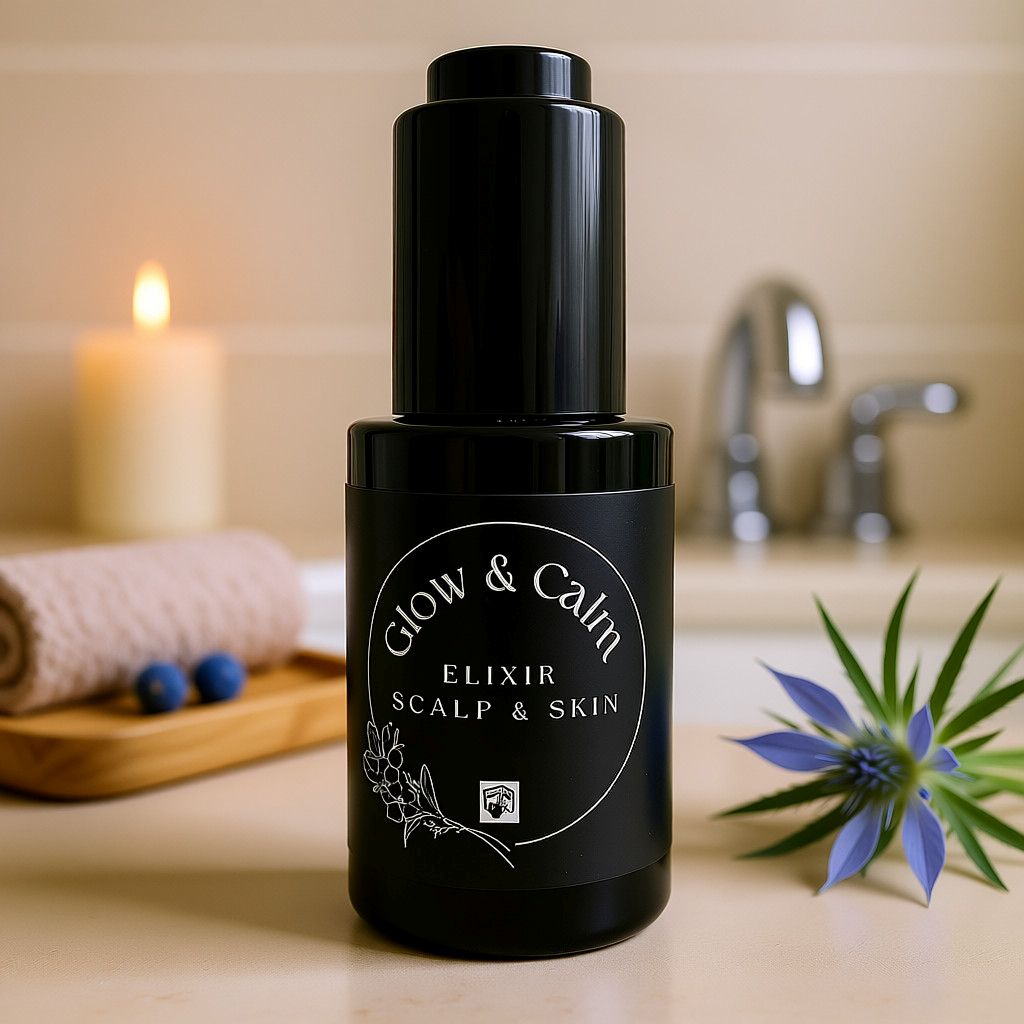
Glow & Calm Elixir is 100% natural and backed by science. Every ingredient is chosen to:
🌿 Soothe & calm with alpha-bisabolol extract and oat seed
🌿 Rejuvenate & restore with cacay seed and buriti oil
🌿 Nourish & revitalise with sea buckthorn and meadowfoam
Lifestyle Factors And Future Trends In Microbiome-Conscious Skincare
Your daily habits influence your skin’s bacterial balance just as much as the products you apply. The skincare industry is moving towards recognising skin as a living ecosystem that requires support rather than sterilisation.
Hygiene Hypothesis: Are We Too Clean?
The hygiene hypothesis suggests that excessive cleansing strips away beneficial microbes your skin needs to function properly. Your skin hosts millions of bacteria, fungi, and other microorganisms that protect against pathogens and maintain barrier health.
Over-washing disrupts this delicate balance. When you eliminate too many microbes through aggressive cleansing or antibacterial products, harmful bacteria can colonise more easily.
Environmental exposure matters for microbial diversity. People who spend time outdoors or interact with varied environments tend to have more diverse skin microbiomes. This diversity typically correlates with better skin resilience.
Modern hygiene practices often prioritise sterility over balance. The goal isn’t to avoid washing but to cleanse in ways that preserve beneficial microbes whilst removing dirt and excess oils.
Gut Microbiome’s Link To Skin Health
Your gut microbiome directly affects your skin through the gut-skin axis. Bacteria in your digestive system influence inflammation levels throughout your body, including your skin.
Inflammatory skin conditions often correlate with gut dysbiosis. When harmful bacteria outnumber beneficial ones in your gut, inflammatory compounds enter your bloodstream and reach your skin.
Dietary choices shape both microbiomes. Fermented foods, fibre, and prebiotics feed beneficial gut bacteria that support skin health. Processed foods and excess sugar promote harmful bacterial growth.
Probiotics and postbiotics show promise for skin improvement. Some studies indicate that consuming specific bacterial strains can reduce acne, eczema, and rosacea symptoms by modulating gut inflammation.
Personalised And AI-Powered Innovations
Skincare is shifting from universal solutions to customised formulations based on your unique microbial profile. Companies now analyse individual microbiomes to recommend specific products that support rather than disrupt your bacterial balance.
AI technology enables deeper understanding of microbial patterns. Machine learning algorithms can predict which ingredients will benefit your specific skin ecosystem based on bacterial composition.
Biotech innovations are creating targeted prebiotics and postbiotics for skincare. These ingredients feed beneficial bacteria or provide the compounds that healthy microbes naturally produce.
The focus is moving beyond simple “microbiome-friendly” claims to measurable outcomes. Expect testing methods that verify products maintain microbial diversity rather than simply avoiding harsh preservatives.
Frequently Asked Questions
Understanding which ingredients affect your skin’s bacterial balance and how to spot truly supportive products can help you make better choices. Your gut health, daily habits, and the ingredients you apply all play direct roles in maintaining or disrupting your skin microbiome.
What substances in skincare products can disrupt the gut microbiome?
Whilst skincare products primarily affect your skin microbiome rather than your gut microbiome, certain ingredients can still impact your overall bacterial balance. Harsh surfactants like sodium lauryl sulphate strip away both harmful and beneficial bacteria from your skin’s surface. Synthetic fragrances and certain preservatives like parabens can also disrupt the delicate ecosystem of microorganisms on your skin.
Antibacterial agents such as triclosan kill bacteria indiscriminately. This means they eliminate the good bacteria that protect your skin alongside potentially harmful ones.
Strong alcohols and astringents dry out your skin and damage its protective barrier. When this barrier breaks down, it becomes harder for beneficial bacteria to thrive.
How can one identify microbiome-supportive skincare?
Look for products that contain prebiotics, probiotics, or postbiotics on their ingredient lists. These components feed and support the beneficial bacteria already living on your skin. Gentle, pH-balanced formulations help maintain the slightly acidic environment your skin microbiome needs.
Check for minimal ingredient lists with recognisable components. Products marketed as “clean skincare” may support your skin microbiome, but this term lacks official regulation. Focus instead on whether products avoid harsh surfactants and synthetic fragrances.
Fragrance-free and hypoallergenic labels often indicate gentler formulations. Products that mention protecting the skin barrier or maintaining skin pH typically work better with your microbiome.
To what extent does the health of the gut impact one’s skin condition?
Your gut and skin communicate through what scientists call the gut-skin axis. When your gut microbiome is unbalanced, it can trigger inflammation throughout your body, including your skin. This connection explains why digestive issues often coincide with skin problems like acne, eczema, or rosacea.
An unhealthy gut allows harmful substances to enter your bloodstream. Your body responds with inflammation that can manifest as various skin conditions.
The bacteria in your gut produce substances that affect your immune system. Since your skin contains immune cells, changes in gut health directly influence how your skin responds to irritants and potential threats.
What are the common practices that could harm the skin microbiome?
Over-washing your face strips away beneficial bacteria along with dirt and oils. Most people only need to cleanse their face twice daily at most. Using hot water during cleansing also damages your skin’s protective barrier and the microorganisms living there.
Over-exfoliating removes too many layers of dead skin cells. This disrupts the environment where beneficial bacteria live and reproduce.
Applying too many products at once can overwhelm your skin’s ecosystem. Your microbiome needs stability, not constant exposure to new ingredients and formulations.
Using antibacterial soaps on your face kills both good and bad bacteria. The beneficial bacteria that naturally live on your skin help protect you from harmful microorganisms.
Which ingredients should be avoided to maintain a healthy skin microbiome?
Strong synthetic fragrances can irritate your skin and disrupt bacterial balance. These chemicals serve no functional purpose beyond scent and often cause sensitivity in many people.
Sodium lauryl sulphate and sodium laureth sulphate are harsh cleansing agents. They create foam but strip away your skin’s natural oils and beneficial bacteria. Triclosan and other antibacterial agents kill microorganisms without discrimination.
High concentrations of alcohol (particularly denatured alcohol) dry out your skin excessively. This creates an inhospitable environment for beneficial bacteria.
Certain preservatives like parabens and formaldehyde-releasing agents can affect bacterial populations on your skin. Whilst some preservation is necessary, gentler alternatives exist.
How can changes in the skin microbiome manifest on the skin?
Increased sensitivity and redness often signal microbiome disruption. Your beneficial bacteria normally help regulate inflammation and protect against irritants. When they’re depleted, your skin becomes more reactive.
Breakouts and acne can worsen when your microbiome loses balance. Beneficial bacteria help control the population of acne-causing bacteria like Cutibacterium acnes.
Dryness and flaking may develop as your skin barrier weakens. A healthy microbiome supports your skin’s ability to retain moisture and maintain its protective barrier.
Persistent inflammation, unusual rashes, or conditions like eczema and rosacea can all indicate microbiome problems. Your skin may take longer to heal from minor cuts or irritation when beneficial bacteria aren’t present in proper amounts.