

Sea Buckthorn: The New Skin & Gut Health Superhero
Sea Buckthorn: The Skin and Gut Health Superfood You Should Know About
Table of Contents
Sea buckthorn has gained a cult following among skincare and wellness enthusiasts — and for good reason. Rich in rare fatty acids, vitamins, and antioxidants, this bright orange berry supports both your outer glow and inner gut health. Having tried it myself in our favourite Glow & Calm Elixir, personally I’m truly hooked!
In this article, we explore the science behind sea buckthorn’s benefits for the skin–gut axis, break down the difference between seed and pulp oil, and answer the most common questions about how to use it topically and orally, as a supplement. If you’re curious about why we use the sea buckthorn superfood in our Glow & Calm Elixir, this post covers it all.
What Makes Sea Buckthorn a Skin and Gut Superfood?
Sea buckthorn (Hippophae rhamnoides) is one of the few plants that naturally contains all four omega fatty acids — omega-3, 6, 7, and 9 — along with vitamin C, E, carotenoids, and phytosterols.
This nutrient density may help:
- Reinforce skin barrier function
- Reduce inflammatino + oxidative stress in skin and gut lining
- Support cell membrane integrity
- Improve mucosal hydration
Unlike many beauty ingredients that only work topically, sea buckthorn supports skin from both the inside and outside, making it ideal for people with dry skin, inflammatory conditions, or gut-related sensitivities (Chan LP et al; 2024).
Seed Oil vs. Pulp Oil: What’s the Difference?
Sea buckthorn yields two distinct oils:
Seed oil
- Rich in linoleic acid (omega-6) and alpha-linolenic acid (omega-3)
- Supports skin barrier lipids and ceramide production
- Ideal for barrier repair and moisture retention
Pulp (berry) oil
- High in palmitoleic acid (omega-7), a rare fatty acid found in human sebum
- Packed with carotenoids, tocopherols (vitamin E), and plant sterols
- Supports elasticity, texture, and antioxidant protection
Does Sea Buckthorn Really Improve Skin Health?
In short, yes — both oral and topical applications show promising results in clinical studies (Koh YG et al, 2023; Rodriguez E et al, 2024; Dubey RK, 2024).
Oral supplementation:
- Improves skin hydration, elasticity, and reduction in trans-epidermal water loss (TEWL) after 8–12 weeks
- Helps reduce redness and support UV-damaged skin
Topical use may:
- Speed up wound healing
- Reduce inflammation
- Enhance antioxidant defenses
These benefits are particularly useful for dry, sensitive, or photodamaged skin.
How Does Sea Buckthorn Help the Gut?
Sea buckthorn doesn’t just act on the skin — it also supports gut lining and microbiome balance (Chen K et al, 2022).
Studies show it may:
- Reduce inflammation in the intestinal lining
- Modulate tight junction proteins, which are critical for gut barrier function
- Shift gut microbiota toward beneficial species
- Improve mucosal comfort in conditions like dry mouth or dry eye, which share mucosal pathways with the gut
Early clinical evidence is encouraging, though more human studies are needed.
Why Is Omega-7 (Palmitoleic Acid) Special for Skin?
Omega-7 is rarely found in plant-based sources — sea buckthorn pulp oil is one of the richest.
This fatty acid:
- Mimics natural human sebum
- Helps restore skin elasticity
- Reduces inflammation
- Enhances moisture retention
It’s especially useful for aging skin, eczema, or post-acne barrier repair (Rodriguez E et al, 2024).
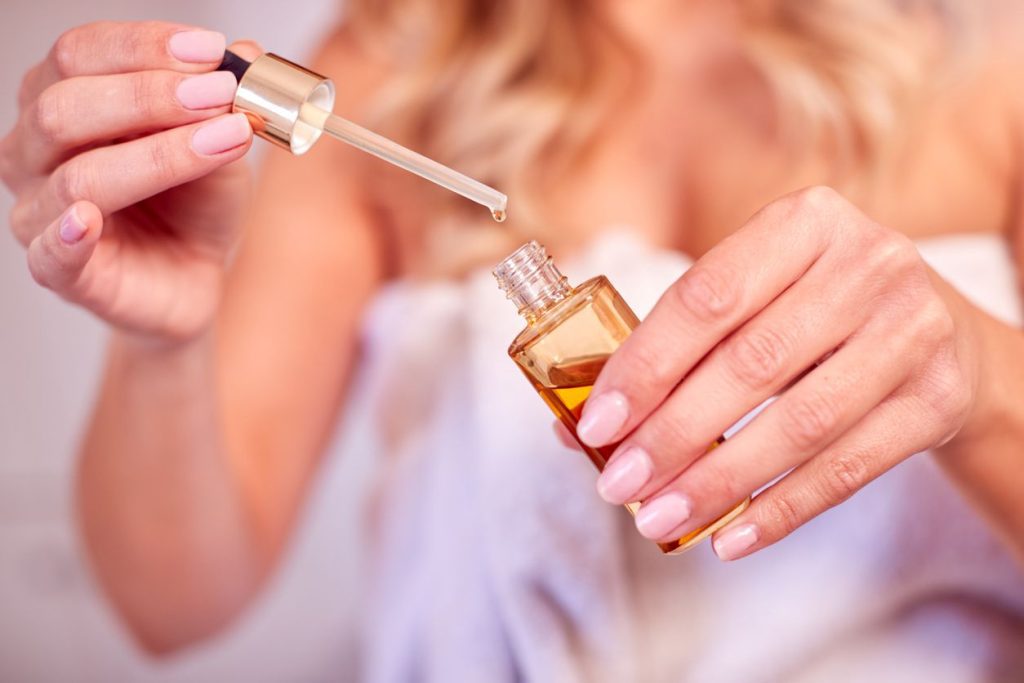
Should I Take It Orally or Use It Topically?
Both routes have their strengths:
| Topical | Oral |
|---|---|
| Immediate effect on the skin | Systemic benefits for skin and gut |
| Targets local inflammation | Supports lipid levels, mucosal hydration |
| Best for reactive skin areas | Ideal for dry skin, dry eyes, or gut support |
Using both (inside-out and outside-in) may support the skin-gut axis, which is crucial for skin and gut health.
How Long Before I See Results?
- Topical use: Redness and dryness may improve within days. Elasticity and texture often take 4–6 weeks
- Oral use: Most studies show significant results in 8–12 weeks of daily supplementation.
Be patient — skin turnover and gut healing take time (Rodriguez E et al, 2024).
Are There Any Side Effects or Risks?
Sea buckthorn is generally safe, but some considerations include:
- Topical: May cause mild staining due to carotenoids; rare allergy to oat or seed proteins
- Oral: Generally well tolerated, but consult your doctor if you are pregnant, breastfeeding, or on anticoagulant medication
Always patch-test new skincare products.
Why Combine Sea Buckthorn with Oat or Borage?
Sea buckthorn alone is powerful, but combining it with other barrier-supportive ingredients enhances its effects:
- Oat: Calms redness, reduces itch, and forms a protective film
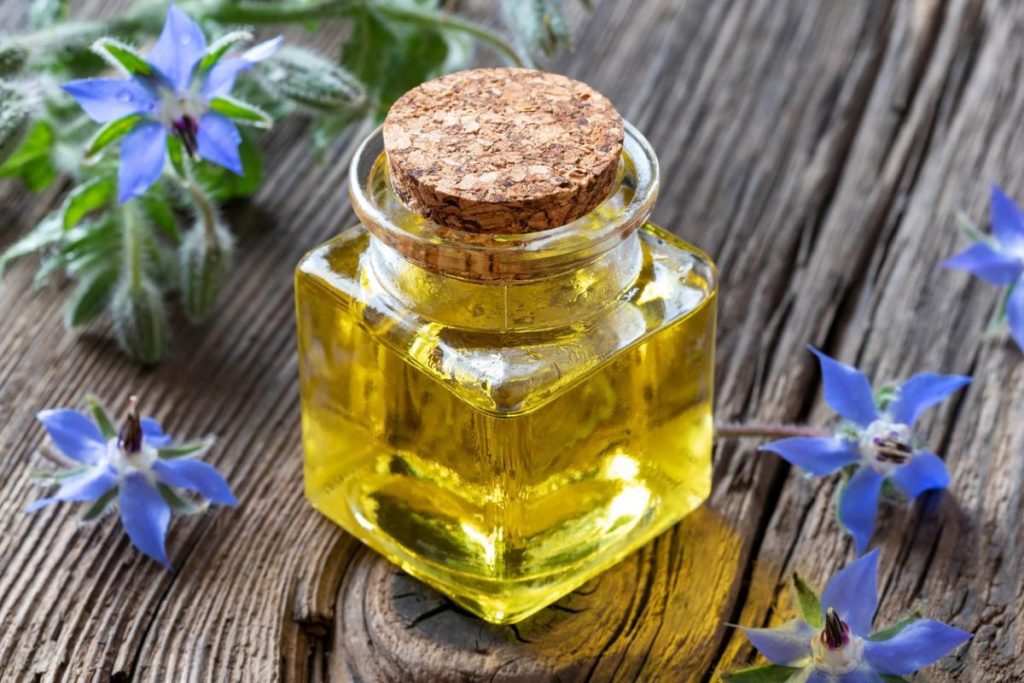
- Borage oil (rich in GLA): Strengthens lipid barrier and reduces inflammation
This blend offers multi-layered protection for sensitive skin and is the backbone of our Glow & Calm Elixir.
How Do I Choose a Quality Sea Buckthorn Product?
Look for:
- Clear seed-to-pulp ratio
- CO₂-extracted or cold-pressed (preserves nutrients)
- Low peroxide value (fresher oil)
- Opaque glass packaging (prevents oxidation)
- Sourced from sustainable farms in high-latitude regions
Not all sea buckthorn is created equal. A high-quality oil will be bright orange and rich in natural antioxidants.
FAQs: Your Sea Buckthorn Superfood Questions Answered
Does Sea Buckthorn Stain Skin?
Potentially, especially the pulp oil due to high carotenoid levels. We balance the percentage in Glow & Calm to avoid noticeable staining.
Can Sea Buckthorn Help With Eczema or Rosacea?
There is promising data. Small studies show improved barrier function and reduced redness. It’s best used as supportive care, not a replacement for prescribed treatments.
What’s an Effective Topical Percentage?
Typical use levels range from 1–5%, depending on the formula. Balms may contain higher levels if orange staining is acceptable.
How Are Soothing Claims Validated?
Brands use non-invasive tools like:
- Transepidermal water loss (TEWL)
- Corneometry (hydration measurement)
- Redness scoring (a* value)
- User feedback in trials
Where Does High-Quality Sea Buckthorn Come From?
Top-growing regions include:
- Finland
- Siberia
- Norway
- Estonia
- Himalayas
Berries from cold, high-latitude climates may contain higher levels of antioxidants and omega-7 — but they must be carefully extracted to preserve potency.
Glow & Calm Ingredient Spotlight
Our Glow & Calm Elixir is formulated with:
- Sea buckthorn pulp oil for omega-3, -6 and -7 plus carotenoids
- Colloidal oat to soothe and protect
- Borage oil to strengthen the barrier
It’s fragrance-free, suitable for sensitive skin and scalp, and designed for everyday use.
Conclusion: Why Sea Buckthorn Deserves a Place in Your Routine
Sea buckthorn is one of the few natural ingredients backed by research for both skin and gut health. Its unique blend of fatty acids, antioxidants, and barrier-repairing compounds makes it ideal for anyone seeking a more holistic approach to skincare.
Whether you’re managing dry, sensitive skin or looking to support gut health from the inside out, sea buckthorn offers a potent, natural solution.
References & Further Reading
More Posts You Might Enjoy:
Sea Buckthorn: The Skin and Gut Health Superfood You Should Know About Sea buckthorn has gained a cult following among skincare and wellness enthusiasts — and for good reason. Rich in rare fatty acids, vitamins, and antioxidants, this bright orange berry supports both your outer glow and inner gut health. Having tried it myself in […]

Easy High Fiber Meals – Boost Your Skin Glow, Inside Out Looking for a quick overview of how to add more fiber to your diet? We’ve got you covered with these ideas for easy high fiber meals to keep your gut happy and your meals exciting! Because eating enough fiber is a key to glowing […]

Best Probiotics for Acne? 12 That Actually Work (Derm & Gut-Backed) If you struggle with acne, you’re not alone—acne affects over 650 million people worldwide. I was one of them for many years, until I realised that skin health is more than just skin deep! In fact, new research shows that balancing your skin and […]
Water kefir vs milk kefir: which actually fixes bloating? Water kefir vs milk kefir: which actually fixes bloating? The honest answer is that neither is a guaranteed fix, but understanding what goes into each drink can help you choose one that better matches your diet and likely triggers. Key Takeaways What kefir is and how […]

Probiotic strains for IBS: what the clinical evidence actually shows Probiotic strains for IBS: what the clinical evidence actually shows is important because one big meta-analysis pooled 20 studies and found probiotics outperform placebo for global IBS symptoms. That means we can talk about “works for IBS” in a way that is not based on […]
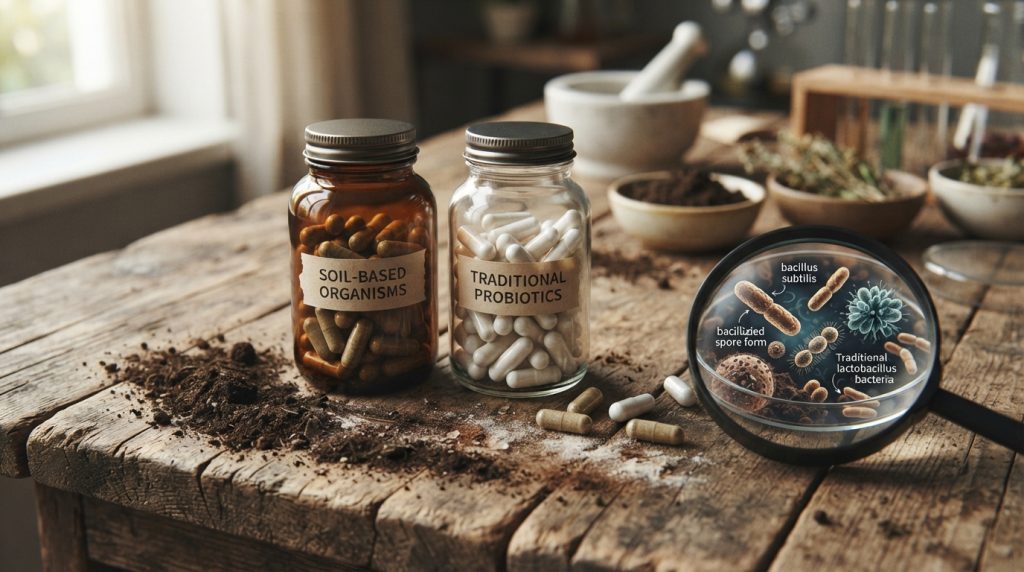
Compare Soil Based Organisms vs Traditional Probiotics for Sensitive Digestion (Best Picks for IBS, Bloating & Gut-Skin Results) Soil Based Organisms vs Traditional Probiotics for Sensitive Digestion is one of the most common questions we get from people whose gut feels touchy, yet they still want an inside-out glow. Did you know that some probiotics […]

Best Spore-Based Probiotics for Sensitive Stomachs: Gentle, Science-Backed Support That Actually Works When it comes to the Best Spore-Based Probiotics for Sensitive Stomachs, the science is quietly impressive, clinical trials show a 30-day course can reduce markers of gut permeability by 42%, which explains why so many people finally feel relief without the usual bloating. […]

Ultimate Guide to Using Prebiotic Fibre for Sustained Energy Did you know that 90% of women and 97% of men don’t get enough fibre in their daily diet? That gap is exactly why we put together this ultimate guide to using prebiotic fibre for sustained energy, because we’ve read hundreds of research papers and articles, […]
How to Choose Quality Digestive Enzymes for Better Nutrient Absorption Did you know that a staggering 70,000,000 people in the United States deal with gastrointestinal disorders every single year? That number alone tells us why so many of you write in asking how to choose quality digestive enzymes for better nutrient absorption, because bloating, sluggish […]
Best Probiotics for Women Over 40: Our Science-Backed Pick of the Top Strains Finding the best probiotics for women over 40 has become one of the most-asked questions we get, and here’s a number that stopped us in our tracks: a striking 94% of women going through menopause report digestive health issues, often tied to […]

Digestive Disorders & Microbiome Recovery: What the Science Actually Says A single course of antibiotics can reduce gut microbial species by approximately 20, according to a Swedish analysis of nearly 15,000 adults, and that disruption can persist for years. This finding sits at the heart of why digestive disorders and microbiome recovery have become one […]
The ’30-30-3′ Microbiome Protocol: Your Science-Backed Daily Blueprint for a Thriving Gut Did you know that 84% of consumers report being more interested in gut health products than in previous years? It’s no wonder that simple, evidence-based frameworks like the ’30-30-3′ Microbiome Protocol are capturing so much attention right now. We’ve been fascinated (to the […]
Chrono-Nutrition for the Microbiome: The Best Guide to Timing Your Meals for Gut Health Chrono-nutrition for the microbiome is one of the most exciting and practical shifts happening in gut health right now, and the science behind it is changing how we think about what we eat AND when we eat it. Consider this: over […]

Postbiotic pH Balancing: The Plain-English Guide to Supporting a Healthier Gut Ecosystem Postbiotic pH Balancing matters because clinicians often flag problems when vaginal pH rises above 4.5, a pH threshold tied to common vaginitis diagnoses. More people are asking the same practical question for gut health: how can we support stable, “right-range” pH conditions without […]

Best Natural Remedies for Reducing Chronic Systemic Inflammation If you’re looking for the best natural remedies for reducing chronic systemic inflammation, you’re in exactly the right place. And here’s something that might surprise you before we even get started: research shows that short sleep duration is associated with more than double the odds of elevated […]