
The 24-Hour Glow Protocol: Transform Your Skin Through Microbiome-Focused Nutrition and Skincare
Your skin and gut health are connected in ways that become visible within just 24 hours of changing what you eat and how you care for your skin. The microbiome—the collection of bacteria living in your gut and on your skin—responds quickly to the foods you consume and the products you apply. When you support these beneficial bacteria through targeted eating and skincare choices, you can see improvements in your complexion, digestion, and overall vitality in as little as one day.

This approach isn’t about quick fixes or temporary changes. It’s about understanding how your daily choices affect the living organisms that protect and nourish your body from the inside out.
The 24-hour timeframe gives you a practical way to reset your habits and observe real changes. You’ll learn which foods feed the helpful bacteria in your gut, which skincare practices protect the microbes on your skin, and how to combine both for lasting results.
Understanding the 24-Hour Glow Protocol
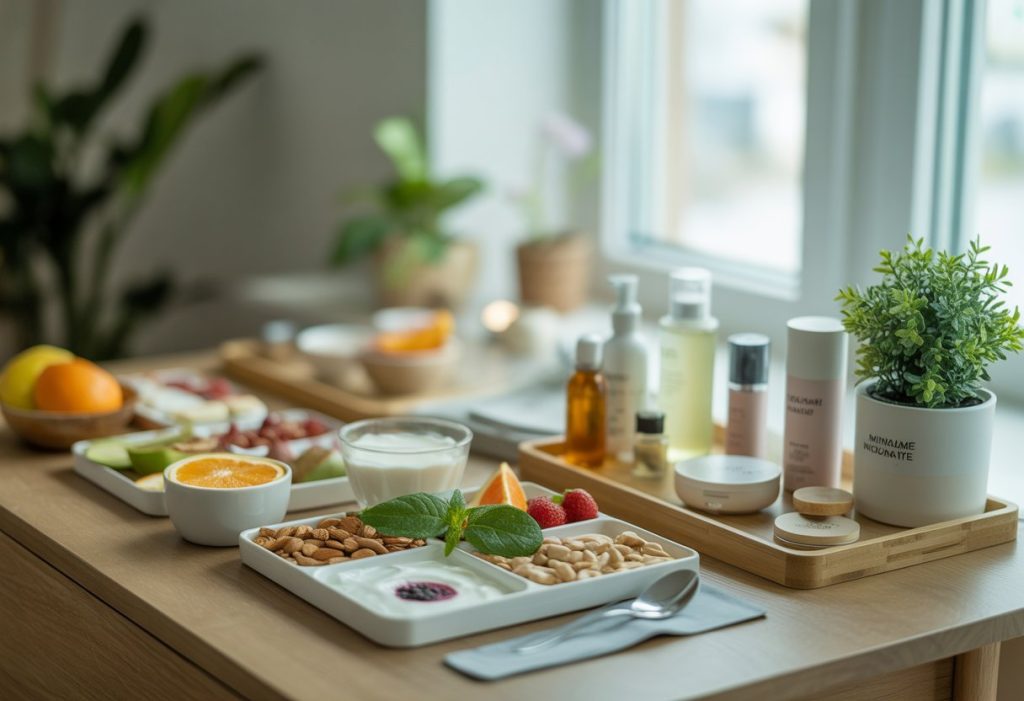
The 24-Hour Glow Protocol focuses on supporting your skin and gut microbiome through targeted eating patterns and skincare practices throughout a single day. This approach recognises that your skin health depends heavily on what you eat and how you care for your microbiome.
What Is the Glow Protocol?
The 24-Hour Glow Protocol is a daily routine that combines specific eating windows with skincare practices designed to support your body’s natural microbiome. You follow a structured schedule that includes periods of eating nutrient-dense foods and periods of fasting to give your digestive system time to rest and repair.
The protocol typically spans from morning to night, with specific activities timed to work with your body’s natural rhythms. You consume foods rich in prebiotics, probiotics, and polyphenols during designated eating windows. Between meals, you focus on hydration and topical skincare that supports beneficial skin bacteria.
This approach differs from standard skincare routines because it addresses both internal and external factors. You’re not just applying products to your skin’s surface. You’re also feeding the trillions of bacteria that live in your gut and on your skin.
Benefits for Microbiome and Skin Health
Following this protocol can improve your skin’s appearance by reducing inflammation and supporting healthy bacterial balance. Your gut microbiome produces compounds that affect skin conditions like acne, rosacea, and eczema. When you eat foods that support beneficial bacteria, these microorganisms produce short-chain fatty acids and other molecules that reduce skin inflammation.
Your skin barrier function improves when your microbiome is balanced. This means better moisture retention and protection against environmental stressors. You may notice reduced redness, fewer breakouts, and more even skin tone.
The protocol also supports your immune system through the gut-skin connection. About 70% of your immune cells live in your gut. When you nurture your gut microbiome, you’re strengthening your skin’s ability to defend itself against harmful bacteria and environmental damage.
How the Gut-Skin Axis Works
Your gut and skin communicate through several pathways in your body. Bacteria in your intestines produce metabolites that enter your bloodstream and travel to your skin. These compounds can either trigger inflammation or reduce it, depending on the types of bacteria present.
When your gut microbiome is imbalanced, it can increase intestinal permeability. This allows bacterial fragments and toxins to enter your bloodstream, triggering inflammatory responses that show up on your skin. You might experience breakouts, redness, or worsening of existing skin conditions.
Your nervous system also connects your gut and skin. Stress affects both areas through the same neural pathways. The bacteria in your gut produce neurotransmitters like serotonin that influence stress responses and skin health. When you support your gut microbiome, you’re indirectly supporting your skin’s stress response.
Key Principles of Microbiome-Focused Skincare
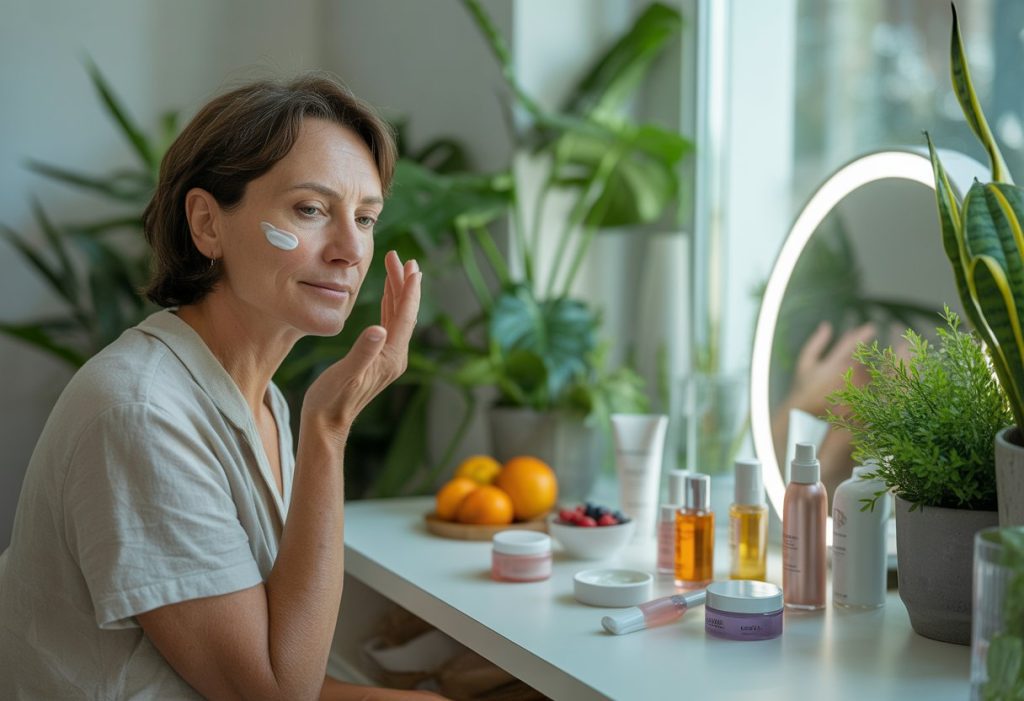
Your skin’s microbiome needs protection from harsh ingredients whilst getting proper hydration and nutrients to support natural cell renewal. These three principles work together to maintain the protective bacterial communities that keep your skin healthy.
The No List: Ingredients to Avoid
Certain ingredients strip away beneficial bacteria from your skin’s surface. Harsh sulphates like sodium lauryl sulphate (SLS) and sodium laureth sulphate (SLES) disrupt the protective acid mantle that houses your microbiome. Alcohol denat, isopropyl alcohol, and ethanol in high concentrations dry out skin and kill both harmful and helpful bacteria.
Antibacterial agents like triclosan and benzalkonium chloride wipe out your skin’s bacterial diversity. Even some natural ingredients can cause problems. Walnut scrubs and other physical exfoliants create tiny tears that allow harmful bacteria to enter whilst removing protective oils.
Artificial fragrances and parfum listings often contain dozens of unlisted chemicals that irritate sensitive microbiomes. Instead, look for products labelled as microbiome-friendly, pH-balanced, or formulated with prebiotics and probiotics.
Daily Hydration and Electrolytes
Your skin microbiome thrives when properly hydrated from both inside and out. Drink at least 2 litres of water daily, spread throughout the day rather than all at once. Add a pinch of sea salt or electrolyte powder to your morning water to help your cells absorb and retain moisture.
Topical hydration matters equally. Apply products with hyaluronic acid, glycerin, or ceramides whilst your skin is still damp. These ingredients bind water to your skin’s surface where beneficial bacteria live. Products that provide 24-hour hydration help maintain stable conditions for bacterial communities to flourish.
Supporting Skin Cell Turnover
Your skin naturally sheds dead cells every 28 to 40 days, creating fresh habitat for beneficial bacteria. Support this process with gentle exfoliating acids used only at night. Glycolic acid, lactic acid, and polyhydroxy acids (PHAs) dissolve dead cells without damaging the microbiome.
Start with once-weekly application and gradually increase to 2-3 times per week. Never use exfoliating toners in the morning, as they make skin sensitive to sunlight. Choose products with a pH between 3.5 and 4.5 to maintain your skin’s natural acid mantle.
Pair chemical exfoliation with niacinamide or peptides to speed up cell regeneration. These ingredients help your skin produce new cells more efficiently whilst supporting the growth of protective bacteria.
A Day of Eating for Gut and Skin Vitality
Your food choices directly affect the health of your gut microbiome, which in turn influences how your skin looks and functions. Strategic meal planning throughout the day supports beneficial bacteria while providing nutrients that strengthen skin from within.
Nourishing Breakfast Choices
Start your day with fibre-rich foods that feed beneficial gut bacteria. Porridge made with oats provides prebiotic fibre that helps good bacteria thrive. Add a handful of berries for antioxidants and a spoonful of ground flaxseeds for omega-3 fatty acids.
Fermented foods like natural yoghurt or kefir introduce live probiotics to your digestive system. Choose plain varieties and sweeten them with fresh fruit rather than sugar. Greek yoghurt offers additional protein whilst maintaining beneficial bacterial cultures.
White tea contains compounds that support both gut and skin health. Brew a cup alongside your breakfast to add polyphenols that protect your microbiome. This gentle morning beverage hydrates you whilst providing protective plant compounds.
Eggs provide biotin and protein that support skin cell renewal. Pair them with sauerkraut or kimchi for an extra probiotic boost. These fermented vegetables add beneficial bacteria without requiring complicated preparation.
Lunch for Microbiome Balance
Your midday meal should include diverse plant fibres and probiotic-rich foods. A large salad with at least five different vegetables provides varied fibres that feed different bacterial strains. Include leafy greens, tomatoes, cucumber, peppers, and shredded cabbage.
Key lunch components:
- Protein source: Grilled fish, chicken, or legumes
- Fermented addition: Miso dressing, pickled vegetables, or tempeh
- Healthy fats: Olive oil, avocado, or nuts
- Whole grains: Quinoa, brown rice, or wholemeal bread
Oily fish like salmon or mackerel provides omega-3 fatty acids that reduce skin inflammation. These fats also support the gut lining, creating a healthier environment for beneficial bacteria. Aim for two portions of oily fish per week.
Lentils and chickpeas offer prebiotic fibre and plant protein. They help maintain steady blood sugar levels, which prevents the skin inflammation that comes from glucose spikes.
Dinners that Repair and Replenish
Evening meals should focus on easily digestible foods that support overnight repair. Bone broth contains collagen and amino acids that strengthen the gut lining and provide building blocks for skin structure. Use it as a base for soups or stews.
Roasted vegetables develop prebiotic fibres as they cook. Root vegetables like sweet potatoes and parsnips contain resistant starch that feeds beneficial bacteria. Cruciferous vegetables like broccoli and Brussels sprouts provide sulphur compounds that support detoxification.
Include fermented foods with dinner to maximise their benefit during overnight gut repair. A small serving of kimchi, sauerkraut, or fermented pickles adds billions of beneficial bacteria. These work whilst you sleep to strengthen your gut barrier.
Finish your evening meal at least three hours before bed. This fasting window allows your gut bacteria to perform essential maintenance work. Your skin cells also regenerate more effectively when your digestive system isn’t actively processing food.
Essential Skincare Practices for a 24-Hour Glow
Your skin’s microbiome needs consistent care throughout the day to maintain its protective barrier and natural radiance. The right combination of morning protection, evening repair, and microbiome-supporting ingredients creates the foundation for healthy, glowing skin.
Morning Skincare Rituals
Your morning routine should focus on protection and hydration. Start with a gentle cleanser that doesn’t strip your skin’s natural oils or disturb beneficial bacteria.
Apply a serum with antioxidants like vitamin C or niacinamide. These ingredients protect against environmental damage whilst supporting your skin barrier. Follow with a moisturiser suited to your skin type.
UV protection is the most critical morning step. Apply broad-spectrum SPF 30 or higher every day, even when it’s cloudy. UV damage disrupts your skin’s microbiome and accelerates ageing.
Keep your morning routine simple with 3-4 products maximum. Over-cleansing or using too many active ingredients can harm the beneficial bacteria your skin needs.
Evening Skincare Habits
Your evening routine supports skin repair and renewal whilst you sleep. Remove makeup and sunscreen with a gentle cleanser or micellar water first.
Use a second, light cleanser to clean your skin without over-washing. Pat your skin dry rather than rubbing it.
Apply treatment products like retinoids or exfoliating acids at night. Start slowly with these products, as they can temporarily disrupt your microbiome if used too aggressively. Follow with a richer moisturiser than you use in the morning.
Give your skin regular breaks from active ingredients. Your microbiome needs recovery time, so consider using gentler products 1-2 nights per week.
The Role of Fermented Ingredients
Fermented skincare ingredients support your skin’s microbiome directly. Fermentation breaks down molecules into smaller compounds that penetrate skin more easily and feed beneficial bacteria.
Common fermented ingredients include:
- Galactomyces – improves skin texture and brightness
- Bifida ferment lysate – strengthens skin barrier
- Lactobacillus – balances pH and reduces inflammation
- Saccharomyces – provides hydration and nutrients
These ingredients contain prebiotics and postbiotics that nourish your skin’s bacterial community. They also deliver vitamins, amino acids, and organic acids that support cellular function.
Look for products with fermented ingredients listed in the first five ingredients for maximum benefit. These work well with other skincare steps without causing irritation.
Implementing and Sustaining the Glow Protocol
Success with the Glow Protocol depends on creating habits that fit your daily life and knowing which tools can help you stay consistent. Making smart substitutions and understanding when supplementation matters will help you maintain the routine long-term.
Tips for Sticking to the Routine
Start by preparing your meals and skincare products the night before. Set out your morning face cleanser, arrange your probiotic-rich breakfast ingredients, and pack your lunch if you work outside the home.
Use your phone to set three daily reminders: one for your morning skincare routine, one for your midday prebiotic snack, and one for your evening face cleanse. These alerts keep you on track during busy days.
Track your progress in a simple notebook or app. Write down what you ate, which skincare products you used, and how your skin looks and feels. This record helps you spot patterns and adjust your approach.
Link new habits to existing ones. Apply your morning face serum right after brushing your teeth. Eat your probiotic yoghurt whilst reading morning news. These connections make the protocol feel less like extra work.
Simple Swaps and Shortcuts
Replace your usual breakfast with kefir smoothies that take two minutes to blend. Mix kefir, frozen berries, and a handful of spinach for a microbiome-friendly meal.
Keep pre-washed salad greens and tinned chickpeas in your kitchen for quick fibre-rich lunches. Add olive oil and lemon juice for a simple dressing that supports skin health.
Swap regular soap for a pH-balanced cleanser that protects your skin’s natural bacteria. Choose products without sulfates or harsh fragrances that strip away beneficial microbes.
Use frozen vegetables instead of fresh ones when you’re short on time. They contain the same prebiotic fibres and save you chopping time. Steam them in the microwave in three minutes.
Buy plain yoghurt in large tubs rather than single servings. It costs less and reduces plastic waste whilst giving you the same probiotic benefits.
When to Use Supplements and Probiotics
Consider probiotic supplements if you can’t eat fermented foods daily due to dietary restrictions or taste preferences. Look for products with multiple strains including Lactobacillus and Bifidobacterium species.
Take prebiotic supplements only if you struggle to eat 25-30 grams of fibre each day from whole foods. Inulin powder or psyllium husk can fill gaps in your diet.
Add omega-3 supplements if you don’t eat fatty fish twice weekly. These fats support your skin barrier and reduce inflammation that affects both gut and skin microbiomes.
Timing matters for supplements. Take probiotics with meals to help the bacteria survive stomach acid. Take prebiotics separately from probiotics, spacing them at least two hours apart.
Stop supplementing if you experience bloating or digestive discomfort. Start with half doses and increase gradually over two weeks to let your microbiome adjust.
Frequently Asked Questions
The Glow Protocol combines specific food timing, nutrient choices, and skincare practices to support both gut and skin health throughout a 24-hour cycle. Understanding meal composition, product selection, and optimal timing helps you implement this approach effectively.
What does a typical meal plan look like for the ‘Glow Protocol’?
Your day begins with a prebiotic-rich breakfast around 7-8 AM, such as overnight oats with berries, ground flaxseed, and a handful of walnuts. This provides soluble fibre to feed beneficial gut bacteria whilst delivering omega-3 fatty acids for skin barrier function.
Lunch at midday should include fermented foods paired with lean protein and colourful vegetables. A bowl with grilled salmon, sauerkraut, mixed greens, roasted sweet potato, and olive oil dressing supplies probiotics, antioxidants, and healthy fats.
Your evening meal at 6-7 PM focuses on diversity, incorporating at least five different plant foods. A stir-fry with tofu, broccoli, peppers, mushrooms, and brown rice seasoned with fresh ginger supports both microbiome variety and skin-protective compounds.
Snacks between meals might include kefir with chia seeds, apple slices with almond butter, or raw vegetables with hummus. These options maintain steady energy whilst continuing to nourish gut bacteria.
Which skincare products are recommended to complement the ‘Glow Protocol’ dietary routine?
Morning skincare should include a gentle, pH-balanced cleanser that preserves your skin’s microbiome rather than stripping it. Look for products with a pH between 4.5 and 5.5 that contain prebiotics like inulin or oligosaccharides.
Follow cleansing with a vitamin C serum to protect against environmental damage and support collagen synthesis. Your gut-supporting diet works from the inside whilst topical antioxidants provide external defence.
Use a moisturiser containing ceramides, hyaluronic acid, and niacinamide to strengthen your skin barrier. These ingredients work alongside the essential fatty acids you consume through diet.
Evening routines should incorporate a microbiome-friendly cleanser again, followed by products containing postbiotics like fermented extracts. Ingredients such as Lactobacillus ferment or bifida ferment lysate support beneficial skin bacteria.
Apply a retinol or bakuchiol product several times weekly to encourage cell turnover. Your nutrient-dense diet provides the building blocks for new skin cells whilst these products stimulate the renewal process.
How can I best support my gut microbiome health through daily eating habits?
Eating at consistent times each day helps regulate your circadian rhythm and digestive processes. Aim for meals within the same two-hour window daily to support your gut bacteria’s natural cycles.
Include at least 30 different plant foods each week to maximise microbiome diversity. This doesn’t mean 30 servings—herbs, spices, nuts, seeds, grains, and vegetables all count towards this target.
Prioritise whole foods over processed options whenever possible. Ultra-processed foods often contain emulsifiers and artificial sweeteners that can disrupt gut bacteria balance.
Fermented foods should appear in your diet daily. Yoghurt, kefir, kimchi, sauerkraut, miso, and tempeh all provide live cultures that colonise your digestive tract.
Drinking adequate water throughout the day supports mucus production in your gut lining. This mucus layer houses beneficial bacteria and protects your intestinal wall.
What are the key nutrients to include for optimal skin health as part of the ‘Glow Protocol’?
Omega-3 fatty acids from oily fish, flaxseed, chia seeds, and walnuts reduce inflammation and support skin barrier function. Aim for two portions of oily fish weekly or plant-based sources daily.
Vitamin C appears in citrus fruits, peppers, broccoli, and strawberries. Your body needs this nutrient to produce collagen, the structural protein that keeps skin firm.
Zinc supports wound healing and helps regulate oil production. You’ll find it in shellfish, pumpkin seeds, chickpeas, and whole grains.
Polyphenols from berries, green tea, dark chocolate, and colourful vegetables protect against oxidative stress. These plant compounds also feed beneficial gut bacteria.
Vitamin E works alongside vitamin C to neutralise free radicals. Nuts, seeds, avocados, and olive oil provide this fat-soluble antioxidant.
Protein supplies the amino acids needed for collagen and elastin production. Include a palm-sized portion with each meal from sources like fish, poultry, legumes, or tofu.
Are there specific times of day that are most beneficial for eating and skincare within the ‘Glow Protocol’?
Your first meal should occur within an hour of waking to signal daytime to your gut bacteria. This helps synchronise your digestive system with your body’s natural rhythms.
Complete your final meal at least three hours before bed to allow proper digestion. Eating too close to sleep disrupts both gut function and skin repair processes.
Morning skincare works best immediately after cleansing when your skin is most receptive to active ingredients. Apply products to slightly damp skin to improve absorption.
Evening skincare should happen 30-60 minutes before bed. This timing allows products to absorb whilst you remain upright and gives active ingredients time to begin working before your skin enters its overnight repair phase.
Your skin’s repair processes peak between 11 PM and 4 AM. Being asleep during these hours whilst properly nourished and hydrated maximises regeneration.
Can the ‘Glow Protocol’ accommodate dietary restrictions or allergies?
The protocol adapts easily to plant-based diets by substituting animal proteins with legumes, tofu, tempeh, and seitan. Ensure you include B12-fortified foods or supplements and combine plant proteins throughout the day.
Gluten-free followers can choose from quinoa, rice, buckwheat, and gluten-free oats whilst maintaining the same focus on diversity and fermented foods. Many traditional fermented foods like kimchi, sauerkraut, and most yoghurts are naturally gluten-free.
Dairy allergies don’t prevent you from accessing probiotics. Coconut yoghurt, water kefir, kombucha, and fermented vegetables all provide beneficial bacteria without dairy.
Nut allergies require substituting seeds for similar nutritional benefits. Sunflower seeds, pumpkin seeds, and tahini provide healthy fats and minerals comparable to nuts.