

3 Powerful Skin Benefits: Prebiotics vs Probiotics vs Postbiotics
Table of Contents
In health and nutrition circles, terms like prebiotics, probiotics, and postbiotics have gained popularity – but what do they mean? And how do they affect skin and gut health?
This guide breaks down the differences and explains how these three components work together to support your digestive system and overall wellness.
📌 Quick Quide: Prebiotics vs Probiotics vs Postbiotics
Here’s a simple breakdown before we delve deeper:
| What | Why | Where | |
|---|---|---|---|
| Prebiotics | Non-digestible fibers/carbs | Feed beneficial bacteria (probiotics) | Garlic, bananas, onions, whole grains |
| Probiotics | Live beneficial bacteria/yeasts | Improve gut flora, aid digestion, support immunity | Yogurt, kefir, kimchi, supplements |
| Postbiotics | Compounds produced by probiotics | Deliver health effects (e.g., anti-inflammatory) | Fermented foods, supplements, fermented oils (e.g., skincare) |
🦠 What Are Probiotics?
The Beneficial Microorganisms
Probiotics are arguably the most talked about of these gut health heroes, so we’ll start there!
➤ Defining Probiotics
Probiotics are live microorganisms, primarily bacteria and some yeasts, that benefit health when taken in sufficient amounts. Often referred to as “good” or “friendly” bacteria, probiotics help maintain or restore the natural balance of the gut microbiota – the complex community of microorganisms living in and on our bodies. These include strains of Lactobacillus and Bifidobacterium.
➤ How Do Probiotics Work?
Probiotics can support skin and gut health by:
- Competing with harmful microbes
- Producing compounds, such as acids, that deter pathogens
- Strengthening the gut lining
- Regulating immune function and inflammation
➤ Potential Benefits of Probiotics
- Better digestion
- Reduced gut inflammation
- Improved mood and mental health via the gut-brain connection
- Calmer, clearer skin via that skin-gut and skin-gut-hormone connections
➤ Best Sources of Probiotics
- Yogurt, kefir
- Sauerkraut, kimchi
- Miso, tempeh
- Quality supplements (>10 billion CFU/day)
The most commonly studied probiotic strains belong to the so-called ‘genera’ of Lactobacillus and Bifidobacterium. These microbes naturally reside in the human gut and contribute to various physiological functions, including digestion, immune modulation, skin and scalp health, plus protection against harmful pathogens.
Interestingly, the human gut hosts trillions of microorganisms, and the diversity of these species can significantly impact overall health.
A balanced microbiota is crucial for effective digestion, nutrient absorption, and even the synthesis of certain vitamins, such as vitamin K and some B vitamins, which are essential for gut health and overall wellbeing.
Probiotic Supplements
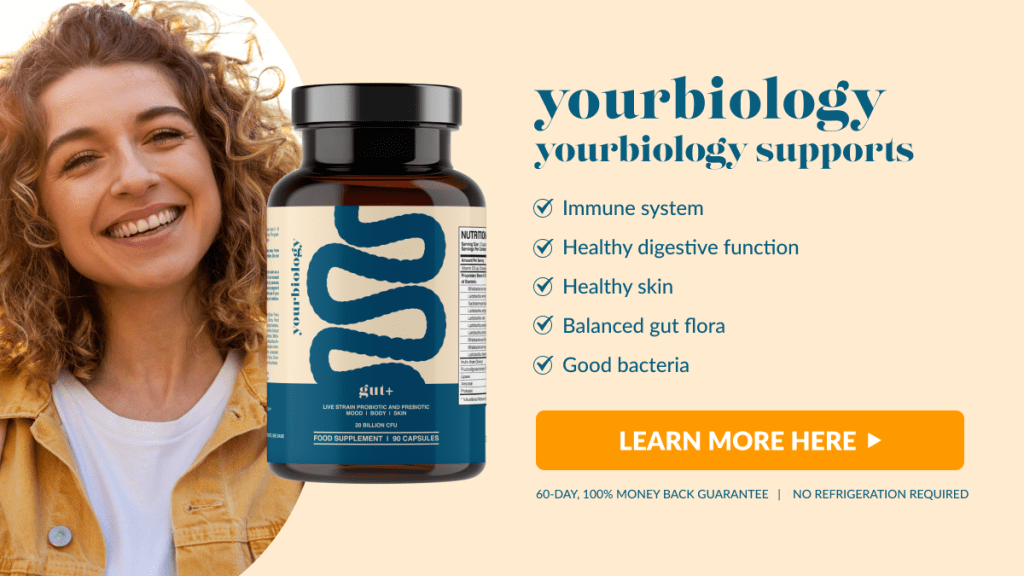
When I want to give my skin and gut health an extra boost, I add a quality probiotic supplement to my regular kefir routine. One of my go-to probiotics, YourBiology Gut+ contains a powerful mix of 20 Billion CFU probiotics and 10 different strains.
Furthermore, Gut+ contains 2 prebiotics to help feed all the good bacteria that are essential for skin and gut health! I particularly like the addition of digestive enzymes, which helps me with bloating, and so it also features in our best probiotics for women review.
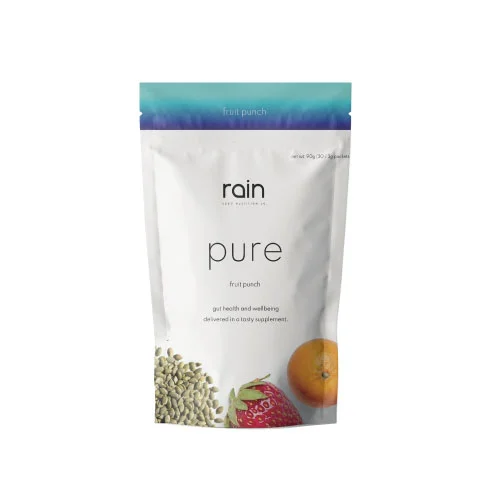
PURE is another Guts & Glory Health favourite. Its carefully crafted mix of probiotics and prebiotics such as inulin, plus anti-inflammatory seed nutrition, has helped calm our skin from within and nourish the gut microbiome. Not only that, it tastes delicious, and helps us stay hydrated too – win win win!
Why Your Gut Lining Matters
Importanly, probiotics can enhance the gut barrier function, reducing intestinal permeability and preventing the movement of toxins into your body. This barrier function is particularly important in preventing conditions like leaky gut syndrome, where undigested food particles and toxins enter the bloodstream, potentially leading to systemic inflammation, skin problems such as acne, rosacea or psoriasis, and other health issues.
Gut Health Beyond the Gut
Beyond the gut, probiotics may interact with the immune system by stimulating the production of anti-inflammatory cytokines and promoting the development of regulatory T cells, which help maintain immune tolerance (Yu LW, et al, 2022). This immune modulation is why probiotics are being researched for their potential benefits in allergies, autoimmune diseases, and even mental health conditions.
Emerging studies suggest a fascinating connection between gut health and mental well-being, often referred to as the ‘gut-brain axis’. This relationship indicates that the balance of gut microbiota can influence mood and cognitive function, highlighting the importance of probiotics not just for physical health but also for mental resilience.
🌱 What are Prebiotics?
Understanding How Prebiotics Nourish the Good Bacteria
➤ Definition
Prebiotics are non-digestible fibers that feed beneficial gut bacteria. Specifically, prebiotics selectively stimulate the growth and activity of beneficial gut bacteria.
➤ How Prebiotics Work
- Pass through the digestive tract undigested, until they reach the colon
- Reach the colon and ferment, creating food for your microbiome
- Feed good bacteria like Bifidobacteria
➤ Benefits of Prebiotics
- Increase short-chain fatty acids (SCFAs)
- Improve gut lining
- Support skin, immune, metabolid and mental health
➤ Food Sources of Prebiotics
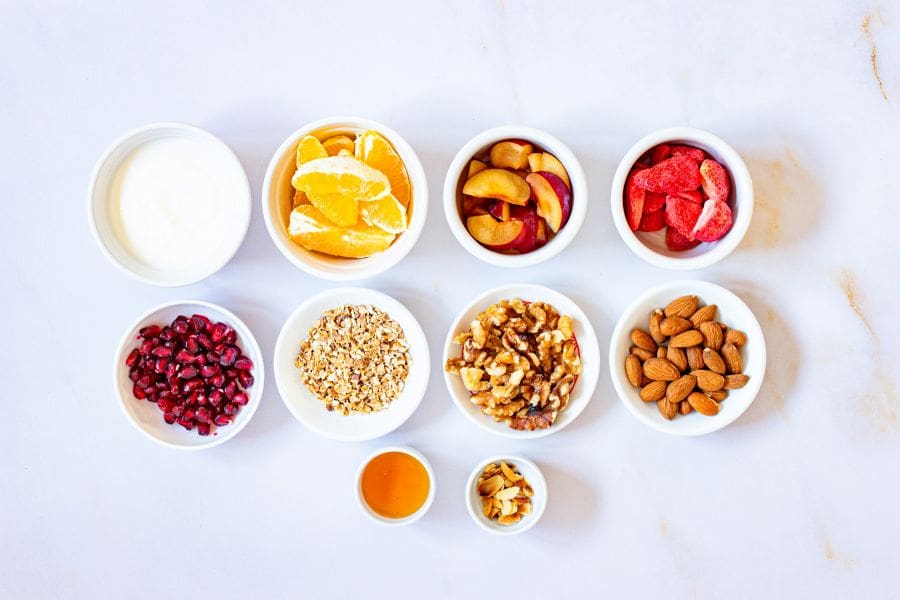
- Garlic, onions, leeks
- Asparagus, bananas (green)
- Chicory root, whole grains such as oats and barley
Exploring The Role of Prebiotics in Gut Health
By feeding beneficial bacteria such as Bifidobacteria and Lactobacilli, prebiotics help increase their numbers and metabolic activity. This fermentation process produces short-chain fatty acids (SCFAs) like butyrate, acetate, and propionate, which have several health-promoting effects.
SCFAs serve as energy sources for colon cells, help maintain the integrity of the gut lining, and exhibit anti-inflammatory properties.
Research has linked higher SCFA production to reduced risks of colorectal cancer, improved glucose metabolism, and enhanced immune function.
Including prebiotic foods regularly in your diet can help foster a healthy gut microbiome. If you’re struggle to eat enough prebiotic-rich plant foods (like me!), prebiotic supplements containing inulin or FOS are available. Remember it’s best to increase intake gradually to avoid digestive discomfort.
⚡ What Are Postbiotics?
Postbiotics as the Emerging Frontier in Microbiome Health
Postbiotics are hailed by some as the new ‘gut healthy holy grail’ – but what are they, and are they all they’re cracked up to be? Here’s a quick overview and low-down on postbiotics for gut health and wellbeing.
➤ Definition of Postbiotics
Postbiotics are compounds produced by probiotics during fermentation. These include SCFAs, enzymes, peptides, and cell fragments.
➤ How Postbiotics Work
- Support immune regulation
- Act as antioxidants
- Enhance the gut barrier
➤ Benefits
- May reduce IBS symptoms
- Improve skin and mental health
- Safe for those who can’t tolerate probiotics
➤ Sources
- Naturally in fermented foods
- Available in supplement form
Exploring How Postbiotics Benefit Health
Postbiotics may be beneficial to your health in a number of ways. For example, SCFAs produced by gut bacteria help regulate inflammation, enhance the gut barrier, and modulate metabolism. Other postbiotic components have antimicrobial activity, support antioxidant defenses, and influence immune responses.
Studies have shown that postbiotics can reduce symptoms of irritable bowel syndrome (IBS), improve skin health, and even support mental well-being through the gut-brain axis. A 2022 clinical trial published in Nutrients demonstrated that a postbiotic supplement improved gastrointestinal comfort and reduced markers of inflammation in adults with mild digestive complaints.
Sources of Postbiotics
While postbiotics are naturally produced in the gut during fermentation of prebiotics by probiotics, they can also be found in fermented foods. Fermented dairy products like yogurt and kefir, as well as fermented vegetables, contain various postbiotic compounds.
Moreover, postbiotic supplements are emerging on the market, often marketed as purified bacterial metabolites or inactivated probiotic preparations. These products aim to deliver the health benefits of probiotics without the challenges of maintaining live cultures.
🔁 A Symbiotic Trio: How Prebiotics vs Probiotics vs Postbiotics Work Together
Here’s how Prebiotics vs Probiotics vs Postbiotics connect and work together:
- Prebiotics feed probiotics.
- Probiotics ferment prebiotics.
- This fermentation creates postbiotics, which promote health.
📌 Infographic: What’s the Difference Between Prebiotics vs Probiotics vs Postbiotics

🧩 Real-Life Applications of Prebiotics vs Probiotics vs Postbiotics
- Synbiotic products combine prebiotics and probiotics (e.g., yogurt with inulin)
- Postbiotic supplements offer benefits without live cultures
- Pairing them can enhance efficacy and gut resilience
- Skin care with prebiotics, probiotics or postbiotics (or indeed, combindation synbiotic skincare) are growing in popularity

What are Potential Skin Benefits of Prebiotics vs Probiotics vs Postbiotics?
✨ 3 Skin Benefits of Prebiotics, Probiotics & Postbiotics
1. Strengthen the Skin Barrier
Sensitive and mature skin both rely on a strong barrier to stay calm and hydrated. Prebiotics feed the good microbes, probiotics help maintain balance, and postbiotics deliver protective compounds like fatty acids and peptides.
Together, they reinforce the skin’s natural shield – reducing reactivity, locking in moisture, and protecting against environmental stressors that accelerate aging.
2. Calm Inflammation Through the Skin–Gut Axis
The skin–gut axis plays a big role in conditions like acne, rosacea, and flare-ups common in sensitive skin.
An imbalanced gut microbiome can trigger visible redness and skin irritation.
Probiotics support gut health from within, while topical pre- and postbiotics soothe skin directly. This dual action helps reduce inflammation, ease discomfort, and promote a more even, comfortable complexion.
3. Boost Radiance and Resilience
Mature skin often struggles with dullness and slower renewal, while sensitive skin can feel easily fatigued. Postbiotics supply antioxidants, beta-carotene, and natural compounds that fight oxidative stress, while pre- and probiotics support a balanced, healthy microbiome. The result is skin that looks brighter, feels smoother, and shows renewed vitality.
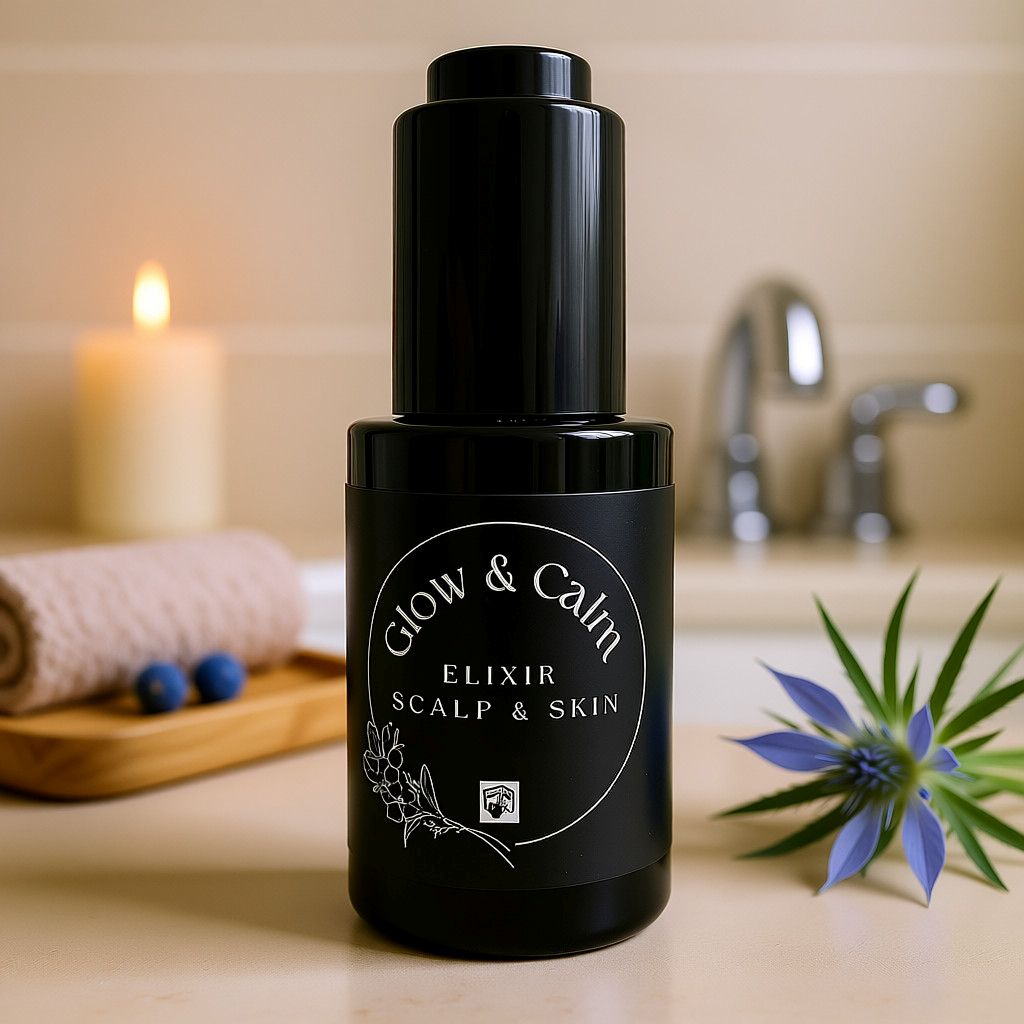
That’s why Glow & Calm Elixir for your Scalp & Skin Microbiome is formulated with microbiome-friendly ingredients—rich in natural prebiotics, soothing extracts, and antioxidant oils –to support sensitive and mature skin. It works in harmony with your skin to calm, nourish, and restore balance for lasting comfort and glow.
🌍 Final Takeaway: Why Skin & Gut Microbiome Health Matters
A balanced skin and gut microbiome supports overall well-being. Your microbiome affects:
- Immunity
- Mood and cognition
- Inflammation
- Chronic disease risk
- Skin & scalp health
In short, distinguish prebiotics vs probiotics vs postbiotics as follows:
- Probiotics = live microbes
- Prebiotics = their fuel
- Postbiotics = their beneficial outputs
Together, they form a gut-health powerhouse. Include all three in your lifestyle for better digestion, immunity, and overall health.
✅ Prebiotics vs Probiotics vs Postbiotics: How to Add Them to Your Diet
- Eat diverse plant-based foods for natural prebiotics
- Include fermented foods for probiotics/postbiotics
- Choose supplements carefully (validated strains, right dosages)
- Avoid processed, sugary foods
- Stay hydrated and reduce stress
🩺 Check with Your Doctor
This is not intended as medical advice, you should check with a healthcare professional as needed.
NB This blog features affiliate links from which we may earn a commission; however we only work with products we use and recommend based on personal experience.
More Posts & Gut Healthy Recipes:
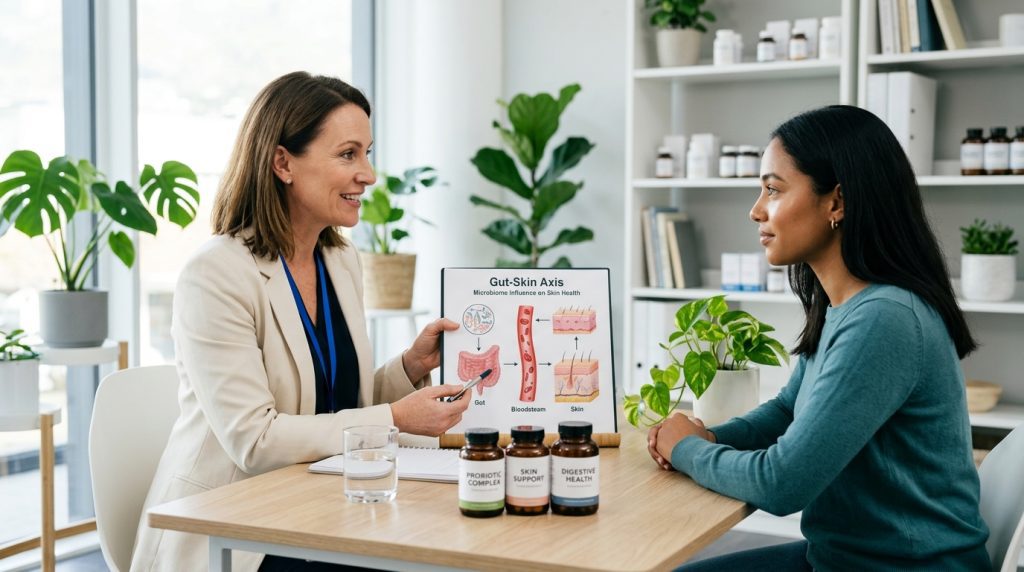
Metabolic Beauty: The Gut-Skin Axis Guide (What’s Actually Working Right Now) Metabolic Beauty and the Gut-Skin Axis in 2026 have officially moved from fringe wellness circles into mainstream science, and the numbers prove it: a staggering 67% of consumers now prefer ingestible beauty products over traditional topical solutions, signalling that the era of “beauty from […]

The 24-Hour Glow Protocol: Transform Your Skin Through Microbiome-Focused Nutrition and Skincare Your skin and gut health are connected in ways that become visible within just 24 hours of changing what you eat and how you care for your skin. The microbiome—the collection of bacteria living in your gut and on your skin—responds quickly to […]

Is Your Clean Skincare Actually Hurting Your Microbiome? The Hidden Truth About Popular Products Your skin is home to trillions of tiny organisms that form a protective ecosystem called the skin microbiome. These bacteria, fungi, and other microbes help regulate moisture, control inflammation, and defend against harmful invaders. When this delicate balance gets disrupted, your […]

Brain, Belly, and Breakouts: How Stress Affects Your Skin Health You might notice that your skin breaks out more during stressful times at work, such as big presentations, or during shool exams for your teenager (or yourself!). This is not a coincidence. Stress directly affects your skin through chemical changes in your brain and body, […]

Pre, Pro, and Postbiotics: Why Your Face Needs Good Bacteria Too for Healthy Skin You’ve probably heard about probiotics for your gut, but your skin has its own community of bacteria that needs care too. Your skin is home to trillions of microorganisms that work together to keep it healthy and protected. Prebiotics feed the […]

Gut Health for Women: 6 Reasons to Care

Gut Health for Women: 6 Reasons to Care How Gut Health Affects Skin, Hormones, Energy, Mood and Sleep! Gut health for women plays a key role in balancing hormones, improving skin, boosting energy, supporting mood and more. From probiotics to fiber and fermented foods, simple daily habits can make a big difference. In this post, […]

Why L reuteri May Help Stress AND Skin Problems Stress doesn’t just weigh on your mind – it shows up on your skin. From breakouts and sensitivity to premature aging, stress can wreak havoc on your complexion. You may well have experienced it yourself – stressful times show up on your face! But there’s a […]

5 Steps to Skin Gut Health – Backed by Science Have you heard about the skin gut health connection? If you’ve been struggling with acne, rosacea, eczema, or dull skin, the problem might not be on the surface – but in your gut! My twin sister and I battled stubborn skin issues for years—until we […]

5 Simple Steps to Restore Gut Health Naturally Why Gut Health Matters Your gut is the foundation of your overall health (Huang et al, 2025). A balanced gut microbiome supports digestion, immunity, and mental well-being. However, modern diets, stress, and lifestyle choices can disrupt this delicate ecosystem, leading to bloating, fatigue, poor skin, and mood […]

Asian Chicken Rice Soup With Lemongrass (Gut-Healing & Collagen Boosting for Radiant Skin) 🥣 Looking for a nourishing, gut-friendly soup that also supports glowing skin and healthy aging? This Asian Chicken Rice Soup is packed with collagen-rich bone broth, anti-inflammatory ingredients, and prebiotic fiber to boost digestion, reduce inflammaging (age-related inflammation), and promote youthful skin […]

5 Powerful Probiotic + Fiber Blends for a Happier, Healthier Gut If you want to experience the benefits of our carefully selected probiotic and fiber supplements, follow along! These power duos are designed to optimize gut health and support a balanced digestive system. Improve your digestion and enhance nutrient absorption with our top 5 recommended […]
15 prebiotic probiotic benefits: Your complete guide Probiotics have burst onto the health and wellness scene, and they’re here to stay! However, finding the right science backed probiotics for your needs can be a minefield. And then there are the prebiotics … Read on as we answer the most common questions about the prebiotic probiotic […]