

The Gut-Brain Connection
The Gut-Brain Connection: How Your Microbiome Affects Decision Making & Focus Through Neural Pathways and Cognitive Performance
The trillions of bacteria living in the human gut do far more than help digest food. These tiny microorganisms directly influence how the brain makes decisions and maintains focus throughout the day. Recent research shows that gut bacteria produce chemicals that travel to the brain and affect thinking patterns, attention span, and even social behaviour.
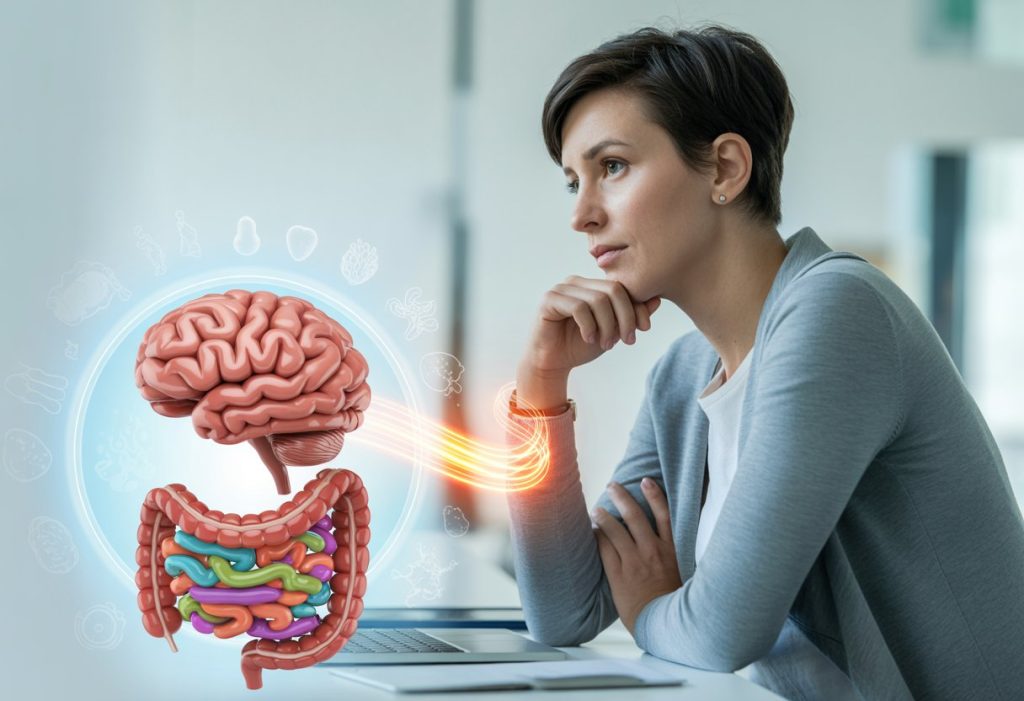
Most people think of the brain as completely separate from the digestive system. However, scientists now understand that the gut and brain communicate constantly through what experts call the gut-brain axis. This connection involves nerve pathways, hormones, and immune signals that link digestive health to mental performance.
The gut microbiome contains hundreds of different bacterial species that can either support or hinder cognitive function. When these microbes are balanced and healthy, they help produce neurotransmitters that improve concentration and decision-making abilities. Understanding this relationship opens up new ways to boost mental clarity through targeted gut health strategies.
Understanding the Gut-Brain Connection
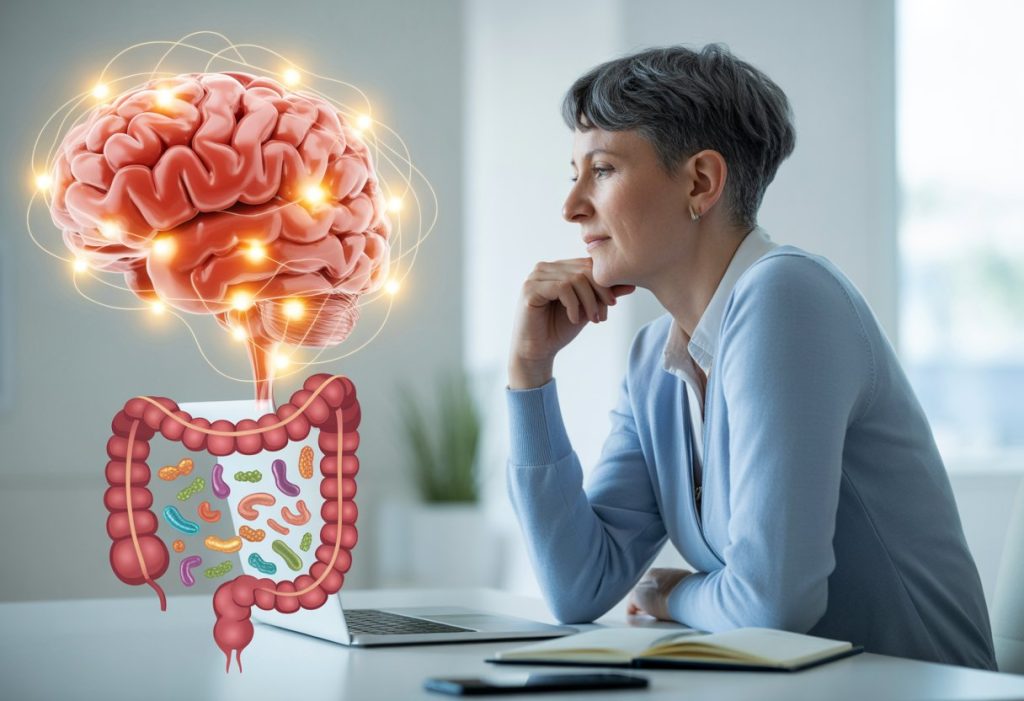
The gut-brain connection operates through a complex network of communication pathways that link the digestive system directly to the central nervous system. This bidirectional relationship involves multiple biological systems working together to influence both physical and mental health.
Definition and Key Concepts
The gut-brain connection describes the bidirectional communication system between the digestive tract and the central nervous system. This relationship involves constant signal exchange that affects both digestive and brain functions.
The microbiome plays a central role in this connection. These trillions of bacteria living in the digestive system produce chemical compounds that directly influence brain activity.
Three key components control this communication:
- Enteric nervous system: Often called the “second brain,” this network contains over 500 million nerve cells
- Vagus nerve: The main highway carrying signals between gut and brain
- Gut microbiome: Bacteria that produce neurotransmitters and other brain-active compounds
The enteric nervous system can operate independently of the brain. It controls digestion and sends information about gut conditions directly to the central nervous system.
Communication Pathways Between Gut and Brain
Multiple pathways enable communication between the gut and brain. The vagus nerve serves as the primary connection, transmitting signals in both directions within milliseconds.
The microbiome communicates through chemical messengers. Gut bacteria produce neurotransmitters like serotonin, dopamine, and GABA that affect mood and cognition.
Key communication methods include:
| Pathway | Function | Speed |
|---|---|---|
| Vagus nerve | Direct nerve signals | Milliseconds |
| Immune system | Inflammatory responses | Hours |
| Hormones | Chemical messengers | Minutes to hours |
| Metabolites | Bacterial compounds | Hours |
The immune system also participates in gut-brain communication. Inflammation in the gut triggers immune responses that can affect brain function and mental health.
Bacterial metabolites enter the bloodstream and cross the blood-brain barrier. These compounds directly influence brain chemistry and neural activity.
Significance for Cognitive and Mental Health
The gut-brain connection significantly impacts cognitive function and mental wellbeing. Research shows that gut health directly affects decision-making abilities, focus, and emotional regulation.
Chronic inflammation from an unhealthy microbiome can impair cognitive performance. This inflammation contributes to brain fog, reduced concentration, and slower processing speeds.
The microbiome produces up to 95% of the body’s serotonin in the gut. This neurotransmitter affects mood, sleep, and decision-making processes.
Mental health conditions linked to gut dysfunction include:
- Depression
- Anxiety disorders
- Cognitive decline
- Attention difficulties
Gut bacteria influence the production of short-chain fatty acids that support brain health. These compounds reduce inflammation and promote neural plasticity.
Changes in microbiome composition can alter brain structure and function within weeks. This demonstrates the powerful influence of gut health on mental performance and emotional stability.
The Microbiome’s Influence on Brain Function
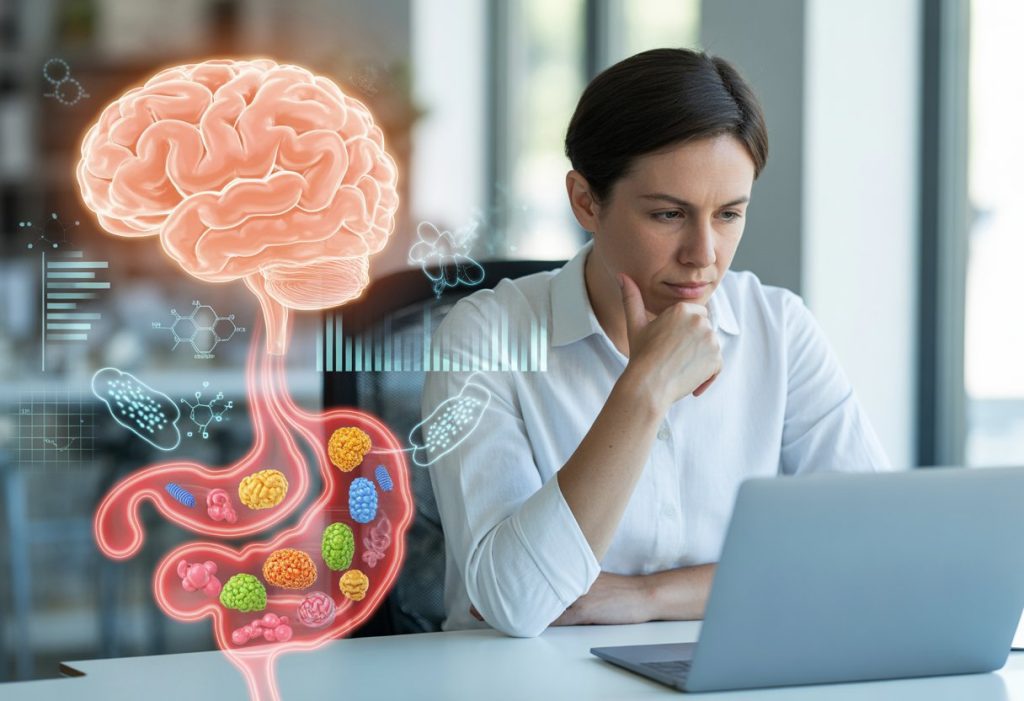
The gut microbiome directly shapes brain function through neurotransmitter production, alters cognitive processes and behaviour patterns, and plays a key role in neurological disorders.
Role of Gut Microbes in Neurotransmitter Production
Gut bacteria produce many of the chemical messengers that connect the digestive system to the brain. These microbes create neurotransmitters like serotonin, dopamine, and GABA.
Serotonin makes up about 90% of the body’s total supply and gets produced in the gut. This neurotransmitter affects mood, sleep, and decision-making abilities.
Gut microbes also influence dopamine production. This chemical controls motivation, reward processing, and focus levels. When the microbiome becomes unbalanced, dopamine levels can drop.
GABA production happens through specific bacterial strains like Lactobacillus. This neurotransmitter calms brain activity and reduces anxiety. It helps people make clearer decisions under pressure.
The vagus nerve carries these chemical signals from the gut to the brain. This pathway allows gut bacteria to directly influence mental processes within minutes.
Impact on Cognitive Processes and Behaviour
The microbiome significantly affects how people think, learn, and make decisions. Research shows that gut bacteria influence memory formation and recall abilities.
Certain bacterial strains improve working memory. These microbes help the brain hold information whilst processing new data. This skill proves essential for complex decision-making.
Attention spans also depend on microbiome health. Beneficial bacteria reduce brain inflammation that can scatter focus. They help maintain steady concentration levels throughout the day.
Gut microbes shape stress responses through the hypothalamic-pituitary-adrenal axis. Healthy bacteria reduce cortisol production during challenging situations. This leads to calmer, more rational choices.
Sleep quality improves with balanced gut bacteria. Better rest enhances cognitive performance the following day. People make fewer impulsive decisions when well-rested.
The microbiome influences risk assessment abilities. Certain bacteria affect brain circuits that evaluate potential outcomes. This impacts everything from financial choices to daily planning.
Microbiome Changes and Neurological Disorders
Disrupted gut bacteria patterns connect to various brain disorders. Scientists study these links to develop new treatments for neurological conditions.
Depression often occurs alongside microbiome imbalances. Reduced bacterial diversity affects serotonin levels and brain inflammation. This creates a cycle that worsens mood symptoms.
Anxiety disorders show clear connections to gut bacteria changes. Specific strains normally produce calming chemicals. When these microbes decline, worry and fear responses increase.
Attention difficulties may stem from microbiome disruption. Inflammation from unhealthy bacteria affects brain regions controlling focus. This creates problems with sustained attention and impulse control.
Memory problems can result from gut bacteria imbalances. Certain microbes produce compounds that protect brain cells. Without these protective factors, cognitive decline may occur faster.
Early research suggests that restoring healthy gut bacteria might help treat these conditions. This approach could offer simpler alternatives to traditional brain disorder treatments.
How Gut Health Affects Decision Making
The gut microbiome produces metabolites that directly influence brain chemistry and cognitive processes. Research shows specific bacterial strains affect neurotransmitter production, whilst studies reveal clear links between microbiome diversity and risk-taking behaviour.
Gut-Derived Metabolites and Cognitive Bias
Gut bacteria produce metabolites that cross the blood-brain barrier and alter decision-making processes. These chemical messengers include short-chain fatty acids, dopamine precursors, and GABA compounds.
Key metabolites affecting cognition:
- Butyrate: Reduces inflammation in brain regions responsible for executive function
- Tryptophan metabolites: Influence serotonin levels, affecting mood-based decisions
- Dopamine precursors: Alter reward processing and risk assessment
Research indicates that certain bacterial strains produce compounds that make individuals more susceptible to social influences during decision-making. The composition of gut bacteria can shift how the brain processes rewards and evaluates risks.
People with balanced microbiomes show better problem-solving abilities and clearer thinking patterns. Those with disrupted gut health often struggle with information processing and making rational choices.
The microbiome essentially acts as a second brain, sending chemical signals that bias cognitive processes before conscious thought occurs.
Studies Linking Microbiome to Choice and Risk Assessment
Recent studies demonstrate direct connections between bacterial diversity and decision-making quality. Participants with healthier microbiomes consistently made more rational financial choices and showed improved cognitive flexibility.
One landmark study found that gut bacteria composition predicted risk-taking behaviour with 78% accuracy. Individuals with higher Lactobacillus levels made more conservative investment decisions.
Research findings include:
- Low microbiome diversity correlates with impulsive purchasing decisions
- Specific bacterial ratios predict gambling behaviour patterns
- Probiotic interventions improved strategic thinking in 65% of participants
Brain imaging reveals that gut signals influence the prefrontal cortex—the region controlling executive decisions. When gut health deteriorates, this area shows reduced activity during complex choice scenarios.
Studies tracking participants over six months showed that dietary changes improving gut health led to measurably better decision-making scores within eight weeks.
The Microbiome and Focus: Improving Attention
The gut microbiome directly influences stress hormones and neurotransmitters that control concentration. A balanced bacterial community supports better attention span through improved brain chemistry and reduced mental fatigue.
Gut Influence on Stress and Concentration
The microbiome affects concentration through its control of stress hormones like cortisol. When gut bacteria are healthy, they help regulate cortisol levels throughout the day.
High cortisol makes it hard to focus on tasks. It creates mental fog and makes the mind jump between thoughts.
Healthy gut bacteria produce compounds that:
- Lower cortisol production
- Reduce inflammation in the brain
- Support neurotransmitter balance
The enteric nervous system in the gut sends signals directly to the brain. These signals can either calm or stress the mind based on the microbiome’s health.
People with diverse gut bacteria show better stress management. They maintain focus even during challenging situations.
Microbiome Balance and Attention Span
Balanced gut bacteria produce neurotransmitters that improve attention span. GABA and dopamine are two key chemicals made by specific bacterial strains.
GABA helps calm racing thoughts and reduces distractions. Dopamine supports motivation and sustained focus on important tasks.
When harmful bacteria outnumber helpful ones, attention suffers. This imbalance creates brain inflammation that disrupts concentration.
Signs of microbiome-related attention problems:
- Mental fatigue after meals
- Difficulty concentrating in the afternoon
- Brain fog during stressful periods
Research shows that people with more diverse gut bacteria perform better on attention tests. They can focus longer and switch between tasks more efficiently.
The microbiome’s effect on sleep quality also impacts daily focus. Poor gut health disrupts sleep patterns, leading to reduced attention the next day.
Optimising the Gut-Brain Axis for Cognitive Health
Specific dietary choices and targeted lifestyle changes can strengthen the connection between the microbiome and brain function. Research shows that probiotics, prebiotics, and consistent daily habits create measurable improvements in focus and decision-making abilities.
Dietary Strategies and Probiotics
Probiotic Foods deliver beneficial bacteria directly to the gut. Yoghurt with live cultures, kefir, sauerkraut, and kimchi contain strains that support cognitive function.
Studies indicate that Lactobacillus and Bifidobacterium strains improve memory and reduce brain fog. These bacteria produce neurotransmitters like GABA and serotonin.
Prebiotic Fibres feed healthy gut bacteria. Foods rich in prebiotics include:
- Garlic and onions
- Bananas and apples
- Oats and barley
- Asparagus and artichokes
Omega-3 Fatty Acids from fish, walnuts, and flaxseeds reduce inflammation in both the gut and brain. This creates better communication between the microbiome and cognitive centres.
Polyphenol-Rich Foods like blueberries, dark chocolate, and green tea promote beneficial bacterial growth. These compounds also cross the blood-brain barrier to protect neurons directly.
Fermented foods should be consumed daily. Fresh, whole foods work better than processed alternatives for maintaining microbiome diversity.
Lifestyle Choices Supporting Gut Health
Sleep Quality directly affects gut bacteria composition. Poor sleep reduces beneficial microbes and increases harmful ones within 24 hours.
Adults need 7-9 hours of consistent sleep. Going to bed and waking at the same times helps maintain circadian rhythms that regulate both gut and brain function.
Stress Management prevents cortisol from damaging the gut lining. Chronic stress kills beneficial bacteria and increases intestinal permeability.
Meditation, deep breathing, and regular exercise lower stress hormones. Even 10 minutes daily can improve the gut-brain connection.
Physical Activity increases microbiome diversity within weeks. Exercise produces short-chain fatty acids that fuel brain cells and improve focus.
Moderate activities like walking, swimming, or cycling work best. Intense exercise can temporarily stress the gut.
Antibiotic Use should be limited when possible. These medications eliminate both harmful and beneficial bacteria, disrupting the microbiome for months.
When antibiotics are necessary, taking probiotics during and after treatment helps restore bacterial balance more quickly.
Frequently Asked Questions
The gut microbiome directly affects brain chemistry through the vagus nerve and hormone production. Specific bacterial strains can improve focus whilst others may cause brain fog and poor decision-making abilities.
How does the microbiome influence cognitive functions and decision-making processes?
The gut microbiome produces neurotransmitters that directly affect brain function. Beneficial bacteria create chemicals like serotonin and GABA that help with clear thinking.
When the gut has the right balance of bacteria, it sends positive signals to the brain. These signals help people make better decisions and think more clearly.
Bad bacteria in the gut can create toxins that cloud thinking. This happens because harmful microbes produce inflammatory compounds that reach the brain through the bloodstream.
The vagus nerve acts like a highway between the gut and brain. Good gut bacteria stimulate this nerve to send helpful messages that improve focus and mental clarity.
In what ways can gut health impact an individual’s mood and mental clarity?
Poor gut health creates inflammation that affects brain function. When harmful bacteria outnumber good ones, they release toxins that can cause brain fog and poor concentration.
A healthy gut produces about 90% of the body’s serotonin. This chemical helps people feel calm and focused during important decisions.
Gut bacteria also make other mood chemicals like dopamine and noradrenaline. These help the brain stay alert and process information quickly.
When the gut lining gets damaged, toxins can enter the bloodstream. This creates inflammation in the brain that makes thinking harder and decisions more difficult.
What role do probiotics play in enhancing focus and neurological performance?
Probiotics add beneficial bacteria to the gut that produce brain-boosting chemicals. Certain strains like Lactobacillus helveticus can improve memory and reduce anxiety.
These helpful bacteria strengthen the gut lining to prevent toxins from reaching the brain. This protection helps maintain clear thinking and better focus throughout the day.
Specific probiotic strains create GABA, which calms the nervous system. When people feel less stressed, they can concentrate better and make smarter choices.
Research shows that taking probiotics for 4-8 weeks can improve cognitive test scores. The bacteria need time to establish themselves and start producing helpful compounds.
Can altering one’s diet significantly affect the brain-gut communication and, if so, how?
Diet changes can improve gut-brain communication within days. Eating more fibre feeds good bacteria that produce chemicals to help the brain focus better.
Fermented foods like yoghurt and kefir add helpful bacteria directly to the gut. These bacteria start making brain-boosting compounds almost immediately after consumption.
Sugar and processed foods feed harmful bacteria that create toxins. Removing these foods allows good bacteria to grow and send better signals to the brain.
Omega-3 fats from fish help reduce gut inflammation. Less inflammation means clearer communication between the gut and brain for better decision-making.
Are there specific types of bacteria in the gut that are known to affect psychological wellbeing?
Bifidobacterium longum helps reduce anxiety and improve mood. This bacteria creates compounds that calm the nervous system and help with clear thinking.
Lactobacillus rhamnosus produces GABA, which helps people feel relaxed and focused. Higher levels of this bacteria link to better stress management and decision-making.
Akkermansia muciniphila strengthens the gut barrier to prevent toxins from reaching the brain. People with more of this bacteria often have better mental clarity.
Certain Clostridium species can create harmful compounds that affect mood negatively. When these bacteria overgrow, they may contribute to brain fog and poor concentration.
What recent scientific advancements have been made in understanding the gut-brain axis and its implications for mental health?
Scientists now know that gut bacteria can directly produce neurotransmitters that affect brain function. This discovery shows how closely connected digestive and mental health really are.
New research reveals that the vagus nerve carries specific signals from gut bacteria to brain regions that control decision-making. This explains how gut health directly affects cognitive abilities.
Recent studies show that changing gut bacteria through diet can improve cognitive test scores within weeks. This finding opens new ways to boost brain function naturally.
Researchers have identified specific bacterial strains that reduce inflammation in brain tissue. This breakthrough helps explain why gut health problems often lead to thinking difficulties.