

When Gut Health Meets Skin Health
When Gut Health Meets Skin Health: Evidence-Based Strategies for Managing Inflammatory Skin Conditions
Your skin might be trying to tell you something important about what’s happening inside your body. Persistent acne, stubborn eczema, and recurring rosacea often have deeper roots than most people realise, extending far beyond topical treatments and skincare routines.

Research shows that many chronic skin conditions are directly connected to gut health, with imbalances in your digestive system triggering inflammation that manifests on your skin. This connection, known as the gut-skin axis, explains why some people struggle with skin issues despite trying countless creams, serums, and medications.
Understanding this internal connection opens up new possibilities for addressing skin problems at their source. Rather than simply managing symptoms on the surface, targeting gut health can lead to clearer, healthier skin that lasts. This approach examines the root causes behind common skin conditions and provides practical strategies for healing from within through targeted dietary changes, lifestyle modifications, and evidence-based interventions.
Understanding the Gut–Skin Connection

The gut-skin axis represents a complex two-way communication system between the digestive system and skin that directly influences conditions like acne, eczema, and rosacea. This connection operates through the gut microbiome, systemic inflammation, and immune system responses that can manifest as visible skin problems.
The Gut–Skin Axis Explained
The gut-skin axis describes the bidirectional signaling that occurs between the gastrointestinal tract and skin tissues. This communication pathway allows changes in gut health to directly affect skin appearance and function.
When the digestive system experiences imbalances, these disruptions send signals throughout the body. The skin often serves as the first visible indicator of internal gut dysfunction.
This connection works through multiple pathways:
- Inflammatory mediators travel from the gut to skin tissues
- Bacterial metabolites influence skin cell behaviour
- Hormonal signals coordinate responses between both organs
The gut-skin axis explains why many people notice skin improvements when they address digestive issues. This relationship demonstrates that effective treatment often requires targeting internal gut health rather than only applying topical treatments.
Research shows this connection is particularly strong in chronic skin conditions. Patients with acne, eczema, or rosacea frequently have concurrent digestive symptoms or gut microbiome imbalances.
Role of the Gut Microbiome in Skin Health
The gut microbiome contains trillions of bacteria that directly influence skin health through their metabolic activities. Beneficial bacteria produce compounds that support healthy skin function and appearance.
Dysbiosis, an imbalance of gut bacteria, triggers inflammatory responses that manifest as skin problems. This occurs when harmful bacteria outnumber beneficial species in the digestive tract.
Key microbiome functions include:
- Short-chain fatty acid production that reduces inflammation
- Immune system regulation that prevents overactive responses
- Nutrient synthesis including vitamins essential for skin health
- Barrier protection that prevents harmful substances from entering circulation
When the gut microbiome becomes disrupted, these protective functions decline. Pathogenic bacteria can produce toxins and inflammatory compounds that travel to skin tissues.
Certain bacterial strains show particular benefits for skin conditions. Lactobacillus and Bifidobacterium species help reduce acne severity and eczema symptoms through anti-inflammatory mechanisms.
How Systemic Inflammation Influences Skin
Systemic inflammation begins in the gut and spreads throughout the body, creating inflammatory conditions that directly affect skin health. This process connects digestive problems to visible skin symptoms.
Leaky gut syndrome allows toxins and undigested food particles to enter the bloodstream. The immune system responds by creating widespread inflammation that targets multiple organs, including the skin.
Chronic inflammation manifests in various skin conditions:
- Acne: Inflammatory cytokines increase oil production and bacterial growth
- Eczema: Systemic inflammation triggers immune overreactions in skin tissues
- Rosacea: Blood vessel inflammation causes persistent redness and sensitivity
Inflammatory markers produced in the gut travel through circulation to skin cells. These compounds activate inflammatory pathways that worsen existing skin conditions and prevent healing.
The inflammatory response also impairs the skin’s natural barrier function. This creates a cycle where compromised skin becomes more susceptible to irritation and infection.
The Immune System’s Impact on Skin Conditions
The immune system serves as the primary link between gut health and skin conditions through its response to gut-derived signals. Approximately 70% of immune cells reside in the digestive tract, making gut health crucial for proper immune function.
Immune dysregulation in the gut triggers autoimmune responses that target skin tissues. This explains why many chronic skin conditions have autoimmune components.
The immune system responds to gut imbalances in several ways:
| Immune Response | Skin Impact |
|---|---|
| Th1/Th2 imbalance | Increased allergic reactions and eczema |
| Inflammatory cytokine release | Enhanced acne inflammation and scarring |
| Autoantibody production | Tissue damage in psoriasis and dermatitis |
Regulatory T-cells produced in healthy guts help control inflammatory responses. When gut health declines, these protective cells become less effective at preventing immune overreactions.
Gut-associated lymphoid tissue directly communicates with skin immune cells. This connection allows digestive inflammation to rapidly trigger skin immune responses, explaining why gut problems often precede skin flare-ups.
Common Skin Conditions Linked to Gut Health
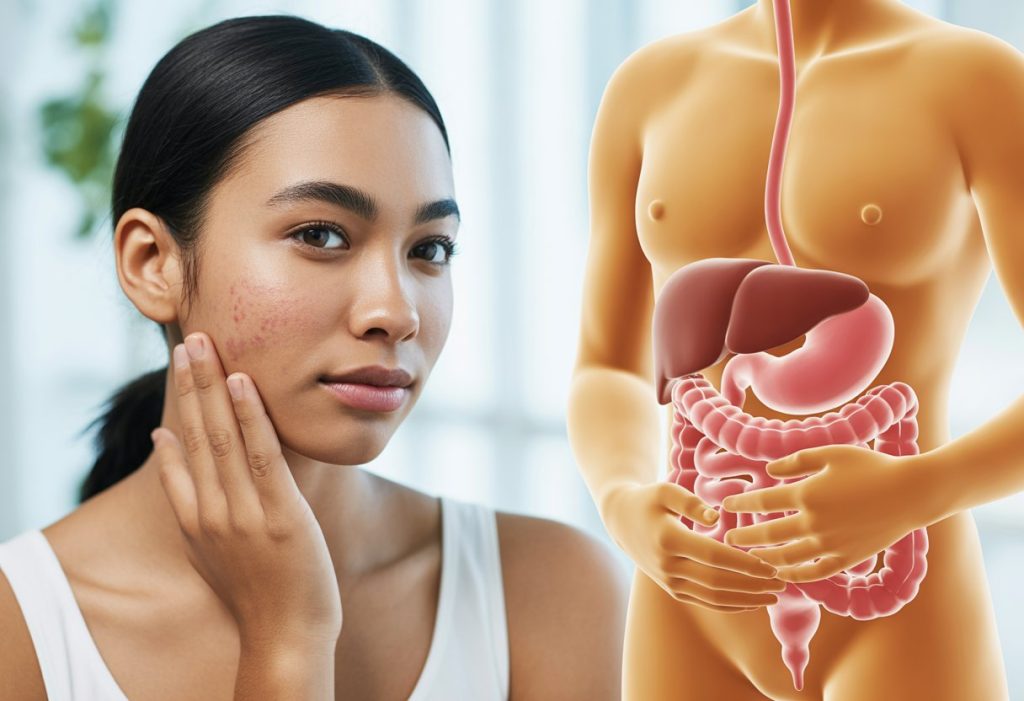
Research shows that dysbiosis and gut imbalances directly trigger acne breakouts, eczema flares, rosacea symptoms, and psoriasis inflammation. These skin conditions often reflect deeper digestive issues that compromise skin barrier function and promote systemic inflammation.
Acne and Digestive Imbalances
Acne develops when dysbiosis creates inflammation throughout the body. An imbalanced gut microbiome produces inflammatory compounds that travel through the bloodstream to the skin.
These compounds increase oil production and clog pores. The skin barrier function weakens, making it easier for acne-causing bacteria to multiply.
Key digestive factors in acne:
- Reduced beneficial bacteria (lactobacilli and bifidobacteria)
- Increased harmful bacteria that produce inflammatory toxins
- Poor nutrient absorption affecting skin cell renewal
- Elevated insulin levels from gut inflammation
Studies show that people with acne have different gut bacteria than those with clear skin. Their microbiomes contain more inflammatory species and fewer protective ones.
The gut-skin connection explains why some people see acne improve with probiotics or dietary changes. Healing the digestive system often reduces skin inflammation naturally.
Eczema: Microbial Diversity and Immune Response
Eczema patients typically have less diverse gut bacteria than healthy individuals. This reduced diversity weakens the immune system and increases allergic reactions.
The condition often starts in infancy when the gut microbiome is still developing. Children with eczema frequently have fewer beneficial bacteria strains.
Gut factors affecting eczema:
- Low microbial diversity
- Reduced short-chain fatty acid production
- Overactive immune responses to harmless substances
- Compromised intestinal barrier (“leaky gut”)
Research indicates that certain bacterial strains help prevent eczema. These bacteria train the immune system to respond appropriately to allergens and irritants.
When gut bacteria are imbalanced, the immune system becomes hyperactive. It attacks harmless substances, leading to the inflammation and itching characteristic of eczema.
The skin barrier function deteriorates as inflammation increases. This creates a cycle where damaged skin becomes more sensitive to triggers.
Rosacea and Small Intestinal Bacterial Overgrowth
Rosacea shows strong links to small intestinal bacterial overgrowth (SIBO). Studies find that rosacea patients have SIBO rates ten times higher than the general population.
SIBO occurs when bacteria overgrow in the small intestine where they don’t belong. These bacteria produce inflammatory compounds and interfere with nutrient absorption.
The bacterial overgrowth creates systemic inflammation that affects facial blood vessels. This inflammation contributes to the redness and swelling seen in rosacea.
SIBO symptoms that accompany rosacea:
- Bloating after meals
- Abdominal discomfort
- Changes in bowel movements
- Food sensitivities
Many rosacea patients see improvement when SIBO is treated. Reducing bacterial overgrowth often decreases facial inflammation and redness.
The connection suggests that rosacea isn’t just a skin condition. It reflects underlying digestive dysfunction that requires internal treatment.
Psoriasis and Systemic Inflammation
Psoriasis involves widespread systemic inflammation that originates in the gut. People with psoriasis have distinct gut bacteria patterns that promote inflammatory responses.
Their microbiomes contain more inflammatory bacterial species and fewer anti-inflammatory ones. This imbalance triggers immune system dysfunction.
The gut barrier becomes permeable, allowing bacterial toxins to enter the bloodstream. These toxins activate immune cells throughout the body, including in the skin.
Inflammatory markers in psoriasis:
- Elevated cytokines (inflammatory proteins)
- Increased intestinal permeability
- Altered immune cell activity
- Higher levels of harmful bacterial metabolites
The inflammation accelerates skin cell production, causing the thick, scaly patches characteristic of psoriasis. Normal skin cells take about a month to mature, but in psoriasis, this process happens in just days.
Gut health interventions often improve psoriasis symptoms. Restoring bacterial balance and reducing intestinal inflammation can decrease the systemic inflammation driving skin symptoms.
Root Causes: How Gut Dysfunction Triggers Skin Issues
Your digestive system directly influences skin health through three main pathways: microbial imbalances that create inflammation, compromised intestinal barriers that allow toxins into circulation, and impaired nutrient absorption that starves skin cells of essential compounds.
Dysbiosis and Microbial Imbalance
Dysbiosis occurs when harmful bacteria outnumber beneficial bacteria in the gut microbiome. This imbalance triggers widespread inflammation throughout the body.
When gut dysbiosis develops, pathogenic bacteria produce inflammatory compounds. These substances enter the bloodstream and travel to skin tissue. The immune system responds by creating inflammation in the skin.
Common inflammatory pathways include:
- Increased cytokine production
- Elevated histamine levels
- Compromised immune function
Research shows that people with acne, eczema, and rosacea often have distinct gut bacteria patterns. They typically have fewer beneficial bacteria like Lactobacillus and Bifidobacterium.
Harmful bacteria also produce toxins that worsen skin conditions. These toxins can trigger acne flare-ups and increase eczema symptoms. Restoring microbial balance helps reduce these inflammatory responses.
Leaky Gut and Intestinal Permeability
Leaky gut develops when the intestinal barrier becomes damaged. This allows undigested food particles, bacteria, and toxins to pass through the intestinal wall.
The immune system treats these escaped substances as threats. It launches an inflammatory response that affects multiple organs, including the skin.
Leaky gut contributes to skin problems by:
- Increasing systemic inflammation
- Triggering food sensitivities
- Overwhelming detoxification pathways
When intestinal permeability increases, the liver works harder to process toxins. If the liver becomes overwhelmed, toxins accumulate and often exit through the skin. This process can worsen acne and trigger eczema flare-ups.
Small intestinal bacterial overgrowth (SIBO) commonly accompanies leaky gut. SIBO particularly affects rosacea, causing facial flushing and inflammation.
Poor Nutrient Absorption and Skin Health
A compromised digestive system cannot properly absorb nutrients essential for healthy skin. Even with a good diet, gut dysfunction prevents optimal nutrient uptake.
Key nutrients affected by poor absorption:
- Zinc: Essential for wound healing and controlling inflammation
- Vitamin A: Regulates skin cell turnover and sebum production
- Omega-3 fatty acids: Reduce inflammation and support skin barrier function
- B vitamins: Support cellular energy and skin repair
Gut inflammation damages the intestinal villi. These finger-like projections normally absorb nutrients from food. When damaged, they cannot effectively extract vitamins and minerals.
Low stomach acid also reduces nutrient absorption. Many people with skin conditions have insufficient stomach acid production. This makes it difficult to break down proteins and absorb minerals like zinc and iron.
Poor absorption creates a cycle where skin conditions worsen due to nutrient deficiencies. Meanwhile, the underlying gut dysfunction continues to drive inflammation.
Diet, Lifestyle, and Supporting the Gut–Skin Axis
The foods people eat and how they manage stress directly influence both gut health and skin appearance. Specific nutrients support beneficial bacteria whilst inflammatory foods can trigger skin conditions like acne and eczema.
Gut-Friendly Dietary Choices
A healthy gut microbiome requires diverse, nutrient-dense foods that feed beneficial bacteria. Prebiotics from foods like garlic, onions, and asparagus provide fuel for good bacteria.
Probiotics from fermented foods support digestive balance. Yoghurt, kefir, sauerkraut, and kimchi introduce helpful microorganisms that may reduce skin inflammation.

Key nutrients play essential roles in skin health:
| Nutrient | Food Sources | Skin Benefits |
|---|---|---|
| Omega-3 | Salmon, walnuts, flaxseeds | Reduces inflammation, supports skin barrier |
| Zinc | Pumpkin seeds, chickpeas, beef | Wound healing, controls oil production |
| Vitamin A | Sweet potatoes, spinach, eggs | Cell renewal, prevents clogged pores |
These nutrients work together to strengthen the gut lining. A stronger gut barrier prevents harmful substances from entering the bloodstream and triggering skin reactions.
The Impact of Processed and Inflammatory Foods
Processed foods disrupt the gut microbiome and can worsen skin conditions. Foods high in sugar, refined flour, and artificial additives feed harmful bacteria whilst starving beneficial ones.
Common inflammatory foods include:
- Fried foods and trans fats
- High-sugar snacks and drinks
- Refined grains like white bread
- Excessive dairy products
These foods can increase gut permeability, allowing toxins to enter circulation. This process often triggers inflammation that appears as acne breakouts, eczema flares, or rosacea symptoms.
People may also experience bloating and digestive discomfort from these foods. Poor digestion means nutrients aren’t absorbed properly, depriving skin cells of essential building blocks.
Stress, Mindfulness, and Skin Health
Chronic stress damages both gut health and skin appearance through increased cortisol production. This hormone disrupts the gut microbiome balance and triggers inflammatory responses.
Mindfulness practices help manage stress responses. Regular meditation, deep breathing, or yoga can reduce cortisol levels and support gut healing.
Stress also affects digestion directly. When people feel stressed, blood flow shifts away from digestive organs, reducing nutrient absorption and gut barrier function.
Simple stress-reduction techniques include:
- 10 minutes of daily meditation
- Regular yoga practice
- Adequate sleep (7-9 hours nightly)
- Time in nature
These practices support the gut-skin axis by maintaining hormonal balance and reducing systemic inflammation.
Targeted Strategies for Healing from Within
Effective gut healing requires specific supplements, beneficial bacteria from foods, and individualised treatment plans. Strategic interventions can restore microbial balance and reduce inflammation that triggers skin flare-ups.
Supplementation: Probiotics, Prebiotics, and Key Nutrients
Lactobacillus rhamnosus stands out as a particularly effective probiotic strain for skin health. Research shows this strain can reduce inflammation and support intestinal barrier function.
Multi-strain probiotic supplements work best. They should contain 10-50 billion CFUs daily. Look for products with lactobacillus and bifidobacterium strains.
Prebiotics feed beneficial gut bacteria. Inulin, fructooligosaccharides, and galactooligosaccharides promote healthy microbial growth. These fibres help produce short-chain fatty acids (SCFAs) that reduce inflammation.
Iron deficiency can worsen skin conditions. Low iron levels affect immune function and collagen production. Testing iron levels helps determine if supplementation is needed.
Key nutrients for gut-skin healing:
- Zinc: 15-30mg daily for wound healing
- Omega-3 fatty acids: 1-3g daily for inflammation
- Vitamin D: 1000-4000 IU daily for immune balance
- L-glutamine: 5-15g daily for intestinal lining repair
Herbal antimicrobials like berberine or oregano oil can address bacterial overgrowth when used under professional guidance.
Fermented Foods and Beneficial Bacteria
Fermented foods provide live beneficial bacteria that colonise the gut. These foods offer diverse microbial strains that supplements often lack.
Kefir contains up to 61 different bacterial strains. It provides more variety than yoghurt and includes beneficial yeasts. Water kefir works for those avoiding dairy.
Kimchi delivers lactobacillus species along with prebiotic fibres from vegetables. The spices in kimchi also provide anti-inflammatory compounds.
Sauerkraut offers lactobacillus plantarum and other beneficial strains. Choose unpasteurised versions to ensure live bacteria remain active.
Daily fermented food targets:
- 2-4 tablespoons sauerkraut or kimchi
- 100-200ml kefir
- 1-2 tablespoons miso paste
- Small portions of other fermented vegetables
Start with small amounts to avoid digestive upset. Gradually increase portions over 2-3 weeks. Rotate different fermented foods to maximise bacterial diversity.
Personalised Approaches and Professional Guidance
Individual gut microbiome profiles vary significantly. What works for one person may not work for another. Professional testing can identify specific imbalances.
Comprehensive stool analysis reveals bacterial overgrowth, parasites, and digestive function. This testing guides targeted treatment protocols.
Food sensitivity testing helps identify inflammatory triggers. Common culprits include gluten, dairy, and high-histamine foods.
Treatment phases typically include:
- Remove: Eliminate inflammatory foods and pathogens
- Replace: Add digestive enzymes and beneficial nutrients
- Reinoculate: Introduce probiotics and fermented foods
- Repair: Support intestinal lining healing
Working with qualified practitioners ensures safe and effective protocols. They can monitor progress and adjust treatments based on individual responses.
Some people need specific antimicrobial protocols before adding probiotics. Others require immediate gut barrier support to prevent further inflammation.
Frequently Asked Questions
Many people wonder about the specific ways gut health affects their skin and what practical steps they can take. The gut-skin axis involves complex interactions between inflammation, beneficial bacteria, and immune system responses that directly impact conditions like acne, eczema, and rosacea.
What is the connection between gut health and common skin conditions like acne, eczema, and rosacea?
The gut-skin axis describes how the digestive system directly influences skin health through several pathways. When the gut microbiome becomes imbalanced, it triggers inflammation throughout the body.
This inflammation can manifest as skin conditions. Research shows that people with acne, eczema, and rosacea often have different gut bacteria patterns compared to those with healthy skin.
The gut also affects how well the body absorbs nutrients needed for skin repair. Poor gut health can lead to deficiencies in vitamins and minerals essential for maintaining clear skin.
Can improving gut health lead to clearer skin, and if so, how?
Yes, improving gut health can lead to clearer skin for many people. A balanced gut microbiome reduces systemic inflammation, which often shows up as skin problems.
Better gut health improves nutrient absorption. This means the skin receives more vitamins A, C, E, and zinc needed for healing and protection.
A healthy gut also strengthens the immune system. This helps the body better manage skin-affecting bacteria and reduces overactive immune responses that cause inflammation.
The timeline for seeing results varies. Some people notice improvements within 4-6 weeks, whilst others may need 3-4 months of consistent gut health support.
What types of foods negatively affect gut health and potentially exacerbate skin issues?
Highly processed foods can disrupt gut bacteria balance and increase inflammation. These include packaged snacks, ready meals, and foods with many artificial additives.
Excess sugar feeds harmful bacteria in the gut. This creates an imbalance that can worsen acne and other inflammatory skin conditions.
Some people find that dairy products trigger both digestive issues and skin problems. The proteins and hormones in dairy may increase inflammation in sensitive individuals.
Refined carbohydrates like white bread and pasta can spike blood sugar. These spikes may worsen acne by increasing oil production in the skin.
Are there specific probiotics or prebiotics that are beneficial for those suffering from skin conditions?
Lactobacillus and Bifidobacterium strains have shown promise for skin health in research studies. These bacteria help reduce inflammation and support immune function.
Lactobacillus rhamnosus and Lactobacillus casei may be particularly helpful for eczema. Some studies suggest these strains can reduce the severity of symptoms.
Prebiotics like inulin and fructooligosaccharides feed beneficial gut bacteria. Foods rich in these include garlic, onions, asparagus, and bananas.
It’s important to choose probiotic supplements with multiple strains and at least 10 billion colony-forming units. Quality matters more than the highest number of bacteria.
How does the gut-skin axis influence skin inflammation and its associated disorders?
The gut produces many immune signalling molecules that travel throughout the body. When gut bacteria are imbalanced, these signals can trigger widespread inflammation.
Intestinal permeability, sometimes called “leaky gut,” allows inflammatory substances to enter the bloodstream. These substances can reach the skin and worsen conditions like eczema and rosacea.
The gut also produces short-chain fatty acids when digesting fibre. These compounds have anti-inflammatory effects that can help calm irritated skin.
Stress affects both gut and skin health through the same pathways. Managing stress supports both systems simultaneously.
What lifestyle changes can support gut health and, in turn, help manage skin conditions?
Eating a diverse range of plant foods feeds beneficial gut bacteria. Aim for 30 different plant foods per week, including fruits, vegetables, nuts, and seeds.
Regular exercise improves gut bacteria diversity and reduces inflammation. Even 30 minutes of walking daily can make a difference.
Getting 7-9 hours of quality sleep helps both gut and skin repair. Poor sleep disrupts the gut microbiome and increases stress hormones.
Managing stress through meditation, yoga, or other relaxation techniques supports gut health. Chronic stress can worsen both digestive and skin problems.
Staying hydrated helps maintain the gut lining and supports toxin elimination. Aim for 8-10 glasses of water daily.