
Pre, Pro, and Postbiotics: Why Your Face Needs Good Bacteria Too for Healthy Skin
You’ve probably heard about probiotics for your gut, but your skin has its own community of bacteria that needs care too. Your skin is home to trillions of microorganisms that work together to keep it healthy and protected. Prebiotics feed the good bacteria on your skin, probiotics are beneficial bacterial components that strengthen it, and postbiotics are helpful substances made by bacteria that soothe and support your skin barrier.
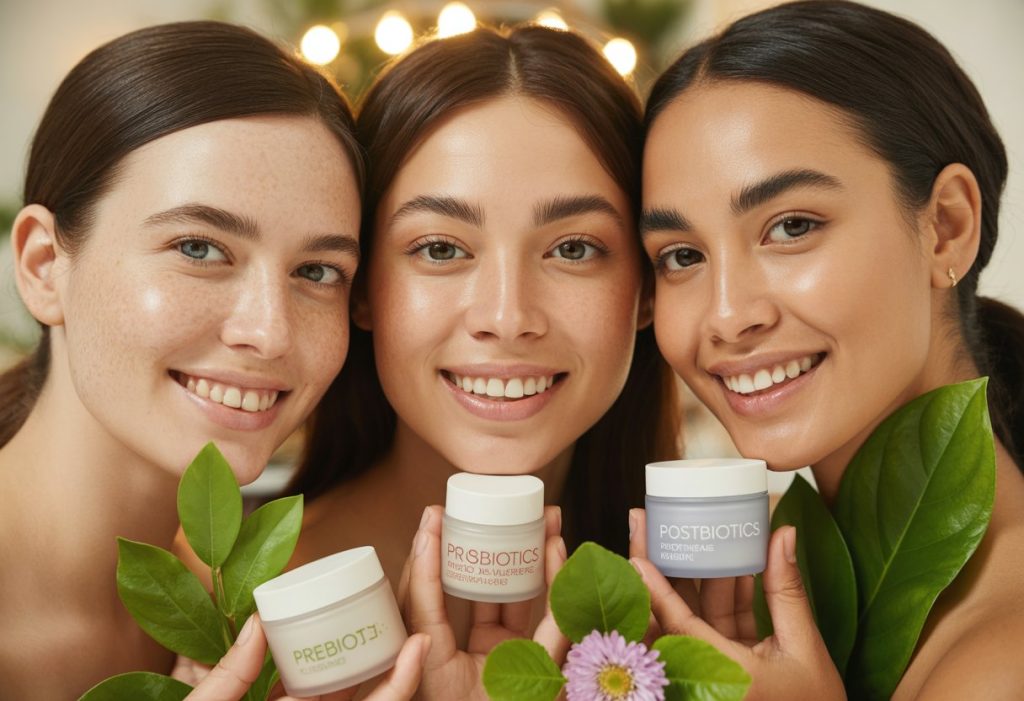
These three types of ingredients work in different ways to support your skin’s natural defences. When the balance of bacteria on your skin is disrupted, you might notice more breakouts, dryness, or sensitivity. Understanding how prebiotics, probiotics, and postbiotics function can help you choose the right products for your skin.
This guide breaks down what each type of biotic does, why they matter for your face, and how to use them in your daily routine. You’ll learn which products actually work and how to tell the difference between these three important skincare ingredients.
Table of Contents
Understanding the Skin Microbiome

Your skin hosts trillions of living microorganisms that actively protect and maintain your skin’s health. When these bacteria fall out of balance, your skin becomes more prone to irritation, breakouts, and other problems.
What Is the Skin Microbiome?
The skin microbiome is a collection of bacteria, fungi, viruses, and other microorganisms that live on your skin’s surface. These tiny organisms form communities across different areas of your body.
Your face alone contains millions of these microbes per square centimetre. They live in the outermost layer of your skin and in your hair follicles.
Different parts of your body host different types of bacteria. Oily areas like your forehead support different microbes than dry areas like your forearms. Your unique microbiome depends on factors like your age, diet, environment, and hygiene habits.
Most of these organisms are harmless or helpful. They work alongside your immune system to keep your skin healthy.
How Good Bacteria Benefit Your Skin
Beneficial bacteria create a protective barrier against harmful microorganisms. They produce substances that prevent bad bacteria from taking over your skin.
These good bacteria also help maintain your skin’s pH balance. They keep your skin slightly acidic, which protects against infection and irritation.
Your skin’s beneficial microbes support your immune system too. They train your immune cells to recognise real threats whilst avoiding unnecessary inflammation. This process helps prevent conditions like eczema and rosacea.
Good bacteria also produce antimicrobial compounds that fight off pathogens. Some beneficial microbes even help repair your skin barrier by producing fatty acids and other protective substances.
Consequences of a Disturbed Microbiome
When your skin microbiome becomes unbalanced, harmful bacteria can multiply too quickly. This imbalance, called dysbiosis, weakens your skin’s natural defences.
Common signs of a disturbed microbiome include:
- Persistent acne or breakouts
- Increased sensitivity and redness
- Dry, flaky patches
- Excessive oiliness
- Slow wound healing
Harsh cleansers and over-washing strip away beneficial bacteria. Antibiotics, whilst sometimes necessary, can also disrupt the balance of your skin’s microbes.
A damaged microbiome makes your skin more vulnerable to infection and inflammation. Your skin barrier becomes weaker, allowing irritants and allergens to penetrate more easily. This can trigger or worsen conditions like dermatitis, psoriasis, and acne.
Pre, Pro, and Postbiotics: The Biotic Trio Explained
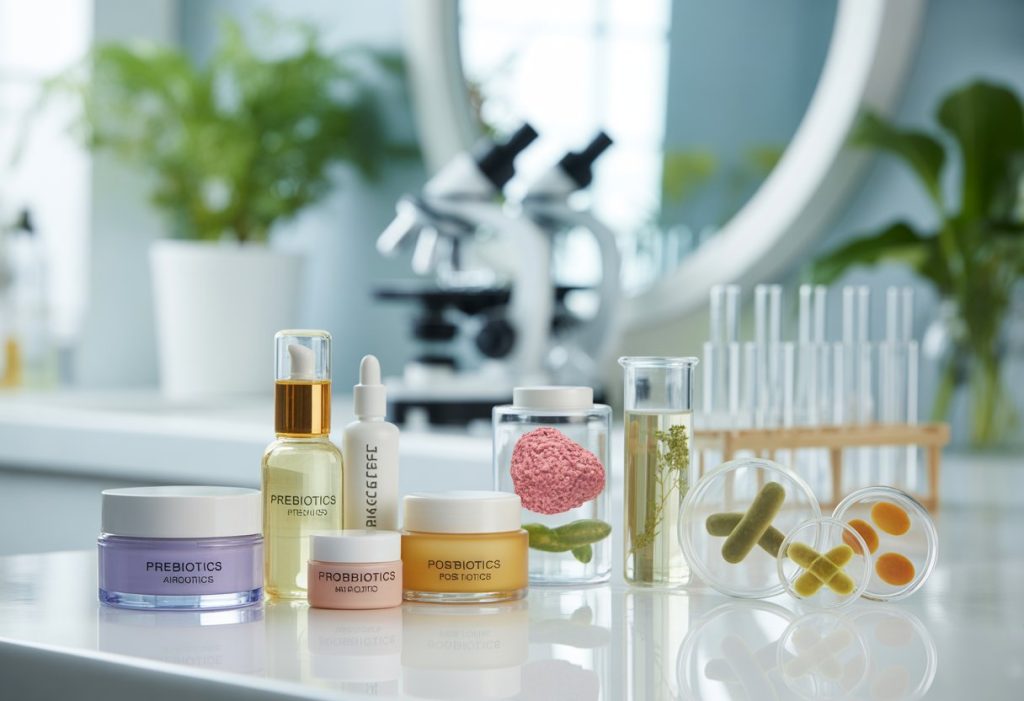
Your skin relies on three types of biotics to maintain a healthy bacterial balance. Each one plays a distinct role in supporting the good bacteria that protect your face.
What Are Prebiotics in Skincare?
Prebiotics are specialised food sources that feed the beneficial bacteria already living on your skin. They work like fertiliser for your skin’s microbiome, helping good bacteria grow stronger and multiply.
These ingredients are typically plant-based fibres and sugars that only beneficial bacteria can digest. Common prebiotics in skincare include alpha-glucan oligosaccharide, inulin, and fructooligosaccharides.
When you apply prebiotics to your face, they nourish the existing colonies of helpful microorganisms. This strengthens your skin’s natural defence system against harmful bacteria and environmental damage.
Key benefits include:
- Stabilising your skin’s bacterial balance
- Soothing irritation and inflammation
- Supporting your skin barrier function
By feeding the good bacteria, prebiotics help create an environment where beneficial microorganisms thrive. This prevents harmful bacteria from taking over your skin’s surface.
Defining Probiotics for the Skin
Probiotics are live microorganisms that add more beneficial bacteria to your skin. Think of them as reinforcements for your skin’s existing bacterial army.
These living organisms directly deposit good bacteria onto your skin’s surface. Common probiotic strains in skincare include Lactobacillus and Bifidobacterium species.
When applied topically, probiotics strengthen your skin’s immune system and help maintain bacterial diversity. They work by crowding out harmful bacteria and producing substances that protect your skin.
Probiotics offer several advantages:
- Adding fresh colonies of beneficial bacteria
- Strengthening your skin’s immune response
- Balancing your microbiome composition
Your skin naturally hosts trillions of bacteria. Probiotics supplement these colonies when stress, pollution, or harsh products disrupt the natural balance.
The Role of Postbiotics in Facial Care
Postbiotics are the metabolic byproducts that bacteria create after consuming prebiotics. These include enzymes, peptides, and organic acids that directly benefit your skin.
Unlike probiotics, postbiotics don’t contain living organisms. They’re the active compounds that beneficial bacteria produce, such as lactic acid, hyaluronic acid, and butyric acid.
Your skin absorbs these compounds immediately. They deliver benefits without requiring bacterial colonisation or fermentation on your face.
Postbiotics provide:
- Immediate delivery of bacterial benefits
- Support for existing good bacteria
- Protection against harmful microorganisms
Postbiotics help good bacteria flourish whilst fighting bad bacteria. They’re particularly useful if you have sensitive skin that reacts to live cultures.
Why Your Face Needs Good Bacteria

Good bacteria on your skin work to keep your complexion healthy by strengthening protective barriers, managing common skin issues, and helping your skin look its best.
Supporting the Skin Barrier
Your skin barrier is the outermost layer that protects you from environmental damage and keeps moisture locked in. Good bacteria help maintain this barrier by producing substances that strengthen the connections between skin cells.
When beneficial bacteria thrive on your skin, they create a protective film that prevents water loss. This keeps your skin hydrated from within. The bacteria also produce fatty acids and other compounds that reinforce the barrier’s structure.
A strong skin barrier means less sensitivity to irritants and better moisture retention. Without enough good bacteria, your barrier can become compromised. This leads to dryness, tightness, and increased sensitivity to products and environmental factors.
Defence Against Skin Concerns
Good bacteria compete with harmful bacteria for space and resources on your skin. They essentially crowd out the troublemakers before they can cause problems. This natural defence system helps reduce breakouts and inflammation.
Beneficial bacteria also produce antimicrobial substances that actively fight against harmful microorganisms. They help balance your skin’s pH levels, creating an environment where good bacteria flourish whilst bad bacteria struggle to survive.
When your skin’s bacterial balance is disrupted, you may notice more frequent breakouts, redness, or irritation. Maintaining a healthy population of good bacteria helps keep these issues under control naturally.
Promoting Visible Radiance
Good bacteria support the processes that keep your skin looking healthy and bright. They help reduce inflammation, which can cause dullness and uneven tone. Less inflammation means your natural radiance can show through.
These beneficial microorganisms also support skin cell turnover by creating an optimal environment for renewal. They produce vitamins and other nutrients that nourish your skin cells. This helps maintain a fresh, healthy appearance.
Your skin’s texture improves when good bacteria are balanced. You may notice smoother, more even-looking skin. The reduction in inflammation and improved barrier function work together to give your complexion a naturally healthy glow.
Happy gut = Healthy Glow
When I want to give my skin and gut health an extra boost, I add a quality probiotic supplement to my daily routine. One of my go-to probiotics,YourBiology Gut+ contains a powerful mix of 20 Billion CFU probiotics and 10 different strains. Furthermore, it contains 2 prebiotics to help feed all the good bacteria!
I particularly like the addition of digestive enzymes, which helps me with bloating, and so it also features in our best probiotics for women review.

Benefits and Differences of Prebiotics, Probiotics, and Postbiotics
Each of these three ingredients works differently on your skin, with postbiotics offering the most stability whilst prebiotics and probiotics require specific conditions to remain effective.
Stability and Effectiveness in Skincare
Probiotics are living microorganisms that can struggle to survive in skincare products. The preservatives, pH levels, and packaging in most creams and serums can kill these delicate bacteria before they reach your skin.
Prebiotics are more stable since they’re non-living ingredients that feed beneficial bacteria. They include components like oligosaccharides, inulin, and certain plant extracts. Your skin’s existing good bacteria consume these ingredients, which helps maintain a balanced microbiome.
Postbiotics are the most stable option for skincare. These are the beneficial compounds that bacteria produce after consuming prebiotics. They include enzymes, peptides, and organic acids that support your skin barrier and reduce inflammation. Since postbiotics are already the end product, they don’t need special storage conditions and work immediately upon application.
Key Ingredients to Look For
Prebiotic ingredients include alpha-glucan oligosaccharide, inulin, fructooligosaccharides, and xylitol. You’ll also find oat extract, chicory root, and certain plant sugars listed on product labels.
Probiotic ingredients appear as Lactobacillus, Bifidobacterium, or Vitreoscilla ferment lysate. Look for products that specify “live cultures” or “active probiotics” with proper packaging that protects these organisms.
Postbiotic ingredients include ferment filtrates, lactic acid, and specific peptides. Common examples are Lactobacillus ferment lysate, bifida ferment lysate, and saccharomyces ferment filtrate. These ingredients are easier to identify on labels and remain effective in various product formulations.
Choosing the Right Option for Your Skin
Your skin type and concerns determine which option works best. Sensitive skin responds well to postbiotics because they’re gentle and don’t risk introducing live bacteria that might cause reactions.
Prebiotics suit most skin types and work particularly well if you have rosacea or eczema. They support your skin’s existing bacterial balance without overwhelming it.
Probiotics require careful consideration. They work best in products with minimal preservatives and proper packaging. If you choose probiotic skincare, select refrigerated products or those in airless pumps that protect the live cultures.
You can also use these ingredients together. Many effective products combine prebiotics and postbiotics, giving your skin both the fuel for good bacteria and the ready-made beneficial compounds.
Best Practices for Incorporating Biotics into Your Routine
Look for specific bacterial strains on ingredient lists and understand which biotics work well together. Apply products in the correct order to maximise their effectiveness on your skin.
Reading Product Labels
Check the ingredient list for specific probiotic strains like Lactobacillus or Bifidobacterium. The actual strain names matter more than vague terms like “probiotic complex.”
Prebiotics often appear as inulin, oligosaccharides, or chicory root extract. You might also see them listed as specific fibres that feed beneficial bacteria.
Postbiotics show up as ferment filtrate or ferment lysate followed by a bacterial strain name. These are easier to spot than you might think once you know what to look for.
Products should list these ingredients in the first half of the label. Anything too far down the list probably doesn’t contain enough to make a real difference.
Pairing Biotics with Other Ingredients
Biotics work well with hyaluronic acid and ceramides because these ingredients support the skin barrier without disrupting bacterial balance. This combination helps keep moisture in whilst protecting beneficial microbes.
Avoid using biotics at the same time as harsh acids or retinoids. These strong ingredients can reduce the effectiveness of live probiotic cultures.
You can alternate biotic products with vitamin C serums or niacinamide. These antioxidants won’t interfere with bacterial cultures when applied separately.
Avoid pairing with:
- Benzoyl peroxide
- High-concentration AHAs or BHAs
- Strong retinol formulations
Safe to combine with:
- Peptides
- Antioxidants
- Moisturising ingredients
Recommended Application Methods
Apply biotic products to clean, dry skin before heavier creams. Start with a prebiotic or probiotic serum, then follow with your regular moisturiser.
Use these products twice daily for at least 4-6 weeks to see results. Your skin’s microbiome needs time to adjust and rebalance.
Store probiotic products in a cool, dark place. Heat and light can damage live bacterial cultures and reduce their effectiveness.
Start with one biotic product rather than using all three types at once. This approach helps you identify which type works best for your skin before building a complete routine.
Happy gut = Healthy Glow
To give my skin and gut health an extra boost, I add a quality probiotic supplement to my daily routine. One of my go-to probiotics,YourBiology Gut+ contains a powerful mix of 20 Billion CFU probiotics and 10 different strains. Furthermore, it contains 2 prebiotics to help feed all the good bacteria!
I particularly like the addition of digestive enzymes, which helps me with bloating, and so it also features in our best probiotics for women review.
Frequently Asked Questions
Prebiotics feed beneficial bacteria on your skin, probiotics deliver bacterial components that strengthen your barrier, and postbiotics are proteins made by bacteria that calm inflammation. These ingredients work together to keep your skin’s microbiome balanced and healthy.
How can prebiotics, probiotics, and postbiotics benefit facial skin health?
Prebiotics provide nutrients that help good bacteria thrive on your face. They encourage the growth of helpful microorganisms whilst discouraging harmful ones that cause irritation.
Probiotics contain bacterial lysates or ferments that soothe your skin and strengthen its protective barrier. These components help your skin maintain its natural defences against environmental stressors.
Postbiotics reduce inflammation and support your skin barrier function. They are proteins and other substances created by bacteria during fermentation, and they work to calm redness and sensitivity.
What specific effects do postbiotics have on skin care?
Postbiotics inhibit inflammation in your skin, which helps reduce redness and irritation. They work by calming your immune response and preventing overreactions to triggers.
These ingredients strengthen your skin barrier by supporting the proteins and lipids that keep moisture in and irritants out. A stronger barrier means less water loss and better protection from pollution and bacteria.
Postbiotics also help balance your skin’s pH levels. This balance creates an environment where good bacteria can flourish whilst harmful bacteria struggle to survive.
Are there any skincare products with postbiotics for managing acne?
Several skincare brands now include postbiotic ingredients in their acne treatments. These products typically contain fermented extracts or bacterial lysates that calm inflammation associated with breakouts.
Postbiotic serums and moisturisers can help reduce the redness and swelling that comes with acne. They work alongside traditional acne ingredients to support your skin’s natural healing process.
Look for products that list fermented ingredients, lysates, or specific postbiotic compounds on their labels. These are usually found in serums, essences, and moisturisers designed for sensitive or acne-prone skin.
Can incorporating probiotics and prebiotics into one’s diet influence skin condition?
Eating foods rich in probiotics can improve your gut health, which may affect your skin’s appearance. Yoghourt, kefir, and fermented vegetables contain live bacteria that support your digestive system.
Your gut and skin communicate through what scientists call the gut-skin axis. When your gut microbiome is balanced, it can reduce systemic inflammation that shows up on your face.
Prebiotic foods like garlic, onions, and bananas feed the good bacteria in your gut. A healthier gut microbiome may lead to clearer skin, though results vary from person to person.
What are the top postbiotic ingredients to look for in skincare formulations?
Lactobacillus ferment is one of the most common postbiotic ingredients in skincare products. This ingredient comes from fermented bacteria and helps calm inflammation whilst strengthening your skin barrier.
Bifida ferment lysate is another powerful postbiotic that appears in many facial serums. It helps repair damage and improve your skin’s resilience to environmental stress.
Saccharomyces ferment filtrate and yeast extract are also effective postbiotic ingredients. These work to hydrate your skin and boost its natural repair processes.
Does the use of prebiotics in skin care assist in preventing harmful bacterial growth?
Prebiotics selectively feed the beneficial bacteria on your skin whilst creating an unwelcoming environment for harmful types. This targeted approach helps maintain a healthy balance in your skin’s microbiome.
The good bacteria fed by prebiotics produce substances that actively inhibit the growth of problem-causing microorganisms. This natural defence system can help prevent issues like acne and irritation.
Prebiotics also help maintain the right pH on your skin’s surface. This slightly acidic environment favours helpful bacteria and discourages the harmful varieties that cause odours and infections.