

Gut health and skin: 5 game-changing tips for clear skin
When it comes to clear skin, our microbiome might be the most powerful tool most of us know little or nothing about! Our microbiome describes the trillions of bacteria that live in and on our body – the largest being the gut microbiome and skin microbiome. What’s more, we now know there’s a super powerful link between gut health and skin.
Table of Contents
Read on to find out how this can help you achieve clear skin that feels as good as it looks!
Acne and rosacea: the role of gut health and skin microbiome
The 100 trillion microbes that live in our gut – called the gut microbiome – play a central role in our well-being, including skin health. The two-way communication between our gut and skin microbiome, means when our gut health is off, skin can become irritated and inflamed.
In fact, an imbalance in our gut microbiome could play a significant role in the progression of inflammatory skin disease such as psoriasis, acne or rosacea (Mahmud et al, 2022).
Personally, having had acne and rosacea most of my adult life, I definitely find a microbiome friendly diet, as well as microbiome skincare, makes a massive difference to how my skin looks and feels.
The powerful link between gut health and skin microbiome
The relationship between your gut health and skin microbiome is complex and extremely close. Think of your gut and skin as best friends who like to share secrets! They’re connected in ways that scientists are just starting to understand.
Here’s the lowdown on how your gut health and skin microbiome can work together to give you your best skin yet.
Immune system – the central command centre
Your gut is like the command center for your immune system. When it’s happy and balanced, it helps your immune system defend against skin nasties. It’s like having a superhero team inside you!
Inflammation
If your gut is throwing a proper tantrum (inflammation), it might make your skin go haywire too. Think of it as a ripple effect – what happens in the gut doesn’t always stay in the gut.
Microbiome balance
The trillions of microbes that live in your gut and on your skin in fact need to get along. If there’s a wild party or some uninvited troublemakers, it could really mess with your skin. Balance is the key to a happy microbiome.
Fatty acid friends
Your gut microbes produce these super-important molecules called short-chain fatty acids (SCFAs). This happens by breaking down dietary fiber in a process called fermentation. They’re like peacekeepers, making sure everything is calm and collected. These peacekeepers have a wide-reaching so-called ‘systemic’ effect. So SCFAs can influence your skin, making it happy and healthy.
Nutrient essentials
Your gut microbiome plays a crucial role in nutrient metabolism, absorption, and overall well-being. For example, some gut bacteria can synthesize certain vitamins, such as B vitamins and vitamin K.
What’s more, your gut microbiome may play a role in the absorption of minerals like iron and calcium.
Hormone happiness:
The gut microbiome can influence your hormones. Hormonal imbalances, such as those related to stress, can impact the skin. Chronic stress, for example, can affect the gut-brain axis and contribute to skin issues.
Remember though, while science is getting the hang of this close-knit friendship between your gut microbiome and skin microbiome, it’s still figuring out the details.
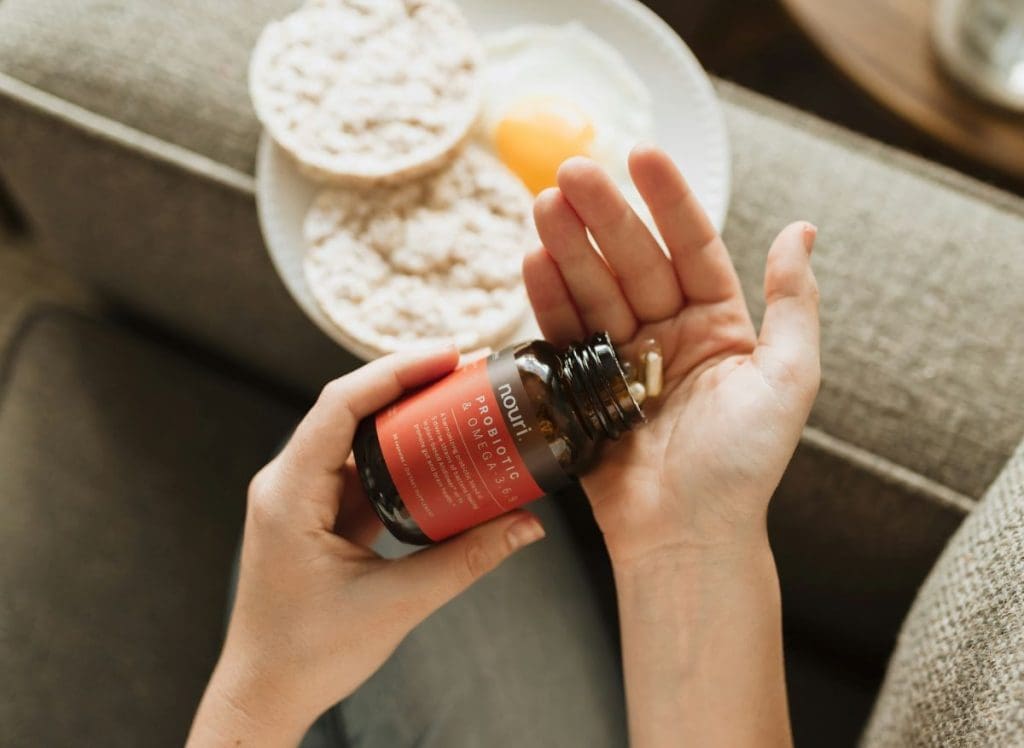
Equally important, take care of your gut with good food and managing stress. Consider taking probiotics that target both gut health and skin, for that healthy glow! Additionally, specific probiotics for acne may give your skin that extra boost it sometimes needs.
5 expert tips for gut health and skin:
DO
1) Boost collagen with:
Collagen-rich foods, e.g.:
- Meat / fish / Eggs (organic)
- Spirulina
- Collagen-stimulating foods, e.g.:
Vitamin C rich foods such as citrus fruits (oranges, clementines, lemons, grapefruits etc)
2) Take collagen supplements
3) Consider probiotics, either with supplements or fermented foods, such as:
- Kefir milk, kefir yogurt, kimchi, kombucha
4) Lower stress hormones, such as cortisol, with adaptogenic herbs:
- Ashwaganda
- Schisandra
Create calm, e.g.:
- Spend time in nature
- Meditate
DITCH
5) Reduce inflammation:
- Pro-inflammatory foods, e.g.:
- Processed foodsRefined sugars
- Hydrogenated oils
In summary – for gut health and skin:
- Boost collagen
- Consume probiotics
- Lower stress
- Create calm
- Ditch pro-inflammatory foods
NOTE: This does not constitute or substitute for medical advice! Seek professional healthcare advice as needed
Other posts you might enjoy:
-

Sea Buckthorn: The #1 Skin and Gut Health Superfood You Should Know About
Sea Buckthorn: The Skin and Gut Health Superfood You Should Know About Sea buckthorn has gained a cult following among skincare and wellness enthusiasts — and for good reason. Rich in rare fatty acids, vitamins, and antioxidants, this bright orange berry supports both your outer glow and inner gut health. Having tried it myself in…
-
Easy high fiber meals – Fueling your glow from the inside out
Easy High Fiber Meals – Boost Your Skin Glow, Inside Out Looking for a quick overview of how to add more fiber to your diet? We’ve got you covered with these ideas for easy high fiber meals to keep your gut happy and your meals exciting! Because eating enough fiber is a key to glowing…
-
Best Probiotics for Acne? 12 That Actually Work (Derm & Gut-Backed)
Best Probiotics for Acne? 12 That Actually Work (Derm & Gut-Backed) If you struggle with acne, you’re not alone—acne affects over 650 million people worldwide. I was one of them for many years, until I realised that skin health is more than just skin deep! In fact, new research shows that balancing your skin and…
-
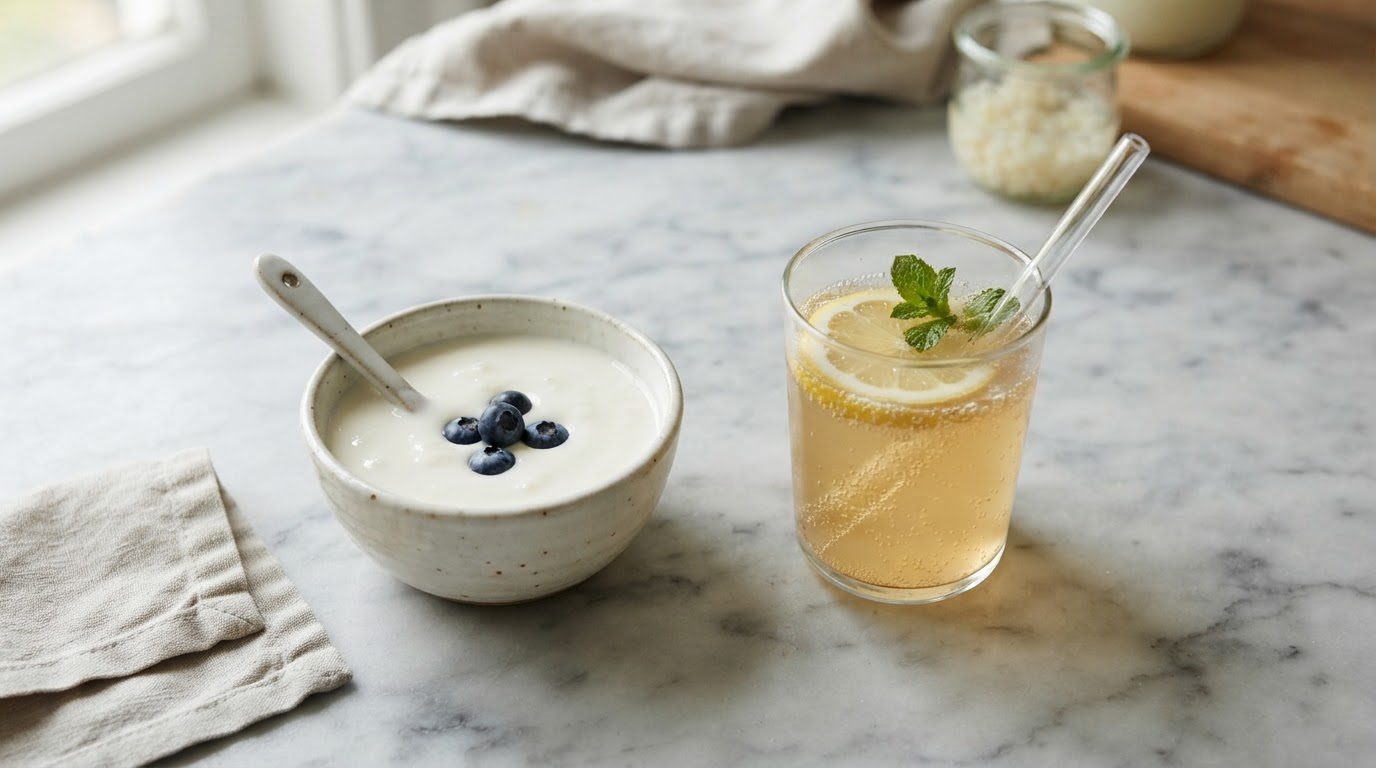
Water Kefir vs Milk Kefir: Which actually fixes bloating?
Water kefir vs milk kefir: which actually fixes bloating? Water kefir vs milk kefir: which actually fixes bloating? The honest answer is that neither is a guaranteed fix, but understanding what goes into each drink can help you choose one that better matches your diet and likely triggers. Key Takeaways What kefir is and how…
-
Probiotic strains for IBS: what the clinical evidence actually shows
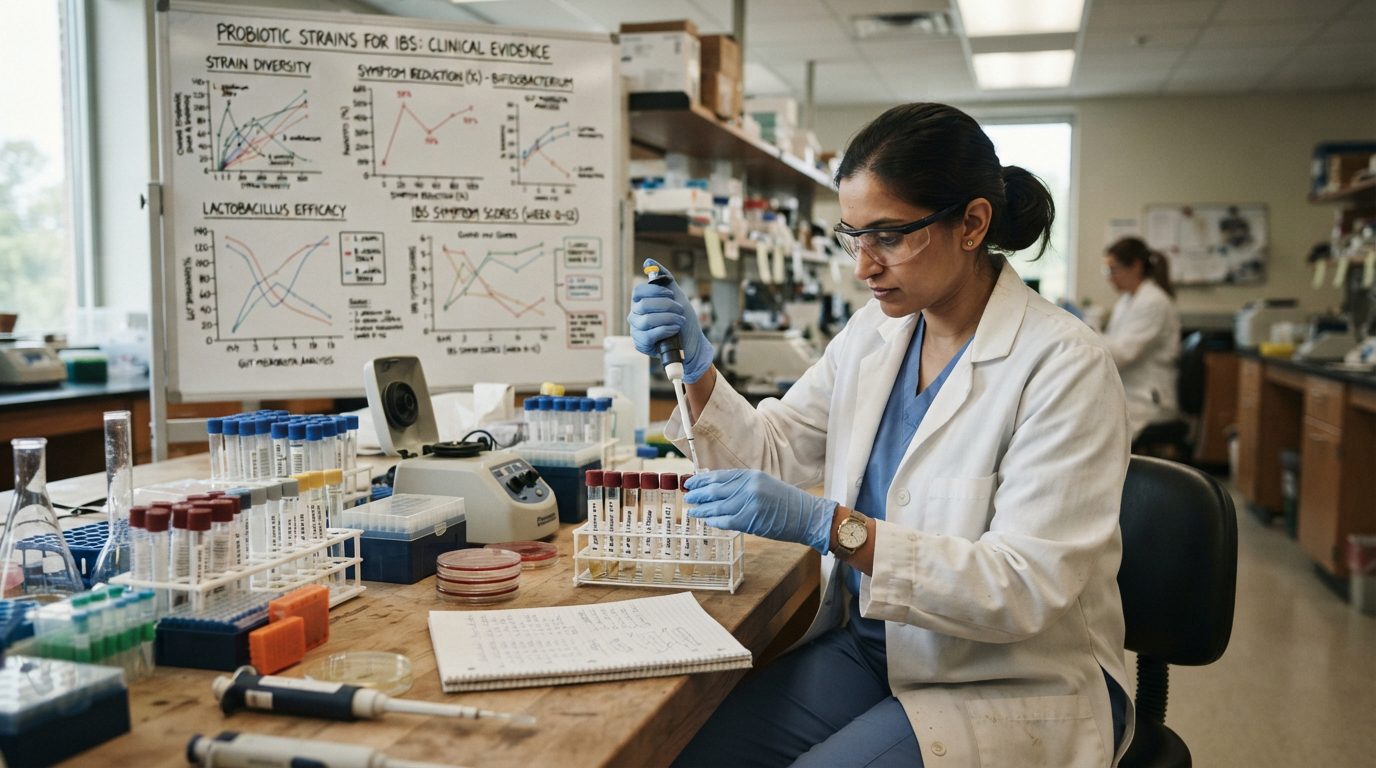
Probiotic strains for IBS: what the clinical evidence actually shows Probiotic strains for IBS: what the clinical evidence actually shows is important because one big meta-analysis pooled 20 studies and found probiotics outperform placebo for global IBS symptoms. That means we can talk about “works for IBS” in a way that is not based on…
-
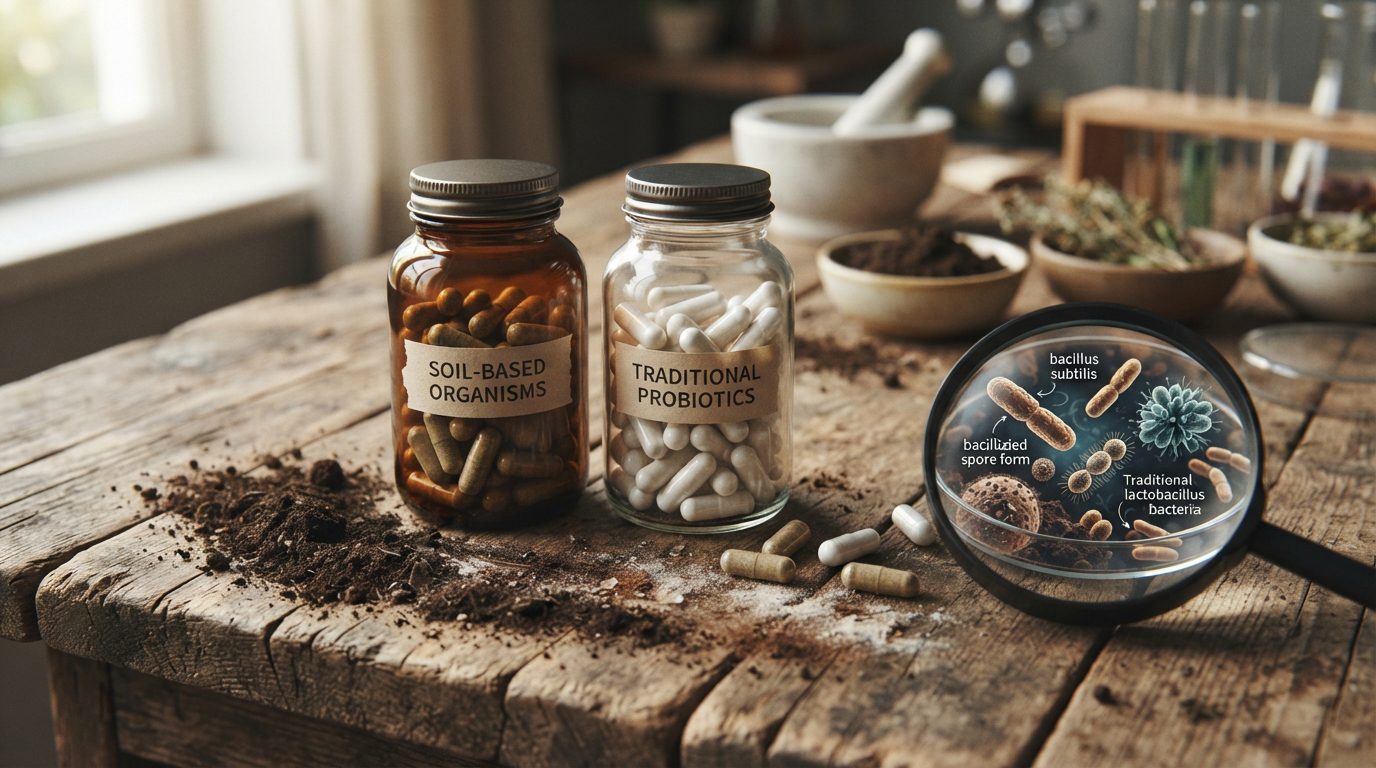
Compare Soil Based Organisms vs Traditional Probiotics for Sensitive Digestion (Best Picks for IBS, Bloating & Gut-Skin Results)
Compare Soil Based Organisms vs Traditional Probiotics for Sensitive Digestion (Best Picks for IBS, Bloating & Gut-Skin Results) Soil Based Organisms vs Traditional Probiotics for Sensitive Digestion is one of the most common questions we get from people whose gut feels touchy, yet they still want an inside-out glow. Did you know that some probiotics…
-
Best Spore-Based Probiotics for Sensitive Stomachs: Gentle, Science-Backed Support That Actually Works
Best Spore-Based Probiotics for Sensitive Stomachs: Gentle, Science-Backed Support That Actually Works When it comes to the Best Spore-Based Probiotics for Sensitive Stomachs, the science is quietly impressive, clinical trials show a 30-day course can reduce markers of gut permeability by 42%, which explains why so many people finally feel relief without the usual bloating.…
-
Ultimate Guide to Using Prebiotic Fibre for Sustained Energy
Ultimate Guide to Using Prebiotic Fibre for Sustained Energy Did you know that 90% of women and 97% of men don’t get enough fibre in their daily diet? That gap is exactly why we put together this ultimate guide to using prebiotic fibre for sustained energy, because we’ve read hundreds of research papers and articles,…
-
How to Choose Quality Digestive Enzymes for Better Nutrient Absorption
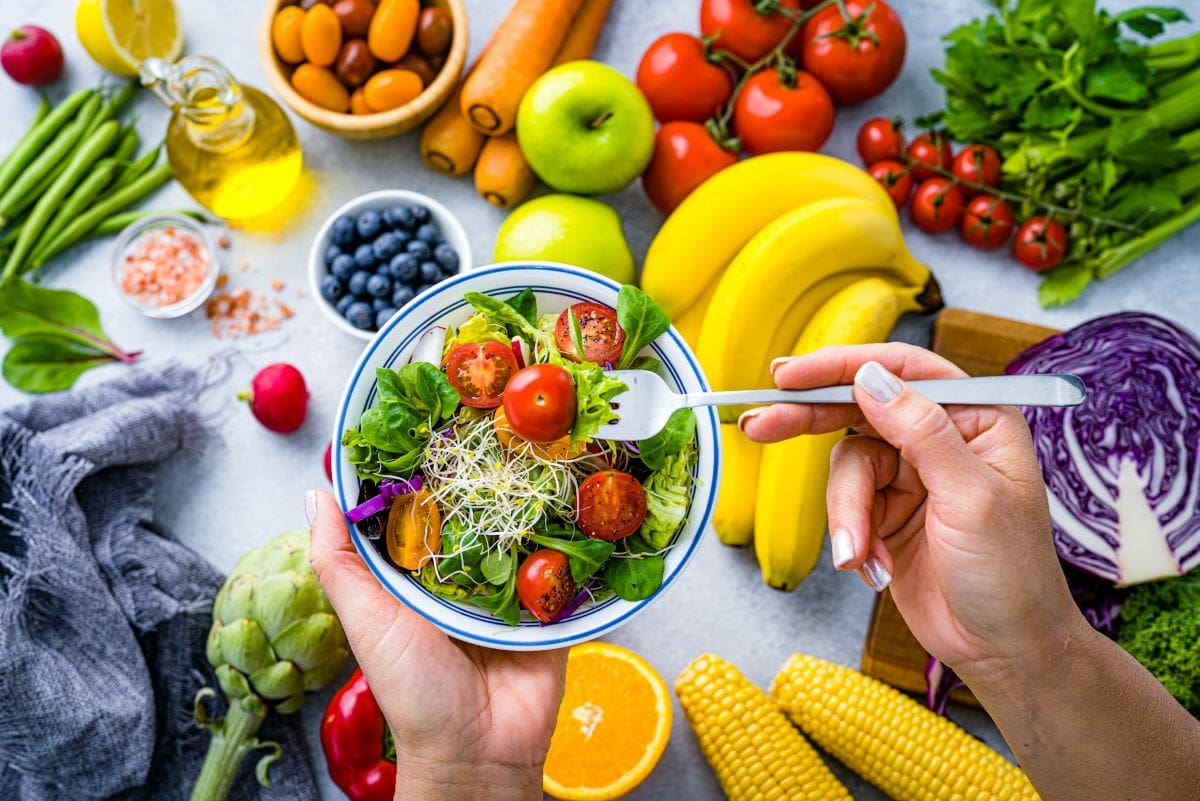
How to Choose Quality Digestive Enzymes for Better Nutrient Absorption Did you know that a staggering 70,000,000 people in the United States deal with gastrointestinal disorders every single year? That number alone tells us why so many of you write in asking how to choose quality digestive enzymes for better nutrient absorption, because bloating, sluggish…



Sources:
Dr Josh Axe, The Gut & Skin Connection | Ancient Nutrition – YouTube . Accessed 17.03.23
Dinan T. Trends in Urology & Men’s Health, 2022
Mei F, et al. J Functional Foods, 2020
Madison A, et al. Curr Opin Behav Sci, 2019
Mahmud R, et al. 2022. Impact of gut microbiome on skin health: gut-skin axis observed through the lenses of therapeutics and skin diseases – PMC (nih.gov) . Accessed 11 April 2023