Digestive Disorders & Microbiome Recovery: What the Science Actually Says
A single course of antibiotics can reduce gut microbial species by approximately 20, according to a Swedish analysis of nearly 15,000 adults, and that disruption can persist for years. This finding sits at the heart of why digestive disorders and microbiome recovery have become one of the most actively studied areas in modern gut health, because recovering a damaged microbiome is rarely as simple as taking a probiotic for a week and moving on.
Key Takeaways
- Microbiome disruption is measurable and lasting: Antibiotics, infection, poor diet, and chronic stress all reduce microbial diversity in ways that can take months to reverse.
- Digestive disorders and microbiome recovery are directly linked: Conditions like IBS, IBD, and post-infectious gut dysfunction share a common thread of depleted or imbalanced gut bacteria.
- The gut barrier is central to recovery: When intestinal permeability increases, bacteria and toxins can leak into the bloodstream, driving systemic inflammation that makes digestive symptoms worse.
- Diet is the most evidence-backed lever: Fermented foods, prebiotic fibre, and diverse plant intake consistently show measurable effects on microbiome composition. Explore microbiome-focused recipes to build these foods into daily eating.
- Probiotic supplements have limits: Current evidence does not support the idea that any single probiotic product reliably restores the original microbiome after disruption.
- Recovery is not linear: For some digestive disorders, particularly post-infectious cases, the gut may take six months or longer to stabilise even with optimal dietary support.
- The gut-brain axis plays a role in symptom persistence: Stress hormones affect gut motility and microbial balance, which means psychological wellbeing is part of the recovery equation, not separate from it.
What Digestive Disorders & Microbiome Recovery Actually Mean
The trillions of bacteria living in the human gut do far more than help digest food. They regulate immune function, produce compounds that influence inflammation, synthesise neurotransmitter precursors, and maintain the structural integrity of the gut lining itself.
When we talk about digestive disorders and microbiome recovery together, we are describing a two-way relationship. Disorders like irritable bowel syndrome (IBS), inflammatory bowel disease (IBD), small intestinal bacterial overgrowth (SIBO), and post-infectious enteritis all alter the microbiome. Conversely, a disrupted microbiome directly creates the conditions that allow these disorders to develop or worsen.
Understanding this relationship opens up new ways to approach recovery through targeted dietary, lifestyle, and (in some cases) clinical interventions, rather than treating symptoms in isolation.
How Digestive Disorders Disrupt Microbiome Balance
Several factors drive microbiome disruption across the most common digestive disorders. Antibiotic courses, even short ones, reduce species richness significantly. Gastrointestinal infections cause acute dysbiosis (an imbalance between beneficial and harmful bacterial populations). Chronic inflammatory conditions alter the gut environment in ways that selectively disadvantage protective species like Lactobacillus and Bifidobacterium.
Diet is another major driver. A low-fibre, high-processed-food pattern consistently reduces the abundance of bacteria that produce short-chain fatty acids, the metabolites that feed colonocytes (the cells lining the gut), maintain the protective barrier, and reduce inflammation throughout the body.
Stress also plays a direct mechanistic role. When you feel stressed, your brain releases hormones that travel through your bloodstream and impact gut motility, secretion, and microbial composition. These stress hormones remain elevated as long as you feel stressed, creating ongoing problems for microbial balance that diet alone cannot fully address.
Did You Know?
Real-world outcomes from a 5,344-patient cohort reported cure rates for fecal microbiota transplantation (FMT) of 81% for recurrent C. difficile infection, 78% for refractory CDI, and 71% for severe CDI — showing that targeted microbiome restoration can produce measurably different outcomes depending on digestive disorder subtype.
Source: ASGE Journal Scan
The Gut Barrier and Its Role in Digestive Disorders & Microbiome Recovery
The lining of your gut acts as a barrier that controls what enters your bloodstream. It is a single layer of epithelial cells held together by tight junction proteins, and it depends on a healthy microbiome to stay intact. Beneficial bacteria produce short-chain fatty acids like butyrate that directly fuel the cells maintaining this barrier.
When this barrier becomes damaged, a condition called intestinal permeability, bacteria and toxins can leak into your blood. This triggers a systemic immune response that produces the kind of low-grade, chronic inflammation associated with nearly every major digestive disorder, from IBS to Crohn’s disease to post-infectious gut dysfunction.
This explains why microbiome recovery is not simply about adding bacteria back. It requires rebuilding the environment that allows beneficial species to survive and produce the metabolites your gut lining needs. That process takes time, and the research is clear that it does not happen uniformly across individuals.
Microbiome Recovery Through Diet: The Foods That Work
Diet is the most consistently supported intervention for digestive disorders and microbiome recovery, and the mechanism is well understood. The bacteria you want to cultivate require fermentable fibre as their primary fuel source. Without it, they cannot survive in sufficient numbers to produce meaningful amounts of short-chain fatty acids.
The most effective dietary approach centres on three categories:
- Prebiotic fibre sources: Garlic, onion, leeks, asparagus, Jerusalem artichoke, chicory, and underripe bananas all contain inulin and fructooligosaccharides (FOS), which selectively feed Bifidobacterium species and support butyrate production.
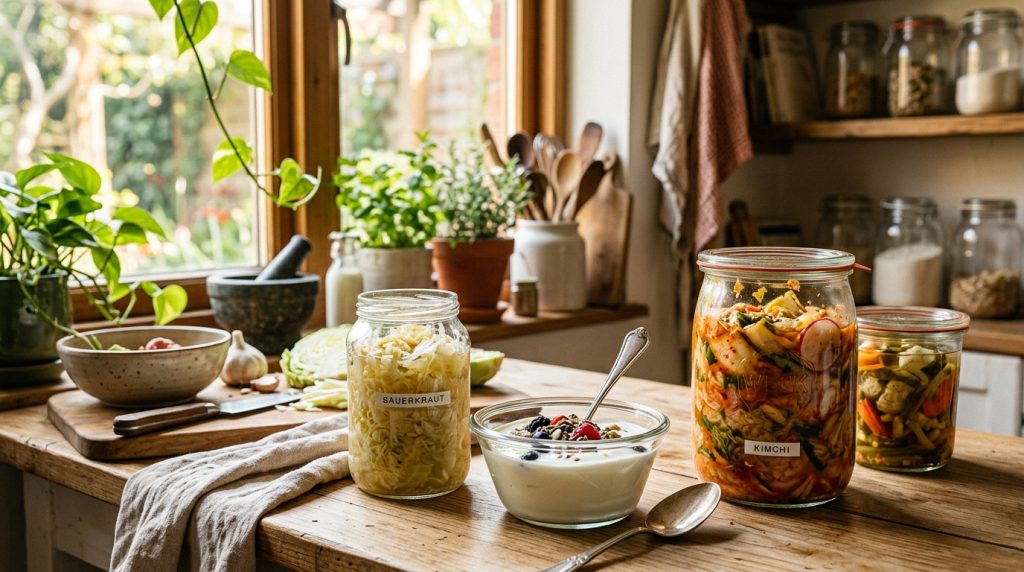
- Fermented foods: Kefir, yoghurt with live cultures, kimchi, sauerkraut, and miso directly introduce live bacteria into the gut environment. A landmark Stanford study found that diets high in fermented foods increased microbial diversity and reduced inflammatory markers more effectively than high-fibre diets alone over a 10-week period.
- Diverse plant intake: Research consistently shows that people who eat 30 or more different plant foods per week have significantly greater microbial diversity than those eating fewer. Variety matters as much as volume because different bacterial species have different substrate preferences.
Gut health smoothies built around prebiotic and fermented ingredients offer a practical way to hit multiple categories in a single meal. The gut health smoothie collection uses ingredients that directly support the bacterial populations most relevant to microbiome recovery.
For broader meal planning, the free microbiome food guide gives a structured framework for building these food categories into everyday eating without overcomplicating it.
Probiotics, Prebiotics, and What the Evidence Actually Shows
Most people think of probiotics as the primary solution for digestive disorders and microbiome recovery. However, the evidence is considerably more nuanced than the supplement marketing suggests.
Specific probiotic strains do show clinical benefit for specific conditions. Lactobacillus rhamnosus GG and Saccharomyces boulardii have solid evidence for reducing antibiotic-associated diarrhoea. Certain Bifidobacterium strains reduce IBS symptom severity in controlled trials. VSL#3 (a high-dose multi-strain product) shows benefit in ulcerative colitis.
What probiotics generally do not do is reliably rebuild a depleted microbiome to its pre-disruption state. The research is explicit on this point: probiotic benefit is not uniform, and the assumption that a probiotic supplement restores the “original” microbiome is not strongly supported across most cases of digestive disorder recovery.
Prebiotics, by contrast, work by feeding the bacteria already present in your gut rather than introducing new ones. When combined with dietary fibre from whole food sources, prebiotic supplementation shows more consistent effects on bacterial diversity because it creates a favourable environment for native populations to recover rather than trying to colonise the gut with external strains.
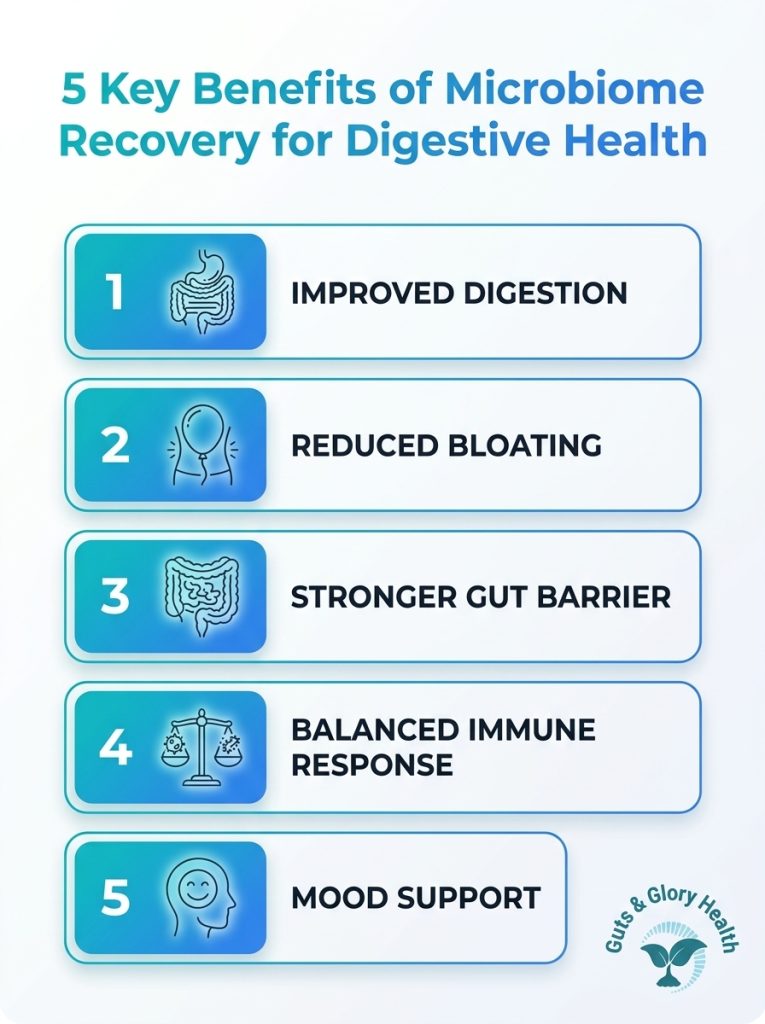
This infographic highlights five key benefits of microbiome recovery for digestive health. Learn how gut microbes influence digestion, inflammation, and overall gut wellness.
Post-Infectious Digestive Disorders and Prolonged Microbiome Recovery
One of the most under-discussed aspects of digestive disorders and microbiome recovery is what happens after an acute infection. Gastroenteritis, traveller’s diarrhoea, and food poisoning events do not always resolve cleanly. For a significant number of people, the acute infection triggers a lasting shift in gut function that persists long after the infection itself has cleared.
This condition, post-infectious IBS (PI-IBS), develops because the infection alters both the microbial community and the gut’s immune and nervous system responses. Mast cell activation, altered serotonin signalling in the enteric nervous system, and reduced microbial diversity all contribute to the ongoing symptoms of bloating, altered transit, and abdominal pain that define PI-IBS.
Did You Know?
Meta-analysis estimates for post-infectious IBS after infectious gastroenteritis range broadly from approximately 3% to over 30%, meaning the risk of a stomach infection becoming a lasting digestive disorder depends heavily on the pathogen, the individual’s microbiome baseline, and how quickly recovery support is introduced.
Source: PubMed: Post-infectious IBS meta-analysis
Recovery from PI-IBS requires addressing both the microbial disruption and the sensitised gut-brain communication that keeps symptoms active. Diet, stress management, and (in some cases) specific pharmaceutical interventions targeting mast cells or serotonin receptors are used in combination, because no single approach reliably resolves the condition on its own.
Advanced Interventions: FMT and Digestive Disorders & Microbiome Recovery
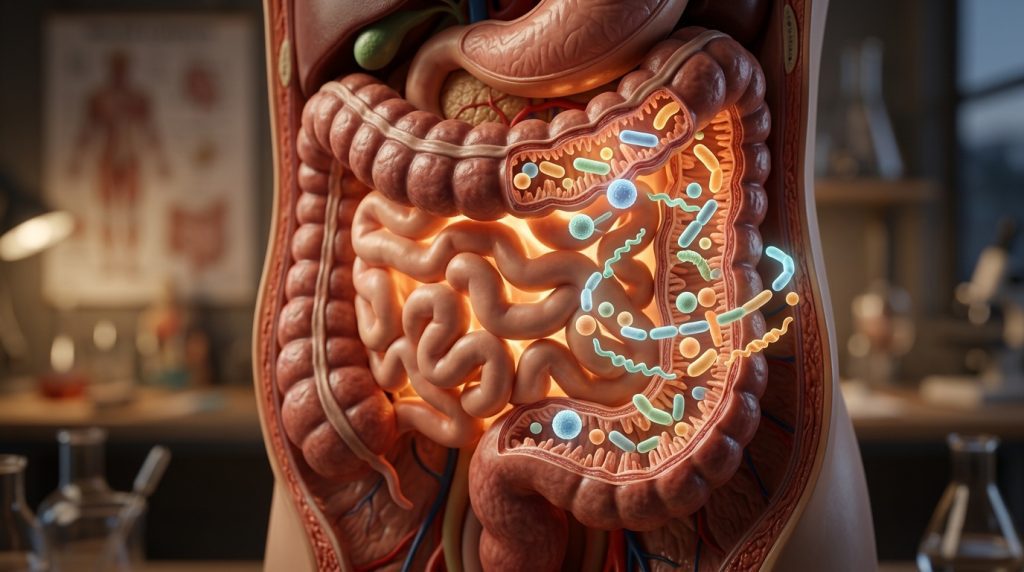
For severe or treatment-resistant digestive disorders where microbiome disruption is the primary driver, fecal microbiota transplantation (FMT) represents the most direct form of microbiome recovery currently available. FMT involves transferring stool from a carefully screened healthy donor into the gut of a patient, effectively seeding a depleted or dysbiotic microbiome with a diverse, functional bacterial community.
The evidence base for FMT is strongest for recurrent Clostridioides difficile (CDI) infection, a serious digestive disorder that typically follows antibiotic use and is characterised by severe, recurring diarrhoea. CDI is in many ways the clearest model for antibiotic-driven microbiome collapse, and FMT’s high cure rates across CDI subtypes demonstrate what is possible when the gut microbiome is restored at scale.
Research into FMT for other digestive disorders, including ulcerative colitis and IBS, is ongoing. Early results are promising but less consistent than in CDI, partly because the microbiome-disorder relationship in IBD and IBS is more complex and multifactorial than in CDI, where a single opportunistic pathogen fills the ecological vacuum left by antibiotics.
Lifestyle Factors That Support Microbiome Recovery From Digestive Disorders
Diet alone does not fully account for microbiome recovery outcomes. Several lifestyle factors directly affect the gut environment in ways that either support or impede the recovery of microbial diversity.
Sleep quality is particularly relevant. The gut microbiome follows circadian rhythms, and disrupted sleep alters the relative abundance of microbial species in ways that worsen digestive symptoms. Consistent sleep timing (not just duration) appears to matter for microbial stability.
Physical activity increases microbial diversity independently of diet, and the effect is dose-dependent, meaning more moderate-intensity movement generally corresponds to greater diversity. This connection works both ways too: a healthier microbiome produces metabolites that improve exercise performance and recovery, creating a positive feedback loop.
Stress management directly affects gut motility, secretory IgA (the gut’s primary immune defence), and the composition of the microbiome itself. Breathwork, mindfulness practices, and vagal nerve stimulation techniques all reduce cortisol and support the parasympathetic nervous system responses that allow normal digestive function to resume.
Your body relies on the gut-brain axis as a continuous two-way communication system, not a one-directional broadcast. This means that psychological interventions for digestive disorders are not a soft add-on to the “real” treatment. They are mechanistically valid components of microbiome recovery because they directly alter the hormonal and neural environment the microbiome lives in.
Building a Practical Microbiome Recovery Approach
The most effective approach to digestive disorders and microbiome recovery combines food-first strategy with targeted lifestyle adjustments, rather than relying primarily on supplements.
A practical starting framework looks like this:
- Audit your fibre intake: Most people eating a standard Western diet fall well below the 25-30g of fibre per day associated with healthy microbial diversity. Prioritise whole grains, legumes, vegetables, and fruits.
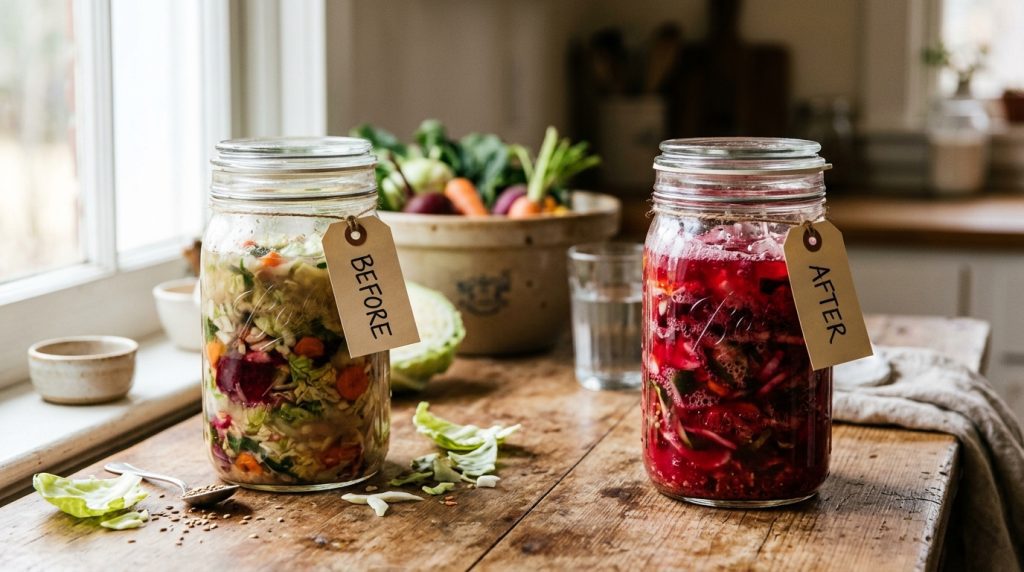
- Add one fermented food daily: Even small daily servings of kefir, live-culture yoghurt, or kimchi show measurable effects on microbial composition within a few weeks.
- Reduce ultra-processed foods: Emulsifiers, artificial sweeteners (particularly saccharin and sucralose), and certain preservatives have documented disruptive effects on gut microbial communities.
- Address stress as a clinical factor: Not as self-care, but as a mechanistic component of gut recovery. Consistent stress reduction directly reduces gut permeability and supports a more stable microbial environment.
- Be realistic about timelines: A 6-month follow-up study of antibiotic effects in healthy adults found persistent microbiome impacts six months after antibiotic exposure, even in otherwise healthy individuals. Recovery from digestive disorders that involve more severe disruption may take longer.
For recipe-based support, the gut-friendly dinner recipes and breakfast recipes sections offer meal ideas built around prebiotic fibre sources, fermented ingredients, and anti-inflammatory whole foods that support the microbiome recovery process from the ground up.
The gut-skin axis is also worth factoring into recovery planning. Good bacteria create short-chain fatty acids that reduce inflammation throughout your body, including your skin, which means that microbiome recovery for digestive disorders often produces visible benefits outside the gut as well. Understanding the skin microbiome alongside gut health gives a more complete picture of how recovery affects the whole body.
Inseperable
Digestive disorders and microbiome recovery are inseparable. Whether the disruption originates from antibiotics, infection, poor diet, or chronic stress, the path back to a functional gut is grounded in the same principles: feeding beneficial bacteria through diverse, fibre-rich food, reducing the inputs that deplete microbial diversity, and addressing the gut-brain axis signals that can keep the gut locked in a disrupted state.
Recovery is not always fast, and it is not uniform. The evidence is clear that microbiome disruption can persist for months even under optimal conditions, and that some digestive disorders involve additional layers of immune and nervous system sensitisation that require a multi-pronged approach. But the mechanisms are well understood, and targeted lifestyle changes, grounded in gut physiology rather than generic wellness advice, consistently move the needle.
Start with the free microbiome food guide for a structured entry point, and build from there with meal strategies that put microbiome recovery at the centre of your digestive health approach.
Frequently Asked Questions
How long does microbiome recovery from digestive disorders actually take?
Recovery timelines vary considerably depending on the cause and severity of the disruption. Research shows that antibiotic-driven microbiome changes can persist for at least six months in otherwise healthy adults, and post-infectious digestive disorders may take longer to fully stabilise. Consistent dietary and lifestyle support significantly improves recovery speed, but there is no universal timeline.
What are the best foods for digestive disorders and microbiome recovery?
Fermented foods (kefir, kimchi, live-culture yoghurt, sauerkraut), prebiotic fibre sources (garlic, onion, leeks, asparagus, chicory), and diverse plant intake across 30 or more different plant foods weekly all show consistent evidence for supporting microbiome diversity. These food categories work through different but complementary mechanisms, which is why combining them produces better results than focusing on any single food.
Do probiotics actually help with digestive disorders and microbiome recovery?
Specific probiotic strains are clinically supported for specific conditions (for example, Lactobacillus rhamnosus GG for antibiotic-associated diarrhoea). However, the evidence does not support the idea that probiotic supplements reliably restore a depleted microbiome to its original state. Prebiotics combined with whole food fibre sources tend to show more consistent effects on native bacterial populations.
Can stress cause or worsen digestive disorders?
Yes, through multiple direct mechanisms. Stress hormones alter gut motility, increase intestinal permeability, and shift the composition of the microbiome toward less favourable species. The connection works both ways too: a disrupted microbiome sends signals back through the gut-brain axis that can amplify stress and anxiety responses. Addressing stress is therefore a mechanistically valid part of treating digestive disorders, not just a lifestyle suggestion.
What is the difference between probiotics and prebiotics for gut health recovery?
Probiotics introduce live bacteria into the gut from outside the body, while prebiotics provide fermentable substrates that feed the bacteria already living in your gut. For microbiome recovery after digestive disorders, prebiotics have the advantage of supporting native bacterial populations rather than relying on colonisation by external strains, which is often transient.
Is post-infectious IBS a permanent digestive disorder?
Post-infectious IBS is not necessarily permanent, but it can persist for years without targeted intervention. It develops when an acute gut infection triggers lasting changes to the microbial community, immune activation patterns, and enteric nervous system signalling. Dietary changes focused on microbiome recovery, combined with stress management and (in some cases) pharmaceutical support, can significantly reduce symptoms and, over time, help the gut return toward normal function.
What is FMT and when is it used for digestive disorders?
Fecal microbiota transplantation (FMT) involves transferring stool from a healthy screened donor into a patient’s gut to restore a diverse, functional microbiome. It is currently most strongly supported for recurrent Clostridioides difficile infection, where it achieves cure rates of around 81% in real-world cohorts. Research into FMT for other digestive disorders, including ulcerative colitis and IBS, is ongoing but has not yet reached the same level of evidence consistency.