
Ultimate Guide to Using Prebiotic Fibre for Sustained Energy
Did you know that 90% of women and 97% of men don’t get enough fibre in their daily diet? That gap is exactly why we put together this ultimate guide to using prebiotic fibre for sustained energy, because we’ve read hundreds of research papers and articles, and collated the evidence for what really works, so you don’t have to.

Key Takeaways
- Prebiotic fibre feeds your gut bacteria, and a well-fed microbiome is directly linked to steadier, longer-lasting energy throughout the day.
- Most adults are stuck in a “fibre gap,” eating far less than they need, which shows up as afternoon slumps and sluggish mornings.
- Aiming for 30 different plants a week is one of the most powerful things you can do for microbiome diversity and energy.
- Breakfast is prime real estate for prebiotic fibre. Our gut health breakfast recipes are built around this exact idea.
- Smoothies, soups, and snacks are easy, low-effort ways to sneak more fibre in without overhauling your whole diet.
- We follow our own 30-30-3 Microbiome Protocol (30 plants a week, 30 minutes of movement, 3 fermented foods) as the backbone of sustained energy.
- Grab our Free Microbiome Food Guide for a fast-start list of fibre-rich foods that support both gut health and daily energy.
What Is Prebiotic Fibre (and Why Your Energy Depends On It)
Prebiotic fibre is a type of fibre your body can’t digest, but the trillions of microbes living in your gut absolutely can. Your microbiome, made up of over 100 trillion microbes, feeds on this fibre and produces the metabolites that regulate everything from mood to sleep to, yes, energy.
That’s not a coincidence, that’s your gut talking. When your gut bacteria are well fed, they produce short-chain fatty acids that stabilise blood sugar and keep energy release slow and steady, rather than the spike-and-crash pattern so many of us know too well.
This is genuinely why we became so obsessed with fibre in the first place. It’s fair to say we’ve been fascinated to the point of obsession with our “discovery” that something as simple as fiber intake could be the missing piece for stubborn energy crashes.
The Ultimate Guide to Using Prebiotic Fibre for Sustained Energy: Getting Started
If you’re new to this, start small. Research shows that jumping from 10 grams a day to 30 grams overnight can cause bloating and discomfort, which is the opposite of the energy boost you’re after.
Instead, we recommend building up gradually across a week or two. Add one fibre-rich food at a time (oats, then lentils, then a handful of berries) and let your gut adjust.
This gentle, gradual approach is at the heart of every ultimate guide to using prebiotic fibre for sustained energy we’d ever recommend to a friend. It’s not about restriction or overnight overhauls, it’s about consistent, sustainable additions.
Did You Know?
Less than 10% of U.S. adults meet the recommended daily intake of fibre.
Source: CNBC
Best Foods for Using Prebiotic Fibre for Sustained Energy Throughout the Day
Some foods are especially good for gut health, and therefore mental and physical well-being. The good news is that you can look to your fridge and not just the medicine cabinet for the solution.
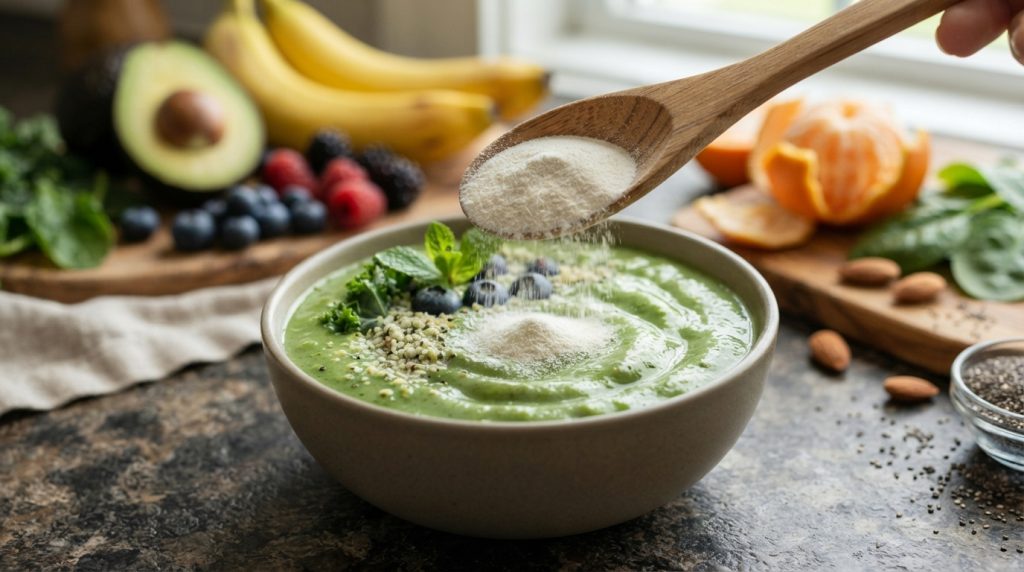
Think oats, garlic, onions, leeks, lentils, chickpeas, bananas (slightly under-ripe), and leafy greens. These are the classic prebiotic powerhouses that feed your microbiome and support steady, all-day energy.
What does this mean? Look to your fridge! Our best microbiome recipes collection pulls a lot of these ingredients together into meals that actually taste good, not just “healthy.”
Fuelling Mornings: Breakfast Recipes for Lasting Energy
A gut health breakfast can provide numerous benefits and sets the tone for the rest of your day. Easy hacks here include whole grains, yogurt, Kefir, and fibre-rich toppings like chia or flax.
Like many women, I never expected gut health to be the missing piece of my wellness puzzle, and mornings were where I noticed it first. Skip the low-fibre cereal, and reach for something with real staying power instead.
Our gut health breakfast recipes are designed specifically around this: fibre, protein, and probiotics working together so you’re not reaching for a second coffee by 10am.
Keeping Energy Steady at Lunch and Dinner
Lunch recipes will help keep your energy up for the rest of the day when they’re built on microbiome-boosting ingredients. Lentil soups, whole grain bowls, and fibre-forward salads all do this job beautifully.
By dinner, your gut is still working hard, and what you eat in the evening genuinely affects tomorrow’s energy. Our dinner recipe collection leans on gut-friendly, fibre-rich ingredients to keep things nourishing without feeling heavy.
Support it well, and you support hormone balance, metabolic beauty, and that inside-out glow we’re all chasing.

Snacks and Smoothies: Quick Wins for Prebiotic Fibre
Between-meal energy dips are usually a sign your last meal was too low in fibre, not that you need more caffeine. Tasty, gut-friendly snacks help bridge that gap without the crash.
Seeds, in particular, deserve more credit than they get for gut health and energy support. Check out our gut-friendly snack ideas for options you can prep in minutes.
Smoothies are another easy win. Our gut healthy smoothie recipes combine fibre, probiotics, and natural sweetness for a genuinely delicious energy boost, no sugar crash required.
Soups That Support Gut Health and Sustained Energy
Soups are, quite honestly, a hug in a bowl, and they happen to be one of the easiest ways to pack in fibre-rich vegetables, legumes, and bone broth in one pot. Warm, nourishing, and genuinely comforting.
Lentils, in particular, show up again and again in gut-healthy cooking because they’re bio-available, fibre-dense, and filling. Browse our gut healthy soup recipes for options that nourish both skin and soul.
Did You Know?
The World Health Organisation recommends a minimum daily fibre intake of 25 grams, though most people fall well short.
Source: Nutrition Insight
Our 30-30-3 Microbiome Protocol: The Ultimate Guide to Using Prebiotic Fibre for Sustained Energy
This is our own framework, and it’s genuinely how we approach fibre and energy in our own homes: 30 plants a week, 30 minutes of movement, 3 fermented foods. Simple to remember, harder to actually track, but worth it.
The 30 plants target isn’t about eating more overall, it’s about eating a wider variety. Research from the American Gut Project found that people eating 30 different plants weekly showed significantly better gut diversity than those eating 10 or fewer.
We believe in 80/20: eating healthy with just the right amount of cake thrown in. This protocol isn’t about perfection, it’s about building the habit of variety, movement, and fermentation into a life that still has room for joy (and cake).

Common Mistakes to Avoid When Increasing Prebiotic Fibre
The biggest mistake we see is going too fast, too soon. Jumping straight to 40 grams a day when you’re used to 10 is a recipe for bloating, not energy.
The second mistake is forgetting water. Fibre needs fluid to move through your system properly, so increase your water intake alongside your fibre intake.
The third mistake is relying on supplements alone. Whole foods bring fibre alongside vitamins, minerals, and polyphenols that a powder simply can’t replicate on its own.
| Fiber Source | Approx. Fibre per Serving | Best For |
|---|---|---|
| Lentils (1 cup cooked) | 15g | Lunch and dinner soups |
| Oats (1 cup cooked) | 4g | Breakfast bowls |
| Chia seeds (2 tbsp) | 10g | Smoothies and snacks |
| Leeks and onions (1 cup) | 2-3g | Soups and dinners |
Your Gut Needs to be Fed Properly
This ultimate guide to using prebiotic fibre for sustained energy comes down to one simple truth: your gut needs to be fed properly for your body to feel properly fuelled. Start slow, build variety, drink your water, and lean on whole foods first.
Your microbiome, the trillions of microbes that live in and on your body, impact your mood, skin, sleep, and yes, your energy. Grab our Free Microbiome Food Guide and start building your own fibre routine today.
Frequently Asked Questions
What is the fastest way to start using prebiotic fibre for sustained energy?
Start by adding one fibre-rich food per day, like a serving of oats or lentils, rather than overhauling your whole diet at once. This gradual approach to using prebiotic fibre for sustained energy prevents bloating while still building momentum quickly.
How much prebiotic fibre do I actually need per day?
The World Health Organisation recommends a minimum of 25 grams of fibre daily, though most adults only get 10 to 15 grams. Working toward that 25 gram target is a solid, evidence-based goal for sustained energy.
Can too much prebiotic fibre cause problems?
Yes, exceeding around 50-60 grams a day can lead to bloating, gas, and discomfort, especially if you increase intake too quickly. Build up gradually and drink plenty of water as you go.
What foods have the most prebiotic fibre for energy?
Lentils, chickpeas, oats, garlic, onions, leeks, and chia seeds are among the most fibre-dense, gut-friendly options available. These form the backbone of most of our recipe collections, from breakfast through dinner.
Is prebiotic fibre the same as probiotics?
No. Prebiotic fibre is the food that feeds your existing gut bacteria, while probiotics are live bacteria themselves, often found in yogurt, kefir, or fermented foods. Both matter, but this guide focuses specifically on the fibre side of the equation.
Why do I feel tired even though I eat “healthy”?
Many “healthy” diets are still surprisingly low in fibre, which means blood sugar spikes and crashes rather than steady, sustained energy. Auditing your fibre intake is often the missing piece for exactly this kind of unexplained fatigue.
Is following a structured fibre protocol worth it?
Yes, structured approaches like our 30-30-3 Microbiome Protocol make the goal of using prebiotic fibre for sustained energy far easier to actually stick with. Having a simple framework (30 plants, 30 minutes movement, 3 fermented foods) removes the guesswork.