

Your ultimate guide to prebiotics vs probiotics
The difference between prebiotics & probiotics is a popular Google search – and for good reason. Both can do wonders for your gut health and well-being. So, let’s look at the basics and most frequently asked questions about prebiotics and probiotics!
Table of Contents
What are prebiotics (and should you care)?
Prebiotics are special types of plant fibers that don’t get digested – they act as food for the good bacteria in your gut. When you eat foods like leeks, oats, or green bananas, you’re feeding the helpful bugs that keep your digestion smooth, your energy steady, and your skin glowing from within.
In short: We take prebiotics to help fuel the good bacteria in our gut, and help us look and feel our best!
Berit & Tonje
The importance of prebiotics for digestion
Prebiotics, by supporting the growth of beneficial bacteria, help you feel your best. They improve the absorption of minerals and support a regular bowel movement. Plus, they contribute to the production of short-chain fatty acids, which are great for gut health.
Prebiotics also help the good gut bugs crowd out the not-so-friendly ones. It’s like giving your helpful bacteria a head start so they can take up space and keep the troublemakers in check. And when your gut stays in balance, everything from digestion to immunity runs more smoothly.

Try one of our delicous smoothies with probiotic benefits of kefir and yogurt.
Another good reason to get on board with the difference between prebiotics vs probiotics and how it might benefit you!
What are probiotics good for?
What probiotics do is important to know if you aim for a healthy gut! They are live bacteria that are crucial for digestion and overall gut health. We can find these beneficial microorganisms in certain foods such as yogurt, kefir, sauerkraut, or kimchi.
Check out Dr. Uma Naidoo’s the bestselling book This Is Your Brain on Food. Her innovative approach emphasizes the significant role of food in managing conditions like anxiety, depression, and cognitive decline. Her book explores the connection between food, mood, and mental health – including the difference between prebiotics & probiotics.
Different strains of probiotic bacteria have unique functions and benefits. Make sure to find out which strain is best for your personal health goal.
The importance of probiotics for digestion
Probiotics, by populating your gut with helpful bacteria, aid in the digestion and absorption of nutrients. They also help prevent the overgrowth of harmful bacteria, support immune function, and may even help certain digestive conditions such as irritable bowel syndrome (IBS) and inflammatory bowel disease (IBD).
In addition to their digestive benefits, probiotics have been linked to improved mental health through the gut-brain axis. The communication network between the gut and the brain plays a significant role in mood regulation and cognitive function. By influencing this axis, probiotics can potentially help in managing conditions like anxiety and depression.
Paired with prebiotic fiber, this allows you to get the most out of the difference between prebiotics & probiotics – as they thrive together!
“Pure” from Rain International is one of favorite supplements, as it combines prebiotics and probiotics in a tasty drink! Email us if you are curious to learn more or want to give it a try.
The Guts & Glory Health Team
Guts healthy tips
Check out this video for more gut healthy tips to help you care for your gut and skin microbiome!
What foods are high in prebiotics and probiotics?
Below you’ll find an easy overview of all the tasty foods you should add to your shopping list.
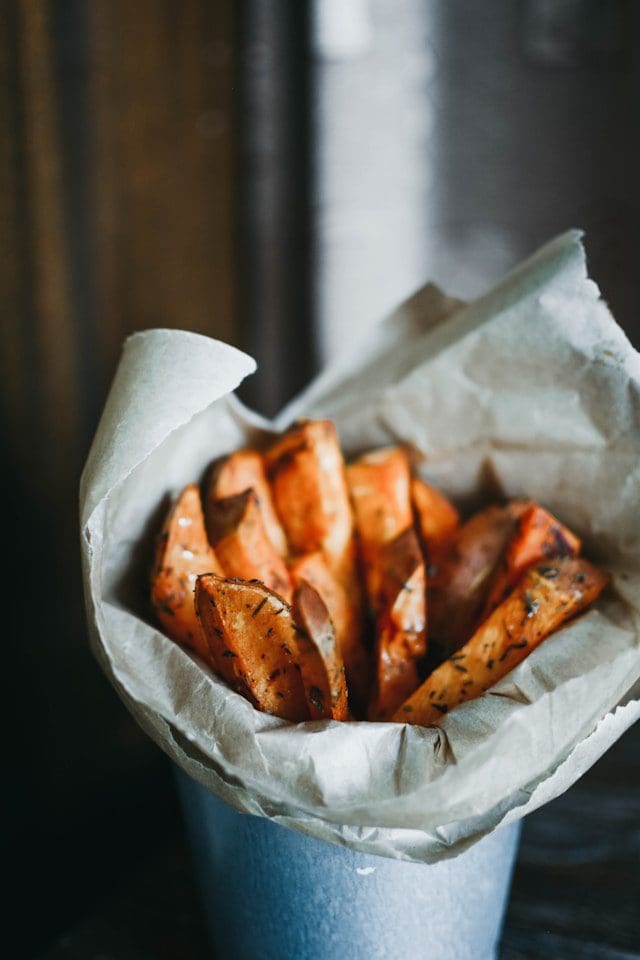
Great sources of prebiotics include lentils, oats, walnuts, and sweet potatoes.
Prebiotic food chart
Check out these foods which are prebiotics rich, and tasty!
- Bananas. In gut-healthy smoothies, your lunch box, sliced with breakfast granola, or eaten whole
- Asparagus. Roast, steam, sauté, grill them or eat raw in salads
- Apples. Eat apple slices with peanut butter, bake them or make jam and apple chips
- Flax seeds. Add to your favorite granola, grind and add to pancake mix or in your favorite smoothie
- Garlic. Use to flavor dressings, sauces, marinades, gut healthy soups, vegetables, and stews
- Leek. Grilled or roasted, add to soups or stews, stock, on pizza, and in pasta
- Oats. Make porridge, overnight oats, or granola for breakfast, or add to pancakes, waffles, bread, and smoothies
- Onions. Use in soups, sauces, and any stew. Caramelize for a great burger topping or add to salads
- Chickpeas. Use in soups, salads, and stews, or make a delicious hummus
- Whole grains. E.g., bulgur or quinoa as sides to meat/fish or in salads
By eating a variety of prebiotic-rich foods, you can create a nourishing environment for the friendly bacteria in your gut. As mentioned above, prebiotic foods improve digestion as well, in turn boosting well-being.
Probiotic foods chart
For all probiotic foods it is essential to check that the product contains live bacteria. For instance, pickles made with vinegar do not contain live probiotics. Similarly, for sauerkraut you should opt refrigerated versions, and check that it contains live bacteria cultures. Basically, read the label (boring, we know, but it really pays off – and of course, once you know, you know)!
- Kefir: Drink your kefir plain or serve with oats, granola, fruit or berries
- Yogurt (especially kefir yogurt!): Great as a light snack or with berries, fruit, oats, or your favorite granola on top
- Kombucha: Fermented and sweetened tea – drink it from the bottle or mix it into cocktails
- Pickles: Also known as gherkins, pickles are great on sandwiches, as a snack, in potato salads, in salsa verde or in marinades
- Sauerkraut: Use in sandwiches, in green salads, or as a side dish to smoked fish
- Miso: This Japanese seasoning is typically used as a base for soups, sauces, and marinades, but its versatility extends to various dishes
- Kimchi: Eat it as it is, add to rice, sandwiches, or eat it the Korean traditional way as a side dish
Enjoy delicious recipes with probiotic and prebiotic benefits
You do not have to compromise on taste to boost your gut health and well-being! Here are some of the Guts & Glory Health Team’s favorite recipes.
Visit Guts & Glory Health recipes today!
Find your favorite and maximize the difference between prebiotics & probiotics – one tasty bite at a time!
What about pro and prebiotic supplements?
Probiotic supplements are another convenient way to ensure you’re getting an adequate intake of beneficial bacteria.
If you suffer from acne or other skin issues, probiotic supplements can be worth exploring. These supplements come in various forms and strains, so it’s essential to choose one that suits your needs and health goals.
Summary: probiotics vs prebiotics
In conclusion, understanding the difference between prebiotics & probiotics is crucial for your well-being. Both play vital roles in maintaining a healthy gut and overall well-being.
By eating prebiotic and probiotic-rich foods, you can support optimal digestion and boost your overall health.
🌿 FAQs: What’s the Difference Between Prebiotics & Probiotics?
Find the answer to questions like how soon do probiotics work and more. Feel free to drop us an email if you have questions not covered here!
-
How are prebiotics and probiotics different in function?
Probiotics help populate your gut with beneficial microbes. Prebiotics help those microbes grow and flourish. Probiotics are like the seeds; prebiotics are the sunlight and water. You can take them separately, or together in what’s called a synbiotic.
-
Which is better for gut health – prebiotics or probiotics?
Honestly? You need both. But if your gut is imbalanced, starting with probiotics can help repopulate your system. Then, prebiotics keep that system healthy over time. It’s a team effort!
-
What are the best prebiotic supplements for gut health in women over 45?
Look for gentle, bloat-free fibers like inulin, PHGG (Partially Hydrolyzed Guar Gum), or acacia fiber. These feed your gut bugs without the gas. Bonus: They also support hormone balance, energy, and even glowing skin!
-
What’s the benefit of taking probiotic and prebiotic combo supplements? (synbiotics)?
Synbiotics give you the best of both worlds — live bacteria + their favorite fuel. This combo boosts absorption, immunity, digestion, and even mood! Look for products with at least 10 billion CFU and a few grams of prebiotic fiber.
-
Do prebiotics help with inflammation and bloating?
Yes! A gentle prebiotic can reduce gut inflammation, support a balanced microbiome, and minimize bloating by helping your gut bacteria produce short-chain fatty acids — natural anti-inflammatories!
-
How do probiotics and prebiotics support skin and gut health?
They power your gut-skin axis — the communication line between your belly and your glow. A balanced gut = calmer skin, fewer flare-ups, and better hydration. Certain strains like Lactobacillus rhamnosus GG and fibers like acacia gum can be your skin’s besties.
-
Can probiotics and prebiotics help with perimenopause symptoms?
Yes, they can! Gut health affects hormone metabolism, especially estrogen. Supporting your microbiome with targeted probiotics and prebiotics can ease bloating, support mood, and improve sleep — all key in perimenopause.
-
Do I need to take probiotics and prebiotics every day?
Daily is best for long-term results, but even a few times a week can help. Listen to your body, and choose what fits your lifestyle: food-based, capsules, or a mix.
-
How soon do probiotics work?
Everyone’s gut story is a little different — but most people start noticing gentle shifts within a few days to a few weeks. You might feel less bloated, have more regular digestion, or even notice a boost in mood or energy. 🌼
For deeper benefits (like skin clarity, hormone support, or immune balance), give it at least 4–8 weeks of consistent use.
Think of probiotics like planting a garden: 🌱 the seeds go in early, but it takes time, nourishment, and a little patience before you bloom.
Tip: pair your probiotic with prebiotic-rich foods for even better, longer-lasting results! -
What are probiotics in yogurt?
They’re the live and friendly bacteria that turn milk into yogurt — and give your gut a little love in the process. 💛
When you eat real yogurt (especially the kinds that say “live & active cultures”), you’re getting probiotics like Lactobacillus and Bifidobacterium, which help with digestion, reduce bloating, and support your immune system.
Not all yogurts are created equal though — some are more dessert than health food. Look for unsweetened, full-fat options with live cultures listed on the label for the most gut-friendly benefits.
-
What are probiotic drinks?
Probiotic drinks are beverages packed with live, gut-loving bacteria that help keep your digestion running smoothly and your immune system supported. 🥂✨
They come in lots of tasty forms — from fizzy kombucha and tangy kefir to probiotic waters, shots, and even yogurt drinks. The magic lies in the living cultures (like Lactobacillus or Bifidobacterium) that help balance your microbiome and crowd out the not-so-friendly bugs.
Just check the label for “live & active cultures” — and go easy on the sugar for the biggest health boost.