
Could L reuteri be your secret ally against stress and skin problems?!
Why L reuteri May Help Stress AND Skin Problems
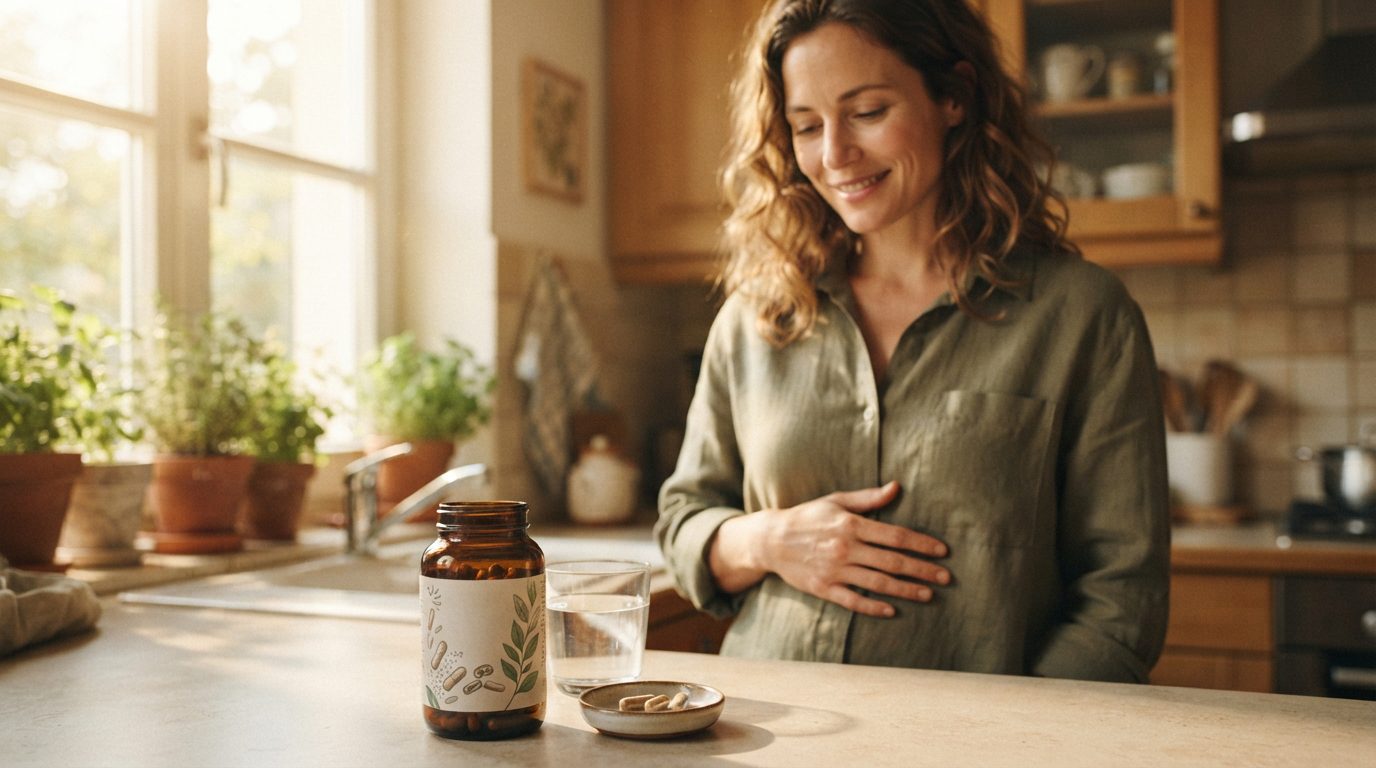
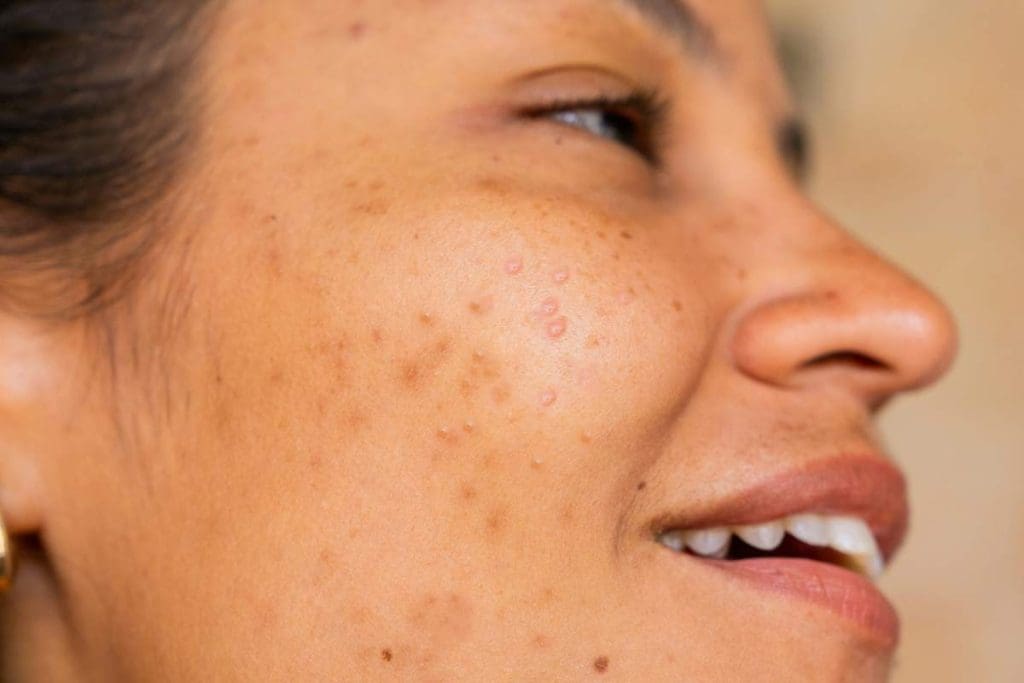
Stress doesn’t just weigh on your mind – it shows up on your skin. From breakouts and sensitivity to premature aging, stress can wreak havoc on your complexion. You may well have experienced it yourself – stressful times show up on your face! But there’s a surprising potential ally in the fight against stress-related skin problems: a powerful probiotic called Limosilactobacillus reuteri, or L reuteri for short.
Ever since I first encountered L reuteri – nicknamed The Love Bug, for its potential effect on mood and social connection – I was completely fascinated. What’s more, when I noticed the beneficial effects on my own skin and mood, I was well and truly hooked!
In this article, we’ll explore how stress impacts skin health – including skin aging, barrier function, and inflammation – and the emerging science behind L reuteri as a gut-based remedy that may help against stress and skin problems.
Table of Contents
The Stress-Skin Connection: More Than Skin Deep
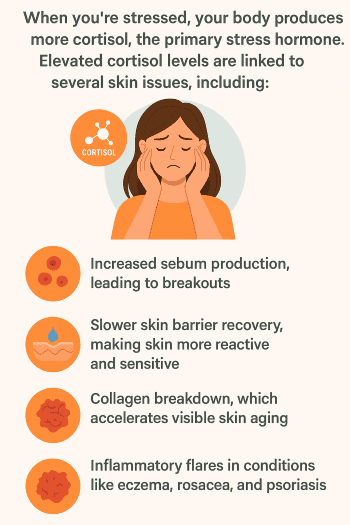
When you’re stressed, your body produces more cortisol, the primary stress hormone. Elevated cortisol levels are linked to several skin issues, including:
- Increased sebum production, leading to breakouts
- Slower skin barrier recovery, making skin more reactive and sensitive
- Collagen breakdown, which accelerates visible skin aging
- Inflammatory flares in conditions like eczema, rosacea, and psoriasis
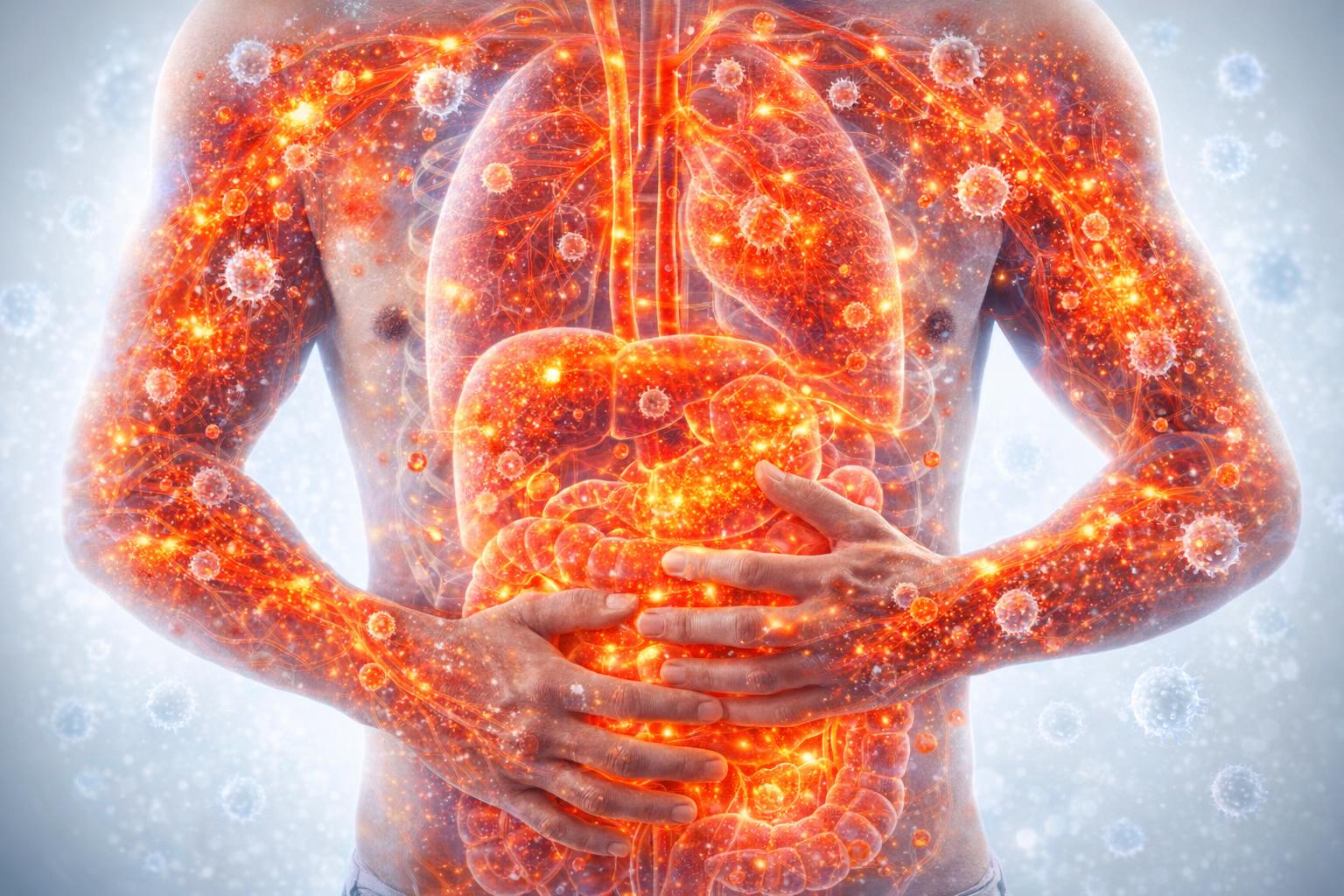
In other words, as this infograhic shows, stress and skin health are deeply connected.
What About Stress and Skin Inflammation?
Research shows that chronic stress triggers an inflammatory cascade, which can:
- Impair wound healing
- Increase redness and irritation
- Lead to ‘inflammaging‘ – inflammation-driven premature aging, which you can read more about here
These effects are amplified in people with gut imbalances, as a disrupted microbiome contributes to both systemic inflammation and skin dysregulation.
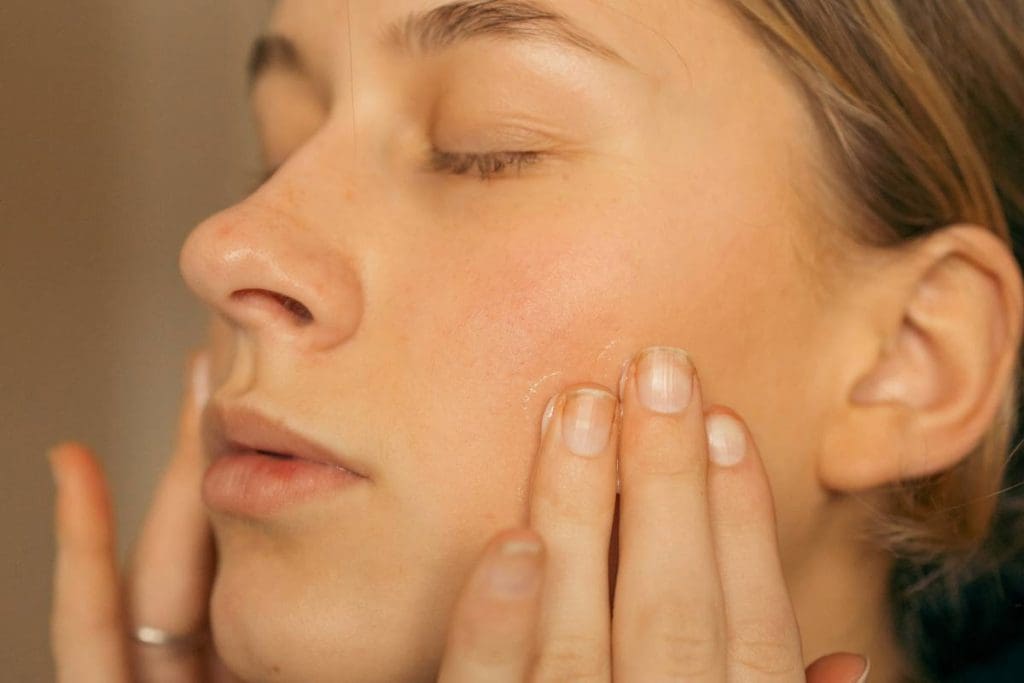
Stress and the Skin Barrier: Why It Matters
Your skin barrier is your body’s first line of defense. It protects against environmental irritants, retains moisture, and maintains healthy microbial balance.
But under stress, this barrier becomes compromised.
- Cortisol reduces the production of lipids like ceramides and fatty acids
- Barrier repair slows down, making your skin dry, flaky, or itchy
- Sensitivity increases, and skin becomes more prone to redness and stinging

If you’ve noticed that your skin becomes more reactive, red, or inflamed when you’re under pressure – you’re not imagining it. Stress and skin sensitivity are scientifically linked.
Stress and Skin Aging: What Every Woman Over 40 Should Know
While aging skin is a part of life, stress can make it worse – and that we can do something about! Research shows that stress and skin aging are closely connected, especially for women over 40. At this stage, hormonal shifts already make the skin more sensitive, and stress only adds to the load.
How Stress Speeds Up Skin Aging
When you’re under stress, your body produces more cortisol – the main stress hormone. Too much cortisol breaks down collagen and elastin, which are essential for firm, youthful skin. The result?
- More fine lines and wrinkles
- Loss of skin elasticity
- Thinner, fragile skin
- Dull or uneven tone
- Dryness and irritation from a weakened skin barrier
If your skin looks more tired or reactive during stressful times, it’s not your imagination.
What You Can Do About Stress and Skin Aging
You don’t have to rely on meditation alone, or indeed medication or expensive products. Managing stress includes what you eat, how you sleep, and even how you support your gut. Studies suggest that probiotics like L reuteri may help lower cortisol and improve your stress response – benefits that show up on your skin.

Support your skin by:
- Eating antioxidant-rich foods
- Taking collagen-boosting nutrients like vitamin C
- Using calming adaptogens (like ashwagandha)
- Prioritizing sleep and gentle movement
- Following a skincare routine that protects your skin barrier
Bottom Line About Stress and Skin Aging
The link between stress and skin aging is clear, but it’s not a one-way path. With gut-friendly tools like L reuteri, simple lifestyle changes, and the right nutrition, you can help your skin age better – and feel better too.
L reuteri – The Probiotic That Fights Back Against Skin and Stress Problems
You may have heard of probiotics for gut health – but not all probiotics are created equal.
Among the most promising is Limosilactobacillus reuteri (formerly Lactobacillus reuteri), a naturally occurring strain found in the gut, oral cavity, and breast milk. What makes L reuteri special is its dual action: it supports both skin resilience and mood regulation.
Here’s what the science says on L reuteri, skin and stress problems:
- Mood & Stress Resilience:
L reuteri has been shown to reduce cortisol levels, increase oxytocin (the ‘connection hormone’), and promote emotional calm.
In animal models, L reuteri supplementation helped reverse stress-induced social withdrawal and anxiety. - Skin Barrier & Inflammation:
It has also been linked to faster wound healing, reduced skin inflammation, and improved skin hydration.
It may help restore a healthy balance to skin microbiota, even in conditions like eczema and acne.
In short, L reuteri may be a gut-based solution to both stress and skin problems.

Discover why L reuteri is one of my favorite skin and gut healthy supplements!
How L reuteri Supports the Gut-Skin Axis
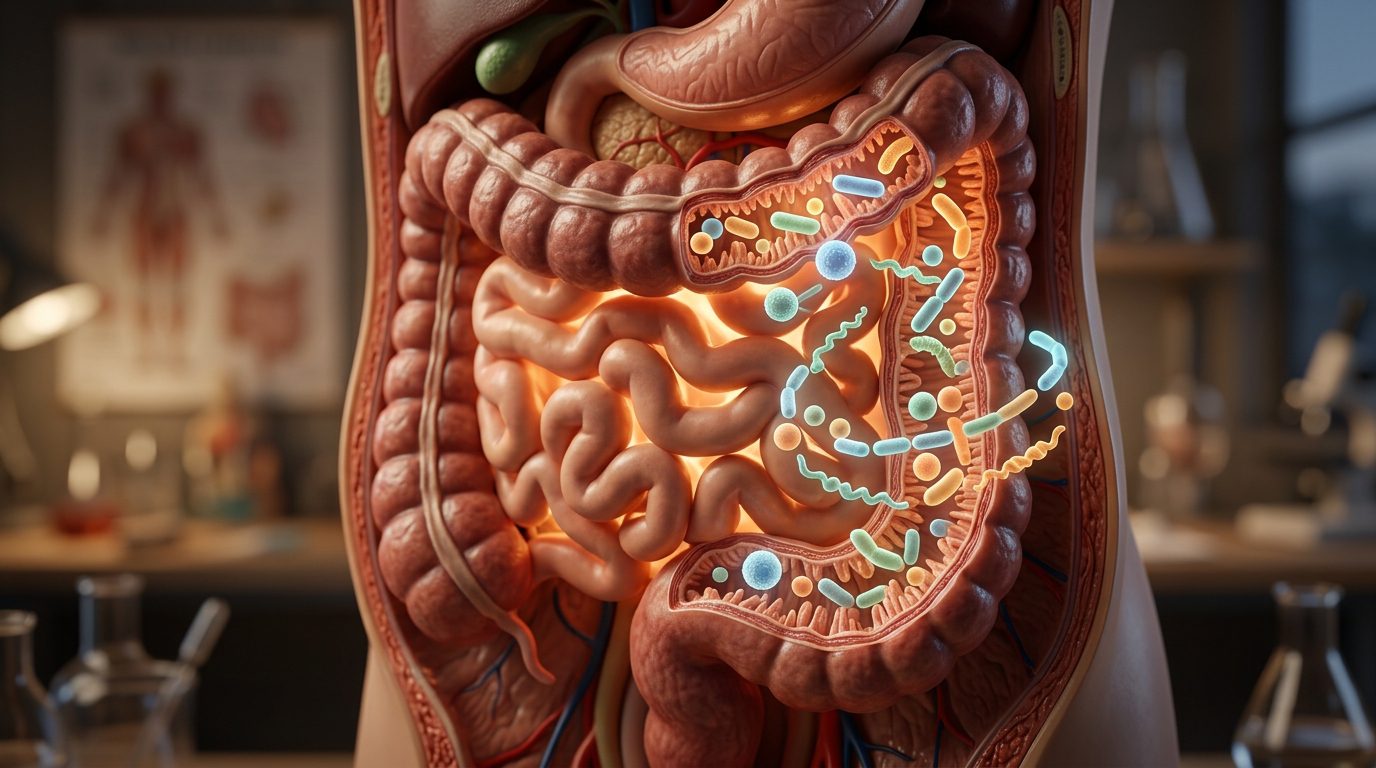
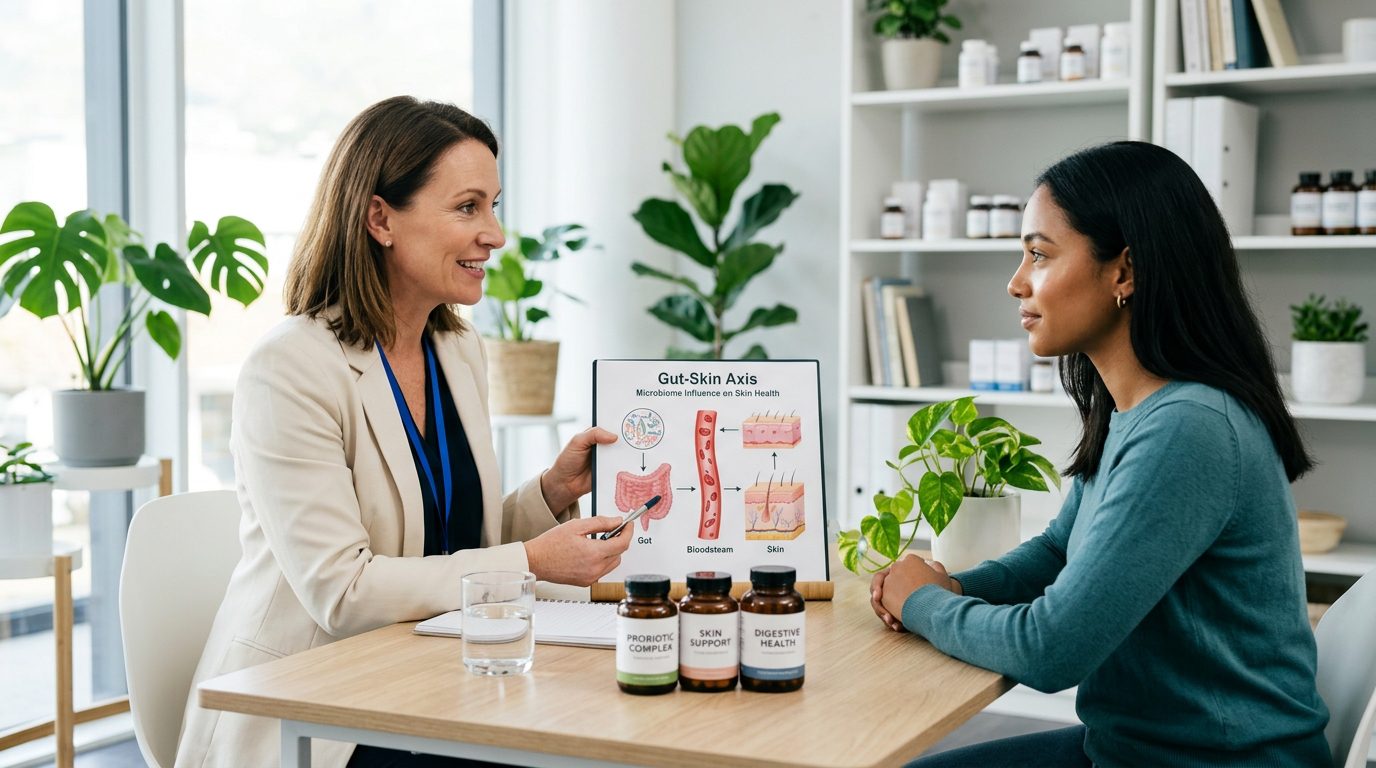
The gut-skin axis refers to the bidirectional relationship between your digestive health and skin condition. When your gut is inflamed or imbalanced, your skin often reflects it — think breakouts, dullness, or irritation.
L reuteri helps by:
- Reducing gut permeability (sometimes called ‘leaky gut’)
- Modulating the immune response
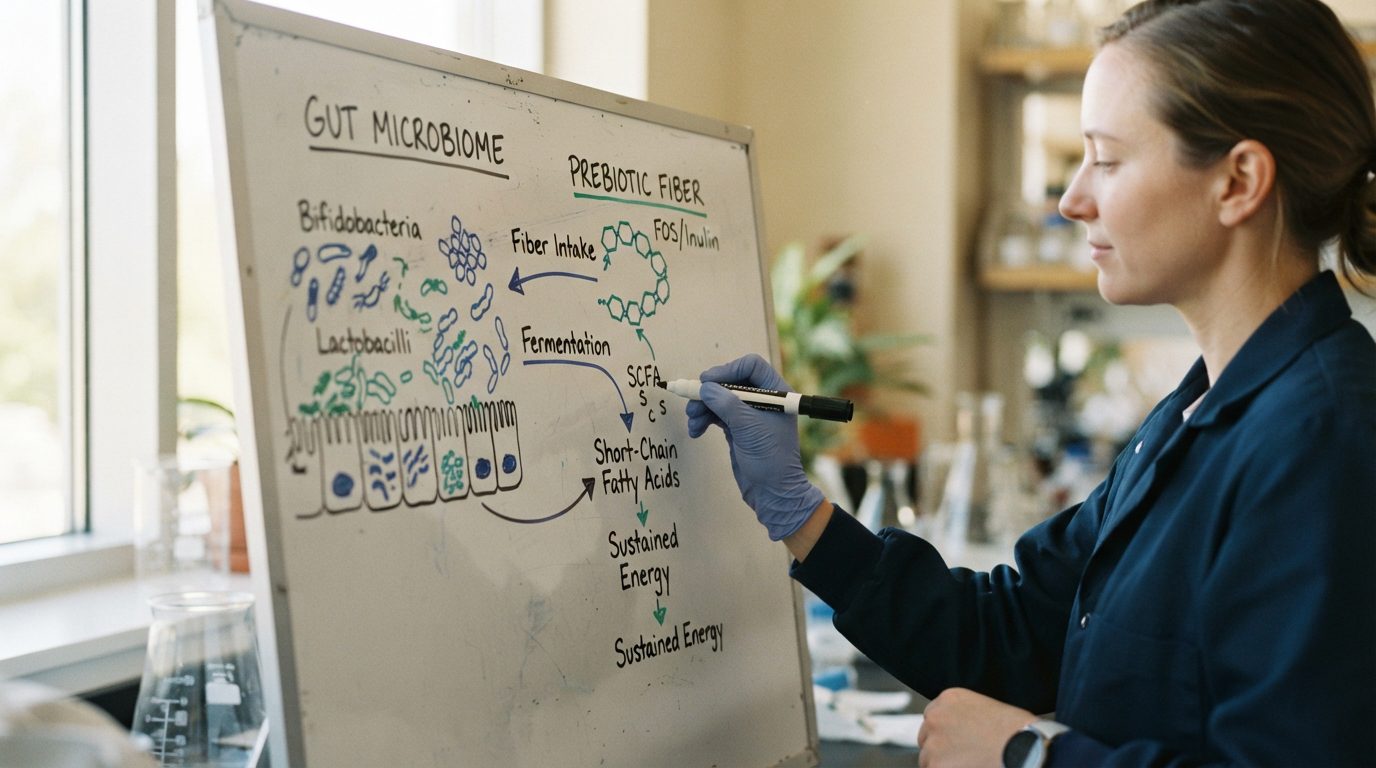
- Increasing the production of short-chain fatty acids (SCFAs), which nourish the gut lining
- Regulating neuropeptides like serotonin and oxytocin, which affect mood – and by extension, skin
By addressing both the gut and the mind, L reuteri offers a holistic approach to skin health, especially for those struggling with stress-related flare-ups.
Can L reuteri Really Improve Your Skin During Stress?
Here’s how L reuteri may help mitigate the effects of stress and skin aging, barrier breakdown, and inflammation:
| Skin Issue | Stress Effect | L reuteri Benefit |
| Breakouts | Increased sebum, inflammation | Anti-inflammatory, microbiome support |
| Redness & Sensitivity | Barrier damage, immune reactivity | Calms immune response, improves barrier |
| Dull, Tired-Looking Skin | Collagen breakdown, poor hydration | Supports skin regeneration |
| Accelerated Aging | “Inflammaging” | May reduce oxidative stress and calm skin |
While more human studies are needed, early data and anecdotal reports suggest a noticeable benefit in people who supplement consistently.
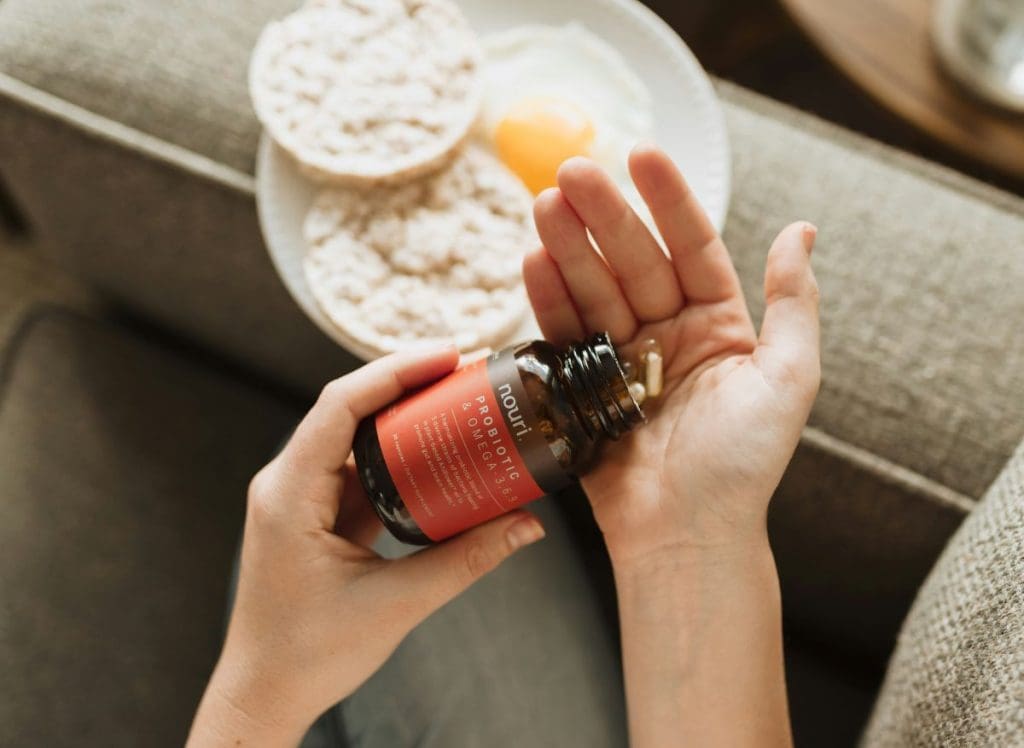
Taking L reuteri to support skin and gut health
Best Ways to Take L reuteri
To experience the benefits for both skin and mood, choose a clinically validated strain – ideally one backed by human trials.
Look for L reuteri strains such as:
- L reuteri SD-LRE2-IT, implicated in production of B12 for brain health
- L reuteri DSM 17938, which may support both gut health and the gut-brain axis
- L reuteri ATCC PTA 6475 (used in many of the oxytocin and skin studies)
- Refrigerated or shelf-stable capsules, depending on formulation
- Dosage around 1–10 billion CFU/day, unless otherwise directed
Top L reuteri Supplements to Try
These options are worth considering for gut, skin, and stress support:
- EpiGenetics – The Epigenetics L reuteri probiotic supplements deliver 5 billion CFU of viable bacteria per serving and are combined with organic Jerusalem artichoke inulin, a prebiotic that helps balance gut flora for optimal digestive wellbeing. EpiGenetics probiotic L reuteri supplements are naturally additive-free and completely free from artificial fillers, additives, lubricants, binders, bulking agents and preservatives.
- Seed Daily Synbiotic – includes L reuteri plus prebiotics for gut-skin axis support. Specifically, Seed Daily Synbiotic contains L reuteri SD-LRE2-IT, which is a promising probiotic strain with unique genomic traits for producing vitamin B12, which may support brain function. Its potential to influence gut-brain communication positions it as a candidate for further research in metabolic and neurological health.
- BioGaia Gastrus – contains both DSM 17938 and ATCC PTA 6475, well-studied strains for gut health and the gut-brain axis.
Note: Always consult your healthcare provider before starting a new supplement.
Final Thoughts: L reuteri, Your Skin, Your Gut, Your Calm
If you’ve been struggling with stress and skin problems – from breakouts to barrier dysfunction – know that you’re not alone. But you may not need another topical serum or cream. In fact, your best skin care product may be a probiotic bacterium called L reuteri!
By supporting your gut with targeted probiotics like L reuteri, you may help your body weather the storm of stress – and wear it better, too.
Author: Berit Sund, MSc Medical Microbiology. When I don’t write about probiotics and fermented drinks, I spend my days in healthcare education, training or testing out yummy recipes, and of course hang out with my family and friends!
Cover image: iStock
An Expert Deep Dive on L Reuteri
To Discover More About the POWER of L Reuteri for Skin and Gut Health – Watch This Brilliant Interview With Dr William Davis
What is L reuteri good for?
The probiotic L reuteri has been studied for mood support, immune balance, gut health, and skin benefits — especially in stress-related contexts.
Can probiotics help with stress and skin problems?
Yes, especially strains like L reuteri that work through the gut-brain-skin axis.
How long does L reuteri take to work?
When starting L reuteri probiotics, many users report changes in digestion and skin within 2–4 weeks, though benefits may build over time.
-

Sea Buckthorn: The #1 Skin and Gut Health Superfood You Should Know About
Sea Buckthorn: The Skin and Gut Health Superfood You Should Know About Sea buckthorn has gained a cult following among skincare and wellness enthusiasts — and for good reason. Rich in rare fatty acids, vitamins, and antioxidants, this bright orange berry supports both your outer glow and inner gut health. Having tried it myself in…
-
Easy high fiber meals – Fueling your glow from the inside out
Easy High Fiber Meals – Boost Your Skin Glow, Inside Out Looking for a quick overview of how to add more fiber to your diet? We’ve got you covered with these ideas for easy high fiber meals to keep your gut happy and your meals exciting! Because eating enough fiber is a key to glowing…
-
Best Probiotics for Acne? 12 That Actually Work (Derm & Gut-Backed)
Best Probiotics for Acne? 12 That Actually Work (Derm & Gut-Backed) If you struggle with acne, you’re not alone—acne affects over 650 million people worldwide. I was one of them for many years, until I realised that skin health is more than just skin deep! In fact, new research shows that balancing your skin and…
-
Water Kefir vs Milk Kefir: Which actually fixes bloating?
Water kefir vs milk kefir: which actually fixes bloating? Water kefir vs milk kefir: which actually fixes bloating? The honest answer is that neither is a guaranteed fix, but understanding what goes into each drink can help you choose one that better matches your diet and likely triggers. Key Takeaways What kefir is and how…
-
Probiotic strains for IBS: what the clinical evidence actually shows
Probiotic strains for IBS: what the clinical evidence actually shows Probiotic strains for IBS: what the clinical evidence actually shows is important because one big meta-analysis pooled 20 studies and found probiotics outperform placebo for global IBS symptoms. That means we can talk about “works for IBS” in a way that is not based on…
-
Compare Soil Based Organisms vs Traditional Probiotics for Sensitive Digestion (Best Picks for IBS, Bloating & Gut-Skin Results)
Compare Soil Based Organisms vs Traditional Probiotics for Sensitive Digestion (Best Picks for IBS, Bloating & Gut-Skin Results) Soil Based Organisms vs Traditional Probiotics for Sensitive Digestion is one of the most common questions we get from people whose gut feels touchy, yet they still want an inside-out glow. Did you know that some probiotics…
-
Best Spore-Based Probiotics for Sensitive Stomachs: Gentle, Science-Backed Support That Actually Works
Best Spore-Based Probiotics for Sensitive Stomachs: Gentle, Science-Backed Support That Actually Works When it comes to the Best Spore-Based Probiotics for Sensitive Stomachs, the science is quietly impressive, clinical trials show a 30-day course can reduce markers of gut permeability by 42%, which explains why so many people finally feel relief without the usual bloating.…
-
Ultimate Guide to Using Prebiotic Fibre for Sustained Energy
Ultimate Guide to Using Prebiotic Fibre for Sustained Energy Did you know that 90% of women and 97% of men don’t get enough fibre in their daily diet? That gap is exactly why we put together this ultimate guide to using prebiotic fibre for sustained energy, because we’ve read hundreds of research papers and articles,…
-
How to Choose Quality Digestive Enzymes for Better Nutrient Absorption
How to Choose Quality Digestive Enzymes for Better Nutrient Absorption Did you know that a staggering 70,000,000 people in the United States deal with gastrointestinal disorders every single year? That number alone tells us why so many of you write in asking how to choose quality digestive enzymes for better nutrient absorption, because bloating, sluggish…
-
Best Probiotics for Women Over 40: Our Science-Backed Pick of the Top Strains
Best Probiotics for Women Over 40: Our Science-Backed Pick of the Top Strains Finding the best probiotics for women over 40 has become one of the most-asked questions we get, and here’s a number that stopped us in our tracks: a striking 94% of women going through menopause report digestive health issues, often tied to…
-
Digestive Disorders & Microbiome Recovery: What the Science Actually Says
Digestive Disorders & Microbiome Recovery: What the Science Actually Says A single course of antibiotics can reduce gut microbial species by approximately 20, according to a Swedish analysis of nearly 15,000 adults, and that disruption can persist for years. This finding sits at the heart of why digestive disorders and microbiome recovery have become one…
-
The ’30-30-3′ Microbiome Protocol
The ’30-30-3′ Microbiome Protocol: Your Science-Backed Daily Blueprint for a Thriving Gut Did you know that 84% of consumers report being more interested in gut health products than in previous years? It’s no wonder that simple, evidence-based frameworks like the ’30-30-3′ Microbiome Protocol are capturing so much attention right now. We’ve been fascinated (to the…
-
Chrono-Nutrition for the Microbiome
Chrono-Nutrition for the Microbiome: The Best Guide to Timing Your Meals for Gut Health Chrono-nutrition for the microbiome is one of the most exciting and practical shifts happening in gut health right now, and the science behind it is changing how we think about what we eat AND when we eat it. Consider this: over…
-
Postbiotic pH Balancing
Postbiotic pH Balancing: The Plain-English Guide to Supporting a Healthier Gut Ecosystem Postbiotic pH Balancing matters because clinicians often flag problems when vaginal pH rises above 4.5, a pH threshold tied to common vaginitis diagnoses. More people are asking the same practical question for gut health: how can we support stable, “right-range” pH conditions without…
-
Best Natural Remedies for Reducing Chronic Systemic Inflammation
Best Natural Remedies for Reducing Chronic Systemic Inflammation If you’re looking for the best natural remedies for reducing chronic systemic inflammation, you’re in exactly the right place. And here’s something that might surprise you before we even get started: research shows that short sleep duration is associated with more than double the odds of elevated…
-
Metabolic Beauty: The Gut-Skin Axis Guide (What’s Actually Working Right Now)
Metabolic Beauty: The Gut-Skin Axis Guide (What’s Actually Working Right Now) Metabolic Beauty and the Gut-Skin Axis in 2026 have officially moved from fringe wellness circles into mainstream science, and the numbers prove it: a staggering 67% of consumers now prefer ingestible beauty products over traditional topical solutions, signalling that the era of “beauty from…
-
Menopause, Hormones & Gut Health: Understanding the Changes and Practical Solutions
Menopause, Hormones & Gut Health: Understanding the Changes and Practical Solutions Menopause brings many changes to your body, and your digestive system is no exception. During this transition, dropping levels of oestrogen and progesterone affect more than just your reproductive system. These hormones also play key roles in how your gut functions, from digestion speed…
-
The 24-Hour Glow Protocol: Transform Your Skin Through Microbiome-Focused Nutrition and Skincare
The 24-Hour Glow Protocol: Transform Your Skin Through Microbiome-Focused Nutrition and Skincare Your skin and gut health are connected in ways that become visible within just 24 hours of changing what you eat and how you care for your skin. The microbiome—the collection of bacteria living in your gut and on your skin—responds quickly to…
-
The Inside-Out Glow Up: How Gut Health Transforms Your Skin Care Results
The Inside-Out Glow Up: How Gut Health Transforms Your Skin Care Results You’ve probably spent money on serums, creams, and treatments to get clear, glowing skin. But the real secret to healthy skin might be hiding in an unexpected place: your digestive system. Your gut health directly affects how your skin looks, influencing everything from…
-
Is Your Clean Skincare Actually Hurting Your Microbiome?
Is Your Clean Skincare Actually Hurting Your Microbiome? The Hidden Truth About Popular Products Your skin is home to trillions of tiny organisms that form a protective ecosystem called the skin microbiome. These bacteria, fungi, and other microbes help regulate moisture, control inflammation, and defend against harmful invaders. When this delicate balance gets disrupted, your…
-
Brain, Belly, and Breakouts: How Stress Affects Your Skin Health
Brain, Belly, and Breakouts: How Stress Affects Your Skin Health You might notice that your skin breaks out more during stressful times at work, such as big presentations, or during shool exams for your teenager (or yourself!). This is not a coincidence. Stress directly affects your skin through chemical changes in your brain and body,…
-
Pre, Pro, and Postbiotics: Why Your Face Needs Good Bacteria Too for Healthy Skin
Pre, Pro, and Postbiotics: Why Your Face Needs Good Bacteria Too for Healthy Skin You’ve probably heard about probiotics for your gut, but your skin has its own community of bacteria that needs care too. Your skin is home to trillions of microorganisms that work together to keep it healthy and protected. Prebiotics feed the…
-
Gut Health for Athletes: Fuelling, Recovery & Reducing GI Stress Explained
Gut Health for Athletes: Fuelling, Recovery & Reducing GI Stress Explained Your gut does more than digest food. For athletes, the digestive system directly affects how well the body absorbs nutrients, manages inflammation, recovers from training, and performs under pressure. When gut function breaks down during exercise, it can lead to cramping, nausea, and poor…