3 delicious smoothie ice cream recipes
Enjoy these delicious and nutritious yogurt smoothie ice creams with flavorful ingredients such as fruits, berries, and yogurt.
Table of Contents
How to make a smoothie ice cream
1. Tropical yogurt smoothie ice cream recipe
- 200 grams mix of mango, pineapple, and banana. I buy it pre-mixed from the freezer section in the store. Frozen is a quick and relatively cheap option, and every bit as healthy
- 2 dl vanilla yoghurt
- 2 dl almond milk
Scroll down to method for how to make a smoothie ice cream below!
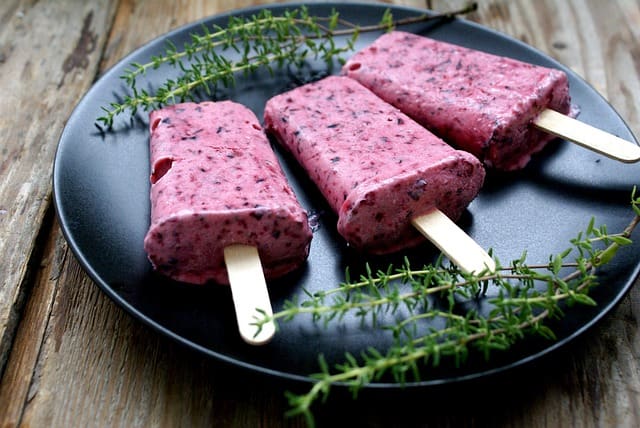
2. Blueberry yogurt smoothie ice cream
- 150 grams frozen blueberries
- 2 dl vanilla yoghurt
- 2 dl almond milk
- 1 dl orange juice
Scroll down to method for how to make a yogurt smoothie ice cream below!
“Yogurt smoothie ice cream is a healthier alternative to traditional ice cream, particularly when made with wholesome ingredients like yogurt, plant-based milk, fresh fruit, and berries.”
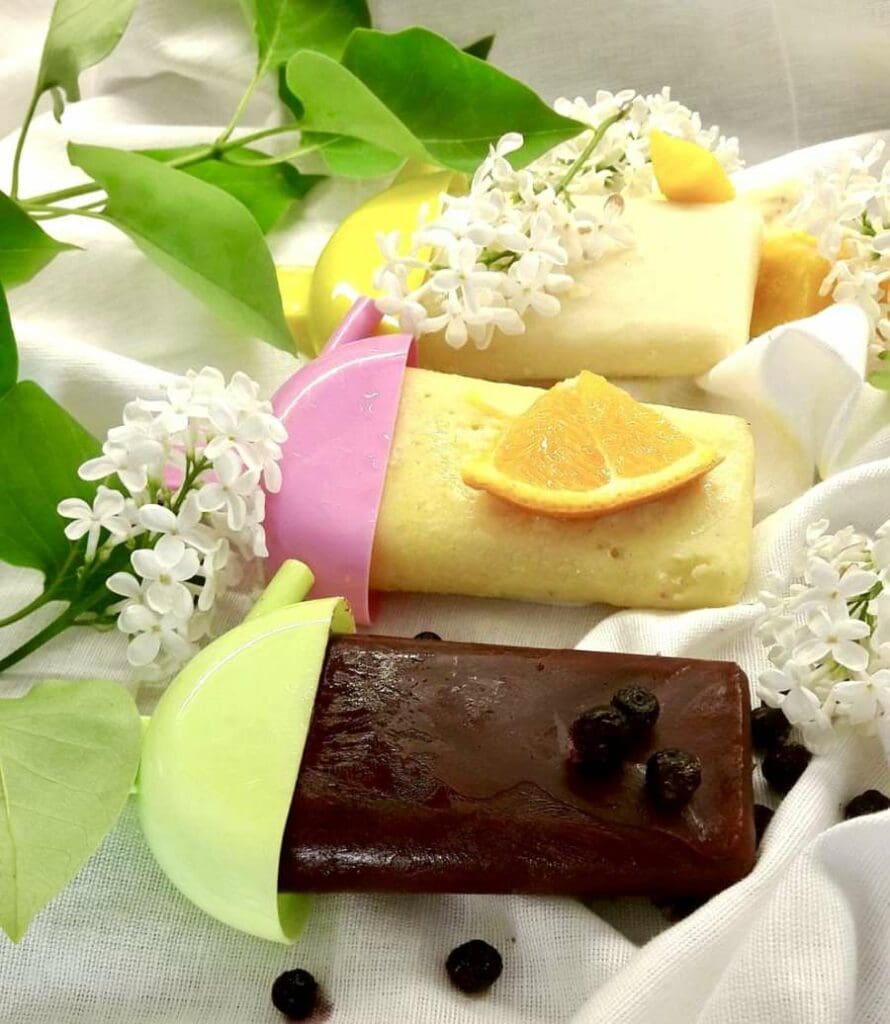
3. Banana-orange yogurt smoothie ice cream
- 1 large very ripe banana
- 2 dl vanilla yoghurt
- 1.5 dl almond milk
- 1 dl orange juice
Method
- Mix ingredients in a blender and mix until smooth
- Pour into molds. Check out these examples on Amazon, listed by customer review 🙂
- Put in the freezer for a few hours.
Enjoy!
Ice cream in smoothie, as some also call it.
Is yogurt ice cream healthy?
Yogurt smoothie ice cream, or frozen yogurt, can be a healthier alternative to traditional ice cream, particularly when made with wholesome ingredients like yogurt, plant-based milk, fresh fruit, and berries. This combination not only provides a creamy and delicious treat but also offers several health benefits. So, the easy answer to the question ‘is yogurt ice cream healthy’ is yes!
In this comprehensive analysis, we’ll explore the nutritional advantages of each ingredient, the potential health benefits, and considerations for making yogurt smoothie ice cream at home.
Ingredients and their health benefits
1. Yogurt
Yogurt is a dairy product that is rich in probiotics, which are beneficial bacteria that can improve gut health. Probiotics help maintain a healthy balance of gut flora, which is crucial for digestion and overall well-being. Yogurt is also an excellent source of calcium, which is essential for bone health, and it provides protein that supports muscle repair and growth.
Benefits of Yogurt:
- Probiotics: Improve gut health and boost the immune system. Read below how freezing can effect the viability of probiotics.
- Calcium: Strengthens bones and teeth.
- Protein: Aids in muscle repair and satiety.
- Vitamins and Minerals: Provides B vitamins, phosphorus, and magnesium.
2. Plant-Based Milk
Plant-based milk, such as almond, soy, oat, or coconut milk, can be a great alternative to dairy milk for those who are lactose intolerant, vegan, or simply prefer a plant-based diet. These milks often have fewer calories than cow’s milk and can be fortified with vitamins and minerals.
Benefits of Plant-Based Milk:
- Lactose-Free: Suitable for those with lactose intolerance.
- Lower Calories: Often has fewer calories than cow’s milk.
- Nutrient Fortification: Often fortified with vitamins D and B12, and calcium.
- Healthy Fats: Some varieties, like almond and coconut milk, provide healthy fats that are good for heart health.
3. Fresh Fruit and Berries
Fresh fruits and berries are packed with vitamins, minerals, and antioxidants. They add natural sweetness and flavor to yogurt smoothie ice cream without the need for added sugars.

You may also enjoy this read:
Benefits of Fresh Fruits and Berries:
- Vitamins and Minerals: High in essential nutrients like vitamin C, potassium, and folate.
- Antioxidants: Help protect the body from oxidative stress and reduce inflammation.
- Fiber: Aids in digestion and helps maintain a healthy weight.
- Natural Sweetness: Reduces the need for added sugars, making the treat healthier.
Health Considerations
While yogurt smoothie ice cream made with these ingredients can be a healthy treat, there are a few considerations to keep in mind:
1. Sugar Content
Even though the recipe avoids refined sugars, fruits contain natural sugars. While these are healthier than added sugars, consuming large amounts can still impact blood sugar levels. Moderation is key.
2. Caloric Content
Although plant-based milk and yogurt can be lower in calories compared to traditional ice cream, they still contribute to the overall caloric intake. For those watching their calorie consumption, it’s important to consider portion sizes.
3. Fat Content
The fat content will depend on the type of yogurt and plant-based milk used. Full-fat yogurt and coconut milk will result in a richer, higher-fat ice cream, while low-fat or fat-free yogurt and almond milk will produce a lighter version.
4. Nutrient Density
Homemade yogurt smoothie ice cream made with fresh ingredients is nutrient-dense compared to many store-bought options. It provides protein, healthy fats, vitamins, and minerals, making it a more balanced dessert choice.
Potential Health Benefits
- Improved Digestive Health: The probiotics in yogurt can enhance gut health, leading to better digestion and absorption of nutrients.
- Stronger Bones: The calcium from yogurt and fortified plant-based milk supports bone density and strength.
- Antioxidant Protection: Fresh fruits and berries are rich in antioxidants, which can help reduce the risk of chronic diseases by combating oxidative stress.
- Weight Management: High-protein yogurt and fiber-rich fruits can help promote satiety, potentially aiding in weight management.
Conclusion
These yogurt smoothie ice cream ideas made with yogurt, plant-based milk, fresh fruit, and berries can be a healthy and delicious alternative to traditional ice cream. By controlling the ingredients, you can enjoy a nutrient-rich treat that offers numerous health benefits, including improved digestion, stronger bones, and antioxidant protection. So, add it to your yogurt smoothie recipe list.
However, it’s essential to consume it in moderation, considering the natural sugars and caloric content.
Overall, these homemade yogurt smoothie ice cream desserts can be a guilt-free addition to a balanced diet, providing both enjoyment and nourishment.
Final note about probiotics and freezing
Freezing yogurt can affect the viability of probiotics, but it does not necessarily kill all of them. The survival of probiotics during freezing depends on several factors:
- Type of Probiotics: Some strains of probiotics are more resilient to freezing temperatures than others. Lactobacillus and Bifidobacterium strains, which are commonly found in yogurt, tend to be relatively hardy.
- Freezing Process: The rate at which yogurt is frozen can impact probiotic survival. Rapid freezing can cause less damage to probiotics compared to slow freezing. This is because slow freezing can cause larger ice crystals to form, which can damage the cell walls of probiotics.
- Storage Conditions: The length of time the yogurt is kept frozen and the temperature at which it is stored also play a role. Probiotics can survive longer at temperatures consistently below freezing, but their numbers may decrease over time.
- Thawing Process: How the yogurt is thawed can also affect probiotic survival. Thawing yogurt slowly in the refrigerator can help maintain more viable probiotics compared to thawing at room temperature or using a microwave.
- Studies have shown that while there is some loss of probiotic viability during freezing and storage, a significant number of probiotics can survive. Therefore, frozen yogurt can still provide probiotic benefits, although potentially to a lesser extent than fresh yogurt.
Other recipes and posts you might like:
-

Sea Buckthorn: The #1 Skin and Gut Health Superfood You Should Know About
Sea Buckthorn: The Skin and Gut Health Superfood You Should Know About Sea buckthorn has gained a cult following among skincare and wellness enthusiasts — and for good reason. Rich in rare fatty acids, vitamins, and antioxidants, this bright orange berry supports both your outer glow and inner gut health. Having tried it myself in…
-
Easy high fiber meals – Fueling your glow from the inside out
Easy High Fiber Meals – Boost Your Skin Glow, Inside Out Looking for a quick overview of how to add more fiber to your diet? We’ve got you covered with these ideas for easy high fiber meals to keep your gut happy and your meals exciting! Because eating enough fiber is a key to glowing…
-
Best Probiotics for Acne? 12 That Actually Work (Derm & Gut-Backed)
Best Probiotics for Acne? 12 That Actually Work (Derm & Gut-Backed) If you struggle with acne, you’re not alone—acne affects over 650 million people worldwide. I was one of them for many years, until I realised that skin health is more than just skin deep! In fact, new research shows that balancing your skin and…
-
Probiotic strains for IBS: what the clinical evidence actually shows
Probiotic strains for IBS: what the clinical evidence actually shows Probiotic strains for IBS: what the clinical evidence actually shows is important because one big meta-analysis pooled 20 studies and found probiotics outperform placebo for global IBS symptoms. That means we can talk about “works for IBS” in a way that is not based on…
-
Compare Soil Based Organisms vs Traditional Probiotics for Sensitive Digestion (Best Picks for IBS, Bloating & Gut-Skin Results)
Compare Soil Based Organisms vs Traditional Probiotics for Sensitive Digestion (Best Picks for IBS, Bloating & Gut-Skin Results) Soil Based Organisms vs Traditional Probiotics for Sensitive Digestion is one of the most common questions we get from people whose gut feels touchy, yet they still want an inside-out glow. Did you know that some probiotics…
-
Best Spore-Based Probiotics for Sensitive Stomachs: Gentle, Science-Backed Support That Actually Works
Best Spore-Based Probiotics for Sensitive Stomachs: Gentle, Science-Backed Support That Actually Works When it comes to the Best Spore-Based Probiotics for Sensitive Stomachs, the science is quietly impressive, clinical trials show a 30-day course can reduce markers of gut permeability by 42%, which explains why so many people finally feel relief without the usual bloating.…
-
Ultimate Guide to Using Prebiotic Fibre for Sustained Energy
Ultimate Guide to Using Prebiotic Fibre for Sustained Energy Did you know that 90% of women and 97% of men don’t get enough fibre in their daily diet? That gap is exactly why we put together this ultimate guide to using prebiotic fibre for sustained energy, because we’ve read hundreds of research papers and articles,…
-
How to Choose Quality Digestive Enzymes for Better Nutrient Absorption
How to Choose Quality Digestive Enzymes for Better Nutrient Absorption Did you know that a staggering 70,000,000 people in the United States deal with gastrointestinal disorders every single year? That number alone tells us why so many of you write in asking how to choose quality digestive enzymes for better nutrient absorption, because bloating, sluggish…
-
Best Probiotics for Women Over 40: Our Science-Backed Pick of the Top Strains
Best Probiotics for Women Over 40: Our Science-Backed Pick of the Top Strains Finding the best probiotics for women over 40 has become one of the most-asked questions we get, and here’s a number that stopped us in our tracks: a striking 94% of women going through menopause report digestive health issues, often tied to…
-
Digestive Disorders & Microbiome Recovery: What the Science Actually Says
Digestive Disorders & Microbiome Recovery: What the Science Actually Says A single course of antibiotics can reduce gut microbial species by approximately 20, according to a Swedish analysis of nearly 15,000 adults, and that disruption can persist for years. This finding sits at the heart of why digestive disorders and microbiome recovery have become one…