

Best Probiotics for Acne? 12 That Actually Work (Derm & Gut-Backed)
If you struggle with acne, you’re not alone—acne affects over 650 million people worldwide. I was one of them for many years, until I realised that skin health is more than just skin deep! In fact, new research shows that balancing your skin and gut microbiome with the right probiotics can naturally reduce acne and inflammation. Having finally cleared my acne and rosacea, I’m on a mission to share the gut healthy foods and best probiotics for acne that helped me (and my twin) calm our pesky pimples!
The microbiome plays an important role in a wide variety of skin disorders [and] many skin diseases are accompanied by an altered gut microbiome. De Pessemier B, et al (2021)
Table of Contents
The Gut-Skin Connection: How Probiotics Help Acne
Your gut microbiome plays a crucial role in skin health. When gut bacteria are imbalanced (dysbiosis), it triggers inflammation, hormonal imbalances, and excess oil production—all major acne triggers.
Enter probiotics! They’ve recently burst onto the health and wellness scene, and science shows it’s possible to help heal acne naturally with probiotics. If you want to dig into all the details of probiotics check out this post here.
How Do Probiotics Help Acne?
✅ Restore gut bacteria balance
✅ Reduce systemic inflammation
✅ Decrease acne-causing bacteria (Cutibacterium acnes)
✅ Improve digestion and nutrient absorption
✅ Regulate hormone levels (key for hormonal acne!)
📌 Scientific Backing: Studies show that probiotics such as Lactobacillus rhamnosus GG and Bifidobacterium lactis can reduce skin inflammation and improve acne symptoms.

I’m on a mission to share the best acne supplement for pimples to help achieve clear skin – and in my view, pimple probiotics are game changers!
Image by Kjerstin Michaela Noomi Sakura Gihle Martinsen Haraldsen from Pixabay
Choosing the Right Probiotic: What Do We Look For
As a Medical Microbiologist, I’m passionate about quality probiotics, and find there are far too many sub-standard acne supplements on the market. Therefore, I’m keen to share which probiotics pass muster as far as science goes!
Here are the 6 criteria I use to rate probiotic acne supplements:
✅ Strain-Specific Benefits – Look for e.g. Lactobacillus rhamnosus GG or Lactobacillus paracasei LPC28 (more about that below)
✅ High CFU Count – Aim for 10+ billion CFU per serving (unless proven otherwise)
✅ Prebiotics Included – Helps good bacteria thrive
✅ Science-backed – Ensures potency and effectiveness
✅ Strain Mix – Multiple strains that work together synergistically
✅ Additional Gut-Skin Benefits – E.g. digestive enzymes and skin nutrients
Gut Health and Probiotics for Acne – Our Personal Mission
If you’re wondering why we’re so passionate about gut healthy foods and skin probiotics, the easiest explanation is to just show you this picture below!
For us (me and my twin sister!) this has worked, when countless skincare products and a lot of money has failed to heal our acne rosacea-prone skin!
And we want to share what worked for us, and show you that, step by step, it can get better!

12 Best Probiotics for Acne-Prone Skin – At a Glance
1. YourBiology Gut+ Probiotics 6/6 Points ✨
2. VIOME Personalized Probiotics 5/6 ✨
3. Codeage Skin Probiotic+ 5/6 Points ✨
4. Microbiome Labs SereneSkin™ 5/6 Points
5. Gallinée Clear & Microbiome Supplement 5/6 Points
6. Garden of Life Dr. Formulated Platinum Series Skin+ 5/6 Points
7. HUM Skin Squad Pre+Probiotic 5/6 Points
8. Probiotic SkinAcniX 5/6 Points
9. Seed DS-01® Daily Synbiotic 5/6 Points
10. OWELI Probiotic 5/6 Points
11. ProBio Cultures Complex 5/6
12. BioGaia Gastrus 4/6 Points
12 Best Probiotics for Acne-Prone Skin (Science-Backed!)
1. YourBiology Gut+ Probiotics
YourBiology Gut+ includes skin-specific probiotic strains such as Lactobacillus paracasei LPC28 and Bifidobacterium longum BL88, targeting the gut-skin axis.
What’s more, I love the addition of digestive enzymes for added gut health, as well as Vitamin D3 for mood balance. As an aside, did you know our microbiome and probiotics affect our mood?! If you’re curious, then check out the gut-brain axis here!
2. VIOME Personalized Probiotics
The future of probiotics for skin and gut health is tailored to individual microbiomes and specific health needs. Viome’s personalized probiotics are a gamechanger, and their gut health test will help design a fully personalized prebiotic and probiotic blend to improve your digestive health.

By analyzing the specific activity of the microbes in your gut and how they impact your health, VIOME aims to take probiotics for skin and gut health to the next level!
3. Codeage Skin Probiotic+
A powerful mix of probiotics, prebiotics, and phytoceramides to hydrate and protect acne-prone skin.
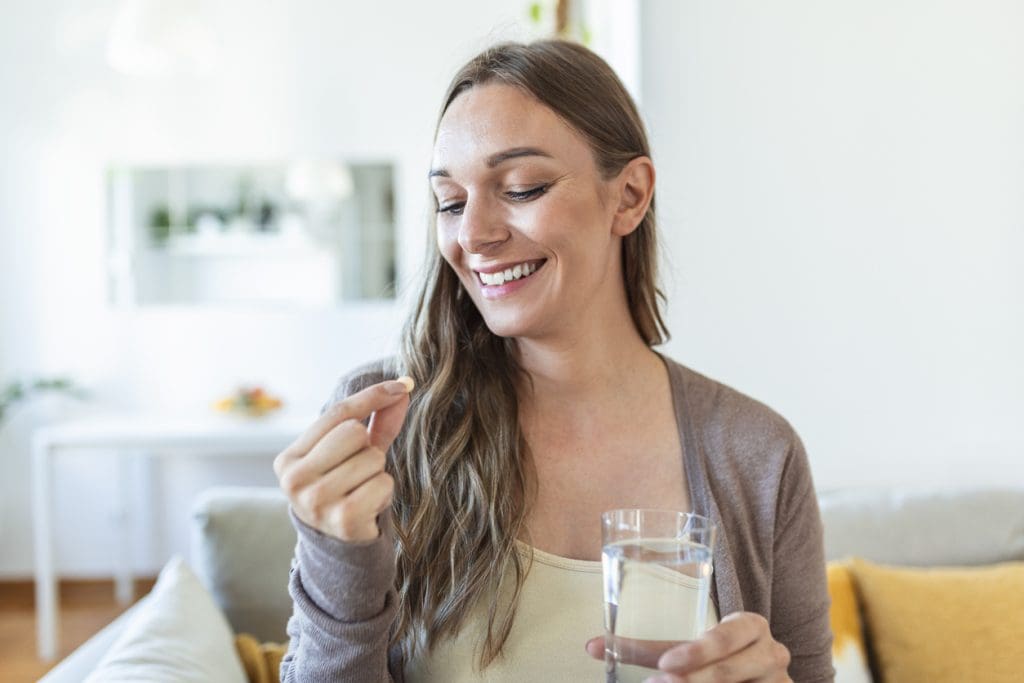
4. Microbiome Labs SereneSkin™
Microbiome Labs have some of the best gut-friendly probiotics for acne. SereneSkin contains a powerful clinically studied blend with Bacillus strains, plus Vitamin K2, that support gut and skin health. I’ve found their customer support to be brilliant as well, whenever I have questions about a product (as a medical microbiologist, I like to know all the details about a product!).
5. Gallinée Clear & Microbiome Supplement
Formulated with Lactobacillus rhamnosus GG and Lactococcus lactis, clinically shown to calm acne-prone skin. What’s more, it contains nettle and zinc, for added skin benefits.
6. Garden of Life Dr. Formulated Platinum Series Skin+
Contains Lactobacillus johnsonii LA-1 and Lactobacillus paracasei ST-11 with Vitamin A and Lycopene for a healthy glow.
7. HUM Skin Squad Pre+Probiotic
Features 9 probiotic strains plus konjac root prebiotics for gut-skin harmony.
8. Probiotic SkinAcniX
Specially developed for acne-prone skin, with added vitamins & minerals to aid healing.
9. Seed DS-01® Daily Synbiotic
A high-quality daily synbiotic designed for gut and skin health.
10. OWELI Probiotic
Packed with 40 Billion CFU, including Lactobacillus paracasei Lpc-37, which may help reduce skin inflammation.
11. ProBio Cultures Complex
High in Lactobacillus reuteri (3 billion CFU) to support clear skin naturally.
12. BioGaia Gastrus
Contains Lactobacillus reuteri, a probiotic linked to wound healing and reduced inflammation—great for acne-prone skin.
Personally, I like that it comes in a chewable tablet form, so it’s easy to take on the go. What’s more, L. reuteri has been found to benefit the gut-brain connection and mental health. In fact, it’s nick-named the Love Bug – read all about it here!
🔬 Pro Tip: Look for probiotics with Lactobacillus rhamnosus, Bacillus coagulans, and Bifidobacterium lactis for acne relief.
Probiotics for hormonal acne: What works?
For hormonal acne, probiotics that balance gut bacteria and regulate hormone levels work best. Look for Lactobacillus rhamnosus GG, Bifidobacterium lactis, Lactobacillus paracasei, and Bacillus coagulans, which reduce inflammation and modulate the immune response. Seed DS-01, YourBiology Gut+, and Garden of Life Skin+ are great choices. Pair with a low-sugar, anti-inflammatory diet for best results! 🌿✨
Are probiotics good for acne rosacea?
Yes! Probiotics can help acne rosacea by reducing gut inflammation, strengthening the skin barrier, and calming redness and flare-ups.
Best Probiotic Strains for Rosacea:
✅ Lactobacillus rhamnosus GG – Reduces inflammation and strengthens immunity
✅ Lactobacillus reuteri – Supports skin healing and lowers oxidative stress
✅ Bifidobacterium longum – Soothes sensitive skin and enhances barrier function
✅ Lactobacillus paracasei – Helps reduce skin sensitivity and irritation
💡 Tip: Combine probiotics with anti-inflammatory foods (omega-3s, zinc, and antioxidants) to enhance results. 🌿✨
Probiotic Foods vs. Supplements: Which Is Best?
If you prefer natural probiotics, try these fermented foods:
🥛 Yogurt – Rich in Lactobacillus and Bifidobacterium strains
🥒 Sauerkraut & Kimchi – Packed with gut-friendly bacteria
🧀 Kefir – A probiotic powerhouse
🍵 Miso & Tempeh – Great vegan options
🥤 Kombucha – Contains beneficial yeast and bacterial cultures
In fact, I love using kefir as a face mask and soothing eye ‘serum’ (use a watery one, such as Cultured Coconut Kefir) – read more about the benefit kefir offers here.
💡 Note that supplements ensure a higher, targeted dose of acne-fighting probiotics.
Clear Skin Starts in the Gut – Try Probiotics Today!
Want glowing, acne-free skin? These probiotics have changed my skin—and they might for you too!
✅ Shop my top probiotic picks for clear skin here → YourBiology Gut+
📌 Pro Tip: Pair probiotics with an anti-inflammatory diet (rich in omega-3s, zinc, and antioxidants) for even better results!🌱💖
💬 Have you tried probiotics for acne? Share your experience in the comments!
If you want to learn more about the best probiotics for skin and gut health, and the skin gut health connection, check out these post:
Metabolic Beauty: The Gut-Skin Axis Guide (What’s Actually Working Right Now)
Metabolic Beauty: The Gut-Skin Axis Guide (What’s Actually Working Right Now) Metabolic Beauty and the Gut-Skin Axis in 2026 have officially moved from fringe wellness circles into mainstream science, and the numbers prove it: a staggering 67% of consumers now prefer ingestible beauty products over traditional topical solutions, signalling that the era of “beauty from […]
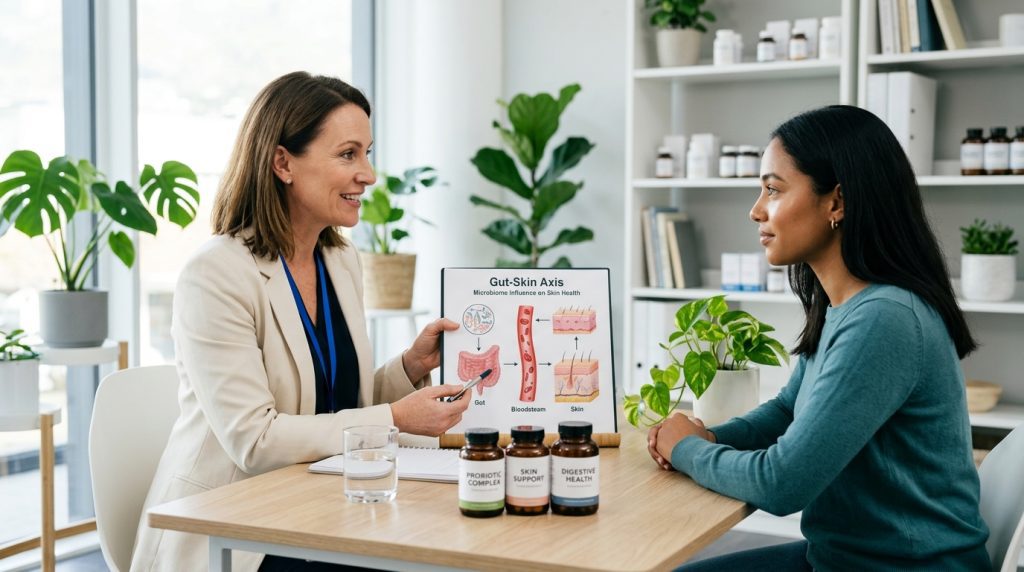
The 24-Hour Glow Protocol: Transform Your Skin Through Microbiome-Focused Nutrition and Skincare
The 24-Hour Glow Protocol: Transform Your Skin Through Microbiome-Focused Nutrition and Skincare Your skin and gut health are connected in ways that become visible within just 24 hours of changing what you eat and how you care for your skin. The microbiome—the collection of bacteria living in your gut and on your skin—responds quickly to […]
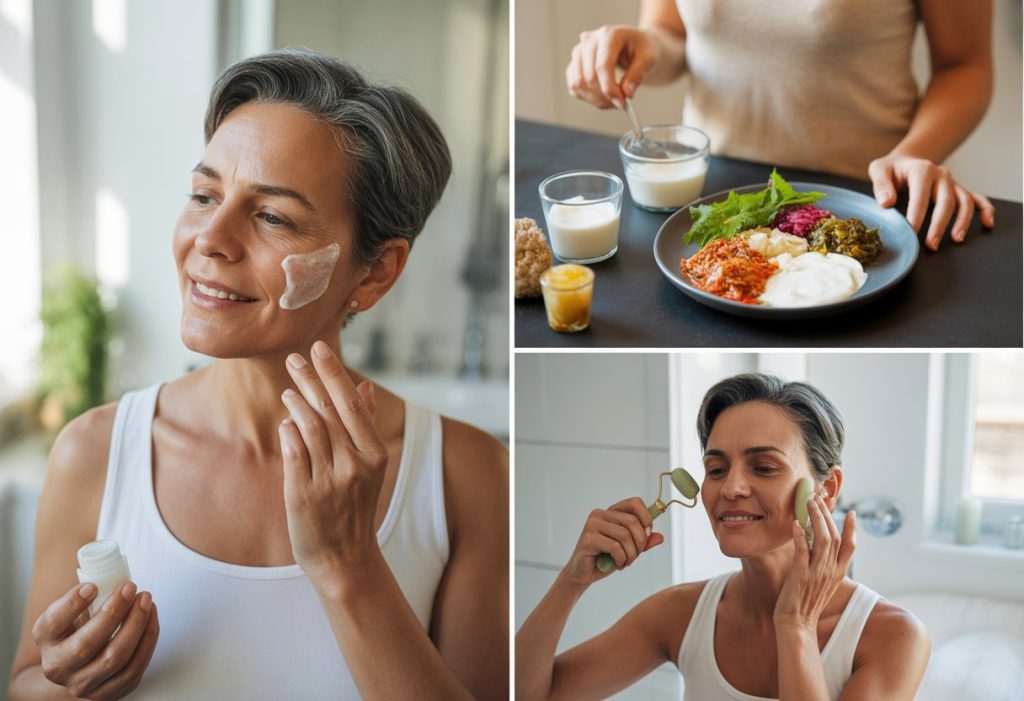
Is Your Clean Skincare Actually Hurting Your Microbiome?
Is Your Clean Skincare Actually Hurting Your Microbiome? The Hidden Truth About Popular Products Your skin is home to trillions of tiny organisms that form a protective ecosystem called the skin microbiome. These bacteria, fungi, and other microbes help regulate moisture, control inflammation, and defend against harmful invaders. When this delicate balance gets disrupted, your […]
Brain, Belly, and Breakouts: How Stress Affects Your Skin Health
Brain, Belly, and Breakouts: How Stress Affects Your Skin Health You might notice that your skin breaks out more during stressful times at work, such as big presentations, or during shool exams for your teenager (or yourself!). This is not a coincidence. Stress directly affects your skin through chemical changes in your brain and body, […]

Pre, Pro, and Postbiotics: Why Your Face Needs Good Bacteria Too for Healthy Skin
Pre, Pro, and Postbiotics: Why Your Face Needs Good Bacteria Too for Healthy Skin You’ve probably heard about probiotics for your gut, but your skin has its own community of bacteria that needs care too. Your skin is home to trillions of microorganisms that work together to keep it healthy and protected. Prebiotics feed the […]

Gut Health for Women: 6 Reasons to Care
Gut Health for Women: 6 Reasons to Care How Gut Health Affects Skin, Hormones, Energy, Mood and Sleep! Gut health for women plays a key role in balancing hormones, improving skin, boosting energy, supporting mood and more. From probiotics to fiber and fermented foods, simple daily habits can make a big difference. In this post, […]

L reuteri – The secret ally againts stress and skin problems
Why L reuteri May Help Stress AND Skin Problems Stress doesn’t just weigh on your mind – it shows up on your skin. From breakouts and sensitivity to premature aging, stress can wreak havoc on your complexion. You may well have experienced it yourself – stressful times show up on your face! But there’s a […]

Skin Gut Health: 5 Proven Steps to Clear Skin & A Calm Gut
5 Steps to Skin Gut Health – Backed by Science Have you heard about the skin gut health connection? If you’ve been struggling with acne, rosacea, eczema, or dull skin, the problem might not be on the surface – but in your gut! My twin sister and I battled stubborn skin issues for years—until we […]

A Complete Guide to Restore Gut Health Naturally
5 Simple Steps to Restore Gut Health Naturally Why Gut Health Matters Your gut is the foundation of your overall health (Huang et al, 2025). A balanced gut microbiome supports digestion, immunity, and mental well-being. However, modern diets, stress, and lifestyle choices can disrupt this delicate ecosystem, leading to bloating, fatigue, poor skin, and mood […]

Asian Chicken Rice Soup (Gut-Healing & Collagen Boosting for Radiant Skin)
Asian Chicken Rice Soup With Lemongrass (Gut-Healing & Collagen Boosting for Radiant Skin) 🥣 Looking for a nourishing, gut-friendly soup that also supports glowing skin and healthy aging? This Asian Chicken Rice Soup is packed with collagen-rich bone broth, anti-inflammatory ingredients, and prebiotic fiber to boost digestion, reduce inflammaging (age-related inflammation), and promote youthful skin […]

5 Powerful Probiotics with Fiber for a Happier, Healthier Gut
5 Powerful Probiotic + Fiber Blends for a Happier, Healthier Gut If you want to experience the benefits of our carefully selected probiotic and fiber supplements, follow along! These power duos are designed to optimize gut health and support a balanced digestive system. Improve your digestion and enhance nutrient absorption with our top 5 recommended […]

15 prebiotic probiotic benefits: Your complete guide
15 prebiotic probiotic benefits: Your complete guide Probiotics have burst onto the health and wellness scene, and they’re here to stay! However, finding the right science backed probiotics for your needs can be a minefield. And then there are the prebiotics … Read on as we answer the most common questions about the prebiotic probiotic […]
NOTE: This article contains Affiliate Links for which we may earn a small commission.
Author: Berit Sund, MSc Medical Microbiology. When I don’t write about probiotics and fermented drinks, I spend my days in healthcare education, training or testing out yummy recipes, and of course hang out with my family and friends!
FAQs about the best probiotics for acne
Which acne supplement is best for acne-prone skin?
Zinc supplements may also help improve acne. Probiotics have emerged as an effective acne supplement for acne as we now understand the strong link between skin and gut health.
What is the most effective acne pill for severe cystic acne?
The most effective acne pill is Isotretinoin, which is a retinoid medication used to treat severe, cystic acne.
Can probiotics really clear acne?
The relationship between probiotics and acne is a topic of ongoing research. Studies suggest that certain probiotic strains may have potential benefits for skin health. Benefits include reducing inflammation and supporting a balanced microbiome. However, more research is needed for guidelines on probiotics for acne.
How do probiotics work for acne?
The potential mechanisms through which probiotics for acne may work are still an area of active research. However, several hypotheses exist:
Balancing the microbiome: Probiotics may help balance both the gut and skin microbiome. A balanced microbiome can contribute to overall skin health.
Anti-inflammatory effects: Some probiotic strains may have anti-inflammatory properties, helping to reduce inflammation associated with acne lesions.
Immune modulation: Probiotics might influence the immune system, promoting a more regulated response. This could be beneficial in preventing excessive immune reactions that may contribute to acne.
Production of bioactive substances: Certain probiotics may produce bioactive substances, such as short-chain fatty acids, which can have anti-inflammatory effects and positively impact the skin.
It’s important to note that effectiveness of probiotics for acne can vary depending on the person. More research is needed on the most beneficial strains and formulations.
As with any skincare approach, it’s advisable to consult with a healthcare professional or dermatologist for personalized advice based on your unique skin concerns.
Are probiotics safe for acne treatment?
In general, probiotics are considered safe for most people when used as directed. They are naturally occurring in many foods and are commonly found in supplements. However, there are a few considerations to keep in mind:
Individual variability: Responses to probiotics can vary among individuals. What works for one person may not work for another. Some individuals may experience gastrointestinal symptoms like gas or bloating.
Choice of strain: The effectiveness of probiotics can depend on the specific strains used. Not all probiotics are the same. Research is ongoing to determine which strains may be most beneficial for various health conditions, including acne.
Underlying health conditions: If you have a compromised immune system or underlying health condition, consult with a doctor before using probiotics or making significant dietary changes.
Quality and source: The quality of probiotic supplements can vary, so it’s important to choose reputable brands. Getting probiotics from natural sources like yogurt, kefir, or fermented vegetables is a good option.
Before using probiotics for acne treatment, it’s advisable to consult with a healthcare professional or dermatologist.
Which probiotic strains are effective for acne?
Probiotic strains that may be effective for acne include Lactobacillus, Bifidobacterium and Bacillus. These probiotics may improve skin health by reducing inflammation, inhibiting acne-causing bacteria, and balancing the immune system.
Some specific probiotic strains that may help address acne triggers include:
Lactobacillus rhamnosus GG: This strain may modulate the immune sustem and influence skin health.
Lactobacillus paracasei LPC28 (NCC2461 or ST11): These strains may reduce inflammation in the skin, inhibit neutrogenic inflammation, and modulate the skin’s immune response. These properties are beneficial for managing acne.
Lactobacillus acidophilus NCFM®: This sub-strain has been used in clinical studies assessing the effects of probiotics on skin health. It shows potential benefits for acne severity and gut health.
Bifidobacterium lactis Bi-07®: This strain has been associated with improvements in the severity of acne and is considered a probiotic strain that may help address some of the triggers for acne
Bacillus coagulans SC208: A spore-forming probiotic that produces lactic acid and helps balance the pH of the skin, supports skin barrier function, and reduces water loss from the skin.
Bacillus indicus HU36™: A spore-forming probiotic that produces high levels of antioxidants, such as lycopene, astaxanthin, zeaxanthin, beta-carotene, and lutein, which protect the skin from oxidative stress and environmental damage.
What is the optimal dosage of probiotics for acne?
Determining the optimal dosage of probiotics for acne depends on various factors, including the specific probiotic strain, the formulation, and individual responses. The optimal dosage may vary from person to person. A good general guide for quality probiotics is >10 Billion CFU.
How long does it take to see results of probiotics for acne?
The time it takes to see results from probiotics for acne can vary widely among individuals, and it depends on several factors, including the severity of the acne, the specific probiotic strains used, and individual response to the supplementation.
Can probiotics help with acne scarring?
The direct impact of probiotics on existing acne scars is not well-established. Probiotics are generally associated with potential benefits for skin health, particularly in relation to acne prevention and management, but their efficacy in reducing established scars is less clear.
Can probiotics prevent acne recurrence?
Studies suggest that probiotics may have a role in maintaining skin health and reducing the likelihood of acne recurrence.
Are dietary changes necessary alongside probiotic use?
While probiotics can contribute to gut health and may have potential benefits for skin conditions, including acne, dietary changes can also play a significant role in supporting overall skin health. It’s important to adopt a holistic approach that considers both probiotic supplementation and a balanced, nutrient-rich diet for optimal results.
What other lifestyle factors contribute to acne improvement?
Several lifestyle factors can contribute to the improvement of acne. While individual responses may vary, adopting healthy habits can generally support skin health. Here are some lifestyle factors that may positively influence acne:
Adequate sleep: Ensure you get enough quality sleep, as inadequate sleep can contribute to stress and inflammation.
Diet: Consider a diet rich in fruits, vegetables, whole grains, and lean proteins. Limit the intake of sugary and processed foods, as these may contribute to inflammation.
Hydration: Drink an adequate amount of water to keep the skin hydrated and support overall health.
Stress management: Chronic stress may exacerbate acne. Practice stress-reducing techniques such as mindfulness, yoga, or deep breathing exercises.
Hormonal balance: For some individuals, hormonal imbalances can contribute to acne. In such cases, consulting with a healthcare professional may be beneficial.
What probiotic is best for hormonal acne?
The best probiotic for hormonal acne is one that contains Lactobacillus rhamnosus, Lactobacillus reuteri, or Lactobacillus plantarum. These strains support the gut-skin axis by reducing inflammation, balancing hormones, and strengthening the skin barrier. Look for a high-quality probiotic supplement specifically formulated for women or skin health. Clinical research shows that L. rhamnosus can help regulate estrogen metabolism and reduce acne flare-ups linked to hormonal shifts.
Can probiotics really help acne-prone skin?
Yes, probiotics can help acne-prone skin by targeting one of the root causes—gut imbalance and inflammation. Certain strains like Lactobacillus rhamnosus, Lactobacillus reuteri, and Bifidobacterium longum have been shown to reduce skin inflammation, calm breakouts, and improve the skin barrier. By restoring gut health and lowering systemic inflammation, probiotics support clearer, calmer skin from the inside out. Both oral and topical probiotics may benefit acne-prone skin, especially when combined with a healthy, anti-inflammatory diet.
How long does it take for probiotics to clear acne?
Most people begin to see improvements in acne within 4 to 8 weeks of consistent probiotic use, though results vary based on the severity of breakouts and gut health. Probiotic strains like Lactobacillus rhamnosus and Bifidobacterium longum work gradually to reduce inflammation, balance gut bacteria, and support hormonal regulation. For best results, combine probiotics with a gut-friendly diet and a gentle skincare routine. Long-term use often leads to clearer, calmer skin over time.
Other posts you might enjoy:
-

Sea Buckthorn: The #1 Skin and Gut Health Superfood You Should Know About
Sea Buckthorn: The Skin and Gut Health Superfood You Should Know About Sea buckthorn has gained a cult following among skincare and wellness enthusiasts — and for good reason. Rich in rare fatty acids, vitamins, and antioxidants, this bright orange berry supports both your outer glow and inner gut health. Having tried it myself in…
-
Easy high fiber meals – Fueling your glow from the inside out
Easy High Fiber Meals – Boost Your Skin Glow, Inside Out Looking for a quick overview of how to add more fiber to your diet? We’ve got you covered with these ideas for easy high fiber meals to keep your gut happy and your meals exciting! Because eating enough fiber is a key to glowing…
-
Best Probiotics for Acne? 12 That Actually Work (Derm & Gut-Backed)
Best Probiotics for Acne? 12 That Actually Work (Derm & Gut-Backed) If you struggle with acne, you’re not alone—acne affects over 650 million people worldwide. I was one of them for many years, until I realised that skin health is more than just skin deep! In fact, new research shows that balancing your skin and…
-
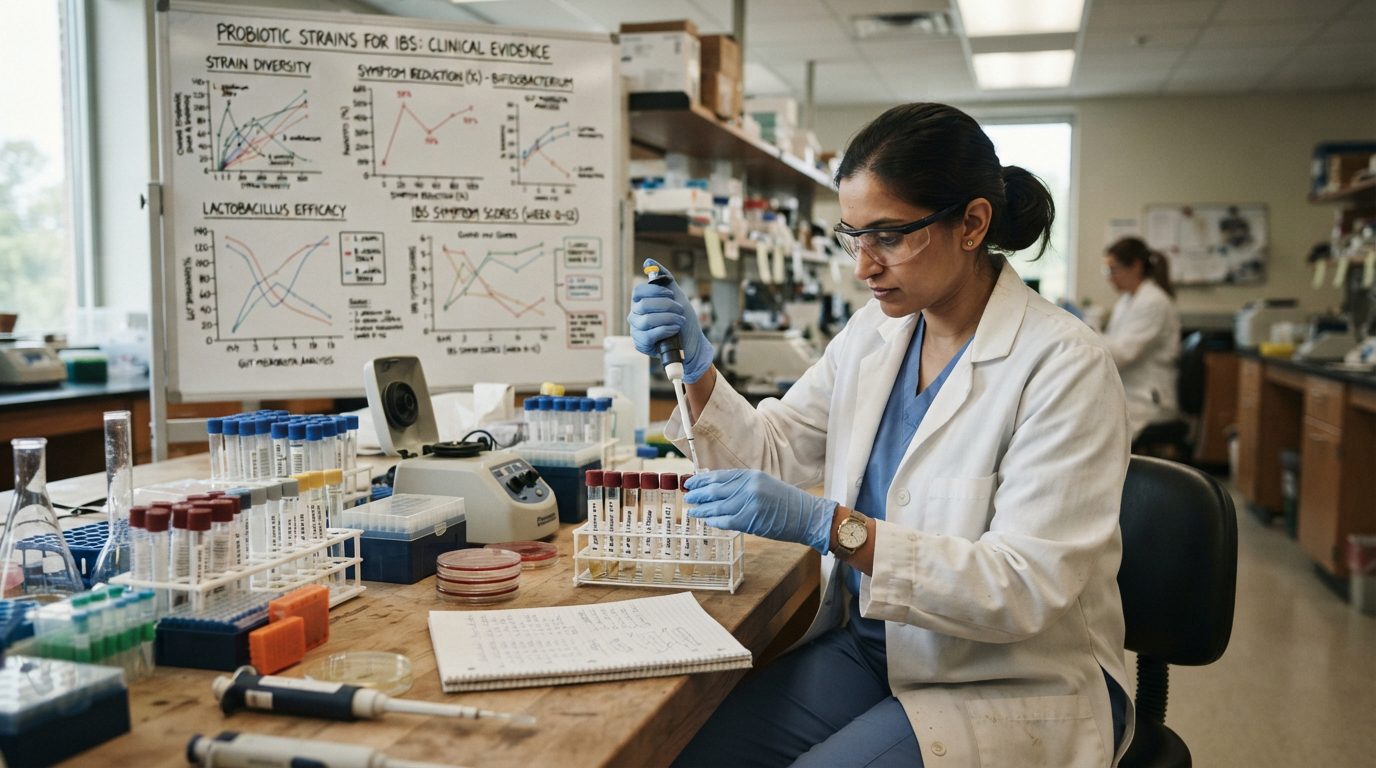
Probiotic strains for IBS: what the clinical evidence actually shows
Probiotic strains for IBS: what the clinical evidence actually shows Probiotic strains for IBS: what the clinical evidence actually shows is important because one big meta-analysis pooled 20 studies and found probiotics outperform placebo for global IBS symptoms. That means we can talk about “works for IBS” in a way that is not based on…
-
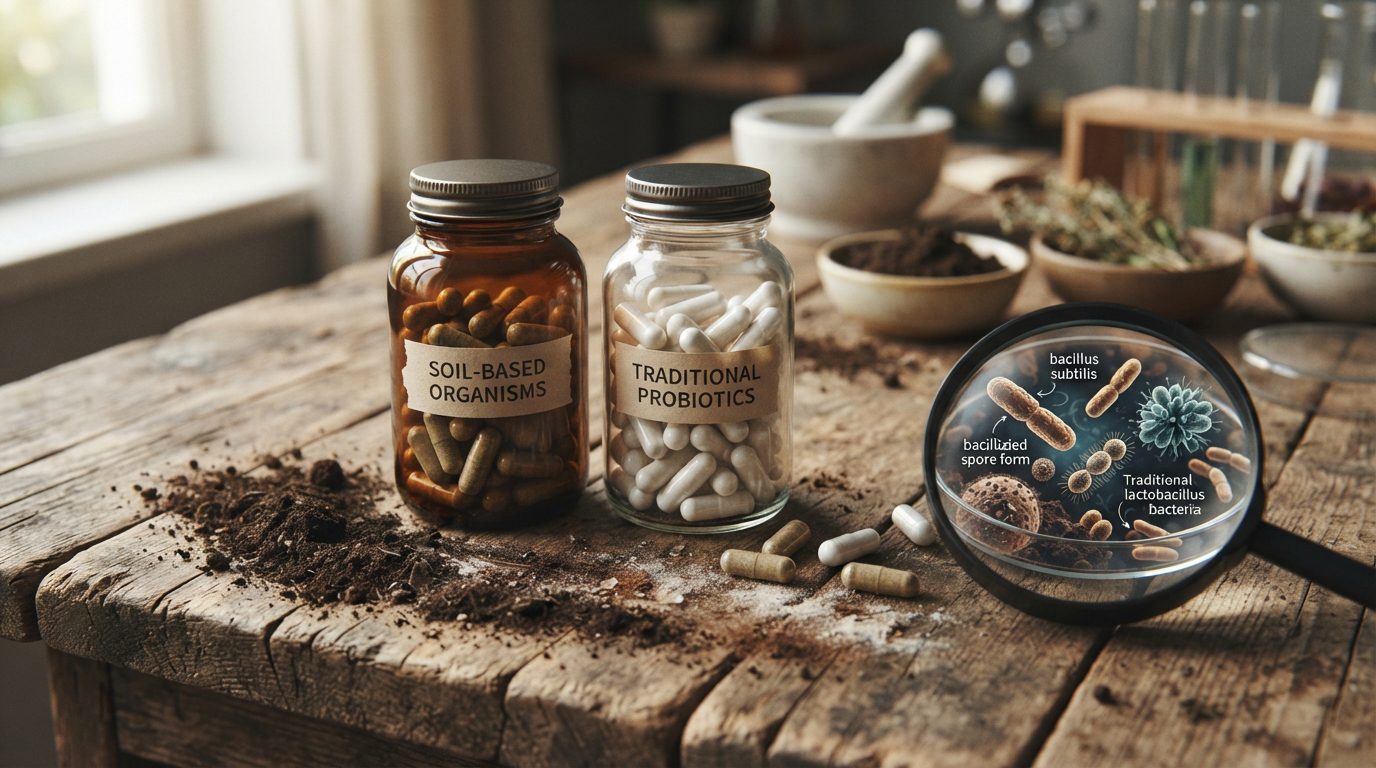
Compare Soil Based Organisms vs Traditional Probiotics for Sensitive Digestion (Best Picks for IBS, Bloating & Gut-Skin Results)
Compare Soil Based Organisms vs Traditional Probiotics for Sensitive Digestion (Best Picks for IBS, Bloating & Gut-Skin Results) Soil Based Organisms vs Traditional Probiotics for Sensitive Digestion is one of the most common questions we get from people whose gut feels touchy, yet they still want an inside-out glow. Did you know that some probiotics…
-
Best Spore-Based Probiotics for Sensitive Stomachs: Gentle, Science-Backed Support That Actually Works
Best Spore-Based Probiotics for Sensitive Stomachs: Gentle, Science-Backed Support That Actually Works When it comes to the Best Spore-Based Probiotics for Sensitive Stomachs, the science is quietly impressive, clinical trials show a 30-day course can reduce markers of gut permeability by 42%, which explains why so many people finally feel relief without the usual bloating.…
-
Ultimate Guide to Using Prebiotic Fibre for Sustained Energy
Ultimate Guide to Using Prebiotic Fibre for Sustained Energy Did you know that 90% of women and 97% of men don’t get enough fibre in their daily diet? That gap is exactly why we put together this ultimate guide to using prebiotic fibre for sustained energy, because we’ve read hundreds of research papers and articles,…
-
How to Choose Quality Digestive Enzymes for Better Nutrient Absorption
How to Choose Quality Digestive Enzymes for Better Nutrient Absorption Did you know that a staggering 70,000,000 people in the United States deal with gastrointestinal disorders every single year? That number alone tells us why so many of you write in asking how to choose quality digestive enzymes for better nutrient absorption, because bloating, sluggish…
-
Best Probiotics for Women Over 40: Our Science-Backed Pick of the Top Strains
Best Probiotics for Women Over 40: Our Science-Backed Pick of the Top Strains Finding the best probiotics for women over 40 has become one of the most-asked questions we get, and here’s a number that stopped us in our tracks: a striking 94% of women going through menopause report digestive health issues, often tied to…


Further resources for you:
https://links.e.response.mayoclinic.org/EmailPreview-GeneralHealth
Cover image by iStock