
How to Choose Quality Digestive Enzymes for Better Nutrient Absorption
Did you know that a staggering 70,000,000 people in the United States deal with gastrointestinal disorders every single year? That number alone tells us why so many of you write in asking how to choose quality digestive enzymes for better nutrient absorption, because bloating, sluggish digestion, and nutrient malabsorption are far more common than anyone likes to admit.
We’ve read hundreds of research papers and articles, and collated the evidence for what really works, so you don’t have to! This guide walks you through exactly what to look for, what to skip, and how enzymes fit into the bigger gut-health picture we talk about constantly here.
Key Takeaways
- Enzymes are workhorses, not magic: Your body already makes over 10,000 unique enzymes, but production naturally dips with age, stress, and poor gut health.
- Look for broad-spectrum formulas: Quality digestive enzyme supplements typically combine protease, lipase, and amylase to cover protein, fat, and carbohydrate digestion.
- Clean label matters: Choose formulas free from unnecessary fillers, artificial colours, and synthetic preservatives.
- Food first, supplements second: We believe in 80/20, real food does most of the heavy lifting, with enzymes filling the gaps.
- Personalization is everything: Your enzyme needs depend on your diet, age, and existing gut health, not a one-size-fits-all approach.
- Pair with fermented foods and fibre: Our 30-30-3 Microbiome Protocol supports enzyme function naturally.
- Travel and stress increase demand: If you struggle with digestion on the road, check our guide on travelling with a sensitive gut for practical strategies.
Why Digestive Enzymes Matter for Better Nutrient Absorption
Enzymes are the tiny molecular scissors that break down the food we eat into pieces small enough for our bodies to actually absorb. Without enough of them, that beautifully balanced meal of protein, healthy fats, and fibre can pass through mostly undigested, taking its vitamins and minerals with it.
That’s not a coincidence, that’s your gut talking. When you notice bloating an hour after eating, or fatigue that hits right after lunch, it’s often a sign your digestive enzymes are struggling to keep up.
Learning how to choose quality digestive enzymes for better nutrient absorption starts with understanding this basic mechanism. It’s not about forcing digestion faster, it’s about supporting the process your body is already trying to do.
Understanding the Different Types of Digestive Enzymes
Before you can choose quality digestive enzymes, you need to know what you’re actually looking for on the label. There are three major categories, and each one targets a different macronutrient.
- Protease: Breaks down protein into amino acids, essential for muscle repair and hormone production.
- Lipase: Breaks down dietary fats, critical for absorbing fat-soluble vitamins A, D, E, and K.
- Amylase: Breaks down carbohydrates and starches into usable sugars for energy.
Some formulas also include Lactase (for dairy digestion) or Cellulase (for breaking down plant fibre). If you eat a varied, plant-heavy diet, as we always encourage, a broad-spectrum blend covering all of these bases tends to serve you best.
How to Choose Quality Digestive Enzymes: Reading the Label Properly
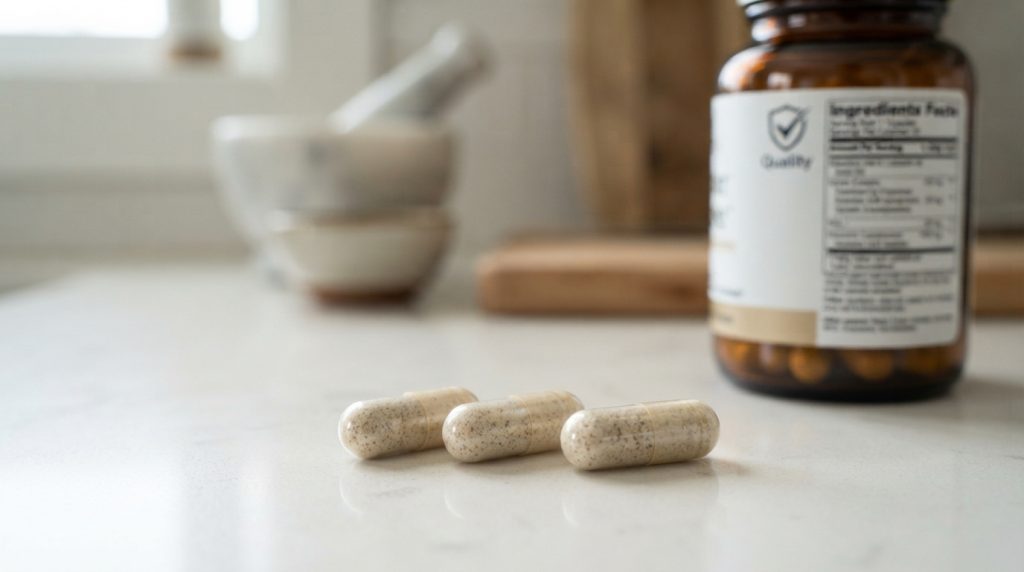
This is the part that trips most people up. Not all enzyme supplements are created equal, and the label is where quality either shows up or quietly disappears.
Look for specific enzyme activity units (like HUT for protease or FIP for lipase) rather than vague milligram measurements. Milligrams tell you weight, not potency, and potency is what actually matters for digestion.
Did You Know?
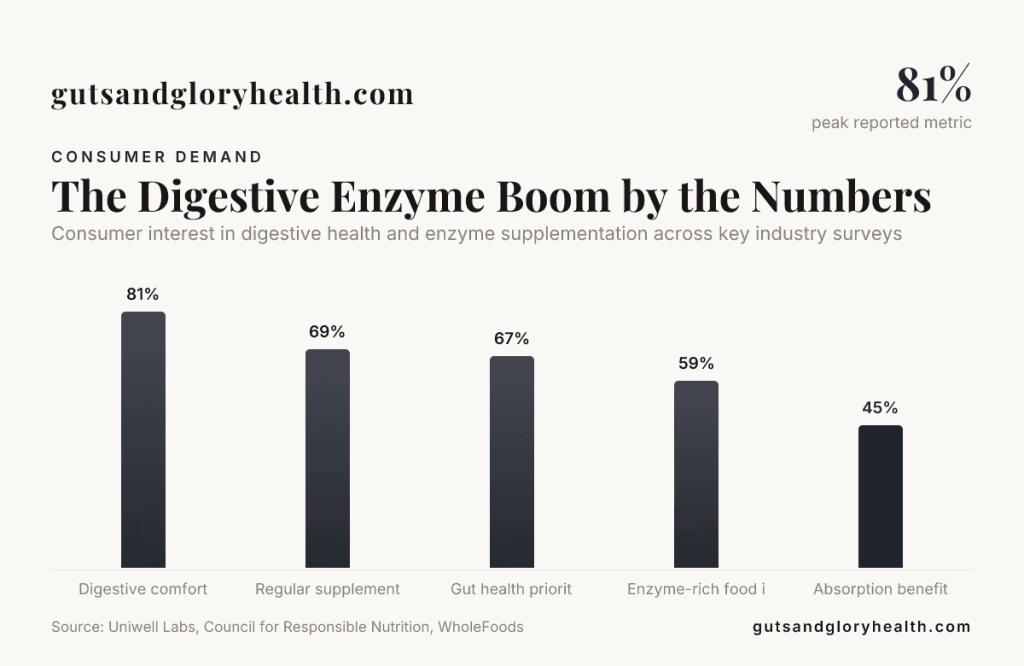
69% of supplement users say a personalised regimen matters more than a one-size-fits-all approach when selecting digestive support.
Source: Council for Responsible Nutrition
That statistic tracks exactly with what we hear from readers. There’s no universal “best” enzyme supplement, only the best one for your specific digestive gaps.
Clean Label and Quality Markers to Trust
We’re obsessed with clean, evidence-based formulas, and we’re not alone. A huge portion of shoppers now feel the same way, actively checking labels before they buy anything for their gut.
When you’re learning how to choose quality digestive enzymes, treat these as your non-negotiables:
- No artificial colours, flavours, or unnecessary binders
- Third-party testing or certification where available
- Plant-based or fungal-derived enzymes (often more stable through stomach acid than animal-derived ones)
- Transparent sourcing, meaning the brand tells you exactly where each enzyme comes from
- No proprietary blends hiding actual enzyme amounts
It’s fair to say we’ve been fascinated to the point of obsession with how much clean label preferences have shifted consumer behaviour. Shoppers increasingly want to know exactly what they’re putting in their bodies, and enzyme supplements are no exception.
The 30-30-3 Microbiome Protocol and Digestive Enzymes
Here’s where enzymes stop being a stand-alone fix and start becoming part of the bigger picture. Our 30-30-3 Microbiome Protocol, eating 30 different plants a week, moving for 30 minutes daily, and including 3 fermented foods, creates the internal environment where enzymes actually work better.
Fibre feeds the bacteria that help produce natural enzymes. Fermented foods bring their own enzyme activity to the table, quite literally.
Movement supports gut motility, meaning food moves through your system at the right pace for enzymes to do their job properly. Support it well, and you support hormone balance, metabolic beauty, and that inside-out glow we’re all chasing.
Digestive Enzymes vs. Food-First Approach
What does this mean? Look to your fridge!
Pineapple contains Bromelain, a natural protein-digesting enzyme. Papaya has papain, which does something similar.
Fermented foods like Kimchi, Sauerkraut, and Kefir carry their own enzyme activity, alongside beneficial bacteria that support your microbiome diversity long-term. We always recommend trying these gut-healthy roasted vegetables and soups from our dinner recipes collection before reaching for a supplement bottle.
That said, if your diet is inconsistent, if you’re over 40 and noticing digestion has slowed, or if you have a diagnosed enzyme deficiency, a quality supplement absolutely has a place. This is exactly why learning how to choose quality digestive enzymes for better nutrient absorption matters so much, it’s about knowing when food alone isn’t quite enough.

Signs You Might Need Better Digestive Enzyme Support
Bloating within an hour of eating, undigested food particles in stool, persistent fatigue after meals, and unexplained nutrient deficiencies despite a healthy diet are all classic signs. We also hear from readers whose skin issues, like stubborn acne or dullness, trace back to poor nutrient absorption further down the chain.
Did You Know?
67% of supplement users report higher confidence in products made with specific, named branded ingredients rather than vague blends.
Source: WholeFoods Magazine
This is exactly why we push transparency so hard whenever we talk about how to choose quality digestive enzymes. If a brand won’t name its ingredients clearly, that’s a red flag, not a technicality.
The gut-brain connection makes this even more important. Poor digestion doesn’t just affect your stomach, it can ripple into mood and focus too, as we cover in our piece on the gut-brain connection.
Choosing Quality Digestive Enzymes for Your Specific Life Stage
Like many women, I never expected gut health to be the missing piece of my wellness puzzle, and enzyme production is a huge part of that story. Enzyme output naturally declines with age, particularly around perimenopause and menopause, which is worth factoring in when deciding how to choose quality digestive enzymes for better nutrient absorption at different life stages.
Travelers face a different challenge entirely. Time zone shifts, unfamiliar foods, and stress can all interfere with enzyme production temporarily, which is exactly why we wrote our full guide on managing a sensitive gut while travelling.
Athletes and highly active people often need more protease support to keep up with protein turnover. Meanwhile, plant-forward eaters benefit from formulas with added Cellulase, since plant cell walls are notoriously tough to break down without it.
Consumer interest in digestive health and enzyme supplementation across key industry surveys
Building Digestive Enzyme Support Into Your Daily Routine
Timing matters more than most people realise. Enzymes work best taken right before or at the very start of a meal, giving them a head start on digestion rather than playing catch-up afterward.
Pair your enzyme routine with fibre-rich breakfasts, a fermented food at lunch, and a plant-diverse dinner from our lunch recipes collection. Small, consistent habits like this compound over weeks, not days.
A gut-healthy smoothie in the morning, packed with fibre and natural enzyme-supporting fruit, is another easy win. Browse our gut healthy smoothie recipes for simple ideas that fit into a busy morning.
Digestive Enzymes and the Gut-Skin Connection
We can’t talk about nutrient absorption without mentioning skin, because poor absorption shows up there too. When your gut isn’t absorbing fat-soluble vitamins properly thanks to low lipase activity, your skin and scalp barrier often pay the price.
That’s part of why we built our Glow & Calm Elixir around gut-supportive, bio-available ingredients rather than surface-level fixes. Having tried it myself, personally I’m truly hooked, and it’s a good reminder that nutrient absorption and glowing skin are far more connected than the beauty aisle usually admits.
Balanced Philosophy
Knowing how to choose quality digestive enzymes for better nutrient absorption really comes down to three things: reading labels carefully, choosing clean and transparent formulas, and pairing supplementation with a genuinely diverse, fibre-rich diet. Enzymes are a tool, not a shortcut, and the best results always come from combining smart supplementation with the food-first habits we talk about constantly here.
We believe in 80/20: eating healthy with just the right amount of cake thrown in, and enzyme support fits neatly into that same balanced philosophy. Start with your fridge, build in fermented foods and fibre, and only then consider a quality enzyme supplement to fill the remaining gaps.
Frequently Asked Questions
What is the best way to choose quality digestive enzymes for better nutrient absorption?
Look for broad-spectrum formulas listing protease, lipase, and amylase with specific activity units rather than vague milligram amounts. Choosing quality digestive enzymes also means checking for clean labels free from unnecessary fillers or artificial additives.
Are digestive enzyme supplements worth taking regularly?
For many people with slowed digestion, age-related enzyme decline, or diagnosed deficiencies, yes, they can genuinely help with nutrient absorption. That said, we always recommend a food-first approach alongside supplementation rather than relying on enzymes alone.
How do I know if I need digestive enzymes?
Common signs include bloating shortly after meals, undigested food in stool, fatigue after eating, and nutrient deficiencies despite eating well. If these sound familiar, it may be time to look into how to choose quality digestive enzymes suited to your specific symptoms.
What’s the difference between plant-based and animal-derived digestive enzymes?
Plant-based and fungal-derived enzymes tend to remain stable across a wider pH range, meaning they can survive stomach acid better than some animal-derived versions. This often makes them a more reliable choice when choosing quality digestive enzymes for consistent nutrient absorption.
Can digestive enzymes help with bloating and gas?
Yes, enzymes that specifically target the macronutrients causing your discomfort (protein, fat, or carbohydrates) can reduce bloating significantly. Identifying which foods trigger your symptoms first makes choosing the right enzyme formula much easier.
Do I need different digestive enzymes as I get older?
Natural enzyme production tends to decline with age, particularly during perimenopause and menopause, making broad-spectrum support more valuable later in life. This is a key part of learning how to choose quality digestive enzymes for better nutrient absorption at different life stages.
Should I take digestive enzymes with every meal?
Enzymes are most effective when taken at the start of larger or more complex meals, particularly those higher in protein or fat. Smaller, simpler meals may not require enzyme support at all if your diet already includes enough fibre and fermented foods.