

The surprising link between your microbiome and mood
Did you know there is a close connection between your gut microbiome and your mood? It turns out that the secrets to your emotional well-being may well lie within your microbiome. The microbiome refers to the trillions of microorganisms that live in and on your body, including your gut. And it is essential to your overall health.
Of course health and nutrition are age-old topics but the powerful link between our microbiome, mood and food has only just emerged.
So, what links your microbiome and your mood?
Research reveals that the health of your gut microbiome can directly impact your mood and mental well-being.
This is because your gut communicates with your brain through what’s known as the gut-brain axis. When your gut bacteria are balanced and diverse, they help produce beneficial compounds such as hormones and neurotransmitters. What’s more, your microbiome helps regulate inflammation and immunity, all of which help regulate your mood.
We now know that our gut is home to 100 trillion microbes – collectively called the gut microbiome – and they have a profound effect on our physical and mental health.
For example, bacteria in your gut help produce serotonin, GABA and dopamine. These powerful molecules send signals to our brain and influence how we think and feel.
Tryptophan is a building block for serotonin – the happy molecule which boosts our mood and sleep
GABA is a calming molecule which, if missing or reduced, is associated with anxiety and depression
Dopamine is associated with pleasure and satisfaction, as well as motivation
The sheer number of microbes points to their power. Cells in our microbiome out-number human cells by 10 to 1, and they communicate with our brains and the rest of our bodies, 24/7!
“Undoubtedly, our gut microbes play a role in health” – Dinan, 2022
In addition, the speed with which our gut microbes respond to different foods indicates the powerful link between our gut microbiome, food and mood.
Only 3–4 days after changing your diet, your gut microbiome will change too! Specifically, the type and variety of bacteria, as well as the molecules they help produce.
As a result, can diet help improve our gut microbiome and mood?
Prof Dinan shares advice based on two decades exploring the link between our gut microbiome and mood. His findings are backed by scientists across the world: The more varied our microbiome, the healthier we tend to be.
In essence, consider these simple guidelines to help improve your gut microbiome:
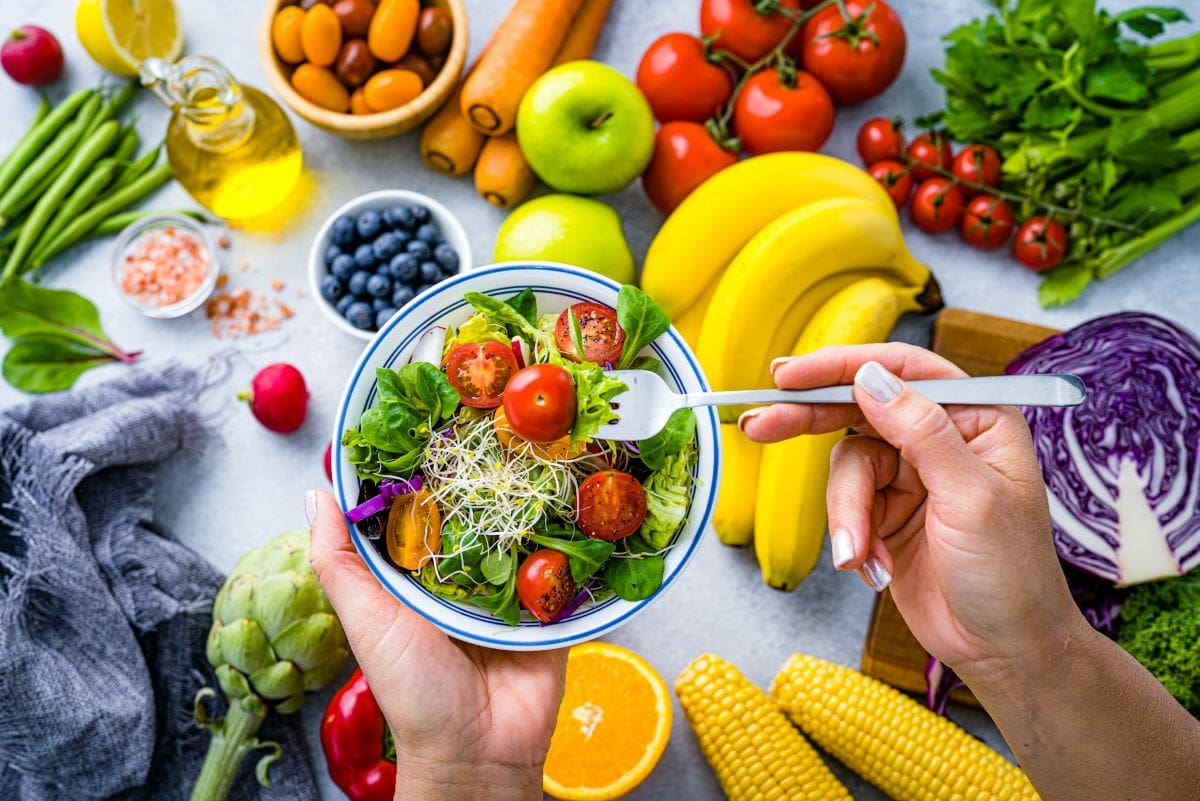
Eat a variety of plants a week to your diet, e.g.:
– Vegetables and fruit
– Herbs and spices
– Beans and lentils
Prepare your own food
– Meal prepping, in bulk, helps!
Add fermented foods (I looooove kefir – drinking or as a mask – as it has made a big difference to my rosacea and acne-prone skin)
Choose lean meats or fish if you eat animal protein
Eat less processed foods
Keep red meat to a minimum
Reducing stress and cortisol (the main stress hormone) can benefit your microbiome!
NOTE: This does not constitute medical advice. Seek advice from a healthcare professional as needed
Other posts you might enjoy:
-

Sea Buckthorn: The #1 Skin and Gut Health Superfood You Should Know About
Sea Buckthorn: The Skin and Gut Health Superfood You Should Know About Sea buckthorn has gained a cult following among skincare and wellness enthusiasts — and for good reason. Rich in rare fatty acids, vitamins, and antioxidants, this bright orange berry supports both your outer glow and inner gut health. Having tried it myself in…
-
Easy high fiber meals – Fueling your glow from the inside out
Easy High Fiber Meals – Boost Your Skin Glow, Inside Out Looking for a quick overview of how to add more fiber to your diet? We’ve got you covered with these ideas for easy high fiber meals to keep your gut happy and your meals exciting! Because eating enough fiber is a key to glowing…
-
Best Probiotics for Acne? 12 That Actually Work (Derm & Gut-Backed)
Best Probiotics for Acne? 12 That Actually Work (Derm & Gut-Backed) If you struggle with acne, you’re not alone—acne affects over 650 million people worldwide. I was one of them for many years, until I realised that skin health is more than just skin deep! In fact, new research shows that balancing your skin and…
-
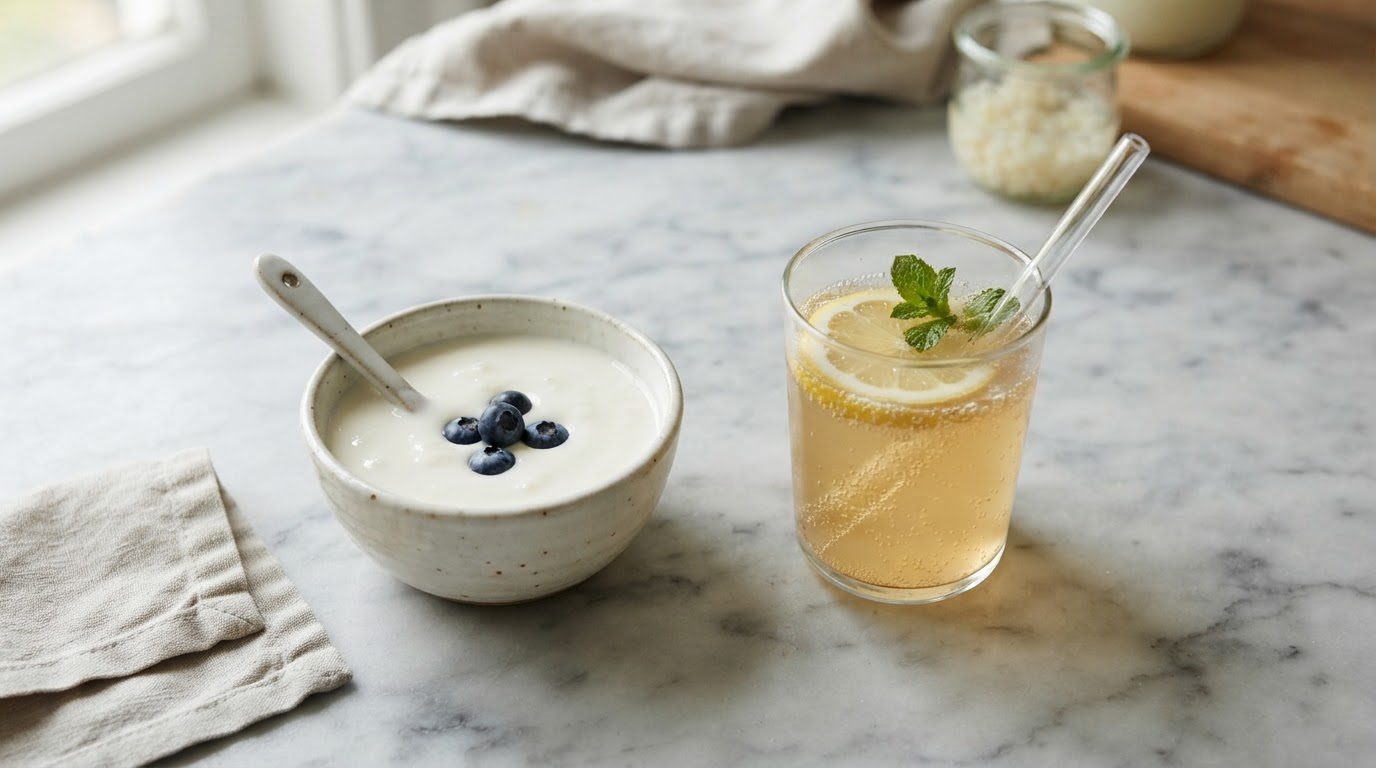
Water Kefir vs Milk Kefir: Which actually fixes bloating?
Water kefir vs milk kefir: which actually fixes bloating? Water kefir vs milk kefir: which actually fixes bloating? The honest answer is that neither is a guaranteed fix, but understanding what goes into each drink can help you choose one that better matches your diet and likely triggers. Key Takeaways What kefir is and how…
-
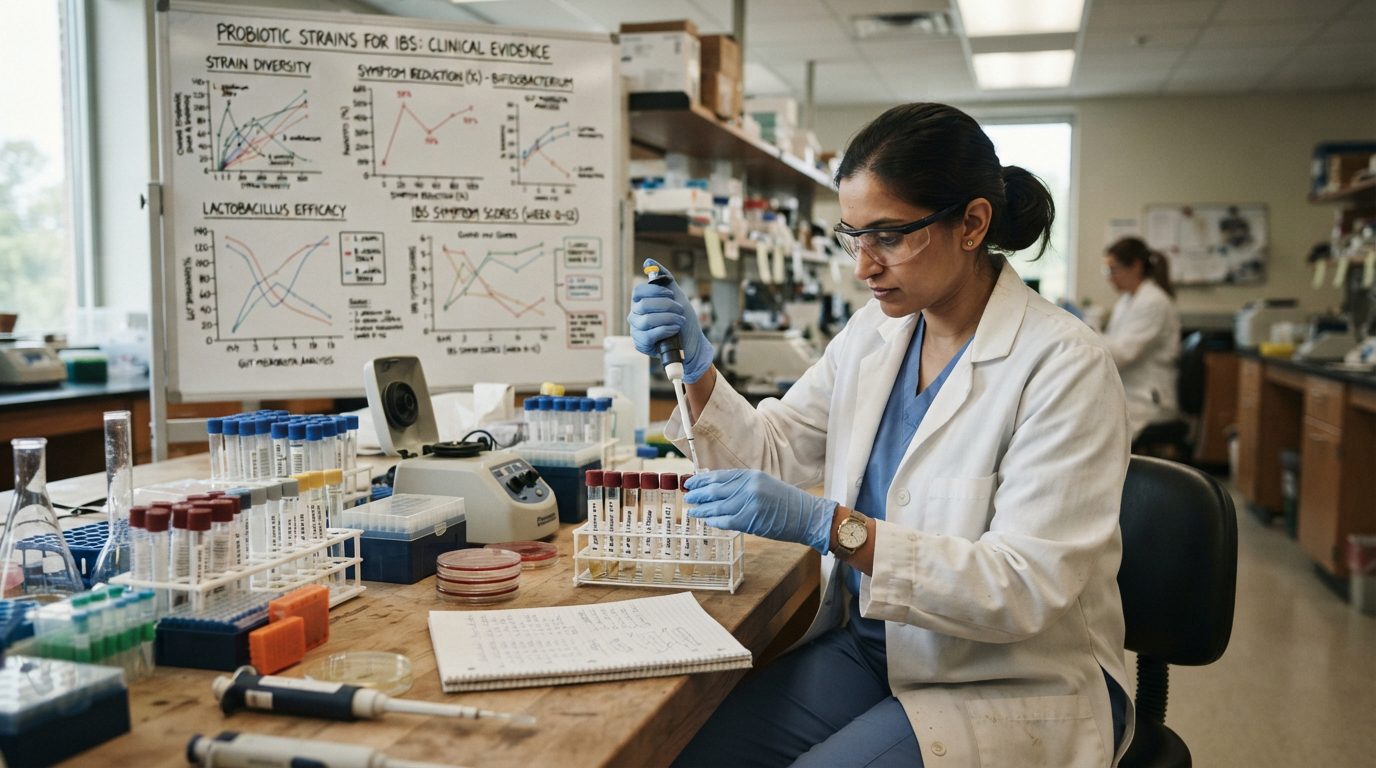
Probiotic strains for IBS: what the clinical evidence actually shows
Probiotic strains for IBS: what the clinical evidence actually shows Probiotic strains for IBS: what the clinical evidence actually shows is important because one big meta-analysis pooled 20 studies and found probiotics outperform placebo for global IBS symptoms. That means we can talk about “works for IBS” in a way that is not based on…
-
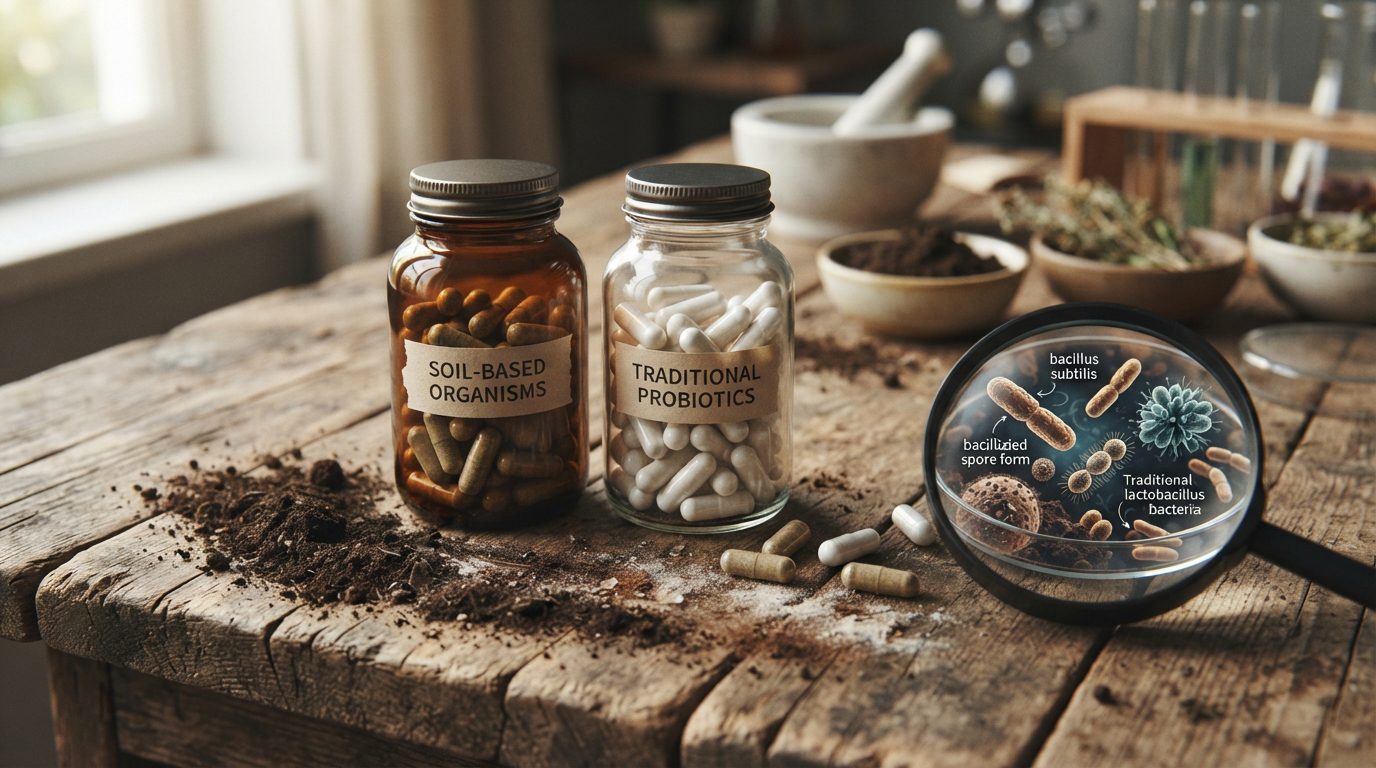
Compare Soil Based Organisms vs Traditional Probiotics for Sensitive Digestion (Best Picks for IBS, Bloating & Gut-Skin Results)
Compare Soil Based Organisms vs Traditional Probiotics for Sensitive Digestion (Best Picks for IBS, Bloating & Gut-Skin Results) Soil Based Organisms vs Traditional Probiotics for Sensitive Digestion is one of the most common questions we get from people whose gut feels touchy, yet they still want an inside-out glow. Did you know that some probiotics…
-
Best Spore-Based Probiotics for Sensitive Stomachs: Gentle, Science-Backed Support That Actually Works
Best Spore-Based Probiotics for Sensitive Stomachs: Gentle, Science-Backed Support That Actually Works When it comes to the Best Spore-Based Probiotics for Sensitive Stomachs, the science is quietly impressive, clinical trials show a 30-day course can reduce markers of gut permeability by 42%, which explains why so many people finally feel relief without the usual bloating.…
-
Ultimate Guide to Using Prebiotic Fibre for Sustained Energy
Ultimate Guide to Using Prebiotic Fibre for Sustained Energy Did you know that 90% of women and 97% of men don’t get enough fibre in their daily diet? That gap is exactly why we put together this ultimate guide to using prebiotic fibre for sustained energy, because we’ve read hundreds of research papers and articles,…
-
How to Choose Quality Digestive Enzymes for Better Nutrient Absorption
How to Choose Quality Digestive Enzymes for Better Nutrient Absorption Did you know that a staggering 70,000,000 people in the United States deal with gastrointestinal disorders every single year? That number alone tells us why so many of you write in asking how to choose quality digestive enzymes for better nutrient absorption, because bloating, sluggish…


Sources & further reading
How do gut microbes influence mental health? – Dinan – 2022 – Trends in Urology & Men’s Health – Wiley Online Library
The Gut’s Microbiome Changes Rapidly with Diet – Scientific American
Human gut microbiome composition and tryptophan metabolites were changed differently by fast food and Mediterranean diet in 4 days: a pilot study – ScienceDirect