
Why mental health is gut health
Discover how gut health affects mental health and well-being
Our gut and brains are busy communicating 24/7, and for better or worse, these conversations play a significant role in our mental well-being. The good news is that by understanding how they communicate we can change the conversation – thereby giving our overall health a real boost. Read on to discover how gut health affects mental health and well-being.
The secret could lie with some unlikely allies – the 100 trillion microbes in our gut. We live in a mutually beneficial relationship with our gut microbes; we give them shelter and food, and in return, they produce important molecules our bodies need.
Spearheading a small revolution in mental well-being, Professor Timothy G Dinan, at University College Cork and APC Microbiome Ireland, has spent the past two decades exploring the role of gut microbes in regulating brain function. He’s on a mission to share the evidence and show us how gut health really is general health.
While brain–gut communication has been a subject of investigation for decades, an exploration of gut microbes as a fundamental component within this context has only been addressed recently
– Dinan, 2022
So, what is the gut-brain connection?
The vast community of microbes in our gut – our gut microbiome – consist of mainly bacteria but also fungi, yeasts and viruses. The total weight of bacteria in our adult intestines is estimated at 1.5kg, and they produce hundreds of compounds, many of which influence our brain.
The main ways in which gut microbes communicate with our brain are through:
1. The vagus nerve
That long meandering nerve connecting the brain and the gut – is an important route of communication
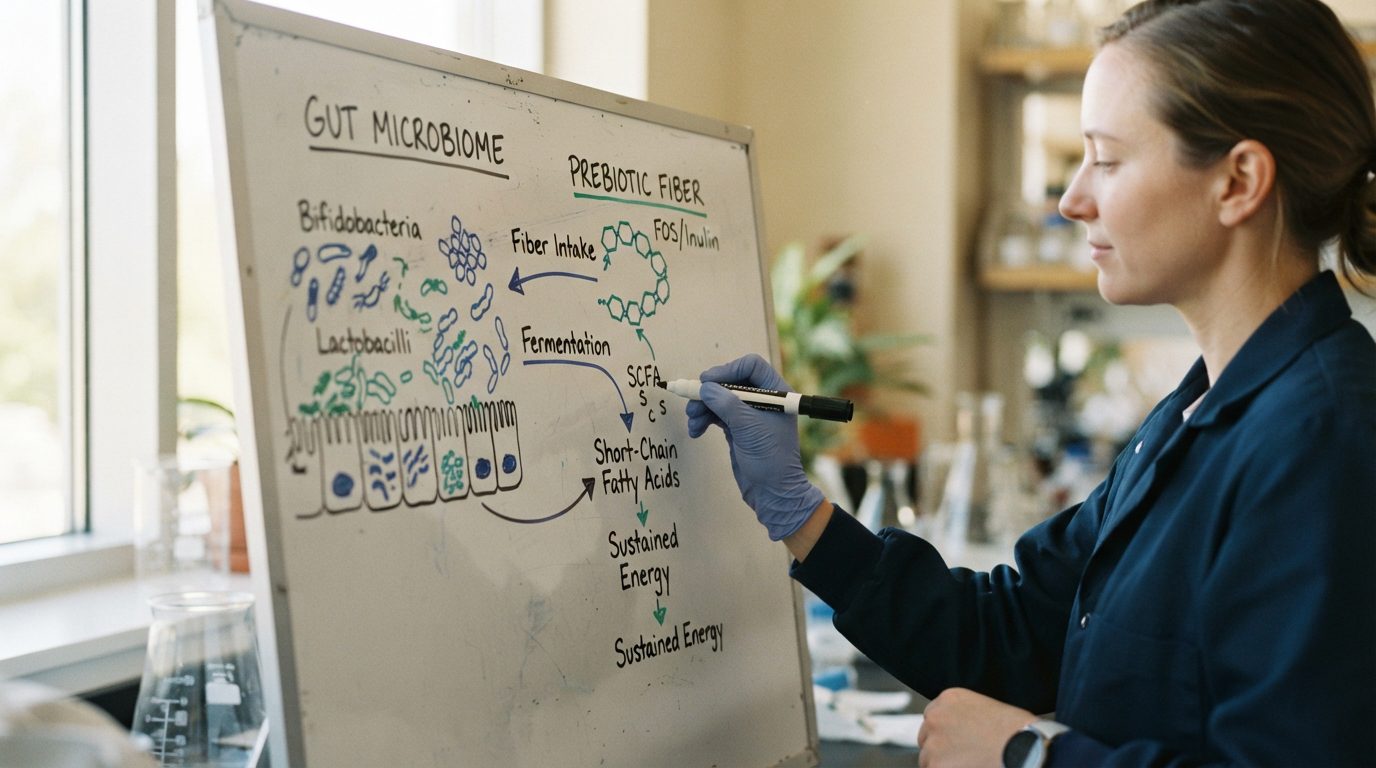
2. Production of short chain fatty acids (SCFA)
Humans cannot produce SCFA (such as butyrate), but certain microbes do so by metabolising fibre
SCFAs can enter the blood stream and travel to the brain
3. Production of signalling molecules and neurotransmitters, such as:
- Dopamine
- Noradrenaline
- Gamma-aminobutyric acid (GABA)
- Tryptophan (building block for ‘happy molecule’ serotonin)
Certain microbes such as Bifidobacteria, can increase the blood levels of tryptophan, the building block for our ‘happy molecule’ serotonin. It is needed in steady supply because our because our brain cannot store it to any great extent.
Can poor gut health cause anxiety and depression?
There is increasing evidence that the gut microbiome is altered in depression.
Dysbiosis (an imbalance in the gut microbiome) and inflammation of the gut have been linked to several mental illnesses including anxiety and depression.
Studies show the gut microbiome of depressed people is less diverse than in healthy people (Dinan, 2022). Incredibly, Dinan et al found that when transplanting gut microbiota from a depressed patient into a rat, there was a significant difference in the rat’s behaviour and they became “depressed-like”. Their immunological profile and the metabolism of tryptophan also changed. Rats who received faecal transplants from healthy people, showed no difference in behaviour.
Further evidence of the strong link between our gut and our brain shows that people with certain digestive disorders have a higher risk of depression and anxiety. Barandouzi et al found that the microbiome was significantly different in people with irritable bowel syndrome (IBS) and emotional distress compared to healthy people.
For example, levels of the ‘happy molecule’ serotonin were positively associated with abundance of Proteobacteria, and norepinephrine positively correlated with Bacteroidetes, but negatively associated with Firmicutes phylum.
It has become clear … that gut microbes play a fundamental role in regulating not just the brain, but the function of other organs as well
– Dinan, 2022
Can we improve mental well-being by boosting our gut health?
The good news is that, yes, by improving our gut health, we can boost physical health and mental well-being.
Just as cardiologists recommend a heart-friendly diet, psychiatrists should work with patients to optimise their diet alongside current standard of care, such as medications and Cognitive Behavioural Therapy (CBT).
One rule of thumb is that the more diverse the community of microbes is, the healthier we tend to be.
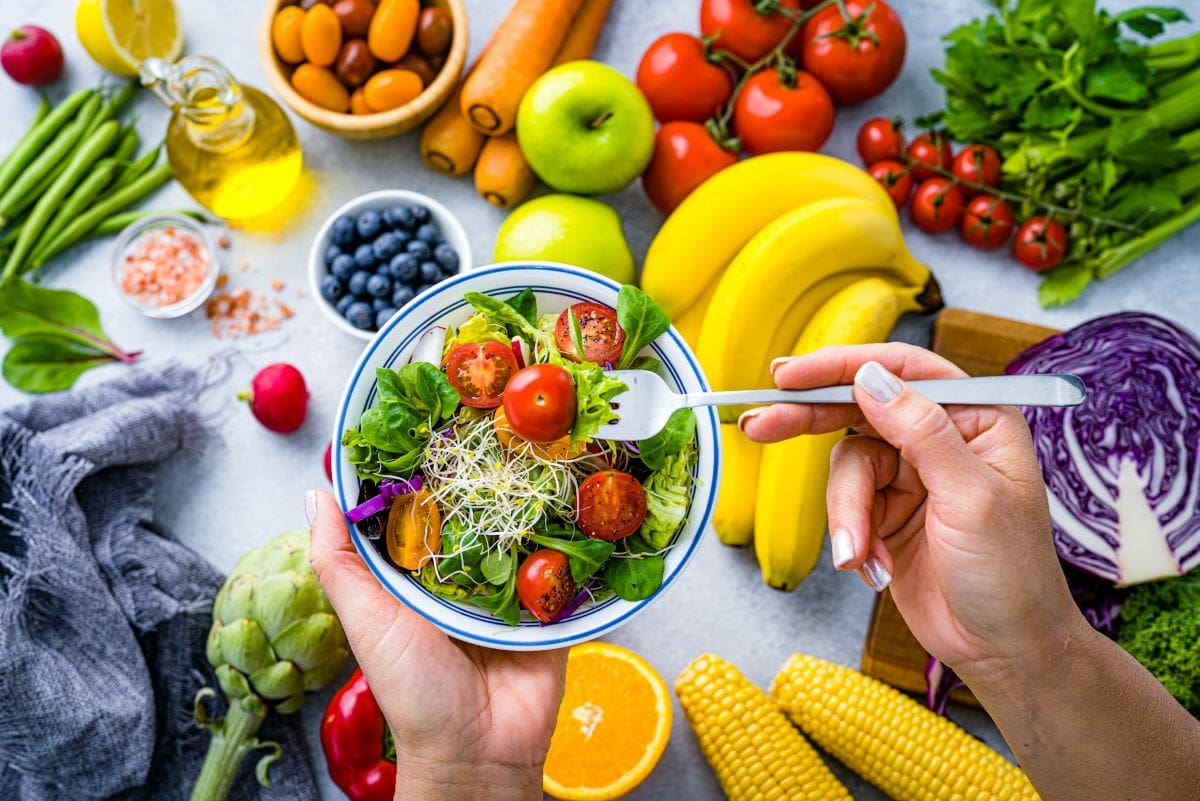
We can achieve this by eating gut friendly foods, such as:
Eating a variety of:
- Fruit
- Vegetables
- Nuts
- Fish
- Fermented foods (e.g., yoghurt, kefir, kombucha)
Reducing:
- Pro-inflammatory, red meat
- Ultra-processed foods
Lowering stress
Studies find that lowering stress e.g., through meditation can have a beneficial effect on the microbiome and reduce cortisol, the main stress hormone.
Dinan et al coined the term ‘psychobiotic’ – bacteria which, when ingested in adequate amounts, had a positive mental health benefit.
They found that the probiotic Bifidobacterium longum reduced anxiety levels and cortisol.
The race is on to find probiotic treatments that target our microbiome and demonstrate positive effects on mental well-being.
In summary
Emerging research helps us understand the role of our gut microbiome in mental health and how we can take effective steps to look after it. The gut microbiome is looking increasingly like the foundation of well-being.
And one day, hopefully soon, taking care of our microbiome and mental well-being will be as important and every-day as going to the gym!
NOTE: This does not constitute or substitute for medical advice! Seek professional healthcare advice as needed
This blog post is also published here (7 June 2023):
Gut Feelings: How Our Gut and Brain Communicate | Designer Shit Documentary
Other posts you might like:
-

Sea Buckthorn: The #1 Skin and Gut Health Superfood You Should Know About
Sea Buckthorn: The Skin and Gut Health Superfood You Should Know About Sea buckthorn has gained a cult following among skincare and wellness enthusiasts — and for good reason. Rich in rare fatty acids, vitamins, and antioxidants, this bright orange berry supports both your outer glow and inner gut health. Having tried it myself in…
-
Easy high fiber meals – Fueling your glow from the inside out
Easy High Fiber Meals – Boost Your Skin Glow, Inside Out Looking for a quick overview of how to add more fiber to your diet? We’ve got you covered with these ideas for easy high fiber meals to keep your gut happy and your meals exciting! Because eating enough fiber is a key to glowing…
-
Best Probiotics for Acne? 12 That Actually Work (Derm & Gut-Backed)
Best Probiotics for Acne? 12 That Actually Work (Derm & Gut-Backed) If you struggle with acne, you’re not alone—acne affects over 650 million people worldwide. I was one of them for many years, until I realised that skin health is more than just skin deep! In fact, new research shows that balancing your skin and…
-
Water Kefir vs Milk Kefir: Which actually fixes bloating?
Water kefir vs milk kefir: which actually fixes bloating? Water kefir vs milk kefir: which actually fixes bloating? The honest answer is that neither is a guaranteed fix, but understanding what goes into each drink can help you choose one that better matches your diet and likely triggers. Key Takeaways What kefir is and how…
-
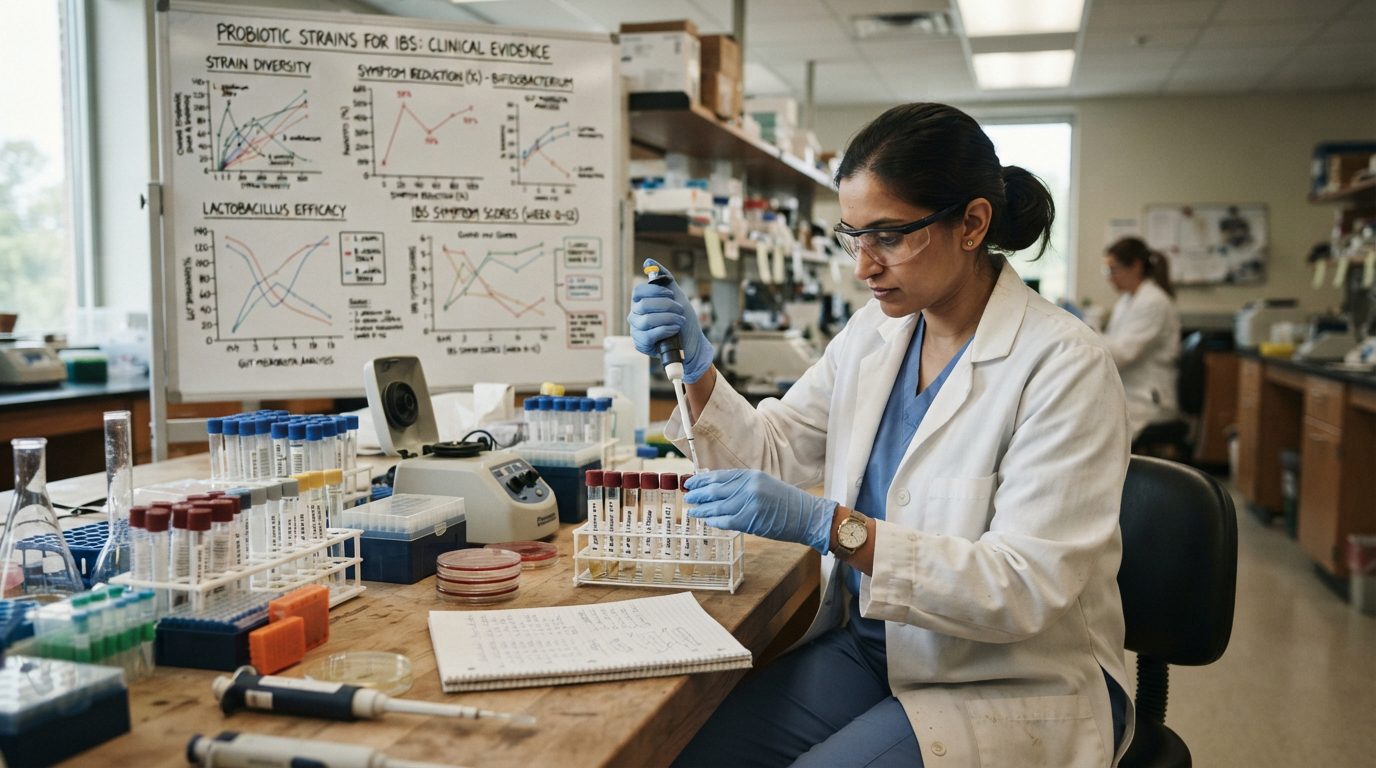
Probiotic strains for IBS: what the clinical evidence actually shows
Probiotic strains for IBS: what the clinical evidence actually shows Probiotic strains for IBS: what the clinical evidence actually shows is important because one big meta-analysis pooled 20 studies and found probiotics outperform placebo for global IBS symptoms. That means we can talk about “works for IBS” in a way that is not based on…
-
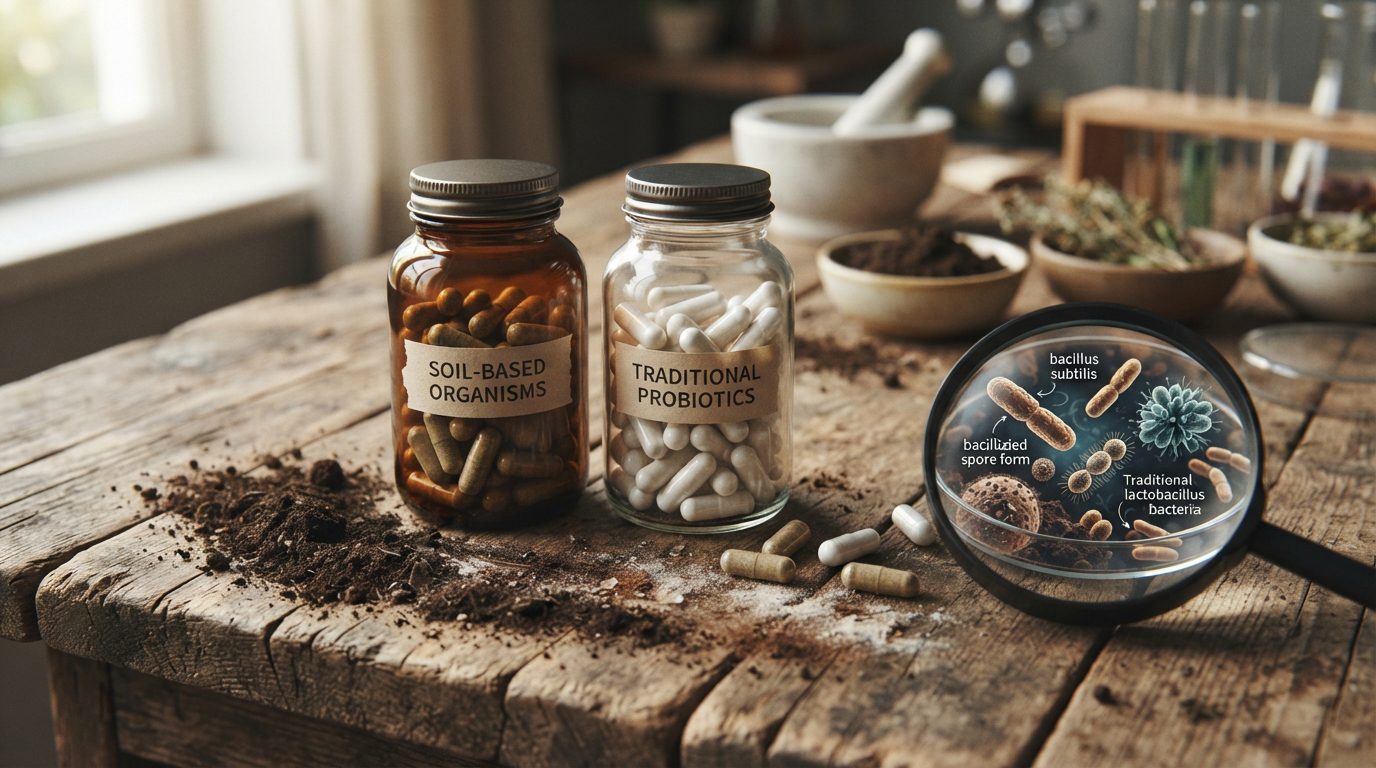
Compare Soil Based Organisms vs Traditional Probiotics for Sensitive Digestion (Best Picks for IBS, Bloating & Gut-Skin Results)
Compare Soil Based Organisms vs Traditional Probiotics for Sensitive Digestion (Best Picks for IBS, Bloating & Gut-Skin Results) Soil Based Organisms vs Traditional Probiotics for Sensitive Digestion is one of the most common questions we get from people whose gut feels touchy, yet they still want an inside-out glow. Did you know that some probiotics…
-
Best Spore-Based Probiotics for Sensitive Stomachs: Gentle, Science-Backed Support That Actually Works
Best Spore-Based Probiotics for Sensitive Stomachs: Gentle, Science-Backed Support That Actually Works When it comes to the Best Spore-Based Probiotics for Sensitive Stomachs, the science is quietly impressive, clinical trials show a 30-day course can reduce markers of gut permeability by 42%, which explains why so many people finally feel relief without the usual bloating.…
-
Ultimate Guide to Using Prebiotic Fibre for Sustained Energy
Ultimate Guide to Using Prebiotic Fibre for Sustained Energy Did you know that 90% of women and 97% of men don’t get enough fibre in their daily diet? That gap is exactly why we put together this ultimate guide to using prebiotic fibre for sustained energy, because we’ve read hundreds of research papers and articles,…
-
How to Choose Quality Digestive Enzymes for Better Nutrient Absorption
How to Choose Quality Digestive Enzymes for Better Nutrient Absorption Did you know that a staggering 70,000,000 people in the United States deal with gastrointestinal disorders every single year? That number alone tells us why so many of you write in asking how to choose quality digestive enzymes for better nutrient absorption, because bloating, sluggish…