

The surprising link between gut health and sleep
We all love a good snooze, right?! But it can be difficult to get a good night’s sleep, however good we are with our sleep routines! Here’s how to unlock restful nights based on the intricate connection between gut health and sleep.
Table of Contents
In the pursuit of a good night’s sleep, many of us don’t know the profound impact that gut health can have on sleep quality.
In fact, growing evidence shows a strong link between the microbiome – the community of trillions of microorganisms in our digestive system – and our sleep quality.
Gut health and sleep hormones
A healthy gut microbiome plays a pivotal role in the synthesis of neurotransmitters like serotonin and melatonin. These neurotransmitters are both critical for regulating your sleep-wake cycles.
Gut bacteria, particularly certain strains of bacteria like Lactobacillus and Bifidobacterium, are involved in production of the ‘sleep hormone’ melatonin
When the microbiome is imbalanced, it can lead to disruptions in these neurotransmitter levels, contributing to insomnia and restless nights.
An unhealthy gut and sleep disruption
Furthermore, an unhealthy gut can trigger inflammation, releasing cytokines that may interfere with sleep by disrupting circadian rhythms. This inflammation can also compromise the blood-brain barrier, allowing harmful substances to reach the brain and disturb its functions, including those related to sleep regulation.
Can probiotics help sleep?
To promote better sleep, studies show that incorporating probiotics and prebiotics into your diet can have a positive effect on sleep quality.
Fermented foods, high-fiber vegetables, and supplements can enhance the diversity of your gut bacteria. A diverse microbiome creates an optimal environment for health and well-being.
Gut health and sleep: Summary
- Interconnectedness: Good sleep and the gut microbiome are linked. Studies show that good sleep keeps the gut microbiome healthy, and an overgrowth of certain bacteria can lead to sleep disturbances.
- Microbiome diversity and sleep: Increased microbiome diversity is linked with more sleep and better sleep quality. This means that feeding the gut microbes well could lead to less sleep issues and improved mood.
- Hormonal influence: Sleep quality exerts a profound influence on gut health. Low-quality sleep can disrupt the balance of gut bacteria due to insufficient suppression of cortisol, the stress hormone
These surprising facts highlight the intricate relationship between good sleep and the gut microbiome, emphasizing the importance of maintaining both for overall health and well-being.
Wishing you a good night’s sleep!
Other features you might like:
-

Sea Buckthorn: The #1 Skin and Gut Health Superfood You Should Know About
Sea Buckthorn: The Skin and Gut Health Superfood You Should Know About Sea buckthorn has gained a cult following among skincare and wellness enthusiasts — and for good reason. Rich in rare fatty acids, vitamins, and antioxidants, this bright orange berry supports both your outer glow and inner gut health. Having tried it myself in…
-
Easy high fiber meals – Fueling your glow from the inside out
Easy High Fiber Meals – Boost Your Skin Glow, Inside Out Looking for a quick overview of how to add more fiber to your diet? We’ve got you covered with these ideas for easy high fiber meals to keep your gut happy and your meals exciting! Because eating enough fiber is a key to glowing…
-
Best Probiotics for Acne? 12 That Actually Work (Derm & Gut-Backed)
Best Probiotics for Acne? 12 That Actually Work (Derm & Gut-Backed) If you struggle with acne, you’re not alone—acne affects over 650 million people worldwide. I was one of them for many years, until I realised that skin health is more than just skin deep! In fact, new research shows that balancing your skin and…
-
Water Kefir vs Milk Kefir: Which actually fixes bloating?
Water kefir vs milk kefir: which actually fixes bloating? Water kefir vs milk kefir: which actually fixes bloating? The honest answer is that neither is a guaranteed fix, but understanding what goes into each drink can help you choose one that better matches your diet and likely triggers. Key Takeaways What kefir is and how…
-
Probiotic strains for IBS: what the clinical evidence actually shows
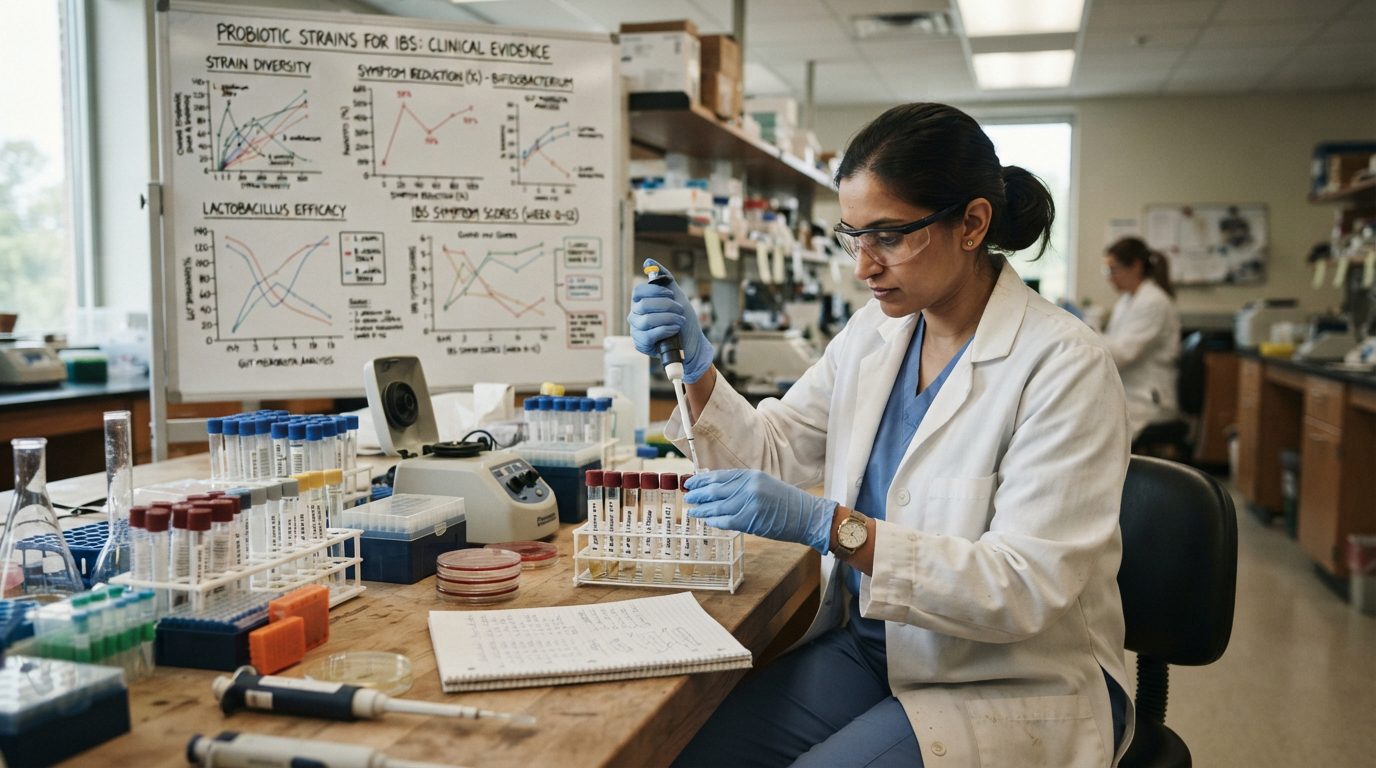
Probiotic strains for IBS: what the clinical evidence actually shows Probiotic strains for IBS: what the clinical evidence actually shows is important because one big meta-analysis pooled 20 studies and found probiotics outperform placebo for global IBS symptoms. That means we can talk about “works for IBS” in a way that is not based on…
-
Compare Soil Based Organisms vs Traditional Probiotics for Sensitive Digestion (Best Picks for IBS, Bloating & Gut-Skin Results)
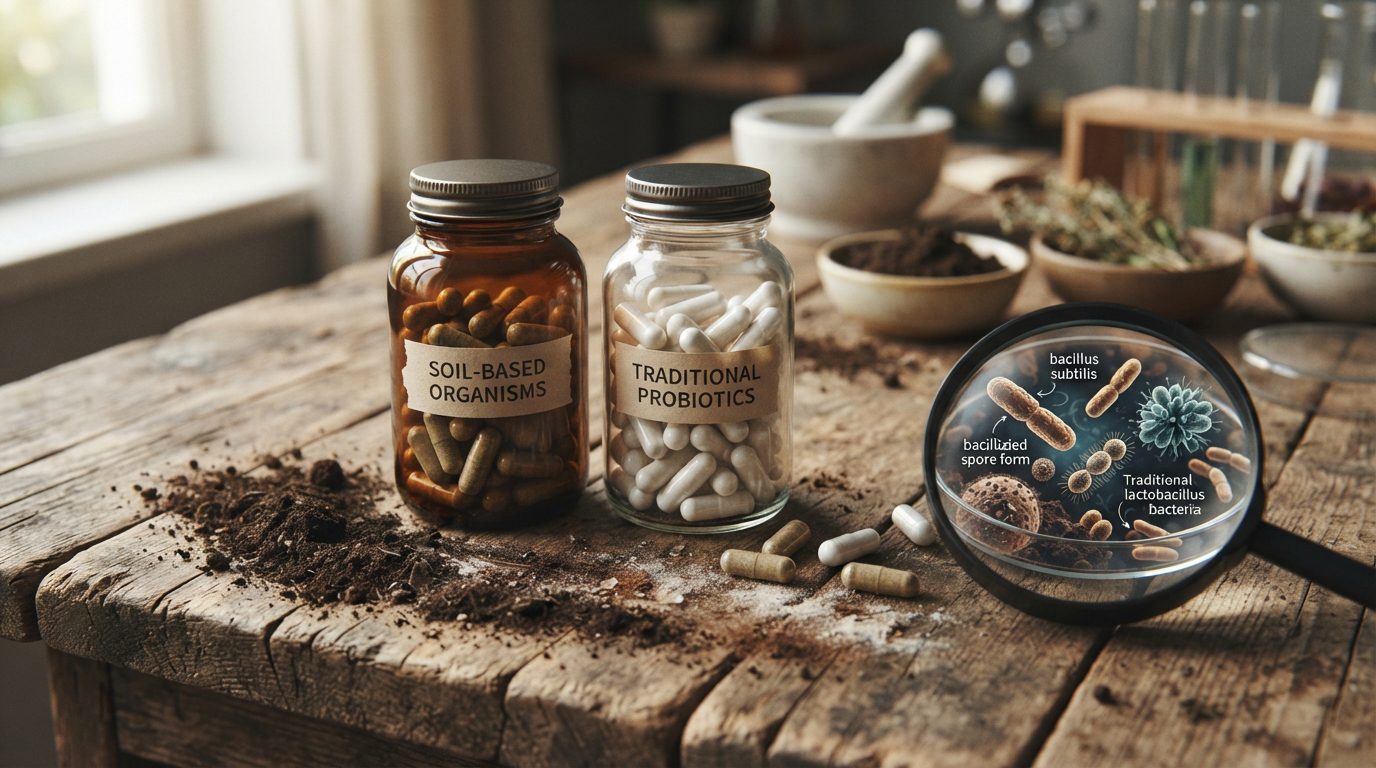
Compare Soil Based Organisms vs Traditional Probiotics for Sensitive Digestion (Best Picks for IBS, Bloating & Gut-Skin Results) Soil Based Organisms vs Traditional Probiotics for Sensitive Digestion is one of the most common questions we get from people whose gut feels touchy, yet they still want an inside-out glow. Did you know that some probiotics…
-
Best Spore-Based Probiotics for Sensitive Stomachs: Gentle, Science-Backed Support That Actually Works
Best Spore-Based Probiotics for Sensitive Stomachs: Gentle, Science-Backed Support That Actually Works When it comes to the Best Spore-Based Probiotics for Sensitive Stomachs, the science is quietly impressive, clinical trials show a 30-day course can reduce markers of gut permeability by 42%, which explains why so many people finally feel relief without the usual bloating.…
-
Ultimate Guide to Using Prebiotic Fibre for Sustained Energy
Ultimate Guide to Using Prebiotic Fibre for Sustained Energy Did you know that 90% of women and 97% of men don’t get enough fibre in their daily diet? That gap is exactly why we put together this ultimate guide to using prebiotic fibre for sustained energy, because we’ve read hundreds of research papers and articles,…
-
How to Choose Quality Digestive Enzymes for Better Nutrient Absorption
How to Choose Quality Digestive Enzymes for Better Nutrient Absorption Did you know that a staggering 70,000,000 people in the United States deal with gastrointestinal disorders every single year? That number alone tells us why so many of you write in asking how to choose quality digestive enzymes for better nutrient absorption, because bloating, sluggish…






Other resources:
Gut microbiome diversity is associated with sleep physiology in humans – PMC (nih.gov)