
Food and mood – a surprisingly powerful link!
Can we really boost our mood with food? Yes! What we eat nourishes the trillions of microbes that live in our gut – also known as the gut microbiome. This in turn may have a profound impact on how we feel.
In fact, would you be surprised to learn that your gut microbiome is the secret connection between mood and food?! And that gut health and mental health are firmly connected?
Within three weeks, potentially, if you really change your diet, you could really feel better mentally!
Dr. Jonathan Wolf (Co-Founder, Zoe)
Table of Contents
How are gut health, food and mood connected?
The connection between food and mood via the gut microbiome is a fascinating area of research. The gut microbiome contains trillions of microorganisms, including bacteria, viruses, fungi, and other microbes, and they’ve made your gut their home!
For that reason, the gut microbiome plays a vital role in our health and well-being, including immunity and mood. And scientists now know there’s a strong link between gut health and mental health, so what we feed our gut bacteria matters for our mental health and well-being!
Home of the Happy Molecule
Science shows that if you improve gut health, it can boost your mood. It seems a far-fetched link, so how does the gut microbiome influence the connection between food and mood?
In a nutshell, our gut microbiome helps produce hormones and other molecules that have a major effect on our brain – such as the happy hormone, serotonin. You may be surprised to learn that over 90% of serotonin is produced in the gut!
How the gut microbiome affects our mood:
Neurotransmitter production
The gut microbiome is involved in the production of neurotransmitters, which are chemical messengers that transmit signals in the brain. For example, certain bacteria in the gut can produce serotonin, a neurotransmitter that plays a key role in regulating mood. Imbalances in serotonin levels have been linked to mood disorders like depression.
Short-Chain Fatty Acids (SCFAs)
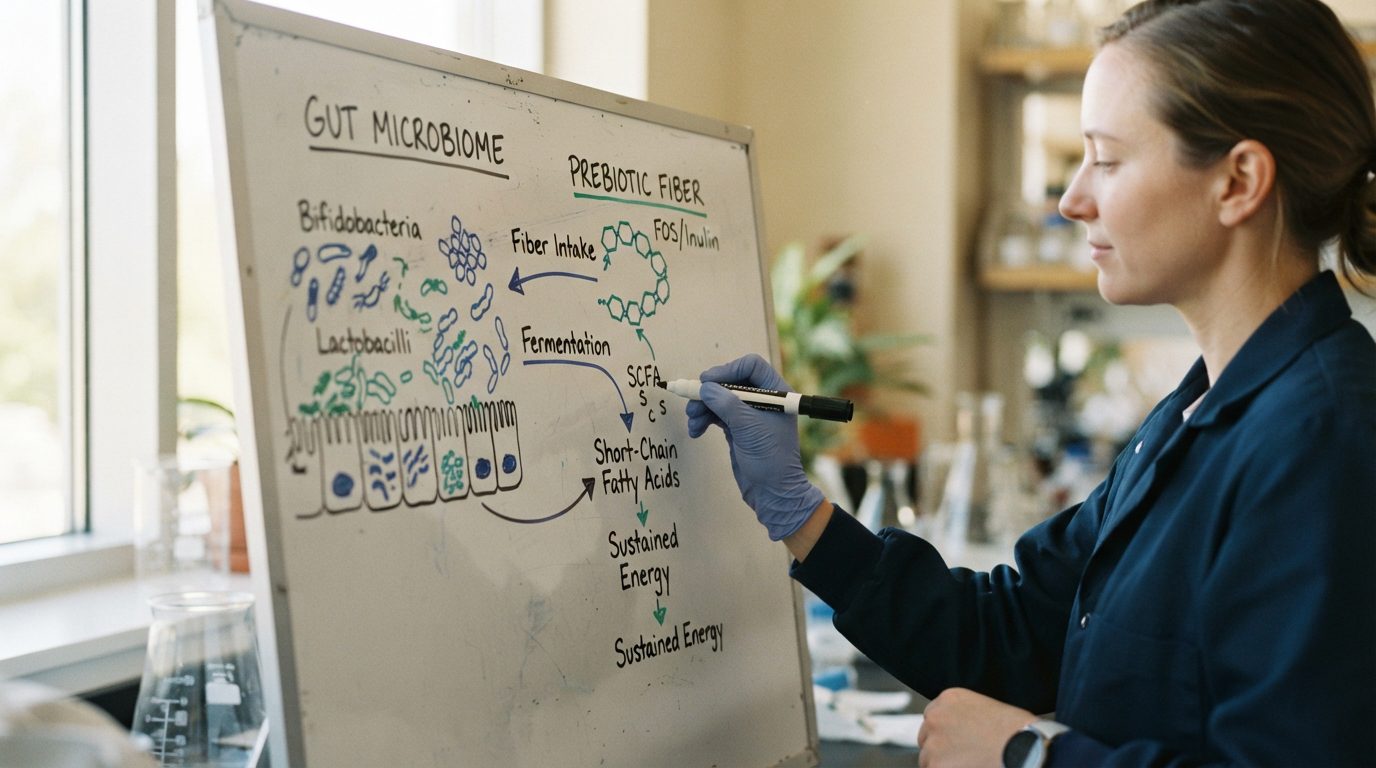
The gut microbiome breaks down dietary fibers and produce short-chain fatty acids (SCFAs) as byproducts. SCFAs have been shown to have neuroactive properties and can influence brain function. They may play a role in the regulation of mood and cognition.
Inflammation and immune system modulation
The gut microbiome influences the immune system and inflammation. Chronic inflammation is associated with various mood disorders, and an imbalance in the gut microbiome can contribute to increased inflammation. A healthy gut microbiome helps modulate the immune system, reducing inflammation and potentially benefiting mood. What we eat can have a significant effect on inflammation levels in our bodies, consequently strengthening the link between food and mood.
Vagus nerve communication
The gut communicates with the brain through the vagus nerve. Signals from the gut can affect brain function and mood. Certain bacteria in the gut may influence the vagus nerve, impacting mood-related areas of the brain.
Nutrient metabolism
The gut microbiome plays a role in the metabolism of nutrients from the diet. Proper nutrient absorption and metabolism are essential for overall health, including brain function. Nutrient deficiencies have been linked to mood disorders, and a balanced gut microbiome contributes to better use of nutrients.
Microbial diversity
A diverse and balanced gut microbiome is associated with better mental health. Negative changes in the composition of the gut microbiome, known as dysbiosis, have been linked to mood disorders. Consuming a variety of foods, particularly those rich in fiber and prebiotics, promotes microbial diversity and affects how we feel. Hence the connection between food and mood.
Gut-brain axis
The gut-brain axis is a two-way communication system between the gut and the central nervous system, which includes the brain. Signals from the gut influence brain function, and vice versa. The gut microbiome is an important player in this communication. And science now shows that what we eat influences this gut-brain communication highway.
Foods that help with depression and anxiety
Nutritional psychiatry is the fancy term for finding out how foods affect our brain, and impact mental health conditions such as depression and anxiety.
Nutritional psychiatrist Professor Felice Jacka has spent years examining the role of nutrition and brain health, and the results are fascinating—and sometimes downright frightening! For example, Professor Jacka found a clear link between the quality of people’s diets and the size of their hippocampus, the area in the brain responsible for learning and memory. In fact, ultra-processed foods shrank the brain’s learning and memory center!
The good news is that your body and brain will respond quite quickly to positive dietary changes.
“… if we look at the literature from the dietary interventions for depression, we can see in as little as three weeks these really major changes,” says Professor Jacka.
Let food be thy medicine!
Hippocrates
Everyday habits for gut health & mood
What are the best options for a improving food and mood?
The good news is that if we take care of our gut health and the trillions of microbes in our gut, they will take care of us. Because a healthy gut microbiome is linked to better mood and mental health.
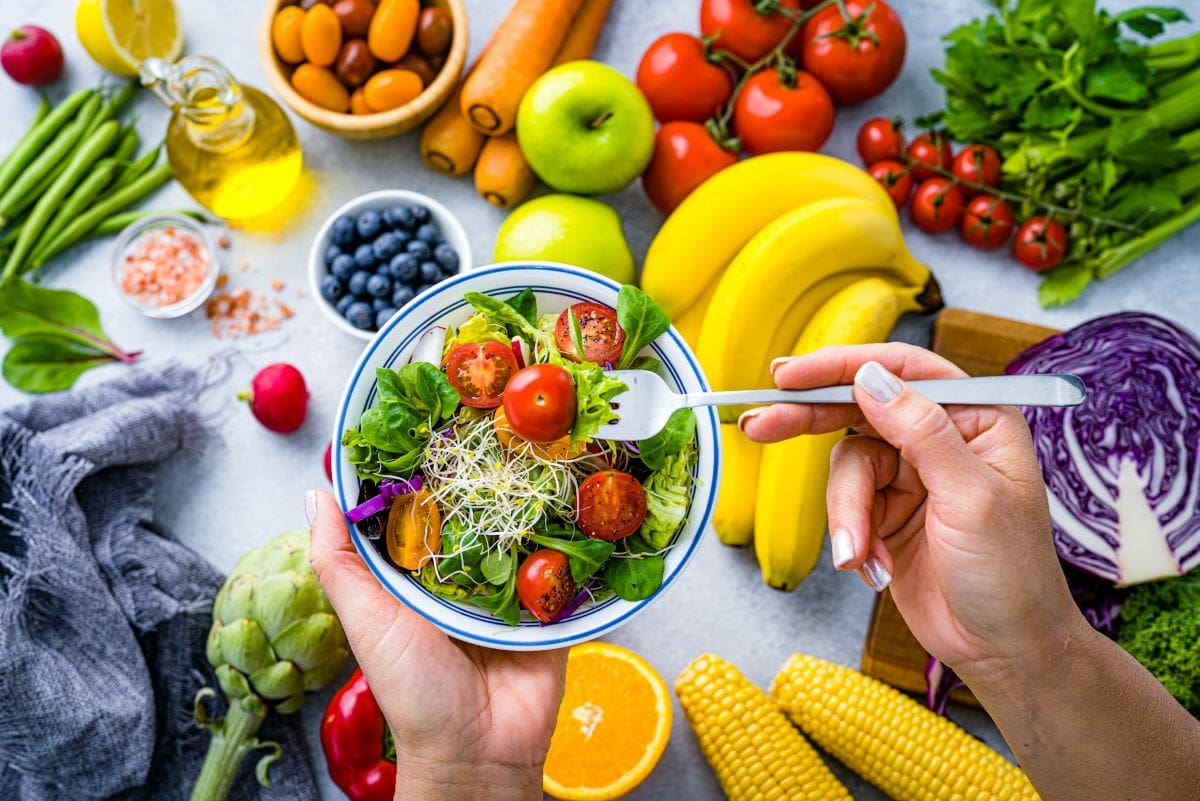
Boosting your well-being with gut healthy foods and meals can work wonders. For instance, try to:
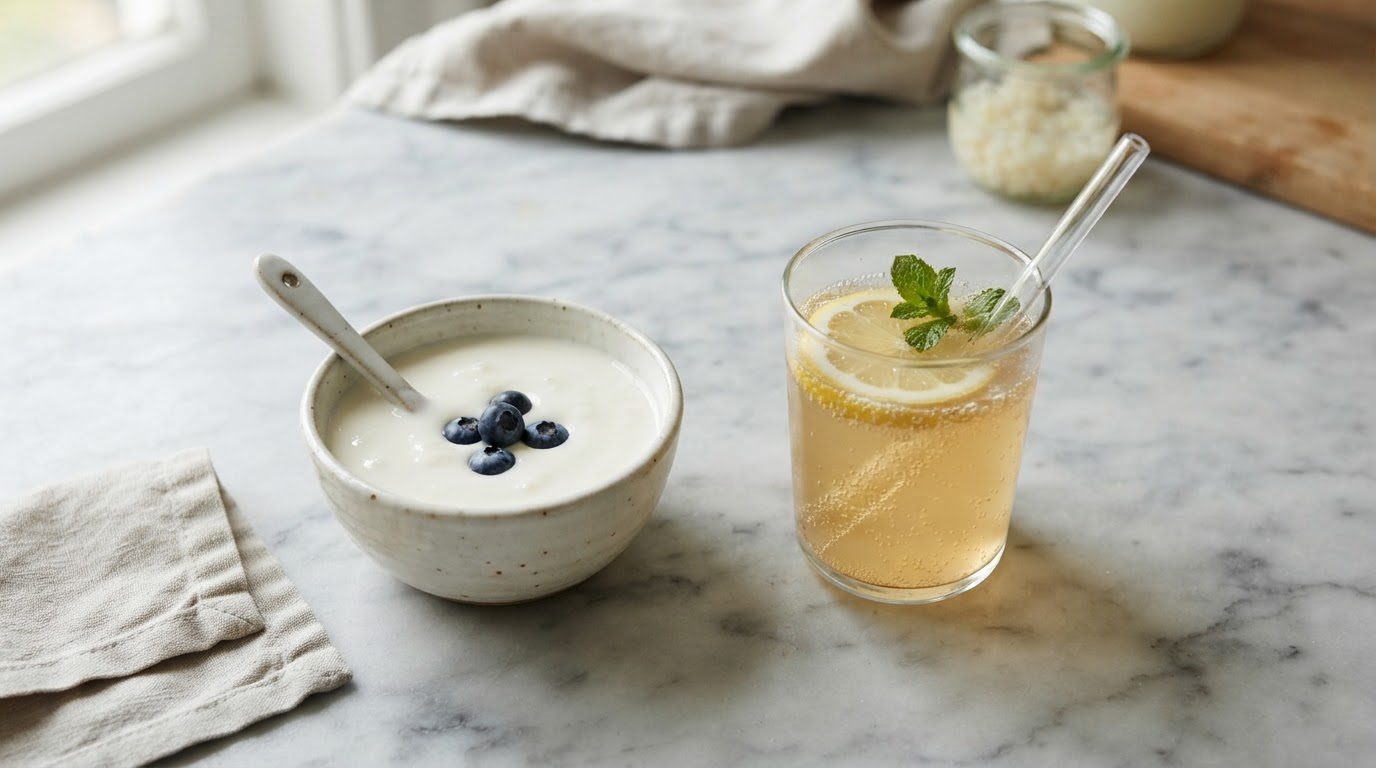
- Eat fermented probiotic foods such as kefir, kimchi, and kombucha
- Think ‘variety’ and include different fish, nuts, fruits, and vegetables, and switch them up regularly
- Limit ultra-processed and high-sugar foods
- Follow a Mediterranean-style, high fiber diet
- Move your body and try to get regular exercise
Probiotics and their benefits
The link between gut health and mental health has been a catalyst for research into probiotics that have a positive effect on mood, mental health and well-being. As a reminder, probiotics are friendly bacteria that can do wonders for our gut health.
Turns out, a happy gut might just mean a happier mood!
Check out our video below for a quick overview of gut health, food and mood!
So, can you really calm your mind with food?
We’ve just seen how our gut microbiome is a powerful link between food and mood. Because our gut bacteria thrive on the right nutrients to support serotonin and other mood hormones. So, maintaining a balanced gut microbiome through what we eat could potentially have a positive impact on mental health.
Of course, it’s not a magical cure, but including probiotic-rich foods like yogurt, kefir, or supplements can be a tasty way to support your gut health. Plus, a holistic approach to mental well-being includes a mix of good nutrition, exercise, sleep and self-care. It’s all about finding that balance and giving your mind, gut, and body the love they deserve.
While the link between the gut microbiome, food and mood is a growing area of research, it’s important to note that individual responses can vary. Factors such as genetics, lifestyle, and overall health also play roles in how the gut microbiome influences mood. Consuming a balanced and varied diet, rich in fiber and nutrients, can contribute to a healthy gut microbiome and potentially support positive mental health.
Here’s to a happy gut, a happy mind, and a happier you! 🌟
NOTE: This does not constitute medical advice. Seek advice from a healthcare professional as needed.
Other posts you might enjoy:
-

Sea Buckthorn: The #1 Skin and Gut Health Superfood You Should Know About
Sea Buckthorn: The Skin and Gut Health Superfood You Should Know About Sea buckthorn has gained a cult following among skincare and wellness enthusiasts — and for good reason. Rich in rare fatty acids, vitamins, and antioxidants, this bright orange berry supports both your outer glow and inner gut health. Having tried it myself in…
-
Easy high fiber meals – Fueling your glow from the inside out
Easy High Fiber Meals – Boost Your Skin Glow, Inside Out Looking for a quick overview of how to add more fiber to your diet? We’ve got you covered with these ideas for easy high fiber meals to keep your gut happy and your meals exciting! Because eating enough fiber is a key to glowing…
-
Best Probiotics for Acne? 12 That Actually Work (Derm & Gut-Backed)
Best Probiotics for Acne? 12 That Actually Work (Derm & Gut-Backed) If you struggle with acne, you’re not alone—acne affects over 650 million people worldwide. I was one of them for many years, until I realised that skin health is more than just skin deep! In fact, new research shows that balancing your skin and…
-
Water Kefir vs Milk Kefir: Which actually fixes bloating?
Water kefir vs milk kefir: which actually fixes bloating? Water kefir vs milk kefir: which actually fixes bloating? The honest answer is that neither is a guaranteed fix, but understanding what goes into each drink can help you choose one that better matches your diet and likely triggers. Key Takeaways What kefir is and how…
-
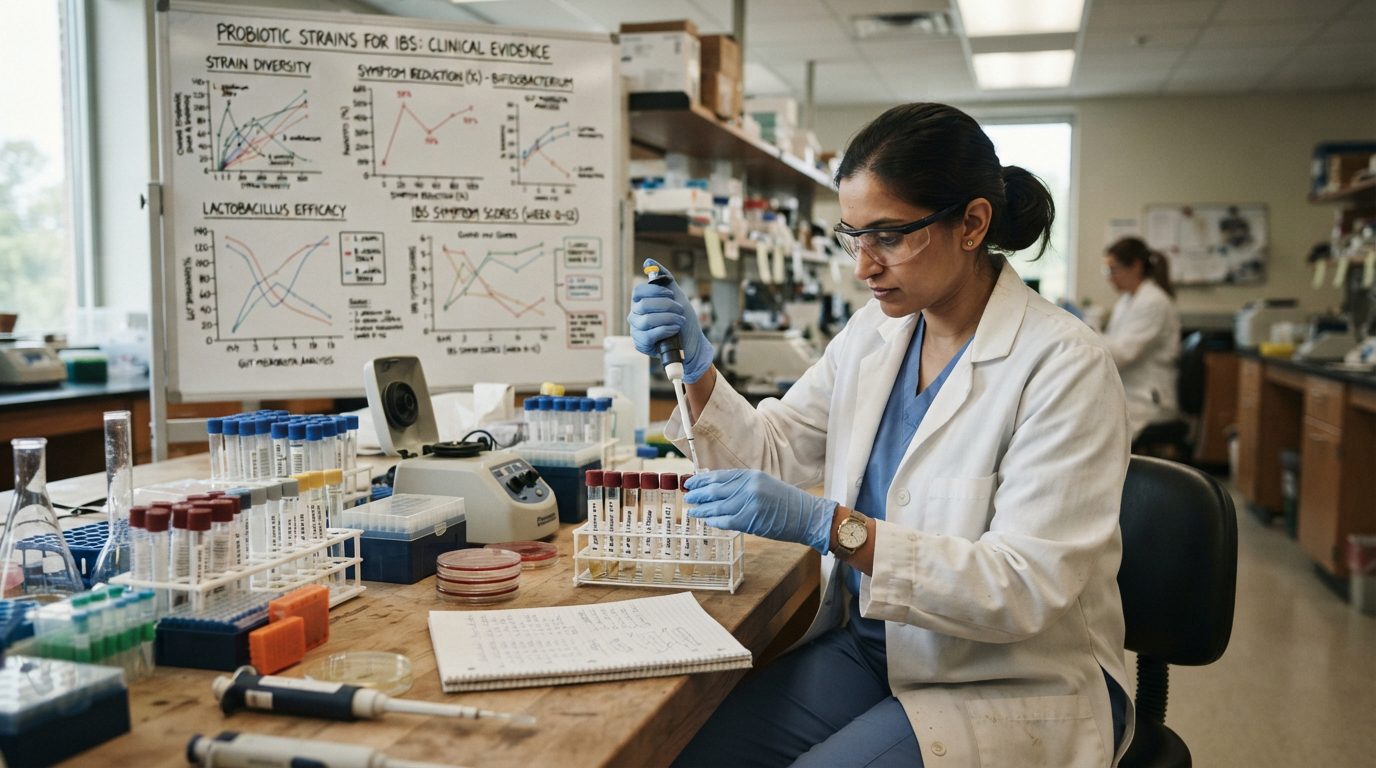
Probiotic strains for IBS: what the clinical evidence actually shows
Probiotic strains for IBS: what the clinical evidence actually shows Probiotic strains for IBS: what the clinical evidence actually shows is important because one big meta-analysis pooled 20 studies and found probiotics outperform placebo for global IBS symptoms. That means we can talk about “works for IBS” in a way that is not based on…
-
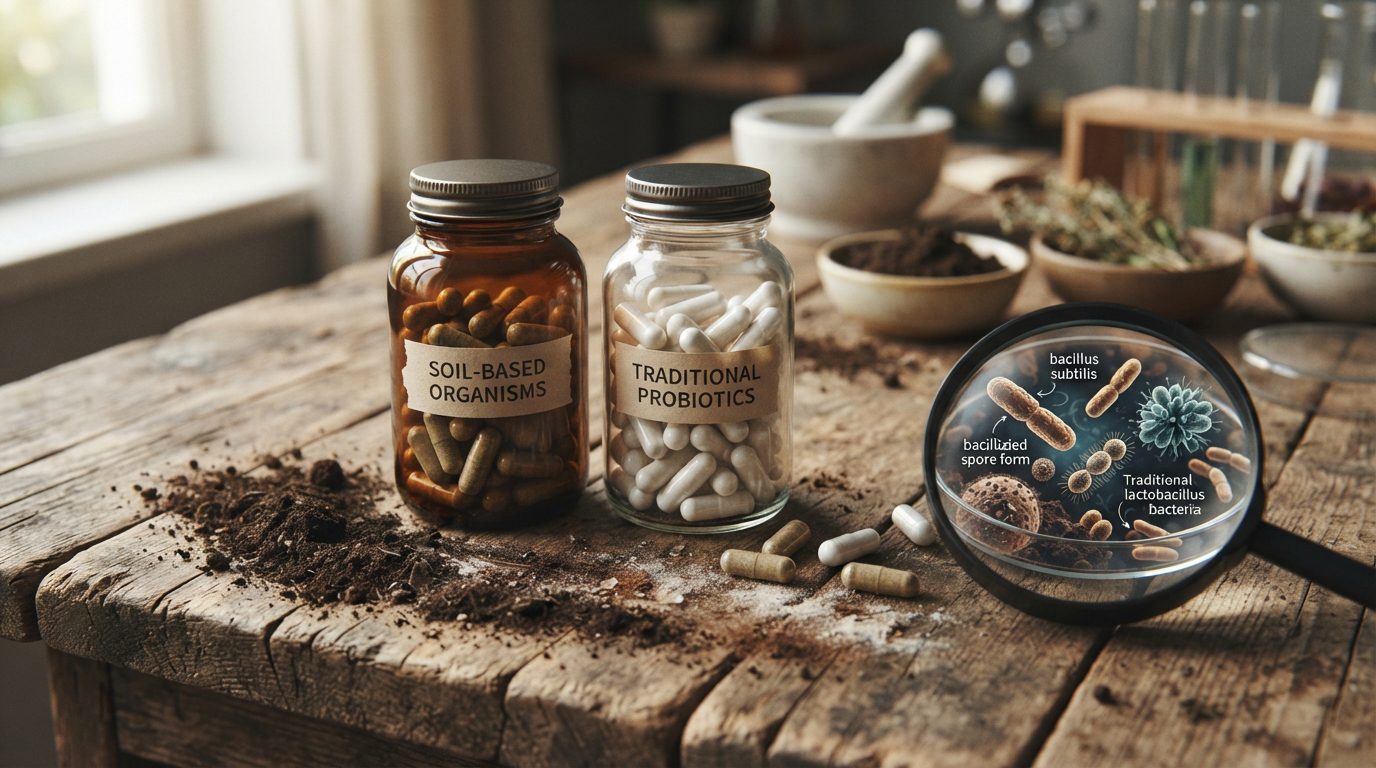
Compare Soil Based Organisms vs Traditional Probiotics for Sensitive Digestion (Best Picks for IBS, Bloating & Gut-Skin Results)
Compare Soil Based Organisms vs Traditional Probiotics for Sensitive Digestion (Best Picks for IBS, Bloating & Gut-Skin Results) Soil Based Organisms vs Traditional Probiotics for Sensitive Digestion is one of the most common questions we get from people whose gut feels touchy, yet they still want an inside-out glow. Did you know that some probiotics…
-
Best Spore-Based Probiotics for Sensitive Stomachs: Gentle, Science-Backed Support That Actually Works
Best Spore-Based Probiotics for Sensitive Stomachs: Gentle, Science-Backed Support That Actually Works When it comes to the Best Spore-Based Probiotics for Sensitive Stomachs, the science is quietly impressive, clinical trials show a 30-day course can reduce markers of gut permeability by 42%, which explains why so many people finally feel relief without the usual bloating.…
-
Ultimate Guide to Using Prebiotic Fibre for Sustained Energy
Ultimate Guide to Using Prebiotic Fibre for Sustained Energy Did you know that 90% of women and 97% of men don’t get enough fibre in their daily diet? That gap is exactly why we put together this ultimate guide to using prebiotic fibre for sustained energy, because we’ve read hundreds of research papers and articles,…
-
How to Choose Quality Digestive Enzymes for Better Nutrient Absorption
How to Choose Quality Digestive Enzymes for Better Nutrient Absorption Did you know that a staggering 70,000,000 people in the United States deal with gastrointestinal disorders every single year? That number alone tells us why so many of you write in asking how to choose quality digestive enzymes for better nutrient absorption, because bloating, sluggish…