
7 Tips for Choosing the Best Probiotic
Choosing the best probiotic for gut health
Table of Contents
In recent years, probiotics have surged in popularity as more people seek to improve their gut health. These beneficial bacteria, when consumed in adequate amounts, can offer a range of health benefits, from improving digestion to boosting immunity.
However, with the overwhelming number of probiotic supplements available on the market, choosing the best probiotic can be daunting. Because not all probiotics are created equal, selecting the right one requires a bit of knowledge about what to look for.
What is the best probiotic for one person, is not the same for another. And if you choosing a probiotic for a specific concern, such as probiotics for gut health and mood, then you’ll want to take that into account.
The best prociotic should be tailored to individual needs and always be backed by evidence
The good news is that once you know, you know, so investing a bit of time upfront will pay dividends. This guide will walk you through how to choose the best probiotic to meet your health needs.
7 Tips to Choose the Best Probiotic for Your Needs
1. Understand Your Health Goals
The first step in choosing the best probiotic is to understand your specific health goals. Different probiotic strains serve different functions, so it’s essential to select a supplement that targets your needs.
Digestive Health: If you’re looking to improve digestion or alleviate symptoms like bloating, gas, or constipation, look for strains like Lactobacillus acidophilus and Bifidobacterium lactis. These are known for their ability to balance the gut microbiome and support digestive function.
Immune Support: For boosting your immune system, strains like Lactobacillus rhamnosus and Bifidobacterium bifidum are effective. These strains help strengthen the gut barrier, preventing harmful pathogens from entering the bloodstream.
Mental Health: If you’re interested in the gut-brain connection, Lactobacillus helveticus and Bifidobacterium longum are known to have positive effects on mood and cognitive function.
Women’s Health: For women, probiotics like Lactobacillus reuteri and Lactobacillus rhamnosus can support vaginal and urinary tract health.
2. Check the Colony Forming Units (CFUs)
Colony Forming Units, or CFUs, indicate the number of live and active microorganisms in each dose of the probiotic. This is a critical factor to consider when choosing a probiotic.
General Health: For overall wellness and maintenance, a probiotic with 10-20 billion CFUs per day is usually sufficient.
Specific Health Concerns: If you’re dealing with a specific health issue, such as digestive disorders or after a course of antibiotics, you may benefit from a higher CFU count, typically between 20-50 billion CFUs.
Children and Seniors: Lower CFU counts (1-10 billion CFUs) are often recommended for children and older adults, as their gut microbiome may be more sensitive.
However, note that The National Institutes of Health advice that the mixture of probiotics may be more important that the CFU, so more may not always be better when it comes to choosing the best probiotic.
3. For the Best Probiotic, Look for Multiple Strains
Diversity in probiotic strains is crucial because different strains offer different benefits. A probiotic with multiple strains can provide more comprehensive support for your gut health.
Broad-Spectrum Support: Look for probiotics that contain a mix of Lactobacillus, Bifidobacterium, and sometimes Saccharomyces boulardii. This combination can cover a wide range of gut health needs, from digestion to immune support.
Targeted Formulations: If you have specific health goals, such as improving mood or supporting weight loss, look for probiotics with strains that have been researched for those purposes.
A natural and easy way to get a wider variety and mix of probiotics is kefir! One of the best probiotic sources is either kefir milk or kefir yogurt, and I make sure to enjoy a little every day!
4. Consider the Delivery Method
The way a probiotic is delivered can impact its effectiveness. Probiotics need to survive the acidic environment of the stomach to reach the intestines, where they exert their benefits.
Capsules and Tablets: These are the most common forms and are generally effective. Look for enteric-coated capsules that protect the bacteria from stomach acid.
Powders: Probiotic powders can be mixed into food or drinks. They are a good option if you have trouble swallowing pills, but ensure the product is stable and contains live bacteria.
Liquid Probiotics: These are less common but can be effective. However, they often have a shorter shelf life and may require refrigeration.
5. Check for Quality Assurance
Quality is crucial when it comes to probiotics. Since they contain live organisms, they are sensitive to heat, moisture, and light, which can affect their potency.
Third-Party Testing: Look for probiotics that have been tested by independent labs. This ensures that the CFU count is accurate and that the product is free from contaminants. Ideally, the supplement itself should be clinically studied, as manufacturing methods can impact the probiotic content.
Expiration Date: Always check the expiration date. A good probiotic should be potent until the date listed. Avoid products that don’t list an expiration date, as they may not be reliable.
Storage Requirements: Some probiotics require refrigeration to maintain their potency, while others are shelf-stable. Make sure you follow the storage instructions to keep the probiotics effective.
6. Avoid Unnecessary Additives
Some probiotics contain fillers, artificial colors, or preservatives that are unnecessary and could even be harmful, especially for those with sensitivities.
Minimal Ingredients: Choose probiotics with minimal and natural ingredients. The primary focus should be on the bacterial strains and the medium that keeps them alive, such as a prebiotic fiber.
Allergen-Free: If you have allergies or dietary restrictions, check the label for potential allergens like dairy, gluten, or soy.
7. Read Reviews and Research the Best Probiotic Brand
Finally, before making a purchase, take the time to read reviews and research the brand. Customer reviews can provide insight into the product’s effectiveness and any potential side effects.
Reputable Brands: Stick with well-known brands that have a history of producing high-quality supplements. These companies are more likely to invest in research and quality control.
Scientific Backing: Look for brands that provide references to clinical studies supporting their product’s claims. This indicates that the best probiotic has been researched and is more likely to be effective.
Summary: Choosing the Best Probiotic
Choosing the best probiotic involves understanding your health needs, checking for a sufficient CFU count, ensuring diversity in strains, and considering the delivery method. Quality assurance is key, so opt for products that are third-party tested and free from unnecessary additives.
By following these pointers, you can select the best probiotic that supports your health goals and provides the benefits you’re looking for. Remember, probiotics are an investment in your health, so taking the time to choose the right one is worth it.
NOTE: This does not constitute or substitute for medical advice! Seek professional healthcare advice as needed
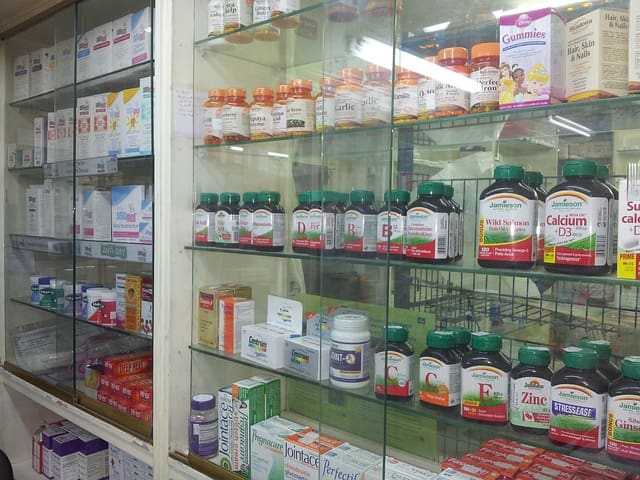
What’s the best probiotic for gut health? And how do you recognize ‘bad’ probiotics?
Image by moakets from Pixabay
How to Recognize Bad Probiotics and Avoid Low-Quality Products?
So, now we know what makes a great probiotic supplement. However, not all probiotics are created equal. With so many options on the market, it’s equally important to know how to recognize bad probiotics and avoid low-quality products that could be ineffective or even harmful.
Understanding What Makes a Probiotic “Bad”
Before diving into the specifics of what makes a probiotic bad, it’s essential to understand what probiotics are and how they work. Probiotics are live microorganisms, primarily bacteria, that, when administered in appropriate amounts, confer health benefits to the host. The key to their effectiveness lies in the type and amount of bacteria they contain, their survival through the digestive tract, and their ability to colonize the gut.
1. Low Colony Forming Units (CFUs)
One of the first indicators of a low-quality probiotic is its CFU count. CFUs, or Colony Forming Units, measure the number of viable bacteria in a probiotic. A good probiotic supplement should contain billions of CFUs per dose, often ranging from 5 to 50 billion or more. Probiotics with low CFU counts (under 1 billion CFUs) are unlikely to be effective because many of the bacteria may not survive the journey through the stomach’s acidic environment.
How to Avoid: Always check the CFU count on the product label. For general health, a daily dose of 10-20 billion CFUs is typically recommended. If the product has less than this, it might not provide any noticeable benefits.
2. Lack of Diversity in Strains
A quality probiotic should contain a variety of bacterial strains. Different strains of probiotics serve different functions, and a diverse range can provide more comprehensive benefits. For example, Lactobacillus strains are known for their role in digestive health, while Bifidobacterium strains are more effective at supporting immune function. A bad probiotic may contain only one or two strains, limiting its effectiveness.
How to Avoid: Look for probiotics that list several strains, such as Lactobacillus acidophilus, Bifidobacterium bifidum, and Saccharomyces boulardii. A diverse formula is more likely to support overall gut health.
3. Poor Quality Control and Manufacturing Practices
The quality of a probiotic product is heavily influenced by the manufacturing process. Bad probiotics often come from companies that do not adhere to good manufacturing practices (GMP). This can result in products that are contaminated, mislabeled, or less potent than advertised. Additionally, probiotics are sensitive to heat and moisture, and improper storage can kill the live bacteria, rendering the product ineffective.
How to Avoid: Choose probiotics from reputable brands that follow GMP and have their products tested by third-party labs for potency and purity. Look for probiotics that are stored in dark, moisture-resistant packaging to preserve their viability.
4. Absence of Expiry Date or “Best By” Date
Probiotics are living organisms, and their potency diminishes over time. A bad probiotic might not include an expiry date or “best by” date, making it impossible to know if the bacteria are still alive. Without this information, you could be taking a supplement that is no longer effective.
How to Avoid: Always check the label for an expiry date. Choose products that are well within their expiry to ensure you’re getting a potent dose of live bacteria.
5. Misleading Health Claims
Some low-quality probiotics make exaggerated or misleading health claims, such as promising to cure specific diseases or provide instant results. While probiotics can offer significant health benefits, they are not a cure-all, and results can vary depending on the individual and the condition being addressed. Products that overpromise are often of poor quality and may not have the scientific backing to support their claims.
How to Avoid: Be wary of probiotics that make bold claims like “cures all digestive issues” or “instant gut health improvement.” Instead, look for products that provide clear, evidence-based benefits and don’t promise miracles.

Discover the Best Probiotic for Gut Health, Plus What to Avoid!
6. Avoid Unnecessary Additives and Fillers
Bad probiotics may contain unnecessary additives, fillers, or artificial ingredients that can irritate the gut or cause adverse reactions, especially in sensitive individuals. These include ingredients like magnesium stearate, artificial colors, or preservatives that have no health benefits and may even harm your gut microbiome.
How to Avoid: Check the ingredient list and avoid products with a long list of additives. Opt for probiotics with minimal, natural ingredients that focus on the bacteria strains and a few necessary stabilizers.
7. Lack of Scientific Evidence or Clinical Studies
A probiotic’s effectiveness should be supported by scientific evidence and clinical studies. Bad probiotics may lack this backing, meaning their benefits are unproven or purely anecdotal. High-quality probiotics, on the other hand, are often formulated based on research and have clinical trials to support their claims.
How to Avoid: Look for probiotics that reference scientific studies on their packaging or website. If a product has been clinically tested and proven effective, the manufacturer will likely highlight this.
Summary: How to Recognize Bad Probiotics
Recognizing bad probiotics and avoiding low-quality products is crucial for ensuring you’re investing in a supplement that will actually benefit your health. By paying attention to factors like CFU count, strain diversity, quality control, and scientific backing, you can make informed decisions and choose a probiotic that truly supports your gut health. Remember, probiotics are an investment in your well-being, so it’s worth taking the time to select a high-quality product.
More posts you might enjoy:
-

Sea Buckthorn: The #1 Skin and Gut Health Superfood You Should Know About
Sea Buckthorn: The Skin and Gut Health Superfood You Should Know About Sea buckthorn has gained a cult following among skincare and wellness enthusiasts — and for good reason. Rich in rare fatty acids, vitamins, and antioxidants, this bright orange berry supports both your outer glow and inner gut health. Having tried it myself in…
-
Easy high fiber meals – Fueling your glow from the inside out
Easy High Fiber Meals – Boost Your Skin Glow, Inside Out Looking for a quick overview of how to add more fiber to your diet? We’ve got you covered with these ideas for easy high fiber meals to keep your gut happy and your meals exciting! Because eating enough fiber is a key to glowing…
-
Best Probiotics for Acne? 12 That Actually Work (Derm & Gut-Backed)
Best Probiotics for Acne? 12 That Actually Work (Derm & Gut-Backed) If you struggle with acne, you’re not alone—acne affects over 650 million people worldwide. I was one of them for many years, until I realised that skin health is more than just skin deep! In fact, new research shows that balancing your skin and…
-
Water Kefir vs Milk Kefir: Which actually fixes bloating?
Water kefir vs milk kefir: which actually fixes bloating? Water kefir vs milk kefir: which actually fixes bloating? The honest answer is that neither is a guaranteed fix, but understanding what goes into each drink can help you choose one that better matches your diet and likely triggers. Key Takeaways What kefir is and how…
-
Probiotic strains for IBS: what the clinical evidence actually shows
Probiotic strains for IBS: what the clinical evidence actually shows Probiotic strains for IBS: what the clinical evidence actually shows is important because one big meta-analysis pooled 20 studies and found probiotics outperform placebo for global IBS symptoms. That means we can talk about “works for IBS” in a way that is not based on…
-
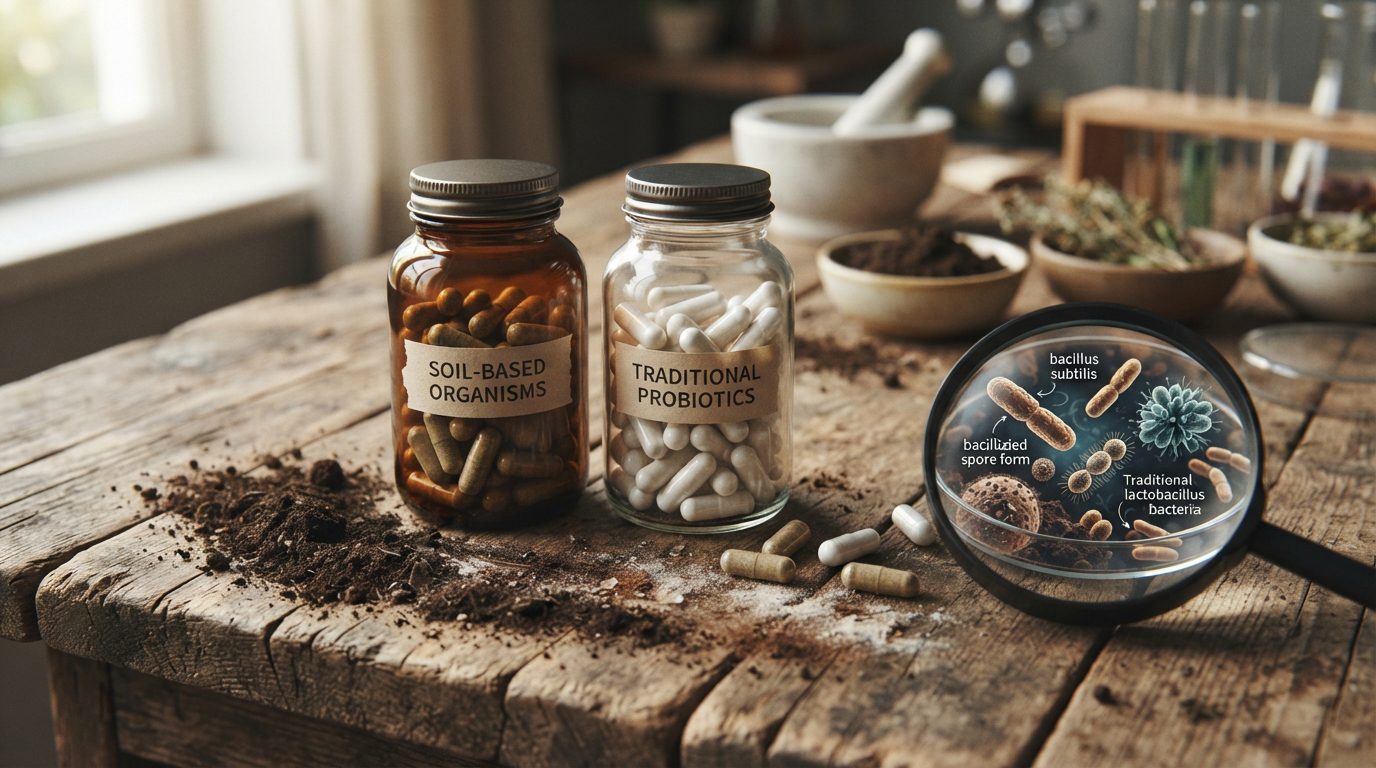
Compare Soil Based Organisms vs Traditional Probiotics for Sensitive Digestion (Best Picks for IBS, Bloating & Gut-Skin Results)
Compare Soil Based Organisms vs Traditional Probiotics for Sensitive Digestion (Best Picks for IBS, Bloating & Gut-Skin Results) Soil Based Organisms vs Traditional Probiotics for Sensitive Digestion is one of the most common questions we get from people whose gut feels touchy, yet they still want an inside-out glow. Did you know that some probiotics…
-
Best Spore-Based Probiotics for Sensitive Stomachs: Gentle, Science-Backed Support That Actually Works
Best Spore-Based Probiotics for Sensitive Stomachs: Gentle, Science-Backed Support That Actually Works When it comes to the Best Spore-Based Probiotics for Sensitive Stomachs, the science is quietly impressive, clinical trials show a 30-day course can reduce markers of gut permeability by 42%, which explains why so many people finally feel relief without the usual bloating.…
-
Ultimate Guide to Using Prebiotic Fibre for Sustained Energy
Ultimate Guide to Using Prebiotic Fibre for Sustained Energy Did you know that 90% of women and 97% of men don’t get enough fibre in their daily diet? That gap is exactly why we put together this ultimate guide to using prebiotic fibre for sustained energy, because we’ve read hundreds of research papers and articles,…
-
How to Choose Quality Digestive Enzymes for Better Nutrient Absorption
How to Choose Quality Digestive Enzymes for Better Nutrient Absorption Did you know that a staggering 70,000,000 people in the United States deal with gastrointestinal disorders every single year? That number alone tells us why so many of you write in asking how to choose quality digestive enzymes for better nutrient absorption, because bloating, sluggish…