

Our No. 1 hummus recipe
I could eat hummus as a main dish, it’s so good 😀 Hummus is a popular dish of Arab origin, creamy and smooth with an abundance of flavor. It’s perfect as a dip or side dish if you’re doing a barbecue!
Table of Contents
Hummus ingredients
- 2 cans of chickpeas, 400 grams each
- 1-2 tablespoons tahini (depends on your personal taste, start with one)
- 3 cloves of garlic, peeled and crushed
- 1/2 teaspoon ground cumin
- 1/2 teaspoon salt
- Juice of 1/2 lemon
- 0.5 dl extra virgin olive oil
- 1 dl almond milk (or regular milk)
Garnish (optional) - Pinch of dried chilli
- Pinch of ground paprika
- Chopped flat-leaf parsley
Scroll down for method!

Gut health, fiber & wellbeing the easy way?
Try “Pure” supplement with dietary fiber* & probiotics from Rain International (affiliate link).
*2 grams of fiber per serving, 8% of daily value.
Method
- Rinse the chickpeas in cold water and place in a bowl
- Add the remaining ingredients
- Using a stick blender, mix until smooth
- Garnish with dried chilli and / or paprika, plus chopped parsley
- Sprinkle with a little olive oil.
Health benefits
Chickpeas, tahini, garlic, and cumin are key ingredients in many Mediterranean and Middle Eastern dishes, each offering unique health benefits.
Chickpeas
Chickpeas, also known as garbanzo beans, are a rich source of protein, fiber, vitamins, and minerals. Their high fiber content aids in digestion and helps maintain healthy blood sugar levels, making them beneficial for people with diabetes. The protein in chickpeas is essential for muscle repair and growth, while their iron content supports blood health. Chickpeas also contain antioxidants that help reduce inflammation and lower the risk of chronic diseases such as heart disease.

Discover the important difference between probiotics and prebiotics!
Tahini
Tahini is a paste made from ground sesame seeds, providing a significant amount of healthy fats, particularly omega-3 and omega-6 fatty acids. These fats are crucial for brain health, reducing inflammation, and supporting cardiovascular health. Tahini is also rich in calcium, which is important for bone health, and magnesium, which plays a role in over 300 enzymatic reactions in the body, including energy production and muscle function. Additionally, tahini contains lignans, plant compounds with antioxidant properties that may reduce the risk of certain cancers.
Garlic
Garlic is well-known for its potent medicinal properties, primarily due to the compound allicin, which has antimicrobial, antiviral, and antifungal properties. Regular consumption of garlic can boost the immune system, helping the body ward off illnesses. Garlic also has cardiovascular benefits; it can lower blood pressure and cholesterol levels, reducing the risk of heart disease. Its anti-inflammatory properties can help alleviate symptoms of arthritis and other inflammatory conditions. Furthermore, garlic has been shown to have cancer-preventive properties, particularly in reducing the risk of stomach and colorectal cancers.
Cumin
Cumin is a spice derived from the seeds of the Cuminum cyminum plant. It is packed with antioxidants, which help neutralize harmful free radicals in the body. Cumin aids digestion by stimulating the secretion of pancreatic enzymes, which are necessary for proper digestion and nutrient absorption. It also has anti-inflammatory properties, making it useful in managing inflammatory conditions. Cumin is rich in iron, supporting healthy blood production and preventing anemia. Additionally, some studies suggest that cumin may enhance memory and cognitive function and possess antimicrobial properties that protect against foodborne infections.
Extra virgin olive oil
Extra virgin olive oil supports gut health by promoting beneficial bacteria, reducing inflammation, and enhancing the gut barrier function, leading to improved digestion and overall gastrointestinal health.
The culinary history
Hummus, a creamy spread made from chickpeas (or garbanzo beans), tahini (sesame seed paste), olive oil, lemon juice, garlic, and spices, has a rich culinary history that spans centuries and is deeply rooted in the cuisines of the Middle East and the Mediterranean.
Its exact origins are debated and shrouded in culinary mystery. Its ingredients—chickpeas, sesame, lemon, and garlic—are ancient foods cultivated in the Middle East for thousands of years. Chickpeas date back to around 9500 BCE in Turkey and neighboring regions, while sesame seeds have been pressed into oil and paste for millennia. Lemon and garlic were also staples in ancient Middle Eastern cooking.
The dish is believed to have emerged sometime during the medieval period. The earliest known written recipes for a dish resembling hummus appear in 13th-century cookbooks from Cairo.
Cultural Significance
Hummus is deeply tied to the food cultures of several countries in the Middle East, including Lebanon, Israel, Palestine, Jordan, Syria, Egypt, and Turkey. Each culture has its own variations and traditions, and hummus is often a source of culinary pride:
- Lebanon: a key part of mezze, a spread of small dishes served as appetizers.
- Israel and Palestine: a national dish often eaten with fresh pita bread or flatbreads.
- Egypt: A similar dish, known as hummus ful, incorporates fava beans and has a slightly different texture and flavor.
- Turkey: Chickpeas are blended with yogurt and garlic for a unique spin on the dish.
Hummus has become symbolic of Middle Eastern hospitality and is often served at gatherings or shared at meals. It also plays a unifying role in the region’s shared culinary traditions, despite political and cultural divides.
Hummus in the Modern World
In the 20th century, hummus gained international popularity, particularly in Western countries, where it was introduced as a healthy and versatile food. Its high protein and fiber content and its suitability for vegan and vegetarian diets contributed to its rise as a global phenomenon.
- 1970s-1980s: Hummus entered health food stores and specialty shops in Europe and North America.
- 1990s-Present: With the expansion of Mediterranean and Middle Eastern restaurants and the rise of packaged versions, hummus became a household staple in many countries.
Today, it is enjoyed worldwide and has inspired countless variations, including flavored hummus with roasted red peppers, sun-dried tomatoes, beets, avocado, and even dessert versions like chocolate hummus.
Conclusion
Hummus’s history is as rich as its flavor, evolving from its likely medieval Middle Eastern roots into a globally loved food. While its exact birthplace remains contested, its enduring appeal lies in its simplicity, adaptability, and connection to the culinary traditions of many cultures.
how to cook hummus recipe
Other recipes and posts you might like:
-

Sea Buckthorn: The #1 Skin and Gut Health Superfood You Should Know About
Sea Buckthorn: The Skin and Gut Health Superfood You Should Know About Sea buckthorn has gained a cult following among skincare and wellness enthusiasts — and for good reason. Rich in rare fatty acids, vitamins, and antioxidants, this bright orange berry supports both your outer glow and inner gut health. Having tried it myself in…
-
Easy high fiber meals – Fueling your glow from the inside out
Easy High Fiber Meals – Boost Your Skin Glow, Inside Out Looking for a quick overview of how to add more fiber to your diet? We’ve got you covered with these ideas for easy high fiber meals to keep your gut happy and your meals exciting! Because eating enough fiber is a key to glowing…
-
Best Probiotics for Acne? 12 That Actually Work (Derm & Gut-Backed)
Best Probiotics for Acne? 12 That Actually Work (Derm & Gut-Backed) If you struggle with acne, you’re not alone—acne affects over 650 million people worldwide. I was one of them for many years, until I realised that skin health is more than just skin deep! In fact, new research shows that balancing your skin and…
-
Probiotic strains for IBS: what the clinical evidence actually shows
Probiotic strains for IBS: what the clinical evidence actually shows Probiotic strains for IBS: what the clinical evidence actually shows is important because one big meta-analysis pooled 20 studies and found probiotics outperform placebo for global IBS symptoms. That means we can talk about “works for IBS” in a way that is not based on…
-
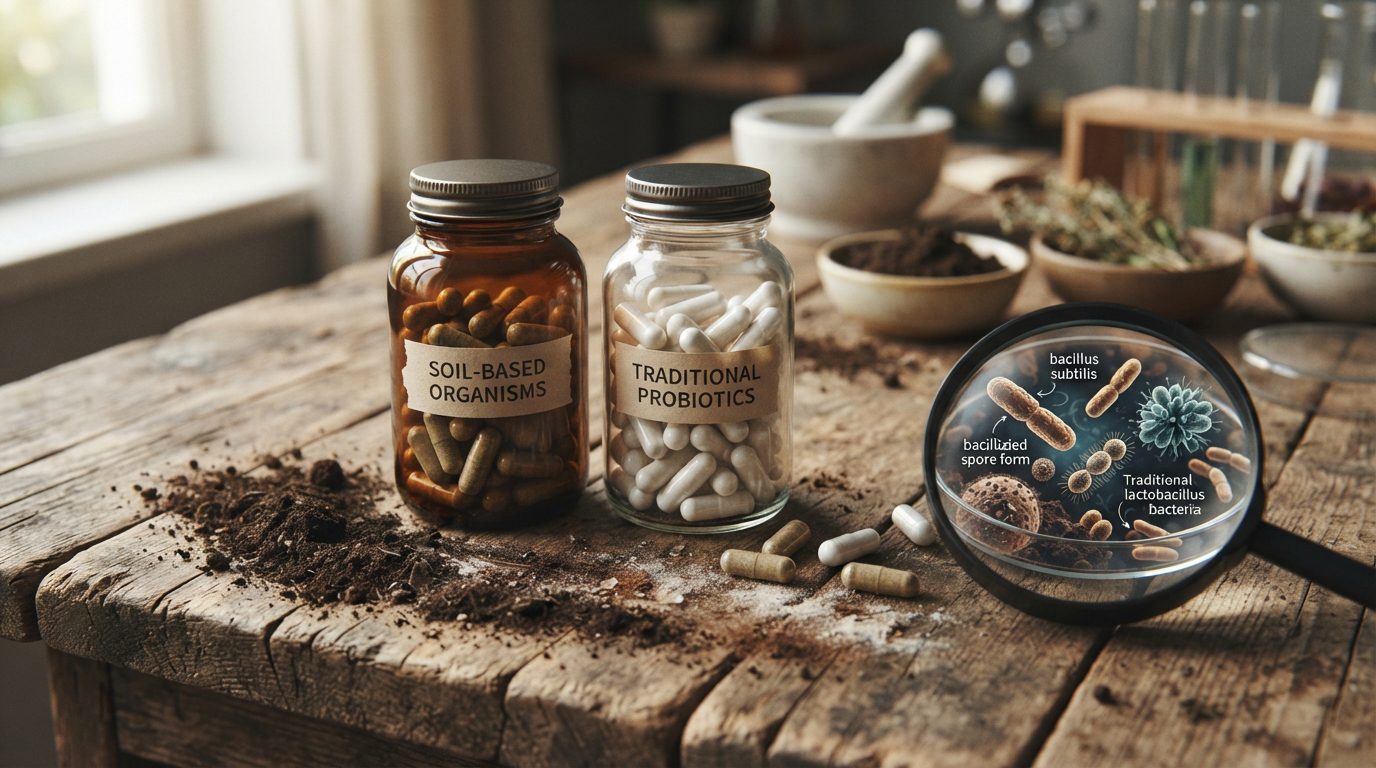
Compare Soil Based Organisms vs Traditional Probiotics for Sensitive Digestion (Best Picks for IBS, Bloating & Gut-Skin Results)
Compare Soil Based Organisms vs Traditional Probiotics for Sensitive Digestion (Best Picks for IBS, Bloating & Gut-Skin Results) Soil Based Organisms vs Traditional Probiotics for Sensitive Digestion is one of the most common questions we get from people whose gut feels touchy, yet they still want an inside-out glow. Did you know that some probiotics…
-
Best Spore-Based Probiotics for Sensitive Stomachs: Gentle, Science-Backed Support That Actually Works
Best Spore-Based Probiotics for Sensitive Stomachs: Gentle, Science-Backed Support That Actually Works When it comes to the Best Spore-Based Probiotics for Sensitive Stomachs, the science is quietly impressive, clinical trials show a 30-day course can reduce markers of gut permeability by 42%, which explains why so many people finally feel relief without the usual bloating.…
-
Ultimate Guide to Using Prebiotic Fibre for Sustained Energy
Ultimate Guide to Using Prebiotic Fibre for Sustained Energy Did you know that 90% of women and 97% of men don’t get enough fibre in their daily diet? That gap is exactly why we put together this ultimate guide to using prebiotic fibre for sustained energy, because we’ve read hundreds of research papers and articles,…
-
How to Choose Quality Digestive Enzymes for Better Nutrient Absorption
How to Choose Quality Digestive Enzymes for Better Nutrient Absorption Did you know that a staggering 70,000,000 people in the United States deal with gastrointestinal disorders every single year? That number alone tells us why so many of you write in asking how to choose quality digestive enzymes for better nutrient absorption, because bloating, sluggish…
-
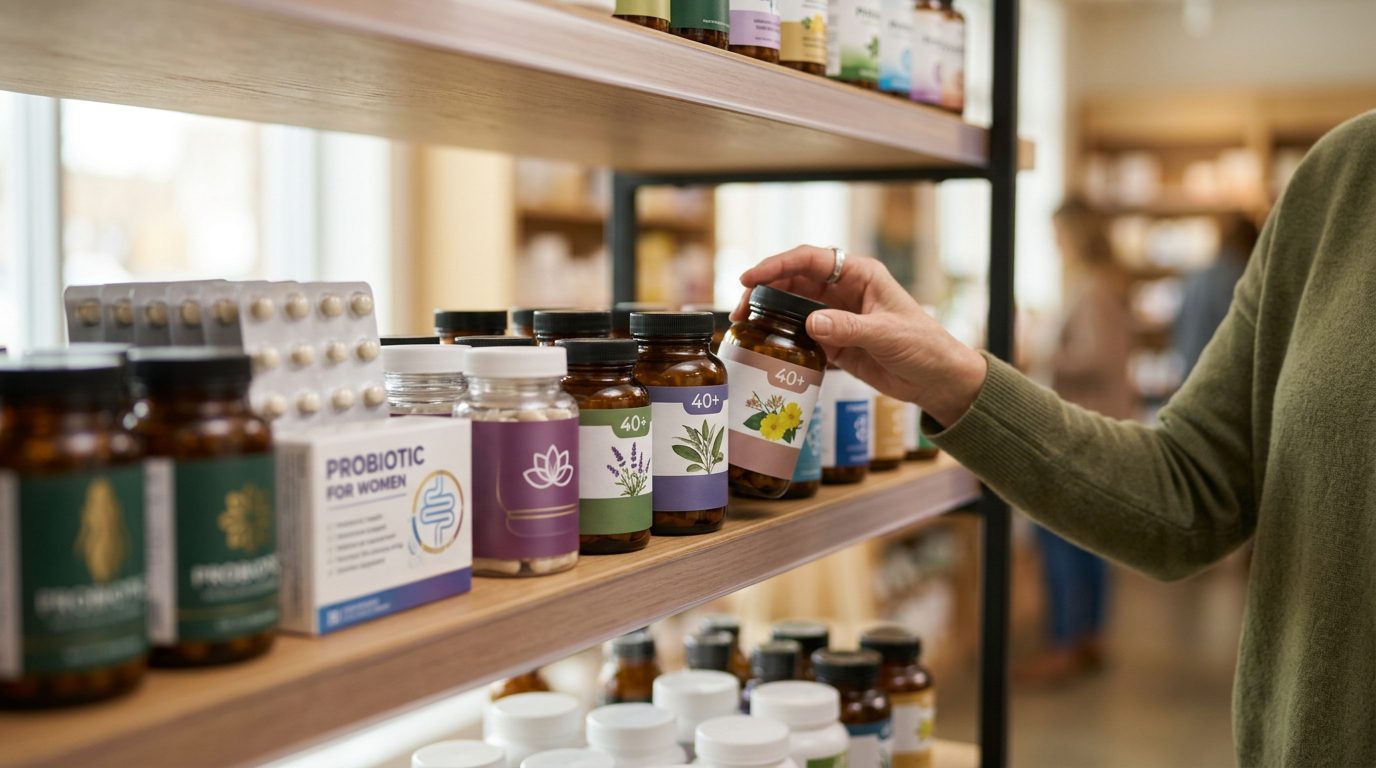
Best Probiotics for Women Over 40: Our Science-Backed Pick of the Top Strains
Best Probiotics for Women Over 40: Our Science-Backed Pick of the Top Strains Finding the best probiotics for women over 40 has become one of the most-asked questions we get, and here’s a number that stopped us in our tracks: a striking 94% of women going through menopause report digestive health issues, often tied to…
-
Digestive Disorders & Microbiome Recovery: What the Science Actually Says
Digestive Disorders & Microbiome Recovery: What the Science Actually Says A single course of antibiotics can reduce gut microbial species by approximately 20, according to a Swedish analysis of nearly 15,000 adults, and that disruption can persist for years. This finding sits at the heart of why digestive disorders and microbiome recovery have become one…






How to cook hummus recipe?