

How to heal a leaky gut (and what is it anyways)!
Leaky Gut: 3 Powerful Probiotics To Heal Your Gut
Leaky gut syndrome, also known as increased intestinal permeability, is a condition that has gained increasing attention in recent years. So, leaky gut, what is it? Simply put, it refers to a condition wherein the lining of the small intestine becomes more permeable than normal. This may allow substances such as toxins, undigested food, and bacteria to leak into the blood.
As a result, leaky gut can trigger inflammation in the body and potentially lead to a range of health issues.
Table of Contents
Understanding the basics of leaky gut
In order to fully comprehend the concept of leaky gut, let’s explore the intricacies of the human digestive system.
Definition and overview of leaky gut
You may experience the symptoms for leaky gut syndrome occurs when the gut lining is damaged, resulting in increased permeability.
The small intestine, where the majority of nutrients are absorbed, is lined with tight junctions. These tight junctions act as a barrier to keep harmful substances from crossing into the blood.
When these tight junctions become loose or damaged, it allows larger molecules to pass through. In turn, they may enter the bloodstream, thereby triggering an immune response and inflammation.
Why the gut barrier matters
The digestive system is a complex network of organs and processes that work together to break down food, absorb nutrients, and eliminate waste.
The small intestine is particularly susceptible to developing a leaky gut, as it is responsible for the absorption of nutrients from the food we consume.
If the integrity of the intestinal lining is compromised, it can disrupt the gut microbiome and cause dysbiosis.
Moreover, the gut lining is not just a physical barrier but also plays a crucial role in immunity. In fact, ~70% of the body’s immune system is located in the gut! And the immune system, and the trillions of bacteria in the gut, work closely together.
When the gut barrier is compromised, it can lead to an immune response against harmless substances, triggering allergies and sensitivities. This immune activation can also contribute to the development of autoimmune conditions, as the body mistakenly attacks its tissues.
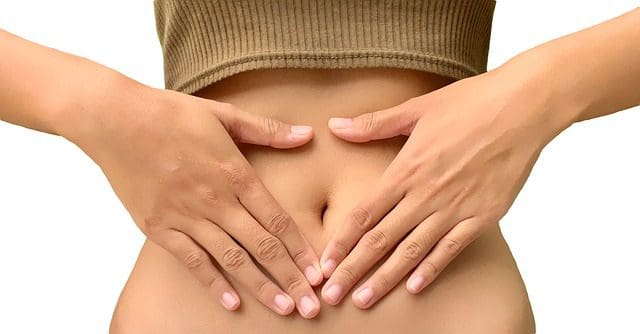
Furthermore, factors such as chronic stress, poor diet, infections, and certain medications can all contribute to the development of leaky gut. Chronic stress, for example, can increase intestinal permeability. It does so through the release of stress hormones like cortisol, which can weaken the tight junctions in the gut lining.
So, what is the cause of leaky gut?
Several factors can contribute to the development of leaky gut syndrome, including dietary influences and high-stress levels.
Leaky gut is also known as increased intestinal permeability. When intestines become more porous, it allows undigested food, toxins, and bacteria to leak into the blood. This can trigger an immune response and lead to various symptoms, such as bloating, fatigue, and food sensitivities.
Dietary influences on gut health
Consuming a diet high in processed foods, refined sugars, and artificial additives can disrupt the microbiome and gut lining.
Furthermore, lack of nutrients like zinc, vitamin A, and glutamine, which are essential for maintaining gut barrier function, can also contribute to the development of leaky gut.
On the other hand, a diet rich in whole foods, fiber, and fermented foods can support gut health and promote a strong intestinal barrier. Probiotic-rich foods like yogurt, kefir, and sauerkraut can help maintain a healthy balance of gut bacteria and reduce inflammation in the gut.
What is the impact of stress?
Chronic stress has been shown to have a negative impact on gut health. When the body is under stress, it releases stress hormones such as cortisol, which can disrupt the balance of gut bacteria and increase intestinal permeability.
Moreover, stress can trigger low-grade inflammation in the body, further compromising the intestinal barrier and contributing to symptoms for leaky gut syndrome. This inflammatory response can affect the gut-brain axis, leading to conditions like irritable bowel syndrome (IBS) and exacerbating gastrointestinal symptoms.
It is important to manage stress levels through practices such as exercise, mindfulness, and adequate sleep to support overall gut health. Mind-body techniques like yoga and meditation can help reduce stress and improve gut function by promoting relaxation and reducing inflammation in the body.
Symptoms associated with leaky gut
Leaky gut syndrome can manifest in various ways, both physically and psychologically.
Understanding the intricate relationship between the gut and overall health is crucial in addressing the symptoms associated with leaky gut syndrome.
What is the physical impact of leaky gut?
Common physical symptoms for leaky gut syndrome include bloating, gas, diarrhea, constipation, and abdominal pain.
It is important to note that leaky gut can also lead to nutrient malabsorption, as the compromised intestinal barrier fails to effectively absorb essential vitamins and minerals.

Individuals with leaky gut may also experience food sensitivities or allergies, as the compromised intestinal lining allows larger food particles to enter the bloodstream, triggering an immune response. In some cases, skin issues such as eczema or acne may also be present due to the inflammatory response triggered by leaky gut.
What is the psychological impact of leaky gut?
Many people with leaky gut syndrome also report experiencing psychological symptoms such as fatigue, brain fog, anxiety, and depression.
Research suggests that the gut microbiome plays a significant role in mental health. For example, imbalances in gut bacteria may contribute to mood disorders.
This is linked to the gut-brain connection, where the health of the gut directly impacts the brain and neurotransmitter production.
Improving gut health through dietary and lifestyle interventions can have a significant positive impact on mental well-being.
Furthermore, chronic stress can exacerbate leaky gut symptoms. It can be a vicious cycle between gut health and mental health.
What is the science behind leaky gut?
Understanding the underlying mechanisms of leaky gut can shed light on its significance in overall health and well-being. For instance, leaky gut can trigger an immune response and lead to chronic inflammation throughout the body.
The role of intestinal permeability
Intestinal permeability is regulated by tight junction proteins, which act as gatekeepers to control the passage of molecules into the bloodstream.
When these tight junctions are compromised or damaged, it allows larger molecules to pass through, leading to immune activation and inflammation.
Research has shown that factors such as chronic stress, poor diet, and certain medications can contribute to the breakdown of these tight junctions, increasing the risk of suffering the symptoms for leaky gut syndrome.
Scientific studies have shown that increased intestinal permeability is linked to chronic health issues such as autoimmune diseases and allergies.
Leaky gut: what is the link between gut barrier and microbiome health?
The gut microbiome, composed of trillions of microorganisms, plays a crucial role in maintaining gut health.
Imbalances in the gut microbiota, known as dysbiosis, can disrupt the intestinal barrier function and contribute to leaky gut.
Furthermore, dysbiosis can also lead to the production of metabolites and endotoxins that can further exacerbate inflammation and impact overall health.
What is the best probiotic for leaky gut?
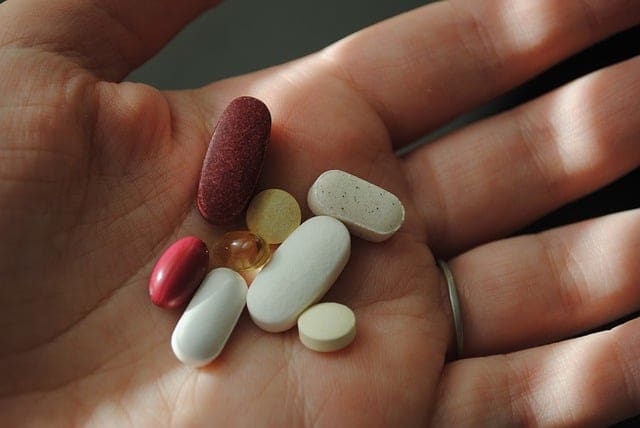
Probiotics are beneficial bacteria that help maintain a healthy balance of gut flora. Indeed, they help support gut health and reduce leaky gut. Including probiotic-rich foods like yogurt, kefir, and sauerkraut in your diet may help promote a healthy gut microbiome and gut lining. If you prefer a quick and easy way to take probiotics, then a probiotic supplement to strengthen your gut barrier might be something you want to try.
3 best probiotics to help heal a leaky gut
Because it’s essential that that the probiotic reach its destination in your gut undamaged, it’s worth investing in a science-backed supplement. Also note that different strains of probiotics have different effects, and it’s recommended to choose a probiotic supplement with multiple relevant strains.
Here are 3 of the best science-backed probiotics for leaky gut:
Seed DS-01® Daily Synbiotic
Seed’s DS-01® Daily Synbiotic is designed to support gut health and overall well-being for adults. It is a highly concentrated synbiotic – meaning a probiotic-prebiotic mix. In fact, it combines over 20 healthy bacteria strains with a non-fermenting prebiotic.
Raw Probiotics 5-Day Max Care
Garden of Life’s Raw Probiotics 5-Day Max Care is a highly potent probiotic with over 30 probiotic strains. They include four major probiotics for leaky gut and healing the gut lining (Lactobacillus rhamnosus GG, Lactobacillus acidophilus, Lactobacillus plantarum, Saccharomyces boulardii).
NovoMins Bio-Bac Gummies
NovoMins Bio-Bac Gummies contain several probiotic strains to heal leaky gut and help repair the intestinal barrier. For example, gut barrier repair probiotics include Bifidobacterium breve M-16V, Bifidobacterium animalis Bb-12, and Bifidobacterium lactis (specific strain not listed).
How to test and diagnose leaky gut
Diagnosing symptoms for leaky gut syndrome can be challenging as there is no definitive medical test available. However, certain procedures and tests can provide insights into gut health.
One commonly used leaky gut test to assess intestinal permeability is the lactulose-mannitol test. This test involves ingesting a solution containing lactulose and mannitol and measuring their levels in the urine. Increased levels of both substances indicate increased intestinal permeability. It is a non-invasive and relatively simple test that can provide valuable information about the health of your gut.
In addition to the lactulose-mannitol test, there are other tests that can help evaluate gut health. For example, zonulin tests can measure the levels of zonulin, a protein that regulates intestinal permeability. Elevated levels of zonulin may indicate increased intestinal permeability and potential leaky gut syndrome.
Another useful test is microbial analysis, which involves analyzing the composition of the gut microbiota. Imbalances in the gut microbiota, known as dysbiosis, have been linked to various gastrointestinal conditions, including symptoms for leaky gut syndrome. By examining the types and quantities of bacteria in your gut, microbial analysis can provide insights into the health of your gut ecosystem.
HUM2N Gut Barrier Panel Test
The HUM2N Gut Barrier Panel Test looks directly for intestinal permeability (leaky gut) by measuring the presence of Occludin & Zonulin in your blood. Occludin and zonulin are proteins released in the breakdown of gut cell junctions.
This test also looks for the overgrowth of Candida and pro inflammatory bacteria/ endotoxins that may drive inflammation in your blood. LPS (lipolysaccharides) are the major component of the outer wall of Gram negative bacteria and they are linked to dysbiosis.
What is the best way to interpret these tests?
Interpreting test results for leaky gut can be complex as there is no consensus on what constitutes normal or abnormal values. It is essential to consult with a healthcare professional who is knowledgeable about gut health to interpret your results in the context of your overall health and symptoms. They will consider various factors, such as your medical history and any accompanying symptoms, to provide a comprehensive evaluation.
Remember, a comprehensive evaluation of symptoms, medical history, and test results is crucial for an accurate diagnosis. It is important to approach leaky gut syndrome from a holistic perspective, considering both the physiological and lifestyle factors that may contribute to the condition.
7 Worst Foods for Gut Health
If you’re struggling with bloating, fatigue, or skin flare-ups, your gut may be trying to tell you something. A compromised gut lining – often referred to as leaky gut – can be aggravated by certain foods that disrupt your microbiome or inflame your intestinal barrier.
Here are the 7 worst foods for gut health to watch out for:
1. Ultra-Processed Foods (UPFs)
If I were to choose just one thing to do for my gut health and wellbeing, I would reduce UPFs! Ready meals, crisps, and snack bars often contain additives, emulsifiers, and preservatives that irritate the gut lining and reduce microbial diversity.
Choosing more wholefoods and naturally probiotic foods such as kefir has also helped heal my skin from within!
Image: Unsplash
2. Refined Sugar

High-sugar diets can feed harmful gut bacteria and yeast, promoting dysbiosis and inflammation. It also weakens the gut lining over time.
Image: Unsplash
3. Artificial Sweeteners
Compounds like aspartame and sucralose may alter the balance of gut bacteria and impair glucose tolerance – even without calories.
Image: Unsplash

4. Gluten (for sensitive individuals)

While not harmful to everyone, gluten-containing grains like wheat and rye may trigger gut inflammation in people with sensitivity or autoimmune issues.
Image: Unsplash
5. Industrial Seed Oils
Oils like soybean, corn, and sunflower are high in omega-6 fatty acids, which can promote inflammation when not balanced by omega-3s.
Image: Unsplash
6. Excess Alcohol

Regular alcohol intake disrupts gut barrier function and lowers levels of beneficial bacteria like Lactobacillus and Bifidobacterium. These days, excellent non-alcoholic alternatives with grown up flavour profiles are more readily available too!
Image: Unsplash
7. Conventional Dairy
For some, pasteurized cow’s milk may cause bloating or irritation. Fermented dairy like kefir may be better tolerated due to its probiotics and because the fermentation process helps break down the milk, making it more easily digestible.
Image: Unsplash

Eliminating or reducing these worst foods for gut health – even for just 2–4 weeks – can help calm inflammation, support gut lining repair, and restore microbial balance. Pair this with gut-friendly foods and targeted probiotics for best results.
Summary: Healing a leaky gut
In conclusion, leaky gut syndrome is a condition characterized by increased intestinal permeability, which allows unwanted substances to leak into the bloodstream. This can trigger an immune response and potentially lead to a range of health issues. Understanding the underlying mechanisms, including the role of intestinal permeability and the gut microbiome, is crucial in managing leaky gut effectively. Additionally, identifying and addressing potential causes such as dietary influences and stress can play a significant role in improving gut health and overall well-being.
While there is no definitive medical test for leaky gut, various procedures and tests can offer insights into gut health. The lactulose-mannitol test, zonulin tests, and microbial analysis are just a few examples of the diagnostic tools available. This knowledge can help heal your symptoms for leaky gut syndrome and boost wellbeing!
A final important note: Consulting with a healthcare professional experienced in gut health is essential for accurate diagnosis and tailored treatment plans. They will guide you through the testing process and help you understand the results in the context of your individual health journey.
Other posts you might enjoy:
-

Sea Buckthorn: The #1 Skin and Gut Health Superfood You Should Know About
Sea Buckthorn: The Skin and Gut Health Superfood You Should Know About Sea buckthorn has gained a cult following among skincare and wellness enthusiasts — and for good reason. Rich in rare fatty acids, vitamins, and antioxidants, this bright orange berry supports both your outer glow and inner gut health. Having tried it myself in…
-
Easy high fiber meals – Fueling your glow from the inside out
Easy High Fiber Meals – Boost Your Skin Glow, Inside Out Looking for a quick overview of how to add more fiber to your diet? We’ve got you covered with these ideas for easy high fiber meals to keep your gut happy and your meals exciting! Because eating enough fiber is a key to glowing…
-
Best Probiotics for Acne? 12 That Actually Work (Derm & Gut-Backed)
Best Probiotics for Acne? 12 That Actually Work (Derm & Gut-Backed) If you struggle with acne, you’re not alone—acne affects over 650 million people worldwide. I was one of them for many years, until I realised that skin health is more than just skin deep! In fact, new research shows that balancing your skin and…
-
Water Kefir vs Milk Kefir: Which actually fixes bloating?
Water kefir vs milk kefir: which actually fixes bloating? Water kefir vs milk kefir: which actually fixes bloating? The honest answer is that neither is a guaranteed fix, but understanding what goes into each drink can help you choose one that better matches your diet and likely triggers. Key Takeaways What kefir is and how…
-
Probiotic strains for IBS: what the clinical evidence actually shows
Probiotic strains for IBS: what the clinical evidence actually shows Probiotic strains for IBS: what the clinical evidence actually shows is important because one big meta-analysis pooled 20 studies and found probiotics outperform placebo for global IBS symptoms. That means we can talk about “works for IBS” in a way that is not based on…
-
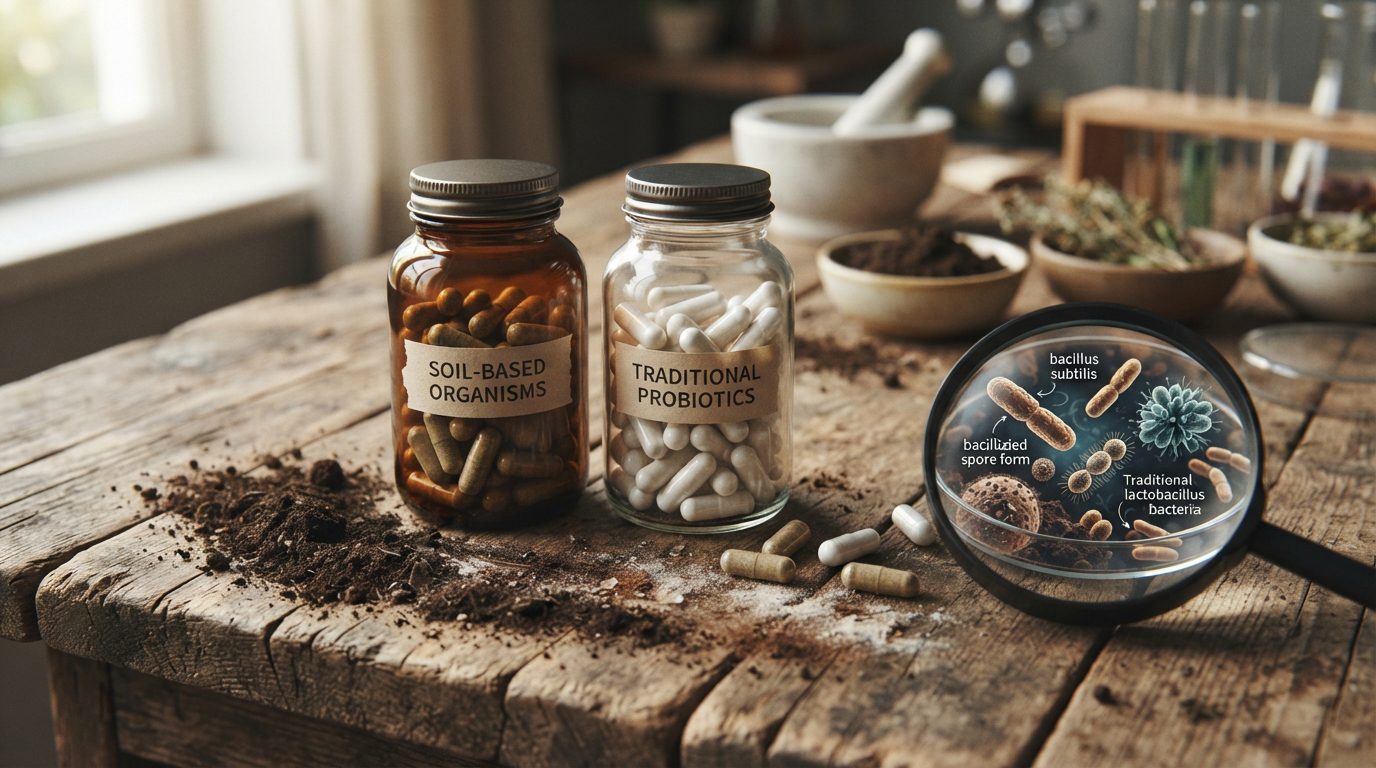
Compare Soil Based Organisms vs Traditional Probiotics for Sensitive Digestion (Best Picks for IBS, Bloating & Gut-Skin Results)
Compare Soil Based Organisms vs Traditional Probiotics for Sensitive Digestion (Best Picks for IBS, Bloating & Gut-Skin Results) Soil Based Organisms vs Traditional Probiotics for Sensitive Digestion is one of the most common questions we get from people whose gut feels touchy, yet they still want an inside-out glow. Did you know that some probiotics…
-
Best Spore-Based Probiotics for Sensitive Stomachs: Gentle, Science-Backed Support That Actually Works
Best Spore-Based Probiotics for Sensitive Stomachs: Gentle, Science-Backed Support That Actually Works When it comes to the Best Spore-Based Probiotics for Sensitive Stomachs, the science is quietly impressive, clinical trials show a 30-day course can reduce markers of gut permeability by 42%, which explains why so many people finally feel relief without the usual bloating.…
-
Ultimate Guide to Using Prebiotic Fibre for Sustained Energy
Ultimate Guide to Using Prebiotic Fibre for Sustained Energy Did you know that 90% of women and 97% of men don’t get enough fibre in their daily diet? That gap is exactly why we put together this ultimate guide to using prebiotic fibre for sustained energy, because we’ve read hundreds of research papers and articles,…
-
How to Choose Quality Digestive Enzymes for Better Nutrient Absorption
How to Choose Quality Digestive Enzymes for Better Nutrient Absorption Did you know that a staggering 70,000,000 people in the United States deal with gastrointestinal disorders every single year? That number alone tells us why so many of you write in asking how to choose quality digestive enzymes for better nutrient absorption, because bloating, sluggish…








FAQs: Your questions answered
What are the symptoms for leaky gut syndrome?
The symptoms for leaky gut syndrome are linked to increased intestinal permeability, leading to bloating, diarrhea, and food sensitivities. It can also cause fatigue, joint pain, skin issues like eczema, and even mood changes. Some believe it may contribute to autoimmune conditions, though it’s not widely recognized in conventional medicine.
Can foods cause a leaky gut?
Certain foods may contribute to or worsen a leaky gut by irritating the intestinal lining and increasing permeability. Highly processed foods, refined sugars, and excessive alcohol are common culprits. Gluten, dairy, and foods high in inflammatory fats, like fried or processed oils, may also play a role. Some people may develop food sensitivities that exacerbate gut inflammation, leading to a more permeable intestinal barrier. A diet rich in whole, unprocessed foods, fiber, and fermented products is often recommended to support gut health and potentially prevent or heal the symptoms for leaky gut syndrome.
How long does L-glutamine take to heal a leaky gut?
L-glutamine, a key amino acid, may help heal a leaky gut by repairing the intestinal lining. Results vary, but improvements are typically seen in 4 to 12 weeks with consistent use. Dosage, diet, and individual health factors affect healing time. Consult a healthcare professional for personalized recommendations.
Leaky gut: what is the controversy?
The controversy surrounding leaky gut stems from its lack of recognition in mainstream medicine. While alternative health practitioners link it to digestive issues, autoimmune disorders, and chronic inflammation, many doctors argue that more scientific evidence is needed. The debate continues, raising questions about diagnosis and treatment to address the symptoms for leaky gut syndrome.
Can foods heal a leaky gut?
Certain foods can help heal a leaky gut by reducing inflammation and supporting the gut lining. Fermented foods like yogurt, sauerkraut, and kimchi provide beneficial probiotics. Bone broth, fiber-rich fruits, vegetables, and omega-3 fatty acids also promote gut repair, improving digestion and overall gut health.
Which foods cause a leaky gut?
Foods that commonly contribute to a leaky gut include gluten, dairy, processed foods, refined carbohydrates, and foods high in artificial additives.
Can fasting heal a leaky gut?
Fasting may help heal a leaky gut by reducing inflammation and allowing the gut lining to repair itself. However, the evidence is by no means conclusive, and it’s important to consult a medical professional before undertaking any fasting regimen.
What is the single most common trigger that leads to a leaky gut?
Stress is the single most common trigger that leads to a leaky gut.