

What is skin microbiome testing?And could it be your best skincare step yet?
Does your skin regularly play up, despite your best efforts? Have you spent years, and thousands, of your hard-earned cash, trying out the best skincare steps for a healthy complexion? If so, we’re in the same boat! And like me, skin microbiome testing could help you find the best skincare steps to suit your needs.
Read on to find out more about the best microbiome skincare for a healthy glow!
Table of Contents
What is skin microbiome testing?
As a fellow skincare enthusiast, I’m super excited to share what I’ve learned about the skin microbiome and skin microbiome testing. Using a simple ‘band aid’ style strip to take a sample of the microbes on your skin, and helps pinpoint the exact source of your skin problems. And it could help heal skin conditions such as acne and rosacea, which I’ve personally battled for many years.
Having ‘discovered’ the skin microbiome and skin microbiome testing, there’s no going back for my skincare routine. So let’s delve into the details!
Microbiome skincare: Why our skin microbiome matters
Your skin is a complex ecosystem, teeming with trillions of microbes. Together this is known as the skin microbiome and it’s unique to your skin. These microorganisms include bacteria, fungi, viruses, and other microbes. While the word “bacteria” may sound negative, not all bacteria are harmful.
In fact, your skin microbes play a crucial role in maintaining the health and appearance of your skin.

Your skin microbiome communicates with your immune system, controls skin inflammation and fights against skin infection.
The skin microbiome is not only important for your health, but also for how your skin looks and feels. It can influence the appearance, texture, and quality of your skin.
A healthy skin microbiome can help you prevent or treat common skin conditions such as acne, rosacea, eczema, psoriasis, and aging signs. However, a disrupted or imbalanced skin microbiome can lead to various dermatological issues and even systemic diseases.
Your best skincare step: First, do no harm!
When your skin microbiome is out of balance, also called dysbiosis, it can show up as acne, rosacea, psoriasis, excessive dryness or oilyness and other skin issues. Various factors can disrupt the balance of the skin microbiome. These include excessive use of harsh skincare products, environmental stressors, hormonal changes, and even diet.
Therefore, by far the cheapest skincare is to avoid ‘harming’ it in the first place. In fact, one of the first skincare steps to nail is your diet! Eating a gut healthy diet can do wonders for your skin microbiome, because the gut microbiome and skin microbiome are closely linked (scientists have called it the gut-skin axis).
Try to follow a balanced diet with microbiome friendly foods, avoid harsh chemicals and antibiotics, and use gentle skincare products that suit your skin type.
By doing so, you can support the diversity and harmony that are the hallmarks of a healthy skin microbiome.
How to choose the best skincare steps for a balanced microbiome
But how do you know if your skin’s microbiome is in balance? Enter the skin microbiome test, a pretty revolutionary tool (at least in my book!). It can help unlock the secrets of your skin and help you optimize your skincare steps, based on what your unique skin microbiome needs.
With a simple swab or sample, a skin microbiome test analyzes the microorganisms living on your skin’s surface. This test provides valuable insights into your skin microbiome. You’ll learn about any imbalances or disruptions that could be causing skin conditions like acne, dryness, or sensitivity.
Armed with this knowledge, you can make informed decisions about the skincare steps and products you use, targeting specific microorganisms for better skin.
How does skin microbiome testing work?
A skin microbiome test provides a detailed view of your skin’s microbiome. By identifying the specific microorganisms present, you can gain insights into any imbalances or disruptions that may be affecting your skin’s health.
These skin tests are typically done by collecting a swab or sample from the surface of your skin. The collected sample is then sent to a laboratory for analysis. The results are presented in a detailed report, providing a wealth of information about your skin’s microbiome composition.
My experience with skin microbiome testing
Personally, I settled on the Gallinee PCR Skin Microbiome Test (which unfortunately is not currently available). The Gallinee brand is science-focused and as a bonus, you can redeem the cost of your test against future product purchases! Having already taken a test, I’ll take another test in a couple of months, to see if my skin microbiome has changed. What I can say is that my skin is a lot calmer and is almost blemish free, for the first time in 20+ years! The test and products have been purchased by myself, so are not sponsored.
Who should consider a skin microbiome test?
A skin microbiome test can offer some benefits if you’re looking to improve your current skincare regime.
If you experience frequent breakouts, dryness, sensitivity, or other skin concerns that have been resistant to different treatments, a skin microbiome test can help identify the real problem.
A deeper understanding of your skin’s microbiome can guide you toward more effective solutions.
Even if you have relatively healthy skin, a skin test can still provide valuable information for maintaining and optimizing your skincare routine. By understanding your unique skin microbiome, you can make informed decisions about the products you use and take proactive measures to prevent future skin conditions and problems.
Taking action based on your skin microbiome test results
Make sure you choose a quality test that will provide a detailed report about your skin microbiome. You’ll also want personalized skincare advice about the right microbiome skincare products for you. For example, I received a detailed report with specific product recommendations for my skin microbiome.
Personally, I’d choose a skin test that is easy to use and that doesn’t have a complicated sample collection process.
If you’re unsure about how to interpret the results, consult with a dermatologist or specialist in skin conditions such as rosacea. Getting skincare advice from someone who specializes in microbiome analysis could pay off in the long run.
Conclusions: Tailor your best skincare steps to your skin microbiome
Once you have the results of your skin microbiome test kit, it’s time to take action and optimize your skincare routine. Here are some skincare steps you can take based on the information provided:
1. Choose your skin microbiome routine, based on personalised insights
2. Avoid harsh ingredients that can disrupt the microbiome and cause imbalances
3. Balance your skincare routine steps, based on your skin’s specific needs. Avoid over-cleansing or over-exfoliating, as this can strip away the beneficial microorganisms.
4. Consider professional guidance: If you’re unsure about how to incorporate the findings of your skin microbiome test into your skincare routine, seek advice from a specialist in skin health
It’s worth remembering that achieving a healthy skin microbiome is a long-term process. After >12 months of a microbiome-friendly diet and personalized skincare routine steps, I finally started seeing great results.
With time and the right approach, you can unlock the full potential of your skin microbiome and achieve your healthiest skin yet!
Other posts you might enjoy:
-

Sea Buckthorn: The #1 Skin and Gut Health Superfood You Should Know About
Sea Buckthorn: The Skin and Gut Health Superfood You Should Know About Sea buckthorn has gained a cult following among skincare and wellness enthusiasts — and for good reason. Rich in rare fatty acids, vitamins, and antioxidants, this bright orange berry supports both your outer glow and inner gut health. Having tried it myself in…
-
Easy high fiber meals – Fueling your glow from the inside out
Easy High Fiber Meals – Boost Your Skin Glow, Inside Out Looking for a quick overview of how to add more fiber to your diet? We’ve got you covered with these ideas for easy high fiber meals to keep your gut happy and your meals exciting! Because eating enough fiber is a key to glowing…
-
Best Probiotics for Acne? 12 That Actually Work (Derm & Gut-Backed)
Best Probiotics for Acne? 12 That Actually Work (Derm & Gut-Backed) If you struggle with acne, you’re not alone—acne affects over 650 million people worldwide. I was one of them for many years, until I realised that skin health is more than just skin deep! In fact, new research shows that balancing your skin and…
-
Compare Soil Based Organisms vs Traditional Probiotics for Sensitive Digestion (Best Picks for IBS, Bloating & Gut-Skin Results)
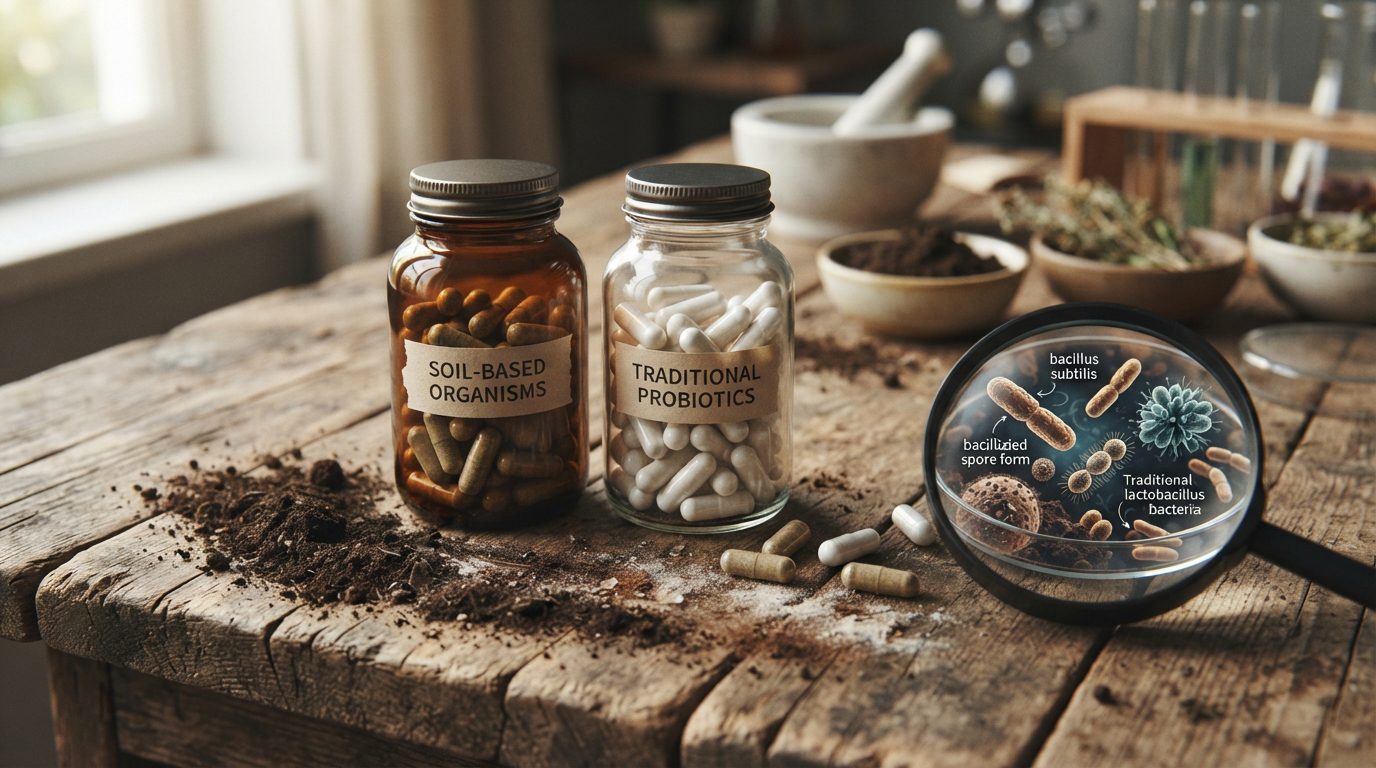
Compare Soil Based Organisms vs Traditional Probiotics for Sensitive Digestion (Best Picks for IBS, Bloating & Gut-Skin Results) Soil Based Organisms vs Traditional Probiotics for Sensitive Digestion is one of the most common questions we get from people whose gut feels touchy, yet they still want an inside-out glow. Did you know that some probiotics…
-
Best Spore-Based Probiotics for Sensitive Stomachs: Gentle, Science-Backed Support That Actually Works
Best Spore-Based Probiotics for Sensitive Stomachs: Gentle, Science-Backed Support That Actually Works When it comes to the Best Spore-Based Probiotics for Sensitive Stomachs, the science is quietly impressive, clinical trials show a 30-day course can reduce markers of gut permeability by 42%, which explains why so many people finally feel relief without the usual bloating.…
-
Ultimate Guide to Using Prebiotic Fibre for Sustained Energy
Ultimate Guide to Using Prebiotic Fibre for Sustained Energy Did you know that 90% of women and 97% of men don’t get enough fibre in their daily diet? That gap is exactly why we put together this ultimate guide to using prebiotic fibre for sustained energy, because we’ve read hundreds of research papers and articles,…
-
How to Choose Quality Digestive Enzymes for Better Nutrient Absorption
How to Choose Quality Digestive Enzymes for Better Nutrient Absorption Did you know that a staggering 70,000,000 people in the United States deal with gastrointestinal disorders every single year? That number alone tells us why so many of you write in asking how to choose quality digestive enzymes for better nutrient absorption, because bloating, sluggish…
-
Best Probiotics for Women Over 40: Our Science-Backed Pick of the Top Strains
Best Probiotics for Women Over 40: Our Science-Backed Pick of the Top Strains Finding the best probiotics for women over 40 has become one of the most-asked questions we get, and here’s a number that stopped us in our tracks: a striking 94% of women going through menopause report digestive health issues, often tied to…
-
Digestive Disorders & Microbiome Recovery: What the Science Actually Says
Digestive Disorders & Microbiome Recovery: What the Science Actually Says A single course of antibiotics can reduce gut microbial species by approximately 20, according to a Swedish analysis of nearly 15,000 adults, and that disruption can persist for years. This finding sits at the heart of why digestive disorders and microbiome recovery have become one…




FAQs: Your questions answeres
How can I restore my skin microbiome?
To restore your skin microbiome, use gentle, unscented cleansers, avoid harsh chemicals, and incorporate probiotic-rich products into your skincare routine. Eat a diverse, plant-based diet and spend time outdoors to support a healthy skin microbiome.
Is microbiome testing legit?
Microbiome testing can be a legitimate way to assess the diversity and composition of the gut microbiome. However, the clinical utility and accuracy of such tests can vary. Seek advice from a qualified healthcare professional before interpreting the results.
How do you test for bacteria on the skin?
To test for bacteria on the skin, one can use a skin swab test. This involves gently rubbing a sterile cotton swab over the area of skin and then sending the swab to a laboratory for analysis.
How do I get my microbiome tested?
You can get your microbiome tested by ordering an at-home test kit from a reputable provider. These tests typically involve providing a stool sample which is then analysed in a laboratory to determine the composition of your gut microbiome.
Where can I buy the Gallinee Skin Microbiome Test Kit?
You can purchase the Gallinee Skin Microbiome Test Kit from the Gallinee website at gallinee.com.