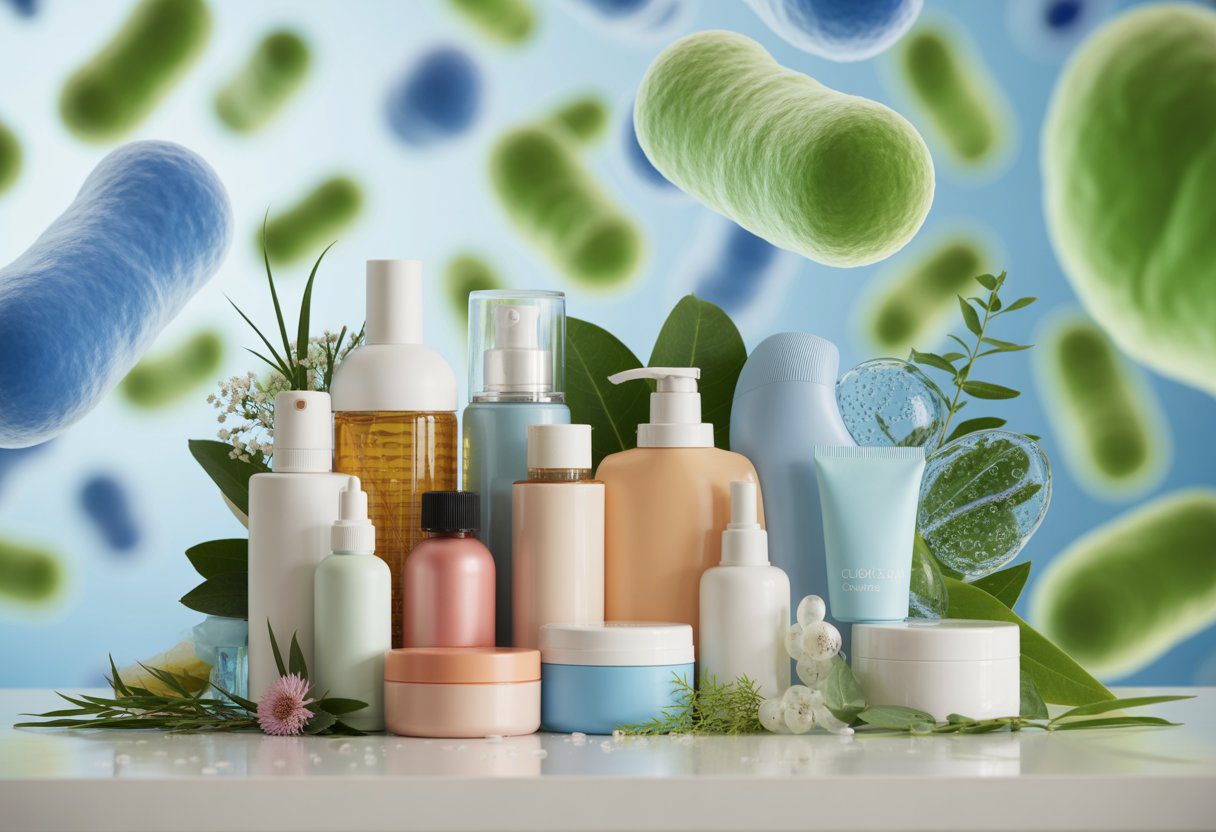

Struggling with skin and gut health? Your microbiome could be to blame!
Our Top 10 Probiotics for Skin and Gut Health
If you’re dealing with skin flare-ups and gut discomfort, you’re not alone. My twin and I spent years trying countless products, alas, without lasting results – until we ‘discovered’ the gut skin connection.
As a Medical Microbiologist with a passion for skin health, I’m keen to share how the best probiotics for skin inflammation and gut health made a real difference for both me and my twin sister. This before and after image speaks volumes, and reminds me that healing skin inflammation is possible, even after years of trying ‘everything’.

Not only did my skin clear up with probiotics, but I also felt more energized and less bloated.
Berit
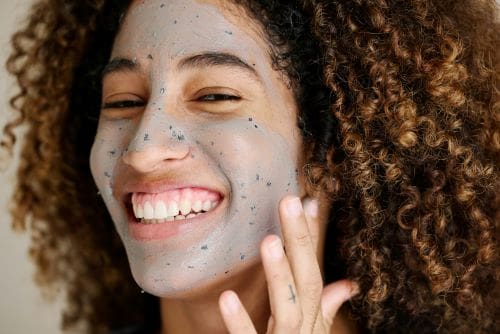
Whether you’re battling hormonal shifts, inflammation, or stubborn acne and rosacea, your gut health may hold the key to a calm complexion that lasts.
Image by Natalia Blauth for Unsplash
So, to help you get started, I’ve rounded up the 10 best probiotics for skin and gut health. And if you’re curious about how probiotics actually help you look and feel your best, keep reading, as we delve into the science behind the gut-skin connection too.
Table of Contents
Why Your Skin and Gut Health Might Need Extra Care
Throughout life, natural shifts in hormones, skin barrier function, and gut microbiome diversity can significantly impact our skin and digestive health. A weakened skin barrier and reduced microbial diversity in the gut are closely linked to increased inflammation, dryness, sensitivity, and slower skin renewal.
Supporting both systems takes a holistic approach. Incorporating probiotic-rich foods like yogurt, kefir, and fermented vegetables helps restore microbial balance in the gut (more on that below), while topical probiotic skincare can reinforce the skin’s natural defenses.
By strengthening the so called gut-skin axis from within, you can improve digestion, support a healthy inflammatory response, and promote clearer, more resilient skin – at any age. And while probiotics are gaining well-deserved attention in the scientific community, not every gut healthy supplement delivers real results.
We’ve done the research for you — here are the best probiotics for skin and gut health that are backed by science!
So, what are probiotics?
Probiotics are defined as live microorganisms that can provide health benefits when consumed in adequate amounts.
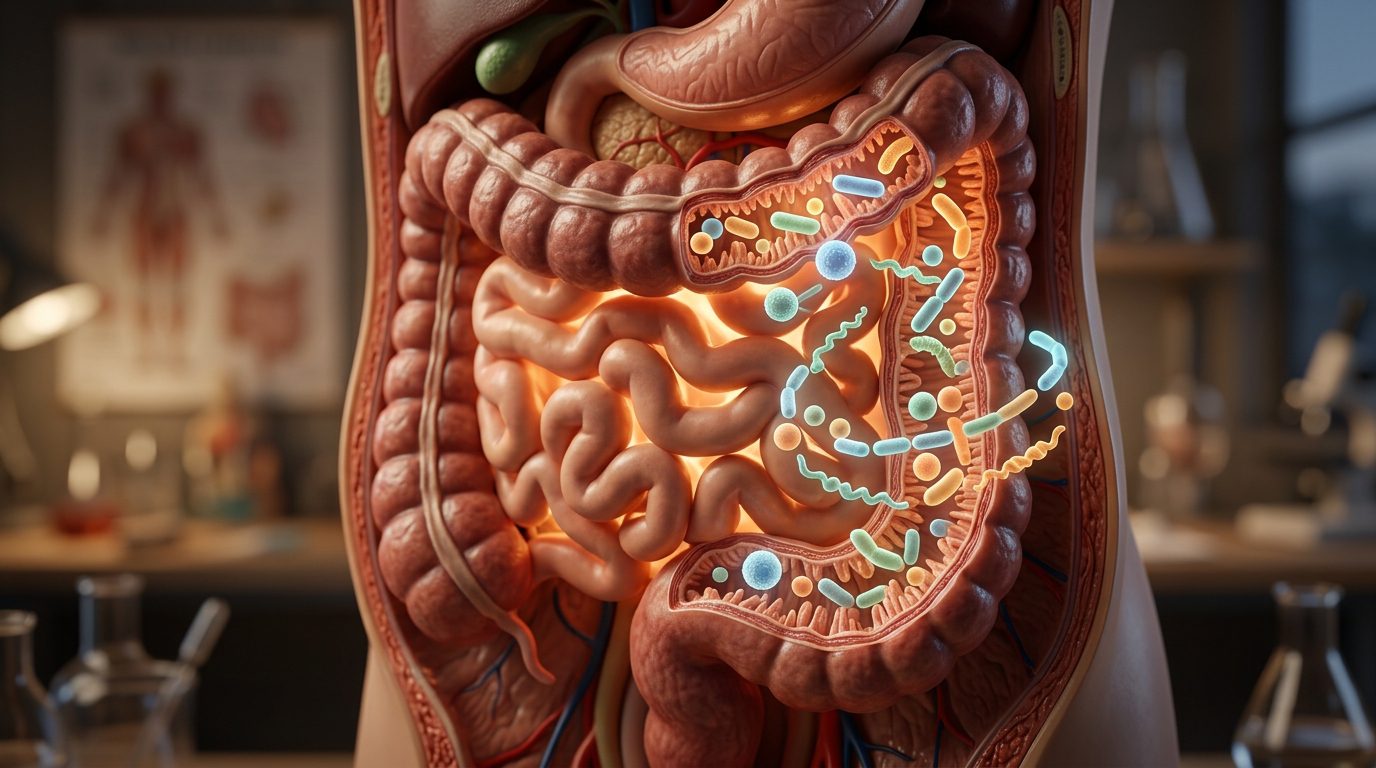
Probiotics are often referred to as ‘good bacteria’ as they help maintain a healthy balance in our microbiome – that is the trillions of microbes that live in and on our body.
The two largest microbiomes are the gut microbiome and skin microbiome – and they are closely connected. If you’re looking to heal skin conditions such as acne or rosacea, this is important, because an imbalanced gut microbiome (dysbiosis) can be the key.
These days you can even take and at-home skin microbiome test to check the best skincare routine for your skin microbiome.
How about the gut-skin axis?
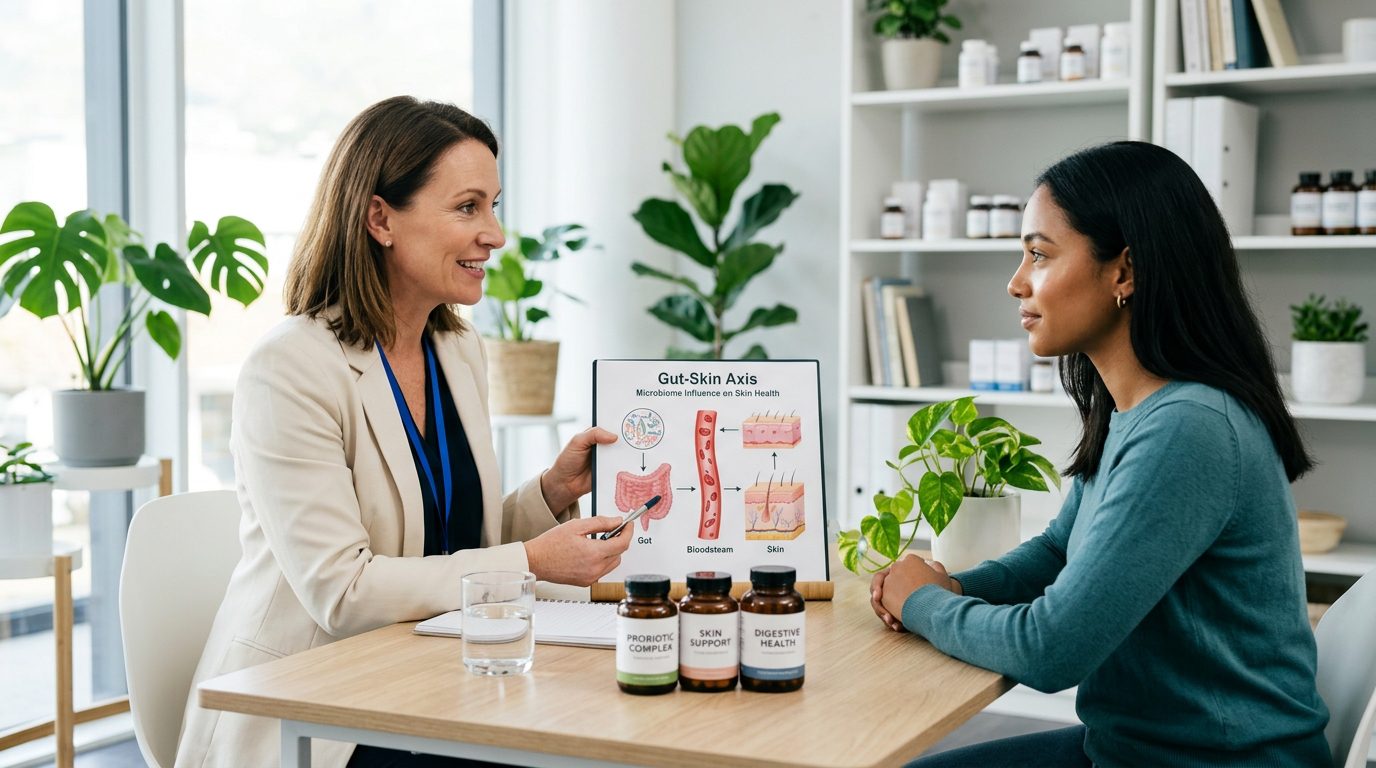
There’s a powerful link between our skin and gut health, and scientists call it the gut-skin axis.
The majority of microbes live in our gut and on our skin, where they influence immunity, inflammation, our digestion and more!
As a medical microbiologist, I love that microbes are taking center stage for our health and well-being, even skincare and our weight.
The ‘wholy grail’ is to identify which and how individual microbes—the probiotics – can influence specific aspects of our health.
Photo by Natali Hordiiuk on Unsplash

Probiotics for skin health and digestion
When looking for the best probiotics for skin and gut health, it’s a question without just a single answer. Because there’s such a wide array of choice and quality available, it can be downright confusing to choose.
Supplements should be tailored to individual needs and always be backed by scientific studies

Can probiotics help skin and gut health?
Therefore, it’s worth investing a bit of time finding out which could be the best probiotics for skin and gut health, that addresses your needs and saves your wasting your money!
Luckily, I love researching and discovering quality probiotics, whether it’s the best probiotic for skin issues or gut health. So, I’ve done the hard work for you as I’m also personally curious about the top probiotics for skin and gut health!
But, first things first, let’s look at the basics …
What are probiotics for skin and gut health?
For skin and gut health, probiotics serve several important functions, including:
- Skin Health:
- Balance the skin’s microbiome, reducing acne-causing bacteria and inflammation
- Strengthen the skin barrier, improving hydration and resilience
- Support collagen production, enhancing skin elasticity and reducing signs of aging
- Alleviate symptoms of skin conditions like eczema and psoriasis
- Improve overall complexion and skin radiance
- Gut Health:
- Contribute to overall immune system function
- Maintain a balanced gut microbiome, supporting digestive health
- Reduce systemic inflammation, which can indirectly benefit skin health
- Alleviate symptoms of digestive issues like Irritable Bowel Syndrome (IBS) and diarrhea
However, not all probiotic supplements are created the same, and some brands are most definitely worth your money more than others!
So, let’s look at the top 5 things to look for to help choose a probiotic for skin and gut health, tailored to your needs. Crucially, we’ll look at the top probiotic supplement brands for skin and gut health that are backed by evidence! If you want to know about topical probiotics, we’ve got you covered here!
How to choose a probiotic?
Firstly, what should we look for when choosing the best probiotic for skin and gut health. A common question is that, with trillions of microbes in our gut and on our skin, which probiotic will be beneficial to me?
Image by moakets from Pixabay
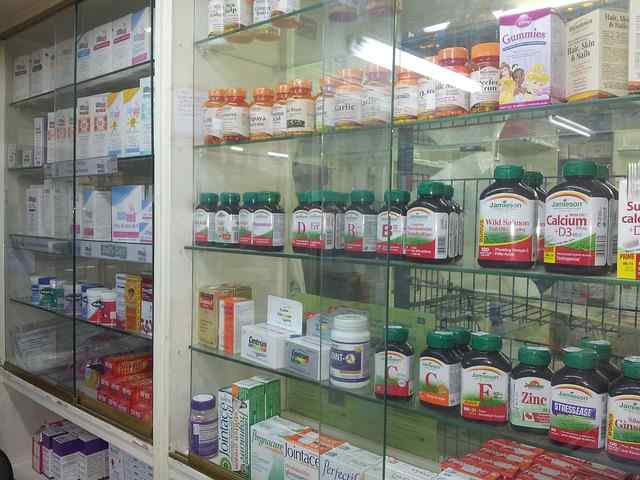
What to look for when buying probiotics for skin and gut health
When I choose probiotics for skin conditions and gut health, I use these 5 tips for a probiotic supplement that’s right for me.
1) Choose a probiotic with sufficient CFUs
2) Choose a probiotic with the right strains
3) Choose a probiotic that is backed by science
4) Choose a probiotic with a mix of strains
5) Choose a probiotics that contains a prebiotic
Image: Unsplash
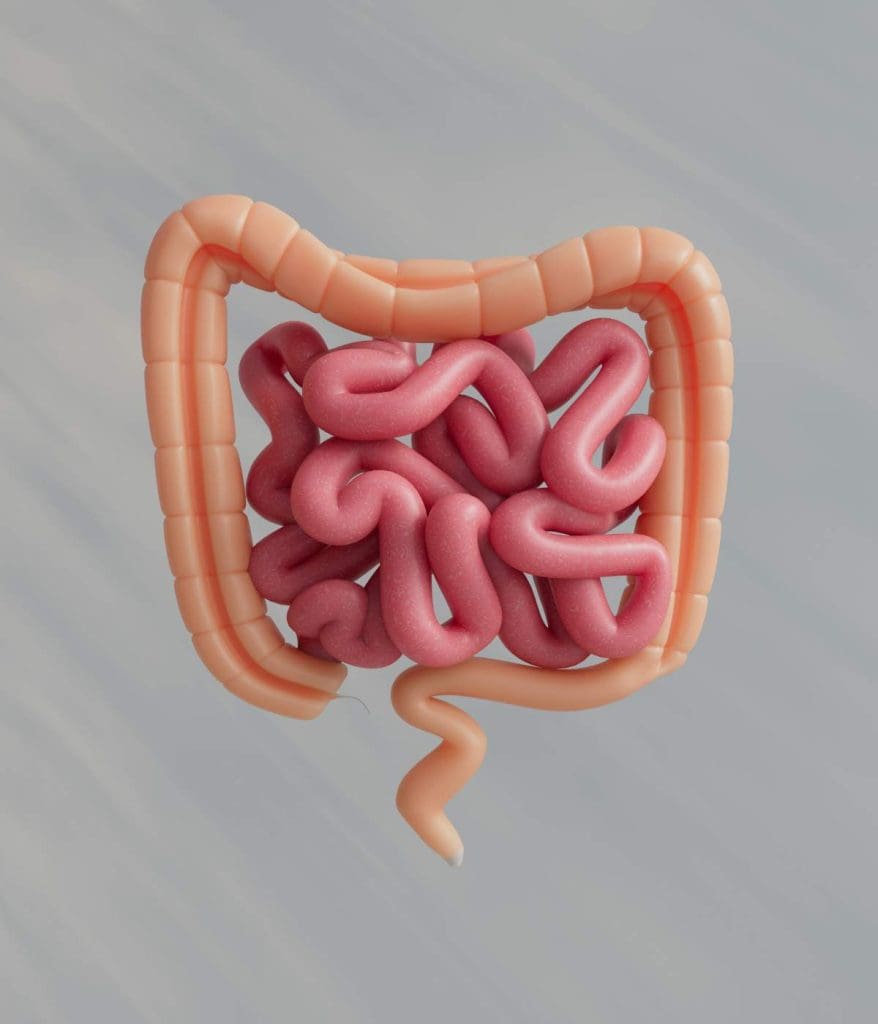
If you’re interested in the details, here’s why this advice can help you choose the right probiotic for your skin and gut health needs.
1) Choose a probiotic with sufficient CFUs
Probiotic supplement labels should state the number of colony-forming units (CFUs) per dose. CFUs indicate the number of alive and active microorganisms in one serving of a probiotic dietary supplement.
The recommended CFU varies. Nordic Naturals suggest “a daily dose of 10-20 billion CFU for immune and digestive support”. The Cleveland Clinic, on the other hand, recommend choosing probiotic products with at least 1 billion CFUs.
Based on the different recommendations I’ve come across, I look for a dose of at least 10 billion CFUs, when I choose my probiotics for skin and gut health.
Also look for the CFU at product expiry. After all, it’s no good if the probiotics die off within days of purchase.
It is worth noting, it has been speculated that non-viable probiotics could have some health benefits.
2) Choose a probiotic with the right strains
The bacteria Lactobacillus and Bifidobacterium are recurring winners in the more than 250 studies and scientific reviews I’ve covered. These, along with the yeast Saccharomyces boulardii, are some of the most researched probiotics.
Importantly, when it comes to probiotics, different strains will have different effects, and should be used for different health conditions or wellness goals
Whilst not the most exciting nugget of knowledge, if you’re not familiar, it’s worth noting what ‘strain’ refers to, so you can choose the right probiotic for your needs.
Probiotic names are made up of 3 parts: genus, species and strain. E.g. for the powerful probiotic Lactobacillus rhamnosus Rosell-11:
- Lactobacillus – a genus or family of bacteria
- rhamnosus – a species within the Lactobacillus genus
- Rosell-11 – a specific strain within that species
For another powerful probiotic, L. rhamnosus GG, the strain is ‘GG’. So, you will see the probiotic strain is the ‘third denominator’.
See below for more insights into which probiotics affect skin and gut health.
3) Choose a probiotic that is backed by science

As noted, it is essential to ingest live microorganisms (the very definition of probiotics). Manufacturing processes will affect the probiotic, so a quality brand will ensure the finished product does indeed include live probiotics and so, lives up to its promises.
Image:Unsplash
As well as knowing whether the supplement includes proven strains of probiotics, ideally, the actual supplement itself should be studied. This is to ensure the probiotics have the desired effect in supplement form.
4) Choose a probiotic with a mix of strains
Multi-strain probiotics have been found to be more helpful than single-strain probiotics due to the combined and additive effects among the individual strains.
A high quality probiotic might include Bifidobacterium and Lactobacillus, two of the most effective probiotic species. Countless research shows the benefit of these probiotics for skin and gut health.
A high quality supplement should contain 8-10 strains of the above species, according to the journal Clinical Reviews.
5) Choose a probiotic supplement that contains a prebiotic
The good microbes in our gut also need the right food to thrive. These so-called prebiotics are fibers that us humans cannot digest, and are found in foods such as whole grains, bananas, greens, onions, legumes / beans, artichokes and more.
Prebiotics can also be taken as supplements, such as inulin.
Without a prebiotic, many supplements are prone to not being effective, simply because there is not enough food for the good bacteria to survive. Therefore, consider a probiotic with a source of prebiotic.
Clinical Reviews recommend around 75 to 100mg of inulin.
In additionally, eating enough high fiber foods and boosting your insoluble fibre rich foods is a great way to support your gut health and skin!

10 best probiotics for skin and gut health
As a general rule, I would expect to pay a premium for evidence-based supplements that are backed by science. So, of course I want to get my money’s worth!
These 10 gut healthy supplements have science at their core and focus on proven probiotic strains for skin and gut health. Let’s take a look!
Best Skin & Gut Health Probiotics At a Glance
- VIOME Personalized Probiotics
- YourBiology Gut+
- PURE Probiotic Fruit Punch
- Total Gut Restoration by Microbiome Labs
- BioGaia Gastrus
- Garden of Life Dr Formulated Platinum Skin
- Gallinee Youth & Microbiome
- Biotic+ by Heights
- OMNi-BiOTiC 6
- The WeightWorld Bio Cultures Complex
The future of probiotics for skin and gut health is tailored to individual microbiomes and specific health needs. Viome’s personalized probiotics are a gamechanger, and their gut health test will help design a fully personalized prebiotic and probiotic blend to improve your digestive health.

By analyzing the specific activity of the microbes in your gut and how they impact your health, VIOME aims to take probiotics for skin and gut health to the next level!
One product I’ve used with success is YourBiology Gut+, a blend of 10 proven probiotics, including Lactobacillus acidophilus and Bifidobacterium breve, designed to support both skin and gut health. I love the addition of digestive enzymes, which helps calm my stomach, plus prebiotics for an extra boost, because they feed the probiotics!
It’s part of my routine now, as a quality probiotic with these strains can work wonders when paired with a gut-healthy diet.
Here’s why YourBiology Gut+ is part of my regular routine:
Clinically Proven Strains: Contains powerful probiotics like Bifidobacterium breve and Lactobacillus acidophilus that target inflammation, enhance skin hydration, and support a balanced gut-skin connection.
High CFU Count: With over 20 billion CFUs per dose, YourBiology Gut+ ensures you get the potency needed for visible results.
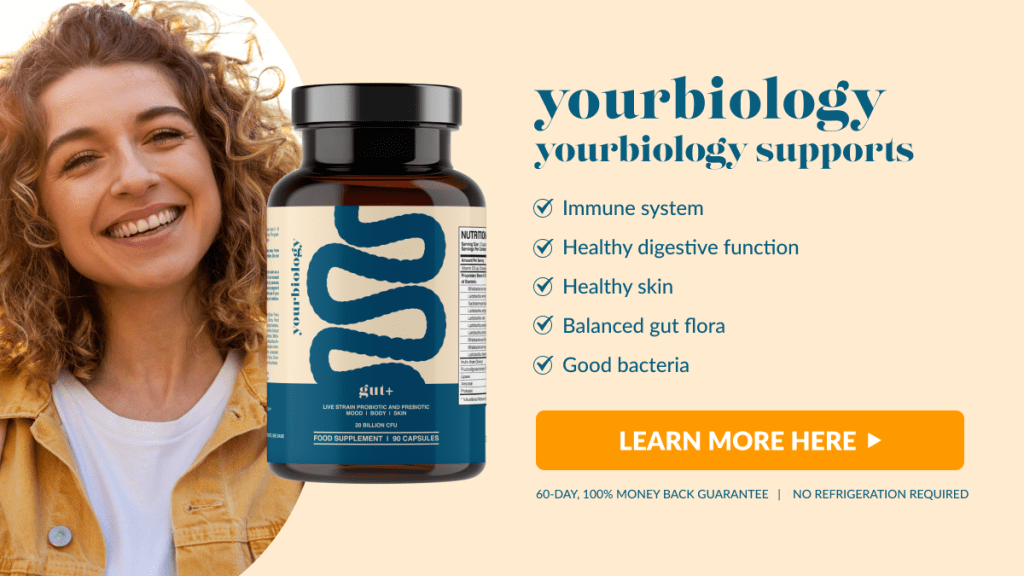
Dual-Action Formula: Packed with prebiotics, it feeds the good bacteria, ensuring they thrive and work effectively.
Designed for Women: Helps meet the unique needs of women, addressing skin challenges, and digestive health.
Visible Results: Users report reduced redness, fewer breakouts, and a glowing complexion within weeks.
Why It Works for Me
After years of struggling with redness and rosacea, YourBiology Gut+ brought my skin back to life and helped calm my skin and stomach. Therefore, I’m thrilled to recommend it because I know it works.
Unlock 10% off and free shipping with the discount code when you click this link. Additionally, their third party testing adds another level of confidence for me!
My twin has seen real improvements in skin and gut health after using PURE probiotics, and I use it regularly myself. PURE’s carefully crafted formula of probiotic strains, combined with prebiotics and antiinflammatory seed nutrition, has helped calm our skin from within and nourish the gut microbiome.
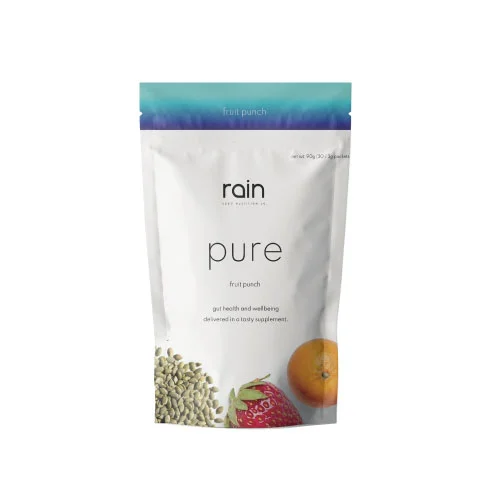
What’s more, I also like its a fresh tasting powder that easily dissolves in a glass of water, so it helps me hydrate throughout the day (someting I need to get bettre at!).
You can learn more about PURE here.
Microbiome Labs
Microbiome Labs contains a series of powerful probiotics backed by science, that target both skin and gut health.
Their Total Gut Restoration is an advanced 3-month protocol to support and restore gut health. Their MegaSporeBiotic helped restore my microbiome and skin, so is one I’ll keep going back to when my skin and gut health need an extra boost.
Microbiome Labs Serene Skin contains Bacillus coagulans SC208, alongside 3 other probiotics, which may help improve skin health by optimizing gut health.
BioGaia Gastrus
BioGaia Gastrus contains Lactobacillus reuteri DSM 17938 which may help reduce the growth of less beneficial bacteria. Additionally, L. reuteri DSM 17938 has been studied for its potential skin benefits.
In particular, this skin probiotic is beneficial for improving skin hydration, reducing dryness and inflammation, plus boosting the skin’s barrier function.
This skin probiotic strain has also shown antimicrobial properties against common pathogenic skin bacteria. Personally, after 3 weeks of taking this skin probiotic supplement, my skin feels hydrated and smoother!
What’s more, BioGaia Gastrus comes as a conveient chewable tablet! Therefore, for me, it’s one of the top 5 skin and gut health probiotics that I’ve tried!
Garden of Life
Garden of Life Dr Formulated Platinum Skin includes Lactobacillus paracasei ST11 (also known as Lactobacillus paracasei NCC 2461) plus Lactobacillus johnsonii NCC 533 (La1), which may have a positive impact on skin health. It also contains another 9 probiotic strains, Vitamin A and lycopene for skin health.
Garden of Life is a recurring brand in our ‘Top 10 probiotics’. They use proven ingredients in high doses, and claim backing by third party certification. I’ve had Garden of Life independently recommended by people I know to be discerning customers.
Codeage
Codeage Skin Probiotic+ contains a blend of 19 probiotics at 50 billion CFU, including Lactobacillus rhamnosus and Lactobacillus acidophilus. Their products are third-party tested but no further details are given.
At the time of writing they don’t deliver to the UK.
Gallinee
Gallinee Youth & Microbiome Supplement contains the Lactobacillus plantarum probiotic acting on the signs of ageing.
Heights
Biotic+ by Heights contains Lactobacillus rhamnosus Rosell-11 which may strengthen gut health, together with six other highly researched strains of beneficial bacteria.

Gut-Healthy Supplements and Skin Inflammation: Do They Really Work?
OMNi-BiOTiC®
OMNi-BiOTiC® 6 contains prebiotics plus six scientifically tested bacterial strains, including Lactobacillus acidophilus W55 and Bifidobacterium animalis W53.
Bio Cultures Complex Probiotics & Prebiotics
The WeightWorld Bio Cultures Complex is is another one of my favourite probiotics for skin and gut health! Not only does it contain 20 live bacterial strains, it also delivers 77 billion CFUs in every serving. What’s more, my skin seems to love the L. reuteri, which is present in high doses in this probiotic supplement.
As an added bonus, the price is very reasonable too!
What is the best time to take probiotics for skin and gut health?
I would always check the label, as it may vary. To get the most out of even the best probiotics for skin and gut health, consistency is key. Therefore. aim to take your probiotic at more or less the same time every day.
Are there any side-effects with probiotics for skin and gut health?
While probiotics may be hailed for their potential benefits on gut and skin health, it’s important to note that they may also exhibit side effects in certain individuals.
While generally considered safe, some may experience mild gastrointestinal discomfort such as bloating or gas, during initial consumption. In rare cases, allergic reactions can occur.
Image by Alicia Harper from Pixabay
Skin-related side effects are less common but can include rashes or itching, particularly in those with sensitive skin. Furthermore, improper dosages or strains may lead to imbalance in gut flora, exacerbating existing conditions.
It’s crucial to consult healthcare professionals before incorporating probiotics, ensuring suitability and minimizing adverse effects while maximizing their potential benefits for gut and skin health.
What About Topical Probiotics for Skin?
Can Topical Probiotics for Skin Work?
In short, yes! Topical probiotics for skin are live or fermented microorganisms applied directly to the skin to help balance the skin microbiome. Much like oral probiotics support gut health, topical probiotics can calm inflammation, strengthen the skin barrier, and reduce flare-ups in conditions like acne, rosacea, or eczema.
Image: Unsplash

These skin-friendly microbes work by reinforcing the natural defense layer of the skin – crowding out harmful bacteria, reducing transepidermal water loss, and supporting a healthy pH. Many people with sensitive, reactive, or rosacea-prone skin report fewer breakouts, less redness, and a more even texture when using probiotic skincare regularly.
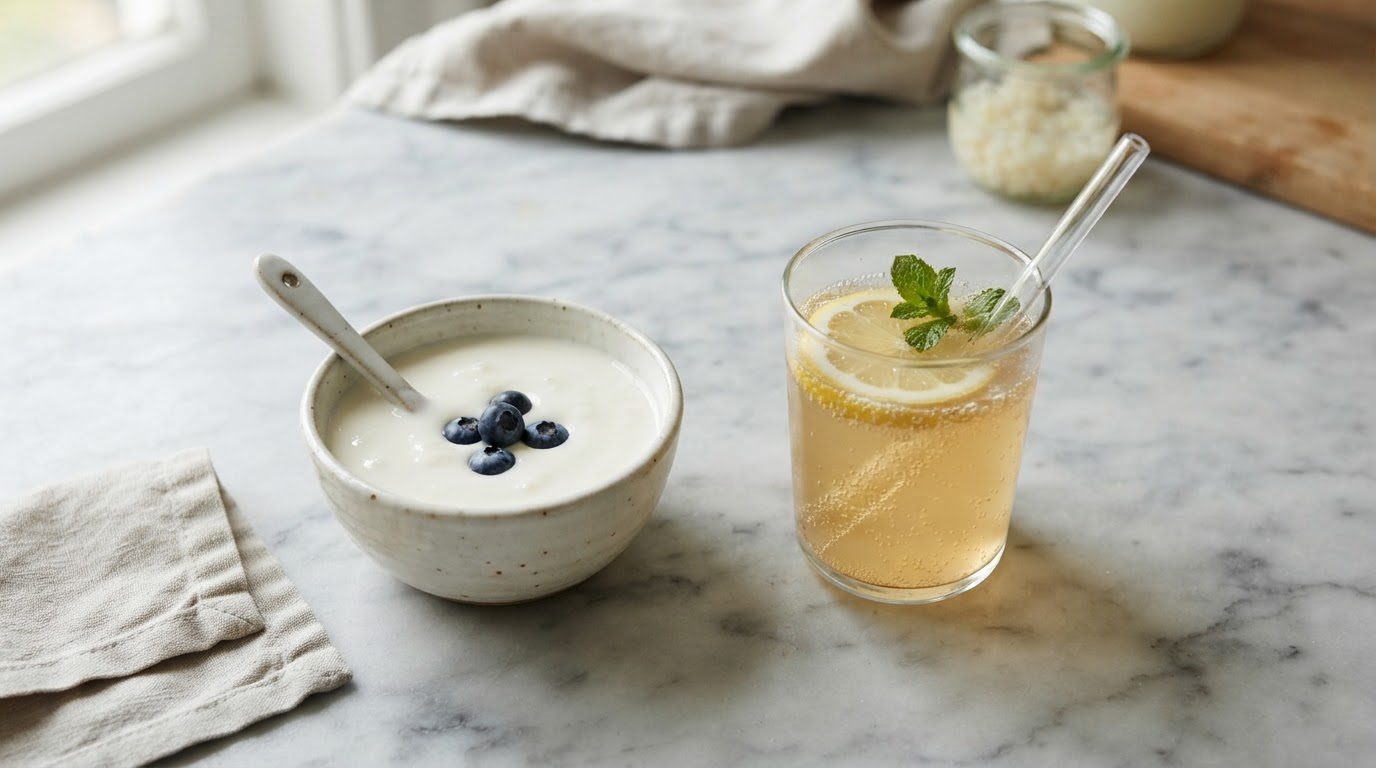
A great example of natural topical probiotics is kefir – a fermented milk or coconut-based drink rich in Lactobacillus and Leuconostoc species. When used as a fresh kefir face mask, it can deliver a soothing, cooling effect while feeding your skin with live beneficial microbes.

For longer-term use, I personally craft a gentle overnight balm using my own kefir extract, carefully strained and blended with calming ingredients like colloidal oat and sea buckthorn oil. This probiotic-rich balm helps calm my skin after sun exposure or during stress-induced flare-ups. It feels incredibly nourishing, and thanks to the postbiotic compounds naturally present in kefir, it leaves the skin visibly soothed and supple by morning.
Image: Unsplash
Whether in DIY form or in advanced formulations, topical probiotics like kefir and its extracts are an exciting, microbiome-friendly way to nurture healthier, more resilient skin – especially if your skin barrier needs a little extra support.
Holistic approach to microbiome health
It’s worth noting that experts recommend a holistic approach that first of all focuses on diet and lifestyle.
Dr Gail Cresci (the Cleveland Clinic, US) reminds us that “What bacteria like is fermentable fiber ... I don’t know that you need a probiotic if you’re eating a healthy diet, one that is rich in fresh fruits, vegetables and fiber and low in saturated fats, sugar and processed foods.”
Photo by Dose Juice on Unsplash
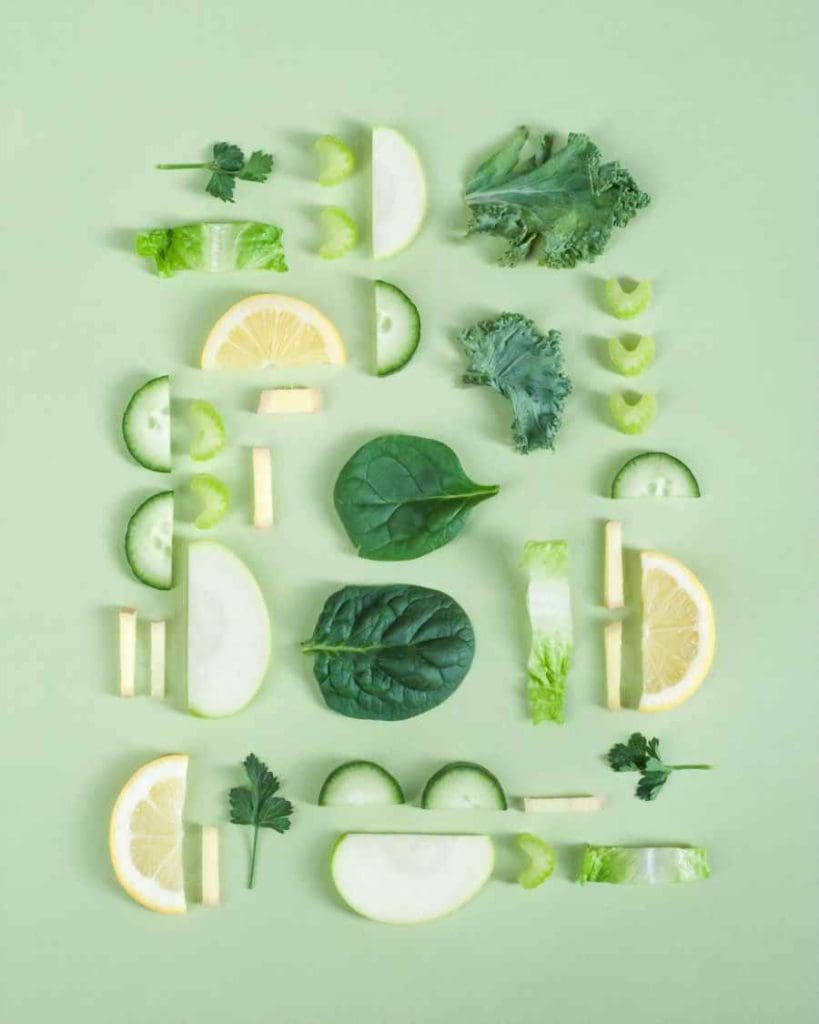
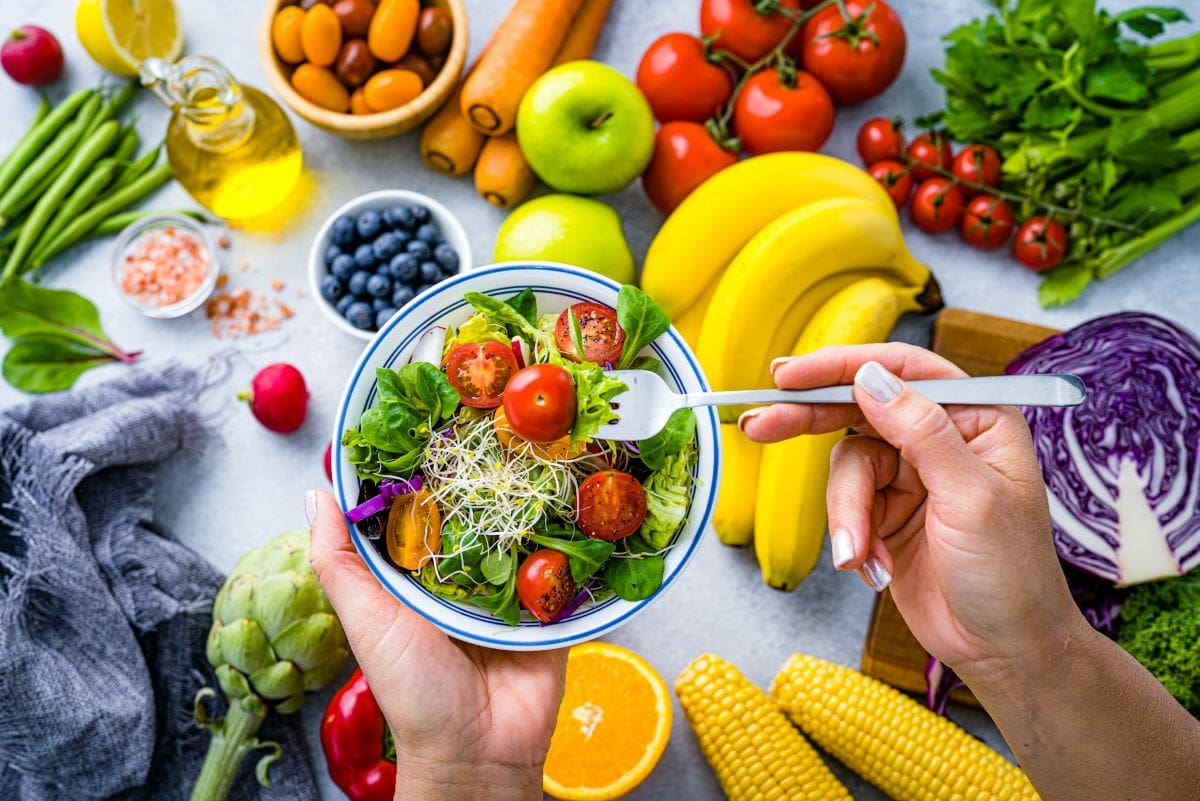
What we eat is probably the biggest influence on our gut microbiome.
My two most favourite ‘quick fixes’ for a healthy gut and healthy glow are our go-to power smoothies and gut healthy soup recipes!
If you want to try a one-size-fits-all to improve your gut health, it’s really about your diet and including prebiotics.
Dr Gail Cresci, Cleveland Clinic
Dr Cresci advises us:
“Ideally, look for a product that’s been tested for whatever you’re looking to address. It might say it helps with IBS, but you wouldn’t take that same product if you were taking antibiotics and trying to prevent antibiotic-associated diarrhea.
For this, you would want a probiotic that helps with immunity, not bowel irregularity.”
Summary: Choosing the best probiotic for skin health and better digestion
- Check for CFUs and probiotic viability
- Include a mixture of strains
- Choose the right strain for your needs
- Ensure the supplement is backed by science
- Include a prebiotic
Image by sarah blocksidge from Pixabay
Super low price coupled with excessive promises should make you suspicious … The age old adage applies – if it seems to good to be true, then it likely is!
Science shows the power of the gut-skin axis, so one of your best probiotics for skin and gut health will work on both gut and skin microbiome.
Meanwhile, it’s important to note that individual responses to probiotics can vary, and it is always recommended to consult with a healthcare professional before starting any new supplement regimen.
Author: Berit Sund, MSc Medical Microbiology ans a skin gut health ‘nerd’! When I don’t write about probiotics and fermented drinks, I spend my days in healthcare education, training or testing out yummy recipes, and of course hang out with my family and friends.
NOTE:
This article contains affiliate links with probiotics that we’re happy to recommend, having tried and tested ourselves, based on their proven profile
This article does not constitute medical advice; seek advice from a healthcare professional, as needed
If you have an existing health condition or a weakened immune system, you should talk to a doctor before taking any probiotic supplements. This should not constitute of replace medical advice from a healthcare professional

Cover image: Unsplash
FAQs: Your questions answered
What probiotics are good for skin and gut health?
The bacteria Lactobacillus and Bifidobacterium are winning probiotics for skin and gut health. More than 250 studies and scientific reviews we’ve covered heraled the powerful benefits of these skin and gut probiotics. So, along with the yeast Saccharomyces boulardii, they’a’re some of the most researched probiotics for skin and gut.
What is the best probiotic for skin problems?
Studies show Bifidobacterium may reduce skin sensitivity, while Lactobacillus may reduce skin inflammation and improve the skin’s barrier function, reducing acne and redness.
Lactobacillus acidophilus was one of the first probiotics for acne, and it has been shown to improve the severity of acne.
What probiotics are good for clearing skin?
Here are some of the probiotics that are particularly good for skin health:
1. Lactobacillus rhamnosus
Known for reducing acne and promoting clear skin.
Helps balance the gut-skin axis and reduces inflammation, which can lead to fewer breakouts.
2. Lactobacillus acidophilus
Lactobacillus acidophilus was one of the first probiotics for acne, and it has been shown to improve the severity of acne. We recommend it because it balances the gut microbiome, which may reduce inflammatory skin conditions such as acne and rosacea.
Additionally, it supports the skin barrier, helping it retain moisture and prevent irritation.
3. Bifidobacterium bifidum
Known for improving the skin’s natural defenses and reducing dryness or irritation.
Enhances the immune response in the skin, which may help with conditions like eczema.
4. Bifidobacterium lactis
Helps reduce inflammation and enhances the skin’s hydration.
Supports skin barrier function, which can improve skin texture and clarity.
5. Lactobacillus casei
May help reduce skin sensitivity and irritation.
Supports skin’s moisture retention and elasticity, leading to clearer, more supple skin.
6. Lactobacillus plantarum
Known to reduce skin inflammation, which is a key factor in acne and other skin conditions.
Supports the skin’s repair process and can improve overall complexion.
7. Lactobacillus reuteri
For me one of the best skin probiotics, it helps in reducing inflammation and boosting the skin’s natural healing processes.
May improve overall skin hydration and smoothness.
Other Skin Health Tips:
A combination of oral probiotics (supplements) and topical probiotic skincare products can enhance results.
Prebiotics, which feed probiotics, are also beneficial. These can be found in foods like garlic, onions, and bananas.
Adding these probiotics into your diet or supplement routine may improve your skin’s appearance over time. Always consult a healthcare provider before starting a new supplement.
What probiotics are good for glowing skin?
Lactobacillus reuteri Helps in reducing inflammation and boosting the skin’s natural healing processes. This skin probiotic may improve overall skin hydration and smoothness.
Lactobacillus acidophilus supports the skin’s moisture retention, making it appear more hydrated and glowing. Reduces skin inflammation and redness, contributing to a smoother complexion.
Lactobacillus plantarum is known to improve skin hydration, elasticity, and repair. This skin probiotic reduces oxidative stress and inflammation, which helps to give the skin a more radiant and youthful glow.
What are the best probiotics for skin inflammation?
Probiotics can be beneficial for managing skin inflammation by promoting gut health, which in turn influences skin health. Some of the best probiotic for skin issues, that are known to help with skin inflammation, include:
– Lactobacillus rhamnosus GG
– Lactobacillus acidophilus
– Bifidobacterium bifidum
– Lactobacillus paracasei
– Bifidobacterium longum
– Lactobacillus plantarum
– Streptococcus thermophilus
Probiotic-Rich Foods for Skin Health:Yogurt (with live cultures) include:
– Kefir
– Sauerkraut
– Kimchi
– Miso
– Tempeh
Other posts you might like:
-

Sea Buckthorn: The #1 Skin and Gut Health Superfood You Should Know About
Sea Buckthorn: The Skin and Gut Health Superfood You Should Know About Sea buckthorn has gained a cult following among skincare and wellness enthusiasts — and for good reason. Rich in rare fatty acids, vitamins, and antioxidants, this bright orange berry supports both your outer glow and inner gut health. Having tried it myself in…
-
Easy high fiber meals – Fueling your glow from the inside out
Easy High Fiber Meals – Boost Your Skin Glow, Inside Out Looking for a quick overview of how to add more fiber to your diet? We’ve got you covered with these ideas for easy high fiber meals to keep your gut happy and your meals exciting! Because eating enough fiber is a key to glowing…
-
Best Probiotics for Acne? 12 That Actually Work (Derm & Gut-Backed)
Best Probiotics for Acne? 12 That Actually Work (Derm & Gut-Backed) If you struggle with acne, you’re not alone—acne affects over 650 million people worldwide. I was one of them for many years, until I realised that skin health is more than just skin deep! In fact, new research shows that balancing your skin and…
-
Water Kefir vs Milk Kefir: Which actually fixes bloating?
Water kefir vs milk kefir: which actually fixes bloating? Water kefir vs milk kefir: which actually fixes bloating? The honest answer is that neither is a guaranteed fix, but understanding what goes into each drink can help you choose one that better matches your diet and likely triggers. Key Takeaways What kefir is and how…
-
Probiotic strains for IBS: what the clinical evidence actually shows
Probiotic strains for IBS: what the clinical evidence actually shows Probiotic strains for IBS: what the clinical evidence actually shows is important because one big meta-analysis pooled 20 studies and found probiotics outperform placebo for global IBS symptoms. That means we can talk about “works for IBS” in a way that is not based on…
-
Compare Soil Based Organisms vs Traditional Probiotics for Sensitive Digestion (Best Picks for IBS, Bloating & Gut-Skin Results)
Compare Soil Based Organisms vs Traditional Probiotics for Sensitive Digestion (Best Picks for IBS, Bloating & Gut-Skin Results) Soil Based Organisms vs Traditional Probiotics for Sensitive Digestion is one of the most common questions we get from people whose gut feels touchy, yet they still want an inside-out glow. Did you know that some probiotics…
-
Best Spore-Based Probiotics for Sensitive Stomachs: Gentle, Science-Backed Support That Actually Works
Best Spore-Based Probiotics for Sensitive Stomachs: Gentle, Science-Backed Support That Actually Works When it comes to the Best Spore-Based Probiotics for Sensitive Stomachs, the science is quietly impressive, clinical trials show a 30-day course can reduce markers of gut permeability by 42%, which explains why so many people finally feel relief without the usual bloating.…
-
Ultimate Guide to Using Prebiotic Fibre for Sustained Energy
Ultimate Guide to Using Prebiotic Fibre for Sustained Energy Did you know that 90% of women and 97% of men don’t get enough fibre in their daily diet? That gap is exactly why we put together this ultimate guide to using prebiotic fibre for sustained energy, because we’ve read hundreds of research papers and articles,…
-
How to Choose Quality Digestive Enzymes for Better Nutrient Absorption
How to Choose Quality Digestive Enzymes for Better Nutrient Absorption Did you know that a staggering 70,000,000 people in the United States deal with gastrointestinal disorders every single year? That number alone tells us why so many of you write in asking how to choose quality digestive enzymes for better nutrient absorption, because bloating, sluggish…
-
Best Probiotics for Women Over 40: Our Science-Backed Pick of the Top Strains
Best Probiotics for Women Over 40: Our Science-Backed Pick of the Top Strains Finding the best probiotics for women over 40 has become one of the most-asked questions we get, and here’s a number that stopped us in our tracks: a striking 94% of women going through menopause report digestive health issues, often tied to…
-
Digestive Disorders & Microbiome Recovery: What the Science Actually Says
Digestive Disorders & Microbiome Recovery: What the Science Actually Says A single course of antibiotics can reduce gut microbial species by approximately 20, according to a Swedish analysis of nearly 15,000 adults, and that disruption can persist for years. This finding sits at the heart of why digestive disorders and microbiome recovery have become one…
-
The ’30-30-3′ Microbiome Protocol
The ’30-30-3′ Microbiome Protocol: Your Science-Backed Daily Blueprint for a Thriving Gut Did you know that 84% of consumers report being more interested in gut health products than in previous years? It’s no wonder that simple, evidence-based frameworks like the ’30-30-3′ Microbiome Protocol are capturing so much attention right now. We’ve been fascinated (to the…
-
Chrono-Nutrition for the Microbiome
Chrono-Nutrition for the Microbiome: The Best Guide to Timing Your Meals for Gut Health Chrono-nutrition for the microbiome is one of the most exciting and practical shifts happening in gut health right now, and the science behind it is changing how we think about what we eat AND when we eat it. Consider this: over…
-
Postbiotic pH Balancing
Postbiotic pH Balancing: The Plain-English Guide to Supporting a Healthier Gut Ecosystem Postbiotic pH Balancing matters because clinicians often flag problems when vaginal pH rises above 4.5, a pH threshold tied to common vaginitis diagnoses. More people are asking the same practical question for gut health: how can we support stable, “right-range” pH conditions without…
-
Best Natural Remedies for Reducing Chronic Systemic Inflammation
Best Natural Remedies for Reducing Chronic Systemic Inflammation If you’re looking for the best natural remedies for reducing chronic systemic inflammation, you’re in exactly the right place. And here’s something that might surprise you before we even get started: research shows that short sleep duration is associated with more than double the odds of elevated…
-
Metabolic Beauty: The Gut-Skin Axis Guide (What’s Actually Working Right Now)
Metabolic Beauty: The Gut-Skin Axis Guide (What’s Actually Working Right Now) Metabolic Beauty and the Gut-Skin Axis in 2026 have officially moved from fringe wellness circles into mainstream science, and the numbers prove it: a staggering 67% of consumers now prefer ingestible beauty products over traditional topical solutions, signalling that the era of “beauty from…
-
Menopause, Hormones & Gut Health: Understanding the Changes and Practical Solutions
Menopause, Hormones & Gut Health: Understanding the Changes and Practical Solutions Menopause brings many changes to your body, and your digestive system is no exception. During this transition, dropping levels of oestrogen and progesterone affect more than just your reproductive system. These hormones also play key roles in how your gut functions, from digestion speed…
-
The 24-Hour Glow Protocol: Transform Your Skin Through Microbiome-Focused Nutrition and Skincare
The 24-Hour Glow Protocol: Transform Your Skin Through Microbiome-Focused Nutrition and Skincare Your skin and gut health are connected in ways that become visible within just 24 hours of changing what you eat and how you care for your skin. The microbiome—the collection of bacteria living in your gut and on your skin—responds quickly to…
-
The Inside-Out Glow Up: How Gut Health Transforms Your Skin Care Results
The Inside-Out Glow Up: How Gut Health Transforms Your Skin Care Results You’ve probably spent money on serums, creams, and treatments to get clear, glowing skin. But the real secret to healthy skin might be hiding in an unexpected place: your digestive system. Your gut health directly affects how your skin looks, influencing everything from…
-
Is Your Clean Skincare Actually Hurting Your Microbiome?
Is Your Clean Skincare Actually Hurting Your Microbiome? The Hidden Truth About Popular Products Your skin is home to trillions of tiny organisms that form a protective ecosystem called the skin microbiome. These bacteria, fungi, and other microbes help regulate moisture, control inflammation, and defend against harmful invaders. When this delicate balance gets disrupted, your…
-
Brain, Belly, and Breakouts: How Stress Affects Your Skin Health
Brain, Belly, and Breakouts: How Stress Affects Your Skin Health You might notice that your skin breaks out more during stressful times at work, such as big presentations, or during shool exams for your teenager (or yourself!). This is not a coincidence. Stress directly affects your skin through chemical changes in your brain and body,…
-
Pre, Pro, and Postbiotics: Why Your Face Needs Good Bacteria Too for Healthy Skin
Pre, Pro, and Postbiotics: Why Your Face Needs Good Bacteria Too for Healthy Skin You’ve probably heard about probiotics for your gut, but your skin has its own community of bacteria that needs care too. Your skin is home to trillions of microorganisms that work together to keep it healthy and protected. Prebiotics feed the…
-
Gut Health for Athletes: Fuelling, Recovery & Reducing GI Stress Explained
Gut Health for Athletes: Fuelling, Recovery & Reducing GI Stress Explained Your gut does more than digest food. For athletes, the digestive system directly affects how well the body absorbs nutrients, manages inflammation, recovers from training, and performs under pressure. When gut function breaks down during exercise, it can lead to cramping, nausea, and poor…