
Creamy mushroom gnocchi recipe
This creamy mushroom gnocchi recipe is plant-based comfort food at its best. With a delightfully creamy and flavorful sauce, it’s on the table in less than 30 minutes!
Ingredients
- 200-250 gram mushrooms / champignon
- 1 onion, finely chopped
- 2 cloves garlic, finely chopped
- 2-3 tbsp good butter
- Splash of vegetable oil
- 2.5 dl cream, dairy or plant based (do not use low fat because the sauce will separate)
- Ca. 0.5 dl water
- 1 tbsp dried parsley – fresh is also good
- 1 teaspoon garlic powder
- 1 stock cube
- Salt, pepper to taste
- Fresh gnocchi
To serve:
- Parmesan cheese, grated
- Fresh parsley and chives, finely chopped
Add a good parmesan and mixed salad, and you can easily serve this when you have guests.
A happy gut means a happier you! Discover the combined high-quality prebiotic probiotic supplement PURE from Rain International.

Method – creamy mushroom gnocchi
- Heat the butter in a deep frying pan
- Add the mushrooms and cook until they’re golden and the juices dry up; remove from pan
- Add a little cooking oil, then the shallots and garlic and stir until softened
- Return the mushrooms to the pan
- Add cream, stock cube, garlic powder and parsley
- Season with salt and pepper
- Simmer on low heat until the sauce thickens a little, add the gnocchi and let them warm up gently for a few minutes

Discover the important difference between prebiotics and probiotics and how they jointly work to boost your well-being!
The gut health benefits of mushrooms and onions
The mushrooms and onions in this creamy mushroom gnocchi recipe adds some great gut health benefits. Both are staples in many culinary traditions, and are more than just flavor enhancers. They offer a plethora of health benefits, particularly for gut health, through their unique nutritional profiles and bioactive compounds.
Mushrooms
Mushrooms are rich in dietary fiber, particularly in the form of beta-glucans and chitin, which play a crucial role in maintaining gut health. Beta-glucans, a type of soluble fiber, have prebiotic properties, meaning they promote the growth of beneficial gut bacteria such as Bifidobacterium and Lactobacillus. These bacteria aid in digestion, enhance immune function, and help protect against pathogenic organisms.
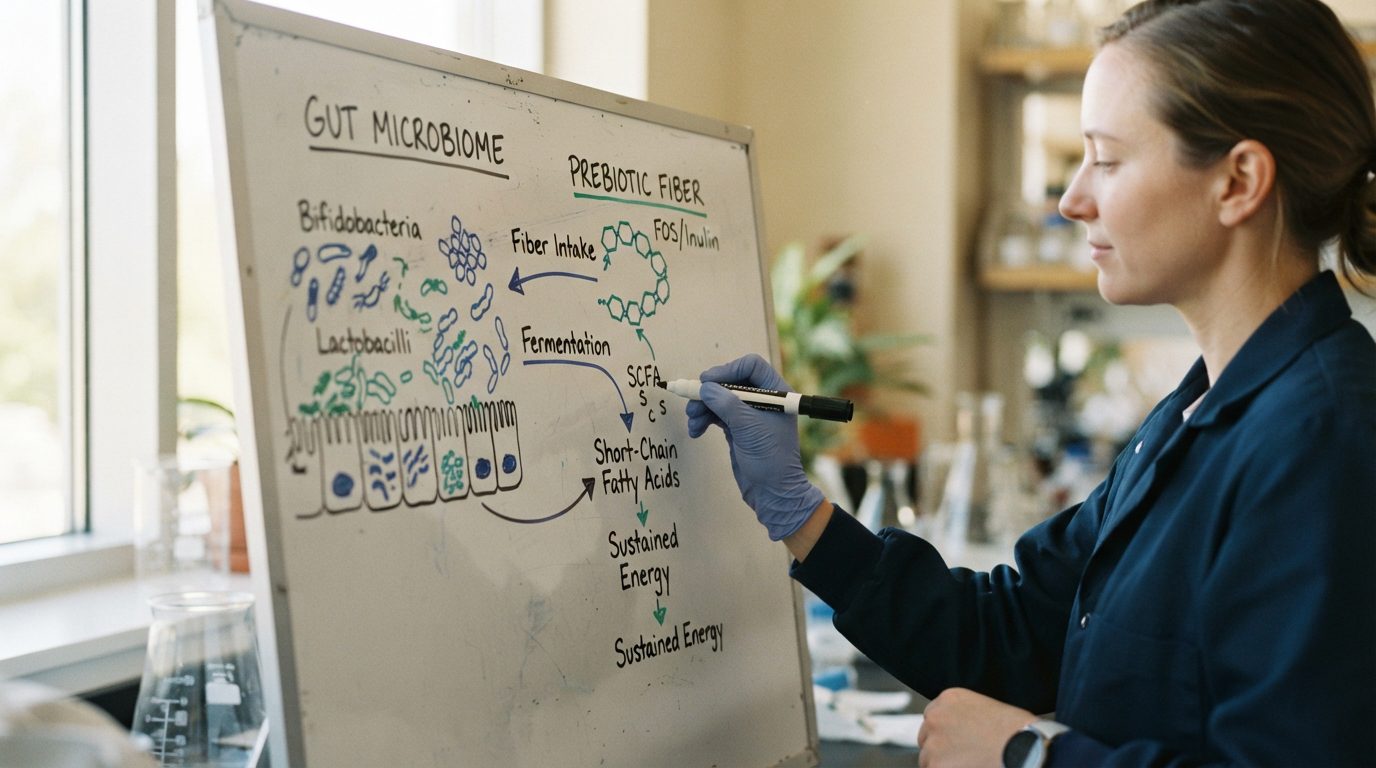
Additionally, mushrooms contain a variety of polysaccharides and polyphenols, which can act as prebiotics. Prebiotics are indigestible compounds that pass through the upper part of the gastrointestinal tract and stimulate the growth or activity of beneficial microorganisms in the colon. The fermentation of these compounds by gut microbiota produces short-chain fatty acids (SCFAs) like butyrate, acetate, and propionate. SCFAs are essential for maintaining the integrity of the gut lining, reducing inflammation, and providing energy to colon cells. Not a bad bonus for a simple dish such as a creamy mushroom gnocchi?
Mushrooms also possess antimicrobial properties, which can help maintain a healthy balance of gut microbiota by inhibiting the growth of harmful bacteria. Furthermore, the anti-inflammatory properties of mushrooms, attributed to compounds such as ergothioneine and selenium, can help reduce gut inflammation, which is linked to a variety of gastrointestinal disorders, including inflammatory bowel disease (IBD).
Onions
The onions in the creamy mushroom gnocchi dish are an excellent source of dietary fiber and prebiotics, particularly fructans, which include inulin and fructooligosaccharides (FOS).
These prebiotics are not digested by human enzymes and reach the colon intact, where they serve as food for beneficial bacteria.

The fermentation of fructans in the colon leads to the production of SCFAs, which, as mentioned earlier, support gut health by nourishing colonocytes, maintaining the gut barrier, and modulating the immune response.
- PS: Note that fructans, a type of complex carbohydrate, can trigger digestive discomfort in some individuals. These compounds can cause bloating, flatulence and stomach cramps, particularly in those with irritable bowel syndrome (IBS) or other sensitivities to FODMAPs (fermentable oligosaccharides, disaccharides, monosaccharides and polyols). People with digestive conditions may need to tolerate better cooked onions – such as in this mushroom gnocchi dish – which are often better tolerated, or limit the intake.
Moreover, onions contain flavonoids such as quercetin, which have antioxidant and anti-inflammatory properties. These compounds can help protect the gut lining from oxidative stress and inflammation, potentially reducing the risk of chronic diseases such as IBD and colorectal cancer. The sulfur compounds in onions, such as allicin, also exhibit antimicrobial properties, which can help regulate the gut microbiome by suppressing pathogenic bacteria and supporting beneficial ones.
Incorporating mushrooms and onions into the diet – such as in this creamy mushroom gnocchi – can have a synergistic effect on gut health. Their combined prebiotic effects promote a diverse and balanced gut microbiota, enhancing digestive health, boosting immunity, and potentially protecting against various gastrointestinal diseases. Moreover, the anti-inflammatory and antioxidant properties of both foods contribute to maintaining the integrity and function of the gut lining.
In summary, mushrooms and onions are potent allies for gut health. Their high fiber content, prebiotic properties, and bioactive compounds work together to promote a healthy and balanced gut microbiome, reduce inflammation, and support overall digestive health. Add to dishes such as this creamy mushroom gnocchi recipe, or use dried mushrooms as a flavor enhancer in sauces and soups. Regular consumption of these vegetables can be a simple yet effective strategy to enhance gut health and prevent gastrointestinal disorders.
Other recipes you might like:
-

Sea Buckthorn: The #1 Skin and Gut Health Superfood You Should Know About
Sea Buckthorn: The Skin and Gut Health Superfood You Should Know About Sea buckthorn has gained a cult following among skincare and wellness enthusiasts — and for good reason. Rich in rare fatty acids, vitamins, and antioxidants, this bright orange berry supports both your outer glow and inner gut health. Having tried it myself in…
-
Easy high fiber meals – Fueling your glow from the inside out
Easy High Fiber Meals – Boost Your Skin Glow, Inside Out Looking for a quick overview of how to add more fiber to your diet? We’ve got you covered with these ideas for easy high fiber meals to keep your gut happy and your meals exciting! Because eating enough fiber is a key to glowing…
-
Best Probiotics for Acne? 12 That Actually Work (Derm & Gut-Backed)
Best Probiotics for Acne? 12 That Actually Work (Derm & Gut-Backed) If you struggle with acne, you’re not alone—acne affects over 650 million people worldwide. I was one of them for many years, until I realised that skin health is more than just skin deep! In fact, new research shows that balancing your skin and…
-
Water Kefir vs Milk Kefir: Which actually fixes bloating?
Water kefir vs milk kefir: which actually fixes bloating? Water kefir vs milk kefir: which actually fixes bloating? The honest answer is that neither is a guaranteed fix, but understanding what goes into each drink can help you choose one that better matches your diet and likely triggers. Key Takeaways What kefir is and how…
-
Probiotic strains for IBS: what the clinical evidence actually shows
Probiotic strains for IBS: what the clinical evidence actually shows Probiotic strains for IBS: what the clinical evidence actually shows is important because one big meta-analysis pooled 20 studies and found probiotics outperform placebo for global IBS symptoms. That means we can talk about “works for IBS” in a way that is not based on…
-
Compare Soil Based Organisms vs Traditional Probiotics for Sensitive Digestion (Best Picks for IBS, Bloating & Gut-Skin Results)
Compare Soil Based Organisms vs Traditional Probiotics for Sensitive Digestion (Best Picks for IBS, Bloating & Gut-Skin Results) Soil Based Organisms vs Traditional Probiotics for Sensitive Digestion is one of the most common questions we get from people whose gut feels touchy, yet they still want an inside-out glow. Did you know that some probiotics…
-
Best Spore-Based Probiotics for Sensitive Stomachs: Gentle, Science-Backed Support That Actually Works
Best Spore-Based Probiotics for Sensitive Stomachs: Gentle, Science-Backed Support That Actually Works When it comes to the Best Spore-Based Probiotics for Sensitive Stomachs, the science is quietly impressive, clinical trials show a 30-day course can reduce markers of gut permeability by 42%, which explains why so many people finally feel relief without the usual bloating.…
-
Ultimate Guide to Using Prebiotic Fibre for Sustained Energy
Ultimate Guide to Using Prebiotic Fibre for Sustained Energy Did you know that 90% of women and 97% of men don’t get enough fibre in their daily diet? That gap is exactly why we put together this ultimate guide to using prebiotic fibre for sustained energy, because we’ve read hundreds of research papers and articles,…
-
How to Choose Quality Digestive Enzymes for Better Nutrient Absorption
How to Choose Quality Digestive Enzymes for Better Nutrient Absorption Did you know that a staggering 70,000,000 people in the United States deal with gastrointestinal disorders every single year? That number alone tells us why so many of you write in asking how to choose quality digestive enzymes for better nutrient absorption, because bloating, sluggish…
-
Best Probiotics for Women Over 40: Our Science-Backed Pick of the Top Strains
Best Probiotics for Women Over 40: Our Science-Backed Pick of the Top Strains Finding the best probiotics for women over 40 has become one of the most-asked questions we get, and here’s a number that stopped us in our tracks: a striking 94% of women going through menopause report digestive health issues, often tied to…