Roasted tomato sauce (and gut healthy soup!)
Our Best Roasted Tomato Sauce
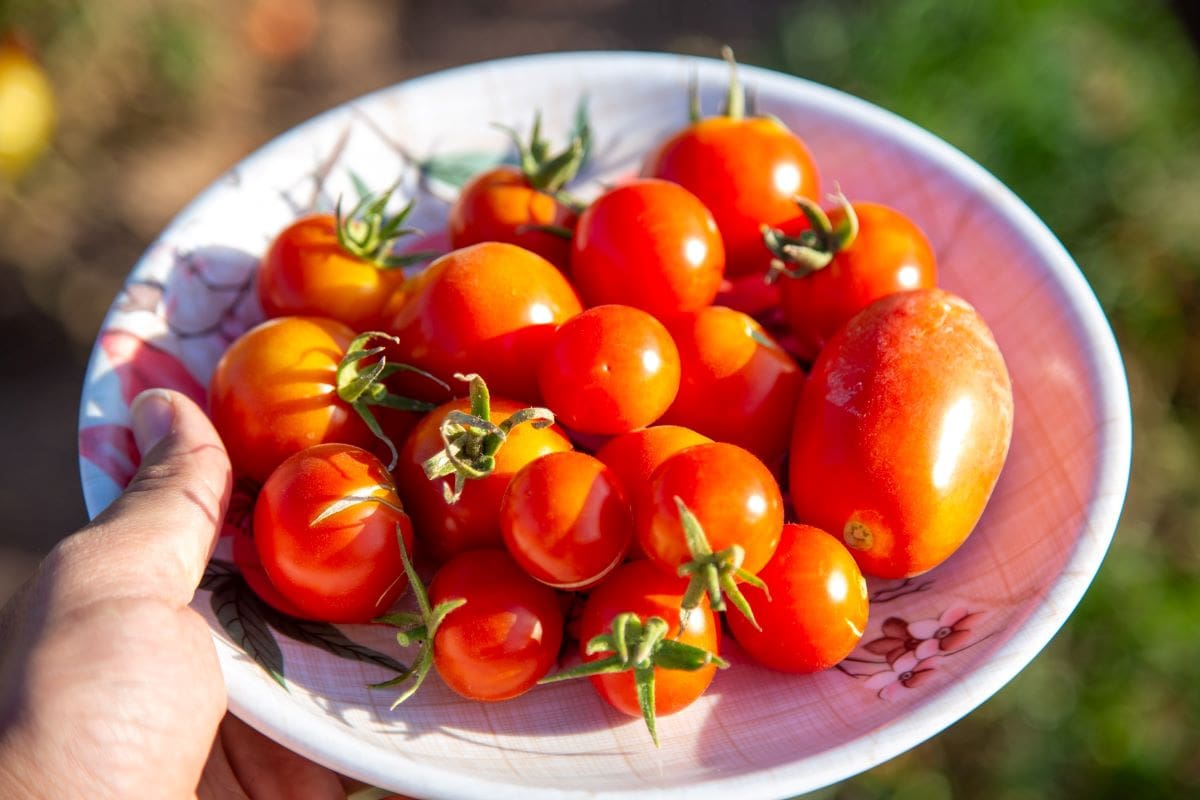
Trust me, you only need this one roasted tomato sauce recipe. It’s delicious on pasta or your home made chili con carne. And, tomatoes are high in fiber and water, plus have anti-inflammatory properties, therefore ranking high on the list of gut healthy foods.

Ingredients for roasted tomato sauce
- 1 kg cherry tomatoes (approximate is fine)
- 1 pinch Cayenne pepper (it is strong!)
- Good olive oil, 3 tbsp
- Balsamico, 1 tbsp
- Approx. 2 tbsp brown sugar
- Maldon salt, a pinch
- 7-8 fresh basil leaves
- Herbes des Provence, 1 tbsp
METHOD
- Mix cherry tomatoes and brown sugar, Cayenne pepper, Herbes des Provence, balsamico, salt and olive oil in an oven proof dish
- Place the dish in a cold oven and turn heat to 250 degrees Celsius
- When the oven reaches 250 turn it off and leave the pot inside without opening the door (last part is important to trap heat and moisture)
- Leave for at least 2 hours. Or start in the morning and remove from oven when you come home from work
- Place in a bowl or jar and add the fresh basil leaves
- Use a handheld or regular blender and mix into a smooth sauce
- Blend less to get more texture in the sauce, if you prefer.
Gut healthy soup!
Make a gut healthy soup by using the tomato sauce as a base, then adding a can of coconut milk or extra stock for your desired consistency.
I love it as a light, delicious and gut healthy lunch or starter!
Tomatoes and gut health
The water content of tomatoes is around 95%. The other 5% consists mainly of carbohydrates and fiber.
Here are the nutrients in a small (100-gram) raw tomato:
- Calories: 18
- Water: 95%
- Protein: 0.9 grams
- Carbs: 3.9 grams
- Sugar: 2.6 grams
- Fiber: 1.2 grams
- Fat: 0.2 grams
Tomatoes are a good source of fiber, providing about 1.5 grams per average-sized tomato. Most of the fibers (87%) in tomatoes are insoluble, in the form of hemicellulose, cellulose, and lignin.
Fiber is one of the main reasons whole plant foods are good for you. Growing evidence shows that adequate fiber intake may benefit your digestion and reduce your risk of chronic disease.
Many of these benefits are mediated by your gut microbiome — the millions of bacteria that live in your digestive system. And the most important reason that (some) dietary fibers are essential for health is that they feed the “good” bacteria in the intestine, functioning as prebiotics.
Other recipes and posts you might enjoy
-

Sea Buckthorn: The #1 Skin and Gut Health Superfood You Should Know About
Sea Buckthorn: The Skin and Gut Health Superfood You Should Know About Sea buckthorn has gained a cult following among skincare and wellness enthusiasts — and for good reason. Rich in rare fatty acids, vitamins, and antioxidants, this bright orange berry supports both your outer glow and inner gut health. Having tried it myself in…
-
Easy high fiber meals – Fueling your glow from the inside out
Easy High Fiber Meals – Boost Your Skin Glow, Inside Out Looking for a quick overview of how to add more fiber to your diet? We’ve got you covered with these ideas for easy high fiber meals to keep your gut happy and your meals exciting! Because eating enough fiber is a key to glowing…
-
Best Probiotics for Acne? 12 That Actually Work (Derm & Gut-Backed)
Best Probiotics for Acne? 12 That Actually Work (Derm & Gut-Backed) If you struggle with acne, you’re not alone—acne affects over 650 million people worldwide. I was one of them for many years, until I realised that skin health is more than just skin deep! In fact, new research shows that balancing your skin and…
-
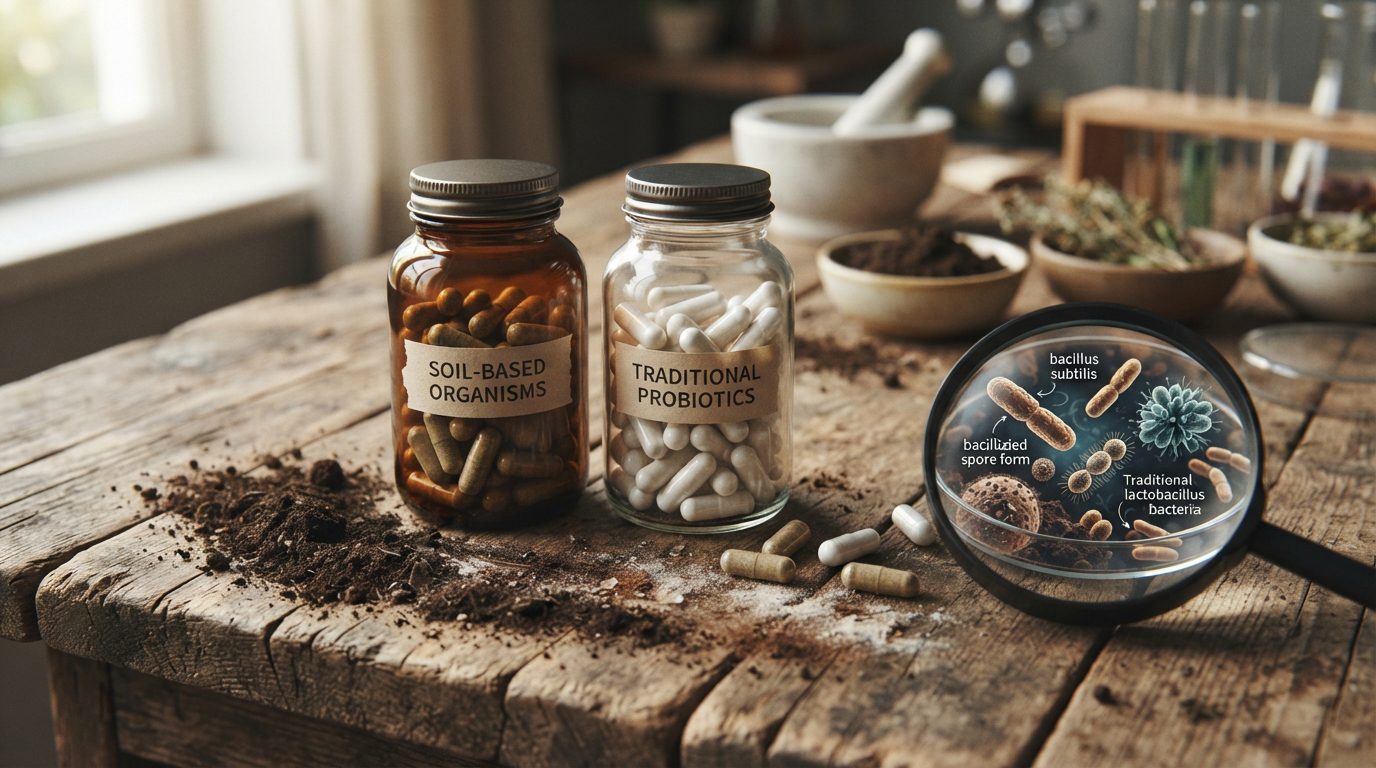
Compare Soil Based Organisms vs Traditional Probiotics for Sensitive Digestion (Best Picks for IBS, Bloating & Gut-Skin Results)
Compare Soil Based Organisms vs Traditional Probiotics for Sensitive Digestion (Best Picks for IBS, Bloating & Gut-Skin Results) Soil Based Organisms vs Traditional Probiotics for Sensitive Digestion is one of the most common questions we get from people whose gut feels touchy, yet they still want an inside-out glow. Did you know that some probiotics…
-
Best Spore-Based Probiotics for Sensitive Stomachs: Gentle, Science-Backed Support That Actually Works
Best Spore-Based Probiotics for Sensitive Stomachs: Gentle, Science-Backed Support That Actually Works When it comes to the Best Spore-Based Probiotics for Sensitive Stomachs, the science is quietly impressive, clinical trials show a 30-day course can reduce markers of gut permeability by 42%, which explains why so many people finally feel relief without the usual bloating.…
-
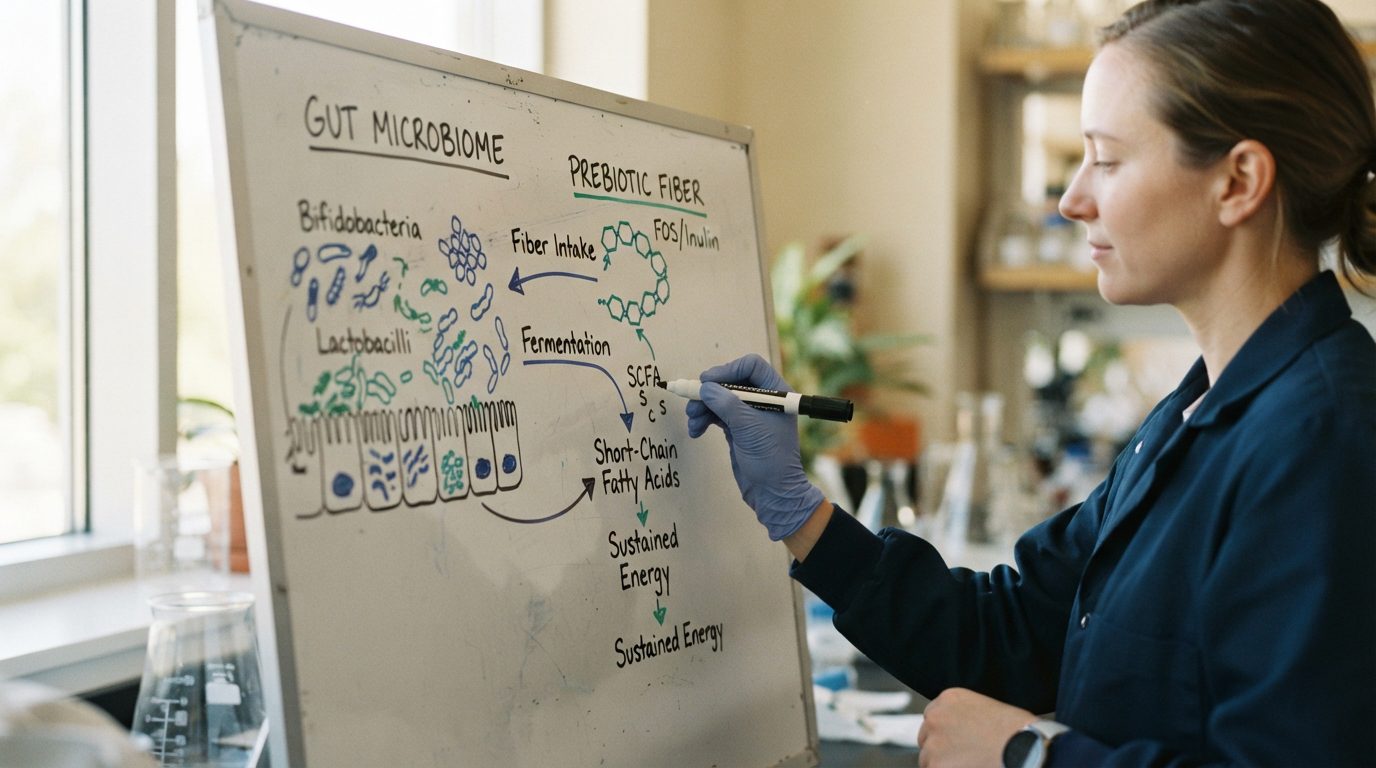
Ultimate Guide to Using Prebiotic Fibre for Sustained Energy
Ultimate Guide to Using Prebiotic Fibre for Sustained Energy Did you know that 90% of women and 97% of men don’t get enough fibre in their daily diet? That gap is exactly why we put together this ultimate guide to using prebiotic fibre for sustained energy, because we’ve read hundreds of research papers and articles,…
-
How to Choose Quality Digestive Enzymes for Better Nutrient Absorption
How to Choose Quality Digestive Enzymes for Better Nutrient Absorption Did you know that a staggering 70,000,000 people in the United States deal with gastrointestinal disorders every single year? That number alone tells us why so many of you write in asking how to choose quality digestive enzymes for better nutrient absorption, because bloating, sluggish…
-
Best Probiotics for Women Over 40: Our Science-Backed Pick of the Top Strains
Best Probiotics for Women Over 40: Our Science-Backed Pick of the Top Strains Finding the best probiotics for women over 40 has become one of the most-asked questions we get, and here’s a number that stopped us in our tracks: a striking 94% of women going through menopause report digestive health issues, often tied to…