
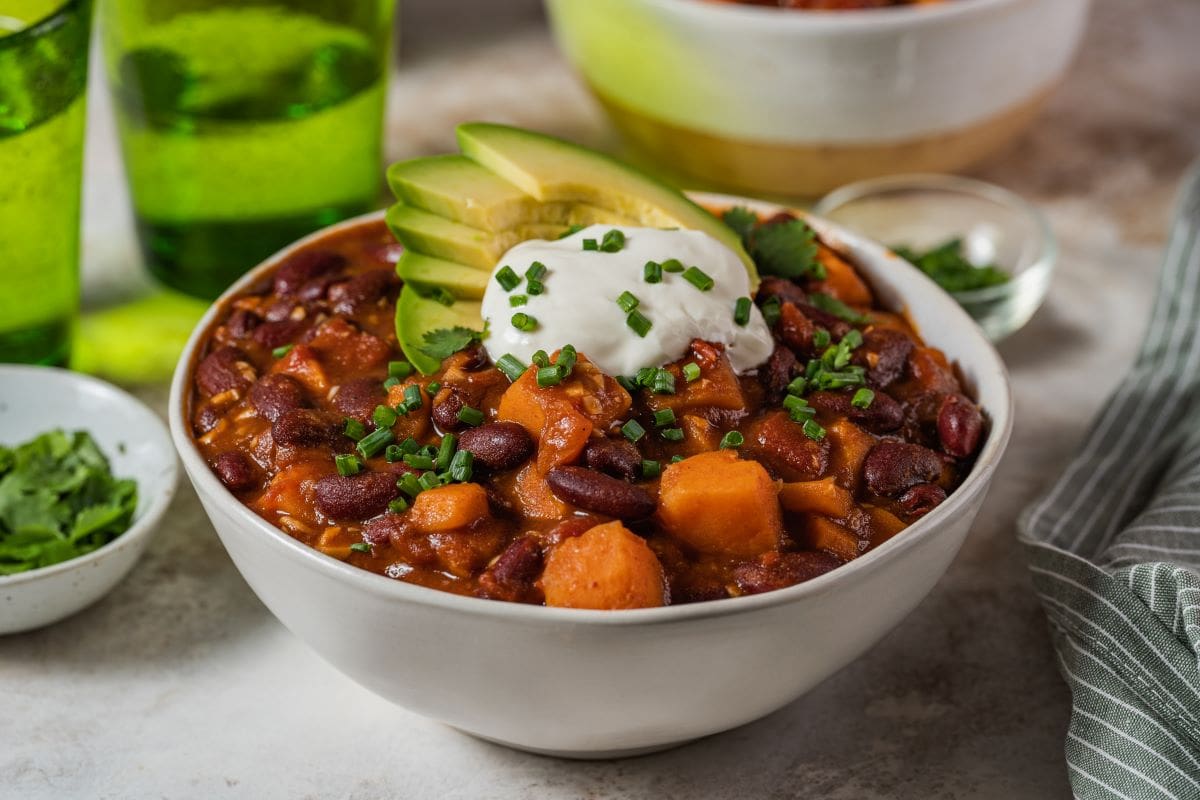
Gut Healthy, Hearty AND Delicoius Chili Con Carne!
Our No 1 Gut Friendly Chili Con Carne
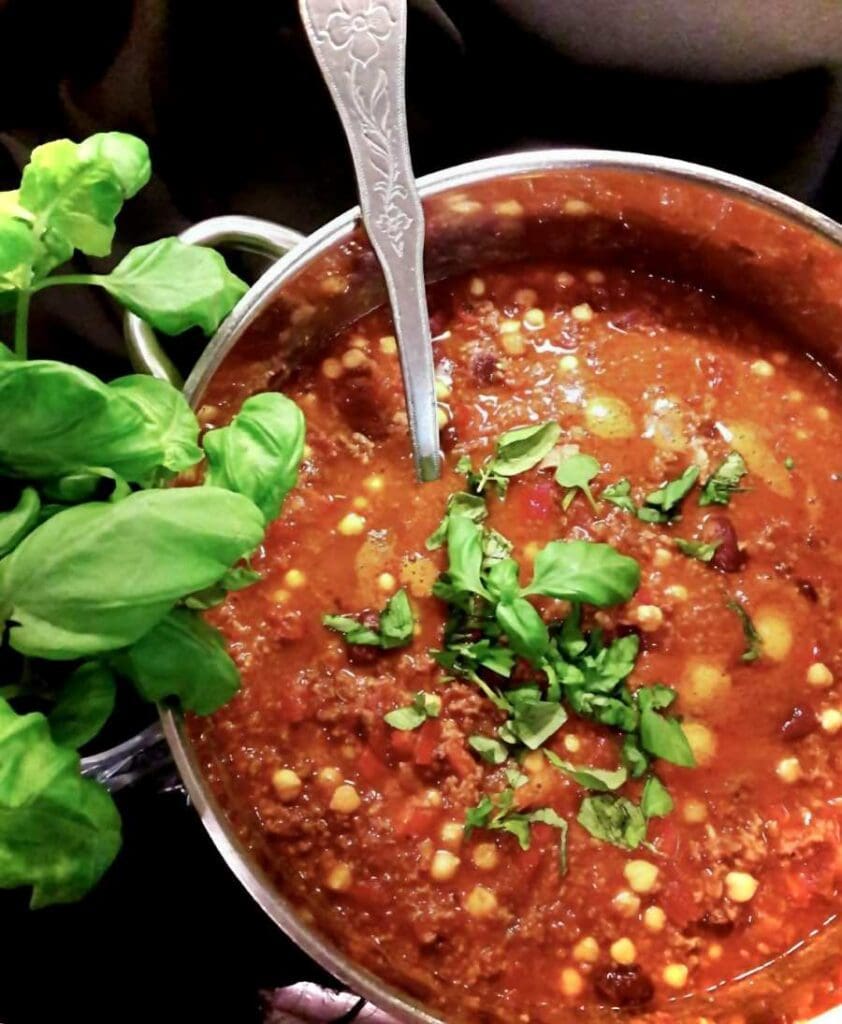
Make a big batch of this gut friendly chili con carne so you can put leftovers in the freezer for busy days ahead. With ingredients that are good for your gut microbes, such as chickpeas, herbs and onions, this is a perfect staple in a gut-friendly diet.
Table of Contents

Enjoy this Easy Vegetarian Menopause Diet Plan
Combat fatigue, hot flashes, brain fog, and poor sleep during menopause with foods that support your wellbeing through this life phase.
Ingredients gut friendly chili
- 4x packs 400 grams minced meat
- 2 cans chickpeas, 400 grams
- 1 can kidney beans, 400 grams
- 2 red onions, finely chopped
- 4 long red peppers, finely chopped
- 2 small jars tomato puree
- 1 tablespoon Herbs de Provence
- 1 tablespoon oregano
- 6 cans chopped tomatoes, 400 grams each
- 3 tablespoons veggie stock (or cubes)
- 2-3 tablespoons sugar
- 200 grams bacon
- Olive oil
- Salt, pepper to season
- Fresh basil or parsley (finely chopped) and some sour cream to serve
- Rice prepared according to instruction on the package
Method gut friendly chili
- In a large pot (I use a 10-liter one), heat the olive oil on medium heat
- Add onions and sauté until soft. I find that the longer I have time to cook the onions before adding other ingredients, the more flavorful the end result
- While onions are cooking, finely chop red pepper, add to the pot, and cook for 2-3 minutes
- Add tomato puree plus herbs and stir
- Add the meat and cook until it’s crumbled and slightly browned
- Add tomatoes, veggie stock, plus chickpeas, beans, and sugar. Stir and let simmer for a few minutes
- Meanwhile, cook the bacon until golden
- Add bacon to the pot and let simmer for about 30 minutes. You can also leave on low heat for 1.5-2 hours while you do something else; it will only make the flavors in your gut friendly chili blend even better
- Prepare the rice according to the instructions on the package
- Season with salt and pepper
- Serve with freshly cut basil or parsley, dollop of sour cream and rice
This gut friendly chili con carne freezes really well.
I always make extra for busy days ahead.
But my family loves it so much that leftovers are not guaranteed!
Enjoy! 😊

Gut healthy dessert
Why not make a sweat treat to round off the meal? This gut healthy banana snickers ice cream is sure to go down a storm! 😊
Gut healthy benefits of chickpeas
Chickpeas, also known as garbanzo beans, are super nutritious and can contribute to gut health. Here are some benefits of adding chickpeas to meals such as this gut friendly chili:
- Rich in fiber: Chickpeas are an excellent source of dietary fiber, both soluble and insoluble. Fiber is essential for maintaining a healthy digestive system.
- Prebiotics: The soluble fiber in chickpeas serves as a prebiotic, which means it provides a food source for beneficial bacteria in the gut. These bacteria, often referred to as probiotics, play a crucial role in maintaining a balanced and healthy gut microbiota.
- Improved digestion: The fiber in chickpeas can help regulate the passage of food through the digestive tract, promoting a healthy and efficient digestive process.
- Blood sugar regulation: Chickpeas have a low glycemic index, meaning they have a smaller impact on blood sugar levels. Stable blood sugar levels are important for overall health, including gut health.
- Source of protein: Chickpeas are a good plant-based source of protein. Including an adequate protein in your diet is essential for the health of the gut lining and tissues.
- Anti-inflammatory properties: Chronic inflammation in the gut can lead to various digestive disorders. Chickpeas contain compounds with anti-inflammatory properties, and a diet rich in anti-inflammatory foods may help support gut health.
- Nutrient content: Chickpeas are rich in various nutrients, including vitamins, minerals, and antioxidants. These nutrients contribute to overall health, including the digestive system.
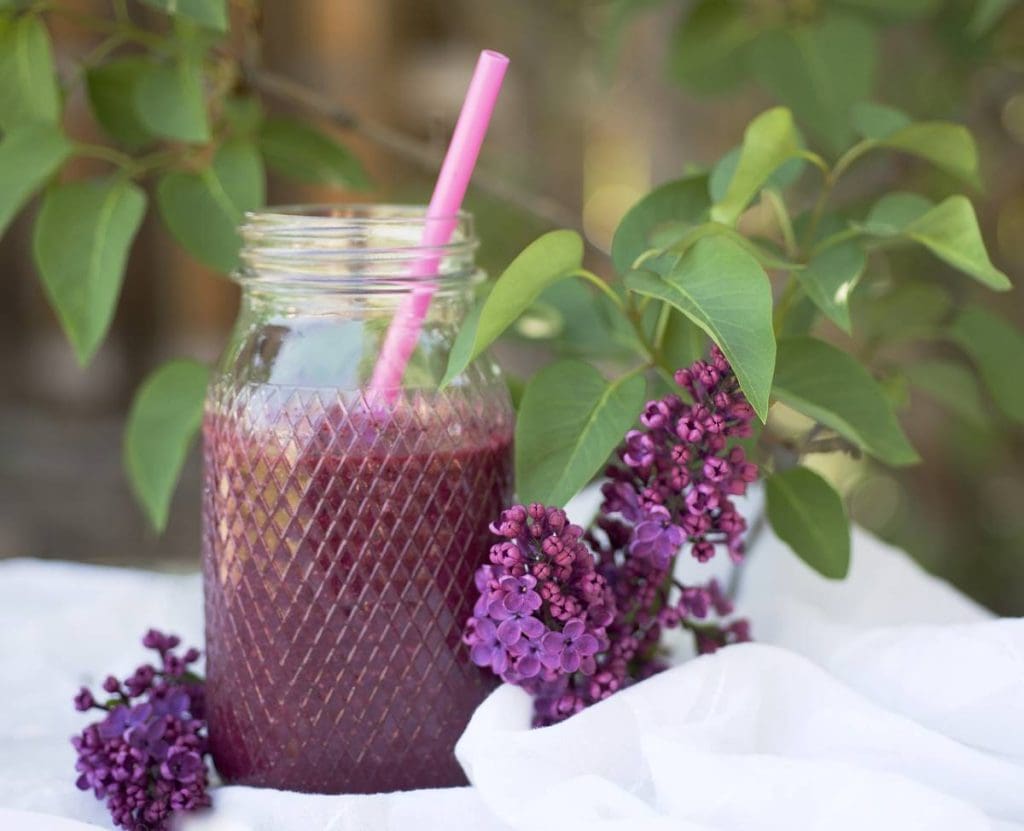
Our very best blueberry smoothie!
Looking for a tasty and healthy way to start your day? This delicious & nutritious blueberry smoothie will hit the spot!
Good chickpea advice!
When incorporating chickpeas into your meals, it’s important to cook them properly to enhance digestibility and reduce the presence of substances that can interfere with nutrient absorption.
Additionally, gradually increasing your fiber intake to allow your digestive system to adjust is advisable for some individuals.
As with any dietary changes, it’s a good idea to consult with a doctor or a registered dietitian, especially if you have specific dietary concerns or conditions.
Why canned tomatoes are your best friend
Canned tomatoes are a pantry staple with impressive health benefits! Here’s why they’re great for your health and gut-friendly recipes:
1. Rich in Lycopene (a Powerful Antioxidant)
- Benefit: Lycopene is linked to reduced inflammation and protection against chronic diseases like heart disease and certain cancers.
- Why canned is better: Cooking and canning tomatoes increase lycopene availability compared to raw tomatoes.
2. High in Vitamins A, C, and K
- Benefit: These vitamins boost immunity, support skin health, and strengthen bones.
- Gut connection: Vitamin C promotes collagen production, essential for maintaining a healthy gut lining.
3. Packed with Fiber
- Benefit: The natural fiber in tomatoes aids digestion and supports healthy gut bacteria.
- Gut connection: Fiber feeds beneficial gut microbes, promoting a balanced microbiome.
4. Low in Calories, High in Nutrients
- Benefit: Canned tomatoes are nutrient-dense but calorie-light, making them great for weight management.
5. Good Source of Potassium
- Benefit: Helps regulate blood pressure and supports heart health.
- Gut connection: Potassium can help counteract the bloating effects of excess sodium, supporting a comfortable digestion process.
6. Convenient and Affordable
- Benefit: Canned tomatoes make it easy to prepare health-focused meals, reducing the need for less nutritious alternatives.
Pro Tips for Gut-Friendly Use:
- Choose low-sodium options to avoid excessive salt intake.
- Pair with healthy fats (like olive oil) to boost lycopene absorption.
- Combine with fiber-rich and prebiotic foods (like beans or onions) for a gut-boosting meal.

Did you know that what you eat can literally change your mood?
Discover the fascinating science behind this discovery and the delicious, tasty treats that you should indulge in for a happier you!
Other recipes and posts you might like:

Sea Buckthorn: The Skin and Gut Health Superfood You Should Know About Sea buckthorn has gained a cult following among skincare and wellness enthusiasts — and for good reason. Rich in rare fatty acids, vitamins, and antioxidants, this bright orange berry supports both your outer glow and inner gut health. Having tried it myself in […]

Easy High Fiber Meals – Boost Your Skin Glow, Inside Out Looking for a quick overview of how to add more fiber to your diet? We’ve got you covered with these ideas for easy high fiber meals to keep your gut happy and your meals exciting! Because eating enough fiber is a key to glowing […]

Best Probiotics for Acne? 12 That Actually Work (Derm & Gut-Backed) If you struggle with acne, you’re not alone—acne affects over 650 million people worldwide. I was one of them for many years, until I realised that skin health is more than just skin deep! In fact, new research shows that balancing your skin and […]
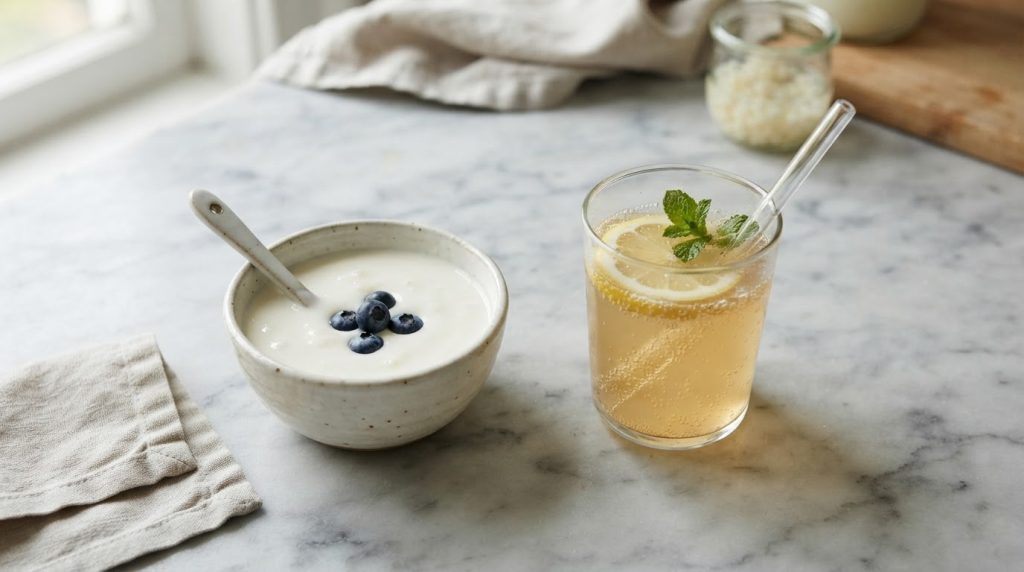
Water kefir vs milk kefir: which actually fixes bloating? Water kefir vs milk kefir: which actually fixes bloating? The honest answer is that neither is a guaranteed fix, but understanding what goes into each drink can help you choose one that better matches your diet and likely triggers. Key Takeaways What kefir is and how […]

Probiotic strains for IBS: what the clinical evidence actually shows Probiotic strains for IBS: what the clinical evidence actually shows is important because one big meta-analysis pooled 20 studies and found probiotics outperform placebo for global IBS symptoms. That means we can talk about “works for IBS” in a way that is not based on […]
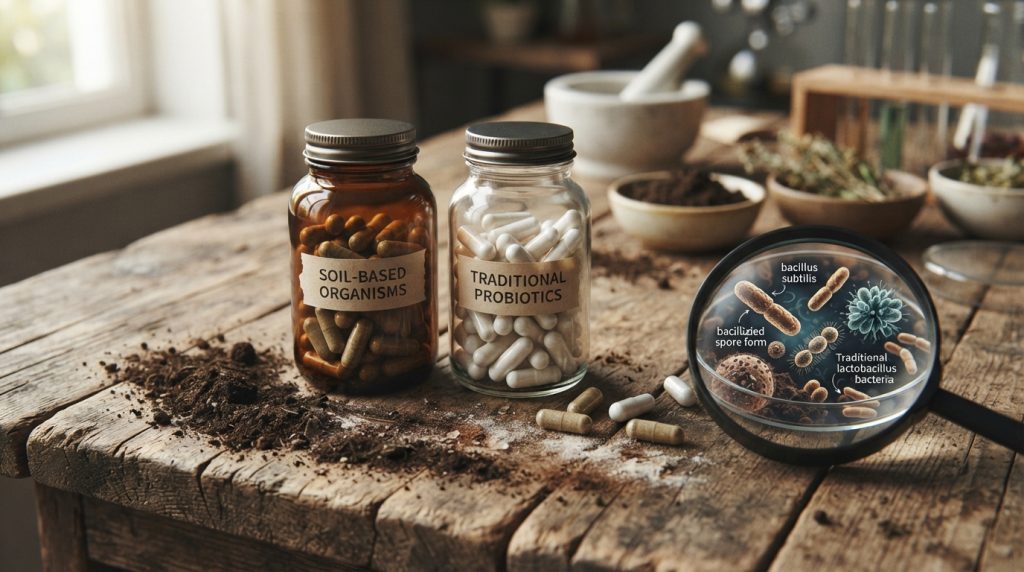
Compare Soil Based Organisms vs Traditional Probiotics for Sensitive Digestion (Best Picks for IBS, Bloating & Gut-Skin Results) Soil Based Organisms vs Traditional Probiotics for Sensitive Digestion is one of the most common questions we get from people whose gut feels touchy, yet they still want an inside-out glow. Did you know that some probiotics […]
Best Spore-Based Probiotics for Sensitive Stomachs: Gentle, Science-Backed Support That Actually Works When it comes to the Best Spore-Based Probiotics for Sensitive Stomachs, the science is quietly impressive, clinical trials show a 30-day course can reduce markers of gut permeability by 42%, which explains why so many people finally feel relief without the usual bloating. […]

Ultimate Guide to Using Prebiotic Fibre for Sustained Energy Did you know that 90% of women and 97% of men don’t get enough fibre in their daily diet? That gap is exactly why we put together this ultimate guide to using prebiotic fibre for sustained energy, because we’ve read hundreds of research papers and articles, […]
How to Choose Quality Digestive Enzymes for Better Nutrient Absorption Did you know that a staggering 70,000,000 people in the United States deal with gastrointestinal disorders every single year? That number alone tells us why so many of you write in asking how to choose quality digestive enzymes for better nutrient absorption, because bloating, sluggish […]
Best Probiotics for Women Over 40: Our Science-Backed Pick of the Top Strains Finding the best probiotics for women over 40 has become one of the most-asked questions we get, and here’s a number that stopped us in our tracks: a striking 94% of women going through menopause report digestive health issues, often tied to […]
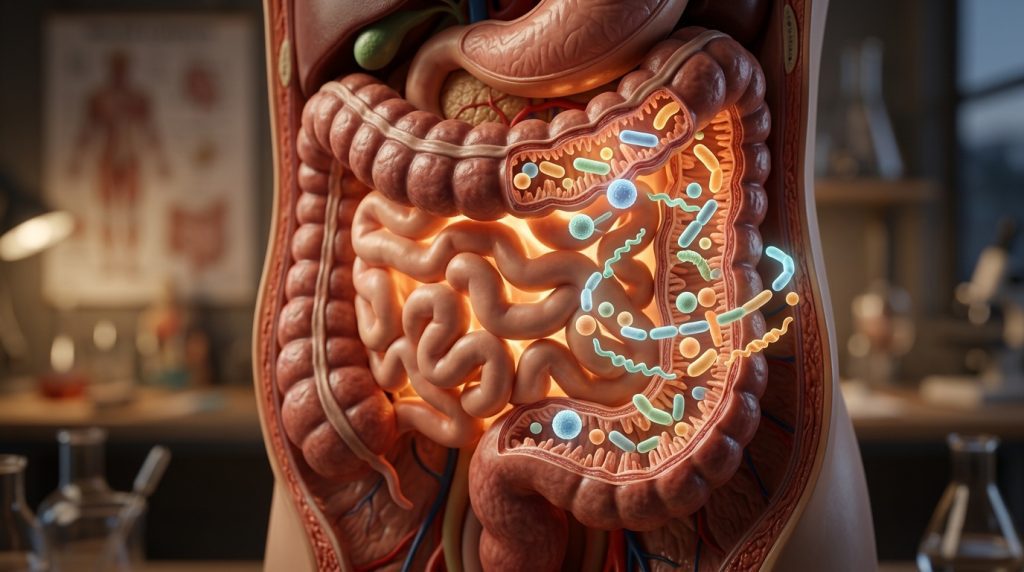
Digestive Disorders & Microbiome Recovery: What the Science Actually Says A single course of antibiotics can reduce gut microbial species by approximately 20, according to a Swedish analysis of nearly 15,000 adults, and that disruption can persist for years. This finding sits at the heart of why digestive disorders and microbiome recovery have become one […]
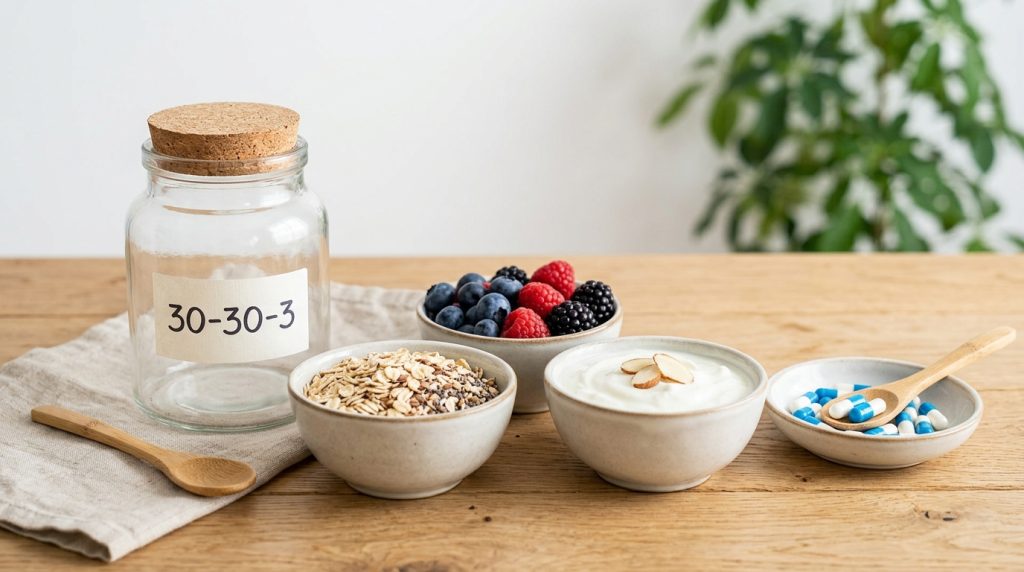
The ’30-30-3′ Microbiome Protocol: Your Science-Backed Daily Blueprint for a Thriving Gut Did you know that 84% of consumers report being more interested in gut health products than in previous years? It’s no wonder that simple, evidence-based frameworks like the ’30-30-3′ Microbiome Protocol are capturing so much attention right now. We’ve been fascinated (to the […]
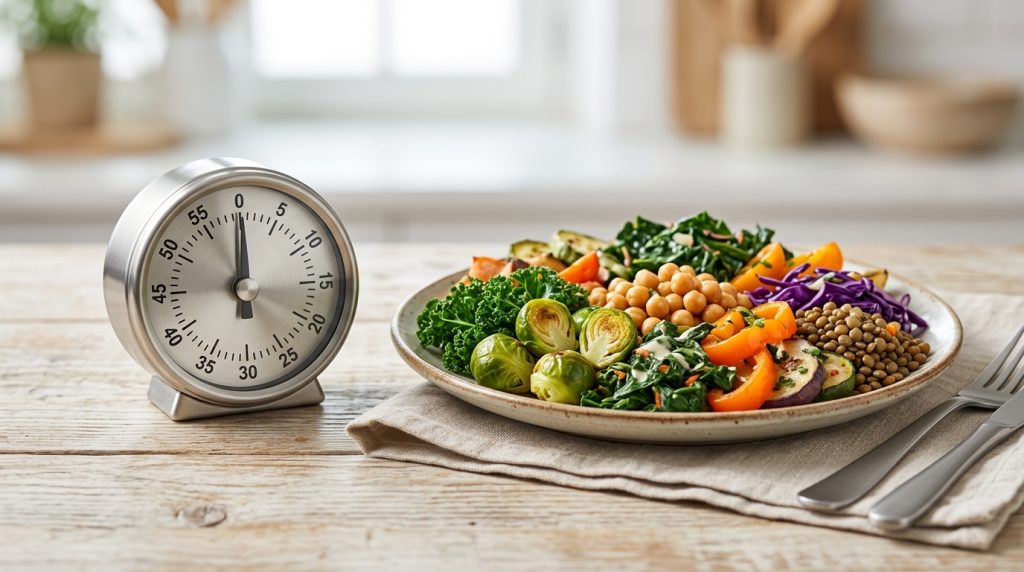
Chrono-Nutrition for the Microbiome: The Best Guide to Timing Your Meals for Gut Health Chrono-nutrition for the microbiome is one of the most exciting and practical shifts happening in gut health right now, and the science behind it is changing how we think about what we eat AND when we eat it. Consider this: over […]

Postbiotic pH Balancing: The Plain-English Guide to Supporting a Healthier Gut Ecosystem Postbiotic pH Balancing matters because clinicians often flag problems when vaginal pH rises above 4.5, a pH threshold tied to common vaginitis diagnoses. More people are asking the same practical question for gut health: how can we support stable, “right-range” pH conditions without […]
Best Natural Remedies for Reducing Chronic Systemic Inflammation If you’re looking for the best natural remedies for reducing chronic systemic inflammation, you’re in exactly the right place. And here’s something that might surprise you before we even get started: research shows that short sleep duration is associated with more than double the odds of elevated […]
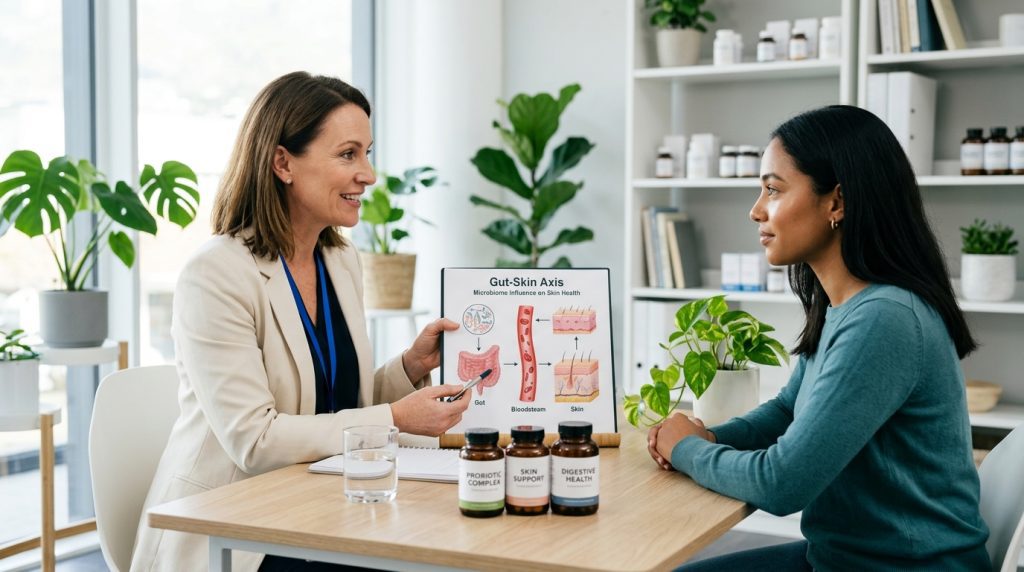
Metabolic Beauty: The Gut-Skin Axis Guide (What’s Actually Working Right Now) Metabolic Beauty and the Gut-Skin Axis in 2026 have officially moved from fringe wellness circles into mainstream science, and the numbers prove it: a staggering 67% of consumers now prefer ingestible beauty products over traditional topical solutions, signalling that the era of “beauty from […]

Menopause, Hormones & Gut Health: Understanding the Changes and Practical Solutions Menopause brings many changes to your body, and your digestive system is no exception. During this transition, dropping levels of oestrogen and progesterone affect more than just your reproductive system. These hormones also play key roles in how your gut functions, from digestion speed […]

The 24-Hour Glow Protocol: Transform Your Skin Through Microbiome-Focused Nutrition and Skincare Your skin and gut health are connected in ways that become visible within just 24 hours of changing what you eat and how you care for your skin. The microbiome—the collection of bacteria living in your gut and on your skin—responds quickly to […]