
How anxiety and gut health are connected
Scientists have discovered a powerful link between anxiety and gut health. Gut health and anxiety connect via the trillions of microbes in our gut – called the gut microbiome – because they produce important molecules that influence our brain.
These discoveries have turned traditional assumptions about mental well-being upside down, quite literally!
And with this shift in focus comes the exciting possibility of better ways to help manage our mental health. So, just how closely are gut health and mental health connected?
5 common questions about anxiety and gut health
1. What is the link between anxiety and gut health?
In order to understand the link between gut health and anxiety, we need to understand a little bit about the gut microbiome.
In short, the microbiome is the collection of all microbes – mainly bacteria but also fungi and viruses – that naturally live in and on our bodies. The gut and skin microbiomes are by far the largest ones.
In fact, these microbes weigh roughly as much as our brain!
Indeed, far from being harmful, we live in harmony with these microbes when we’re healthy. Many play a powerful role in our physical and mental health.
2. How does gut health affect anxiety?
How is it even possible for microbes to affect our brain? Let’s take a closer look!
The gut microbiome can affect mental health and anxiety in several ways, including:
Production of messenger molecules
Microbes produce and communicate via molecules that act as messengers, travelling through the blood to the brain, where they trigger certain responses.
Over 90% of the ‘happy molecule’ serotonin is produced in our gut:
- An unhealthy gut can lower the production of serotonin, leading to anxiety and depression
Other neurotransmitters that influence our brain are:
- GABA
- Dopamine
- Melatonin
Bacteria in our gut help produce and respond to these neurochemicals, which allows the brain to regulate mood and function.
Signalling via the Vagus Nerve ‘super highway’
- Other bacteria may use chemical signals to stimulate the vagus nerve, which runs between the base of the brain to our gut and physically connects them
Indirectly, via inflammation
- Inflammation of the gut has been linked to mental health, including anxiety and depression
- Increased levels of inflammatory molecules called cytokines directly correlate with symptoms of depression and anxiety
Notably, digestive conditions such as irritable bowel syndrome and inflammatory bowel disease have been associated with increased rates of anxiety and depression.
3. Can we ease anxiety by changing our gut microbiome?
Enhancing beneficial bacteria in the gut, for example, through the use of probiotics, prebiotics, or dietary change, has the potential to improve mood and reduce anxiety in both healthy people and patient groups.
CLICK BELOW TO LEARN WHICH PREBIOTIC AND PROBIOTIC SUPPLEMENTS CAN AFFECT MOOD
4. How can we improve or restore the gut microbiome?
When there are changes in the types or amount of these microbes, our microbiome becomes imbalanced, a state called dysbiosis. Dysbiosis can be harmful and restoring balance and optimizing our microbiome is important in order to restore health.
Probiotics, mood, and anxiety: Practical advice
Current trends suggest that the global probiotics market size could reach over USD 66 billion by 2024. Choosing a probiotic from the ever-expanding selection of commercially available products can be daunting for anyone.
Many bacteria that have been shown to have an effect on our mood and mental well-being, are part of two groups of bacteria (genera) called Lactobacillus and Bifidobacterium.
According to Dr Michael Ruscio:
“Within the Lactobacillus / Bifidobacterium category, the most commonly researched species for mental health have been:
- Bifidobacterium longum (B. longum)
- Bifidobacterium infantis
- Lactobacillus acidophilus
- Lactobacillus helveticus
- Lactobacillus plantarum
- Lactobacillus rhamnosus
Based on current research, a good probiotic for anxiety includes a high-quality, multi-species Lactobacillus / Bifidobacterium blend.
Butler and her team (2019) note that different strains have different psychological effects. Simply put, ‘strain’ refers to the third part of the probiotic name and it’s worth noting, it’s not always listed despite its importance.
For example, Lactobacillus rhamnosus (strain JB-1) failed to impact mood or anxiety levels in healthy males, while Lactobacillus casei (strain Shirota) demonstrated an ability to improve mood in healthy volunteers with low baseline mood score
Butler, 2019
Here are some of the probiotic strains proven to have a positive effect on mood, based on human studies (Butler, 2019):
- Lactobacillus helveticus R0052
- Lactobacillus acidophilus W37
- Lactobacillus brevis W63
- Lactobacillus casei W56
- Lactobacillus salivarius W24
- Lactococcus lactis W19 and W58
- Bifidobacterium longum R0175
- Bifidobacterium bifidum W23
- Bifidobacterium lactis W52
5. What negatively affects the gut microbiome?
At first do no harm, is the oath all medical doctors have to take.
The same applies to our gut microbiome. By far the largest volume of evidence is for a gut healthy diet and lifestyle. As a result, nutritional psychiatry has become an important topic, looking at how you can calm your mind with food.
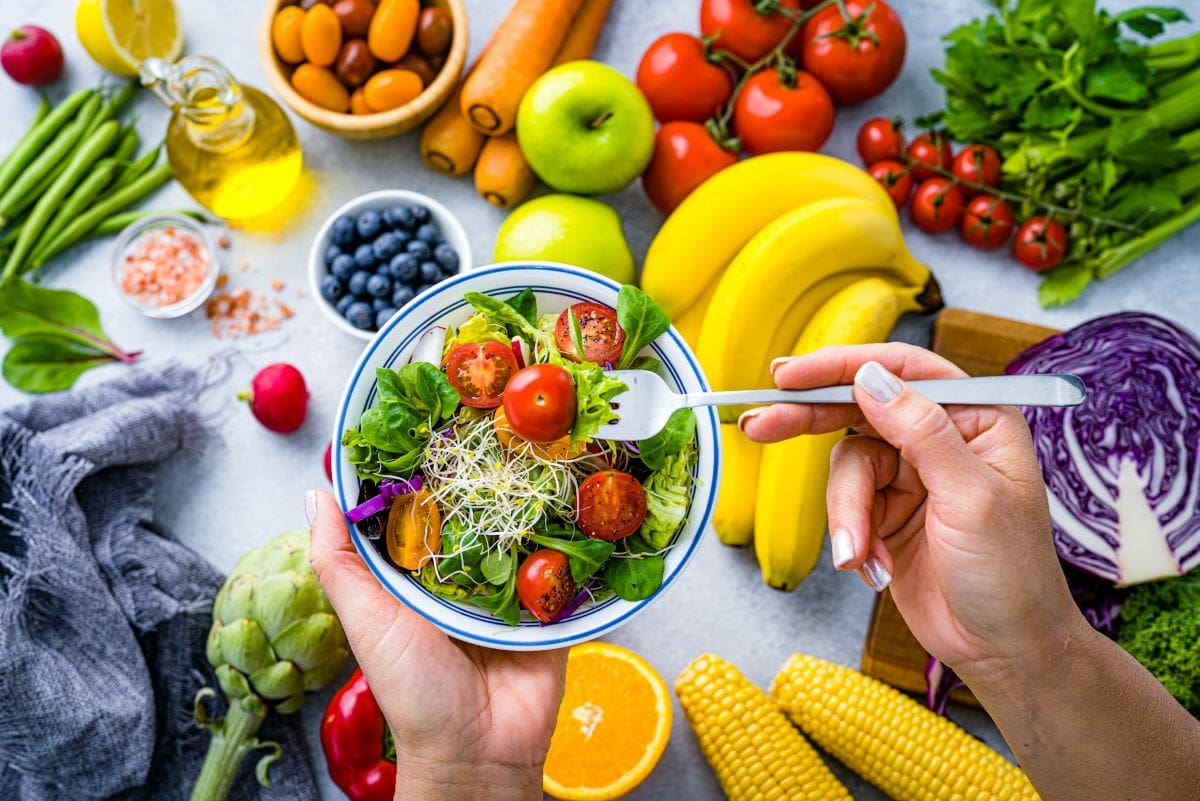
Turns out it’s true: we A.R.E. what we eat. A simple guide is to:
- ADD vegetables and fiber
- REDUCE alcohol
- ELIMINATE ultra-processed foods as much as possible
Summary & actions
We now know for sure that our gut has a powerful effect on our brain, and vice versa, via the gut-brain axis (Harvard, 2023).
Gut health and mental health connect through various routes, e.g. by influencing the production of messenger molecules, dysbiosis and inflammation.
Enhancing beneficial bacteria in our gut with probiotics, prebiotics or diet has the potential to improve mood and reduce anxiety.
Further reading:
Ritz et al, PNAS 2023
https://www.pnas.org/doi/10.1073/pnas.2308706120
Harvard Health, 2023
https://www.health.harvard.edu/diseases-and-conditions/the-gut-brain-connection
Other features you might like:
-

Sea Buckthorn: The #1 Skin and Gut Health Superfood You Should Know About
Sea Buckthorn: The Skin and Gut Health Superfood You Should Know About Sea buckthorn has gained a cult following among skincare and wellness enthusiasts — and for good reason. Rich in rare fatty acids, vitamins, and antioxidants, this bright orange berry supports both your outer glow and inner gut health. Having tried it myself in…
-
Easy high fiber meals – Fueling your glow from the inside out
Easy High Fiber Meals – Boost Your Skin Glow, Inside Out Looking for a quick overview of how to add more fiber to your diet? We’ve got you covered with these ideas for easy high fiber meals to keep your gut happy and your meals exciting! Because eating enough fiber is a key to glowing…
-
Best Probiotics for Acne? 12 That Actually Work (Derm & Gut-Backed)
Best Probiotics for Acne? 12 That Actually Work (Derm & Gut-Backed) If you struggle with acne, you’re not alone—acne affects over 650 million people worldwide. I was one of them for many years, until I realised that skin health is more than just skin deep! In fact, new research shows that balancing your skin and…
-
Water Kefir vs Milk Kefir: Which actually fixes bloating?
Water kefir vs milk kefir: which actually fixes bloating? Water kefir vs milk kefir: which actually fixes bloating? The honest answer is that neither is a guaranteed fix, but understanding what goes into each drink can help you choose one that better matches your diet and likely triggers. Key Takeaways What kefir is and how…
-
Probiotic strains for IBS: what the clinical evidence actually shows
Probiotic strains for IBS: what the clinical evidence actually shows Probiotic strains for IBS: what the clinical evidence actually shows is important because one big meta-analysis pooled 20 studies and found probiotics outperform placebo for global IBS symptoms. That means we can talk about “works for IBS” in a way that is not based on…
-
Compare Soil Based Organisms vs Traditional Probiotics for Sensitive Digestion (Best Picks for IBS, Bloating & Gut-Skin Results)
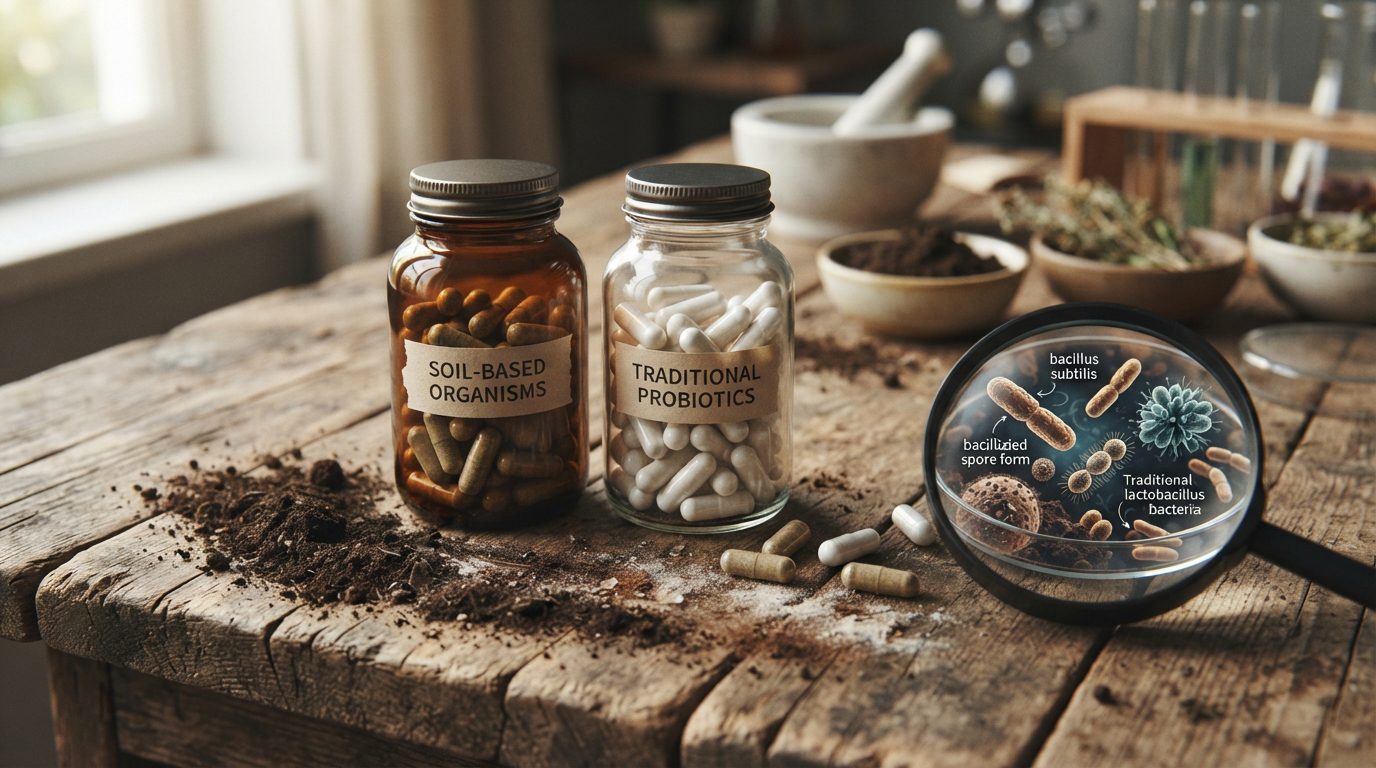
Compare Soil Based Organisms vs Traditional Probiotics for Sensitive Digestion (Best Picks for IBS, Bloating & Gut-Skin Results) Soil Based Organisms vs Traditional Probiotics for Sensitive Digestion is one of the most common questions we get from people whose gut feels touchy, yet they still want an inside-out glow. Did you know that some probiotics…
-
Best Spore-Based Probiotics for Sensitive Stomachs: Gentle, Science-Backed Support That Actually Works
Best Spore-Based Probiotics for Sensitive Stomachs: Gentle, Science-Backed Support That Actually Works When it comes to the Best Spore-Based Probiotics for Sensitive Stomachs, the science is quietly impressive, clinical trials show a 30-day course can reduce markers of gut permeability by 42%, which explains why so many people finally feel relief without the usual bloating.…
-
Ultimate Guide to Using Prebiotic Fibre for Sustained Energy
Ultimate Guide to Using Prebiotic Fibre for Sustained Energy Did you know that 90% of women and 97% of men don’t get enough fibre in their daily diet? That gap is exactly why we put together this ultimate guide to using prebiotic fibre for sustained energy, because we’ve read hundreds of research papers and articles,…
-
How to Choose Quality Digestive Enzymes for Better Nutrient Absorption
How to Choose Quality Digestive Enzymes for Better Nutrient Absorption Did you know that a staggering 70,000,000 people in the United States deal with gastrointestinal disorders every single year? That number alone tells us why so many of you write in asking how to choose quality digestive enzymes for better nutrient absorption, because bloating, sluggish…