

Your gut health and mood are strongly connected
Discover the power of the gut-brain axis (i.e. your gut and brain ‘talk’ to each other!)
Table of Contents
Did you know your gut is home to trillions of microbes! And far from being the enemy, these small but mighty microbes might be your best friend yet when it comes to boosting your mood! Remarkably, research shows that this community of microbes – your gut microbiome – create a powerful link between gut health and mood.
What’s more, what we eat has major effect on the gut microbes themselves and how they communicate with our brain. This, in turn, influences how we think and feel. Amazing, right? But how does his work, and what can we do to help strengthen our gut health and mood? Read on to discover how gut health is related to mental health, and ways to improve your gut microbiome health.
How your gut microbiome influences your mood
Did you know we live in a close relationship with the trillions of microbes in our gut? We feed them and in return they produce molecules our brain and body need to help us feel our best.
Our gut microbiome outnumber our other cells and genetic materials, and can produce hundreds of different molecules that influence our brain.
“It is now clear that gut microbes influence brain function.”
Dinan, 2022
Consequently, our gut microbiome ‘has something to say’ when it comes to our physical and mental health.
Because research shows that our gut microbiome has a direct effect on how we feel. What we eat and do, in turn, affects our gut microbiome, which gives us a unique opportunity to profoundly affect our mental health through our diet and lifestyle.
For example, says Dinan at Cork University:
“We feed the microbes, but different bacteria have different dietary requirements. Bifidobacteria, for example, are enhanced by the intake of complex carbohydrates.”

How can our gut affect our brain and mood?
Gut microbes communicate directly with the brain, e.g. via:
- The vagus nerve.
- Production of messenger molecules including tryptophan (the building block for the ‘happy molecule’ serotonin).
- The immune system.
Prof Dinan, at the Univeristy of Cork, Ireland, coined the term psychobiotic – having identified bacteria that positively impact mental health
Dinan, 2022
- Gut microbes change in depression and is less diverse than in healthy people
- When introducing gut microbes from a depressed patient into rats, the animals started to show depression-like behaviors
- For example, Bifidobacterium (B. longum 1714) reduces anxiety and lowers cortisol, the main stress hormone
- What we eat has a massive effect on the type and variety of microbes in our gut, and how these microbes behave
- Poor diet increases your risk of depression while gut friendly foods can improve your mood
In fact, it’s possible to calm your mind with food that nourishes a healthy microbiome.
Which gut bacteria can affect anxiety and mood?
Scientists show that certain microbes can help increase levels of serotonin and GABA, which are molecules (neurotransmitters) that play a role in mood and mental health.
- Clostridium ramosum has been implicated in boosting the ‘happy molecule’ serotonin
- Bacteria, such as Streptococcus, Enterococcus, and Escherichia, can also synthesize serotonin
- Several types of Bifidobacterium species are shown to be helpful allies in the quest against anxiety
- Microbes such as Lactobacillus species (L. plantarum) can regulate tryptophan levels, an essential precursor to serotonin
- Bacteria that produce GABA, a neurotransmitter molecule linked to anxiety, include Lactobacillus brevis
Ways to improve gut health and mood
The good news is that if we take care of our gut health and the trillions of microbes in our gut, they will take care of us. Because a healthy gut microbiome is linked to better mood and mental health.
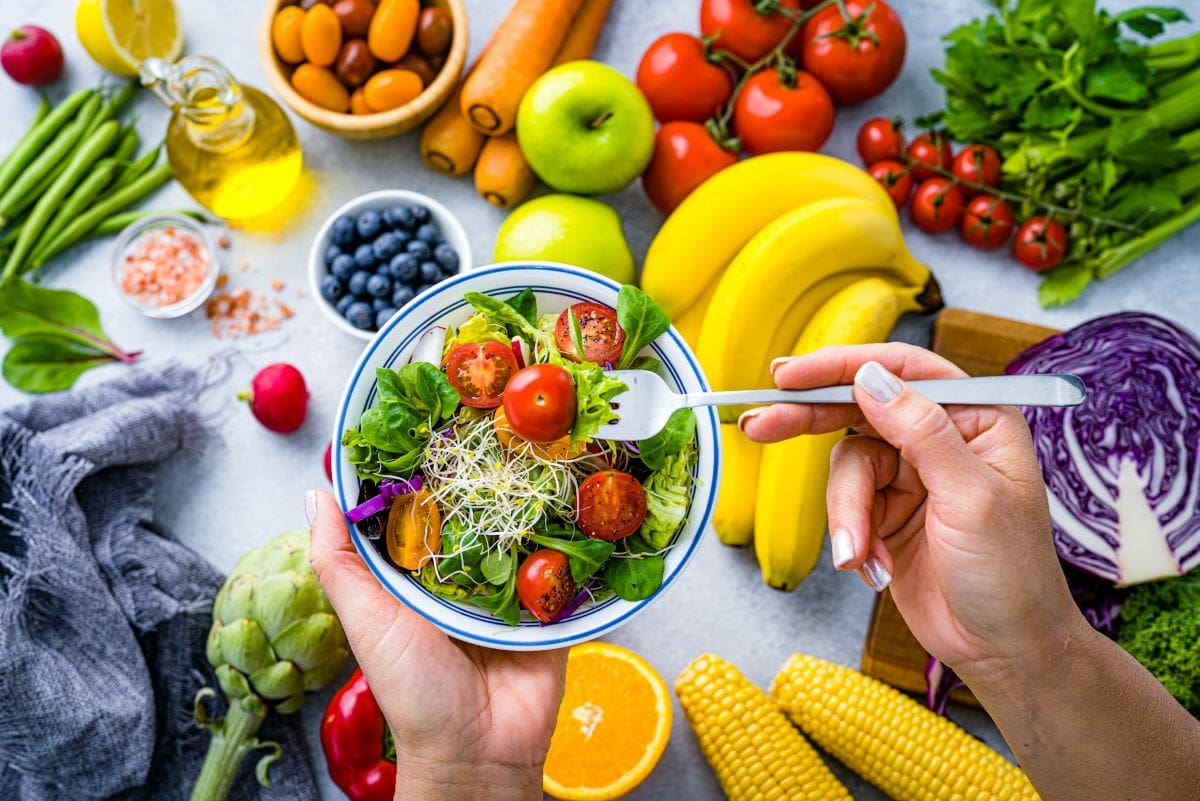
Boosting your wellbeing with gut healthy foods and meals can work wonders. For instance try to:
- Eat fermented probiotic foods such as kefir, kimchi and kombucha
- Think ‘variety’ and include different fish, nuts, fruits and veggies, and switch them up regularly
- Limit ultra-processed and high-sugar foods
- Follow a Mediterranean-style, high fiber diet
- Move your body and try to get regular exercise
Remember, it’s not about ‘perfection’ and every little helps!
Your well-being and the trillions of microbes in your gut will thank you, because the gut microbiome really does affect mental health and mood.
CHECK OUT our gut healthy foods and meals! We love sharing delicious microbiome-friendly recipes that taste and do good!
NOTE: This does not constitute medical advice. Seek advice from a healthcare professional as needed
More posts that you might enjoy:
-

Sea Buckthorn: The #1 Skin and Gut Health Superfood You Should Know About
Sea Buckthorn: The Skin and Gut Health Superfood You Should Know About Sea buckthorn has gained a cult following among skincare and wellness enthusiasts — and for good reason. Rich in rare fatty acids, vitamins, and antioxidants, this bright orange berry supports both your outer glow and inner gut health. Having tried it myself in…
-
Easy high fiber meals – Fueling your glow from the inside out
Easy High Fiber Meals – Boost Your Skin Glow, Inside Out Looking for a quick overview of how to add more fiber to your diet? We’ve got you covered with these ideas for easy high fiber meals to keep your gut happy and your meals exciting! Because eating enough fiber is a key to glowing…
-
Best Probiotics for Acne? 12 That Actually Work (Derm & Gut-Backed)
Best Probiotics for Acne? 12 That Actually Work (Derm & Gut-Backed) If you struggle with acne, you’re not alone—acne affects over 650 million people worldwide. I was one of them for many years, until I realised that skin health is more than just skin deep! In fact, new research shows that balancing your skin and…
-
Water Kefir vs Milk Kefir: Which actually fixes bloating?
Water kefir vs milk kefir: which actually fixes bloating? Water kefir vs milk kefir: which actually fixes bloating? The honest answer is that neither is a guaranteed fix, but understanding what goes into each drink can help you choose one that better matches your diet and likely triggers. Key Takeaways What kefir is and how…
-
Probiotic strains for IBS: what the clinical evidence actually shows
Probiotic strains for IBS: what the clinical evidence actually shows Probiotic strains for IBS: what the clinical evidence actually shows is important because one big meta-analysis pooled 20 studies and found probiotics outperform placebo for global IBS symptoms. That means we can talk about “works for IBS” in a way that is not based on…
-
Compare Soil Based Organisms vs Traditional Probiotics for Sensitive Digestion (Best Picks for IBS, Bloating & Gut-Skin Results)
Compare Soil Based Organisms vs Traditional Probiotics for Sensitive Digestion (Best Picks for IBS, Bloating & Gut-Skin Results) Soil Based Organisms vs Traditional Probiotics for Sensitive Digestion is one of the most common questions we get from people whose gut feels touchy, yet they still want an inside-out glow. Did you know that some probiotics…
-
Best Spore-Based Probiotics for Sensitive Stomachs: Gentle, Science-Backed Support That Actually Works
Best Spore-Based Probiotics for Sensitive Stomachs: Gentle, Science-Backed Support That Actually Works When it comes to the Best Spore-Based Probiotics for Sensitive Stomachs, the science is quietly impressive, clinical trials show a 30-day course can reduce markers of gut permeability by 42%, which explains why so many people finally feel relief without the usual bloating.…
-
Ultimate Guide to Using Prebiotic Fibre for Sustained Energy
Ultimate Guide to Using Prebiotic Fibre for Sustained Energy Did you know that 90% of women and 97% of men don’t get enough fibre in their daily diet? That gap is exactly why we put together this ultimate guide to using prebiotic fibre for sustained energy, because we’ve read hundreds of research papers and articles,…
-
How to Choose Quality Digestive Enzymes for Better Nutrient Absorption
How to Choose Quality Digestive Enzymes for Better Nutrient Absorption Did you know that a staggering 70,000,000 people in the United States deal with gastrointestinal disorders every single year? That number alone tells us why so many of you write in asking how to choose quality digestive enzymes for better nutrient absorption, because bloating, sluggish…


Sources and further reading
How do gut microbes influence mental health? – Dinan – 2022 – Trends in Urology & Men’s Health – Wiley Online Library
The gut microbiota and mental health in adults – ScienceDirect
Alleviate Anxiety With These 5 Microbes | GUTXY