
Are you curious about probiotics for better sleep?
Probiotics for Sleep: 3 Reasons Gut Health Affects Rest
Are you curious about probiotics for sleep? I know I was! Because research suggests that the trillions of microbes in our gut – called the gut microbiome – can influence sleep patterns and sleep quality, as well as general health. As a result, there is growing interest in finding out: Which are the best probiotics for sleep?!
Table of Contents

“A good laugh and a long sleep are the best cures in the doctor’s book.” – Irish Proverb
The lowdown on probiotics for sleep …
If you don’t want to wade through the details, here are the 3 sleep probiotics that are backed by robust research.
I’ve tested these probiotics for sleep because they’re backed by evidence, as well as good reviews:
- Simple SlumberTM from BiotiQuest
- Microbiome Labs Zenbiome Sleep
- Holland & Barrett Gut Powered Night
So, why might these probiotics help me sleep better? Read on to find out more!
“Up to 22% of adults in the UK have trouble falling asleep every night, according to a How to Sleep survey. 15% of people surveyed admitted to struggling to get to sleep at least once a week. The recommended amount of sleep for adults is between seven and nine hours every night, yet around 40% of the population do not hit this target.”
Why consider probiotics for sleep?
Personally, I was a bit skeptical about taking probiotics for better sleep quality. Could probiotic bacteria really help me sleep better? Well, given the impact of poor sleep on mood, productivity and well-being, it was worth testing out!
As it turns out, the short answer is ‘Yes’! I was pleasantly surprised to find I no longer woke up in the middle of the night, experienced deeper sleep and woke up feeling rested and ready to go, which I can tell you isn’t always the case!
As a reminder, what’s a probiotic? It’s a type of live microorganism, typically bacteria or yeast, that is believed to confer health benefits when consumed in adequate amounts.
So, how can probiotics improve sleep quality? Let’s take a look at what we know …
The gut-brain axis and sleep
The gut-brain axis refers to the two-way communication between your gut and your brain. It involves neural, endocrine, and immune pathways. What’s more, the gut-brain axis can help regulate sleep, both directly and indirectly.
This axis may play a critical role in the sleep-wake cycle. In fact, it’s a two-way street: the gut microbiome can affect sleep, and sleep deprivation can change the gut microbiome.
Specifically, the relationship between sleep and the gut microbiome works in both directions, with sleep influencing the gut microbiome and vice versa.
Scientists now know that specific bacteria may regulate sleep. In short, three reasons gut bacteria can influence sleep may be:
1) Via neurotransmitters, such as serotonin and melatonin, which play a key role in the sleep-wake cycle
2) By helping to produce sleep-promoting molecules such as GABA (a calming metabolite)
3) Certain probiotic strains like Lactobacillus and Bifidobacterium may lower stress hormone levels (like cortisol), promoting relaxation and better sleep
Can probiotics help sleep quality?
It’s important to note that not all probiotics are the same. So bear this in mind when choosing sleep probiotics, and also for other health benefits such as skin, mood or anxiety.
Different probiotics have different effects. Unfortunately it’s also true that some probiotics are sold with limited evidence to back up their claims.
What’s more, the strain of probiotic is super important, because different strains have different effects. It’s a bit technical but worth paying attention to: strain is the 3rd part of the probiotic name, so for Bacillus subtilis (DE111® ) the strain is DE111®.
Read on to find out which probiotics for sleep are backed by evidence.
How to choose the best probiotics for sleep?
Which specific probiotic strains are associated with better sleep?
Scientists are still studying the connection between probiotics and sleep. However, many people including myself have found that probiotics can improve sleep quality.
For example, certain strains like Lactobacillus rhamnosus and Bifidobacterium longum have been investigated for their potential sleep-related benefits.
Here’s a list of the most studied probiotics for better sleep:
Lactobacillus rhamnosus for better sleep
Strains of Lactobacillus rhamnosus that have been studied for their potential effects on sleep include:
- Lactobacillus rhamnosus GG
- Lactobacillus rhamnosus LR06
Lactobacillus rhamnosus GG is one of the most researched and well-known strains of L. rhamnosus.
We still need to understand more about how L. rhamnosus strains could impact sleep. However, the gut-brain axis may play an important role in the communication between the gut and the central nervous system, which includes the brain. The gut microbiome can produce substances such as neurotransmitters, short-chain fatty acids, and other bioactive compounds. Surprisingly, these substances may influence sleep as well as anxiety, mood and more!
The probiotic Lactobacillus rhamnosus LR06 may support better sleep and mood. In addition, increased Lactobacillus rhamnosus may improve NREM and REM sleep quality.
The exact mechanism for how these probiotics improve sleep is being studied, and likely involves the gut-brain axis. In addition, gut bacteria may influence the expression of certain genes related to sleep and appetite.
Bifidobacterium longum probiotics for sleep
The strain Bifidobacterium longum 1714 has been studied for its potential effects on sleep. It is described as a ‘psychobiotic’ that can help support the management of occasional stress, occasional sleeplessness, and lack of energy by supporting healthy cortisol levels.
A trial in humans discovered a number of benefits with Bifidobacterium longum 1714; For example, it could potentially:
- Reduce perceived stress
- Improve memory performance
- Reduce mental fatigue
- Positively support brainwave activity
- Improve the ability to handle occasional stress
Lactobacillus plantarum for better sleep
The strain Lactobacillus plantarum (TBC LP-36™) may help produce sleep-promoting molecules, including GABA (a calming metabolite). It also produces melatonin and breaks down fiber and other carbohydrates to produce beneficial anti-inflammatory substances.
Lactobacillus acidophilus for better sleep
The strain Lactobacillus acidophilus Rosell-52 has been clinically researched and found to help reduce anxiety and improve sleep quality. A study involving healthy subjects aged 60-81 years old found that Lactobacillus acidophilus Rosell-52 fermented drink significantly improved the participants’ quality and quantity of sleep.
The exact mechanisms through which Lactobacillus acidophilus Rosell-52 affects sleep are still under investigation, but it is suggested that it may help reduce sleep-perturbation markers of stress and inflammation, thus promoting sleep and supporting the stabilization of the sleep cycle.
How do probiotics influence sleep?
The gut microbiome is key in the connection between our digestive system and our brain. The signalling that occurs between these two systems is relayed by molecules produced by the gut microbiome. This signalling may result in a more relaxed and controlled sleep cycle.
Probiotic sleep supplements may support balanced signalling between the gut and the brain and promote peaceful, sound sleep.
Which sleep probiotics are backed by evidence?
Simple SlumberTM from BiotiQuest
Simple Slumber™ increases melatonin production as well as its precursor serotonin. It also activates opiate receptors for better sleep plus boosts antioxidants and anti-inflammatory molecules such as butyrate.
Microbiome Labs ZenBiome Sleep
ZenBiome Sleep contains 1714™, a unique strain of Bifidobacterium longum. It’s a so-called ‘psychobiotic’ that can help with occasional stress, mild mood changes, low energy, feelings of occasional fatigue, and occasional sleeplessness, according to Microbiome Labs.
Holland & Barrett Gut Powered Night
Holland & Barrett Gut Powered Night contains 10 billion live friendly bacteria, along with chamomile flower powder, vitamin B6 and magnesium. The added vitamins, minerals and natural extracts can help you feel less tired and fatigued throughout the night.
Surprisingly, this is one of my favourite probiotics. The surprise being it’s at the lower end of the market in terms of cost and fancy packaging. But for me at least, it packs a real punch in terms of benefits.
What is the recommended dosage of probiotics for sleep improvement?
Individual probiotics may vary so do check the label to ensure you’re taking your chosen probiotic in the right way.
When should I take a probiotic for sleep?
Individual probiotics may vary so do check the label to ensure you’re taking your chosen probiotic in the right way.
Summary: Probiotics for sleep
In summary, our gut microbiome and gut-brain axis could play a big role in helping us sleep. The relationship between our gut microbiome, probiotics and sleep is the topic of a lot of studies. A long list of evidence suggests our gut microbiome can influence sleep quality. Also, sleep can impact our gut microbiome!
When choosing a probiotic for sleep, consider these 3 tips:
- Look for high quality supplements, backed by evidence
- Choose the right strain of probiotic that’s been studied for better sleep
- Support better sleep with good sleep habits
Personally, I was pleasantly surprised about the effects of sleep probiotics. I found that a good quality probiotic helped sleep quality and duration. Above all, enjoying a good night’s sleep without sleep disruption, and waking up rested, was bliss!
Sadly, if you suffer from severe insomnia, there’s limited evidence for the effect of probiotics. On the other hand, if you experience occasional sleeplessness, specific probiotics for sleep might well be worth a try.
Of course, everyone’s different so do try different ones and speak to your physician for advice as needed.
Wishing you a good night’s sleep!
NOTE: This article may contain affiliate links from which we may earn commission
Other posts you might enjoy:
-

Sea Buckthorn: The #1 Skin and Gut Health Superfood You Should Know About
Sea Buckthorn: The Skin and Gut Health Superfood You Should Know About Sea buckthorn has gained a cult following among skincare and wellness enthusiasts — and for good reason. Rich in rare fatty acids, vitamins, and antioxidants, this bright orange berry supports both your outer glow and inner gut health. Having tried it myself in…
-
Easy high fiber meals – Fueling your glow from the inside out
Easy High Fiber Meals – Boost Your Skin Glow, Inside Out Looking for a quick overview of how to add more fiber to your diet? We’ve got you covered with these ideas for easy high fiber meals to keep your gut happy and your meals exciting! Because eating enough fiber is a key to glowing…
-
Best Probiotics for Acne? 12 That Actually Work (Derm & Gut-Backed)
Best Probiotics for Acne? 12 That Actually Work (Derm & Gut-Backed) If you struggle with acne, you’re not alone—acne affects over 650 million people worldwide. I was one of them for many years, until I realised that skin health is more than just skin deep! In fact, new research shows that balancing your skin and…
-
Water Kefir vs Milk Kefir: Which actually fixes bloating?
Water kefir vs milk kefir: which actually fixes bloating? Water kefir vs milk kefir: which actually fixes bloating? The honest answer is that neither is a guaranteed fix, but understanding what goes into each drink can help you choose one that better matches your diet and likely triggers. Key Takeaways What kefir is and how…
-
Probiotic strains for IBS: what the clinical evidence actually shows
Probiotic strains for IBS: what the clinical evidence actually shows Probiotic strains for IBS: what the clinical evidence actually shows is important because one big meta-analysis pooled 20 studies and found probiotics outperform placebo for global IBS symptoms. That means we can talk about “works for IBS” in a way that is not based on…
-
Compare Soil Based Organisms vs Traditional Probiotics for Sensitive Digestion (Best Picks for IBS, Bloating & Gut-Skin Results)
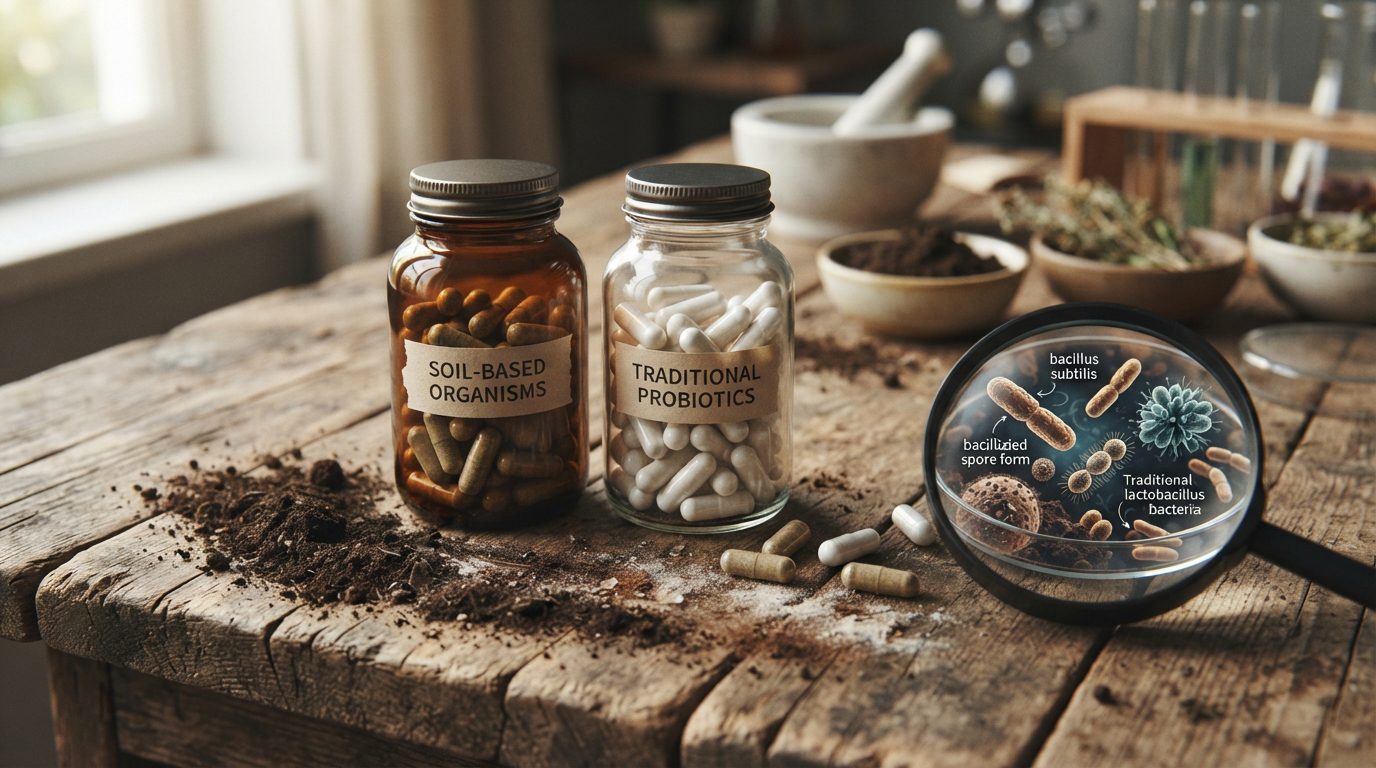
Compare Soil Based Organisms vs Traditional Probiotics for Sensitive Digestion (Best Picks for IBS, Bloating & Gut-Skin Results) Soil Based Organisms vs Traditional Probiotics for Sensitive Digestion is one of the most common questions we get from people whose gut feels touchy, yet they still want an inside-out glow. Did you know that some probiotics…
-
Best Spore-Based Probiotics for Sensitive Stomachs: Gentle, Science-Backed Support That Actually Works
Best Spore-Based Probiotics for Sensitive Stomachs: Gentle, Science-Backed Support That Actually Works When it comes to the Best Spore-Based Probiotics for Sensitive Stomachs, the science is quietly impressive, clinical trials show a 30-day course can reduce markers of gut permeability by 42%, which explains why so many people finally feel relief without the usual bloating.…
-
Ultimate Guide to Using Prebiotic Fibre for Sustained Energy
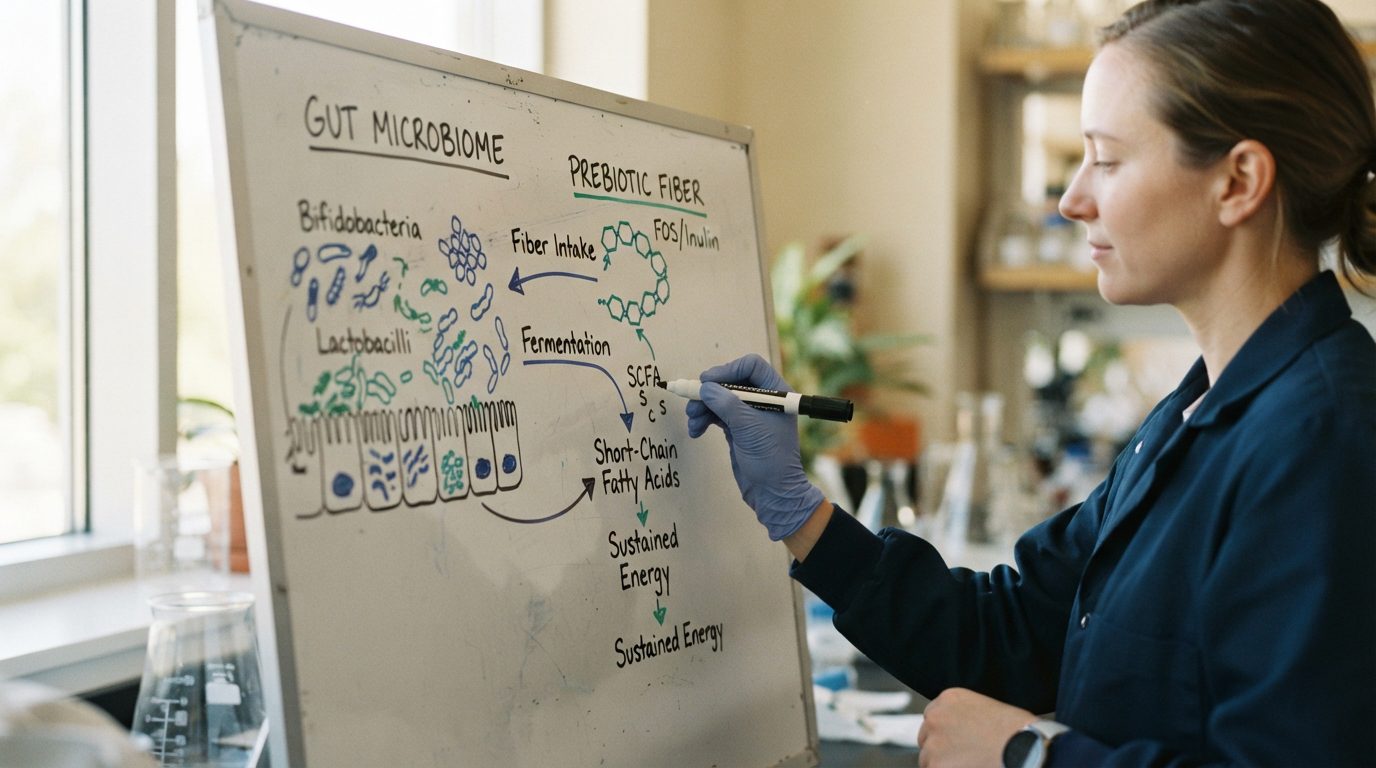
Ultimate Guide to Using Prebiotic Fibre for Sustained Energy Did you know that 90% of women and 97% of men don’t get enough fibre in their daily diet? That gap is exactly why we put together this ultimate guide to using prebiotic fibre for sustained energy, because we’ve read hundreds of research papers and articles,…
-
How to Choose Quality Digestive Enzymes for Better Nutrient Absorption
How to Choose Quality Digestive Enzymes for Better Nutrient Absorption Did you know that a staggering 70,000,000 people in the United States deal with gastrointestinal disorders every single year? That number alone tells us why so many of you write in asking how to choose quality digestive enzymes for better nutrient absorption, because bloating, sluggish…


References and further reading:
The Powerful Connection Between Gut Health and Sleep – TurtleTree
Sleep and Microbiome in Psychiatric Diseases – PMC (nih.gov)
ZenBiome Sleep (microbiomelabs.co.uk)
Simple Slumber + The Best Probiotic for Sleep + BiotiQuest®
The Powerful Connection Between Gut Health and Sleep – TurtleTree
https://www.sleepfoundation.org/how-sleep-works/sleep-facts-statistics