Can probiotics help sleep?
Have you ever suffered through a night of poor sleep? Then you’ll know the effect sleep disturbances can have on your day. And chances are you may have taken notice of recent studies on how probiotics help sleep?
Beyond daytime sleepiness, sleep deprivation has been linked to an increased risk of e.g. obesity, diabetes, and cardiovascular disease. So the quest for quality sleep is worth pursuing!
Scientists now believe that the gut microbiome – the trillions of microbes that live in our gut – can influence your sleep!
So, what is the relationship between gut health, probiotics and better sleep? And, should you consider probiotic supplements for sleep?
Your gut microbiome and sleep
There is growing interest in the link between sleep and the gut microbiome – the trillions of microbes that live in our gut.
Commonly associated with digestive health, the trillions of microbes in your gut are now thought to affect sleep.
Understanding the relationship between probiotics and sleep can help us find new ways to improve sleep quality and overall well-being. And whilst I personally didn’t suffer with any sleep problems, I wanted to see for myself whether probiotics help sleep.
Probiotics: A brief overview
Before delving into the details of how probiotics help sleep, let’s take a quick look at what they are.
Probiotic foods contain live microbes, often bacteria and yeasts. They are primarily found in fermented foods and supplements. You may have heard them referred to as ‘friendly bacteria’; this is because they help maintain a healthy balance of microbes in the gut.
Probiotics can be found in various forms, including yogurt, kefir, sauerkraut, kimchi.
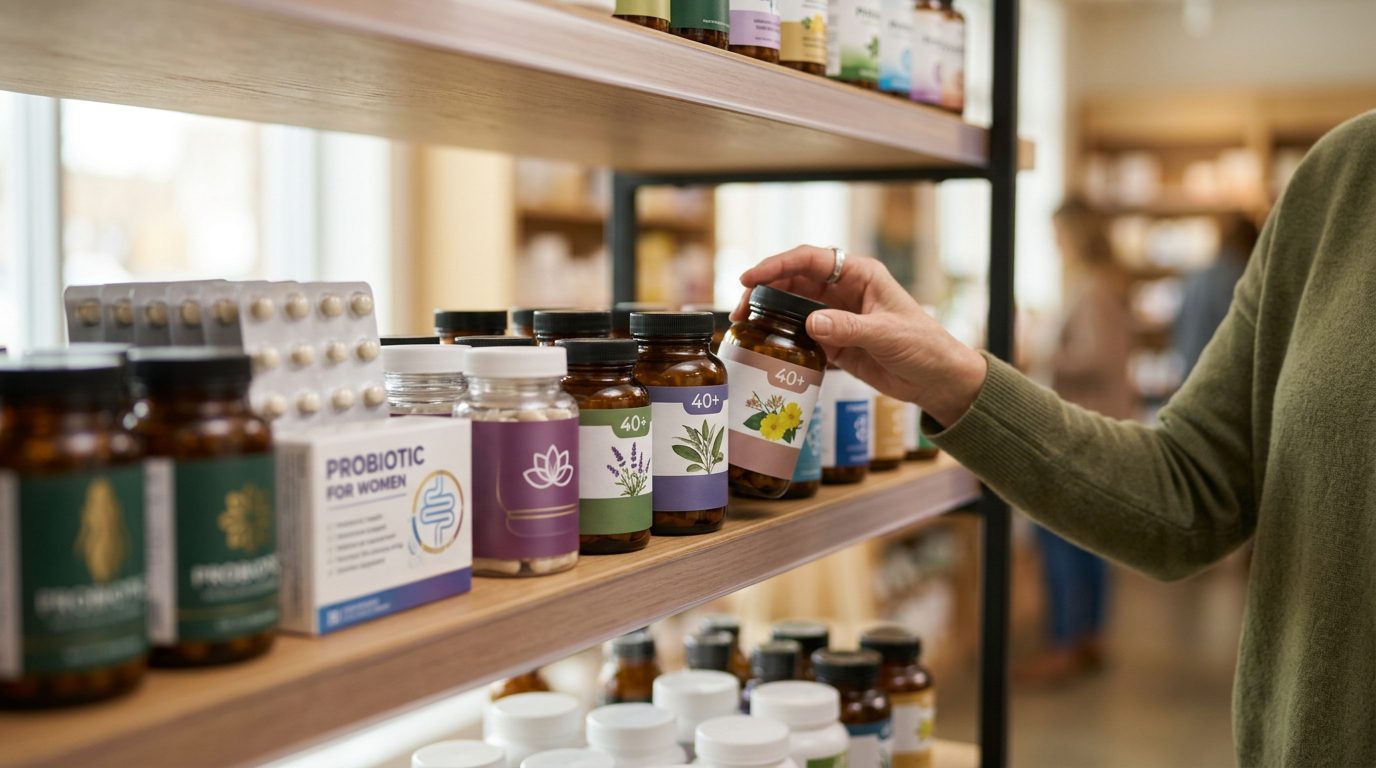
Probiotic supplements are increasingly popular and offer a very convenient way of improving your gut microbiome (more about choosing the right ones, below).
Can probiotics improve sleep naturally?
A fascinating area of research is the relationship between sleep and the gut microbiome. Recent studies have suggested that an imbalance in the gut microbiome, known as dysbiosis, may contribute to sleep disturbances and disorders.
Your gut microbiome may influence your sleep through various mechanisms. For example, certain gut bacteria help sleep by producing neurotransmitters such as serotonin and melatonin.
Understanding the intricate relationship between sleep and the gut microbiome can help us develop good probiotics for sleep.
The gut-brain axis: A key to understanding how probiotics help sleep
Your gut microbiome and brain communicate through a complex network of signals, known as the gut-brain axis. This communication system extends to various aspects of health, including sleep.
Growing evidence suggests that alterations in your gut microbiome can influence your sleep patterns and sleep quality.
Probiotics, by influencing the gut microbiome and gut-brain axis, have the potential to improve sleep.
Probiotics and melatonin production
Melatonin, often referred to as the ‘sleep hormone’, regulates the sleep-wake cycle and helps you fall asleep, and stay asleep. Research suggests that certain probiotic strains may enhance melatonin production, leading to improved sleep quality.
For example, one study found that specific probiotic strains increased melatonin levels in the body and improved sleep in individuals with insomnia.
Choosing the right probiotics for good sleep
While the potential connection between probiotics and sleep is promising, it is essential to consider the current state of research to fully understand the implications.
What is the current research on probiotics for better sleep?
Several studies have investigated the effects of probiotics on sleep quality, with varying results. Some studies have reported improvements in sleep quality, while others have shown no significant effects.
For instance, one trial demonstrated that a specific probiotic strain improved sleep quality and reduced symptoms of insomnia in patients with depression, suggesting the potential use of probiotics for sleep.
Choosing the right probiotics for sleep
If you are considering probiotics for better sleep quality, here are a few things to keep in mind:
Probiotic-rich foods and supplements
You can increase your probiotic intake by consuming foods that naturally contain live cultures, such as yogurt, fermented vegetables, and kefir.
Additionally, probiotic supplements are available, offering a convenient alternative. Personally I’ve not had a major sleep problem, but do regularly wake during the night. What’s more, I wanted to personally try the below renowned brands to see for myself whether probiotics help sleep. And I must say I was pleasantly surprised! Especially as I woke up feeling really rested.
For example, the probiotic Bifidobacterium longum 1714 has been found to improve sleep quality and duration in human studies. You’ll find it in Microbiome Lab’s Zenbiome Sleep.
Holland & Barrett Gut Powered Night Capsules contain 10+ billion live probiotics, including Lactobacillus acidophilus, Bifidobacterium lactis, Bifidobacterium bifidum, and Lactobacillus paracasei. These probiotics are combined with chamomile flower powder, vitamin B6, and magnesium to support better sleep and overall gut health.
Backing up the evidence that probiotics help sleep, the probiotic supplement Bicrome Stress-Care Probiotics contains Lactobacillus reuteri NK33 and Bifidobacterium adolescentis NK98. This probiotic was found to improve sleep, stress and anxiety. At the time of writing, Bicrome by Navipharm is only available in South Korea. I’m intrigued and keeping an eye out for when it arrives in the US and Europe.
Considerations when choosing probiotics for sleep
It’s important to note that not all probiotics are the same. Different probiotic strains have varying effects on the body. Therefore, it’s essential to choose probiotic supplements or foods that contain specific strains known for their desired health benefits.
In addition, when choosing a probiotic supplement, look for products that contain well-studied strains and have undergone rigorous quality control measures. Ideally, the supplement itself should be studied (not just the ingredients) as manufacturing can make a difference.
Bear in mind the effects of probiotics on sleep can vary, so try to monitor your sleep patterns and evaluate any changes over time.
While probiotics are generally considered safe for most individuals, it is essential to consult with a healthcare professional, particularly if you have any underlying health conditions or are taking medications.
Can probiotics help sleep: Summary
Overall, while more research is needed to fully understand how probiotics help sleep, the existing evidence suggests a potential relationship worth exploring.
Take care of your microbiome health with probiotics and prioritize healthy sleep habits to help you get a good night’s restful sleep.
Other posts you might enjoy:
-

Sea Buckthorn: The #1 Skin and Gut Health Superfood You Should Know About
Sea Buckthorn: The Skin and Gut Health Superfood You Should Know About Sea buckthorn has gained a cult following among skincare and wellness enthusiasts — and for good reason. Rich in rare fatty acids, vitamins, and antioxidants, this bright orange berry supports both your outer glow and inner gut health. Having tried it myself in…
-
Easy high fiber meals – Fueling your glow from the inside out
Easy High Fiber Meals – Boost Your Skin Glow, Inside Out Looking for a quick overview of how to add more fiber to your diet? We’ve got you covered with these ideas for easy high fiber meals to keep your gut happy and your meals exciting! Because eating enough fiber is a key to glowing…
-
Best Probiotics for Acne? 12 That Actually Work (Derm & Gut-Backed)
Best Probiotics for Acne? 12 That Actually Work (Derm & Gut-Backed) If you struggle with acne, you’re not alone—acne affects over 650 million people worldwide. I was one of them for many years, until I realised that skin health is more than just skin deep! In fact, new research shows that balancing your skin and…
-
Probiotic strains for IBS: what the clinical evidence actually shows
Probiotic strains for IBS: what the clinical evidence actually shows Probiotic strains for IBS: what the clinical evidence actually shows is important because one big meta-analysis pooled 20 studies and found probiotics outperform placebo for global IBS symptoms. That means we can talk about “works for IBS” in a way that is not based on…
-
Compare Soil Based Organisms vs Traditional Probiotics for Sensitive Digestion (Best Picks for IBS, Bloating & Gut-Skin Results)
Compare Soil Based Organisms vs Traditional Probiotics for Sensitive Digestion (Best Picks for IBS, Bloating & Gut-Skin Results) Soil Based Organisms vs Traditional Probiotics for Sensitive Digestion is one of the most common questions we get from people whose gut feels touchy, yet they still want an inside-out glow. Did you know that some probiotics…
-
Best Spore-Based Probiotics for Sensitive Stomachs: Gentle, Science-Backed Support That Actually Works
Best Spore-Based Probiotics for Sensitive Stomachs: Gentle, Science-Backed Support That Actually Works When it comes to the Best Spore-Based Probiotics for Sensitive Stomachs, the science is quietly impressive, clinical trials show a 30-day course can reduce markers of gut permeability by 42%, which explains why so many people finally feel relief without the usual bloating.…
-
Ultimate Guide to Using Prebiotic Fibre for Sustained Energy
Ultimate Guide to Using Prebiotic Fibre for Sustained Energy Did you know that 90% of women and 97% of men don’t get enough fibre in their daily diet? That gap is exactly why we put together this ultimate guide to using prebiotic fibre for sustained energy, because we’ve read hundreds of research papers and articles,…
-
How to Choose Quality Digestive Enzymes for Better Nutrient Absorption
How to Choose Quality Digestive Enzymes for Better Nutrient Absorption Did you know that a staggering 70,000,000 people in the United States deal with gastrointestinal disorders every single year? That number alone tells us why so many of you write in asking how to choose quality digestive enzymes for better nutrient absorption, because bloating, sluggish…
-
Best Probiotics for Women Over 40: Our Science-Backed Pick of the Top Strains
Best Probiotics for Women Over 40: Our Science-Backed Pick of the Top Strains Finding the best probiotics for women over 40 has become one of the most-asked questions we get, and here’s a number that stopped us in our tracks: a striking 94% of women going through menopause report digestive health issues, often tied to…