
Why Your Skin Microbiome Matters for a Healthy Glow
Have you ever wondered why your skin (mis)behaves the way it does? Or perhaps you’re curious about the underlying cause of skin issues like acne, eczema, rosacea, and even aging?
If so, you’ve come to the right place! In this Q&A, we’ll explore the secrets of our skin microbiome and why it’s so critical for skin health.
Why do I have bacteria on my skin?
Bacteria naturally inhabit the skin, contributing to its health. Factors like hygiene, environment, and skin conditions influence bacterial presence. Consulting a dermatologist helps understand specifics and these days you can even take a skin microbiome test to understand your unique skin microbiome. Click to find out how it helped me find my best skincare routine.
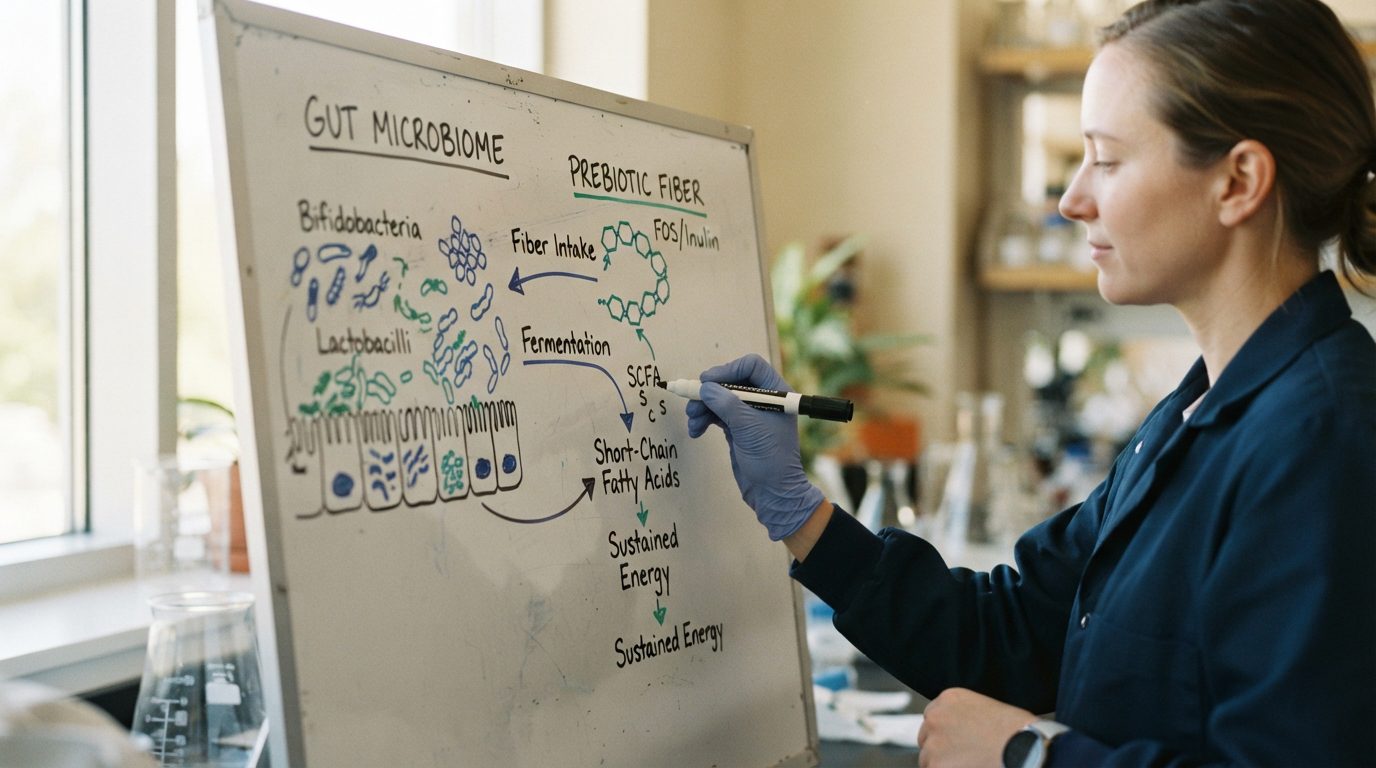
Does the gut microbiome affect skin?
Yes, the gut microbiome can impact skin health through regulating inflammation and nutrient absorption. In turn, this can influence conditions like acne, rosacea, psoriasis and eczema.
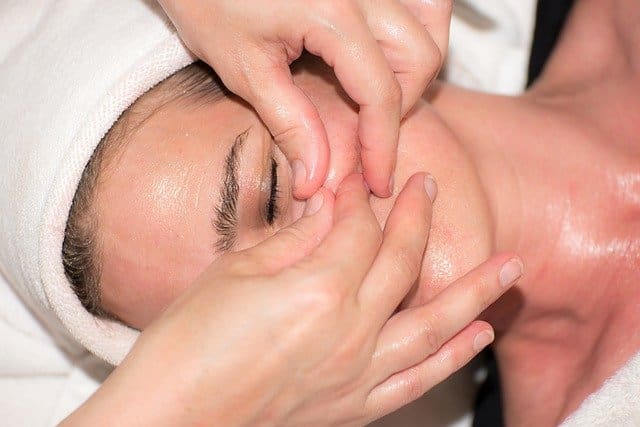
Image: Image by Pexels from Pixabay

What foods are good for the skin microbiome?
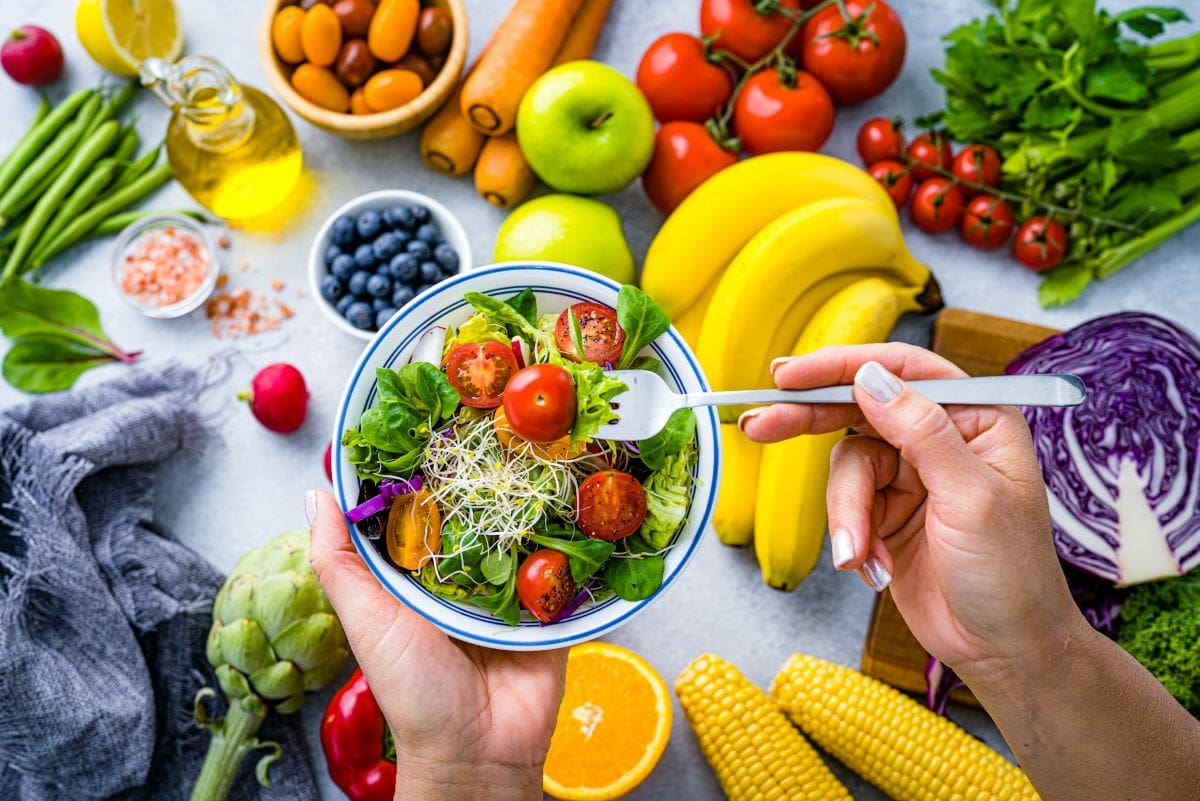
Foods rich in fiber, probiotics (like yogurt, kefir and other fermented foods), fruits, berries, vegetables, legumes and omega-3 fatty acids promote microbiome health.
Do probiotics help skin problems?
Probiotics may alleviate skin issues by balancing the skin microbiome, reducing inflammation, and supporting skin barrier function and immunity.
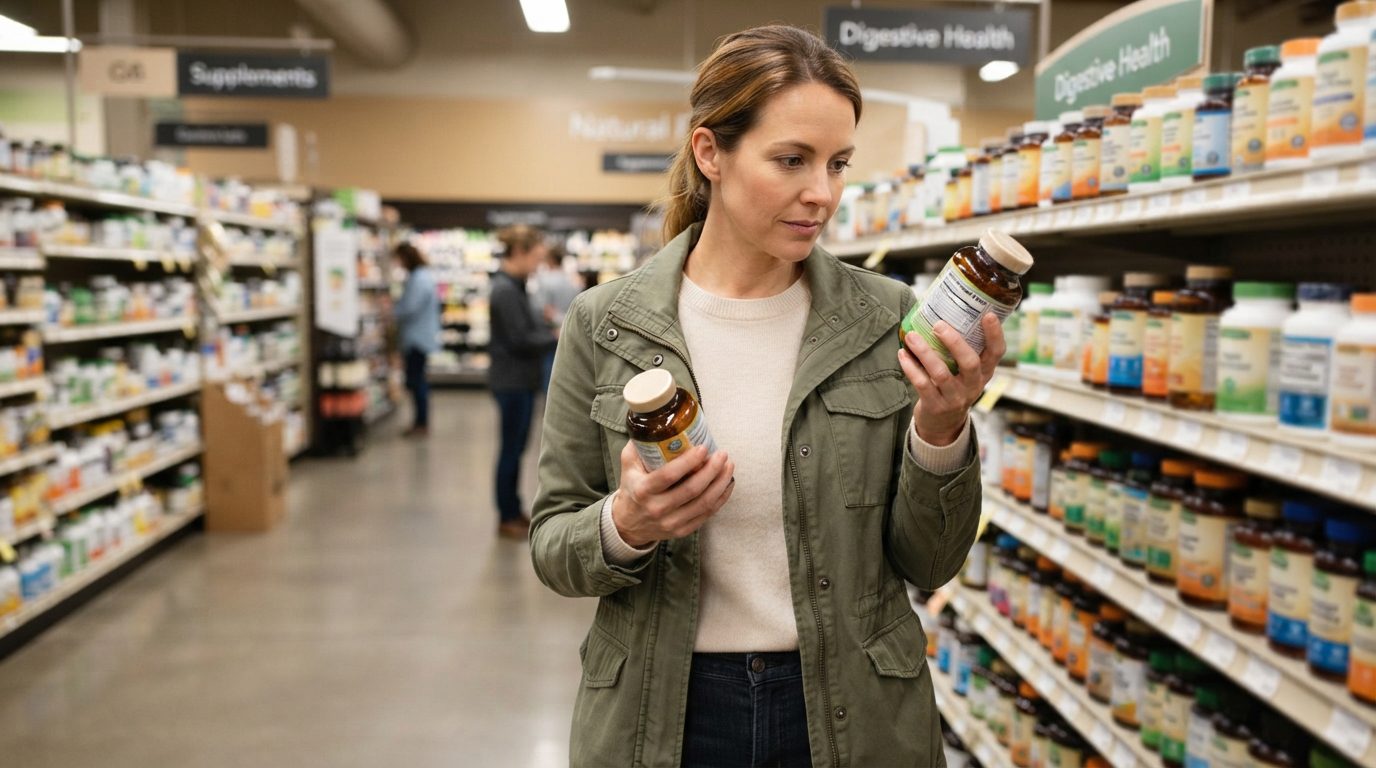
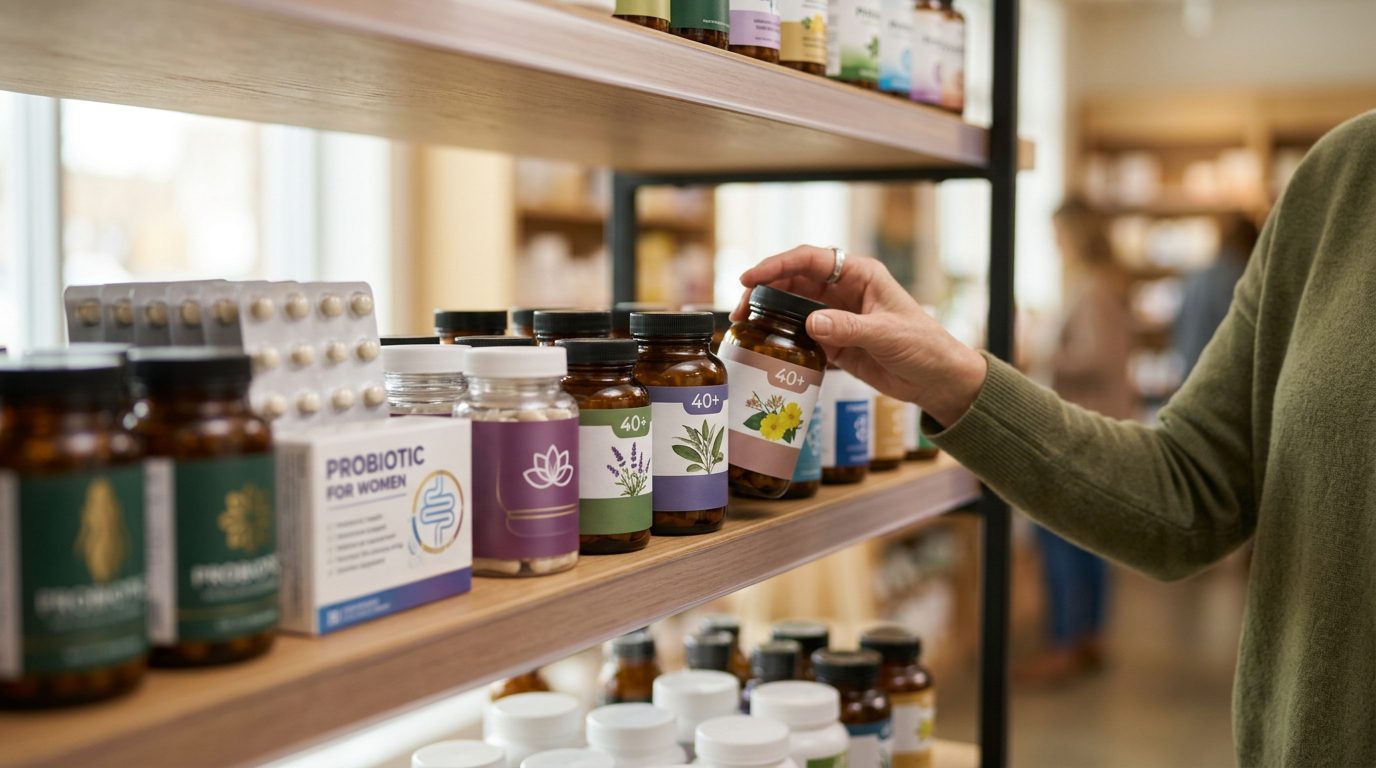
Choosing the right probiotic is important to get the effect you’re after for your specific skin concerns.
Do probiotics clear skin?
Probiotics can contribute to clearer skin by balancing the skin microbiome, reducing inflammation, and promoting skin health from within.
To save you time, we’ve researched the Top 12 probiotics for acne and clearer skin in this article. Let us know how you get on!
What is the fastest way to restore my gut microbiome?
To help restore your gut microbiome, focus on fiber-rich foods, fermented foods, prebiotics, probiotics, adequate hydration, stress management, and quality sleep. it’s worth noting that it’s not an overnight ‘quick-fix’, however studies do show that fibre can dramatically change your microbiome in 24 hours (Leeming et al, 2019; Makki et al, 2018; Sonnenburg et al, 2016).
NB Do consult a healthcare professional for personalized advice.
What is the best probiotic for skin health?
The best probiotic for skin microbiome health varies based on individual needs. Look for strains like Lactobacillus and Bifidobacterium, but consult a dermatologist for personalized recommendations.
Consider taking a skin test to help fully understand your unique skin microbiome. Click to find out how it helped me find my best skincare routine.
How long does it take to fix my microbiome?
Restoring a healthy skin microbiome depends on factors like diet, lifestyle, and individual health. Improvement may be seen in weeks to months with consistent habits.
NB Do consult a healthcare professional for personalized advice.
How can I restore my microbiome naturally?
Restore your microbiome naturally by consuming fiber-rich foods, fermented foods (e.g. yoghurt, kefir, kombucha), probiotics, prebiotics, staying hydrated, managing stress, getting quality sleep, and avoiding unnecessary antibiotics.
Consistency is key for effectiveness.
Can you put probiotics on your skin?
Yes, probiotics can be applied topically to the skin through skincare products. Microbiome skincare – containing prebiotics, probiotics and/or postbiotics – have become popular in recent years. These products aim to support the skin microbiome and promote skin health and balance.
What kills bacteria on the skin?
Antibacterial soaps, alcohol-based hand sanitizers, and some skincare products containing ingredients like benzoyl peroxide or tea tree oil kill bacteria on the skin.
Does the skin microbiome change with age?
Yes, the skin microbiome undergoes changes with age due to factors like hormone levels, immune function, and environmental influences.
How do you build skin microbiome health?
Build skin microbiome health by using gentle cleansers, moisturizing regularly, consuming a balanced microbiome-friendly diet, and avoiding harsh skincare products.
How can I increase my skin flora?
You can increase skin flora by incorporating probiotic-rich foods into your diet, using probiotic skincare products, avoiding harsh cleansers, and practicing good hygiene habits.
Can you regrow your microbiome?
Yes, you can regrow your microbiome by adopting a healthy diet, using probiotics, avoiding unnecessary antibiotics, and practicing good hygiene habits.
How do you repair the microbiome?
Repair the microbiome by consuming fiber-rich foods, fermented foods, probiotics, prebiotics, and avoiding unnecessary antibiotics.
Consistency and patience are key.
What disrupts the skin microbiome?
Disruption of the skin microbiome can occur due to factors like harsh skincare products, antibiotics, excessive cleansing, stress, diet, and environmental pollutants.
Does diet affect the skin microbiome?
Yes, diet significantly impacts the skin microbiome. Consuming a diet rich in fiber, probiotics, and antioxidants supports a healthy microbiome and skin.
What kills the good bacteria on your skin?
Harsh cleansers, antibacterial soaps, excessive washing, and certain skincare products containing antimicrobial agents can kill beneficial bacteria on the skin.
How can I restore my skin microbiome?
Restore your skin microbiome by using gentle cleansers, microbiome-friendly skincare, moisturizing regularly, incorporating prebiotics and probiotics into your diet, avoiding harsh skincare products, and managing stress.
What foods disrupt the skin microbiome?
Foods high in sugar, processed foods, excessive alcohol, and foods containing artificial additives or preservatives can disrupt the skin microbiome and promote inflammation.Top of Form
Does washing your face get rid of good bacteria?
Potentially! Excessive or harsh washing can strip away beneficial bacteria along with dirt and oil, which can disrupt your skin microbiome.
How do you treat skin flora?
To treat skin flora, use gentle microbiome-friendly skincare products, incorporate prebiotics and probiotics into your routine, maintain good hygiene practices, eat a balanced diet, and avoid unnecessary antibiotic use.
What is the difference between skin barrier and skin microbiome?
The skin barrier is the outermost layer of skin, made up of skin cells and lipids, which protects against environmental damage and prevents moisture loss. It acts as a physical shield, keeping harmful substances out and maintaining skin hydration.
The skin microbiome, on the other hand, is the community of microorganisms (bacteria, fungi, etc.) that live on the skin’s surface. It helps defend against harmful pathogens, supports immune function, and maintains skin balance.
While the skin barrier provides physical protection, the skin microbiome offers biological defense by interacting with the skin and promoting overall skin health.
To continue learning about the secrets of your skin microbiome, you can carry on reading here!
Other posts you might enjoy:
-

Sea Buckthorn: The #1 Skin and Gut Health Superfood You Should Know About
Sea Buckthorn: The Skin and Gut Health Superfood You Should Know About Sea buckthorn has gained a cult following among skincare and wellness enthusiasts — and for good reason. Rich in rare fatty acids, vitamins, and antioxidants, this bright orange berry supports both your outer glow and inner gut health. Having tried it myself in…
-
Easy high fiber meals – Fueling your glow from the inside out
Easy High Fiber Meals – Boost Your Skin Glow, Inside Out Looking for a quick overview of how to add more fiber to your diet? We’ve got you covered with these ideas for easy high fiber meals to keep your gut happy and your meals exciting! Because eating enough fiber is a key to glowing…
-
Best Probiotics for Acne? 12 That Actually Work (Derm & Gut-Backed)
Best Probiotics for Acne? 12 That Actually Work (Derm & Gut-Backed) If you struggle with acne, you’re not alone—acne affects over 650 million people worldwide. I was one of them for many years, until I realised that skin health is more than just skin deep! In fact, new research shows that balancing your skin and…
-
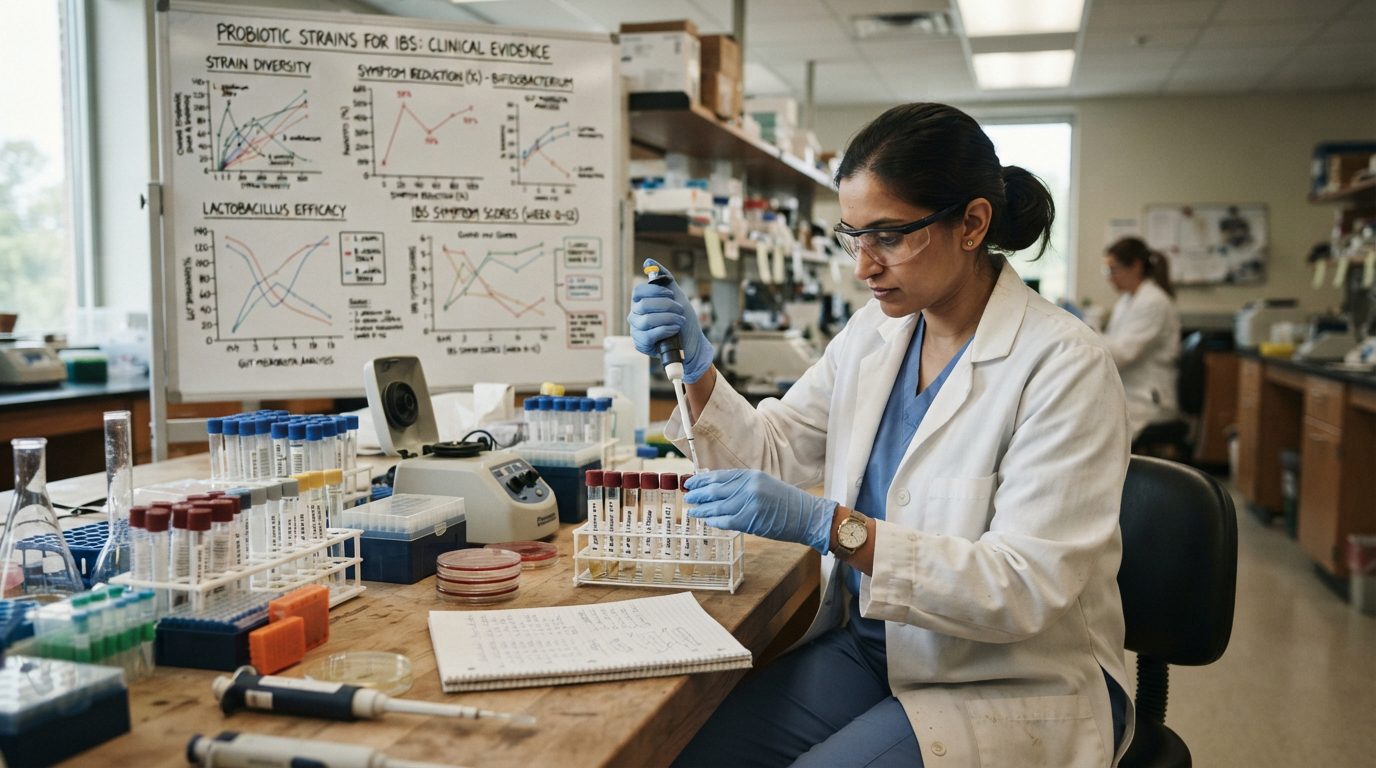
Probiotic strains for IBS: what the clinical evidence actually shows
Probiotic strains for IBS: what the clinical evidence actually shows Probiotic strains for IBS: what the clinical evidence actually shows is important because one big meta-analysis pooled 20 studies and found probiotics outperform placebo for global IBS symptoms. That means we can talk about “works for IBS” in a way that is not based on…
-
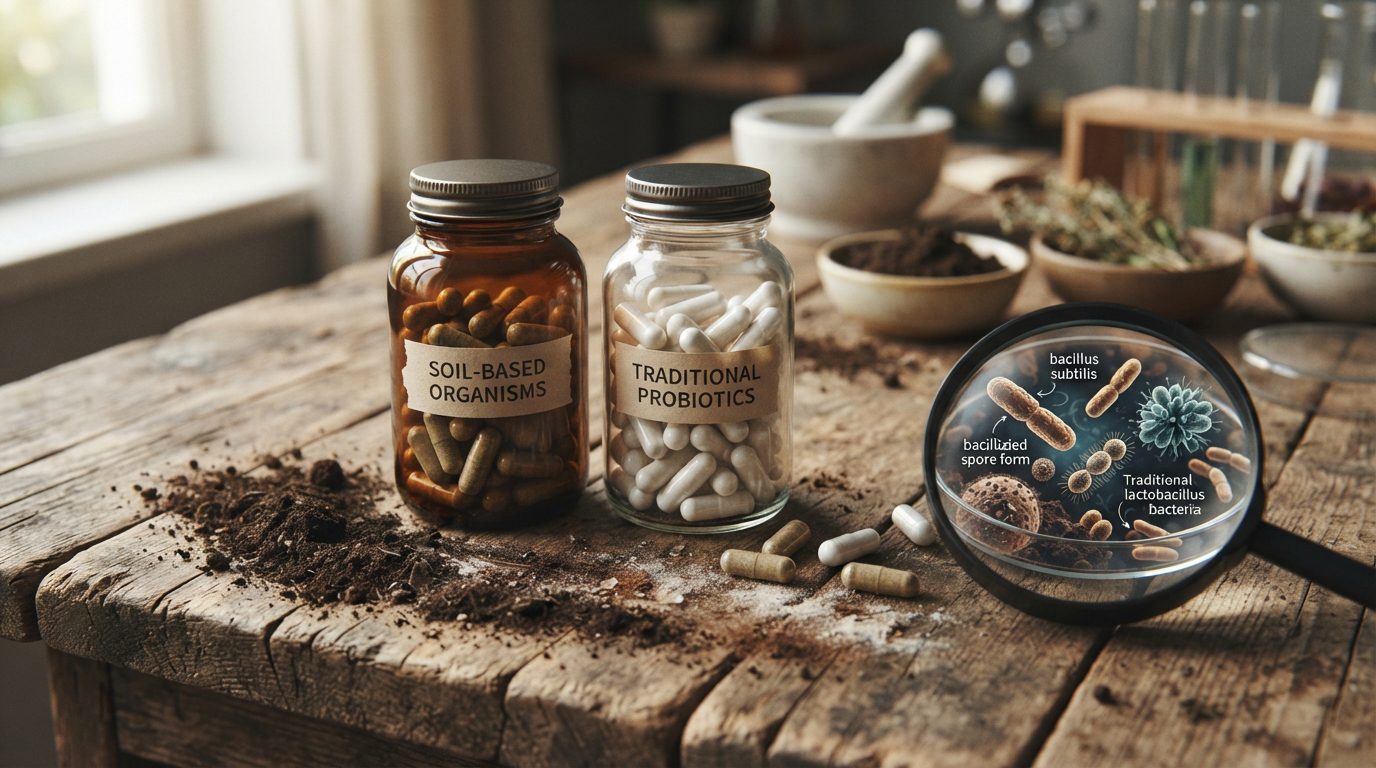
Compare Soil Based Organisms vs Traditional Probiotics for Sensitive Digestion (Best Picks for IBS, Bloating & Gut-Skin Results)
Compare Soil Based Organisms vs Traditional Probiotics for Sensitive Digestion (Best Picks for IBS, Bloating & Gut-Skin Results) Soil Based Organisms vs Traditional Probiotics for Sensitive Digestion is one of the most common questions we get from people whose gut feels touchy, yet they still want an inside-out glow. Did you know that some probiotics…
-
Best Spore-Based Probiotics for Sensitive Stomachs: Gentle, Science-Backed Support That Actually Works
Best Spore-Based Probiotics for Sensitive Stomachs: Gentle, Science-Backed Support That Actually Works When it comes to the Best Spore-Based Probiotics for Sensitive Stomachs, the science is quietly impressive, clinical trials show a 30-day course can reduce markers of gut permeability by 42%, which explains why so many people finally feel relief without the usual bloating.…
-
Ultimate Guide to Using Prebiotic Fibre for Sustained Energy
Ultimate Guide to Using Prebiotic Fibre for Sustained Energy Did you know that 90% of women and 97% of men don’t get enough fibre in their daily diet? That gap is exactly why we put together this ultimate guide to using prebiotic fibre for sustained energy, because we’ve read hundreds of research papers and articles,…
-
How to Choose Quality Digestive Enzymes for Better Nutrient Absorption
How to Choose Quality Digestive Enzymes for Better Nutrient Absorption Did you know that a staggering 70,000,000 people in the United States deal with gastrointestinal disorders every single year? That number alone tells us why so many of you write in asking how to choose quality digestive enzymes for better nutrient absorption, because bloating, sluggish…
-
Best Probiotics for Women Over 40: Our Science-Backed Pick of the Top Strains
Best Probiotics for Women Over 40: Our Science-Backed Pick of the Top Strains Finding the best probiotics for women over 40 has become one of the most-asked questions we get, and here’s a number that stopped us in our tracks: a striking 94% of women going through menopause report digestive health issues, often tied to…