

How a Skin Microbiome Test Kit Transformed My Skincare Routine
Following years of trial and error to find the best skincare routine for my acne and rosacea-prone skin, I was so happy to discover that a skin microbiome test kit could unlock the secrets of healthy skin, and potentially my best skincare routine.
Microbiome testing is all the rage for gut health. Therefore, it was only a matter of time before skin microbiome test kits appeared to help us get that glow!
Would I finally be able to nail my best skincare routine, without wasting time and money on yet more products destined for the bin?
The rise of personalized skincare:
Understanding your unique skin microbiome could help identify your best skincare routine
Cutting to the chase, I tested the Gallinée Skin Health Test Kit, a PCR-based skin microbiome test (purchased independently).
Read on to see how an at-home skin microbiome test kit helped me find a microbiome skincare routine to achieve blemish free skin.
CLICK to jump right to my skin microbiome test results
What is the skin microbiome?
I first came across the skin microbiome when searching how to finally get rid of my acne and rosacea. After years of looking for effective treatments, I was fed up and wanted results!
As a Medical Microbiologist, above all my biggest surprise was that I hadn’t heard about microbiome skincare before! If this new, evidence-based skincare could help heal my acne and rosacea, then it was exciting news indeed!
Firstly, what is the skin microbiome?
The skin microbiome refers to the diverse community of microbes that live happily on your skin’s surface. In fact, this bustling community of bacteria, fungi, viruses, and other microbes, plays a vital role in keeping your skin healthy.
Why is the skin microbiome important for skin health?
The skin serves as a protective barrier between the body and our external environment, and the skin microbiome supports this barrier function. For instance, it helps protect against harmful microbes, supports the immune system, and keeps your skin’s ecosystem in check.
Now, just like any community, the skin microbiome has its unique mix of inhabitants influenced by factors such as genetics, age, lifestyle, skin care, and the environment you live in. When this community gets out of balance, it can lead to skin issues like acne, rosacea, eczema, or psoriasis.
What is skin microbiome health?
In essence, for the skin microbiome to be at its healthiest, it must be populated by diverse and balanced bacteria.
Your skin is in its happy place when the microbiome community is in harmony. It helps maintain the right moisture levels, keeps inflammation in check, and even supports the healing process when you get a cut or a scrape.
Basically, our skin microbiome it’s the key to that natural, radiant glow we all crave.
What do skin microbiome test kits do?
Skin microbiome test kits help analyse and assess the microbes on your skin. Specifically, microbiome skin tests can identify and understand the type, abundance, and diversity of microbes on your skin, and gain insights into the overall health and balance of your skin.
In summary, the process typically involves collecting samples from the skin, often through swabs or other non-invasive methods. These samples are then analysed and the type of microbes compared to what a typical skin microbiome looks like. In addition, skin microbiome testing can find out whether your skin is home to specific harmful microbes or lacking in beneficial microbes (many of whom can help fight off the ‘bad guys’!).
Personalized skincare analysis: By understanding an individual’s unique skin microbiome, personalized skincare recommendations can be developed to maintain or restore a healthy microbial balance.
Why is this helpful? Well, knowing your skin’s microbiome can help tailor skincare advice just for you. Basically, it’s a personalized guide to keeping your skin happy and healthy based on your unique microbiome.
What can you learn from a skin microbiome test kit?
A skin microbiome test kit provides insights into the type and amount of microbes that inhabit your skin.
Here are some key aspects you can learn from a skin microbiome test:
Microbial diversity: A skin microbiome test reveals the types and abundance of bacteria, fungi, viruses, and other microorganisms present on your skin. Understanding the diversity of your skin microbiome is essential for assessing its overall health.
Microbial imbalances: A skin microbiome test can identify imbalances or dysbiosis in the skin microbiome. Certain conditions, like acne or eczema, may be associated with specific microbial imbalances.
Personalized recommendations: Some testing services offer personalized skincare recommendations based on your skin microbiome profile. This may include suggestions for specific products or practices to promote a healthy microbial balance.
Skin condition associations: A skin microbiome test may reveal links between your skin microbiome and factors such as dryness, oiliness, or sensitivity.
Effects of interventions: If you are undergoing skincare treatments or using specific products, a skin microbiome test conducted before and after such interventions can help assess their impact on your skin’s microbial community.
It’s important to note that while a skin microbiome test can provide valuable insights, the interpretation of results may require expertise. Some testing services offer user-friendly reports, while others recommend consultation with healthcare professionals or dermatologists for a more in-depth understanding.
How to use an at-home skin microbiome test kit
To test your skin microbiome at home, you can use a skin swab test kit that measures the microbes on your skin and gives you a personalized report. There are different brands of skin microbiome test kits available online, such as Dr. Elsa Jungman and Sequential Skin.
These kits usually involve collecting a sample of your skin using a cotton swab, sending it to a lab for analysis, and receiving a detailed report on your skin microbiome composition, diversity, and balance.
The Gallinée Skin Health Test is completed by yourself in your own home. I found it quick and easy to use: All I had to do was stick the Test patch on my forehead for 10 seconds and then send it back to their lab in the pre-paid envelope provided.
I received my report in a PDF format via email, with an in-depth overview of my skin, the age of my skin, and relevant skin traits.
The report also included recommendations for skincare products and routines to suit my skin microbiome.
What did I learn from the Gallinée skin microbiome test kit?
I was super excited to receive my skin microbiome test results, but I hadn’t expected such and ‘Aha moment’! Seeing my skin microbes mapped out, my skin made a lot more sense, because I could see which bacteria dominated my skin, which were lacking and the effect on my skin.
To help me understand fully, Gallinée provided me with a deep dive report into the bacteria that live on my skin.
Six key bacteria were identified that, when imbalanced, have the most impact on skin health, according to research. Cutibacterium acnes acnes and Staphylococcus aureus are potentially harmful bacteria when they overpopulate the skin; therefor it’s recommended they fall within optimal ranges for my skin to be healthy.
Here are the Top 3 insights that really helped me tailor the best skin care routine for my microbiome (ping me a message below if you want to see all the details!):
Identify the bad guys!
Cutibacterium acnes acnes – 68%
C. acnes acnes dominated my skin microbiome test, being 68% of the 20 bacteria sampled.
C. acnes acnes is a highly prevalent bacterium that inhabits pores where sebum/natural oils are formed. This bacterium is often associated with acne-prone skin and a higher production of it can cause inflammation and spots to appear.
Staphylococcus capitis is a known defensive bacterium against it.
Build your defences!
Staphylococcus capitis – 0.08%
S. capitis is a defensive bacterium that stops the growth of C. acnes acnes (which causes inflammation and spots) without negatively affecting the rest of your skin. It is important to feed these good bacteria with prebiotics and postbiotics, so that they can grow and fight off harmful bacteria efficiently.
The range of S. capitis in the general population, in people with ‘normal’ skin, is 3–8% compared with my 0.08%!
The plot thickens …
Boost the good guys!
Lactobacillus – 0.57%
Lactobacillus is a bacterium that has been positively associated with hydration in normal and oily skin. It can also slow down the growth of harmful bacteria. Alas, at 0.57% there was hardly any Lactobacillus on my skin!
Given the permanently parched state of my skin, I wasn’t surprised!
Gallinée advised that lactic acid in skincare products can boost the skin’s natural Lactobacillus population and benefit the skin.
Prebiotics for a balanced microbiome
I use the Gallinée Prebiotic Face Oil with a blend of active oils, prebiotics and postbiotic lipids to repair and strengthen my skin barrier. It is clinically proven to nourish and soothe the skin whilst supporting the skin microbiome.
Probiotics for a balanced microbiome
To help heal my skin microbiome from within, I’ve started the Microbiome Labs Total Gut Restoration programme. This includes 3 products – MegaSporeBiotic, MegaPre and MegaMucosa.
I combined this with the Gallinée Youth & Microbiome Supplement, containing Lactobacillus plantarum, a probiotic acting on the signs of ageing.
The best skincare routine for a healthy skin microbiome
Until I started focusing on my skin microbiome, my skin was always full of blemishes and it seemed like no products really worked.
Now I swear by a microbiome-friendly diet plus prebiotics and probiotics that I know are based on evidence and in line with my skin microbiome test results.
In summary, skin breakouts would be an almost daily thing for me; now it’s once a month at most – big YAY! 😊
Top 10 tips for a microbiome friendly skincare routine
Here are the Top 10 tips for a microbiome friendly skincare routine, and help you achieve a balanced skin microbiome and improve your skin health:
1. Gentle cleansing:
Use a mild and pH-balanced cleanser to remove excess oil, dirt, and makeup without stripping your skin of its natural oils. Harsh cleansers can disrupt the balance of your skin microbiome.
2. Avoid over-washing:
Resist the urge to over-wash your face, as this can strip away beneficial microorganisms. Aim to cleanse your face in the morning and evening, or as recommended by your dermatologist.
3. Choose microbiome-friendly products:
Look for skincare products that are labeled as ‘microbiome-friendly’ or ‘microbiome-balancing’. These products are formulated to support a healthy balance of microorganisms on the skin.
4. Prebiotics / probiotics:
Some skincare products and supplements contain probiotics or prebiotics, which can help nourish and support the growth of beneficial bacteria on the skin. Consult with a dermatologist before incorporating these into your routine.
5. Moisturize regularly:
Proper hydration is essential for skin health. Use a moisturizer that suits your skin type to maintain adequate hydration. Dry skin can lead to an imbalance in the skin microbiome.
6. Avoid harsh ingredients:
Stay away from skincare products that contain harsh chemicals, alcohol, and fragrances, as these can irritate the skin and disrupt the microbiome. Opt for products with minimal ingredients.
7. Balanced diet:
A healthy diet rich in fruits, vegetables, and whole foods can positively impact your skin.
Probiotic-rich foods like yogurt and fermented foods may also contribute to a balanced skin microbiome.
8. Sun protection:
Use sunscreen to protect your skin from harmful UV rays. Prolonged sun exposure can affect the skin microbiome, so regular sun protection is crucial.
9. Stress management:
Chronic stress can impact your skin health. Practice stress-reducing techniques such as meditation, yoga, or deep breathing exercises to promote overall well-being.
10. Consult a dermatologist:
If you have specific skin concerns or conditions, consult with a dermatologist. They can provide personalized advice and recommend suitable skincare products or treatments based on your skin type and needs.
We’re all unique of course, so it may take some experimentation to find the best skin care routine that works best for you. If you’re making significant changes to your skin care routine or have persistent skin issues, consulting with a dermatologist is advisable for personalized guidance.
SUMMARY: My skin microbiome test kit results
Testing the concept of a skin microbiome test was an eye-opener and helped me choose the best microbiome skin care routine for me.
That said, the weight of evidence is for a gut microbiome friendly diet, which will support your skin and overall well-being!
Meanwhile, researchers are diving deep into the world of the skin microbiome to uncover its secrets and help revolutionize how we approach skincare and dermatological treatments.
So, the next time you think about your skincare routine, remember, you’re not just pampering your skin; you’re also taking care of the tiny residents that keep it vibrant and healthy!
NOTE: Keep in mind that the field of skin microbiome research is dynamic, and new findings may influence the interpretation of results over time. If you choose to undergo a skin microbiome test, consider reputable testing services, read user reviews, and follow any recommendations provided in the testing kit. Consulting with a dermatologist or healthcare professional can also be beneficial for a comprehensive understanding of your skin health and specific needs.
Other posts you might like:
-

Sea Buckthorn: The #1 Skin and Gut Health Superfood You Should Know About
Sea Buckthorn: The Skin and Gut Health Superfood You Should Know About Sea buckthorn has gained a cult following among…
-
Easy high fiber meals – Fueling your glow from the inside out
Easy High Fiber Meals – Boost Your Skin Glow, Inside Out Looking for a quick overview of how to add…
-
Best Probiotics for Acne? 12 That Actually Work (Derm & Gut-Backed)
Best Probiotics for Acne? 12 That Actually Work (Derm & Gut-Backed) If you struggle with acne, you’re not alone—acne affects…
-
Water Kefir vs Milk Kefir: Which actually fixes bloating?
Water kefir vs milk kefir: which actually fixes bloating? Water kefir vs milk kefir: which actually fixes bloating? The honest…
-
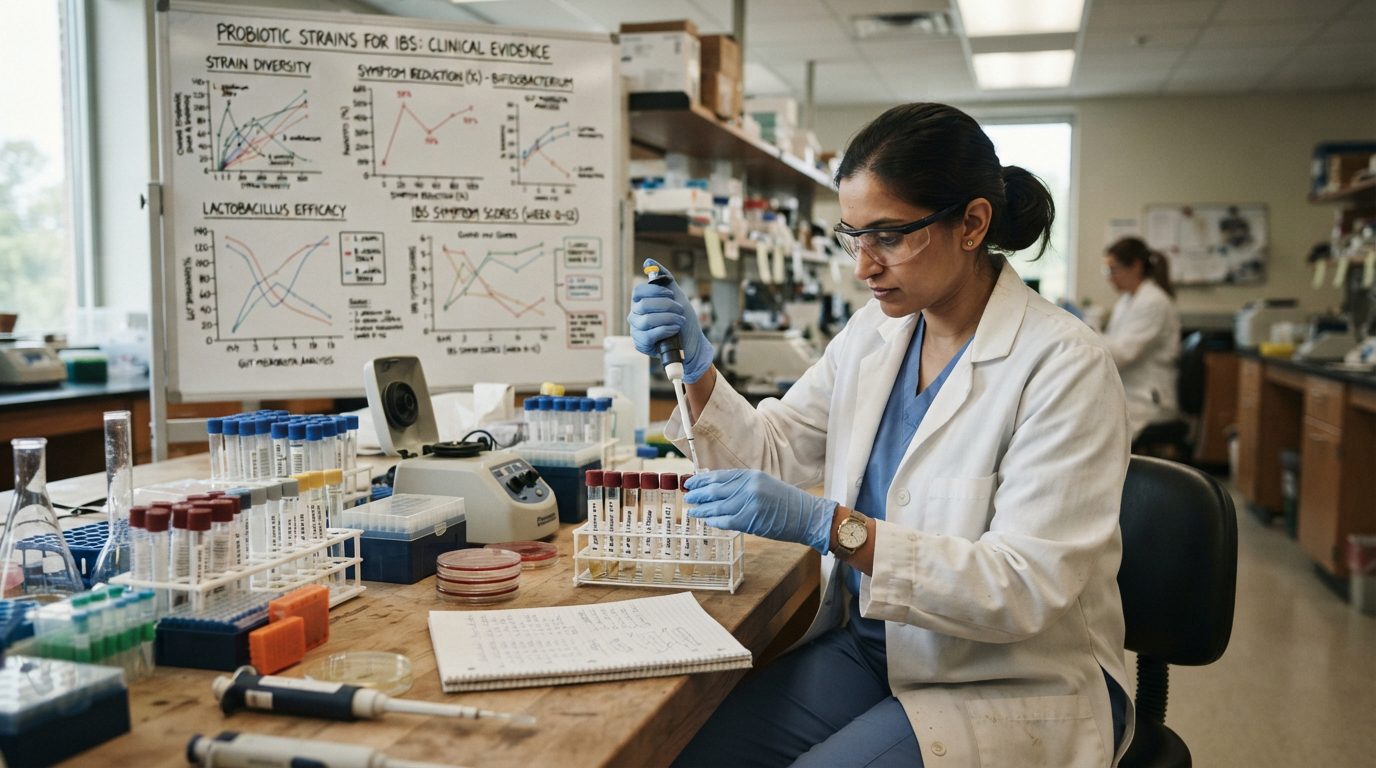
Probiotic strains for IBS: what the clinical evidence actually shows
Probiotic strains for IBS: what the clinical evidence actually shows Probiotic strains for IBS: what the clinical evidence actually shows…
-
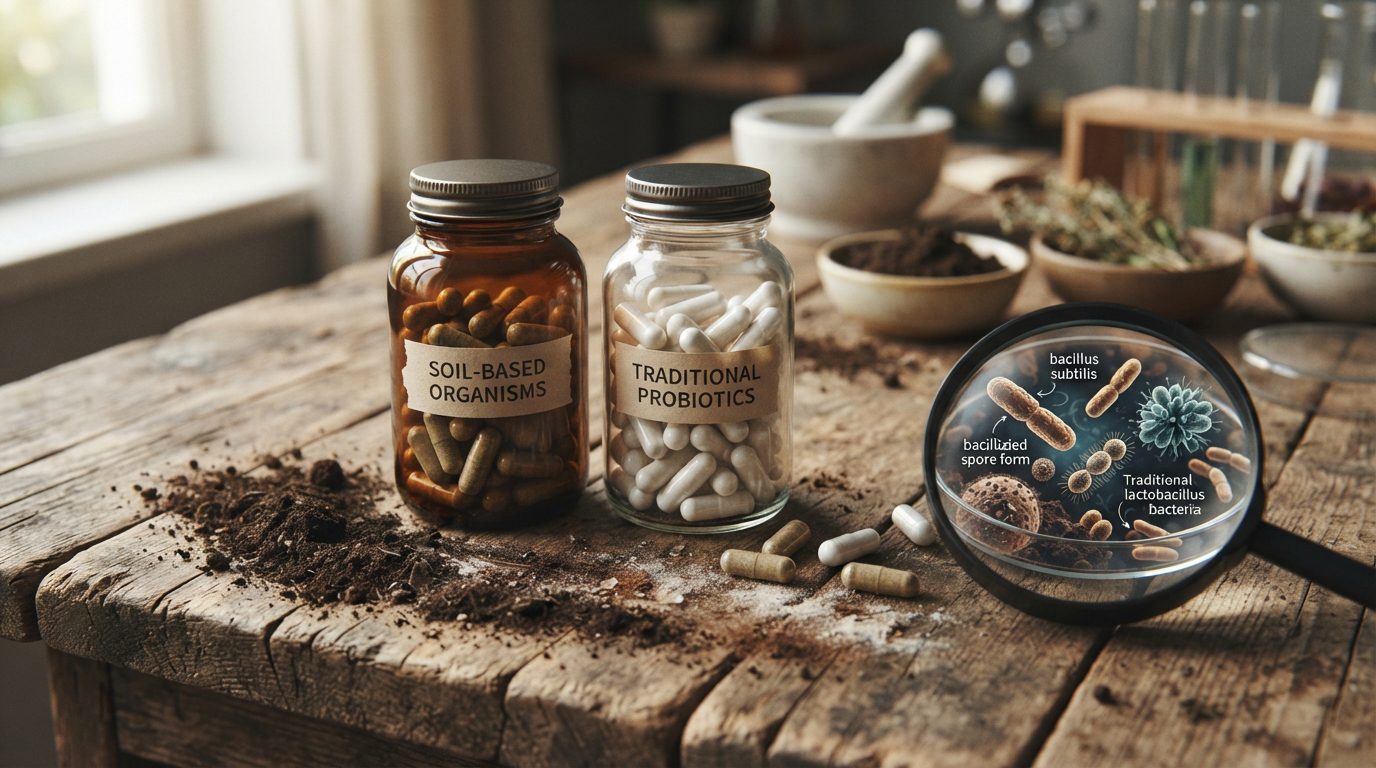
Compare Soil Based Organisms vs Traditional Probiotics for Sensitive Digestion (Best Picks for IBS, Bloating & Gut-Skin Results)
Compare Soil Based Organisms vs Traditional Probiotics for Sensitive Digestion (Best Picks for IBS, Bloating & Gut-Skin Results) Soil Based…
-
Best Spore-Based Probiotics for Sensitive Stomachs: Gentle, Science-Backed Support That Actually Works
Best Spore-Based Probiotics for Sensitive Stomachs: Gentle, Science-Backed Support That Actually Works When it comes to the Best Spore-Based Probiotics…
-
Ultimate Guide to Using Prebiotic Fibre for Sustained Energy
Ultimate Guide to Using Prebiotic Fibre for Sustained Energy Did you know that 90% of women and 97% of men…
-
How to Choose Quality Digestive Enzymes for Better Nutrient Absorption
How to Choose Quality Digestive Enzymes for Better Nutrient Absorption Did you know that a staggering 70,000,000 people in the…







FAQs: Your Skin Microbiome Test Kit Qs Answered!
What is the microbiome of skin?
The microbiome of the skin refers to the ecosystem of bacteria, fungi, viruses, and other microorganisms living on the skin’s surface. These microbes play a crucial role in maintaining skin health, protecting against harmful pathogens, and supporting the skin’s barrier function. A balanced skin microbiome helps prevent issues like acne, eczema, and inflammation. Factors like diet, skincare products, and environmental exposure can influence the microbiome, making its balance essential for healthy, glowing skin.
What Does a Skin Microbiome Test Do?
A skin microbiome test analyzes the balance of bacteria, fungi, and microorganisms on your skin. This test helps identify imbalances that may contribute to acne, eczema, dryness, or inflammation. By understanding your skin’s unique microbiome, you can tailor skincare routines and treatments to restore balance and improve skin health. A microbiome test provides personalized insights into your skin’s needs, helping optimize product choices for better results. Discover what your skin needs with a skin microbiome test today!
How can I improve my skin microbiome with a skin microbiome test?
A skin microbiome test reveals the balance of bacteria, fungi, and other microorganisms on your skin, helping you understand your skin’s health. By analyzing the results, you can identify imbalances that cause acne, irritation, or dryness. To improve your skin microbiome, follow personalized recommendations based on the test, such as using probiotic skincare, adjusting your diet, or avoiding harsh products. Tailoring your skincare routine helps restore balance and promotes healthier, glowing skin.
What foods help skin microbiome?
Eating the right foods can support a healthy skin microbiome. Probiotic-rich foods like yogurt, kefir, and fermented vegetables (kimchi, sauerkraut) introduce beneficial bacteria to the body, promoting skin balance. Prebiotic foods like garlic, onions, and bananas feed good bacteria, enhancing skin health. Omega-3 fatty acids from fish, flaxseeds, and walnuts reduce inflammation, benefiting the skin’s microbiome. A diet rich in antioxidants, like berries and leafy greens, helps protect the skin from damage and supports microbial diversity.
What is the difference between skin barrier and skin microbiome?
The skin barrier is the outermost layer of the skin, protecting against external damage and moisture loss. The skin microbiome is the ecosystem of microorganisms living on the skin’s surface, supporting immune defense and balance. Both work together to maintain healthy, resilient skin.
Resources and further reading:
https://www.mdpi.com/1422-0067/24/4/3950
https://links.e.response.mayoclinic.org/EmailPreview-GeneralHealth