

Top 5 Skin Microbiome Brands, Backed by Science
As a Medical Microbiologist, with mature AND blemish-prone skin, I’m always on the lookout for effective skincare to soothe and smooth my challenging complexion! Luckily,microbiome skincare is taking the beauty world by storm, and for good reason. Because, finally, skincare gets to the root cause of most skin issues – our skin microbiome!
So, we’ve delved into the science behind microbiome skin care to see why it’s such as game-changer for achieving a healthy, glowing complexion, and which microbiome skincare products are worth your hard-earned cash!
Table of Contents
Your skin microbiome: What is it?
In short, your skin microbiome is the diverse community of microorganisms, including bacteria, fungi, and viruses, that live on the surface of your skin.
Far from being the bad guys, these beneficial bacteria (and other microbes) can help your skin that healthy glow, naturally. Additionally, your skin microbiome can help protect against harmful microbes, toxins and other environmental stressors.
After the gut, your skin microbiome is the second largest human microbiome.
Mostly it consists of specific bacterial and fungal species belonging to groups called Firmicutes (Staphylococcus), Actinobacteria (Propionibacterium, Cutibacterium) and Fungi (Malassezia sp.).
The names are a bit convoluted, I find, but it is helpful to take note as they help if you want to choose a probiotic supplement, containing bacteria that are beneficial to your skin health.
In addition, scientists have found that changes in our gut microbiome could trigger an immunological response. This could lead to acne, rosacea, atopic dermatitis, alopecia areata, hidradenitis suppurativa, allergies and other skin conditions.
How can you improve your skins microbiome?
The goal is to have a varied and balanced microbiome. When our microbiome is unbalanced – that is, there are harmful changes in the type or number of microbes – it’s called dysbiosis.
Dysbiosis can cause otherwise harmless microbes to ‘turn nasty’, as is the case with Cutibacterium.
Under normal circumstances Cutibacterium is essential to our skin microbiome, however, it takes on a pathogenic (harmful) form in acne vulgaris.
People with psoriasis and atopic dermatitis have increased Staphylococcus aureus.
Diet and probiotics have an enormous impact on the composition and function of our gut microbiome, which in turn impacts the skin.
What happens in your gut affects your skin and vice versa, which is why taking probiotics, by mouth, has been shown to decrease inflammation and benefit the skin.

For gut microbiome friendly foods, download this FREE guide to EASY microbiome recipes:
What is the role of probiotics for better skin?
Firstly, what are probiotics? Probiotics are live microorganisms that affect your skin and gut microbiome (the 100 trillion microbes that live in your gut).
Probiotics may help improve the skin’s barrier function, reduce symptoms of skin conditions, and maintain a beneficial balance of microbes on your skin.
When taken as a skincare supplement or eaten with probiotic-rich foods, like kefir or live yogurt, probiotics can help improve your gut and skins microbiome.
When your gut is happy and healthy, your skins microbiome will follow suit. Scientists refer to the connection between your gut and the trillions of microbes on your skin as the gut-skin axis. Its a powerful ally for giving your skin a healthy glow.
How can probiotics benefit your skin?
Probiotics have emerged as a popular and often effective way of caring for your skin. This type of microbiome skin care has the potential to:
Strengthen skin barrier: Probiotics may help improve the skin’s barrier function and maintain a beneficial balance of microbes on the skin.
Reduce inflammation: Probiotics can influence the function of the immune system, thus reducing the inflammatory response associated with the invasion of germs on the skin. Therefore, skin-specific probiotics may help manage skin conditions such as acne and rosacea.
Soothe skin disorders: In addition, microbiome skin care, including specific probiotics for skin, show great potential in prevention and treatment of a number of skin disorders. Microbiome skincare is being tested for acne, rosacea, eczema, atopic dermatitis, allergic skin inflammation, skin hypersensitivity, UV-induced skin damage, and wound healing.
What about prebiotics, postbiotics and synbiotics?
Beyond probiotics, there are also prebiotics, postbiotics and synbiotics … Confused yet?! The good news is that these natural microbiome skincare options may also be beneficial for your skin health and complexion.
Prebiotics are fibers that us humans cannot digest, and they act as food for our microbiome, stimulating the growth of healthy, probiotic bacteria, So, instead of adding new bacteria into the system, prebiotics will help the existing beneficial bacteria in the gut flourish.
Synbiotics are a combination of prebiotics and probiotics that work together to improve gut health.
Postbiotics have been defined as “a preparation of inanimate (non-living) microorganisms and / or their components that give a health benefit on the host”, i.e. us humans!
How does microbiome skincare work?
Microbiome skin care, such as face creams and serums, contain prebiotics, probiotics or postbiotics. They work by introducing microbes to the skins microbiome, or support the growth of beneficial bacteria and microbes already on the skin. This can help improve the health of the skin and maintain a beneficial balance of microbes (and outnumber any bad guys!).
Top 5 Microbiome Skincare Products
The number of microbiome skin care products on the market is rapidly rising, so it can be hard to choose.
Here are five of the top brands that are backed by science and may help balance your skins microbiome to soothe your complexion.
1. Aurelia London
Aurelia London products are built on the PROTIDA™ triple probiotic complex and non-live probiotic extracts.
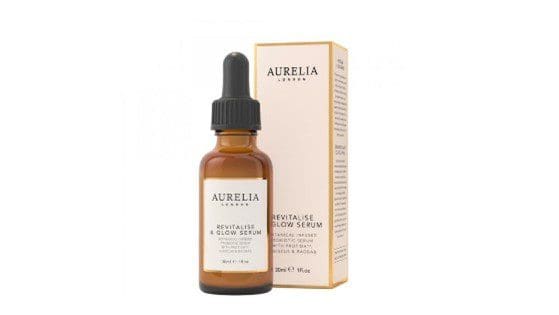
Containing bifida ferment lysate, their dermatologist-tested Probiotic Concentrate calms and balances the skins microbiome with probiotics while protecting it from environmental immune triggers like pollution and stress.
I’ve yet to speak with someone who’s tried Aurelia, and doesn’t love it as much as I do!
2. VENN Skin Care
The Synbiotic Defense Mist is packed with VENN’s proprietary combination of Prebiotics and Probiotic Ferments (80% of the formulation) and multiple, clinically proven actives that are certified to support your skins microbiome.
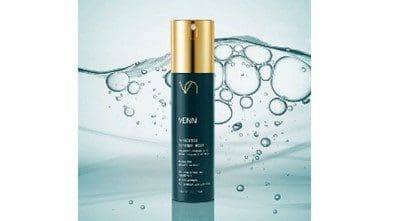
One extremely skin care-savvy friend, totally raves about the VENN products!
3. Gallinée
Developed by Dr Marie Drago, a Dr in Pharmacy, Gallinée is a holistic range of products that work with your good bacteria to care for your whole body’s microbiome.
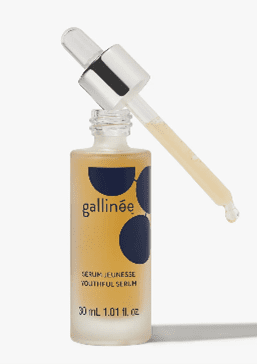
Most of their products are fragrance free, which is great news for those of us with extra sensitive skin.
A bonus is that Gallinée also offer a skin microbiome test, which allows you to assess and monitor the health of your skin.
4. Skinome
Another probiotic skincare range is Skinome. According to Skinome, their Probiotic Concentrate contains over 100 billion live lactic acid bacteria and contributes to smoother skin texture, reduced pore size, more hydrated skin and a reduction in fine lines and wrinkles.
The key ingredient is Lactobacillus reuteri, a probiotic which contributes to increased diversity in the skin’s microbiome and balanced skin.’
Personally, I’m a big fan of Lactobacillus reuteri in my skin probiotic supplements, as they make my skin feel more moisturized and calms skin inflammation.
5. Glow & Calm
If you’re not quite ready to put probiotic bacteria on your face, your skin microbiome may benefit greatly from anti-inflammatory, nutrient rich plant extracts to help nourish and care for your skin microbiome.
Because we struggled for years to find skincare to suit our stressed, acne rosacea skin, we decided to create what we couldn’t find: Enter Glow & Calm! Using my Medical Microbiology background and obsession with the skin microbiome, we worked with cosmetic formulators to create a soothing, smoothing, revitalising elixir, which is 100% natural and free from fillers and synthetic additives.
As the medical oath says: At first, do no harm!
We love the effect it’s had on our skin, but don’t take our word for it, here’s what our users say:
💛 “Glow & Calm leaves my skin soft, smooth, and rejuvenated. It’s been a true game-changer for my sensitive skin.” 💛
🌿 Glow & Calm “is like a new best friend for my sensitive skin!” 🌿
What are some skincare products that may kill bacteria and modify the microbiome?
The rule of thumb is to avoid harsh skin care products and choose gentle cleansers and moisturizers that won’t disrupt your skins microbiome.
So, is microbiome skin care worth it?
Evidence is building for the benefits of probiotics to help improve how our skin looks and feels. However, there’s a big caution here, as not all probiotic skin care products are created equal.
As with the surge in probiotic supplements, skin care companies are racing to join the fast-growing area of microbiome friendly skin care products. Quality, invariably, will vary!
Do your probiotic product research
Look for products that are backed by evidence – such as the ones listed above – and expect to pay that little bit extra for those probiotic products that can back up their claims with science.
As we continue to learn about the role of our skins microbiome in how our skin looks and feels, it’s really turning on its head the age-old belief that ‘all’ microbes are bad.
In fact, understanding how good bacteria (and other microbes) can support your health, can help boost your well-being – inside and out!
Verdict: Microbiome skin care heroes in the making – if you go for the science-backed products, they can help you get that radiant skin and healthy glow 😊
NOTE: This does not constitute or substitute for medical advice! Seek professional healthcare advice as needed
Other posts you might enjoy

Sea Buckthorn: The Skin and Gut Health Superfood You Should Know About Sea buckthorn has gained a cult following among skincare and wellness enthusiasts — and for good reason. Rich in rare fatty acids, vitamins, and antioxidants, this bright orange berry supports both your outer glow and inner gut health. Having tried it myself in […]

Easy High Fiber Meals – Boost Your Skin Glow, Inside Out Looking for a quick overview of how to add more fiber to your diet? We’ve got you covered with these ideas for easy high fiber meals to keep your gut happy and your meals exciting! Because eating enough fiber is a key to glowing […]

Best Probiotics for Acne? 12 That Actually Work (Derm & Gut-Backed) If you struggle with acne, you’re not alone—acne affects over 650 million people worldwide. I was one of them for many years, until I realised that skin health is more than just skin deep! In fact, new research shows that balancing your skin and […]
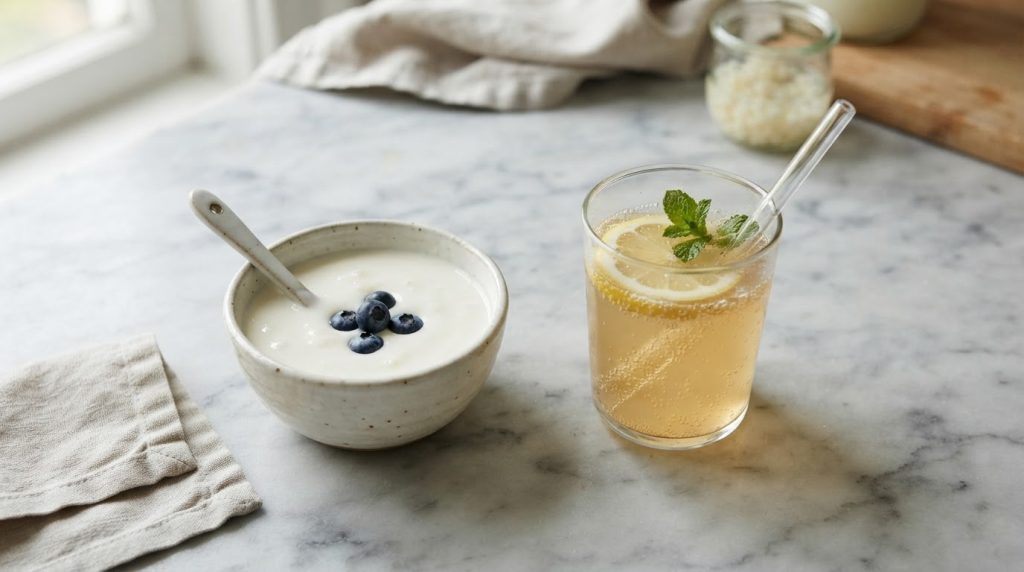
Water kefir vs milk kefir: which actually fixes bloating? Water kefir vs milk kefir: which actually fixes bloating? The honest answer is that neither is a guaranteed fix, but understanding what goes into each drink can help you choose one that better matches your diet and likely triggers. Key Takeaways What kefir is and how […]

Probiotic strains for IBS: what the clinical evidence actually shows Probiotic strains for IBS: what the clinical evidence actually shows is important because one big meta-analysis pooled 20 studies and found probiotics outperform placebo for global IBS symptoms. That means we can talk about “works for IBS” in a way that is not based on […]
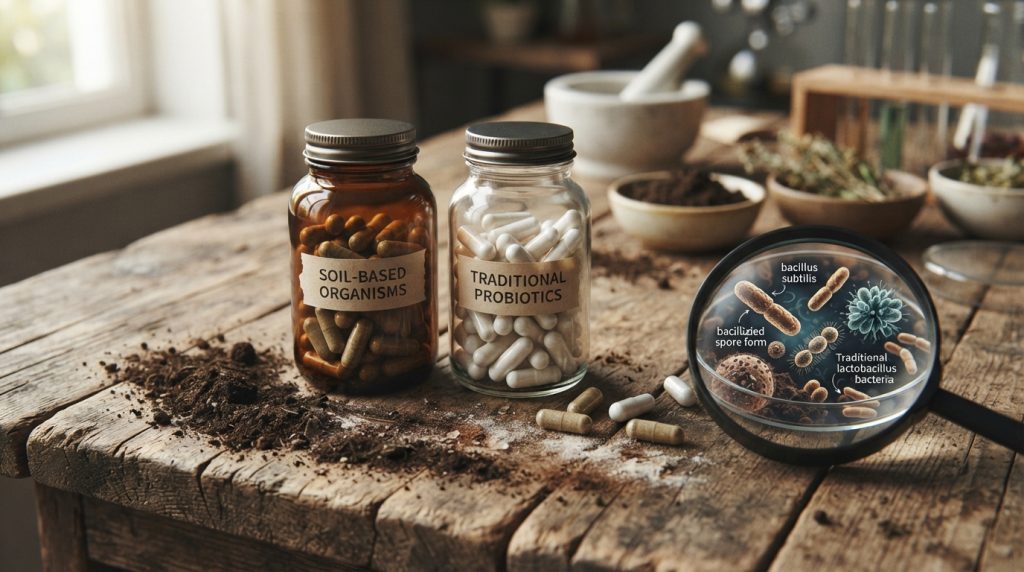
Compare Soil Based Organisms vs Traditional Probiotics for Sensitive Digestion (Best Picks for IBS, Bloating & Gut-Skin Results) Soil Based Organisms vs Traditional Probiotics for Sensitive Digestion is one of the most common questions we get from people whose gut feels touchy, yet they still want an inside-out glow. Did you know that some probiotics […]

Best Spore-Based Probiotics for Sensitive Stomachs: Gentle, Science-Backed Support That Actually Works When it comes to the Best Spore-Based Probiotics for Sensitive Stomachs, the science is quietly impressive, clinical trials show a 30-day course can reduce markers of gut permeability by 42%, which explains why so many people finally feel relief without the usual bloating. […]

Ultimate Guide to Using Prebiotic Fibre for Sustained Energy Did you know that 90% of women and 97% of men don’t get enough fibre in their daily diet? That gap is exactly why we put together this ultimate guide to using prebiotic fibre for sustained energy, because we’ve read hundreds of research papers and articles, […]

How to Choose Quality Digestive Enzymes for Better Nutrient Absorption Did you know that a staggering 70,000,000 people in the United States deal with gastrointestinal disorders every single year? That number alone tells us why so many of you write in asking how to choose quality digestive enzymes for better nutrient absorption, because bloating, sluggish […]
Best Probiotics for Women Over 40: Our Science-Backed Pick of the Top Strains Finding the best probiotics for women over 40 has become one of the most-asked questions we get, and here’s a number that stopped us in our tracks: a striking 94% of women going through menopause report digestive health issues, often tied to […]

Digestive Disorders & Microbiome Recovery: What the Science Actually Says A single course of antibiotics can reduce gut microbial species by approximately 20, according to a Swedish analysis of nearly 15,000 adults, and that disruption can persist for years. This finding sits at the heart of why digestive disorders and microbiome recovery have become one […]
The ’30-30-3′ Microbiome Protocol: Your Science-Backed Daily Blueprint for a Thriving Gut Did you know that 84% of consumers report being more interested in gut health products than in previous years? It’s no wonder that simple, evidence-based frameworks like the ’30-30-3′ Microbiome Protocol are capturing so much attention right now. We’ve been fascinated (to the […]

Chrono-Nutrition for the Microbiome: The Best Guide to Timing Your Meals for Gut Health Chrono-nutrition for the microbiome is one of the most exciting and practical shifts happening in gut health right now, and the science behind it is changing how we think about what we eat AND when we eat it. Consider this: over […]

Postbiotic pH Balancing: The Plain-English Guide to Supporting a Healthier Gut Ecosystem Postbiotic pH Balancing matters because clinicians often flag problems when vaginal pH rises above 4.5, a pH threshold tied to common vaginitis diagnoses. More people are asking the same practical question for gut health: how can we support stable, “right-range” pH conditions without […]

Best Natural Remedies for Reducing Chronic Systemic Inflammation If you’re looking for the best natural remedies for reducing chronic systemic inflammation, you’re in exactly the right place. And here’s something that might surprise you before we even get started: research shows that short sleep duration is associated with more than double the odds of elevated […]
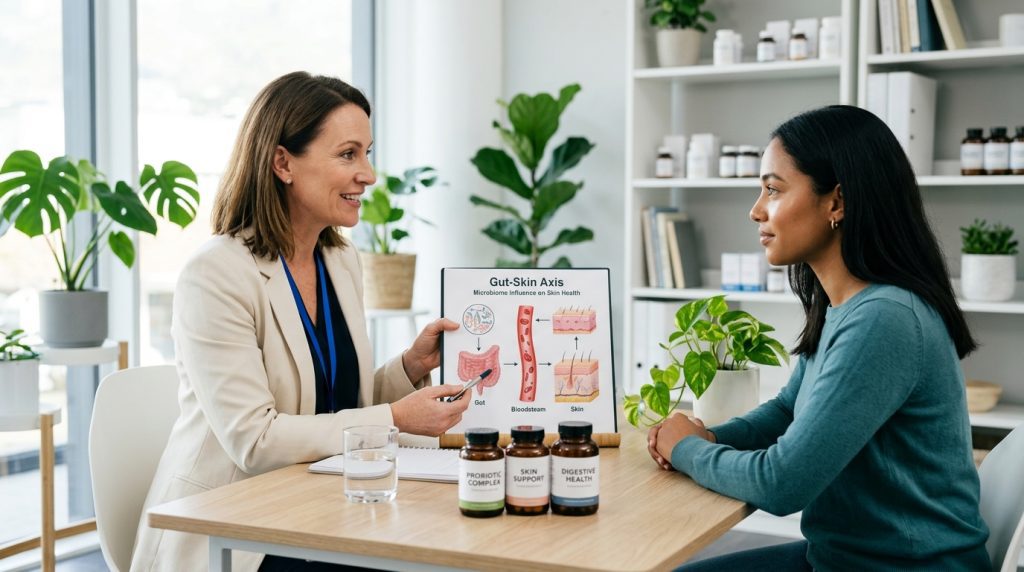
Metabolic Beauty: The Gut-Skin Axis Guide (What’s Actually Working Right Now) Metabolic Beauty and the Gut-Skin Axis in 2026 have officially moved from fringe wellness circles into mainstream science, and the numbers prove it: a staggering 67% of consumers now prefer ingestible beauty products over traditional topical solutions, signalling that the era of “beauty from […]

Menopause, Hormones & Gut Health: Understanding the Changes and Practical Solutions Menopause brings many changes to your body, and your digestive system is no exception. During this transition, dropping levels of oestrogen and progesterone affect more than just your reproductive system. These hormones also play key roles in how your gut functions, from digestion speed […]
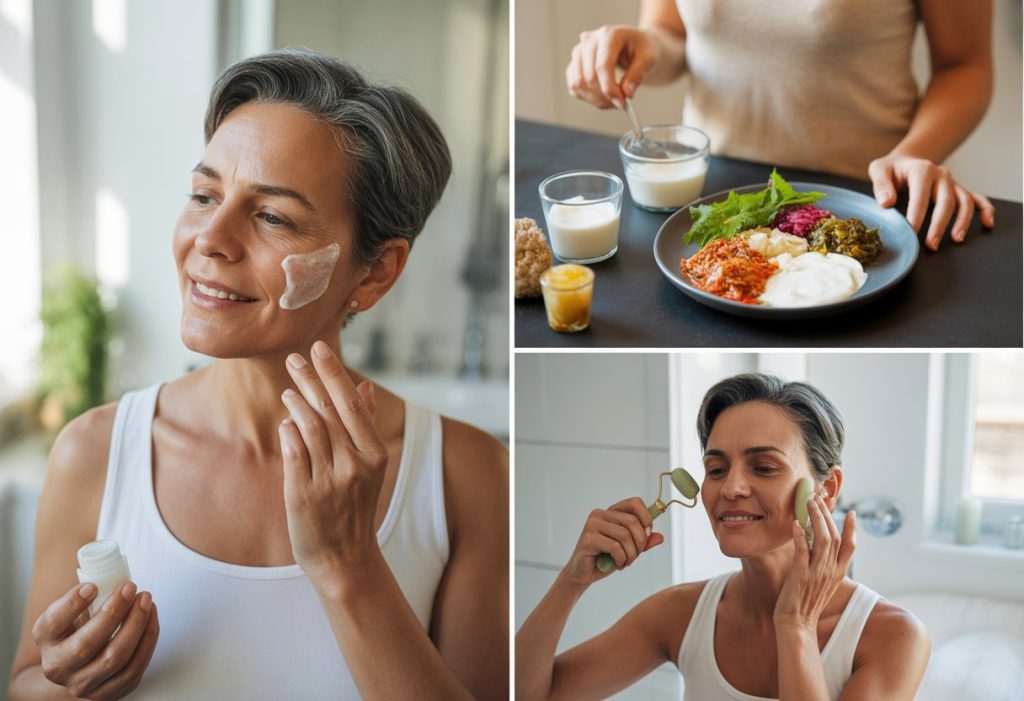
The 24-Hour Glow Protocol: Transform Your Skin Through Microbiome-Focused Nutrition and Skincare Your skin and gut health are connected in ways that become visible within just 24 hours of changing what you eat and how you care for your skin. The microbiome—the collection of bacteria living in your gut and on your skin—responds quickly to […]
Cover image: Photo by Chris Jarvis on Unsplash
FAQs: Your Questions Answered
What is microbiome in skincare?
The microbiome in skincare refers to the community of microorganisms, such as bacteria, fungi, and viruses, that naturally reside on the skin’s surface. It plays a crucial role in maintaining skin health and protecting against harmful pathogens.
How can I improve my skin microbiome?
To improve your skin microbiome, use gentle, fragrance-free cleansers, avoid over-washing, and incorporate probiotic-rich foods or supplements into your diet. Limit use of harsh skincare products and antimicrobial agents. Expose your skin to natural environments when possible.
What is the best probiotic for the skin microbiome?
Lactobacillus rhamnosus and Bifidobacterium longum are two of the best probiotics for skin health. I also like Lactobecillus reuteri for its calming effect on my skin, which tends to get inflamed.
How do you calm your skin microbiome?
Gently cleanse the skin, avoid harsh products, and use a moisturiser to support the skin microbiome. I also like Lactobecillus reuteri for its calming effect on my skin, which tends to get inflamed.
Sources and Further Reading:
Impact of gut microbiome on skin health: gut-skin axis observed through the lenses of therapeutics and skin diseases – PMC (nih.gov)
Skin Microbiome – The Health Benefits of Probiotics | Frontiers Research Topic (frontiersin.org)