

10 signs of an unhealthy gut – and how to fix it!
If you’re keen on health and wellness, you’ll likely know that your gut health plays a major role in your overall wellbeing. This is because our bodies, and gut in particular, are home to trillions of microbes, mainly bacteria (but also yeasts, viruses etc). And far from being passive bystanders, they play an active role in our wellbeing. After all, we are their hosts and livelihoods, so it pays to look after us!
However, an imbalance in gut bacteria can lead to various health problems, which manifest through a range of signs and symptoms. So in this article, we’ll look at ‘why gut health’ and explore the significance of gut health for our wellbeing.

Crucially, what are the top 10 signs of an unhealthy gut? I know I was surprised to find out about, and experience, the impact of gut health on not only digestion, but skin, mood and energy … So, let’s delve right in!
Table of Contents
Why gut health?
The gut is often referred to as the ‘second brain’ due to its extensive nervous system and significant influence on our overall health. It consists of trillions of microbes, including bacteria, viruses, fungi, and other microorganisms. These microbes play a vital role in digestion, metabolism, mood and immune function, making gut health essential for overall health.
The role of your gut in overall health
The gut does more than just digest food; it also affects how nutrients are absorbed, hormones are regulated, and waste is eliminated. An imbalance in gut bacteria can lead to dysbiosis, which can contribute to various chronic conditions such as obesity, diabetes, and heart disease.
Moreover, the gut produces a large amount of serotonin, a neurotransmitter essential for mood regulation. This connection underscores the importance of maintaining a healthy gut, as it is integral not just to physical health, but also to mental and emotional wellbeing.
Image by Hannah Williams from Pixabay

Recent studies have even suggested that the gut microbiome may play a role in neurodegenerative diseases, indicating that its health could influence cognitive functions and mental clarity.
How gut health impacts your body
A healthy gut facilitates effective digestion and nutrient absorption, which are key to maintaining energy levels and overall vitality. When gut health is compromised, it can lead to inflammation, which is linked to numerous health issues. For instance, an unhealthy gut can contribute to skin problems, autoimmune diseases, and even weight fluctuations.
The gut microbiome can also influence the immune system’s response, making it essential for fighting off infections and diseases. Therefore, protecting gut health is vital for ensuring that other bodily systems function optimally. Additionally, the gut is involved in the production of short-chain fatty acids, which are beneficial for gut lining integrity and have anti-inflammatory properties. These fatty acids can also influence metabolic health, showcasing the interconnectedness of gut health with various bodily functions.
Furthermore, lifestyle factors such as diet, stress, and sleep can significantly impact gut health. A diet rich in fiber, prebiotics, and probiotics can promote a diverse and balanced microbiome, while high sugar and processed foods can lead to dysbiosis. Managing stress through mindfulness practices and ensuring adequate sleep can also support gut health, highlighting the need for a holistic approach to wellness that encompasses both physical and mental health.
The top 10 signs of an unhealthy gut
Identifying signs of an unhealthy gut could be the first step in reclaiming your health. In short, here are some of the most common indicators to look out for:
- Sleep disturbances or constant fatigue
- Skin inflammation: Acne and rosacea
- Eczema and psoriasis: A sign of an unhealthy gut
- Anxiety and depression
- Poor memory and concentration
- Unexplained weight changes
- Autoimmune conditions
- Food intolerances or allergies
- Constipation or diarrhea
- Gas and bloating
Read on to find out more!
1. Sleep disturbances or constant fatigue
Poor gut health can impact sleep quality and lead to chronic fatigue. The production of serotonin in the gut is crucial for sleep regulation, and if gut health is compromised, it can contribute to insomnia and restless nights.
Additionally, chronic fatigue can arise from inflammation and infections that occur due to an unhealthy gut, resulting in a cycle of fatigue and poor gut function. The gut-brain connection is another critical aspect; an unhealthy gut can lead to increased levels of stress hormones, further disrupting sleep patterns and leaving you feeling drained during the day.
2. Skin inflammation: acne and rosacea
The state of your skin can reflect your gut health. Conditions like acne or rosacea may signal an imbalance in gut bacteria, called dysbiosis.
Dysbiosis occurs because inflammation and poor nutrient absorption can cause skin flare-ups.
This reflects the strong and visible link between gut health and skin conditions. Scientists call it the gut-skin axis and its the focus of a lot of research into more effective skin care.
Image by Eszter Miller from Pixabay

Furthermore, the gut is integral to the immune system, and when it is compromised, it can lead to systemic inflammation that manifests on the skin. Addressing gut health through dietary changes or probiotics can often lead to improvements in skin conditions, highlighting the interconnectedness of our body systems.
What’s more, your gut microbiome and your skin’s own microbiome are closely linked. In this article, we’ve looked at the gut-skin axis, and which probiotics can help calm you skin!
3. Eczema and psoriasis: a sign of an unhealthy gut
Eczema and psoriasis are common skin conditions, but they can also be a sign of an unhealthy gut. The gut-skin axis, the connection between your digestive health and skin, plays a significant role in maintaining skin balance.
When the gut microbiome is out of balance, it can lead to inflammation, which often manifests through skin conditions like eczema and psoriasis.

An unhealthy gut can lead to increased intestinal permeability, also known as “leaky gut.” This allows toxins and undigested food particles to enter the bloodstream, triggering an immune response that can result in skin flare-ups. People with gut imbalances often have higher levels of inflammatory markers, which can worsen the symptoms of eczema and psoriasis.
Additionally, poor digestion and lack of nutrient absorption, often caused by an imbalanced gut, deprive the skin of essential vitamins and minerals. This weakens the skin’s barrier function, making it more susceptible to dryness, irritation, and flare-ups.
Restoring gut health by incorporating probiotics, fiber-rich foods, and anti-inflammatory diets can help reduce skin inflammation and alleviate the symptoms of eczema and psoriasis, promoting healthier, more balanced skin from within.

Mood changes: One of the 10 signs of an unhealthy gut
Photo by Fernando @cferdophotography on Unsplash
4. Anxiety and depression
The link between gut health and mental health is becoming increasingly recognized in both scientific studies and clinical practice. The gut-brain connection highlights the two-way relationship between our gut and our brain. This connection is facilitated by various pathways, including the vagus nerve, which transmits signals between the gut and the brain, and the production of gut-derived neurotransmitters, such as serotonin, which plays a crucial role in regulating mood and emotional well-being.
Research suggests that an imbalanced gut microbiome may impact mood e.g. anxiety and depression. The gut creates neurotransmitters and hormones that influence mood, and poor gut health can disrupt these processes, potentially leading to mental health challenges.
For instance, studies have shown that individuals with depression often have a lower diversity of gut bacteria, which can affect the production of serotonin, often referred to as the ‘feel-good’ neurotransmitter. Probiotics and a diet rich in fiber and fermented foods may help restore this balance, providing a natural approach to managing anxiety and depression.
5. Poor memory and concentration
An unhealthy gut can also affect your brain’s cognitive function. Memory issues and difficulties with concentration may stem from inflammation and the gut’s role in nutrient absorption essential for brain health. Addressing gut health might improve mental clarity and cognitive performance, leading to better focus and memory retention.
Furthermore, emerging research indicates that certain gut bacteria may produce short-chain fatty acids, which have been linked to enhanced cognitive function and protection against neurodegenerative diseases. Incorporating foods like kefir and kefir yogurt, regular live yogurt, sauerkraut, and prebiotic-rich vegetables can foster a healthier gut environment, potentially leading to sharper cognitive abilities.
Moreover, the impact of gut health on mental well-being extends beyond just mood and cognition. The gut microbiome also plays a role in regulating the body’s stress response. Chronic stress can lead to gut dysbiosis, which in turn can exacerbate feelings of anxiety and depression. This cyclical relationship suggests that managing stress through mindfulness practices, exercise, and a balanced diet can not only improve gut health but also enhance overall mental resilience.

Boost energy & well-being with Soul Seed Nutrition
All I know is this friggin’ works! The natural pure seed nutrition ingredients in Soul Seed Nutrition are a real boost to energy, vitality and brain health.
This is an affiliate link
6. Unexplained weight changes
Unexpected weight loss or gain can be a significant sign of gut issues. If you have an unhealthy gut, it might affect your body’s ability to absorb nutrients, potentially leading to weight loss. Conversely, imbalances in gut bacteria can also lead to weight gain by disrupting hormones that regulate appetite and fat storage.
Moreover, the gut microbiome plays a pivotal role in metabolism. Research suggests that certain gut bacteria can influence how efficiently we extract energy from food. Therefore, an imbalance in these microorganisms may not only affect weight but could also contribute to metabolic disorders, emphasizing the importance of a healthy gut for maintaining a balanced weight.
7. Autoimmune conditions
Autoimmunity arises when the immune system mistakenly attacks the body’s own tissues. An unhealthy gut can create inflammation and a leaky gut barrier, allowing toxins and undigested food particles to enter the bloodstream, which may trigger autoimmune responses.
Common autoimmune conditions linked to gut health include rheumatoid arthritis, lupus, and Crohn’s disease, highlighting the importance of maintaining gut integrity to prevent such disorders. Research is increasingly showing that a well-balanced gut microbiome can help modulate immune responses, suggesting that nurturing gut health could be a proactive approach to avoiding autoimmune issues.
8. Food intolerances or allergies
Food intolerances, such as lactose intolerance or gluten sensitivity, can arise from an unhealthy gut. If the gut lining is damaged, it may fail to properly digest certain foods, leading to adverse reactions.
This can also manifest as an increase in food allergies, as an unhealthy gut might not effectively filter out allergens, making it crucial to identify and address gut issues for better dietary tolerance. Additionally, the gut microbiome plays a role in educating the immune system about which substances are harmful and which are not, meaning that restoring gut health can potentially reduce the prevalence of food sensitivities and enhance overall digestive resilience.
9. Digestive issues: constipation or diarrhea
Finally, and not surprisingly, digestive issues are one of the most apparent signs of an unhealthy gut. Various symptoms can indicate that something is amiss within your digestive system. The gut is often referred to as the “second brain” due to its complex network of neurons and its significant role in overall health, making it essential to recognize and address any digestive concerns promptly.
Frequent indigestion, bloating, and gas can indicate that your gut is struggling. An upset stomach is often a direct result of dysbiosis or an imbalance of bacteria in the gut. This discomfort can disrupt daily activities and affect your quality of life.
These symptoms can result from various factors, including poor diet, stress, or an imbalanced microbiome. Chronic constipation or diarrhea can lead to nutrient deficiencies and adversely affect your energy levels and overall health. Moreover, stress and anxiety can significantly impact gut function, leading to a vicious cycle where digestive issues further exacerbate mental health concerns. Mindful eating practices, such as chewing food thoroughly and eating in a calm environment, can aid digestion and reduce the likelihood of these uncomfortable symptoms.
Paying attention to digestive issues is crucial, as they can indicate serious underlying conditions that require medical attention or lifestyle changes.
10. Digestive issues: gas and bloating
Frequent gas and bloating can be more than just a temporary discomfort—it may indicate an underlying issue with your gut health. While occasional gas is normal, persistent bloating and excessive gas production often point to an imbalance in the gut microbiome, the trillions of bacteria that live in your digestive system.
When the gut’s microbial balance is disturbed, often due to poor diet, stress, or overuse of antibiotics, it can lead to improper digestion of food. This undigested food ferments in the intestines, producing excess gas and causing bloating. Additionally, an overgrowth of harmful bacteria (often referred to as SIBO – small intestinal bacterial overgrowth) can further exacerbate gas production.
Another contributing factor could be food intolerances or sensitivities, such as to gluten or lactose, which are harder to digest when the gut is compromised. Without enough of the right bacteria to break down these foods, fermentation occurs, leading to bloating.
Gas and bloating may seem like minor issues, but they’re often signals of a gut that’s not functioning optimally.
Addressing this through dietary changes, probiotics, and improving overall gut health can help restore balance and alleviate these uncomfortable symptoms.
Regular check-ups with a healthcare provider can help identify potential issues early on. Furthermore, maintaining a food diary to track what you eat and how it affects your gut can be an invaluable tool in managing digestive health. This proactive approach can empower you to make informed dietary choices that support a balanced gut microbiome and enhance your overall well-being.
3 Fixes for an unhealthy gut
So, now we know what to look, what are the best ways to improve your gut health?
1. Probiotics
Our gut is home to trillions of microbes and when they’re out of balance, we’ll quickly feel the effect.
Officially, probiotics are live bacteria and yeasts that provide health benefits when consumed in adequate amounts. We can take these beneficial microorganisms as supplements, or eat probiotic foods.
Overall, probiotics help maintain a healthy balance of bacteria in your gut, which is crucial for digestion and overall gut health.
2. Prebiotic fiber
Prebiotics refer to certain types of fiber that the human body cannot digest. Instead, prebiotics act as food for the beneficial bacteria in your gut. Prebiotics help promote the growth and activity of these beneficial bacteria, which, in turn, support various aspects of your health, including immune function. Prebiotic foods improve digestion as well.
3. Food first approach to gut health
Importantly, the foods you consume play a pivotal role in gut health.
In fact, a food first approach to healing your gut is the most common recommendation from gut health experts and scientists.
For instance, high-fat meals, processed foods, and excessive sugar can exacerbate gut health issues. Incorporating more fiber-rich foods, such as fruits, vegetables, and whole grains, can help restore balance and promote a healthier digestive environment.
Additionally, adding probiotic foods such as kefir and kefir yogurts, as well as kombucha and kimchi, are quick and easy ways to help boost your gut health further.
The worst foods for gut health
Before we wrap up, it’s worth highlighting the worst foods for gut health. As they say: At first, do no harm!
The top 5 worst foods for gut health, to reduce or avoid, include:
1. Processed foods
I love my sweets but try and limit ultra-processed foods (UPF), as they’re among the worst foods for gut health! Other UPFs like fast food, chips, and packaged snacks, are often loaded with artificial additives, preservatives, and unhealthy fats.
These ingredients can negatively impact the gut microbiome by promoting the growth of harmful bacteria while reducing beneficial ones.
2. Refined sugars
High-sugar diets can feed harmful bacteria and yeast in the gut, such as Candida, leading to an imbalance known as dysbiosis.
Sugary foods like soda, sweets, and sugary cereals cause blood sugar spikes, inflammation, and disrupt the balance of gut bacteria.
3. Artificial sweeteners
I’m on a personal mission to cut down on artificial sweeteners. While they may seem like a healthier alternative to sugar, artificial sweeteners (like aspartame and sucralose) can negatively affect the gut microbiome.
While they may seem like a healthier alternative to sugar, artificial sweeteners (like aspartame and sucralose) can negatively affect the gut microbiome. Research shows that these sweeteners can decrease beneficial bacteria, leading to digestive issues and increased cravings.
Research shows that these sweeteners can decrease beneficial bacteria, leading to digestive issues and increased cravings.
Image: Photo by Towfiqu barbhuiya on Unsplash

4. Fried foods
Fried foods are hard on the digestive system and can lead to bloating, indigestion, and an overgrowth of harmful gut bacteria.

The trans fats and oils used in frying are inflammatory and contribute to poor gut health. As with most things, try to limit if you an’t or don’t want to eliminate these foods entirely!
Image: Photo by Brett Wharton on Unsplash
5. Dairy – for some
For those who are lactose intolerant, consuming dairy products can cause bloating, gas, and diarrhea. The inability to digest lactose properly disrupts gut function and increases gut permeability, or ‘leaky gut’.
In particular, UPFs are some of the worst foods for gut health. Therefore, to support optimal gut health, it is generally recommended to limit or avoid them. Instead, focus on a diet rich in fiber, probiotics, and whole, unprocessed ingredients.
Summary: 10 signs of an unhealthy gut
By understanding this intricate interplay and by recognising the signs of poor gut health, the individuals can adopt a more holistic approach to their health, recognizing that nurturing their gut may yield significant benefits for their mind.
NOTE: As always, do seek medical advice if you’re looking to change your diet or take new supplements. This is not intended as medical advice or to diagnose disase.
Images from Pixabay and Unsplash
Other posts you might enjoy:






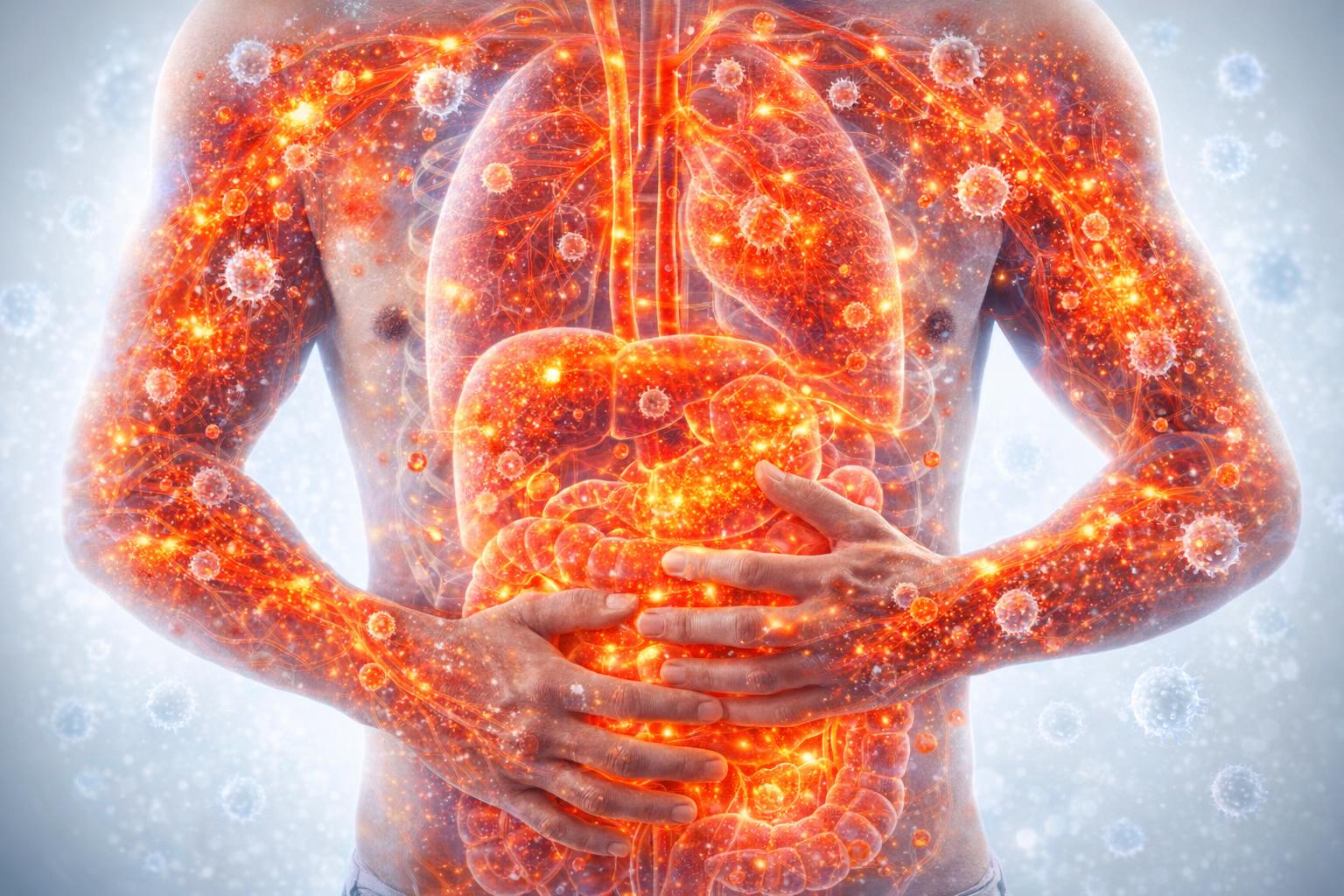


Cover image by Stefan Keller from Pixabay
FAQs: Your Gut Health Questions Answered
How to tell if your gut is unhealthy?
Indicators of an unhealthy gut include frequent digestive issues such as bloating, constipation, diarrhoea, or abdominal pain. Changes in bowel movements, food intolerances, skin issues such as acne or eczema, and unexplained fatigue may also suggest an imbalance in gut health.
How can I fix an unhealthy gut?
Consume more fibre-rich foods, probiotics, and prebiotics. Reduce stress and get enough sleep. Limit processed foods and alcohol. Stay hydrated.
What are signs your gut is healing?
The key signs your gut is healing include:
– Improved digestion with fewer bloating, gas, or discomfort issues.
– More regular bowel movements.
– Reduced incidence of diarrhoea or constipation.
– Less frequent abdominal pain or cramping.
– Improved nutrient absorption leading to better skin, hair, and nail health.
– Boosted energy levels and reduced fatigue.
– Fewer food intolerances or sensitivities.
What are the 3 top signs of a healthy gut?
The 3 top signs of a healthy gut are: diverse gut microbiome, minimal digestive issues and clear skin.