
Can probiotics help IBD?
Microbiome targeted therapies have gained interest as a potential treatment for IBD because scientists have shown they can be effective in reducing gut inflammation.
The role of the gut microbiome – the trillions of microbes in our gut – is a rapidly developing field.
Here we take a look at the science behind IBD, the gut microbiome and emerging therapies that target our gut microbiome, including:
- Probiotics
- Prebiotics
- Postbiotics
- Synbiotics
Table of Contents
NB _ As with any health intervention, speak with your healthcare practitioner first before taking action that will suit your personal circumstances.
First of all, what is IBD?
IBD is a painful, long-lasting or chronic inflammation of tissues in the digestive tract.
There are two main types of IBD:
- Ulcerative colitis (UC): characterised by inflammation and sores (ulcers) along the lining of the large intestine (colon) and rectum
- Crohn’s disease (CD): most commonly affects the small intestine, but it can also affect the large intestine and uncommonly, the upper gastrointestinal tract
Symptoms of both ulcerative colitis and Crohn’s disease include diarrhoea, rectal bleeding, abdominal pain, fatigue, and weight loss.
Is irritable bowel syndrome (IBS) the same as IBD?
In short, no, IBS and IBD are not the same.
While they have some similar symptoms, IBS and IBD are not the same condition, and they require very different treatments. It is essential to get an accurate diagnosis so that you can properly manage your IBS or IBD.
IBS is classified as a functional gastrointestinal disorder, which means there is some type of disturbance in bowel function.
IBD can cause destructive inflammation and permanent harm to the intestines.
What are the differences between IBD and IBS?
| IBD | IBS |
| Classified as a disease | Classified as a syndrome, defined as a group of symptoms |
| Can cause destructive inflammation and permanent harm to the intestines | Does not cause inflammation; rarely requires hospitalisation or surgery |
| The disease can be seen during diagnostic imaging | There is no sign of disease or abnormality during an exam of the colon |
| Increased risk for colon cancer | No increased risk for colon cancer or IBD |
Is there a cure for IBD?
There is currently no complete cure for IBD. However, there are various treatment options available to manage the symptoms and reduce inflammation. These treatment options include:
- Anti-inflammatory drugs
- Immunosuppressants
- Biologic therapies
- Surgery
- Microbiome-targeted treatments
Microbiome-targeted treatments, including probiotics for IBD, are the focus of this review.
It’s important to note that treatment plans for IBD should be highly personalised and may vary depending on the severity of the disease and the specific needs of each individual. Regular follow-up with a gastroenterologist is crucial for managing IBD effective.
How does IBD affect daily life?
IBD can have a significant impact on daily life, including work, education, and social relationships.
Managing the physical symptoms of UC and CD is just one part of the disease.
There are several challenges to living with IBD:
- The perceived stigma
- Practicalities of going to work or school
- Managing relationships
- Navigating social situations
- Body image
The predominant symptoms of IBD are diarrhoea, abdominal pain, gastrointestinal bleeding, weight loss, malnutrition, and fatigue, which can have a very negative effect quality of life.
Can leaky gut cause IBD?
The lining of a person’s gut serves as a barrier separating gut microbes and the immune response.
Leaky gut refers to a condition where the intestinal walls become hyper-permeable, allowing substances to pass through that would normally be blocked. It is believed that toxins from the intestines may leak into the bloodstream, triggering an inflammatory response that could cause various diseases.
It has long been thought that ‘leaky gut’ could lead to the development of gut inflammation.
While leaky gut can be found in individuals with IBD, it is not a diagnostic criterion for either Crohn’s Disease or Ulcerative Colitis. However, there is evidence linking leaky gut to Crohn’s Disease.
A study called the GEM Study found a link between leaky gut and Crohn’s Disease, suggesting that a breakdown of the intestinal barrier could lead to the development of gut inflammation.
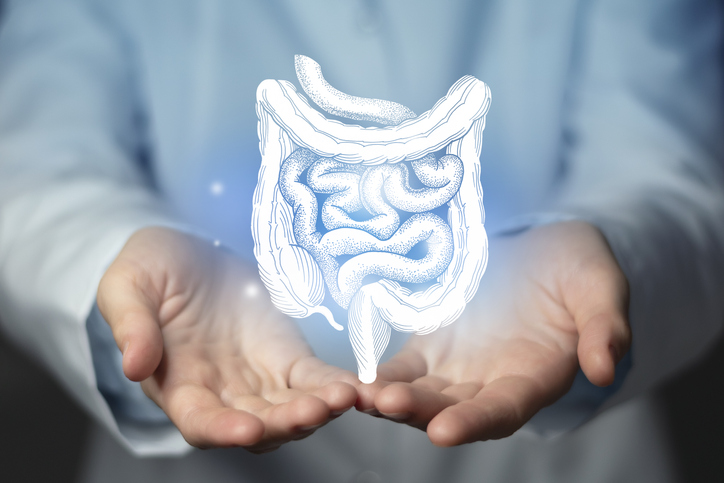
WHAT IS THE GUT MICROBIOME?
The human gut microbiome consists of ~100 trillion microorganisms, mainly bacteria but also viruses, protozoa, and fungi.
The gut microbiome contains 100-fold more genes than humans, according to estimates. Bacteria labelled Firmicutes and Bacteroides are dominant in the gut flora of healthy people.
What is the role of our gut microbiome in IBD?
Researchers now know that the gut microbiome – the 100 trillion microbes that live in our gut – plays an important role in the development and progression of IBD.
Here are some key points about the role of gut health and the gut microbiome in IBD:
- Dysbiosis: refers to an imbalance between beneficial and harmful bacteria in the gut
- The composition of the gut microbiome has been identified as a major contributor to chronic inflammatory conditions, such as IBD
- Inflammation: gut microbes can influence the inflammatory response in IBD
- Immune system: The gut microbiome has a significant impact on the immune system, and alterations in the gut microbiome can affect immune responses in IBD
How does the microbiome affect IBD?
An imbalance in the gut microbiome has been identified as a major contributor to IBD.
Higher prevalence of IBD is often recorded in most of the developed Western countries, but recent data has shown an increase in previously regarded as lower risk regions, such as Japan, Malaysia, Singapore, and India.
Can balancing the gut microbiome help heal IBD?
One of the top research questions in IBD is whether influencing the gut microbiome can influence the symptoms and course of IBD.
Studies show a link between IBD, our immune system and the gut microbiome – that is, the amount and type of microbes found in our gut.
Promising new treatments target the gut microbiomes to help restore balance and encourage the right amount, and types, of beneficial microbes to thrive.
Microbiome targeting therapies include specific:
- Probiotics
- Prebiotics
- Symbiotic
- Postbiotic products
- Fecal microbiome transplant (FMT)
Can FMT cure IBD?
Based on the link between gut health and IBD, a key research question is can FMT cure IBD.
There is evidence that influencing the gut microbiome through diet, probiotics and FMT may be effective in treating IBD.
Studies have shown that probiotic-based therapies can restore the balance to the gut microbiome and reduce gut inflammation.
How does the gut microbiome of people with IBD compare to those without IBD?
Some research indicates that the gut microbiome of people who suffer with IBD is less diverse and has different levels of certain bacteria, compared to individuals without IBS.
Are probiotics helpful for IBD?
Probiotics, prebiotics, and synbiotic approaches are being emerging treatment strategies that target the gut microbiome, slow the progression of IBD, and restore intestinal health.
Several studies have shown that probiotic therapies trigger changes in the gut microbiome. Probiotics influences both composition and diversity of the gut microbiome.
Appropriate selection of the probiotic strain is critical for the promising success of probiotic therapy for IBD.
Probiotics are also well-known for modulating the host’s immune responses and several studies reported this effect in probiotic therapy for IBD.
How can probiotics help IBD?
The way probiotics help IBD is complex and our understanding of how probiotics and IBD are linked continues to evolve. Briefly, probiotic-based therapies can reduce and repair intestinal permeability towards harmful microorganisms. Probiotic therapies also influence the intestinal immune system, gut barrier function, and production of essential proteins.
One of the common questions in probiotic therapy is ‘What is the effective probiotic dose?’. Many commercially available probiotic supplements contain one to 10 billion CFU per dose. This number of doses is generally recommended in probiotic therapy as the live cells must pass through the tricky conditions of the digestive tract, in sufficient numbers, to provide their probiotic benefits.
CFU stands for colony forming units, which is a unit used to measure the number of viable microorganisms in a probiotic supplement
Further studies particularly in IBD are needed to evaluate and understand the potential therapies in the amelioration of gastrointestinal disorders.
Can prebiotics help IBD symptoms?
Prebiotics are typically fibers that us humans cannot digest.
Prebiotics pass through the upper part of our digestive tract, and arrive relatively unscathed in the lower digestive tract, where the majority of gut microbes live. As a result, prebiotics serve as food for these gut microbes and help them grow.
Vegetables and fruits are natural sources of prebiotics, and include:
Asparagus, sugar beet, garlic, chicory, onion, Jerusalem artichoke, wheat, honey, banana, barley, tomato, rye, soybean, human and cow milk, peas, beans, and recently the seaweeds and microalgae
However, natural sources/foods often contained in low concentrations of prebiotics. Thus, prebiotics is also manufactured on large industrial capacity from raw materials such as lactose, sucrose, or starch.
Inulin is a popular prebiotic fiber which is readily available in health food stores.
Which probiotics are best for IBD?
More research is needed to determine the best strains of probiotic to use in this group of patients.
Studies show the potential of some probiotics in helping to support gut health in both Ulcerative Colitis and Crohn’s Disease, including:
- Saccharomyces boulardii
- Lactobacillus rhamnosus GG
- E. coli Nissle 1917
It is important to note that the types of bacteria that live in different areas of the intestinal tract vary, and different mechanisms of action are involved in different forms of IBD.
Therefore, most clinical trials looking at the potential for probiotic supplementation in IBD focus on either Ulcerative Colitis or Crohn’s Disease, rather than grouping them both together.
If you choose to take a probiotic, it is recommended that you do so alongside any other treatment you are undergoing and that you discuss taking it with your doctor before adding supplements to your diet.
Can synbiotics help IBD?
Synbiotics contain both prebiotics and probiotics.
The probiotics and prebiotics act together to stimulate the growth of selective microorganisms or activate specific metabolism by gut microbes.
Studies reveal that synbiotics improve inflammation and reduce IBD-linked diarrhoea.
Can diet affect IBD?
Diet can influence IBD, either in the development or management of the disease.
Because diet plays a crucial role in shaping the composition of the microbiome, it can be regulated to control IBD symptoms.
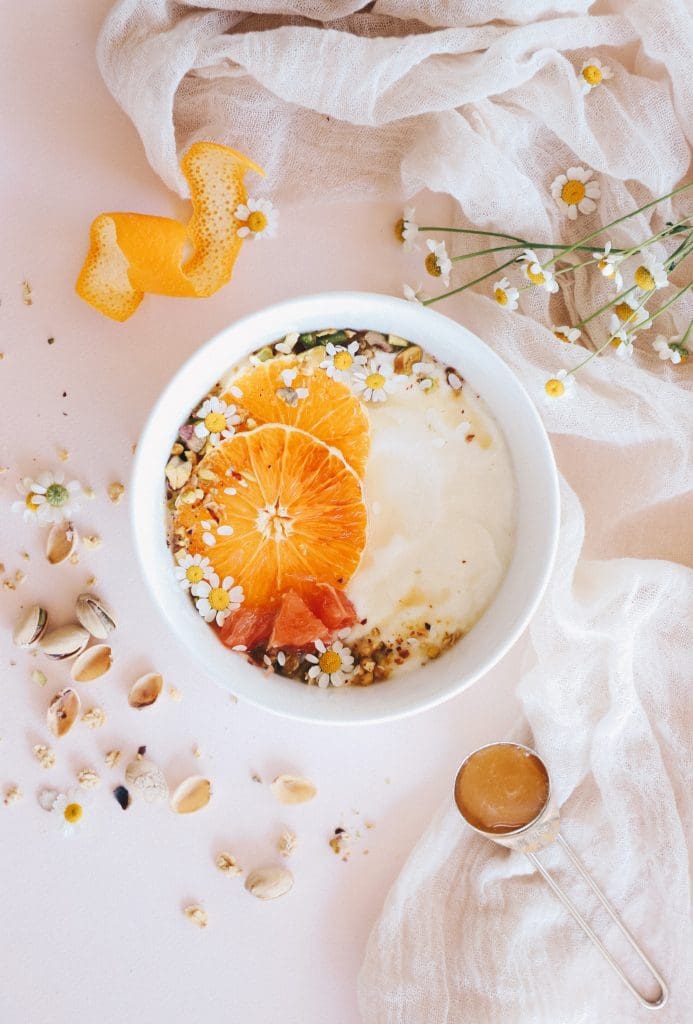
The effects of diet on IBD happens mainly through three mechanisms:
First, foods can change the composition and function of the gut microbiome, thus indirectly affecting intestinal immune function.
Second, some dietary components can directly affect the intestinal barrier.
Thirdly, some components of the diet can directly participate in the intestinal immune response.
Can functional foods improve IBD?
Functional foods, which are fresh or processed foods that provide health benefits and have disease prevention activities beyond their basic nutritional value, may be beneficial for individuals with IBD.
Potential roles of functional foods in IBD have been studied over the last decade. Overwhelming evidence suggests that plant extracts (e.g. polyphenols, fatty acids, and amino acids) can lessen IBD symptoms by interfering with inflammatory pathways.
Functional foods can regulate molecules that cause inflammation and can further reduce inflammation by interacting with the immune system.
It is therefore thought that functional foods will play a significant role to control IBD in near future.
3 ACTION POINTS FOR IBD and GUT HEALTH
We now know that our gut microbes play a crucial role in triggering, progressing, maintaining, and exacerbating IBD.
The gut microbiome of people who suffer IBD may be less diverse, and specific microbes are over-represented or suppressed in IBD. These changes in the gut microbiome causes inflammation, influences the immune response as well as the crucial intestinal barrier function.
Here are 3 things to consider if you suffer from IBD:
- Consider microbiome targeted therapies, e.g. probiotic, prebiotic or synbiotics
- Evaluate your diet (in collaboration with a specially trained doctor or nutritionist)
- Explore functional foods to control IBD symptoms
NB _ This should not substitute for medical advice; seek professional advice and diagnosis if you suffer from IBS or IBD and before making any dietary or treatment changes
Sources and further reading about IBD, gut microbiome and probiotics
Inflammatory bowel disease (IBD) – Symptoms and causes – Mayo Clinic
IBS vs IBD | Crohn’s & Colitis Foundation (crohnscolitisfoundation.org)
Frontiers | The Gut Microbiota in Inflammatory Bowel Disease (frontiersin.org)
Other posts you may like:

Sea Buckthorn: The Skin and Gut Health Superfood You Should Know About Sea buckthorn has gained a cult following among skincare and wellness enthusiasts — and for good reason. Rich in rare fatty acids, vitamins, and antioxidants, this bright orange berry supports both your outer glow and inner gut health. Having tried it myself in […]

Easy High Fiber Meals – Boost Your Skin Glow, Inside Out Looking for a quick overview of how to add more fiber to your diet? We’ve got you covered with these ideas for easy high fiber meals to keep your gut happy and your meals exciting! Because eating enough fiber is a key to glowing […]

Best Probiotics for Acne? 12 That Actually Work (Derm & Gut-Backed) If you struggle with acne, you’re not alone—acne affects over 650 million people worldwide. I was one of them for many years, until I realised that skin health is more than just skin deep! In fact, new research shows that balancing your skin and […]
Water kefir vs milk kefir: which actually fixes bloating? Water kefir vs milk kefir: which actually fixes bloating? The honest answer is that neither is a guaranteed fix, but understanding what goes into each drink can help you choose one that better matches your diet and likely triggers. Key Takeaways What kefir is and how […]
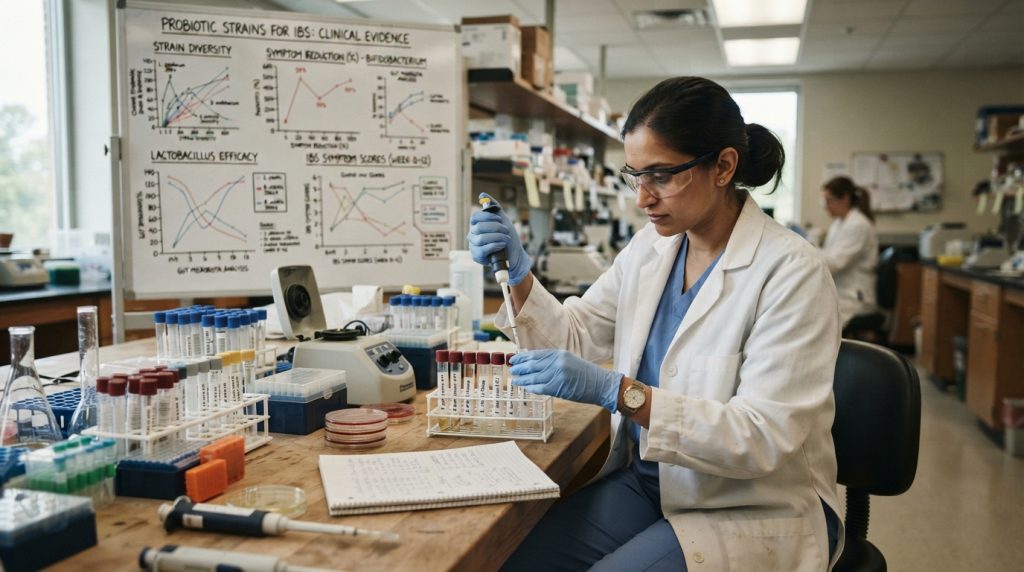
Probiotic strains for IBS: what the clinical evidence actually shows Probiotic strains for IBS: what the clinical evidence actually shows is important because one big meta-analysis pooled 20 studies and found probiotics outperform placebo for global IBS symptoms. That means we can talk about “works for IBS” in a way that is not based on […]
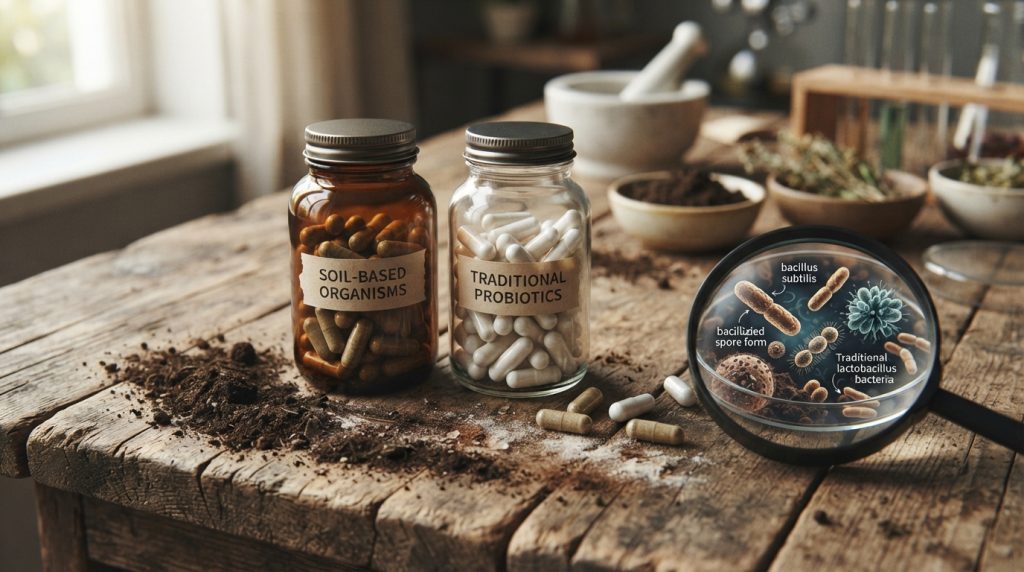
Compare Soil Based Organisms vs Traditional Probiotics for Sensitive Digestion (Best Picks for IBS, Bloating & Gut-Skin Results) Soil Based Organisms vs Traditional Probiotics for Sensitive Digestion is one of the most common questions we get from people whose gut feels touchy, yet they still want an inside-out glow. Did you know that some probiotics […]
Best Spore-Based Probiotics for Sensitive Stomachs: Gentle, Science-Backed Support That Actually Works When it comes to the Best Spore-Based Probiotics for Sensitive Stomachs, the science is quietly impressive, clinical trials show a 30-day course can reduce markers of gut permeability by 42%, which explains why so many people finally feel relief without the usual bloating. […]
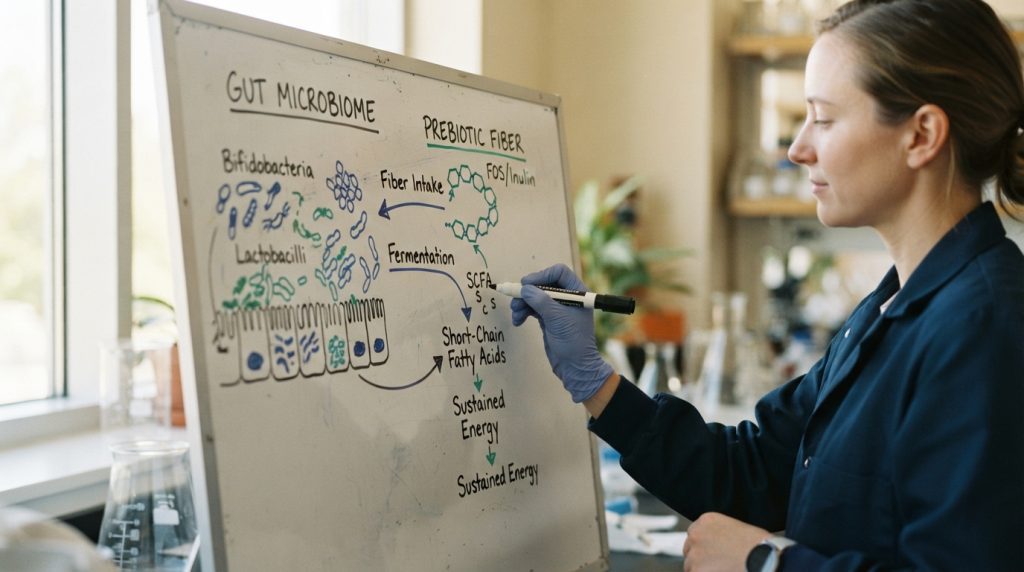
Ultimate Guide to Using Prebiotic Fibre for Sustained Energy Did you know that 90% of women and 97% of men don’t get enough fibre in their daily diet? That gap is exactly why we put together this ultimate guide to using prebiotic fibre for sustained energy, because we’ve read hundreds of research papers and articles, […]
How to Choose Quality Digestive Enzymes for Better Nutrient Absorption Did you know that a staggering 70,000,000 people in the United States deal with gastrointestinal disorders every single year? That number alone tells us why so many of you write in asking how to choose quality digestive enzymes for better nutrient absorption, because bloating, sluggish […]
Best Probiotics for Women Over 40: Our Science-Backed Pick of the Top Strains Finding the best probiotics for women over 40 has become one of the most-asked questions we get, and here’s a number that stopped us in our tracks: a striking 94% of women going through menopause report digestive health issues, often tied to […]
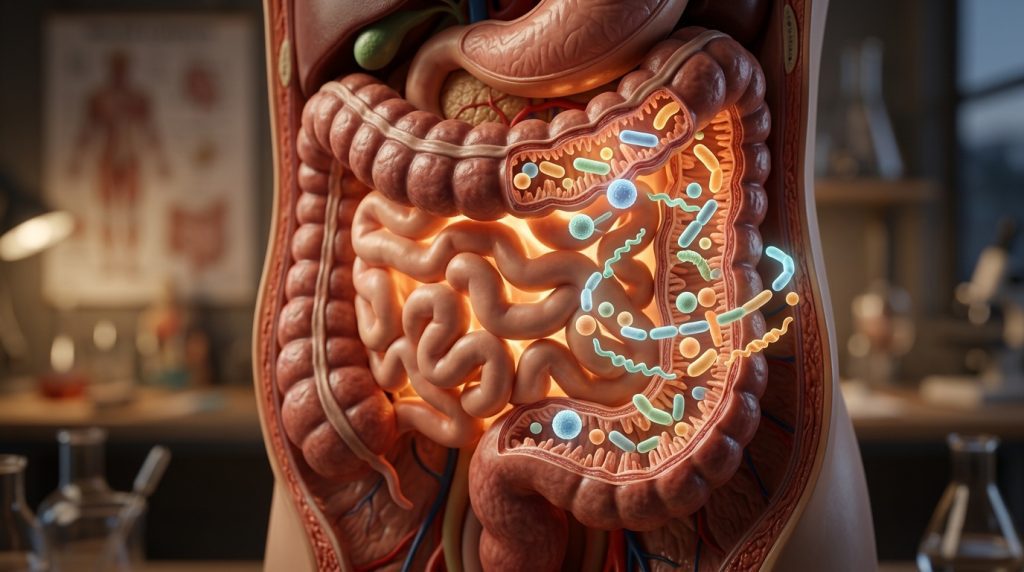
Digestive Disorders & Microbiome Recovery: What the Science Actually Says A single course of antibiotics can reduce gut microbial species by approximately 20, according to a Swedish analysis of nearly 15,000 adults, and that disruption can persist for years. This finding sits at the heart of why digestive disorders and microbiome recovery have become one […]
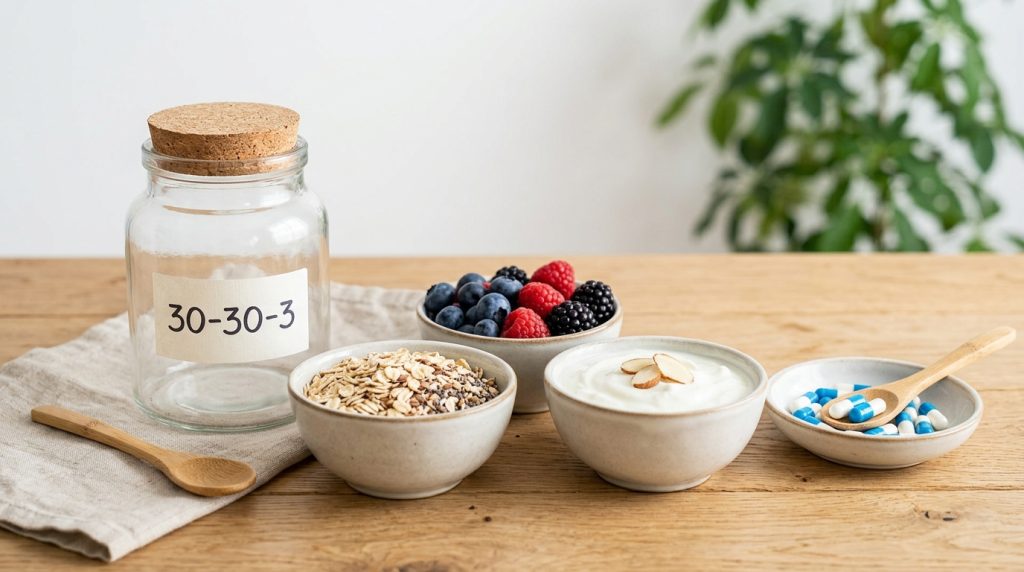
The ’30-30-3′ Microbiome Protocol: Your Science-Backed Daily Blueprint for a Thriving Gut Did you know that 84% of consumers report being more interested in gut health products than in previous years? It’s no wonder that simple, evidence-based frameworks like the ’30-30-3′ Microbiome Protocol are capturing so much attention right now. We’ve been fascinated (to the […]
Chrono-Nutrition for the Microbiome: The Best Guide to Timing Your Meals for Gut Health Chrono-nutrition for the microbiome is one of the most exciting and practical shifts happening in gut health right now, and the science behind it is changing how we think about what we eat AND when we eat it. Consider this: over […]
Postbiotic pH Balancing: The Plain-English Guide to Supporting a Healthier Gut Ecosystem Postbiotic pH Balancing matters because clinicians often flag problems when vaginal pH rises above 4.5, a pH threshold tied to common vaginitis diagnoses. More people are asking the same practical question for gut health: how can we support stable, “right-range” pH conditions without […]
Best Natural Remedies for Reducing Chronic Systemic Inflammation If you’re looking for the best natural remedies for reducing chronic systemic inflammation, you’re in exactly the right place. And here’s something that might surprise you before we even get started: research shows that short sleep duration is associated with more than double the odds of elevated […]
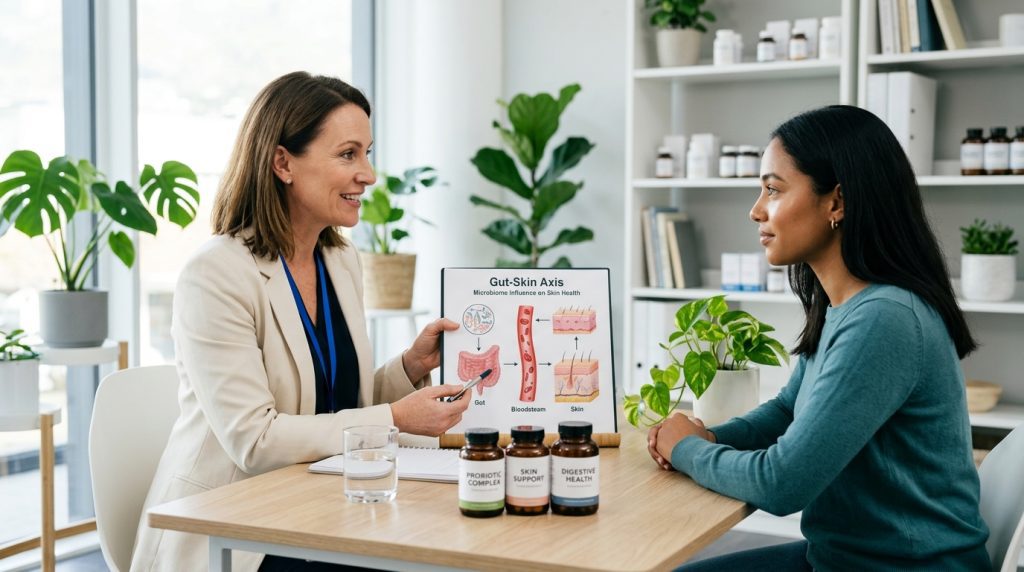
Metabolic Beauty: The Gut-Skin Axis Guide (What’s Actually Working Right Now) Metabolic Beauty and the Gut-Skin Axis in 2026 have officially moved from fringe wellness circles into mainstream science, and the numbers prove it: a staggering 67% of consumers now prefer ingestible beauty products over traditional topical solutions, signalling that the era of “beauty from […]

Menopause, Hormones & Gut Health: Understanding the Changes and Practical Solutions Menopause brings many changes to your body, and your digestive system is no exception. During this transition, dropping levels of oestrogen and progesterone affect more than just your reproductive system. These hormones also play key roles in how your gut functions, from digestion speed […]

The 24-Hour Glow Protocol: Transform Your Skin Through Microbiome-Focused Nutrition and Skincare Your skin and gut health are connected in ways that become visible within just 24 hours of changing what you eat and how you care for your skin. The microbiome—the collection of bacteria living in your gut and on your skin—responds quickly to […]