
15 prebiotic probiotic benefits: Your complete guide
Probiotics have burst onto the health and wellness scene, and they’re here to stay! However, finding the right science backed probiotics for your needs can be a minefield. And then there are the prebiotics … Read on as we answer the most common questions about the prebiotic probiotic benefits that could make all the difference to your wellness routine!
p
1. How long does it take to notice any prebiotic probiotic benefits?
When examining how long do prebiotics or probiotics take to work, it depends on the individual probiotic supplement. Personally, I’ve experienced the benefits of consuming probiotics within as little as a week. However, some types of probiotics took a few weeks to work for me.
In general, looking at how long for a probiotic to work, the time it takes for probiotics to take effect varies depending on individual factors such as health status and the specific probiotic used. Some people may notice improvements in digestive symptoms within a few days to a few weeks (like me!), while others may require longer-term supplementation for optimal results.
2. What are probiotic foods?
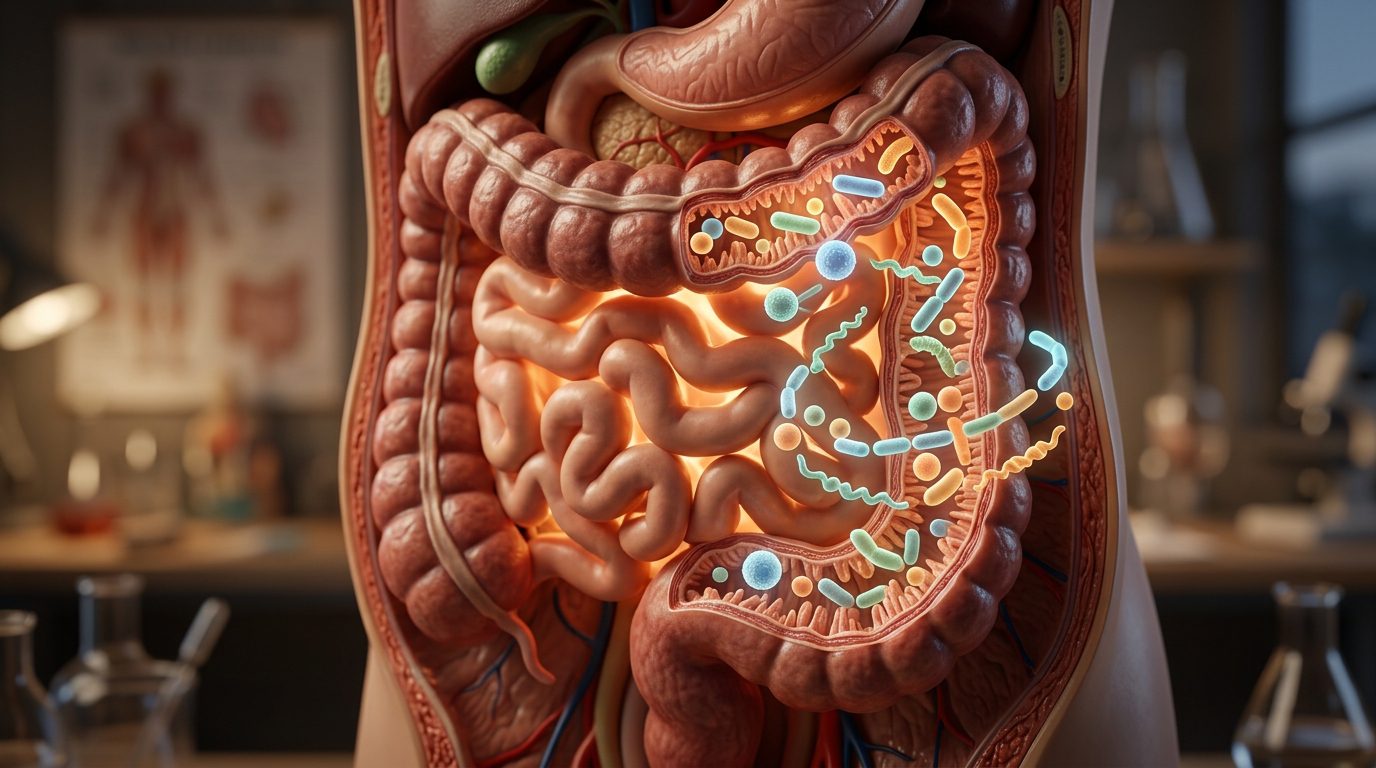
Probiotic foods (that is, fermented foods) are those that contain live microorganisms, usually bacteria or yeasts, that are beneficial for health when consumed in adequate amounts. These microorganisms are known as probiotics and are believed to confer health benefits by improving or restoring the balance of beneficial bacteria in the gut microbiome.
Common probiotic foods include:
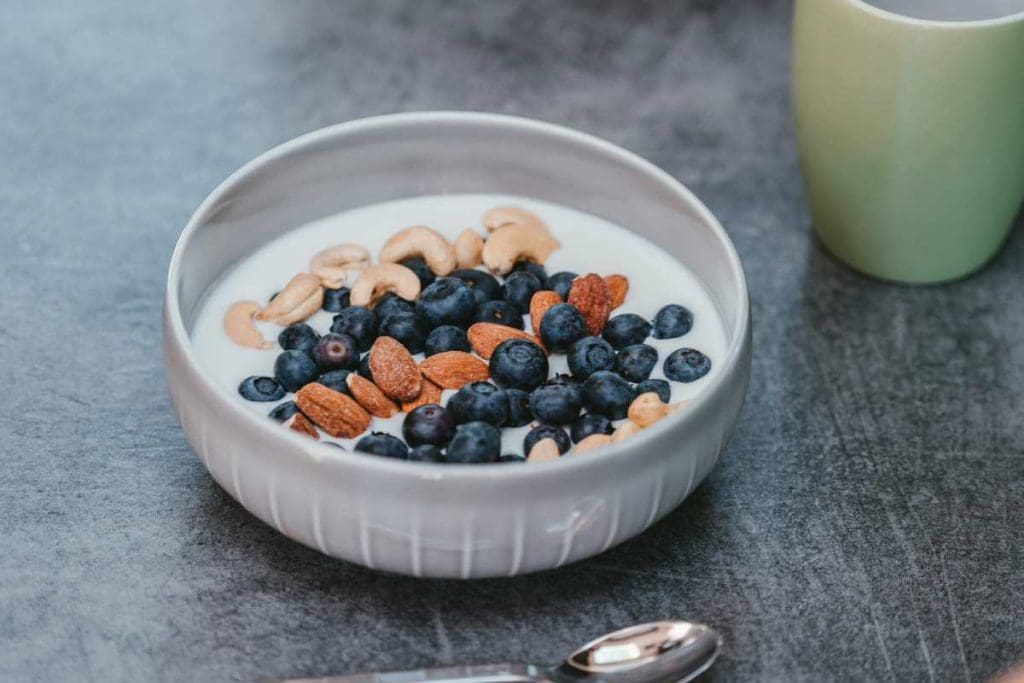
Yogurt: Fermented dairy product containing live cultures of bacteria, such as Lactobacillus bulgaricus and Streptococcus thermophilus.
Kefir: Kefir is a fermented milk drink made from kefir grains, which contain a mixture of bacteria and yeast cultures. Kefir yogurts and kefir treats (!) such as the yummy YAAR Bars are also gaining in popularity.

Sauerkraut: Fermented cabbage that contains live lactobacilli bacteria.
Kimchi: Korean fermented vegetable dish typically made from cabbage and radishes, also containing various strains of lactobacilli.
Miso: Traditional Japanese seasoning made by fermenting soybeans with salt and koji fungus, containing beneficial bacteria and yeast.
Tempeh: Fermented soybean product originating from Indonesia, containing a variety of beneficial bacteria.
Kombucha: Fermented tea beverage made from sweetened tea and a symbiotic culture of bacteria and yeast (SCOBY).
Pickles (fermented in brine, not vinegar): Fermented cucumbers or other vegetables, containing live cultures of lactobacilli.
Consuming probiotic foods regularly may support digestive health, boost the immune system, and contribute to overall well-being. However, it’s important to note that the effectiveness of probiotics can vary depending on factors such as the specific strains present, the dosage, and individual health conditions.
Additionally, probiotic supplements are available for those who may not consume enough probiotic-rich foods.
3. What are the advantages of probiotics?
Probiotics offer several potential advantages for human health, supported by research and clinical studies. Some of the key advantages include:
Improved digestive health
Probiotics can help maintain a healthy balance of beneficial bacteria in the gut microbiome, which is crucial for proper digestion and absorption of nutrients. They may alleviate symptoms of digestive disorders such as irritable bowel syndrome (IBS), diarrhea, and constipation.
Support for skin health
Some evidence suggests that probiotics may have a role in promoting skin health and reducing the severity of conditions such as eczema, acne, and rosacea. Probiotic supplements or topical applications, for example microbiome-friendly skincare, may help modulate the skin microbiome and reduce inflammation.
Enhanced immune function
The gut microbiome plays a significant role in immune function, and probiotics can help support a healthy immune response. They may reduce the risk of infections, such as respiratory infections and urinary tract infections, by promoting the production of antimicrobial substances and enhancing the body’s defense mechanisms.
Reduced risk of antibiotic-associated diarrhea
Antibiotics can disrupt the natural balance of bacteria in the gut, leading to antibiotic-associated diarrhea. Probiotics, particularly strains of Lactobacillus and Bifidobacterium, have been shown to reduce the risk and severity of antibiotic-associated diarrhea by restoring balance to the gut microbiome.
Management of IBD
Some studies suggest that probiotics may help alleviate symptoms of inflammatory bowel diseases (IBD) such as Crohn’s disease and ulcerative colitis. They may reduce inflammation in the gut, improve symptoms such as abdominal pain and diarrhea, and help maintain remission in individuals with IBD.
Potential mental health benefits
Emerging research indicates a connection between the gut microbiome and mental health. Probiotics may have a role in modulating the gut-brain axis, potentially improving sleep, mood and reducing symptoms of anxiety and depression. However, more research is needed to fully understand this connection.
Maintenance of vaginal health
Certain strains of probiotics, such as Lactobacillus acidophilus, are beneficial for maintaining vaginal health by promoting a balanced vaginal microbiome. They may help prevent and treat vaginal infections such as bacterial vaginosis and yeast infections.
It’s important to note that the effects of probiotics can vary depending on factors such as the specific strains used, dosage, individual health status, and overall diet. Additionally, while probiotics are generally considered safe for most people, individuals with compromised immune systems or serious underlying health conditions should consult with a healthcare professional before taking probiotic supplements.
4. What are the signs probiotics are working?
Determining whether probiotics are working for you can be somewhat subjective, as the effects may vary depending on factors such as the specific strains of probiotics used, the dosage, and your specific health and wellness routine.
However, there are several signs that may indicate that probiotics are having a positive impact:
Improved digestive symptoms:
One of the most common signs that probiotics are working is a reduction in digestive symptoms such as bloating, gas, diarrhea, or constipation. If these symptoms improve or become less frequent after starting probiotic supplementation, it may indicate that the probiotics are helping to restore balance to the gut microbiome.
Regular bowel movements:
Probiotics may help regulate bowel movements and promote regularity. If you notice that your bowel movements become more regular and consistent after starting probiotics, it could be a sign that they are working effectively.
Reduction in antibiotic-associated symptoms:
For individuals taking antibiotics, probiotics may help reduce the incidence or severity of antibiotic-associated diarrhea or other gastrointestinal side effects. If you experience fewer digestive symptoms while taking probiotics alongside antibiotics, it suggests that they are helping to mitigate the disruption to the gut microbiome caused by antibiotics.
Enhanced Immune function:
Some people may notice fewer oiccurrences of common infections, such as colds or respiratory infections, after taking probiotics regularly. This could indicate that probiotics are supporting a healthy immune system and reducing susceptibility to infections.
Improved mood or mental well-being:
Emerging research suggests a connection between the gut microbiome and mental health. Some individuals may experience improvements in mood, stress levels, or symptoms of anxiety or depression after taking probiotics. If you notice positive changes in your mental well-being, it could be a sign that probiotics are exerting beneficial effects on the gut-brain axis.
Better skin health:
Probiotics may also have benefits for skin health, such as reducing the severity of acne, eczema, or other skin conditions. If you observe improvements in the appearance or condition of your skin after taking probiotics, it could suggest that they are positively impacting the skin microbiome and reducing inflammation.
Overall sense of well-being:
Some individuals may simply feel better overall after starting probiotics, experiencing increased energy levels, better sleep, or improved quality of life. These subjective improvements in well-being may indicate that probiotics are supporting overall health and vitality.
It’s important to note that individual responses to probiotics can vary, and not everyone may experience noticeable effects. Additionally, it may take some time for the effects of probiotics to manifest, so consistency with supplementation is key. If you have specific health concerns or are unsure whether probiotics are right for you, it’s always a good idea to consult with a healthcare professional for personalized advice.
It’s worth noting that combining prebiotic probiotic benefits can help your digestion, immunity, and overall health. More about prebiotics below, as well as in this in-depth article about prebiotic probiotic difference and impact!
5. What do probiotics do?
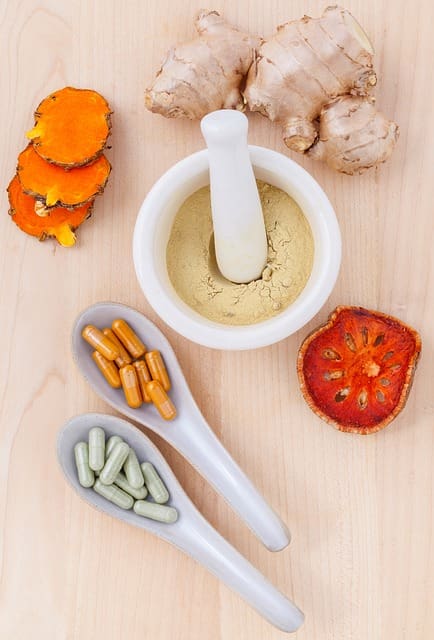
Probiotics promote a healthy balance of gut bacteria. This may have a myriad of health benefits, including: support digestion, boost immune function, potentially improve mental health, manage inflammatory conditions, contribute to better skin health, alleviate allergies, and promote oral health.
Importantly, probiotics also need food, in the form of prebiotic fibers! So, the prebiotic probiotic benefits are a powerful collaboration between these beneficial bacteria and their superfoods!
6. When is a good time to take a probiotic?
A good time to take a probiotic can vary depending on individual preferences and needs. Some people prefer taking probiotics with breakfast or before a meal to ensure they are absorbed properly. Others find it beneficial to take them before bed to support overnight digestive processes. Ultimately, consistency in timing is more important than the specific time of day.
7. How long for a probiotic to work?
The timeframe for probiotics to start working can vary significantly depending on factors such as the specific strain of probiotics used, the individual’s health status, and the reason for taking them. Some people may notice improvements in digestive symptoms within a few days to a few weeks of starting probiotic supplementation, while others may require longer-term use for optimal results.
Consistent and continued use is often key to experiencing the full benefits of probiotics. If significant improvements are not observed after several weeks, it may be beneficial to consult a healthcare professional for personalized advice.
8. Do probiotics cause diarrhoea?
Probiotics typically do not cause diarrhea and are often used to help alleviate it. So, it’s not very common that probiotics give you the runs. However, in some cases, particularly when first starting supplementation or when taking high doses, individuals may experience temporary gastrointestinal disturbances, including diarrhea. These symptoms usually resolve as the gut microbiome adjusts. If diarrhea persists or worsens, seeking medical advice is recommended.
9. Will probiotics cause constipation?
While probiotics are generally associated with improving regularity, some individuals may experience temporary constipation when starting supplementation. However, probiotics are more commonly known to alleviate constipation by promoting healthy digestion.
Additionally, for probiotics to work their magic they also need nourishment in the form of prebiotic fiber. So, the added prebiotic probiotic benefits are likely to help make your stomach work better!
If constipation persists, consulting a healthcare professional is advisable to determine the underlying cause.
10. Can probiotics cause stomach cramps?
Yes, probiotics can sometimes cause stomach cramps. Particularly when first starting supplementation or when consuming high doses, it is possible that probiotics cause abdominal pain. This is typically a temporary side effect as the gut microbiome adjusts to the introduction of new bacteria. Factors such as individual tolerance, the specific strains of probiotics used, and the overall health of the digestive system can influence the likelihood and severity of stomach cramps. Adjusting the dosage or timing of probiotic intake may help alleviate discomfort. Consulting a healthcare professional is advisable if symptoms persist.
11. Can probiotics cause flatulence?
Yes, probiotics can sometimes cause flatulence or give you gas production, especially when first starting supplementation or when taking high doses. This is often a temporary side effect as the gut microbiome adjusts. Individuals may experience that probiotics give you gas to varying degress, depending on factors such as their tolerance to specific probiotic strains and overall digestive health. Adjusting dosage or strain may help mitigate this issue.
12. How long should you take probiotics?
The duration of probiotic supplementation varies depending on individual health needs and goals. Some people may take probiotics for a short period to address specific issues, while others may incorporate them into their daily routine for long-term gut health support. Check the probiotic supplement label for specific instructions. Consulting a healthcare professional is recommended.
13. Should I take probiotics on an empty stomach?
Whether to take probiotics on an empty stomach depends on personal preference and the specific probiotic supplement. Some experts suggest taking probiotics on an empty stomach to allow for better absorption and colonization of beneficial bacteria in the gut. However, others recommend taking probiotics with food to minimize potential side effects like bloating or discomfort. Ultimately, it’s best to follow the instructions provided on the probiotic supplement packaging or consult with a healthcare professional for personalized guidance based on individual health needs and digestive tolerance.
14. What are prebiotics and how do they differ from probiotics?
Prebiotics and probiotics are essential for gut health but serve different roles. Prebiotics are non-digestible fibers that act as food for beneficial bacteria in your gut, helping them grow and thrive. They are found in foods like garlic, onions, bananas, and whole grains. Prebiotics don’t contain live bacteria but support the growth of good bacteria already in your digestive system.
On the other hand, probiotics are live beneficial bacteria found in certain foods and supplements, such as yogurt, kefir, and fermented vegetables. They introduce new good bacteria to your gut, helping to maintain a healthy balance.
In summary, while probiotics add beneficial bacteria to your gut, prebiotics nourish and support these bacteria, enhancing their effectiveness. Both are vital for maintaining a healthy gut microbiome, which is crucial for digestion, immunity, and overall well-being.
15. What are the benefits of taking prebiotics, and how do they improve gut health?
Prebiotics offer a range of benefits, primarily by supporting gut health and overall well-being. Here are some key benefits:
- Nourishing Beneficial Bacteria: Prebiotics are non-digestible fibers that serve as food for the good bacteria (probiotics) in your gut. By feeding these beneficial microbes, prebiotics help them grow and thrive, contributing to a balanced gut microbiome.
- Improved Digestion: A healthy gut microbiome aids in the breakdown of food and enhances nutrient absorption. Prebiotics can help improve digestion, reducing issues like bloating, constipation, and diarrhea.
- Enhanced Immune Function: The gut is home to a significant portion of the immune system. By promoting a healthy balance of gut bacteria, prebiotics can help strengthen the immune response and protect against infections.
- Mental Health Support: Emerging research suggests that gut health is closely linked to mental health. By fostering a balanced microbiome, prebiotics may help improve mood and reduce anxiety.
- Reduced Inflammation: A well-balanced gut can help decrease chronic inflammation, which is linked to various health conditions like obesity, diabetes, and heart disease.
By consistently taking prebiotics you can support a healthy gut environment. Especially, combining prebiotic probiotic benefits can help your digestion, immunity, and overall health.
SUMMARY: Prebiotic probiotic benefits and side effects
Probiotics have become an firm favourite on the health and wellness scene. Looking out for a quality supplements, backed by science, will help ensure you optimize the prebiotics probiotics benefits for your wellness routine.
Guts & Glory Health is proudly featured in the Feedspot 2024 Top Blogs to Follow: https://blog.feedspot.com/gut_health_blogs/
Cover image: Photo by Daily Nouri on Unsplash
Other images: Photo by Julian Hochgesang on Unsplash
Other posts you might enjoy:
-

Sea Buckthorn: The #1 Skin and Gut Health Superfood You Should Know About
Sea Buckthorn: The Skin and Gut Health Superfood You Should Know About Sea buckthorn has gained a cult following among skincare and wellness enthusiasts — and for good reason. Rich in rare fatty acids, vitamins, and antioxidants, this bright orange berry supports both your outer glow and inner gut health. Having tried it myself in…
-
Easy high fiber meals – Fueling your glow from the inside out
Easy High Fiber Meals – Boost Your Skin Glow, Inside Out Looking for a quick overview of how to add more fiber to your diet? We’ve got you covered with these ideas for easy high fiber meals to keep your gut happy and your meals exciting! Because eating enough fiber is a key to glowing…
-
Best Probiotics for Acne? 12 That Actually Work (Derm & Gut-Backed)
Best Probiotics for Acne? 12 That Actually Work (Derm & Gut-Backed) If you struggle with acne, you’re not alone—acne affects over 650 million people worldwide. I was one of them for many years, until I realised that skin health is more than just skin deep! In fact, new research shows that balancing your skin and…
-
Water Kefir vs Milk Kefir: Which actually fixes bloating?
Water kefir vs milk kefir: which actually fixes bloating? Water kefir vs milk kefir: which actually fixes bloating? The honest answer is that neither is a guaranteed fix, but understanding what goes into each drink can help you choose one that better matches your diet and likely triggers. Key Takeaways What kefir is and how…
-
Probiotic strains for IBS: what the clinical evidence actually shows
Probiotic strains for IBS: what the clinical evidence actually shows Probiotic strains for IBS: what the clinical evidence actually shows is important because one big meta-analysis pooled 20 studies and found probiotics outperform placebo for global IBS symptoms. That means we can talk about “works for IBS” in a way that is not based on…
-
Compare Soil Based Organisms vs Traditional Probiotics for Sensitive Digestion (Best Picks for IBS, Bloating & Gut-Skin Results)
Compare Soil Based Organisms vs Traditional Probiotics for Sensitive Digestion (Best Picks for IBS, Bloating & Gut-Skin Results) Soil Based Organisms vs Traditional Probiotics for Sensitive Digestion is one of the most common questions we get from people whose gut feels touchy, yet they still want an inside-out glow. Did you know that some probiotics…
-
Best Spore-Based Probiotics for Sensitive Stomachs: Gentle, Science-Backed Support That Actually Works
Best Spore-Based Probiotics for Sensitive Stomachs: Gentle, Science-Backed Support That Actually Works When it comes to the Best Spore-Based Probiotics for Sensitive Stomachs, the science is quietly impressive, clinical trials show a 30-day course can reduce markers of gut permeability by 42%, which explains why so many people finally feel relief without the usual bloating.…
-
Ultimate Guide to Using Prebiotic Fibre for Sustained Energy
Ultimate Guide to Using Prebiotic Fibre for Sustained Energy Did you know that 90% of women and 97% of men don’t get enough fibre in their daily diet? That gap is exactly why we put together this ultimate guide to using prebiotic fibre for sustained energy, because we’ve read hundreds of research papers and articles,…
-
How to Choose Quality Digestive Enzymes for Better Nutrient Absorption
How to Choose Quality Digestive Enzymes for Better Nutrient Absorption Did you know that a staggering 70,000,000 people in the United States deal with gastrointestinal disorders every single year? That number alone tells us why so many of you write in asking how to choose quality digestive enzymes for better nutrient absorption, because bloating, sluggish…
-
Best Probiotics for Women Over 40: Our Science-Backed Pick of the Top Strains
Best Probiotics for Women Over 40: Our Science-Backed Pick of the Top Strains Finding the best probiotics for women over 40 has become one of the most-asked questions we get, and here’s a number that stopped us in our tracks: a striking 94% of women going through menopause report digestive health issues, often tied to…
-
Digestive Disorders & Microbiome Recovery: What the Science Actually Says
Digestive Disorders & Microbiome Recovery: What the Science Actually Says A single course of antibiotics can reduce gut microbial species by approximately 20, according to a Swedish analysis of nearly 15,000 adults, and that disruption can persist for years. This finding sits at the heart of why digestive disorders and microbiome recovery have become one…