
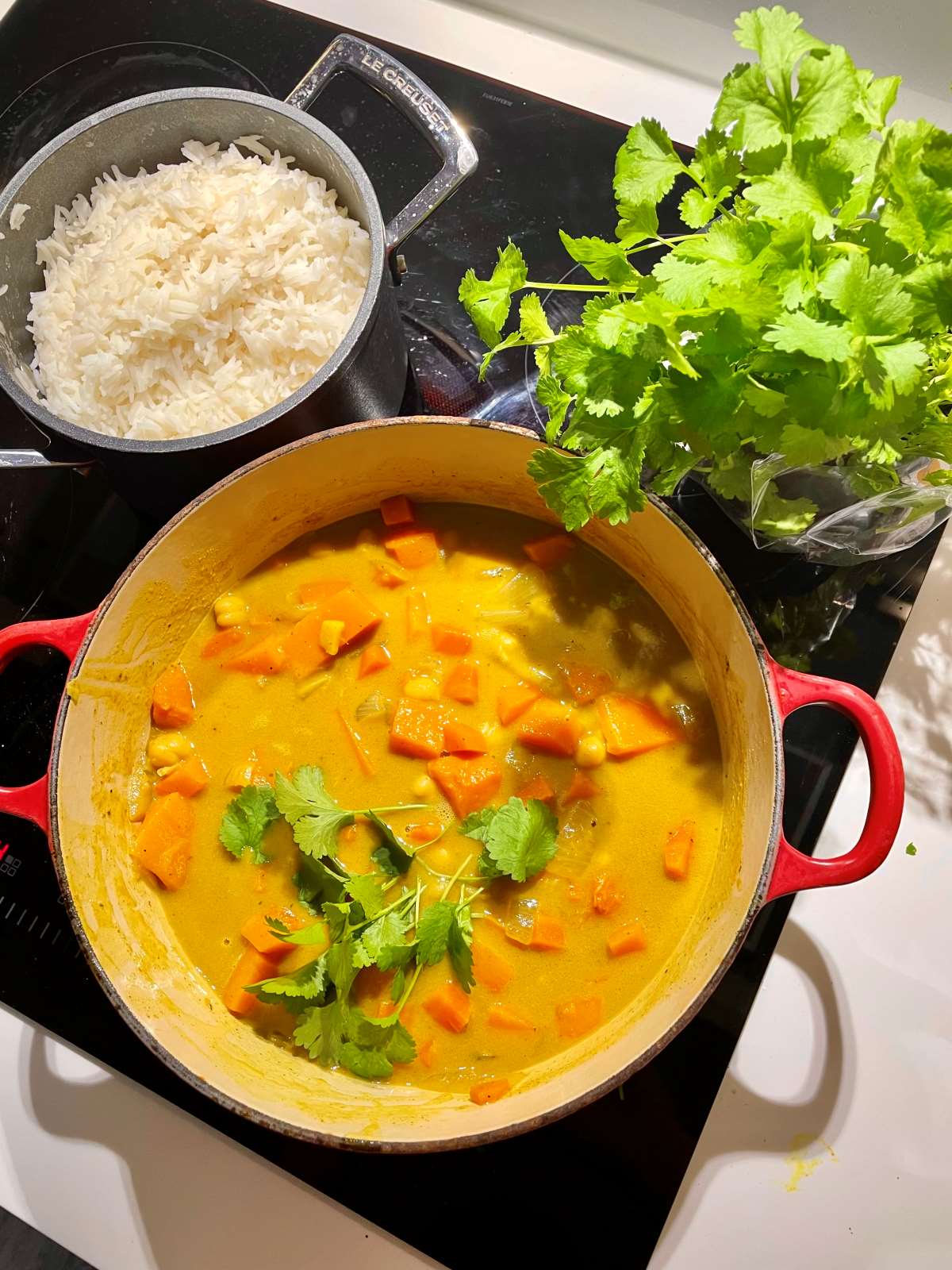
Flavorful chickpea curry
You can enjoy nearly all your 5-a-day in one go with this Indian vegetarian chickpea curry. Chickpeas are great for gut health as they are high in fiber and a source of plant-based protein.
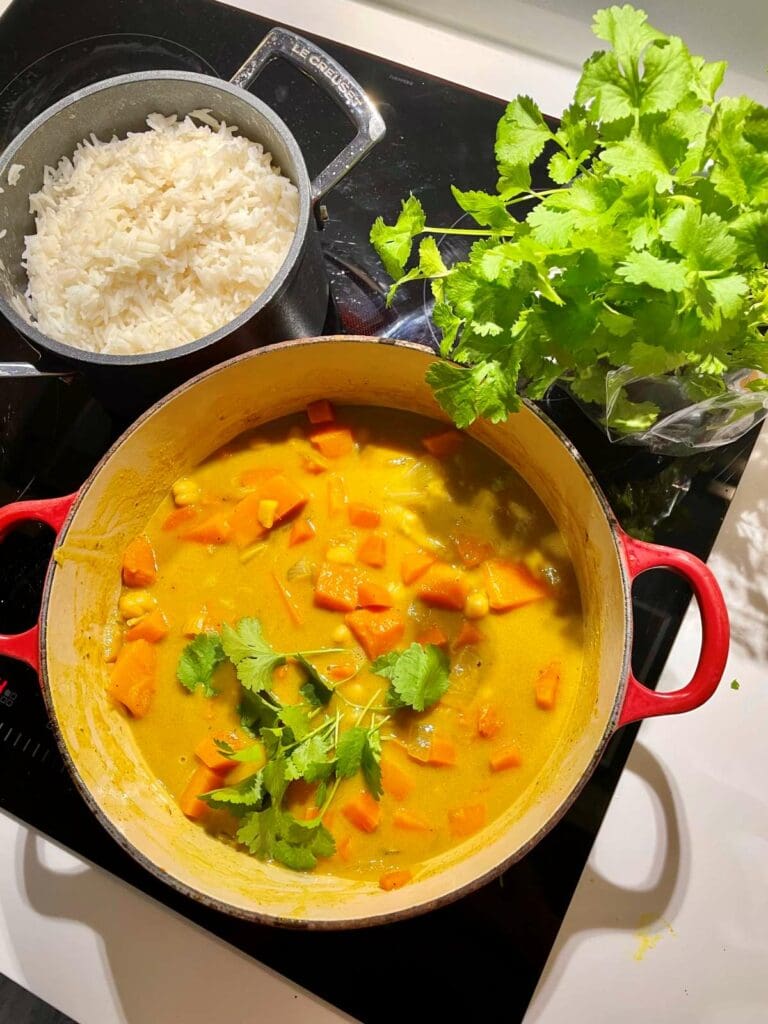
Ingredients – chickpea curry
1 red onion
2-3 cloves garlic
2 red peppers, finely chopped
3-4 carrots, peeled and sliced
2 table spoons red curry paste
2 cans coconut milk
3 cans chick peas, drained and rinsed
1 teaspoon turmeric
Chopped spring onion and / or coriander to garnish.
PS: Not all these measures are exact, as you can vary this dish endlessly and to your own liking.
A happy gut means a happier you! Discover the combined high-quality prebiotic probiotic supplement PURE from Rain International.

Method – chickpea curry
- Sautee the onion until it starts to soften, add garlic
- Add peppers, carrots and curry paste
- Then add coconut milk and turmeric
- Let simmer until vegetables are soft, about 15-20 minutes
- Add chickpeas and let simmer for another few minutes until chick peas are warm and soft too.
Serve the chickpea curry with rice, spring onion to garnish and enjoy!
The health benefits of chickpea curry
Chickpea curry, a staple in many cuisines around the world, particularly in South Asia, offers a plethora of health benefits thanks to its nutritious ingredients and balanced profile of macronutrients and micronutrients. This delicious dish, often made with chickpeas, tomatoes, onions, garlic, ginger, and a variety of spices, can be a powerhouse of health-promoting properties.

Discover the fascinating link between your gut health and mood!
Nutritional Profile of Chickpeas
Chickpeas, also known as garbanzo beans, are the main ingredient in chickpea curry. They are rich in protein, making them an excellent meat substitute for vegetarians and vegans. A cup of cooked chickpeas contains about 15 grams of protein. They are also high in dietary fiber, providing approximately 12 grams per cup, which supports digestive health and helps in maintaining a healthy weight by promoting a feeling of fullness.
Chickpeas are a good source of essential vitamins and minerals, including folate, iron, phosphorus, and manganese. Folate is crucial for DNA synthesis and repair, iron is necessary for the formation of hemoglobin in red blood cells, phosphorus is vital for the formation of bones and teeth, and manganese plays a role in bone formation, blood clotting, and reducing inflammation.
Health Benefits of Chickpea Curry
1. Supports Heart Health
The fiber, potassium, and vitamin C in chickpeas all support heart health. Fiber helps to reduce cholesterol levels, which can decrease the risk of heart disease. Potassium helps to manage blood pressure levels by counteracting the effects of sodium. Additionally, the antioxidants found in the spices used in chickpea curry, such as turmeric, ginger, and garlic, can help reduce oxidative stress and inflammation, which are risk factors for heart disease.
2. Aids in Weight Management
The high fiber and protein content in chickpeas can promote satiety, helping to control appetite and reduce overall calorie intake. This can be particularly beneficial for those looking to manage their weight. The protein content also helps in maintaining muscle mass during weight loss.
3. Supports Digestive Health
The dietary fiber in chickpeas is not only beneficial for heart health but also supports a healthy digestive system. It helps to regulate bowel movements, prevent constipation, and maintain a healthy gut microbiome. A healthy gut microbiome is essential for overall health as it plays a role in nutrient absorption, immune function, and mental health.
4. Stabilizes Blood Sugar Levels
Chickpeas have a low glycemic index, which means they cause a slower, steadier rise in blood sugar levels compared to high glycemic foods. This can be particularly beneficial for people with diabetes or those at risk of developing diabetes. The fiber and protein in chickpeas also help to stabilize blood sugar levels by slowing down the absorption of sugar into the bloodstream.
5. Anti-Inflammatory and Antioxidant Properties
The spices commonly used in chickpea curry, such as turmeric, cumin, coriander, and chili powder, have anti-inflammatory and antioxidant properties. Turmeric contains curcumin, a compound with powerful anti-inflammatory effects. Ginger and garlic also have strong anti-inflammatory and antioxidant properties. These spices can help reduce inflammation in the body and protect against chronic diseases.
6. Boosts Immune System
The combination of nutrients found in chickpea curry, such as vitamin C, zinc, and antioxidants, can help boost the immune system. A strong immune system is crucial for defending the body against infections and illnesses. The antimicrobial properties of garlic and ginger further enhance the immune-boosting effects of chickpea curry.
Conclusion
Incorporating chickpea curry into your diet can offer numerous health benefits, from supporting heart health and aiding in weight management to promoting digestive health and stabilizing blood sugar levels. The anti-inflammatory and antioxidant properties of the spices used in chickpea curry add an extra layer of health benefits, making this dish not only delicious but also highly nutritious. Whether you are a vegetarian, vegan, or simply looking to add more plant-based meals to your diet, chickpea curry is a flavorful and healthful choice.
Other posts & recipes you might enjoy:

Sea Buckthorn: The Skin and Gut Health Superfood You Should Know About Sea buckthorn has gained a cult following among skincare and wellness enthusiasts — and for good reason. Rich in rare fatty acids, vitamins, and antioxidants, this bright orange berry supports both your outer glow and inner gut health. Having tried it myself in […]

Easy High Fiber Meals – Boost Your Skin Glow, Inside Out Looking for a quick overview of how to add more fiber to your diet? We’ve got you covered with these ideas for easy high fiber meals to keep your gut happy and your meals exciting! Because eating enough fiber is a key to glowing […]

Best Probiotics for Acne? 12 That Actually Work (Derm & Gut-Backed) If you struggle with acne, you’re not alone—acne affects over 650 million people worldwide. I was one of them for many years, until I realised that skin health is more than just skin deep! In fact, new research shows that balancing your skin and […]
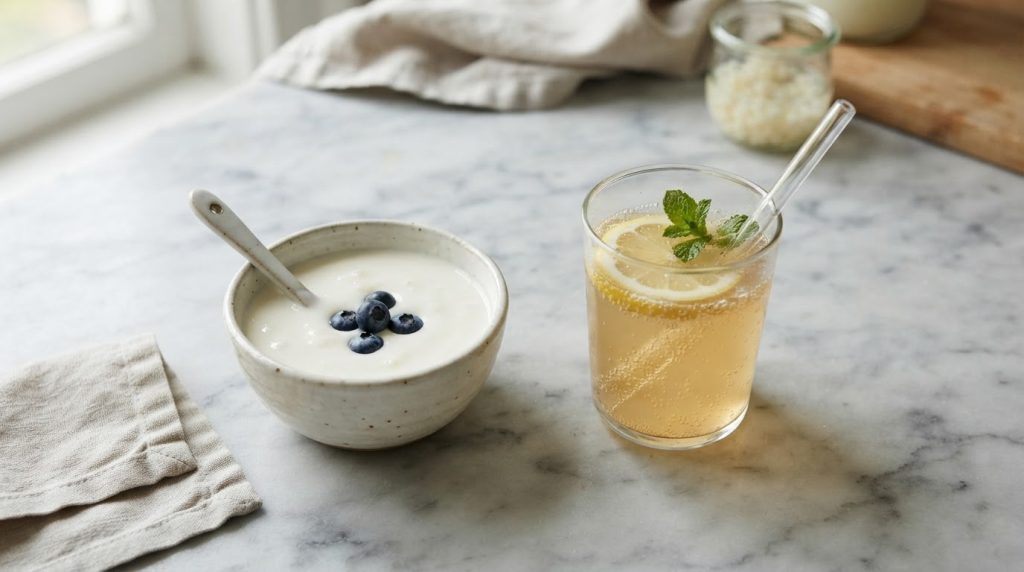
Water kefir vs milk kefir: which actually fixes bloating? Water kefir vs milk kefir: which actually fixes bloating? The honest answer is that neither is a guaranteed fix, but understanding what goes into each drink can help you choose one that better matches your diet and likely triggers. Key Takeaways What kefir is and how […]

Probiotic strains for IBS: what the clinical evidence actually shows Probiotic strains for IBS: what the clinical evidence actually shows is important because one big meta-analysis pooled 20 studies and found probiotics outperform placebo for global IBS symptoms. That means we can talk about “works for IBS” in a way that is not based on […]
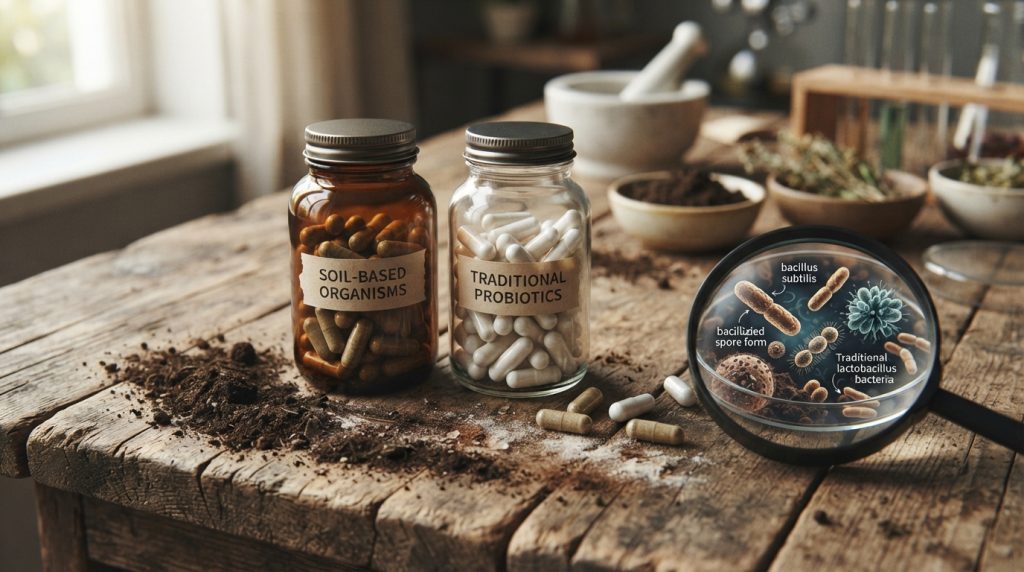
Compare Soil Based Organisms vs Traditional Probiotics for Sensitive Digestion (Best Picks for IBS, Bloating & Gut-Skin Results) Soil Based Organisms vs Traditional Probiotics for Sensitive Digestion is one of the most common questions we get from people whose gut feels touchy, yet they still want an inside-out glow. Did you know that some probiotics […]

Best Spore-Based Probiotics for Sensitive Stomachs: Gentle, Science-Backed Support That Actually Works When it comes to the Best Spore-Based Probiotics for Sensitive Stomachs, the science is quietly impressive, clinical trials show a 30-day course can reduce markers of gut permeability by 42%, which explains why so many people finally feel relief without the usual bloating. […]

Ultimate Guide to Using Prebiotic Fibre for Sustained Energy Did you know that 90% of women and 97% of men don’t get enough fibre in their daily diet? That gap is exactly why we put together this ultimate guide to using prebiotic fibre for sustained energy, because we’ve read hundreds of research papers and articles, […]

How to Choose Quality Digestive Enzymes for Better Nutrient Absorption Did you know that a staggering 70,000,000 people in the United States deal with gastrointestinal disorders every single year? That number alone tells us why so many of you write in asking how to choose quality digestive enzymes for better nutrient absorption, because bloating, sluggish […]
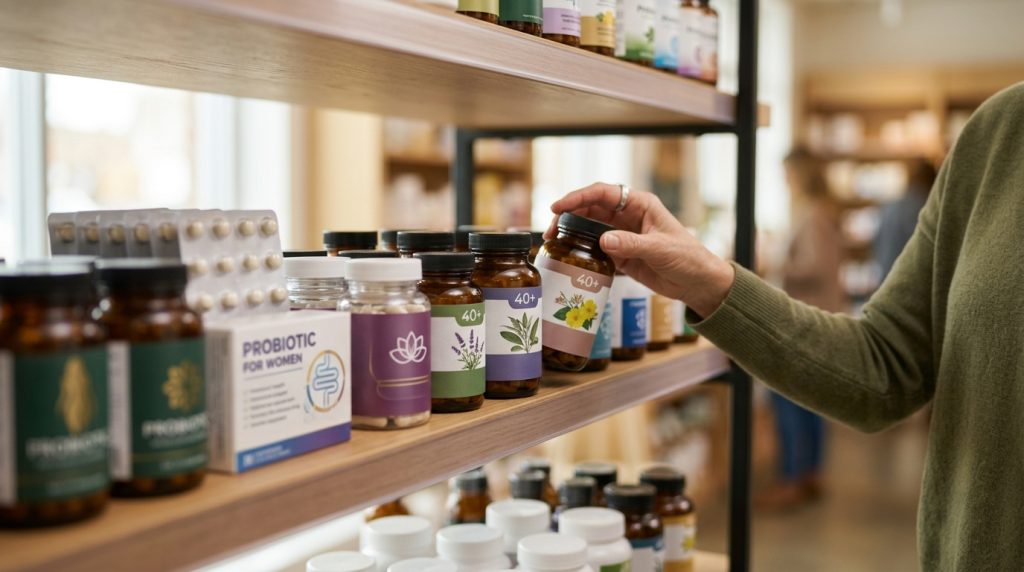
Best Probiotics for Women Over 40: Our Science-Backed Pick of the Top Strains Finding the best probiotics for women over 40 has become one of the most-asked questions we get, and here’s a number that stopped us in our tracks: a striking 94% of women going through menopause report digestive health issues, often tied to […]
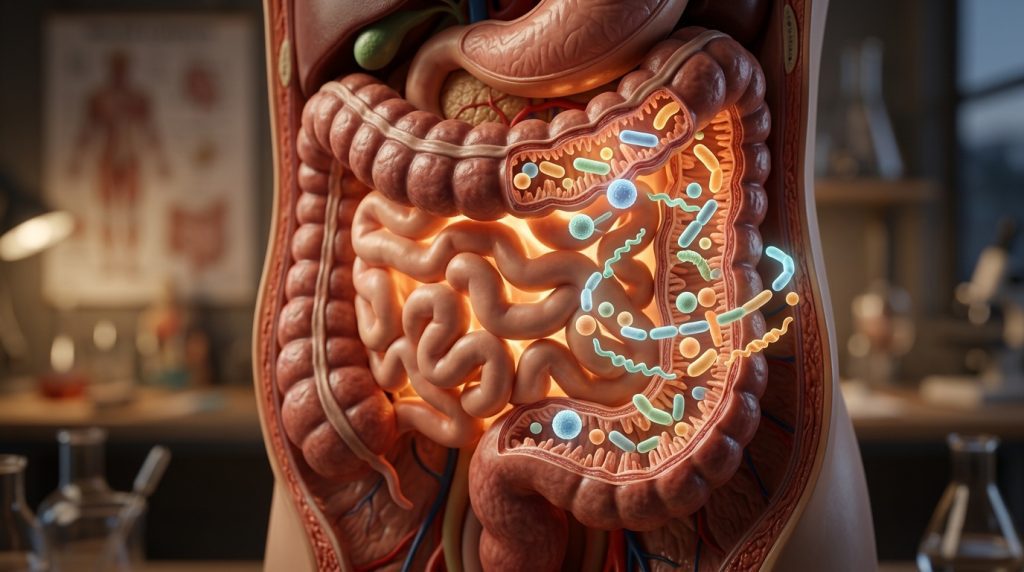
Digestive Disorders & Microbiome Recovery: What the Science Actually Says A single course of antibiotics can reduce gut microbial species by approximately 20, according to a Swedish analysis of nearly 15,000 adults, and that disruption can persist for years. This finding sits at the heart of why digestive disorders and microbiome recovery have become one […]
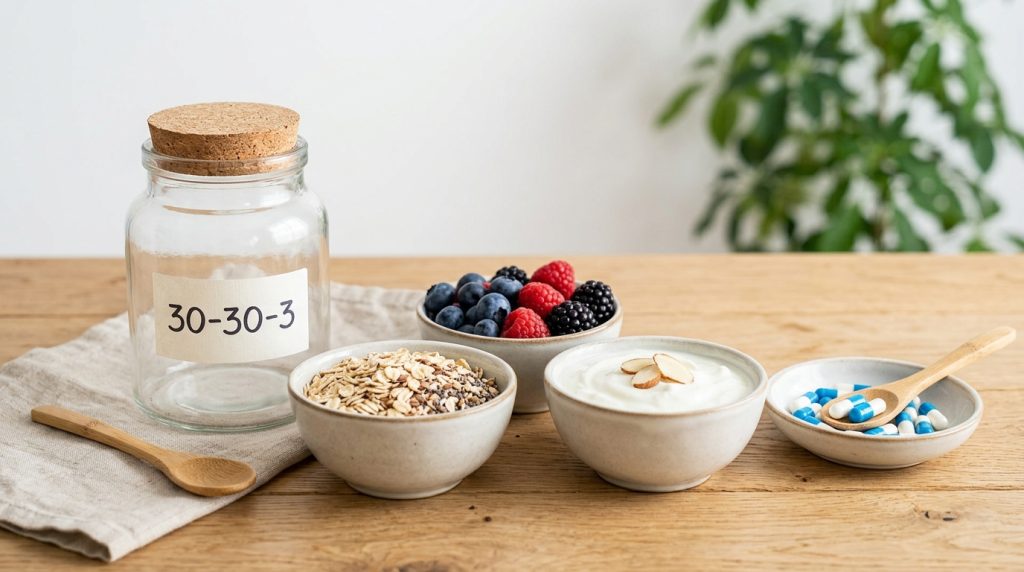
The ’30-30-3′ Microbiome Protocol: Your Science-Backed Daily Blueprint for a Thriving Gut Did you know that 84% of consumers report being more interested in gut health products than in previous years? It’s no wonder that simple, evidence-based frameworks like the ’30-30-3′ Microbiome Protocol are capturing so much attention right now. We’ve been fascinated (to the […]
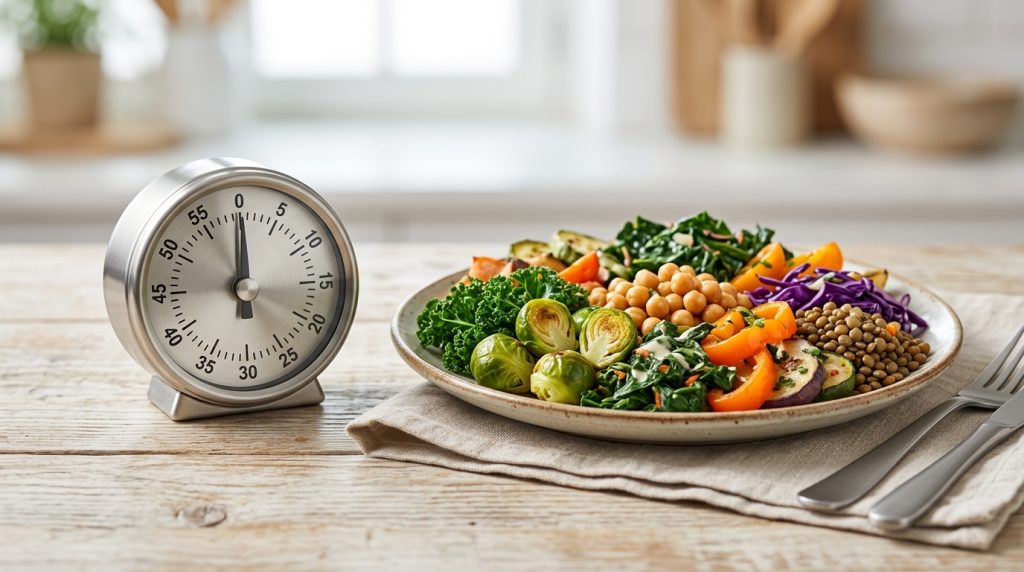
Chrono-Nutrition for the Microbiome: The Best Guide to Timing Your Meals for Gut Health Chrono-nutrition for the microbiome is one of the most exciting and practical shifts happening in gut health right now, and the science behind it is changing how we think about what we eat AND when we eat it. Consider this: over […]

Postbiotic pH Balancing: The Plain-English Guide to Supporting a Healthier Gut Ecosystem Postbiotic pH Balancing matters because clinicians often flag problems when vaginal pH rises above 4.5, a pH threshold tied to common vaginitis diagnoses. More people are asking the same practical question for gut health: how can we support stable, “right-range” pH conditions without […]
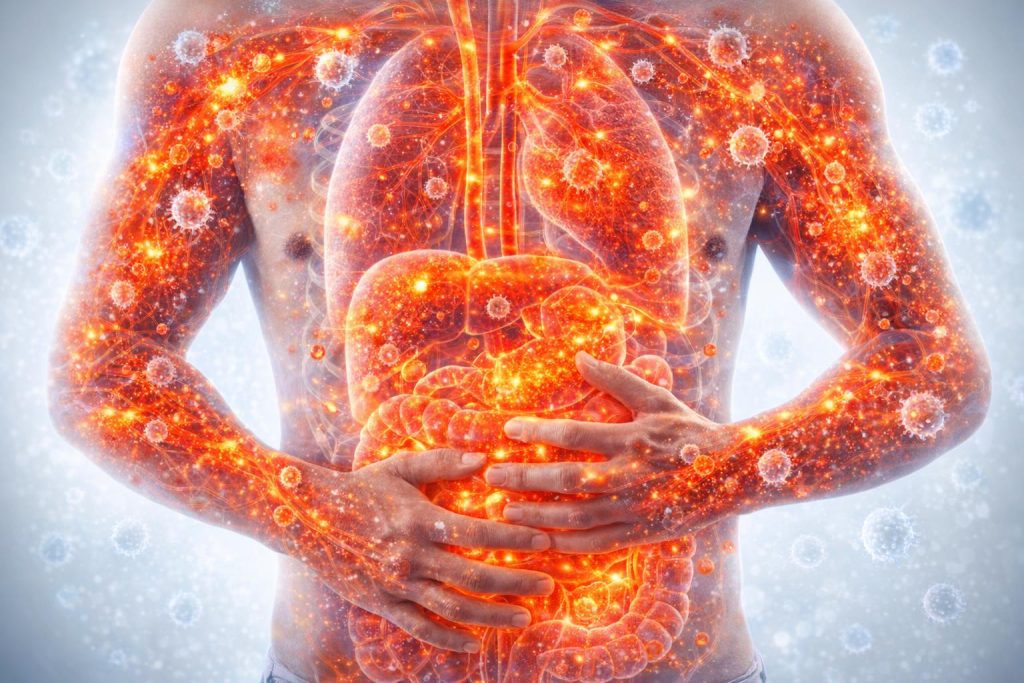
Best Natural Remedies for Reducing Chronic Systemic Inflammation If you’re looking for the best natural remedies for reducing chronic systemic inflammation, you’re in exactly the right place. And here’s something that might surprise you before we even get started: research shows that short sleep duration is associated with more than double the odds of elevated […]
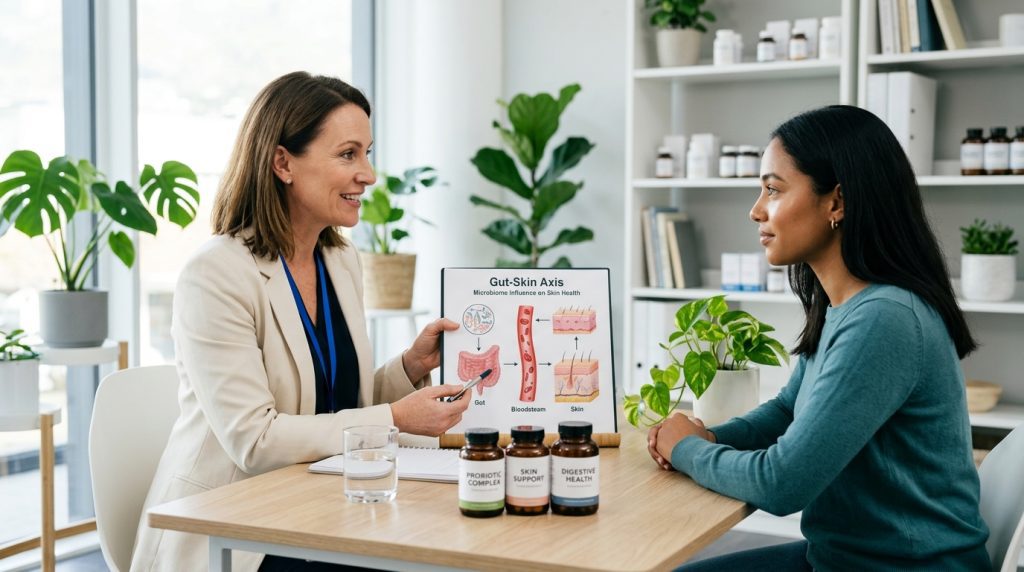
Metabolic Beauty: The Gut-Skin Axis Guide (What’s Actually Working Right Now) Metabolic Beauty and the Gut-Skin Axis in 2026 have officially moved from fringe wellness circles into mainstream science, and the numbers prove it: a staggering 67% of consumers now prefer ingestible beauty products over traditional topical solutions, signalling that the era of “beauty from […]

Menopause, Hormones & Gut Health: Understanding the Changes and Practical Solutions Menopause brings many changes to your body, and your digestive system is no exception. During this transition, dropping levels of oestrogen and progesterone affect more than just your reproductive system. These hormones also play key roles in how your gut functions, from digestion speed […]

The 24-Hour Glow Protocol: Transform Your Skin Through Microbiome-Focused Nutrition and Skincare Your skin and gut health are connected in ways that become visible within just 24 hours of changing what you eat and how you care for your skin. The microbiome—the collection of bacteria living in your gut and on your skin—responds quickly to […]

The Inside-Out Glow Up: How Gut Health Transforms Your Skin Care Results You’ve probably spent money on serums, creams, and treatments to get clear, glowing skin. But the real secret to healthy skin might be hiding in an unexpected place: your digestive system. Your gut health directly affects how your skin looks, influencing everything from […]