

Meditation: The Secret Gut Health Ingredient
Meditation and gut health: Awesome & unexpected benefits
Table of Contents
Meditation is an ancient practice that has gained significant popularity in recent years. While its benefits for mental health and stress reduction are well-known, researchers are beginning to uncover the potential link between meditation and gut health.
Understanding the connection between meditation and gut health can provide valuable insights into how we can improve our overall well-being. In this article, we will explore the science behind meditation and gut health, the crucial link between the gut and brain, the potential impact of meditation on gut health, and practical tips for incorporating meditation into our daily routines.
Understanding the basics of gut health
Our gut is home to trillions of bacteria, collectively known as the gut microbiota. These bacteria play a crucial role in maintaining our overall health. They aid in digestion, produce essential vitamins, and strengthen our immune system. When the balance of gut bacteria is disrupted, it can lead to various disorders and have a negative impact on our well-being.
The role of gut bacteria in overall health
Science shows that the type of gut bacteria in our body can influence our physical and mental health. A healthy gut microbiome is diverse, with a wide range of beneficial bacteria. These bacteria promote proper digestion, help absorb nutrients, and break down toxins. They also produce short-chain fatty acids, which are beneficial for the intestinal lining and help reduce inflammation in the gut.
Moreover, recent studies have revealed that gut bacteria can communicate with the brain through the gut-brain axis. This bidirectional communication system allows the gut microbiome to influence our mood, behavior, and even cognitive function. In fact, alterations in gut bacteria have been associated with conditions such as anxiety, depression, and autism spectrum disorders.
In addition, an imbalance in gut bacteria, known as dysbiosis, has been linked to numerous health issues such as obesity, mood disorders, autoimmune diseases, and even certain types of cancer. Maintaining a healthy balance of gut bacteria is crucial for our overall well-being.
The science of meditation and gut health
Science reveals the psychological and physiological benefits of meditation. Regular meditation may reduce stress, improve mental focus, enhance emotional well-being, and promote overall relaxation.
The benefits of meditation extend beyond our minds and have a profound impact on our bodies.
The psychological benefits of meditation
Meditation may reduce the symptoms of anxiety, depression, and chronic stress. By practicing mindfulness meditation, we can cultivate a greater sense of self-awareness and detach ourselves from negative thought patterns. This promotes emotional resilience and helps manage mental health conditions that may contribute to gut-related disorders.
Physical changes in the body during meditation
During meditation, our bodies undergo various physiological changes. Studies have found that meditation can decrease heart rate, lower blood pressure, and reduce the production of stress hormones like cortisol. These changes have a positive impact on our overall well-being and can potentially alleviate symptoms associated with gut-related disorders.
Furthermore, research has shown that regular meditation practice can have a profound effect on the brain. MRI scans have revealed that meditation may increase gray matter in areas associated with attention, sensory processing, and emotional regulation. This suggests that meditation not only improves mental focus but also enhances our ability to process and regulate emotions, leading to greater emotional well-being.
In addition to the psychological and neurological benefits, meditation has been found to have a positive impact on the immune system. Studies have shown that meditation can increase the activity of natural killer cells, which play a crucial role in fighting off viruses and cancer cells. This boost in immune function can help protect against various diseases and promote overall health.
The gut-brain axis: The secret link between mediation and gut health
The gut and brain are intimately connected through a two-way communication pathway known as the gut-brain axis. This axis allows constant communication between the central nervous system and our gut microbes. The gut-brain axis plays a central role in regulating digestion, mood, and even cognitive function.
How the gut and brain communicate
Communication between the gut and brain occurs through various mechanisms, such as the vagus nerve, neurotransmitters, and immune system signaling. The gut microbiome also produce compounds that can influence brain function and behavior. This communication is essential for maintaining a healthy gut and optimal brain function.
The influence of stress on the gut-brain axis
Stress can have a profound impact on the gut-brain axis. Chronic stress can disrupt the balance of gut bacteria, impair digestion, and weaken the intestinal lining. This can lead to inflammation in the gut and contribute to the development of gut-related disorders. By reducing stress levels through meditation, we can positively influence the gut-brain axis and promote gut health.
Furthermore, recent research has shown that the gut-brain axis is not only involved in regulating digestion and mood, but it also plays a crucial role in the immune system. The gut microbiome, which consists of trillions of microorganisms found in the gastrointestinal tract, have been found to interact with the immune cells in the gut. This interaction helps to maintain a healthy balance between the immune system and the gut microbiome, preventing the development of autoimmune diseases and allergies.
In addition to immune regulation, the gut-brain axis has also been implicated in the development and progression of neurological disorders such as Alzheimer’s disease and Parkinson’s disease. Studies have shown that alterations in the gut microbiome composition and function can contribute to the accumulation of toxic proteins in the brain, leading to neuro-inflammation and neuronal damage. Understanding the intricate relationship between the gut and brain is crucial for developing new therapeutic strategies for these devastating neurological conditions.
The potential impact of meditation for gut health
Emerging research suggests a positive link between meditation and gut health. While more studies are needed to fully understand the mechanisms involved, these early findings are promising.
Meditation and stress reduction: Implications for gut health
As mentioned earlier, chronic stress can have detrimental effects on gut health. By incorporating meditation into our daily routines, we can effectively manage stress levels and improve our resilience to stress. This, in turn, may positively impact the balance of gut bacteria and reduce inflammation in the gut.
The role of meditation in gut inflammation and immunity
Inflammation in the gut is a common feature of many gut-related disorders. Research suggests that meditation may help regulate the immune response and reduce inflammation in the gut. By promoting a state of relaxation and reducing stress, meditation may enhance the body’s natural defense mechanisms and improve gut health.
Furthermore, recent studies have explored the potential link between meditation and gut-brain communication. The gut and the brain are intricately connected through a complex network of nerves, hormones, and biochemical signals. This connection, known as the gut-brain axis, plays a crucial role in various aspects of our health, including digestion, mood, and immune function.
Through meditation, individuals may be able to modulate the gut-brain axis, leading to improved gut health. It is believed that the practice of meditation can influence the release of neurotransmitters and hormones that impact gut function and overall well-being. By fostering a sense of calm and relaxation, meditation may help restore balance to the gut-brain axis and promote optimal gut health.
How meditating monks studied meditation and gut health
In a bid to study the effects of meditation on gut health, Ying Sun (2023) examined poop from meditating monks and compared it with their non-meditating neighbours (the controls).
The gut microbiome was improved, with more variation and different types of microbes, in meditating monks compared with controls.
Changes in the Monks’ gut microbiome were linked with a number of health benefits
Ying Sun 2023
Specific health benefits of meditation included enhanced immunity and a reduced risk of:
- Anxiety
- Depression
- Heart disease
What might the link between meditation and gut health mean for you and I?
Regular meditation may change our gut microbiome and, in turn, our physical and mental health.
Practical tips for incorporating meditation into your routine
If you’re interested in harnessing the potential benefits of meditation for gut health, here are some practical tips to help you incorporate it into your daily routine. In addition, you might want to explore this article about the top meditation iPhone and Android Apps.
Different types of meditation techniques
There are various meditation techniques, each with its unique benefits. Explore different styles like mindfulness meditation, loving-kindness meditation, or guided meditation to find the one that resonates with you. Start with short sessions and gradually increase the duration as you become more comfortable.
Creating a meditation schedule for optimal gut health
Consistency is key when it comes to reaping the benefits of meditation. Set aside dedicated time each day to practice meditation. Find a quiet and comfortable space where you can focus without distractions. Consider incorporating meditation into your morning or evening routine for maximum impact on gut health.
Conclusion: Meditation and gut health
In conclusion, the connection between meditation and gut health is a field of growing interest. By understanding the basics of gut health, the science behind meditation, the crucial link between the gut and brain, the potential impact of meditation on gut health, and practical tips for incorporating meditation into our routines, we can begin to explore how meditation may positively influence our overall well-being. So why not start incorporating meditation into your daily life and embark on a journey to better gut health?
NOTE: This does not constitute medical advice. Seek advice from a healthcare professional as needed
Other posts you might like

Sea Buckthorn: The Skin and Gut Health Superfood You Should Know About Sea buckthorn has gained a cult following among skincare and wellness enthusiasts — and for good reason. Rich in rare fatty acids, vitamins, and antioxidants, this bright orange berry supports both your outer glow and inner gut health. Having tried it myself in […]

Easy High Fiber Meals – Boost Your Skin Glow, Inside Out Looking for a quick overview of how to add more fiber to your diet? We’ve got you covered with these ideas for easy high fiber meals to keep your gut happy and your meals exciting! Because eating enough fiber is a key to glowing […]

Best Probiotics for Acne? 12 That Actually Work (Derm & Gut-Backed) If you struggle with acne, you’re not alone—acne affects over 650 million people worldwide. I was one of them for many years, until I realised that skin health is more than just skin deep! In fact, new research shows that balancing your skin and […]
Water kefir vs milk kefir: which actually fixes bloating? Water kefir vs milk kefir: which actually fixes bloating? The honest answer is that neither is a guaranteed fix, but understanding what goes into each drink can help you choose one that better matches your diet and likely triggers. Key Takeaways What kefir is and how […]

Probiotic strains for IBS: what the clinical evidence actually shows Probiotic strains for IBS: what the clinical evidence actually shows is important because one big meta-analysis pooled 20 studies and found probiotics outperform placebo for global IBS symptoms. That means we can talk about “works for IBS” in a way that is not based on […]
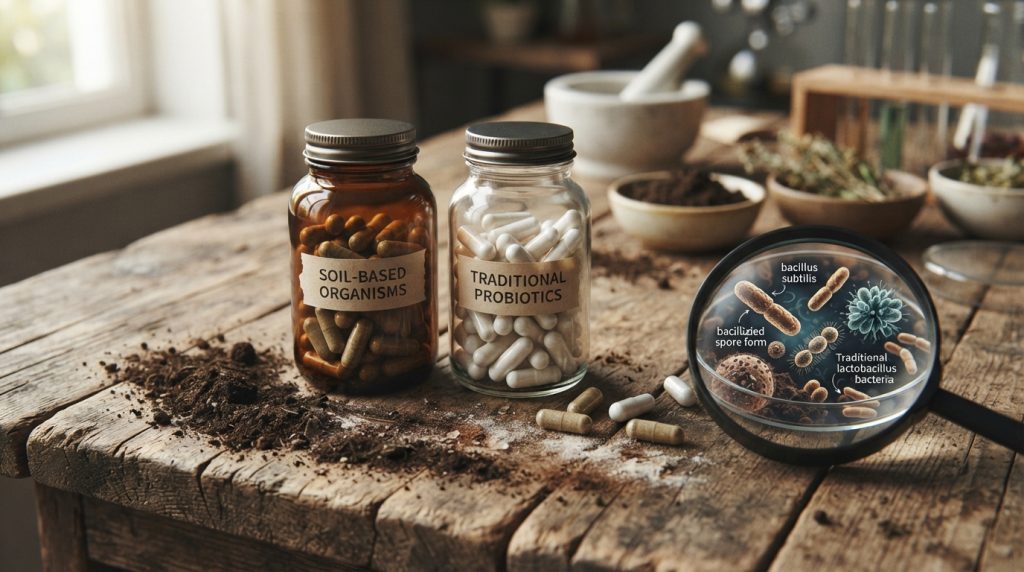
Compare Soil Based Organisms vs Traditional Probiotics for Sensitive Digestion (Best Picks for IBS, Bloating & Gut-Skin Results) Soil Based Organisms vs Traditional Probiotics for Sensitive Digestion is one of the most common questions we get from people whose gut feels touchy, yet they still want an inside-out glow. Did you know that some probiotics […]
Best Spore-Based Probiotics for Sensitive Stomachs: Gentle, Science-Backed Support That Actually Works When it comes to the Best Spore-Based Probiotics for Sensitive Stomachs, the science is quietly impressive, clinical trials show a 30-day course can reduce markers of gut permeability by 42%, which explains why so many people finally feel relief without the usual bloating. […]

Ultimate Guide to Using Prebiotic Fibre for Sustained Energy Did you know that 90% of women and 97% of men don’t get enough fibre in their daily diet? That gap is exactly why we put together this ultimate guide to using prebiotic fibre for sustained energy, because we’ve read hundreds of research papers and articles, […]

How to Choose Quality Digestive Enzymes for Better Nutrient Absorption Did you know that a staggering 70,000,000 people in the United States deal with gastrointestinal disorders every single year? That number alone tells us why so many of you write in asking how to choose quality digestive enzymes for better nutrient absorption, because bloating, sluggish […]

Best Probiotics for Women Over 40: Our Science-Backed Pick of the Top Strains Finding the best probiotics for women over 40 has become one of the most-asked questions we get, and here’s a number that stopped us in our tracks: a striking 94% of women going through menopause report digestive health issues, often tied to […]
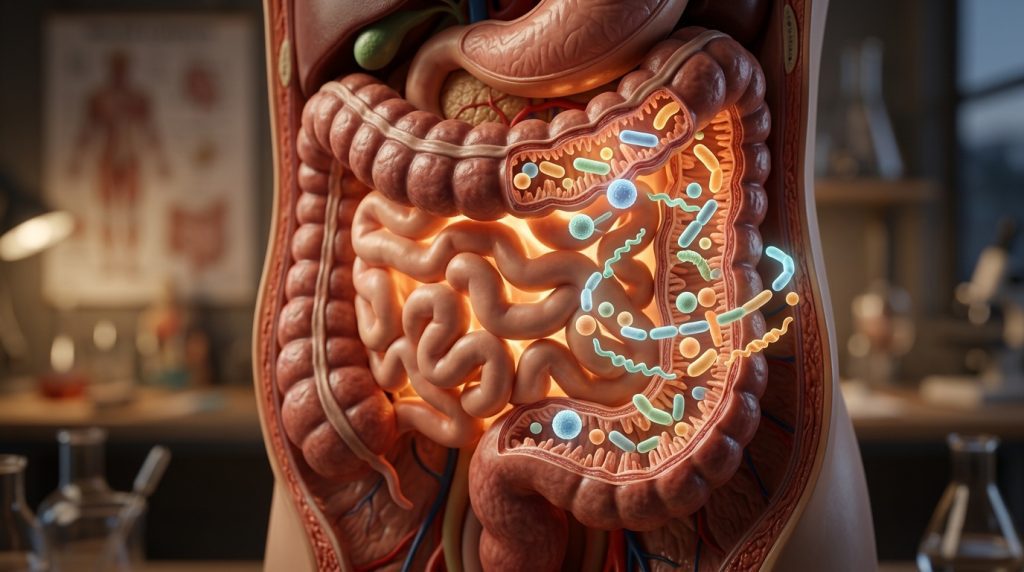
Digestive Disorders & Microbiome Recovery: What the Science Actually Says A single course of antibiotics can reduce gut microbial species by approximately 20, according to a Swedish analysis of nearly 15,000 adults, and that disruption can persist for years. This finding sits at the heart of why digestive disorders and microbiome recovery have become one […]
The ’30-30-3′ Microbiome Protocol: Your Science-Backed Daily Blueprint for a Thriving Gut Did you know that 84% of consumers report being more interested in gut health products than in previous years? It’s no wonder that simple, evidence-based frameworks like the ’30-30-3′ Microbiome Protocol are capturing so much attention right now. We’ve been fascinated (to the […]
Chrono-Nutrition for the Microbiome: The Best Guide to Timing Your Meals for Gut Health Chrono-nutrition for the microbiome is one of the most exciting and practical shifts happening in gut health right now, and the science behind it is changing how we think about what we eat AND when we eat it. Consider this: over […]

Postbiotic pH Balancing: The Plain-English Guide to Supporting a Healthier Gut Ecosystem Postbiotic pH Balancing matters because clinicians often flag problems when vaginal pH rises above 4.5, a pH threshold tied to common vaginitis diagnoses. More people are asking the same practical question for gut health: how can we support stable, “right-range” pH conditions without […]
Best Natural Remedies for Reducing Chronic Systemic Inflammation If you’re looking for the best natural remedies for reducing chronic systemic inflammation, you’re in exactly the right place. And here’s something that might surprise you before we even get started: research shows that short sleep duration is associated with more than double the odds of elevated […]
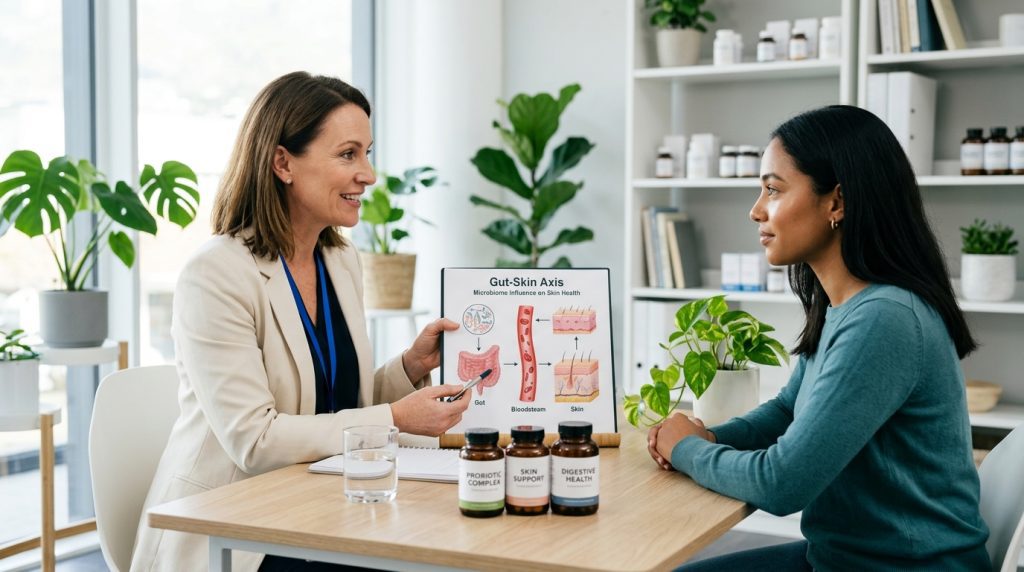
Metabolic Beauty: The Gut-Skin Axis Guide (What’s Actually Working Right Now) Metabolic Beauty and the Gut-Skin Axis in 2026 have officially moved from fringe wellness circles into mainstream science, and the numbers prove it: a staggering 67% of consumers now prefer ingestible beauty products over traditional topical solutions, signalling that the era of “beauty from […]

Menopause, Hormones & Gut Health: Understanding the Changes and Practical Solutions Menopause brings many changes to your body, and your digestive system is no exception. During this transition, dropping levels of oestrogen and progesterone affect more than just your reproductive system. These hormones also play key roles in how your gut functions, from digestion speed […]

The 24-Hour Glow Protocol: Transform Your Skin Through Microbiome-Focused Nutrition and Skincare Your skin and gut health are connected in ways that become visible within just 24 hours of changing what you eat and how you care for your skin. The microbiome—the collection of bacteria living in your gut and on your skin—responds quickly to […]

The Inside-Out Glow Up: How Gut Health Transforms Your Skin Care Results You’ve probably spent money on serums, creams, and treatments to get clear, glowing skin. But the real secret to healthy skin might be hiding in an unexpected place: your digestive system. Your gut health directly affects how your skin looks, influencing everything from […]
Source:
Sun Y, et al. General Psychiatry 2023;36:e100893. https://gpsych.bmj.com/content/36/1/e100893
Accessed 12 April 2023