
Brain, Belly, and Breakouts: How Stress Affects Your Skin Health
You might notice that your skin breaks out more during stressful times at work, such as big presentations, or during shool exams for your teenager (or yourself!). This is not a coincidence. Stress directly affects your skin through chemical changes in your brain and body, triggering problems like acne, eczema, and premature ageing.

When you feel stressed, your brain releases hormones that travel through your bloodstream and impact your skin cells. These hormones increase oil production, cause inflammation, and weaken your skin’s natural defences. The connection works both ways too—your stressed skin can send signals back to your brain that make you feel even more anxious.
Understanding how stress affects your skin gives you the power to protect it. This article explains the science behind stress-related skin problems and shows you practical ways to manage both your stress levels and your skin health. You’ll learn about the role of cortisol, why stress can lead to belly fat, and what long-term stress does to your skin’s appearance.
Table of Contents
The Brain-Skin Connection: How Stress Impacts Your Skin

Your brain and skin communicate through a complex network of signals that directly affects your complexion. When stress strikes, your body releases hormones that trigger inflammation and other changes in your skin.
Understanding the Brain-Skin Axis
The brain-skin axis is a two-way communication system that links your mental state to your skin health. Your skin and brain develop from the same cells during early development, which explains why they remain connected throughout your life.
This connection works through your nervous system, immune system, and hormones. When your brain detects stress, it sends signals through nerves that reach your skin. Your skin can also send messages back to your brain through sensory nerves.
The axis includes several pathways:
- Nerve fibres that run directly from your brain to your skin
- Blood vessels that carry stress hormones throughout your body
- Immune cells that respond to signals from both your brain and skin
This network means your emotional state can quickly affect your skin’s appearance and function.

The Stress Response and Hormone Release
When you experience stress, your body activates its stress response system. Your brain’s hypothalamus sends signals to release stress hormones into your bloodstream.
Cortisol is the primary stress hormone that affects your skin. It increases oil production in your skin glands and weakens your skin’s protective barrier. High cortisol levels also slow down skin repair and make inflammation worse.
Adrenaline is another stress hormone that redirects blood flow away from your skin to vital organs. This leaves your skin looking dull and pale. Adrenaline also causes your blood vessels to narrow, which reduces the oxygen and nutrients reaching your skin cells.
These stress hormones remain elevated as long as you feel stressed, creating ongoing problems for your skin.
Why the Skin Reacts to Mental Strain
Your skin reacts to mental strain because it contains receptors that detect stress hormones. These receptors sit on various skin cells, including those that produce oil, fight infection, and maintain your skin barrier.
Stress triggers inflammation in your skin through immune system activation. Your body releases proteins called cytokines that cause redness, swelling, and irritation. This inflammatory response can worsen existing skin conditions or create new problems.
Mental strain also disrupts your skin’s natural balance. It reduces the production of proteins like collagen that keep your skin firm. Stress affects your skin’s ability to hold moisture, leading to dryness and sensitivity.
Your skin microbiome changes under stress too. The helpful bacteria on your skin surface become unbalanced, which weakens your skin’s defences against harmful microbes.
Cortisol, Inflammation, and Breakouts: The Science of Stress-Induced Skin Issues
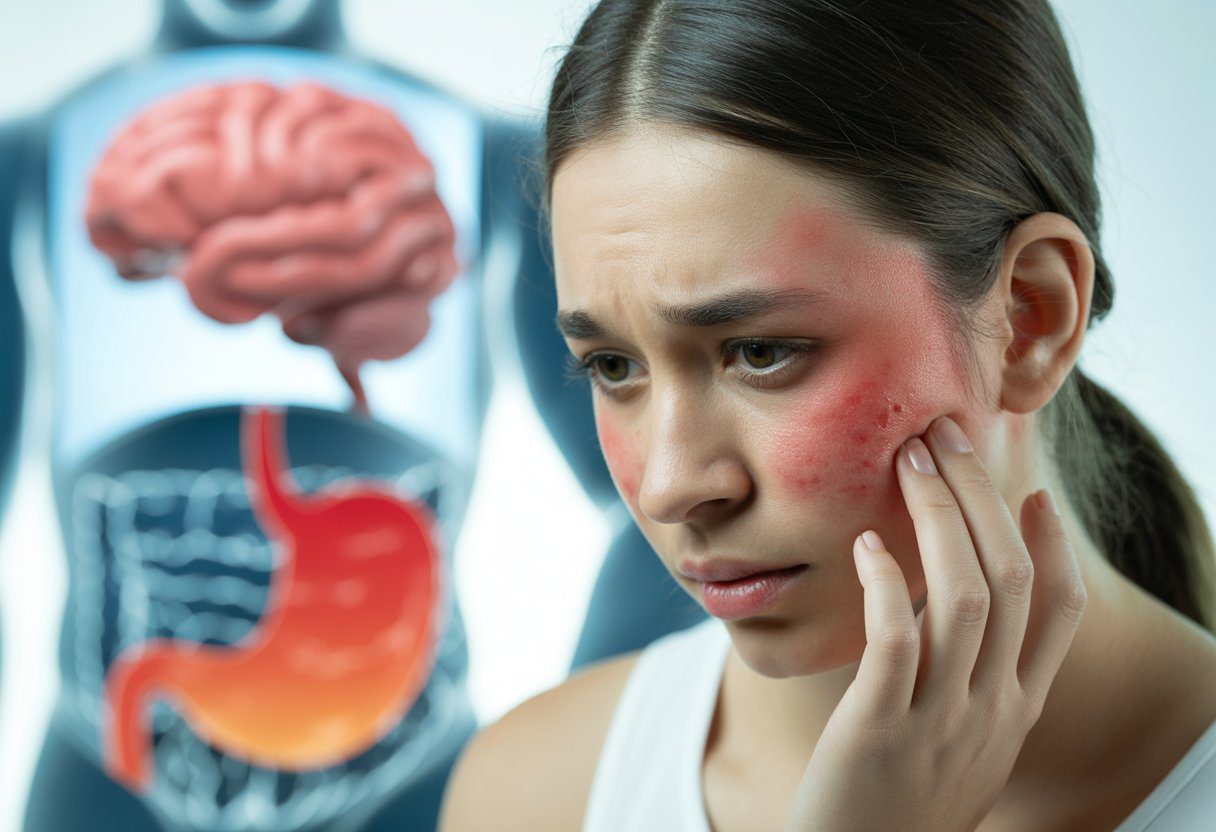
When stress levels rise, your body releases cortisol, which triggers a chain reaction that weakens your skin’s protective barrier, increases inflammation, and ramps up oil production. These changes create the perfect conditions for breakouts and other skin problems.
Cortisol’s Effects on the Skin Barrier
Your skin barrier acts as a protective shield against bacteria, pollutants, and moisture loss. When cortisol floods your system during stressful periods, it breaks down the proteins that keep this barrier strong and intact.
High cortisol levels reduce the production of important lipids and ceramides in your skin. These are the building blocks that hold your skin cells together. Without enough of them, your skin barrier function weakens.
A damaged barrier allows water to escape more easily, leaving your skin dry and sensitive. It also makes it easier for irritants and bacteria to penetrate deeper into your skin. This creates an environment where inflammation can take hold and worsen existing skin conditions.
Inflammation and Skin Conditions
Stress-induced inflammation affects your skin through your body’s immune response. Cortisol initially suppresses inflammation, but chronic stress causes this system to malfunction. Your immune cells start releasing inflammatory chemicals that attack healthy tissue.
This inflammation shows up on your skin in several ways:
- Redness and irritation
- Increased sensitivity to products
- Slower wound healing
- Worsening of existing conditions like eczema or psoriasis
The connection between inflammation and skin becomes more pronounced with ongoing stress. Your body stays in a heightened state of alert, pumping out inflammatory markers that keep your skin in a constant state of reaction.
Sebum, Breakouts, and Acne Flare-Ups
Cortisol directly stimulates your sebaceous glands to produce more sebum, the oily substance that lubricates your skin. Whilst some sebum is necessary, too much clogs your pores and traps dead skin cells and bacteria inside.
This excess oil combines with inflammation to create the perfect breeding ground for acne-causing bacteria. The bacteria multiply rapidly in blocked pores, leading to painful, inflamed spots.
Stress and skin problems create a frustrating cycle. Breakouts cause more stress, which releases more cortisol, which causes more breakouts. Research shows that people experiencing chronic stress often report more severe and frequent acne flare-ups than those with lower stress levels.
Belly Fat and Beyond: The Body-Wide Effects of Stress

Chronic stress triggers a cascade of physical changes throughout your body, primarily through elevated cortisol levels that redirect fat storage to your abdomen whilst simultaneously disrupting your digestive system and creating inflammation that affects your skin.
Abdominal Fat and Metabolism
When you experience chronic stress, your body releases cortisol repeatedly over extended periods. This hormone directly influences where your body stores fat, favouring your abdominal area over other regions.
Cortisol increases your appetite and makes you crave foods high in sugar and fat. These cravings aren’t just in your head—the hormone actually alters your brain’s reward centres to make these foods more appealing. When you eat these foods under stress, your body preferentially stores the extra energy as visceral fat around your organs.
This type of belly fat is particularly problematic because it’s metabolically active. It releases inflammatory substances into your bloodstream and interferes with insulin function. Your blood pressure and heart rate may increase as a result.
The cycle becomes self-reinforcing: visceral fat produces more cortisol, which leads to more fat storage. Your metabolism slows down under prolonged stress, making it harder to burn the fat you’ve accumulated even when you reduce your calorie intake.
Digestive Changes and the Gut-Skin Link
Stress disrupts the communication between your brain and gut, creating digestive symptoms like bloating, cramping, and altered bowel movements. Your gut contains millions of nerve cells that respond directly to stress signals from your brain.
When cortisol levels stay elevated, the protective lining of your gut can become compromised. This allows partially digested food particles and bacteria to pass into your bloodstream, triggering inflammation throughout your body. Your immune system responds to these particles as threats, creating widespread inflammatory responses.
This gut inflammation doesn’t stay localised—it travels through your bloodstream to your skin. The same inflammatory compounds that cause digestive discomfort can trigger acne, rosacea, and other skin conditions. Your gut also produces neurotransmitters and hormones that influence skin health, so when stress disrupts gut function, your skin often shows the effects within days.
Chronic Stress, Skin Ageing, and Long-Term Health
Chronic stress doesn’t just affect how you feel—it actively speeds up the ageing process in your skin through multiple biological pathways. Your body’s stress response triggers changes at the cellular level that compromise skin barrier function, slow healing, and create lasting effects on your overall health.
Accelerated Ageing and Wrinkle Formation
Chronic stress accelerates skin ageing through elevated cortisol levels that break down collagen and elastin. These proteins keep your skin firm and smooth, but sustained cortisol exposure causes them to degrade faster than your body can replace them.
The effects show up as premature wrinkles, fine lines, and sagging skin. Research indicates that chronic stress can age your skin up to 33% faster than normal. This happens because cortisol disrupts cellular repair mechanisms and shortens telomeres—the protective caps on your DNA that indicate cellular age.
Your skin also becomes thinner and loses moisture more easily under chronic stress. The ongoing inflammation triggered by stress hormones damages skin cells and reduces their ability to regenerate properly. This creates a visible cycle where stress makes you look older, which may increase psychological stress further.
Wound Healing and Immunity
Your skin’s ability to heal slows down significantly when you’re under chronic stress. Cortisol suppresses immune function, which means your skin takes longer to repair cuts, scratches, and other injuries.
The immune cells in your skin become less effective at fighting infections and responding to damage. This suppression affects both the speed of healing and the quality of tissue repair. You may notice that minor wounds linger longer or that your skin seems more vulnerable to infections during stressful periods.
Chronic stress also promotes cellular senescence—when cells stop dividing but don’t die. These senescent cells accumulate in your skin and release inflammatory signals that damage surrounding healthy tissue. This build-up interferes with normal immune responses and creates persistent low-grade inflammation throughout your skin.
Implications for Long-Term Wellbeing
Your skin serves as a visible indicator of what’s happening inside your body. When chronic stress ages your skin prematurely, similar processes are likely affecting your internal organs and systems.
The same mechanisms that damage your skin—telomere shortening, mitochondrial dysfunction, and chronic inflammation—contribute to age-related diseases throughout your body. Persistent elevation of stress hormones increases your risk for cardiovascular problems, immune disorders, and metabolic conditions.
Addressing chronic stress protects both your skin and your long-term health. Managing stress through proven methods like regular exercise, adequate sleep, and meditation can slow biological ageing processes. Your skin’s condition offers valuable feedback about your stress levels and overall health status.
Practical Stress Management for Healthier Skin
Managing stress effectively can reduce inflammation, balance hormones, and improve your skin’s natural healing process. Daily habits and lifestyle choices play a direct role in both your stress levels and skin health.
Daily Stressors and Their Impact
Common daily stressors like work deadlines, financial worries, relationship conflicts, and lack of sleep trigger your body’s stress response. When you experience these stressors, your body releases cortisol and other hormones that increase oil production and inflammation in your skin.
Even minor daily frustrations add up over time. Traffic jams, packed schedules, and constant notifications from your phone create a steady stream of low-level stress. Your skin responds to this chronic stress by becoming more sensitive, reactive, and prone to breakouts.
Poor sleep patterns make everything worse. When you don’t get enough rest, your stress hormones remain elevated and your skin can’t repair itself properly. This creates a cycle where stress disrupts sleep, which then increases stress and worsens your skin concerns.
Effective Stress Management Techniques
Physical activity reduces cortisol levels and improves blood flow to your skin. You don’t need intense workouts—a 20-minute walk or gentle yoga session can make a real difference. Aim for at least 30 minutes of movement most days of the week.
Breathing exercises offer quick stress relief anywhere. Try this simple technique: breathe in for four counts, hold for four counts, then exhale for six counts. Repeat for five minutes when you feel overwhelmed.
Regular meditation or mindfulness practice trains your brain to respond differently to stress. Start with just five minutes daily using a guided app. Consistent practice rewires how your nervous system reacts to daily pressures.
Set boundaries with technology and social media. Constant scrolling and comparing yourself to others increases anxiety and disrupts sleep. Establish phone-free times, especially an hour before bed.
Talk to a mental health professional if stress feels unmanageable. Therapy provides practical tools for handling difficult emotions and situations that affect both your mental health and skin.
Building a Skin-Supportive Lifestyle
Sleep hygiene matters enormously for stress and skin health. Go to bed at the same time each night, keep your bedroom cool and dark, and avoid screens for at least an hour before sleep. Aim for 7-9 hours nightly to allow proper skin repair.
Nutrition influences both stress levels and skin condition. Focus on whole foods rich in omega-3 fatty acids, antioxidants, and vitamins. Limit processed foods, excess sugar, and caffeine, which can spike cortisol and trigger breakouts.
Stay properly hydrated throughout the day. Water helps flush out toxins and keeps skin cells functioning optimally. Dehydration increases stress on your body and shows up as dull, dry skin.
Build a consistent skincare routine that you find relaxing. The ritual itself becomes a form of stress relief. Choose gentle products suited to your skin type and avoid harsh ingredients that cause additional inflammation.
Connect with supportive friends and family regularly. Strong social bonds buffer against stress and improve overall well-being. Even brief positive interactions help regulate your stress response and protect your skin from stress-related damage.
Our Top 3 Supplements for Calmer Skin & Mood
While a ‘lifestyle and food first’ mantra serves us well, the reality is that often life is, well, ‘lifing’! And, as twins over 50, we want to keep feeling our best, even when we’re trying to spin a million plates.
So, these are the 3 supplements we take regularly—for calmer skin, mood and energy—backed by science and our own experience.
Seed nutrition
Dubbed “nature’s most complete source of nutrition”, seed nutrition is our go-to for glowing skin and extra energy (without the caffeine-jitters!).
In fact, seeds contain more nutrients per part than anything on the planet, as they must include everything needed to create new life! The Rain seed nutrition range contains cold-pressed oils, straight from seeds, for maximum benefit.
SOUL and BEAT are firm favourites for our friends, family and customers!

Probiotics for Stress and Skin Health
When I want to give my skin and gut health an extra boost, I add a quality probiotic supplement to my daily kefir routine. One of my go-to probiotics, YourBiology Gut+ contains a powerful mix of 20 Billion CFU probiotics and 10 different strains.
Furthermore, Gut+ contains 2 prebiotics to help feed all the good bacteria that are essential for skin and gut health! I particularly like the addition of digestive enzymes, which helps me with bloating, and so it also features in our best probiotics for women review.

Science shows that If the gut is happy, the mind is too. And so is your skin!
Wang X, et al 2020
Probiotic Seed Nutrition Powerhouse
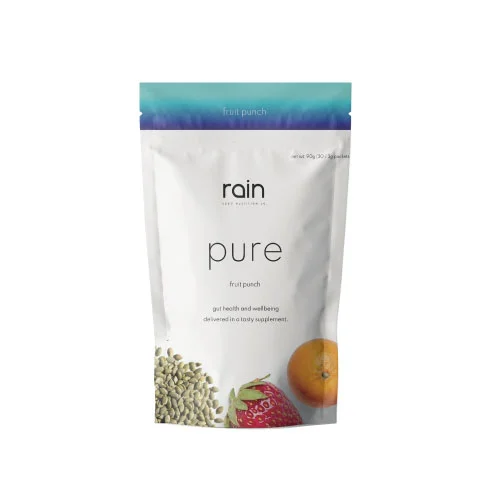
PURE is another Guts & Glory Health favourite. It contains probiotics and prebiotics such as inulin, which has helped calm our skin from within and nourish the gut microbiome.
What’s more, PURE blends probiotics with antiinflammatory seed oils to support overall wellbeing. In our experience, this has really helped support clearer skin and calmer mood!
Not only that, it tastes delicious, and helps us stay hydrated too – win win win, we say!
Frequently Asked Questions
Stress triggers a cascade of hormonal responses that directly impact your skin’s health, leading to various conditions from acne to inflammation. Understanding these mechanisms and how to address them can help you manage stress-related skin concerns more effectively.
How does stress physiologically affect one’s skin condition?
When you experience stress, your body releases cortisol and other stress hormones. These hormones increase oil production in your skin glands, which can clog pores and lead to breakouts.
Stress also triggers inflammation throughout your body. This inflammation shows up in your skin as redness, sensitivity, and slower healing of existing blemishes.
Your body diverts blood flow away from your skin during stressful periods. This means your skin receives fewer nutrients and oxygen, making it look dull and tired.
What types of skin issues can be triggered or worsened by stress?
Acne is one of the most common stress-related skin problems. The excess oil production from cortisol creates an environment where acne-causing bacteria thrive.
Eczema and psoriasis flare-ups often occur during stressful times. Stress weakens your skin’s protective barrier, making these conditions worse.
Rosacea, hives, and rashes can all appear or intensify when you’re under stress. Some people also experience increased skin sensitivity and itching without any visible rash.
Are there specific stress-related hormones that contribute to skin problems?
Cortisol is the primary stress hormone that affects your skin. It increases oil production and breaks down collagen, which keeps your skin firm and smooth.
Adrenaline reduces blood flow to your skin during stress responses. This leaves your skin looking pale and can slow down the healing process.
Stress hormones also affect your gut bacteria. Changes in your gut health can trigger inflammation that appears on your skin as breakouts or other issues.
Can chronic stress lead to persistent skin concerns?
Long-term stress keeps cortisol levels elevated for extended periods. This constant hormonal imbalance can lead to ongoing acne, premature ageing, and chronic inflammation.
Chronic stress disrupts your skin’s ability to repair itself. Your skin barrier becomes weaker over time, making you more vulnerable to infections and irritation.
Persistent stress also affects your sleep quality and eating habits. These factors further contribute to skin problems that don’t resolve on their own.
What lifestyle changes can help manage stress-related skin issues?
Regular exercise helps lower cortisol levels in your body. Even 20 minutes of daily movement can reduce stress and improve your skin’s appearance.
Getting seven to nine hours of quality sleep allows your skin to repair itself. Your body produces growth hormones during sleep that help heal damaged skin cells.
A balanced diet rich in vegetables, fruits, and whole grains supports both your gut health and skin. Foods high in omega-3 fatty acids can reduce inflammation throughout your body.
Practising relaxation techniques like deep breathing or meditation directly lowers stress hormones. Setting aside just 10 minutes daily for these activities can make a noticeable difference in your skin.
How can one differentiate between stress-induced skin problems and other dermatological conditions?
Stress-related skin issues often appear or worsen during particularly stressful life events. Pay attention to whether your breakouts or rashes coincide with exams, work deadlines, or personal challenges.
These conditions typically improve when stress levels decrease. If your skin clears up during holidays or peaceful periods, stress is likely a contributing factor.
However, you should consult a dermatologist if your skin problems persist despite stress management efforts. Some conditions require medical diagnosis and treatment beyond lifestyle changes alone.
A doctor can perform tests to rule out hormonal imbalances, allergies, or underlying health conditions. They can also prescribe targeted treatments if your skin issues have multiple causes beyond stress.

Sea Buckthorn: The Skin and Gut Health Superfood You Should Know About Sea buckthorn has gained a cult following among skincare and wellness enthusiasts — and for good reason. Rich in rare fatty acids, vitamins, and antioxidants, this bright orange berry supports both your outer glow and inner gut health. Having tried it myself in […]

Easy High Fiber Meals – Boost Your Skin Glow, Inside Out Looking for a quick overview of how to add more fiber to your diet? We’ve got you covered with these ideas for easy high fiber meals to keep your gut happy and your meals exciting! Because eating enough fiber is a key to glowing […]

Best Probiotics for Acne? 12 That Actually Work (Derm & Gut-Backed) If you struggle with acne, you’re not alone—acne affects over 650 million people worldwide. I was one of them for many years, until I realised that skin health is more than just skin deep! In fact, new research shows that balancing your skin and […]
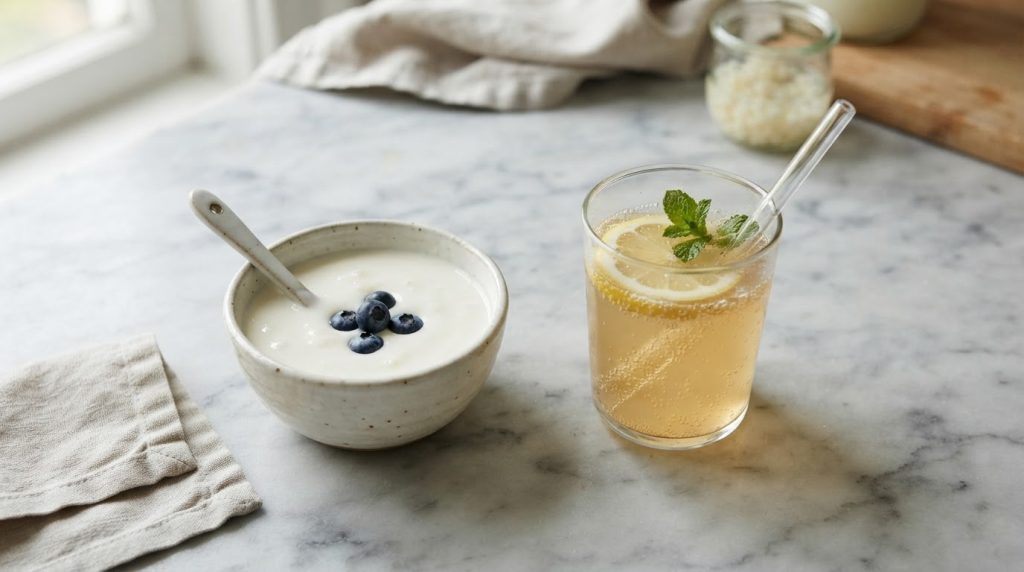
Water kefir vs milk kefir: which actually fixes bloating? Water kefir vs milk kefir: which actually fixes bloating? The honest answer is that neither is a guaranteed fix, but understanding what goes into each drink can help you choose one that better matches your diet and likely triggers. Key Takeaways What kefir is and how […]
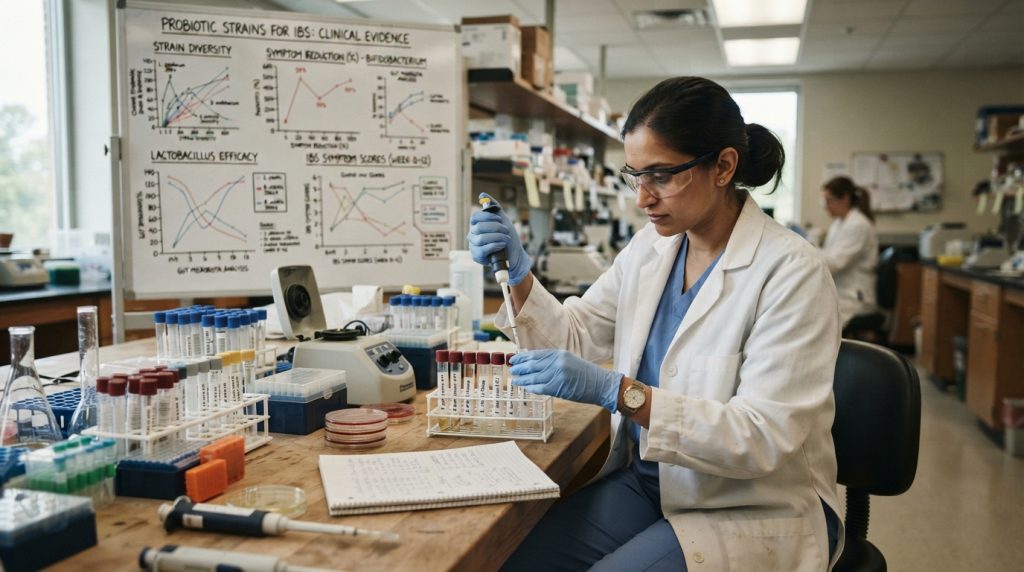
Probiotic strains for IBS: what the clinical evidence actually shows Probiotic strains for IBS: what the clinical evidence actually shows is important because one big meta-analysis pooled 20 studies and found probiotics outperform placebo for global IBS symptoms. That means we can talk about “works for IBS” in a way that is not based on […]
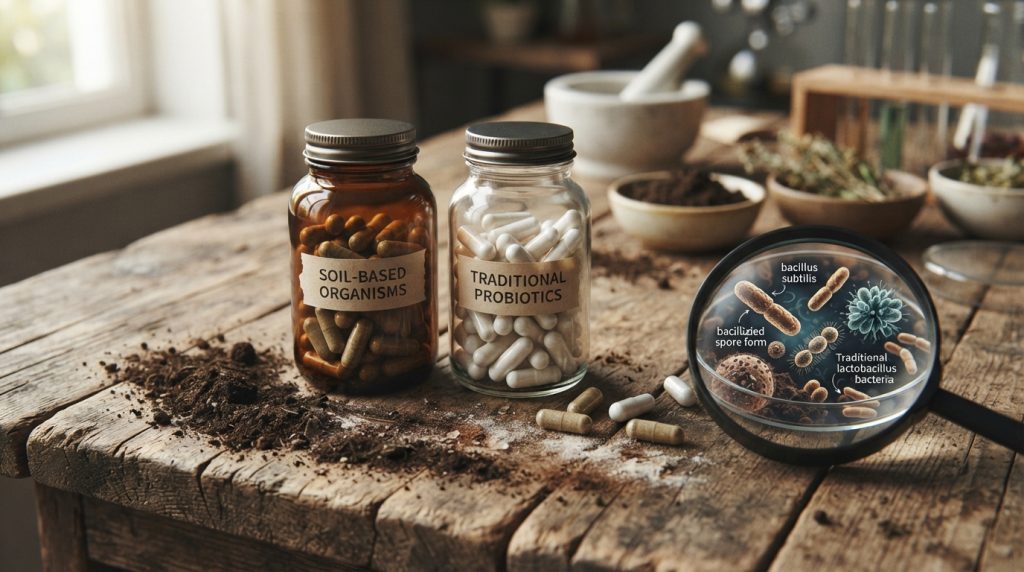
Compare Soil Based Organisms vs Traditional Probiotics for Sensitive Digestion (Best Picks for IBS, Bloating & Gut-Skin Results) Soil Based Organisms vs Traditional Probiotics for Sensitive Digestion is one of the most common questions we get from people whose gut feels touchy, yet they still want an inside-out glow. Did you know that some probiotics […]

Best Spore-Based Probiotics for Sensitive Stomachs: Gentle, Science-Backed Support That Actually Works When it comes to the Best Spore-Based Probiotics for Sensitive Stomachs, the science is quietly impressive, clinical trials show a 30-day course can reduce markers of gut permeability by 42%, which explains why so many people finally feel relief without the usual bloating. […]
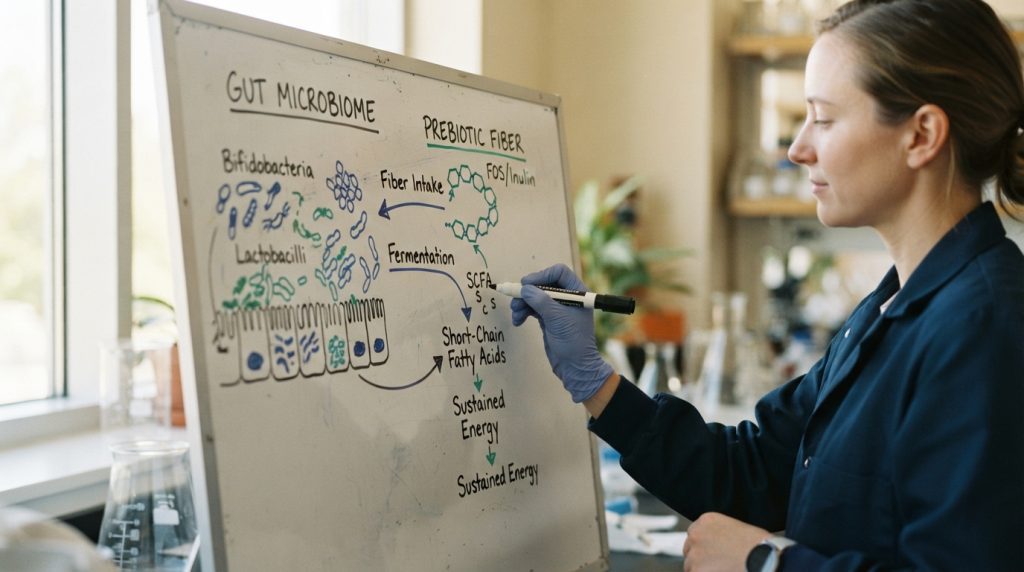
Ultimate Guide to Using Prebiotic Fibre for Sustained Energy Did you know that 90% of women and 97% of men don’t get enough fibre in their daily diet? That gap is exactly why we put together this ultimate guide to using prebiotic fibre for sustained energy, because we’ve read hundreds of research papers and articles, […]

How to Choose Quality Digestive Enzymes for Better Nutrient Absorption Did you know that a staggering 70,000,000 people in the United States deal with gastrointestinal disorders every single year? That number alone tells us why so many of you write in asking how to choose quality digestive enzymes for better nutrient absorption, because bloating, sluggish […]

Best Probiotics for Women Over 40: Our Science-Backed Pick of the Top Strains Finding the best probiotics for women over 40 has become one of the most-asked questions we get, and here’s a number that stopped us in our tracks: a striking 94% of women going through menopause report digestive health issues, often tied to […]
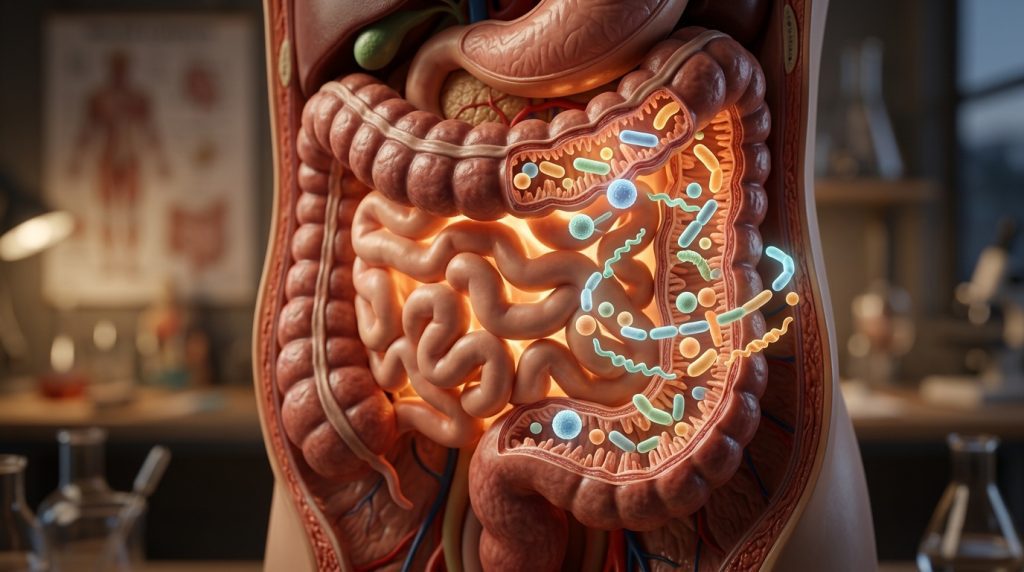
Digestive Disorders & Microbiome Recovery: What the Science Actually Says A single course of antibiotics can reduce gut microbial species by approximately 20, according to a Swedish analysis of nearly 15,000 adults, and that disruption can persist for years. This finding sits at the heart of why digestive disorders and microbiome recovery have become one […]
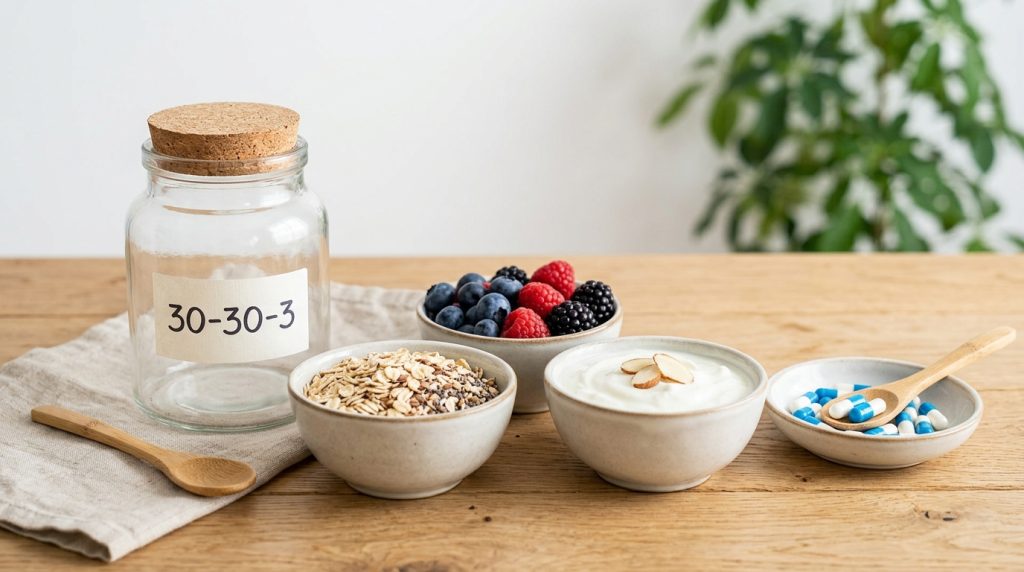
The ’30-30-3′ Microbiome Protocol: Your Science-Backed Daily Blueprint for a Thriving Gut Did you know that 84% of consumers report being more interested in gut health products than in previous years? It’s no wonder that simple, evidence-based frameworks like the ’30-30-3′ Microbiome Protocol are capturing so much attention right now. We’ve been fascinated (to the […]

Chrono-Nutrition for the Microbiome: The Best Guide to Timing Your Meals for Gut Health Chrono-nutrition for the microbiome is one of the most exciting and practical shifts happening in gut health right now, and the science behind it is changing how we think about what we eat AND when we eat it. Consider this: over […]

Postbiotic pH Balancing: The Plain-English Guide to Supporting a Healthier Gut Ecosystem Postbiotic pH Balancing matters because clinicians often flag problems when vaginal pH rises above 4.5, a pH threshold tied to common vaginitis diagnoses. More people are asking the same practical question for gut health: how can we support stable, “right-range” pH conditions without […]
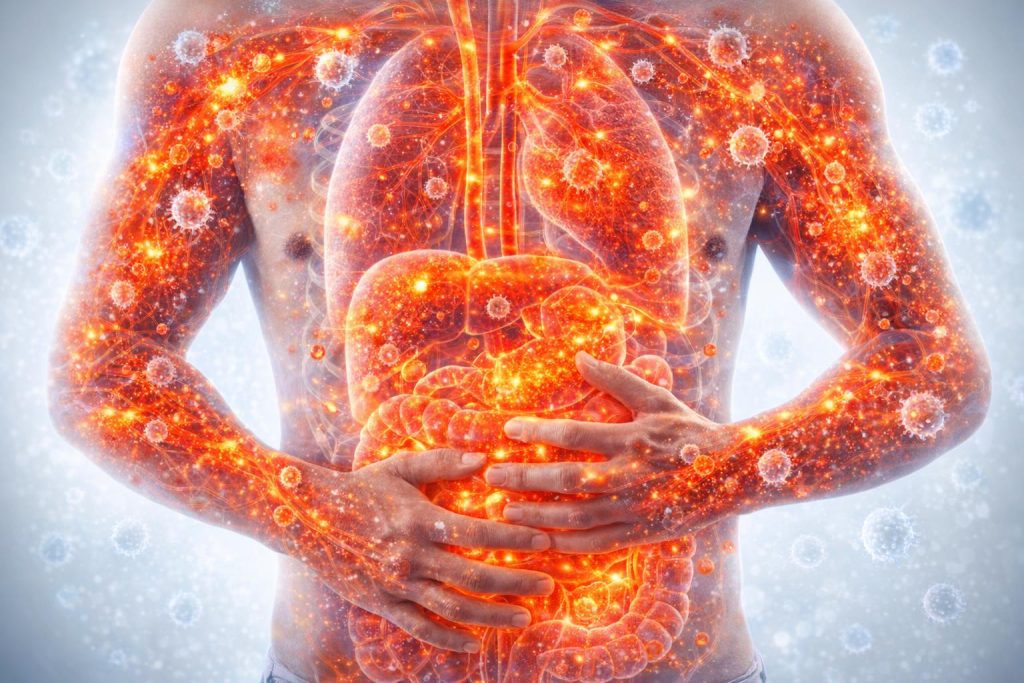
Best Natural Remedies for Reducing Chronic Systemic Inflammation If you’re looking for the best natural remedies for reducing chronic systemic inflammation, you’re in exactly the right place. And here’s something that might surprise you before we even get started: research shows that short sleep duration is associated with more than double the odds of elevated […]
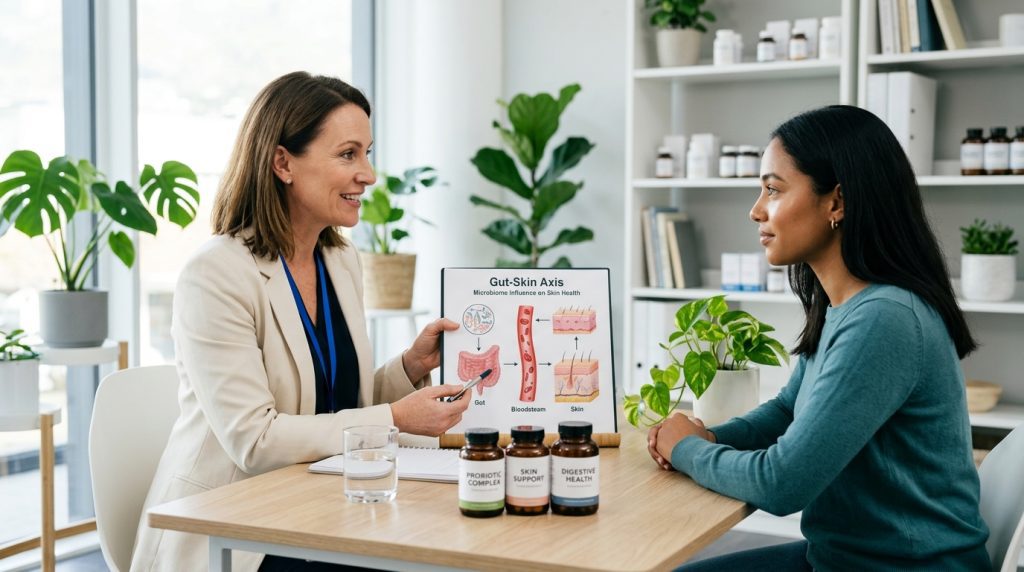
Metabolic Beauty: The Gut-Skin Axis Guide (What’s Actually Working Right Now) Metabolic Beauty and the Gut-Skin Axis in 2026 have officially moved from fringe wellness circles into mainstream science, and the numbers prove it: a staggering 67% of consumers now prefer ingestible beauty products over traditional topical solutions, signalling that the era of “beauty from […]

Menopause, Hormones & Gut Health: Understanding the Changes and Practical Solutions Menopause brings many changes to your body, and your digestive system is no exception. During this transition, dropping levels of oestrogen and progesterone affect more than just your reproductive system. These hormones also play key roles in how your gut functions, from digestion speed […]

The 24-Hour Glow Protocol: Transform Your Skin Through Microbiome-Focused Nutrition and Skincare Your skin and gut health are connected in ways that become visible within just 24 hours of changing what you eat and how you care for your skin. The microbiome—the collection of bacteria living in your gut and on your skin—responds quickly to […]

The Inside-Out Glow Up: How Gut Health Transforms Your Skin Care Results You’ve probably spent money on serums, creams, and treatments to get clear, glowing skin. But the real secret to healthy skin might be hiding in an unexpected place: your digestive system. Your gut health directly affects how your skin looks, influencing everything from […]