
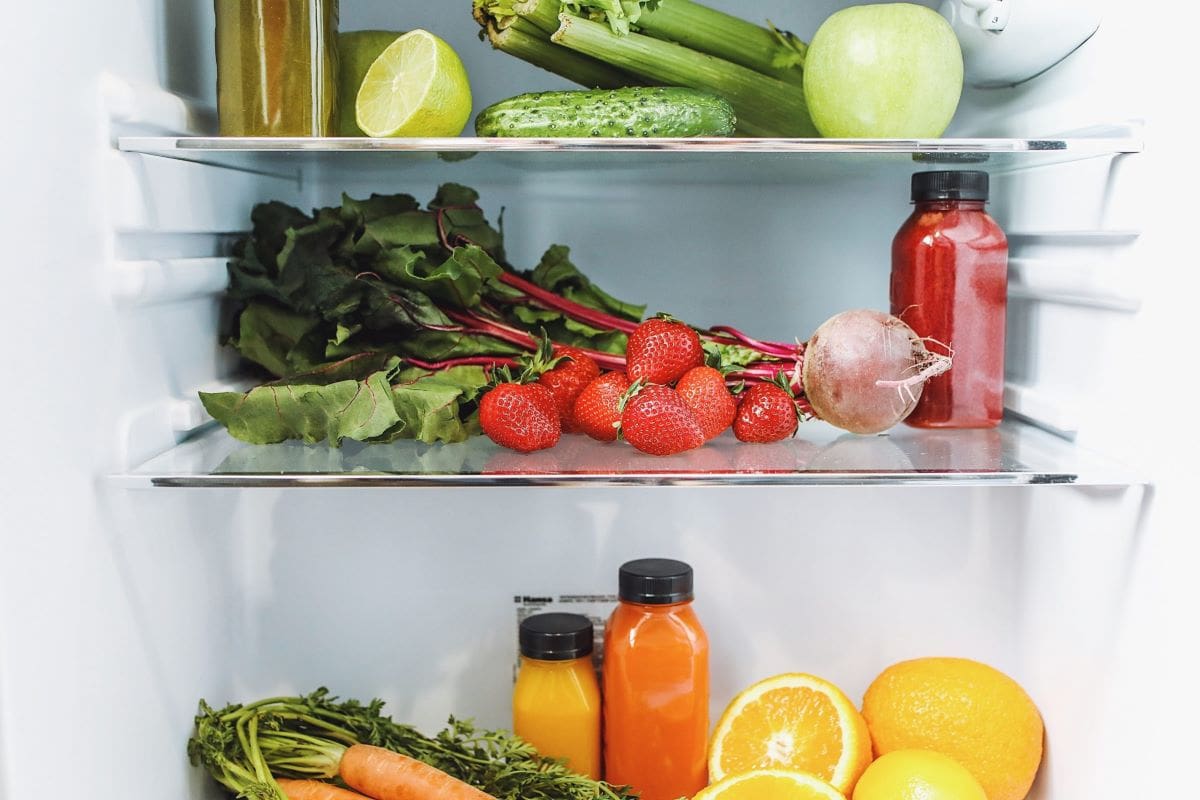
Look to your fridge for mental well-being
Inflammation is increasingly linked to physical and mental well-being (Dr Chowhary VR, et al. Yale Medicine 2025). And what we eat can help us reduce inflammation, improve well-being and boost our mood. What does this mean? Look to your fridge!
Table of Contents
3 food tips to help reduce inflammation in your body and boost your mood
The wellbeing definition will naturally vary from person to person. One way of describing physical and mental well-being is ‘a state of experiencing good health, happiness, and prosperity, characterized by a positive balance of physical, mental, and social aspects of life’. Or, in short, wellbeing could be described as how you feel about yourself and your life.
And now you’re wondering how…
Ok, so while not a cure-all, here are some food tips to follow to lower inflammation and boost physical and mental well-being.
1) EAT MORE
- Green leafy vegetables (spinach, kale, collards)
- Legumes such as chickpeas, lentils and beans
- Extra virgin olive oils
- Nuts, including almonds and walnuts
- Fatty fish such as salmon, mackerel, tuna and sardines
- Fruits like cherries, oranges and apples
- Berries (strawberries, blueberries, cherries)
2) EAT LESS
- Refined carbohydrates, i.e., white bread, pastries and pasta (yes, sorry …)
- French-fries and fried food
- Sodas and sugar-sweetened drinks
- Red and processed meat
- Margarine, shortening and lard
3) ADD FERMENTED FOODS
- Kefir – check out the best brands here!
- Kombucha
- Kimchi
- Sauerkraut
- Miso & tempeh
- Apple cider vinegar
In short: Eat well, feel well!

Enjoy this chicken stew with chickpeas and Moroccan flavors!
The science backs it up … In fact, a study in which mice where given an unhealthy diet, the poor things developed depressive symptoms! Similarly, studies involving humans have shown that for some people with depression, food can be a tool that helps them get better, as much as taking antidepressants.
Several factors are at work, but one essential component is inflammation.
Research shows the microbes in our gut may influence inflammation, positively or negatively – depending on what you eat
How our gut flora affects our mental well-being is already a highly active field of research internationally. More research is needed, but this is definitely a space to watch as the world of science explores the causes and cures for mental ill-health and what well being means.

Energize your day with these deliciously tasty smoothies!
Bonus read: Dive into the science behind inflammation and mental well-being
What is inflammation?
Inflammation is a complex biological response to harmful stimuli, such as pathogens, damaged cells, or irritants. It is a protective mechanism involving immune cells, blood vessels, and molecular mediators that aims to eliminate the initial cause of cell injury, clear out necrotic cells and tissues damaged from the original insult and the inflammatory process, and establish tissue repair.
The Science Behind Inflammation
1. Acute vs. Chronic Inflammation:
- Acute Inflammation: This is a short-term process occurring in response to injury or infection, marked by the rapid onset of symptoms such as redness, heat, swelling, pain, and loss of function. Key players include neutrophils and other white blood cells.
- Chronic Inflammation: This occurs when the inflammatory response persists over a longer period, often leading to tissue damage and contributing to various diseases. Macrophages and lymphocytes are typically involved in this prolonged response.
2. Mechanisms of Inflammation:
- Vascular Changes: Inflammation involves increased blood flow and permeability of blood vessels, allowing immune cells and proteins to reach the affected tissues.
- Cellular Response: White blood cells (leukocytes) are recruited to the site of injury or infection. Neutrophils are the first responders, followed by monocytes which differentiate into macrophages, and lymphocytes.
- Chemical Mediators: Several signaling molecules, including cytokines, chemokines, prostaglandins, and leukotrienes, coordinate the inflammatory response. These mediators are produced by various cells, including immune cells and the damaged tissue itself.
3. Resolution of Inflammation:
- Once the harmful stimulus is removed, the inflammatory response subsides through the action of anti-inflammatory signals and the removal of inflammatory cells and mediators. This resolution is critical for restoring tissue homeostasis and preventing chronic inflammation.
Inflammation and Mental Well-being
The link between inflammation and mental well-being has been increasingly recognized. Chronic inflammation has been implicated in several mental health disorders, including depression, anxiety, and schizophrenia.
1. Cytokine Hypothesis of Depression:
- Pro-inflammatory cytokines (e.g., IL-1β, IL-6, TNF-α) can cross the blood-brain barrier and influence brain function. These cytokines can alter neurotransmitter metabolism, neuroendocrine function, and neural plasticity, contributing to the development of depression.
- Elevated levels of these cytokines are found in individuals with depression, and anti-inflammatory treatments have shown some efficacy in alleviating depressive symptoms.
2. Neuroinflammation:
- Chronic systemic inflammation can lead to neuroinflammation, characterized by the activation of microglia and astrocytes in the brain. This can result in neuronal damage and contribute to the pathology of various neuropsychiatric disorders.
- Neuroinflammation is observed in conditions such as Alzheimer’s disease, Parkinson’s disease, and multiple sclerosis, as well as in depression and schizophrenia.
3. Stress and Inflammation:
- Psychological stress can activate the hypothalamic-pituitary-adrenal (HPA) axis, leading to the release of cortisol, a stress hormone. Chronic stress can result in dysregulation of the HPA axis and sustained high levels of cortisol, which in turn can promote inflammation.
- Stress-induced inflammation can exacerbate mental health conditions, creating a vicious cycle of stress and poor mental health.
4. Lifestyle Factors:
- Diet, exercise, sleep, and social interactions play significant roles in modulating inflammation and mental well-being. For instance, a diet high in refined sugars and fats can promote inflammation, while regular physical activity and a balanced diet rich in omega-3 fatty acids and antioxidants can reduce it.
- Sleep disturbances and social isolation are associated with increased inflammation and adverse mental health outcomes.
Therapeutic Implications
Understanding the interplay between inflammation and mental health opens up new avenues for treatment. Anti-inflammatory drugs, lifestyle modifications, and psychotherapies aimed at reducing stress and improving coping mechanisms are being explored to enhance mental well-being.
1. Pharmacological Interventions:
- Non-steroidal anti-inflammatory drugs (NSAIDs), cytokine inhibitors, and other anti-inflammatory medications are being studied for their potential to alleviate symptoms of depression and other mental health disorders.
2. Lifestyle Interventions:
- Regular exercise, a balanced diet, adequate sleep, and stress management techniques (e.g., mindfulness, meditation) are critical components of a holistic approach to reducing inflammation and improving mental health.
3. Psychotherapeutic Approaches:
- Cognitive-behavioral therapy (CBT), mindfulness-based stress reduction (MBSR), and other therapeutic approaches can help reduce psychological stress and its inflammatory effects.
By targeting both inflammation and its psychosocial triggers, comprehensive treatment strategies can be developed to support both physical and mental health.
NOTE:
This does not constitute or substitute for medical advice! Seek professional healthcare advice as needed, including which therapy or probiotic might be suitable specifically for you!
Other Posts & Recipes You Might Like:

Sea Buckthorn: The Skin and Gut Health Superfood You Should Know About Sea buckthorn has gained a cult following among skincare and wellness enthusiasts — and for good reason. Rich in rare fatty acids, vitamins, and antioxidants, this bright orange berry supports both your outer glow and inner gut health. Having tried it myself in […]

Easy High Fiber Meals – Boost Your Skin Glow, Inside Out Looking for a quick overview of how to add more fiber to your diet? We’ve got you covered with these ideas for easy high fiber meals to keep your gut happy and your meals exciting! Because eating enough fiber is a key to glowing […]

Best Probiotics for Acne? 12 That Actually Work (Derm & Gut-Backed) If you struggle with acne, you’re not alone—acne affects over 650 million people worldwide. I was one of them for many years, until I realised that skin health is more than just skin deep! In fact, new research shows that balancing your skin and […]
Water kefir vs milk kefir: which actually fixes bloating? Water kefir vs milk kefir: which actually fixes bloating? The honest answer is that neither is a guaranteed fix, but understanding what goes into each drink can help you choose one that better matches your diet and likely triggers. Key Takeaways What kefir is and how […]
Probiotic strains for IBS: what the clinical evidence actually shows Probiotic strains for IBS: what the clinical evidence actually shows is important because one big meta-analysis pooled 20 studies and found probiotics outperform placebo for global IBS symptoms. That means we can talk about “works for IBS” in a way that is not based on […]
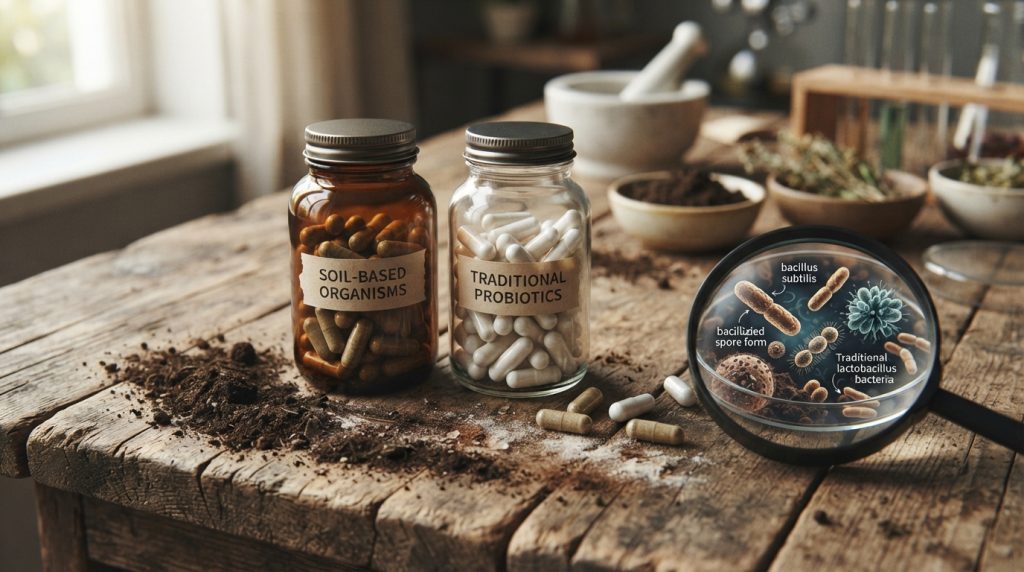
Compare Soil Based Organisms vs Traditional Probiotics for Sensitive Digestion (Best Picks for IBS, Bloating & Gut-Skin Results) Soil Based Organisms vs Traditional Probiotics for Sensitive Digestion is one of the most common questions we get from people whose gut feels touchy, yet they still want an inside-out glow. Did you know that some probiotics […]
Best Spore-Based Probiotics for Sensitive Stomachs: Gentle, Science-Backed Support That Actually Works When it comes to the Best Spore-Based Probiotics for Sensitive Stomachs, the science is quietly impressive, clinical trials show a 30-day course can reduce markers of gut permeability by 42%, which explains why so many people finally feel relief without the usual bloating. […]
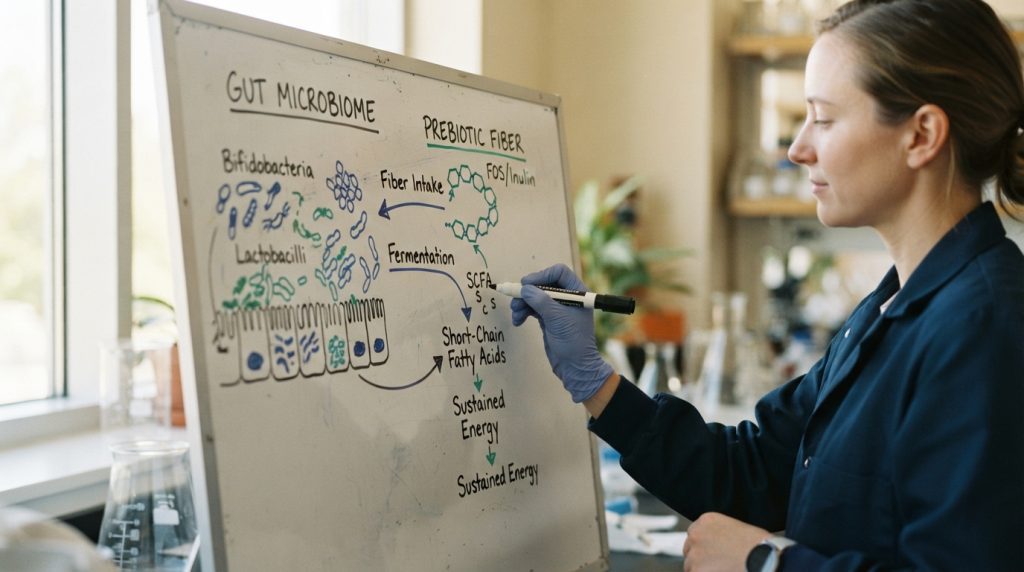
Ultimate Guide to Using Prebiotic Fibre for Sustained Energy Did you know that 90% of women and 97% of men don’t get enough fibre in their daily diet? That gap is exactly why we put together this ultimate guide to using prebiotic fibre for sustained energy, because we’ve read hundreds of research papers and articles, […]
How to Choose Quality Digestive Enzymes for Better Nutrient Absorption Did you know that a staggering 70,000,000 people in the United States deal with gastrointestinal disorders every single year? That number alone tells us why so many of you write in asking how to choose quality digestive enzymes for better nutrient absorption, because bloating, sluggish […]
Best Probiotics for Women Over 40: Our Science-Backed Pick of the Top Strains Finding the best probiotics for women over 40 has become one of the most-asked questions we get, and here’s a number that stopped us in our tracks: a striking 94% of women going through menopause report digestive health issues, often tied to […]
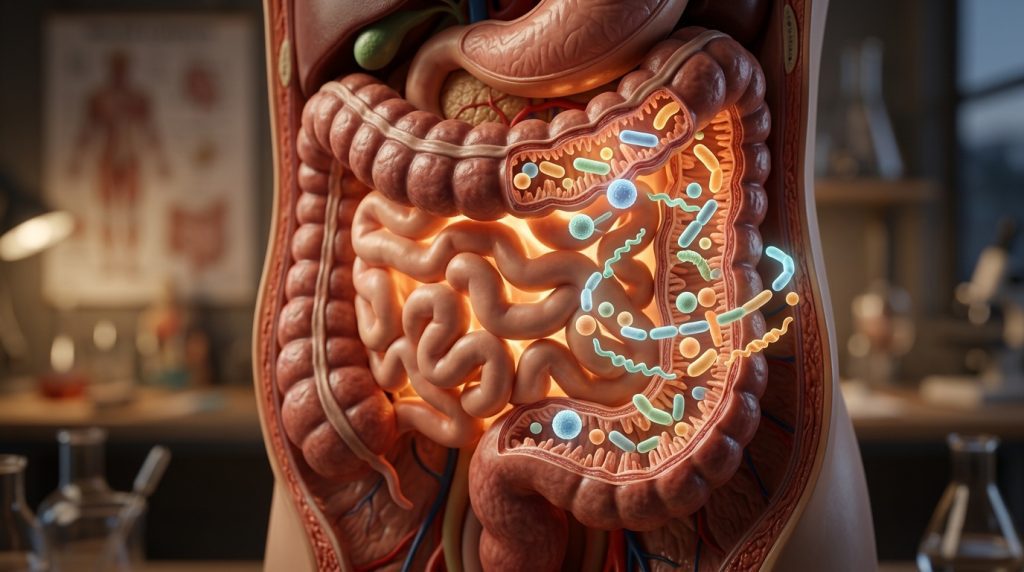
Digestive Disorders & Microbiome Recovery: What the Science Actually Says A single course of antibiotics can reduce gut microbial species by approximately 20, according to a Swedish analysis of nearly 15,000 adults, and that disruption can persist for years. This finding sits at the heart of why digestive disorders and microbiome recovery have become one […]
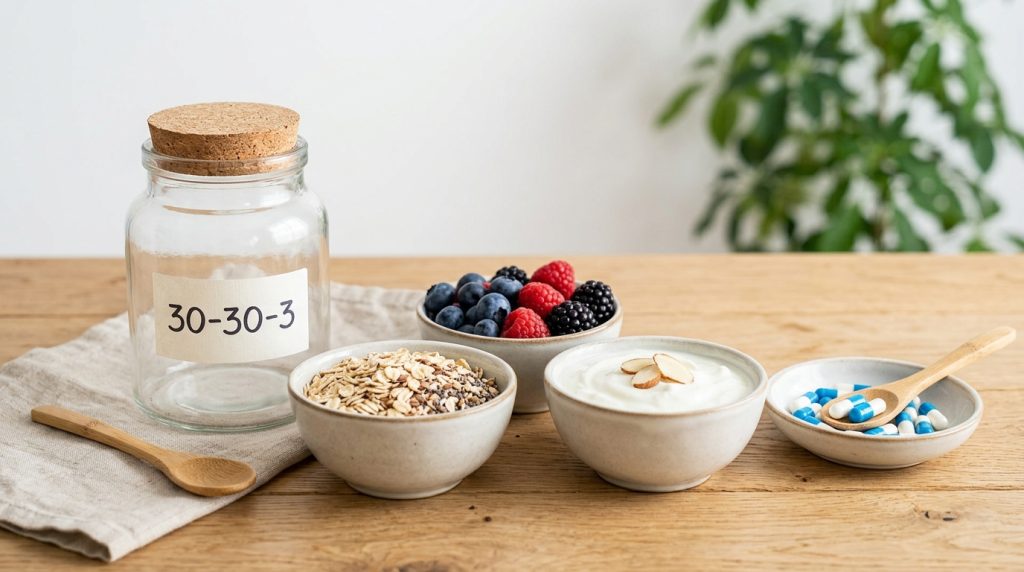
The ’30-30-3′ Microbiome Protocol: Your Science-Backed Daily Blueprint for a Thriving Gut Did you know that 84% of consumers report being more interested in gut health products than in previous years? It’s no wonder that simple, evidence-based frameworks like the ’30-30-3′ Microbiome Protocol are capturing so much attention right now. We’ve been fascinated (to the […]
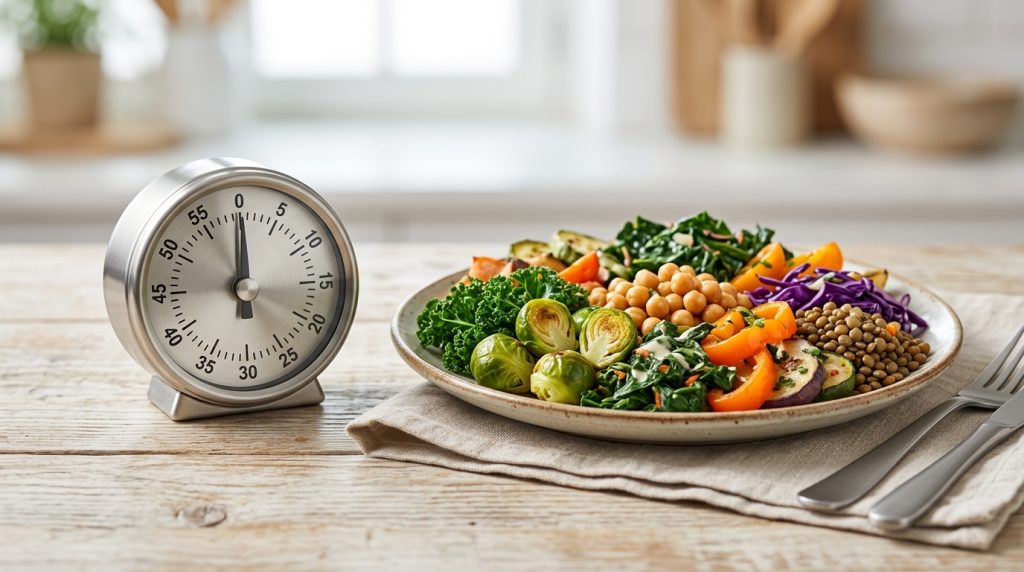
Chrono-Nutrition for the Microbiome: The Best Guide to Timing Your Meals for Gut Health Chrono-nutrition for the microbiome is one of the most exciting and practical shifts happening in gut health right now, and the science behind it is changing how we think about what we eat AND when we eat it. Consider this: over […]

Postbiotic pH Balancing: The Plain-English Guide to Supporting a Healthier Gut Ecosystem Postbiotic pH Balancing matters because clinicians often flag problems when vaginal pH rises above 4.5, a pH threshold tied to common vaginitis diagnoses. More people are asking the same practical question for gut health: how can we support stable, “right-range” pH conditions without […]
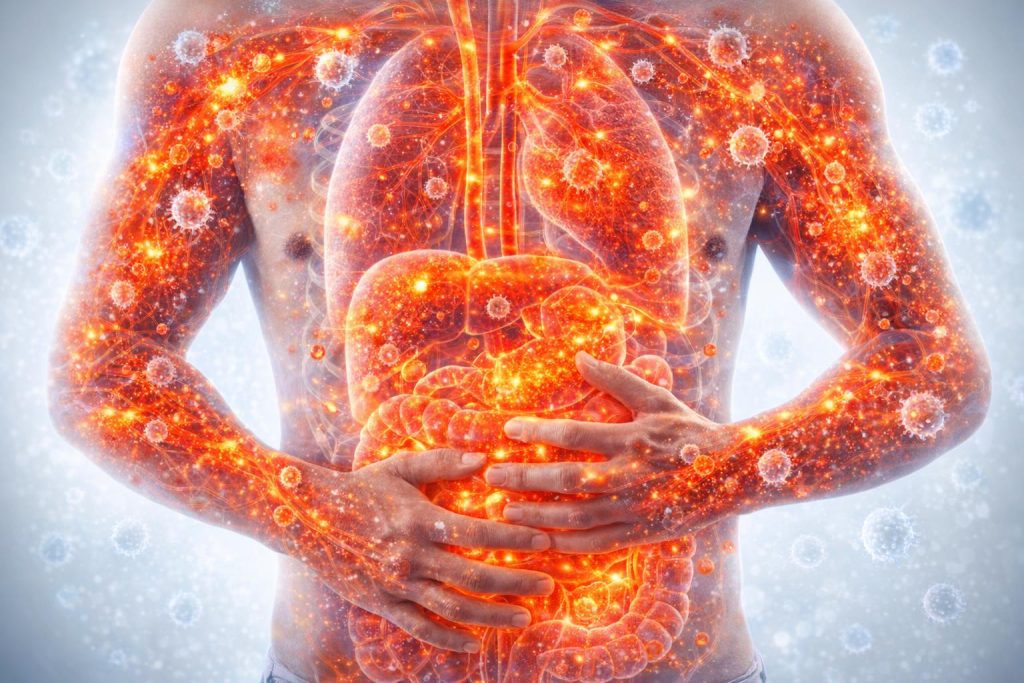
Best Natural Remedies for Reducing Chronic Systemic Inflammation If you’re looking for the best natural remedies for reducing chronic systemic inflammation, you’re in exactly the right place. And here’s something that might surprise you before we even get started: research shows that short sleep duration is associated with more than double the odds of elevated […]
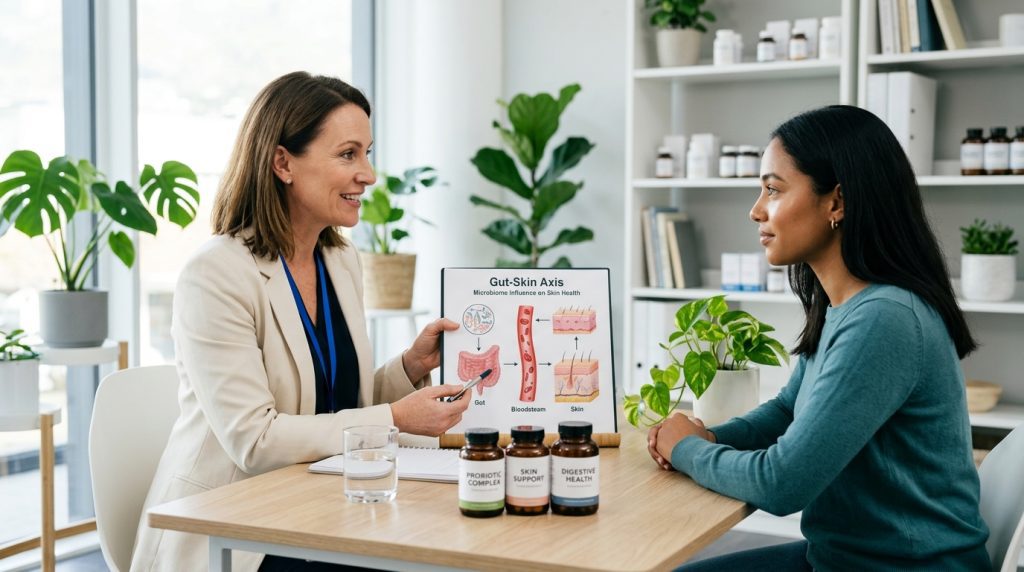
Metabolic Beauty: The Gut-Skin Axis Guide (What’s Actually Working Right Now) Metabolic Beauty and the Gut-Skin Axis in 2026 have officially moved from fringe wellness circles into mainstream science, and the numbers prove it: a staggering 67% of consumers now prefer ingestible beauty products over traditional topical solutions, signalling that the era of “beauty from […]
Menopause, Hormones & Gut Health: Understanding the Changes and Practical Solutions Menopause brings many changes to your body, and your digestive system is no exception. During this transition, dropping levels of oestrogen and progesterone affect more than just your reproductive system. These hormones also play key roles in how your gut functions, from digestion speed […]
The 24-Hour Glow Protocol: Transform Your Skin Through Microbiome-Focused Nutrition and Skincare Your skin and gut health are connected in ways that become visible within just 24 hours of changing what you eat and how you care for your skin. The microbiome—the collection of bacteria living in your gut and on your skin—responds quickly to […]