
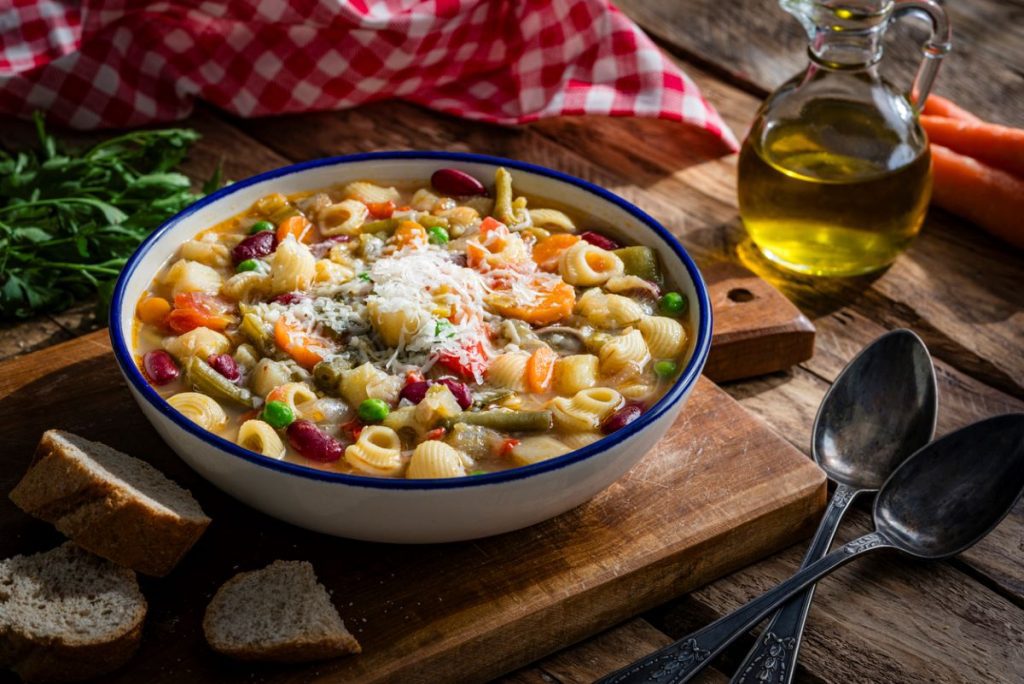
Easy minestrone soup
Sensational minestrone soup – the traditional Italian minestrone recipe
A personal favorite, this classic Italian minestrone soup recipe not only tastes amazing, it may help us live to a healthy old age! Also known as longevity soup, it is praised in the “Blue Zones” documentary as a staple diet of people of these regions, known for their long and happy lifespans. The high fiber content is part of the secret!
Table of Contents
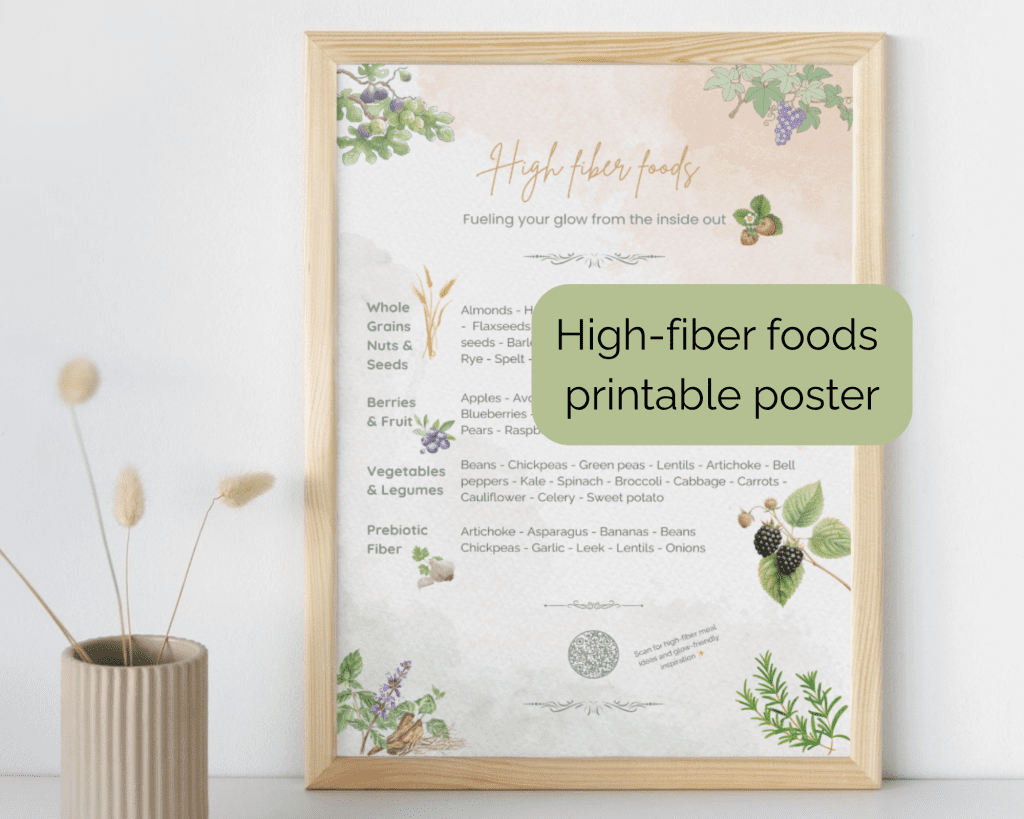
Summer sale! 40% off on our decorative kitchen poster with high fiber foods!
Ingredients
- 2 tablespoons extra virgin olive oil
- 1 onion, peeled and finely chopped
- 4 carrots, peeled and finely chopped
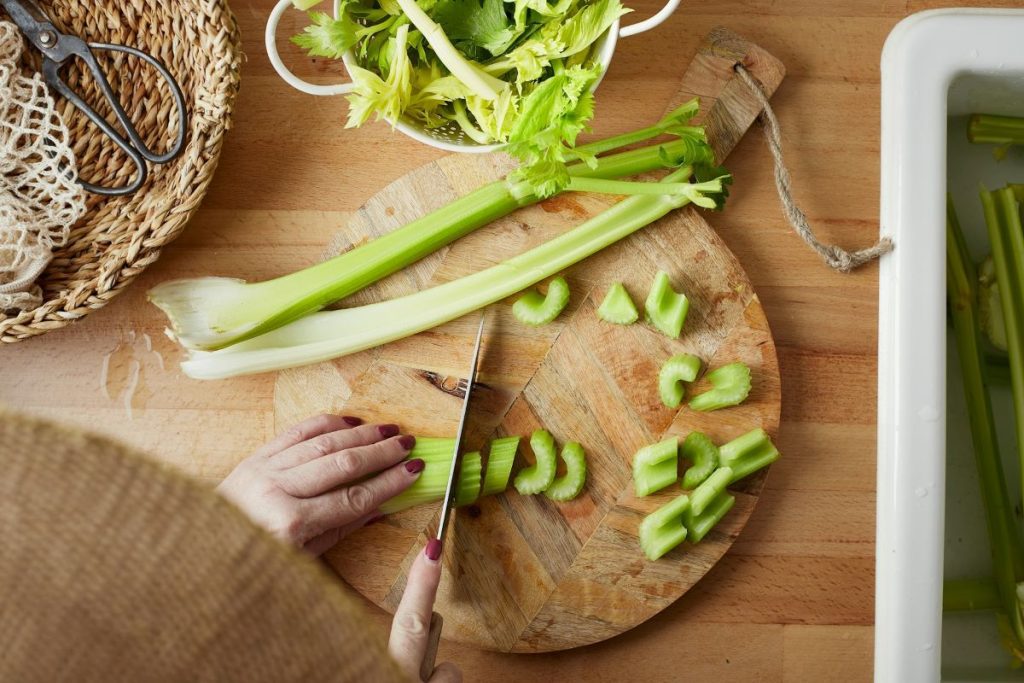
- 3 celery stalks, finely chopped
- 3 potatoes, peeled and finely diced
- 3 broccolini stalks, finely chopped (or regular broccoli)
- 1 fennel bulb, finely chopped (half a bulb, if large)
- 5-6 cloves garlic, minced
- 1/2 teaspoon ground pepper
- 3 large tablespoons tomato paste
- 1.5 liters of vegetable or bone broth, depending on whether you want to make it a vegetarian minestrone recipe
- 1 can chickpeas or green beans
- 1 can white beans
- 1 can finely crushed tomatoes, 400 grams (add 2 if you prefer a more liquidy soup)
- 3 bay leaves
- 2 teaspoons dried oregano
- 1 tablespoon sugar
- Handful fresh Italian flat-leaf parsley, finely chopped (regular parsley works too)
- 1 cup fregula pasta—or macaroni. See below for variations!
- To serve: grated parmesan or Pecorino Romano, focaccia, or sourdough bread. Parmesan is a delicious source of probiotics!
I have madet this a meatless minestrone soup recipe, but you can add meat too. Scroll down for tasty alternatives to make the best Italian minestrone recipe that is just the way you like it!
PS: this is an easy vegetarian meal if you choose vegetable broth in the ingredients, and even vegan minestrone soup with the right broth. There’s a bit of chopping involved, but I still find this an easy minestrone soup recipe to make. See below for step-by-step method!
Method
The secret is to chop everything finely. This is a little time consuming, but other than that it is a simple minestrone soup recipe.
- Finely chop onion, carrots, celery stalks, potatoes, broccolini, and fennel.
- Heat olive oil in a large pot.
- Add the onion, carrots, and celery. Sauté for 7 to 8 minutes.
- Add potatoes, fennel, and broccolini. Sauté for 2-3 minutes.
- Add garlic and tomato paste. Stir to combine.
- Add tomatoes, broth, beans, chickpeas, bay leaves, pepper, sugar, and oregano
- Let simmer with the lid on for 45 minutes or until the vegetables are soft.
- Next, stir in the pasta and cook for 10 more minutes, or until it’s done. If you plan to freeze leftovers, cook the pasta separately as this doesn’t freeze well.
- Add parsley and season to taste with salt and pepper.
- Serve with grated parmesan or Pecorino Romano, plus focaccia or sourdough bread.

Check out our guide to delicious high fiber lunches and meals. Enjoy a 40% off on kitchen our high fiber foods poster!
Delightful classic Italian minestrone soup recipe
Try these three tasty variations!
Classic longevity soup recipes come in as many variations as there are Italian grandmothers. Here are some ideas for you to consider to make your minestrone soup soup just as you like it!
- Instead of fregula, use other small pasta like elbows, shells, orecchiette for trud classic like the minestrone Olive Garden recipe. PS: Macaroni works too!
- Add ½ cup buckwheat or quinoa seeds, which are great for gut health. If you do, you should add a little more liquid.
- Have leftover vegetables in the fridge? Add to the pot, for an extra touch and to avoid having to throw them away!
In short, at Guts & Glory Health we just love love love these Blue Zone longevity soup variations! Read on to discover why enjoying minestrone is a great gut healthy choice.
PS minestrone soup meaning longer lifespan.
A fibre powerhouse – essential for gut health
With its mix of vegetables, grains and broth this high fiber minestrone soup recipe is a real boost for gut health. We love to make a vegetable soup for several reasons. Firstly, vegetable-packed soups are rich in fiber.
Insoluble fibre rich foods (like carrots, celery & beans) kees things moving, while prebiotic fiber (in garlic & onions) feeds good gut bacteria and supports a strong, resilient gut lining.

Fiber & gut health the easy way?
Try “Pure” supplement with dietary fiber* & probiotics from Rain International (affiliate link).
*2 grams of fiber per serving, 8% of daily value.
Watch this video, where we share easy steps to support your gut health:
This soup offers a range of health benefits. My favorites are:
- Supports heart health: Contains vegetables, legumes, and whole grains that contribute to heart health by providing essential nutrients like fiber, potassium, and antioxidants, which help in maintaining healthy blood pressure and reducing the risk of heart disease.
- Rich in antioxidants: Great source of antioxidants because of the variety of vegetables and herbs used to prepare it. Antioxidants can help protect the body against oxidative stress and inflammation, contributing to overall health and well-being.
- Customizable and budget-friendly: You can easily customize it suit your dietary preferences. It is also an economical meal choice, utilizing affordable ingredients like vegetables, beans, and pasta, making it accessible to many while providing a nutritious and flavorsome dish.
The basics of how to make minestrone soup Sardinia style
So, what is classic minestrone soup? These recipes have a long history and are among the oldest and most traditional Italian soups. Its origins can be traced back to Roman times, where it was typically made with whatever vegetables were in season. Over the years, the minestrone soup ingredient variety has evolved.
So, you can choose whether to make it a vegetarian minestrone soup, or not.
Key ingredients in classic Italian minestrone soup recipes
A classic minestrone typically includes a combination of vegetables such as onions, carrots, celery, tomatoes, potatoes, zucchini or broccoli, and beans. The broth is usually made with vegetable or chicken stock, while pasta or rice is added for additional heartiness.
Making tasty homemade broth is a delicious way to boost flavor! Some recipes also call for pancetta or bacon for added flavor, or a parmesan rind to enhance the richness of the broth.
Tips for making an Italian vegetable soup that is simply perfect!
- Achieving the right consistency. The consistency can vary depending on personal preference. If you prefer a thicker soup, let it simmer uncovered for a longer time to reduce the liquid. This will allow the flavors to concentrate and the vegetables to break down, creating a rich and robust base. On the other hand, if you like a thinner consistency, you can add more broth or hot water as needed.
- Enhancing the flavor profile. To enhance the flavor of your minestrone, consider adding a parmesan rind while the soup simmers. The rind will infuse the broth with a subtle, savory note, adding depth and complexity to the overall taste. Remember to remove the rind before serving to avoid any undesirable texture in the soup.
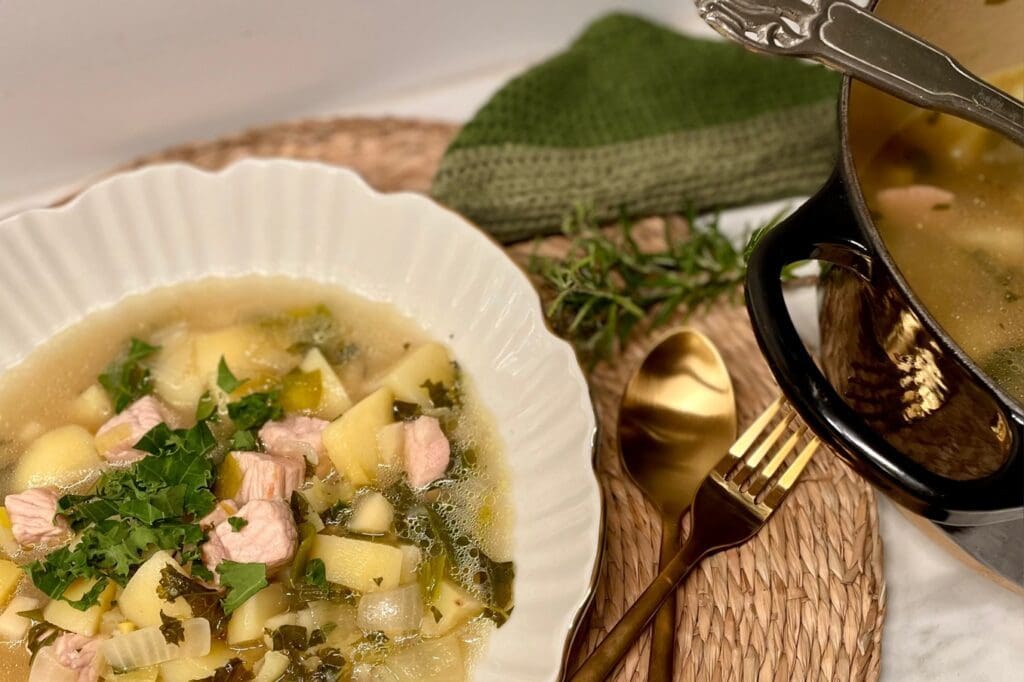
If you enjoy classic minestrone recipes, you may also enjoy these gut healthy soup recipes too!
Proper storage and reheating. Leftover minestrone can be stored in an airtight container in the refrigerator for up to 3 days. When reheating, add a little water or broth to thin it out as the pasta tends to absorb liquid. Reheat on the stovetop over medium-low heat until heated through.
Blue zones diet and why traditional minestrone soup recipes are ideal
The Blue Zones diet refers to the eating habits of people living in “Blue Zones,” which are regions where people are known to live longer, healthier lives. These regions include areas in Okinawa (Japan), Sardinia (Italy), Nicoya (Costa Rica), Ikaria (Greece), and Loma Linda (California, United States). While the specific dietary habits vary slightly among these regions, there are some things they have in common:
- Plant-based diet: Blue Zones residents typically consume a diet rich in fruits, vegetables, legumes, and whole grains. These foods are high in fiber, vitamins, minerals, and antioxidants.
- Limited meat intake: While not strictly vegetarian, the Blue Zones diet typically includes small amounts of meat, with a focus on lean proteins like fish and poultry. Red meat is consumed sparingly.
- Healthy fats: Fats in the Blue Zones diet often come from sources like olive oil, nuts, and seeds, which are rich in monounsaturated and polyunsaturated fats.
- Social eating: Meals in Blue Zones regions are often enjoyed in the company of others, emphasizing the social aspect of eating, which can contribute to overall well-being.
As you can see, this soup fits hand in glove with the blue zone diet. And what is better than treating your tribe to a large pot of this hearty, gut healthy soup! PS it fits great in a menopause-friendly meal plan as well.
Our best minestrone soup recipe & gut health
When it comes to gut health, following a Blue Zones diet plan can be a game-changer. Rich in plant-based foods and fiber, it is fantastic for digestive health. Fiber helps to regulate bowel movements, promotes the growth of beneficial gut bacteria, and may reduce the risk of conditions like constipation, diverticulitis, and colon cancer.
Additionally, the diet’s focus on fruits, vegetables, and fermented foods (such as yogurt, kefir and kimchi in some Blue Zones) can support a healthy balance of gut bacteria, which is essential for overall gut health and immune function – and mood!

However, it’s worth noting that individual responses to dietary patterns can vary, and what works well for one person may not work as effectively for another. If you’re considering adopting the Blue Zones diet or any other dietary pattern for gut health, it’s a good idea to consult with a healthcare professional or a registered dietitian to ensure it aligns with your specific health needs and goals.
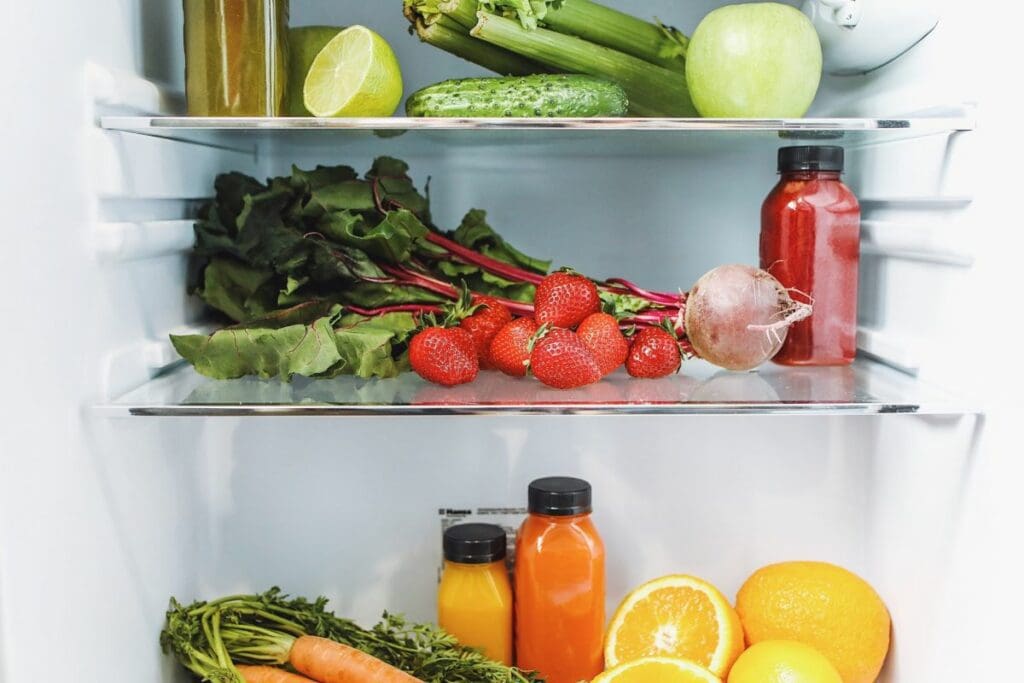
Look to your fridge for mental well-being!
Inflammation is increasingly linked to your mental well-being. And what we eat can help us reduce inflammation and boost our mood.
What does this mean? Look to your fridge!
Discover 3 food tips to help reduce inflammation in your body and boost your mood.
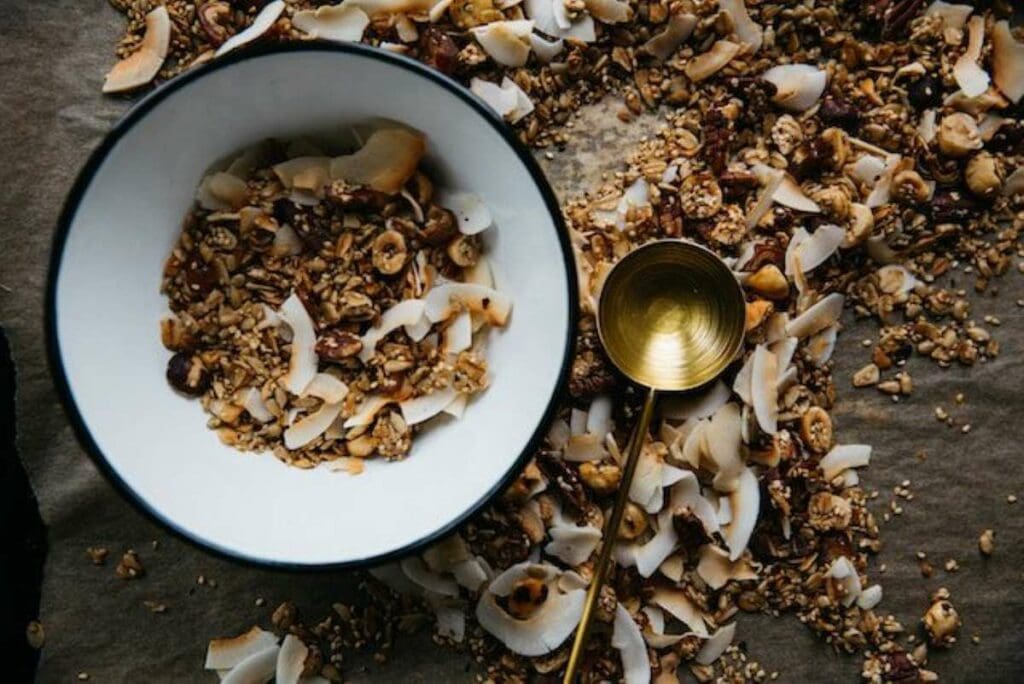
The Best Seeds to Eat for Gut Health
Seeds are not only delicious additions to your meals, but they also offer a wide range of health benefits.
Our best minestrone soup recipe & gut health

Sea Buckthorn: The Skin and Gut Health Superfood You Should Know About Sea buckthorn has gained a cult following among skincare and wellness enthusiasts — and for good reason. Rich in rare fatty acids, vitamins, and antioxidants, this bright orange berry supports both your outer glow and inner gut health. Having tried it myself in […]
Easy High Fiber Meals – Boost Your Skin Glow, Inside Out Looking for a quick overview of how to add more fiber to your diet? We’ve got you covered with these ideas for easy high fiber meals to keep your gut happy and your meals exciting! Because eating enough fiber is a key to glowing […]

Best Probiotics for Acne? 12 That Actually Work (Derm & Gut-Backed) If you struggle with acne, you’re not alone—acne affects over 650 million people worldwide. I was one of them for many years, until I realised that skin health is more than just skin deep! In fact, new research shows that balancing your skin and […]
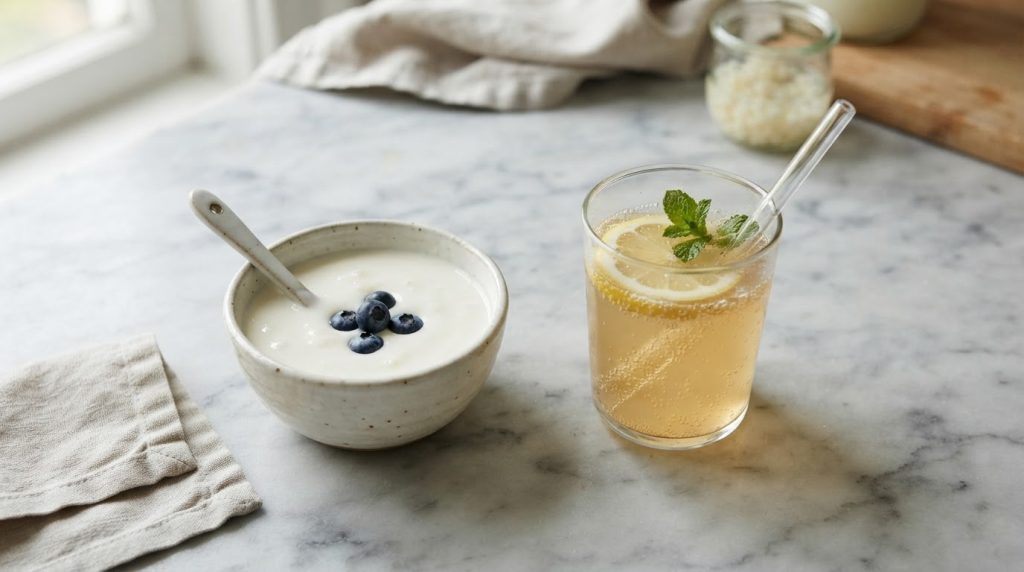
Water kefir vs milk kefir: which actually fixes bloating? Water kefir vs milk kefir: which actually fixes bloating? The honest answer is that neither is a guaranteed fix, but understanding what goes into each drink can help you choose one that better matches your diet and likely triggers. Key Takeaways What kefir is and how […]

Probiotic strains for IBS: what the clinical evidence actually shows Probiotic strains for IBS: what the clinical evidence actually shows is important because one big meta-analysis pooled 20 studies and found probiotics outperform placebo for global IBS symptoms. That means we can talk about “works for IBS” in a way that is not based on […]
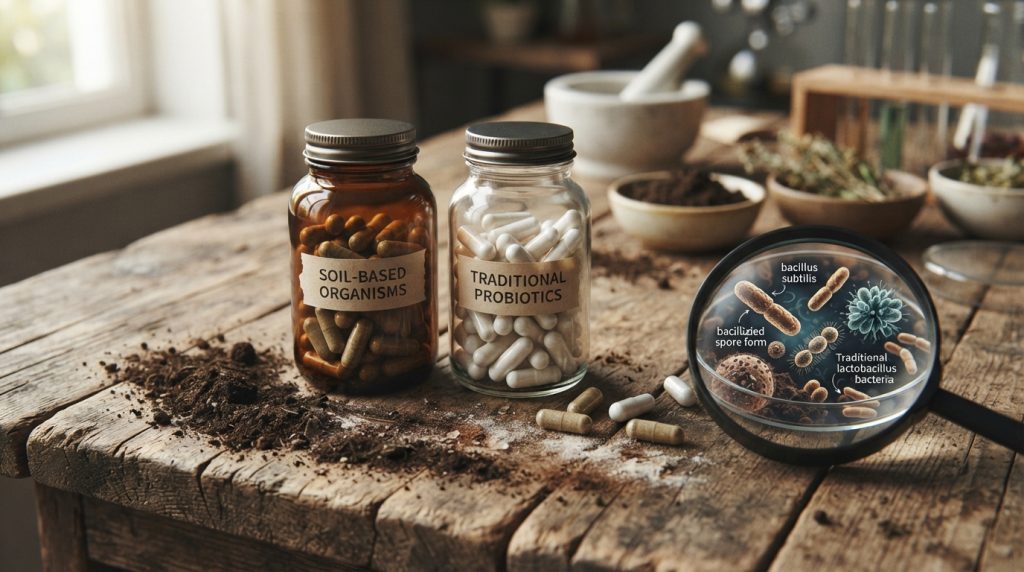
Compare Soil Based Organisms vs Traditional Probiotics for Sensitive Digestion (Best Picks for IBS, Bloating & Gut-Skin Results) Soil Based Organisms vs Traditional Probiotics for Sensitive Digestion is one of the most common questions we get from people whose gut feels touchy, yet they still want an inside-out glow. Did you know that some probiotics […]
Best Spore-Based Probiotics for Sensitive Stomachs: Gentle, Science-Backed Support That Actually Works When it comes to the Best Spore-Based Probiotics for Sensitive Stomachs, the science is quietly impressive, clinical trials show a 30-day course can reduce markers of gut permeability by 42%, which explains why so many people finally feel relief without the usual bloating. […]
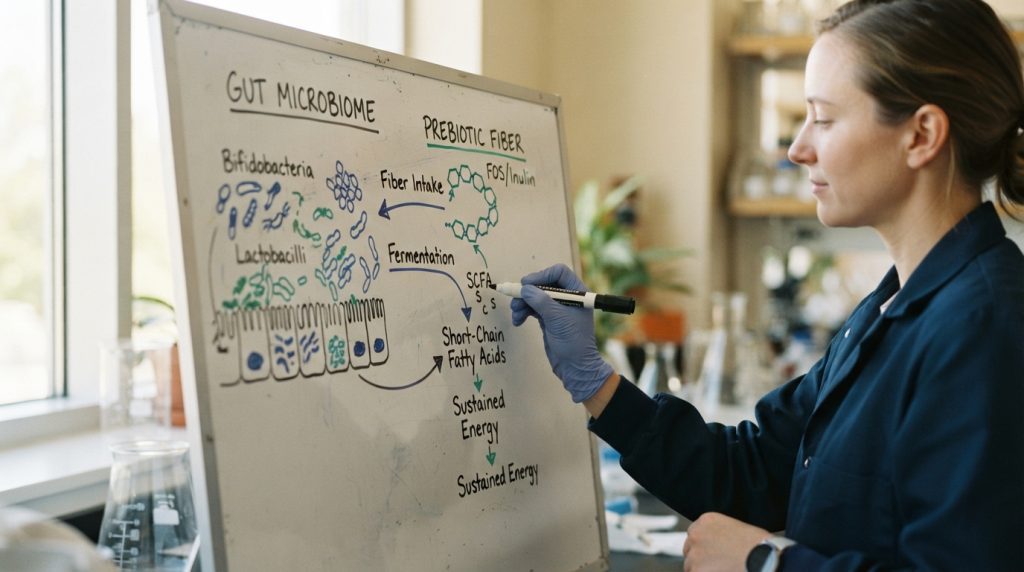
Ultimate Guide to Using Prebiotic Fibre for Sustained Energy Did you know that 90% of women and 97% of men don’t get enough fibre in their daily diet? That gap is exactly why we put together this ultimate guide to using prebiotic fibre for sustained energy, because we’ve read hundreds of research papers and articles, […]
How to Choose Quality Digestive Enzymes for Better Nutrient Absorption Did you know that a staggering 70,000,000 people in the United States deal with gastrointestinal disorders every single year? That number alone tells us why so many of you write in asking how to choose quality digestive enzymes for better nutrient absorption, because bloating, sluggish […]
Best Probiotics for Women Over 40: Our Science-Backed Pick of the Top Strains Finding the best probiotics for women over 40 has become one of the most-asked questions we get, and here’s a number that stopped us in our tracks: a striking 94% of women going through menopause report digestive health issues, often tied to […]
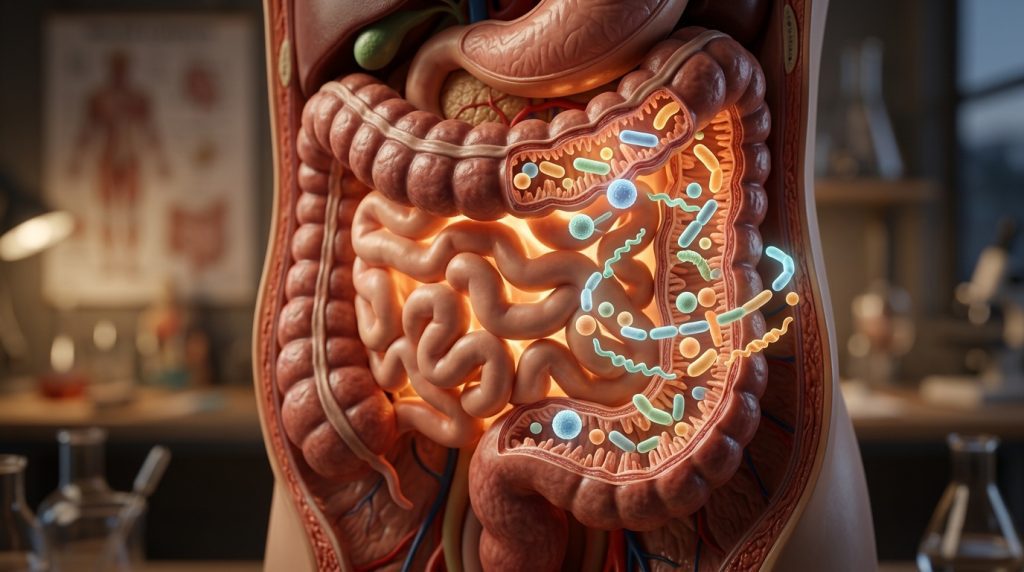
Digestive Disorders & Microbiome Recovery: What the Science Actually Says A single course of antibiotics can reduce gut microbial species by approximately 20, according to a Swedish analysis of nearly 15,000 adults, and that disruption can persist for years. This finding sits at the heart of why digestive disorders and microbiome recovery have become one […]
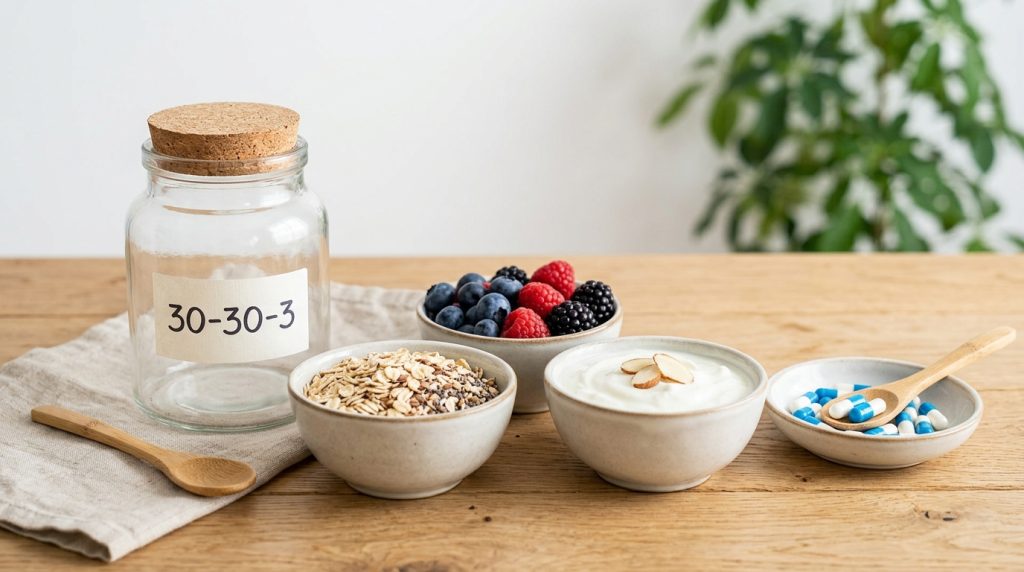
The ’30-30-3′ Microbiome Protocol: Your Science-Backed Daily Blueprint for a Thriving Gut Did you know that 84% of consumers report being more interested in gut health products than in previous years? It’s no wonder that simple, evidence-based frameworks like the ’30-30-3′ Microbiome Protocol are capturing so much attention right now. We’ve been fascinated (to the […]
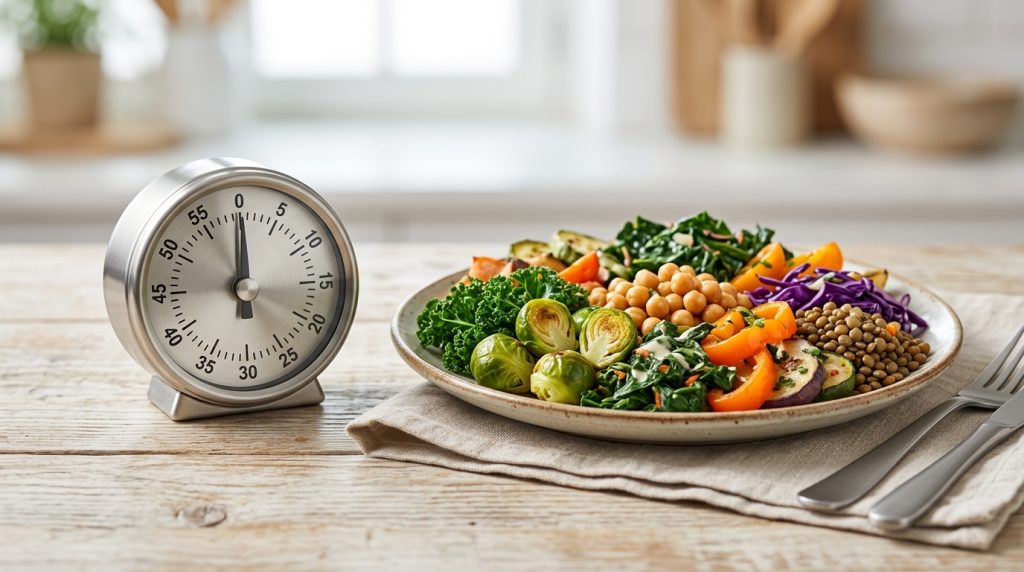
Chrono-Nutrition for the Microbiome: The Best Guide to Timing Your Meals for Gut Health Chrono-nutrition for the microbiome is one of the most exciting and practical shifts happening in gut health right now, and the science behind it is changing how we think about what we eat AND when we eat it. Consider this: over […]

Postbiotic pH Balancing: The Plain-English Guide to Supporting a Healthier Gut Ecosystem Postbiotic pH Balancing matters because clinicians often flag problems when vaginal pH rises above 4.5, a pH threshold tied to common vaginitis diagnoses. More people are asking the same practical question for gut health: how can we support stable, “right-range” pH conditions without […]
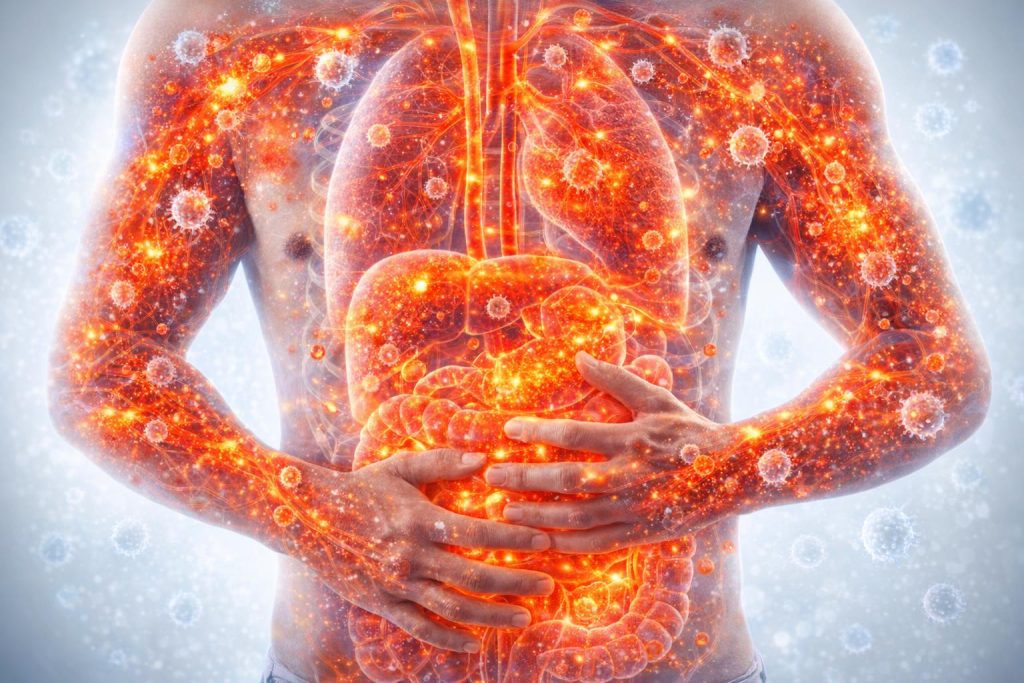
Best Natural Remedies for Reducing Chronic Systemic Inflammation If you’re looking for the best natural remedies for reducing chronic systemic inflammation, you’re in exactly the right place. And here’s something that might surprise you before we even get started: research shows that short sleep duration is associated with more than double the odds of elevated […]