
Our Best Menopause Diet Guide
The Best Menopause Diet for Skin, Energy, and Mood
Discover the best supplement for menopause brain fog according to the Guts & Glory Health team!
What you eat makes a huge difference during menopause, so we have assembled our best menopause diet guide for you right here! To help you combat fatigue, hot flashes, brain fog, and poor sleep
It focuses on plant-based foods, but you do not need to go all-vegetarian to benefit, because the body’s need for these specific menopause vitamins is universal.
I love how choosing the right foods helps me ease symptoms of menopause, an unavoidable part of female life. My advice? As soon as signs of menopause kick in, add all your favorites from the food list below to your shopping list!
Tonje, co-founder of Guts & Glory Health (52 years old )
In this article, we will dive deep into the world of nutrition and menopause to help you create the ultimate vegetarian menopause diet plan – including which foods to avoid during menopause! And we’ll look at how to stop menopause bloating and provide perimenopause* bloating relief.
So, buckle up and get ready for a delicious and healthy journey!
Table of Contents
Understanding Menopause, Perimenopause and Nutrition
Menopause is a natural phase in every woman’s life where hormone levels fluctuate, leading to a variety of symptoms. While these changes are inevitable, your diet can play a crucial role in managing them.
What is perimenopause?
Perimenopause is menopause’s perhaps lesser known cousin. Perimenopause means “around menopause” and refers to the time during which your body makes the natural transition to menopause. Perimenopause begins about eight to 10 years before menopause. It usually starts in your mid-40s, but it can start earlier.
This means that the foods that will help you during menopause is also the best perimenopause diet.
Whether your a full-on vegetarian or not, the foods included in a vegetarian menopause diet plan can really help you fight those pesky symptoms.
Unsure which foods to choose? Fear not, we’ve got your back. Scroll on for our list of menopause good foods 🙂
Berit & Tonje, co-foundsers Guts & Glory Health
The Role of Diet in Menopause Management
Specific nutrients can help alleviate menopause symptoms. By including the right foods in your diet, you can ease hot flashes, improve bone health, boost mood, reduce menopause bloating, and maintain a healthy weight. Similarly, many women experience perimenopause weight gain. Perimenopause means “around menopause” and refers to the time during which your body makes the natural transition to menopause. So make sure to adjust your diet to include the best foods for perimenopause tiredness and other symptoms—essentially the same as for managing menopause.
Menopause can also affect you mentally, with symptoms such as anger and irritability, forgetfulness, loss of confidence, low mood, and poor concentration – often described as ‘brain fog’. The good news is that you can do something about it, using both foods and easily-available supplements.
When it comes to menopause management, a vegetarian diet can be a game-changer. By focusing on plant-based foods, you’ll reap the benefits of antioxidants, fiber, and phytoestrogens. Phytoestrogens mimic the actions of estrogen in your body.
Nutritional Needs During Menopause
As you navigate through menopause, certain nutrients and menopause vitamins become even more important for your overall health. Calcium, vitamin D, vitamin B12, iron, omega-3 fatty acids, and phytoestrogens are all key players in the best menopause diet plans. Vitamin D is in fact one of the most important vitamins for menopause fatigue!
- Try one of our delicious and nutritious soups!
To ensure your bones stay strong, incorporate calcium-rich foods like fortified plant-based milk, tofu, leafy greens such as kale and spinach, and nuts into your diet. Vitamin D aids calcium absorption, so make sure you soak up some sunshine or consider taking supplements. And don’t forget about vitamin B12 – found in dairy alternatives, eggs, and fortified cereals – to support your energy levels. Add them to your vegetarian menopause diet plan today!
When it comes to iron, consuming plant-based sources such as spinach, lentils, and quinoa will help combat any deficiencies. Omega-3 fatty acids, found in flaxseeds, chia seeds, and walnuts, can also reduce inflammation and support heart health. Lastly, phytoestrogens found in soy products like tofu and tempeh can help balance hormonal fluctuations.
- Discover our awesome homemade granola!
But what about the other nutrients that are essential during menopause? Magnesium plays a crucial role in maintaining healthy sleep patterns and reducing muscle cramps. You can find magnesium in foods like almonds, cashews, and whole grains.
Another important nutrient to consider is folate, which supports brain health and helps reduce the risk of cardiovascular disease. Leafy greens, citrus fruits, and legumes are excellent sources of folate that you can easily incorporate into your vegetarian menopause diet.
Lastly, don’t underestimate the power of hydration. Drinking enough water throughout the day can help alleviate symptoms like dry skin, hot flashes, and mood swings. So, make sure to keep a water bottle handy and stay hydrated!
How Plant-Based Foods Aid Hormonal Balance
One of the primary benefits of a vegetarian menopause diet is how it helps balance your hormones. Phytoestrogens found in plant-based foods can mimic estrogen in your body, offering relief from hot flashes and mood swings. These natural compounds can also support bone health and reduce the risk of heart disease – a win-win we say!
Furthermore, the fiber content in plant-based foods can aid in digestion and promote gut health, which is crucial during menopause when digestive issues may become more prevalent.
Your Best Menopause Foods
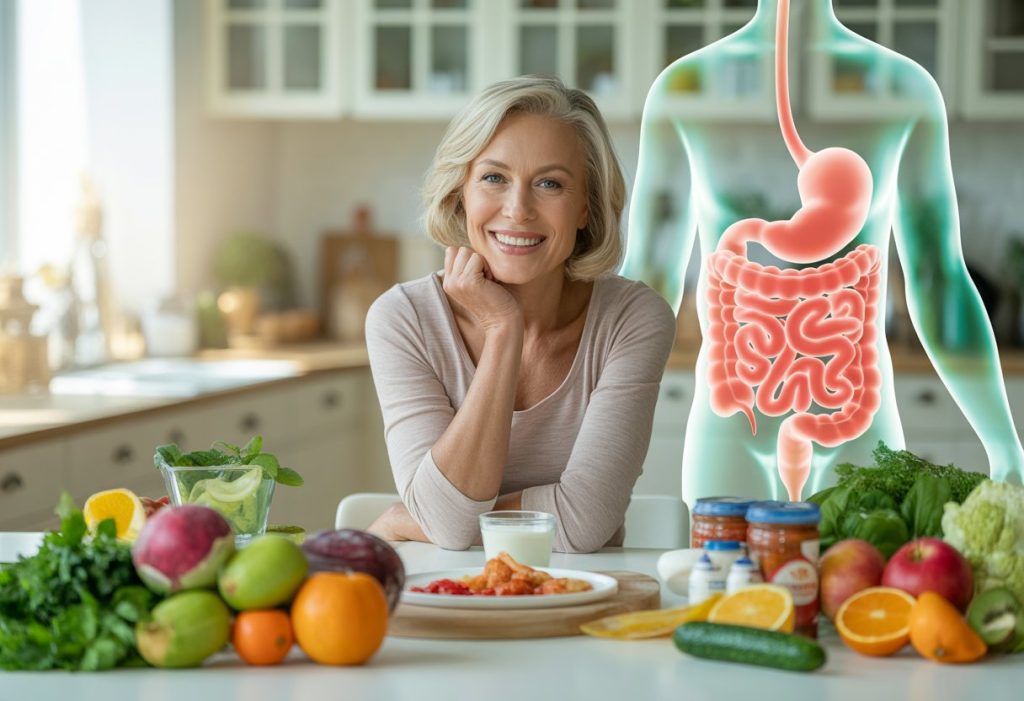
To create a vegetarian monopause diet plan that is balanced and provides a wide range of nutrients, make sure to include these tasty foods:
Protein-rich foods
Tofu, tempeh, beans, lentils, and quinoa. These plant-based sources of protein are not only delicious but also provide essential amino acids that support muscle health and hormone balance.
- Try this delicious and nutritious minestrone soup!
Foods rich in phytoestrogens
Seeds (flax seeds, sesame seeds have high levels of phytoestrogens), soy beans and edamame, garlic, peaches, strawberries, and blackberries. Phytoestrogens, or dietary estrogen, as it’s also called, are naturally occurring plant compounds that may function similarly to the estrogen the human body produces.
Note: While some concern has been raised about phytoestrogens, recent research has largely disputed these concerns. But please consult your physician if you are unsure!
Colorful fruits and vegetables
Berries, citrus fruits, leafy greens, and cruciferous vegetables. These vibrant foods are packed with antioxidants, vitamins, and minerals that help combat inflammation and support overall well-being.
Whole grains
Brown rice, oats, quinoa, and whole wheat bread. These complex carbohydrates provide sustained energy and are rich in fiber, which aids digestion and helps regulate blood sugar levels.
Healthy fats
Avocados, nuts, seeds, and olive oil. These sources of monounsaturated and polyunsaturated fats are crucial for hormone production and absorption of fat-soluble vitamins.
Calcium sources
Fortified plant-based milk, leafy greens, and tofu. Calcium is essential for maintaining bone health during menopause, and these plant-based sources are excellent alternatives to dairy products.
- Try one of our delicious smoothies to add milk or other dairy to your diet!
By combining these components in your meals, you’ll provide your body with a well-rounded, delicious, and nutritionally complete vegetarian menopause diet plan.
3 Planning Tips for Your Best Menopause Diet
Meal planning is the secret sauce to success when it comes to maintaining a healthy diet. Here are some additional tips to help you get started with your vegetarian menopause diet plan:
- Get creative with your meals. Experiment with different recipes and explore new flavors to keep your taste buds excited. Trying out new ingredients and cooking techniques can make your vegetarian menopause diet plan more enjoyable and sustainable.
- Use spices and herbs: Apart from adding flavor to your dishes, certain spices and herbs like turmeric and sage can help reduce menopause symptoms. These natural remedies have been used for centuries to alleviate hot flashes, night sweats, and mood swings.
- Stay hydrated: Water is essential for maintaining overall health. Spice up your hydration by infusing it with fruits or herbs. Try adding slices of cucumber, lemon, or mint leaves to your water for a refreshing twist.
With a little planning and preparation, you’ll be well on your way to enjoying the benefits of a vegetarian menopause diet plan. Remember, this is a journey, and it’s important to listen to your body’s needs and make adjustments along the way. Embrace the power of plant-based nutrition and nourish yourself through this transformative phase of life.
- Discover the Best Foods for a Happier You!
Common Challenges in a Menopause Diet Plan
Now, let’s address some common challenges that may arise when following a vegetarian menopause diet and how to overcome them.
Menopause is a significant transition in a woman’s life that can bring about various changes, both physically and emotionally. It is essential to approach this phase with care and attention to ensure a smooth journey through menopause.
Addressing Nutrient Deficiencies
While an easy vegetarian menopause diet plan like this is packed with nutrients, make sure to pay attention to any deficiencies that may occur. Consulting with a registered dietitian can provide personalized guidance to ensure you’re meeting your nutritional needs throughout menopause. For example if you need extra vitamins for menopause fatigue.
Menopause foods to avoid
Some foods are good to avoid or limit during menopause, as they can trigger hot flashes and disrupt sleep patterns
- Avoid spicy and caffeinated foods and drinks
- Highly processed foods such as candy, potato chips, and fried foods.
- Foods high in added sugar, such as soda, energy drinks, and baked goods
- Foods that contain a lot of salt
Remember, every woman’s menopause journey is unique, so listen to your body and create your personalized vegetarian menopause diet plan. Taking a holistic approach that combines nutritious food choices, identifying which foods to avoid during menopause, regular physical activity, and self-care practices can support you in navigating menopause with grace and vitality.
What is a good supplement for menopause? And effective perimenopause supplements?
Adding a supplement during both menopause and perimenopause, can be highly beneficial. While a tailored menopause diet is great, sometimes you’re looking for a faster way to get the same benefit. A good supplement can also be an effective part of menopause fatigue treatment.
“I find Soul seed nutrition to be by far the best supplement for menopause brain fog. All-natural and easy to add to my daily routine.” – Tonje, co-founder guts & glory Health
“I find Soul seed nutrition to be by far the best supplement for menopause brain fog for me. All-natural, no-additives and easy to fit into my daily routine.”
Tonje, co-founder guts & glory Health

Our best supplement for menopause brain fog!
During menopause, reducing inflammation with anti-inflammatory supplements like SOUL * can ease fatigue, joint pain, and brain fog—so you can feel more like yourself and move through this transition feeling more like yourself!
*Affiliate link, by Tonje Sund, co-founder of Guts & glory Health
Boost your well-being the gut health way!
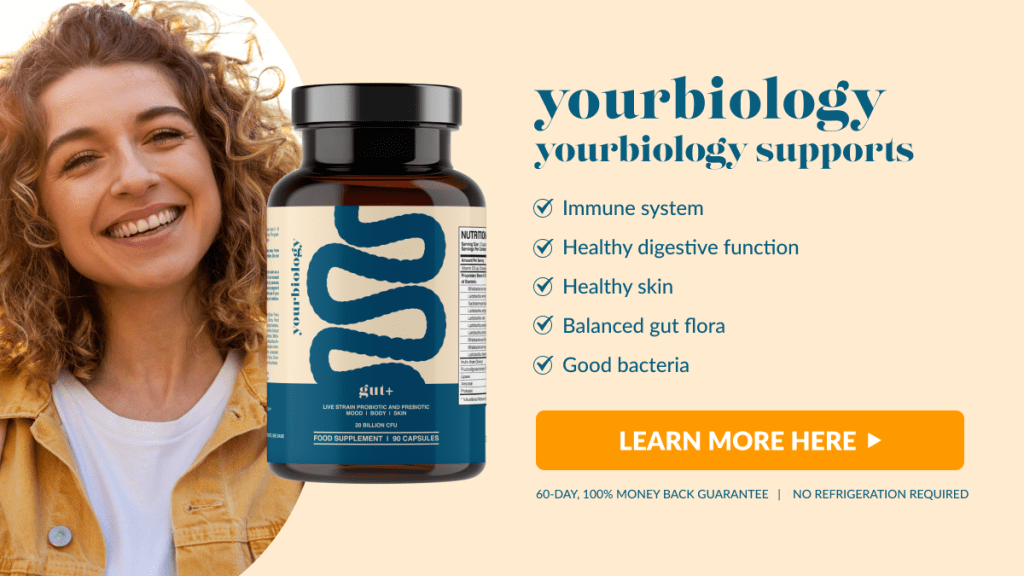
For an additional, gut-healthy boost, consider adding a quality probiotic to your daily routine.
“One product I’ve used with success is YOURBIOLOGY GUT+, a blend of 10 proven probiotics, designed to support both skin and gut health.”
Gut+ from YOURBIOLOGY is the latest probiotics + prebiotics formula specifically selected for women’s overall gut health and well-being. Having tried and failed with myriad products over the years, I’ve finally seen an improvement in my skin, gut health and overall well-being with some of the best women’s probiotics such as Gut+, which is why I’m so keen to share my experience. Berit, co-founder Guts & Glory Health

| Beat the Bloat! Feeling bloated? Beat bloating with Pure by Rain International, our secret weapon for happy digestion.This is one of Team Guts & Glory’s absolute favorite products. Tried and tested, it gives us the extra boost we’re looking for ✨ ORDER TODAY |
NOTE: These are affiliate links, meaning we may receive a small amount of any purchase made – at no extra cost to you. Win win!
What the best menopause supplement is will vary from person to person. However, the effect of seeds on menopause is widely documented and lends credit to the effect of cold-pressed seeds as an effective supplement for menopause.
Before taking supplements, we recommend you consult with a healthcare provider to ensure which supplements are appropriate for your individual health needs and to avoid potential interactions with other medications.
The Importance of Exercise During Menopause
Regular physical activity is crucial for overall well-being, especially during menopause. Exercise can help reduce menopause symptoms, improve bone health, boost mood, and promote better sleep. Because menopause knee joint pain, for instance, is a common ailment during this phase.
Similarly, perimenopause shoulder pain and other aches during the transition to menopause are also common.
Cover photo cred: Caterina Robustelli, iStock
NOTE: This blog contains affiliate links, meaning we may receive a small amount of any purchase made – at no extra cost to you!
More Posts You Might Enjoy:
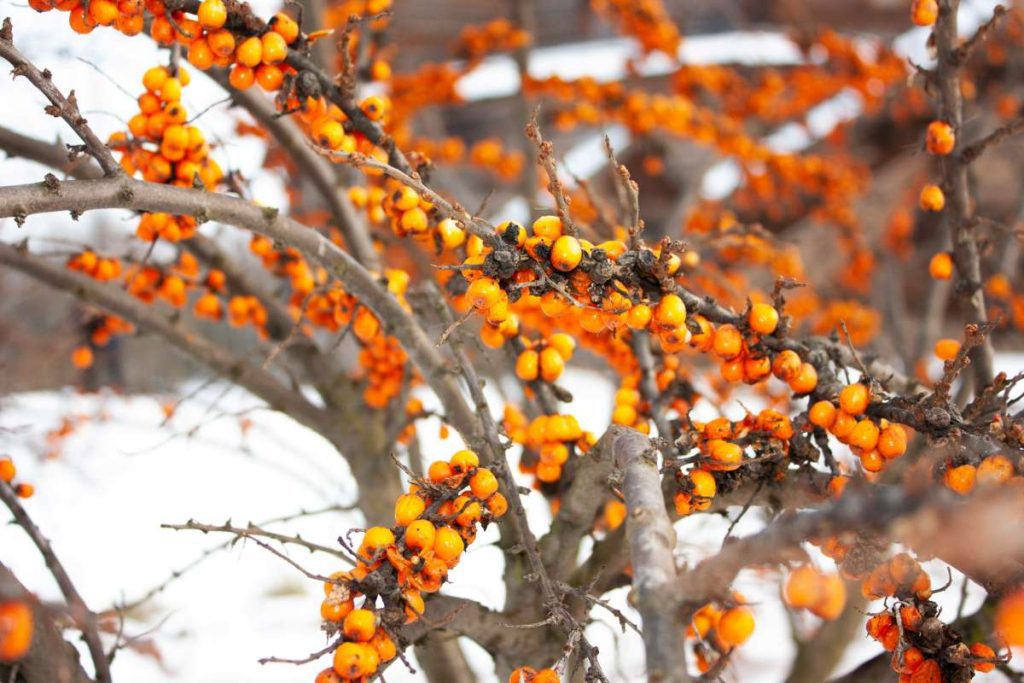
Sea Buckthorn: The Skin and Gut Health Superfood You Should Know About Sea buckthorn has gained a cult following among skincare and wellness enthusiasts — and for good reason. Rich in rare fatty acids, vitamins, and antioxidants, this bright orange berry supports both your outer glow and inner gut health. Having tried it myself in […]

Easy High Fiber Meals – Boost Your Skin Glow, Inside Out Looking for a quick overview of how to add more fiber to your diet? We’ve got you covered with these ideas for easy high fiber meals to keep your gut happy and your meals exciting! Because eating enough fiber is a key to glowing […]

Best Probiotics for Acne? 12 That Actually Work (Derm & Gut-Backed) If you struggle with acne, you’re not alone—acne affects over 650 million people worldwide. I was one of them for many years, until I realised that skin health is more than just skin deep! In fact, new research shows that balancing your skin and […]
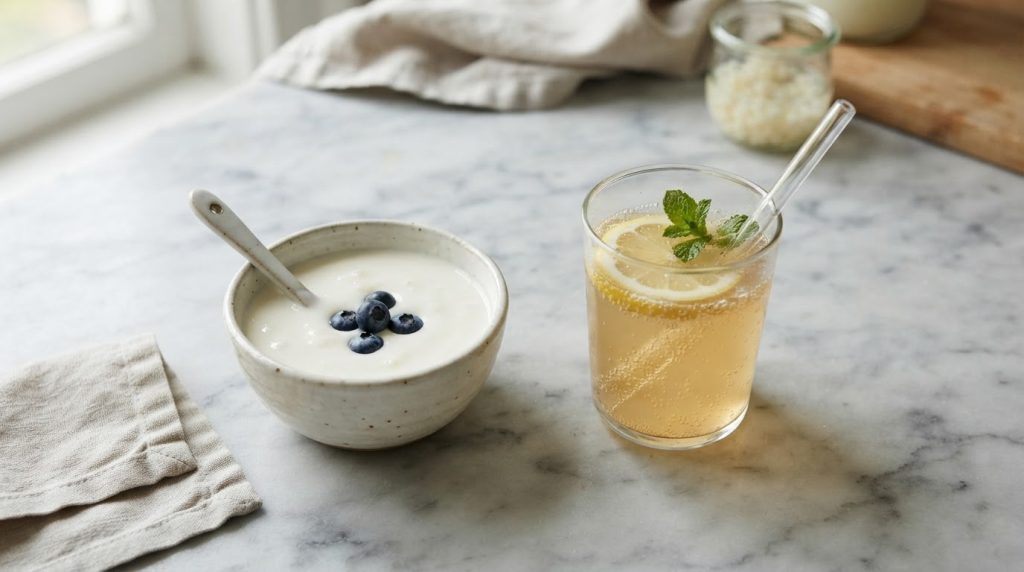
Water kefir vs milk kefir: which actually fixes bloating? Water kefir vs milk kefir: which actually fixes bloating? The honest answer is that neither is a guaranteed fix, but understanding what goes into each drink can help you choose one that better matches your diet and likely triggers. Key Takeaways What kefir is and how […]
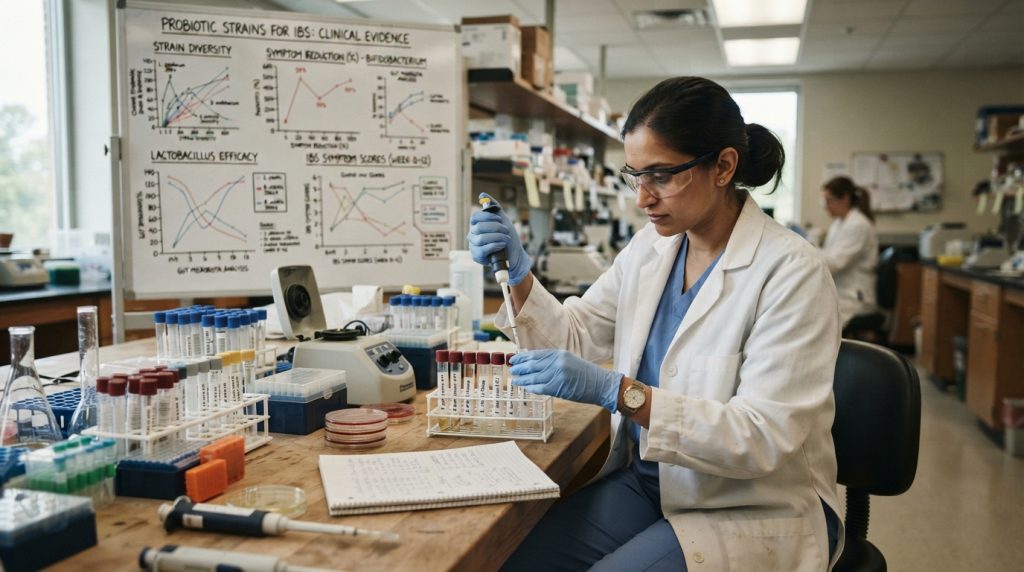
Probiotic strains for IBS: what the clinical evidence actually shows Probiotic strains for IBS: what the clinical evidence actually shows is important because one big meta-analysis pooled 20 studies and found probiotics outperform placebo for global IBS symptoms. That means we can talk about “works for IBS” in a way that is not based on […]
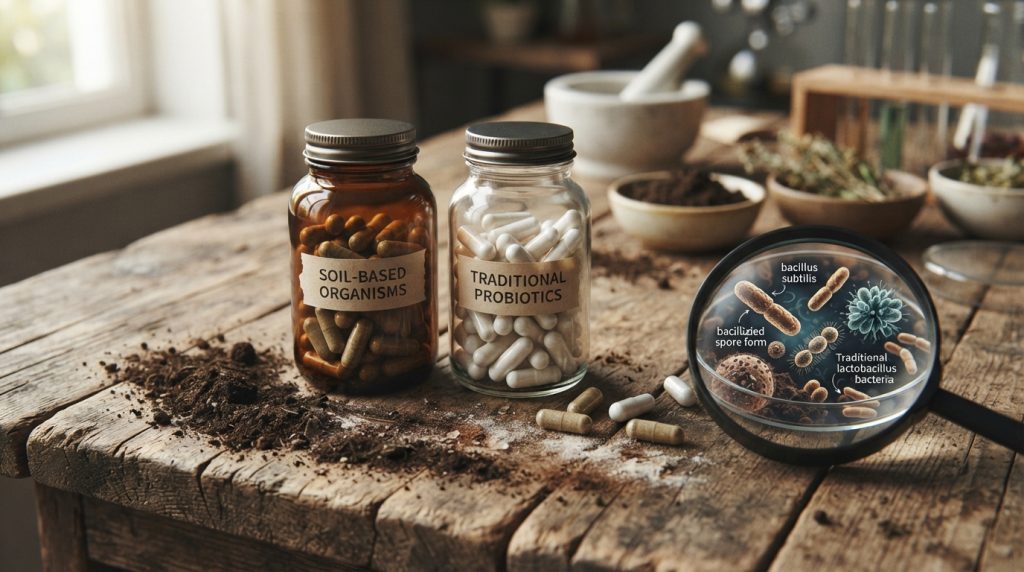
Compare Soil Based Organisms vs Traditional Probiotics for Sensitive Digestion (Best Picks for IBS, Bloating & Gut-Skin Results) Soil Based Organisms vs Traditional Probiotics for Sensitive Digestion is one of the most common questions we get from people whose gut feels touchy, yet they still want an inside-out glow. Did you know that some probiotics […]
Best Spore-Based Probiotics for Sensitive Stomachs: Gentle, Science-Backed Support That Actually Works When it comes to the Best Spore-Based Probiotics for Sensitive Stomachs, the science is quietly impressive, clinical trials show a 30-day course can reduce markers of gut permeability by 42%, which explains why so many people finally feel relief without the usual bloating. […]
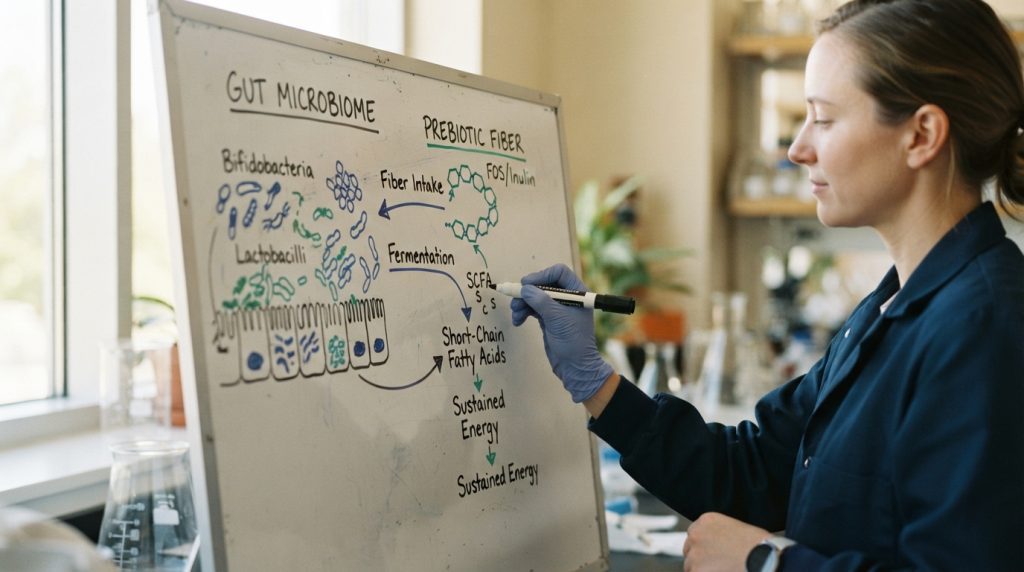
Ultimate Guide to Using Prebiotic Fibre for Sustained Energy Did you know that 90% of women and 97% of men don’t get enough fibre in their daily diet? That gap is exactly why we put together this ultimate guide to using prebiotic fibre for sustained energy, because we’ve read hundreds of research papers and articles, […]
How to Choose Quality Digestive Enzymes for Better Nutrient Absorption Did you know that a staggering 70,000,000 people in the United States deal with gastrointestinal disorders every single year? That number alone tells us why so many of you write in asking how to choose quality digestive enzymes for better nutrient absorption, because bloating, sluggish […]
Best Probiotics for Women Over 40: Our Science-Backed Pick of the Top Strains Finding the best probiotics for women over 40 has become one of the most-asked questions we get, and here’s a number that stopped us in our tracks: a striking 94% of women going through menopause report digestive health issues, often tied to […]
Digestive Disorders & Microbiome Recovery: What the Science Actually Says A single course of antibiotics can reduce gut microbial species by approximately 20, according to a Swedish analysis of nearly 15,000 adults, and that disruption can persist for years. This finding sits at the heart of why digestive disorders and microbiome recovery have become one […]
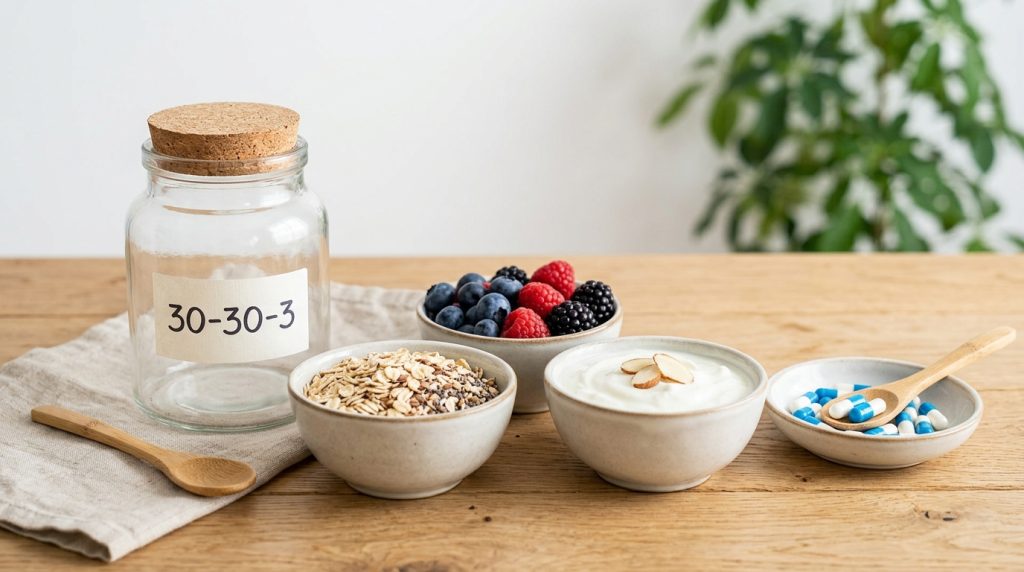
The ’30-30-3′ Microbiome Protocol: Your Science-Backed Daily Blueprint for a Thriving Gut Did you know that 84% of consumers report being more interested in gut health products than in previous years? It’s no wonder that simple, evidence-based frameworks like the ’30-30-3′ Microbiome Protocol are capturing so much attention right now. We’ve been fascinated (to the […]
Chrono-Nutrition for the Microbiome: The Best Guide to Timing Your Meals for Gut Health Chrono-nutrition for the microbiome is one of the most exciting and practical shifts happening in gut health right now, and the science behind it is changing how we think about what we eat AND when we eat it. Consider this: over […]

Postbiotic pH Balancing: The Plain-English Guide to Supporting a Healthier Gut Ecosystem Postbiotic pH Balancing matters because clinicians often flag problems when vaginal pH rises above 4.5, a pH threshold tied to common vaginitis diagnoses. More people are asking the same practical question for gut health: how can we support stable, “right-range” pH conditions without […]
Best Natural Remedies for Reducing Chronic Systemic Inflammation If you’re looking for the best natural remedies for reducing chronic systemic inflammation, you’re in exactly the right place. And here’s something that might surprise you before we even get started: research shows that short sleep duration is associated with more than double the odds of elevated […]
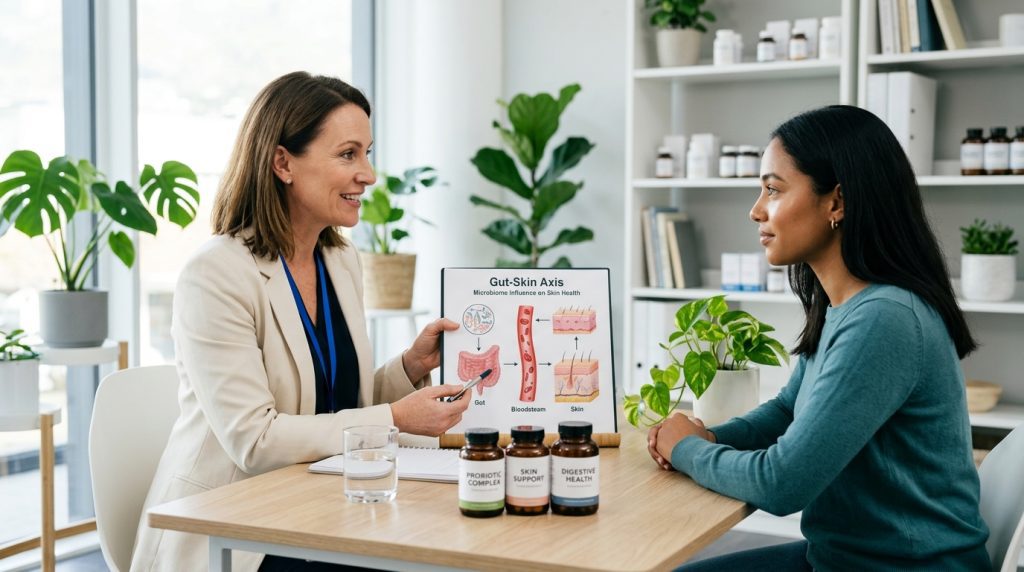
Metabolic Beauty: The Gut-Skin Axis Guide (What’s Actually Working Right Now) Metabolic Beauty and the Gut-Skin Axis in 2026 have officially moved from fringe wellness circles into mainstream science, and the numbers prove it: a staggering 67% of consumers now prefer ingestible beauty products over traditional topical solutions, signalling that the era of “beauty from […]

Menopause, Hormones & Gut Health: Understanding the Changes and Practical Solutions Menopause brings many changes to your body, and your digestive system is no exception. During this transition, dropping levels of oestrogen and progesterone affect more than just your reproductive system. These hormones also play key roles in how your gut functions, from digestion speed […]
The 24-Hour Glow Protocol: Transform Your Skin Through Microbiome-Focused Nutrition and Skincare Your skin and gut health are connected in ways that become visible within just 24 hours of changing what you eat and how you care for your skin. The microbiome—the collection of bacteria living in your gut and on your skin—responds quickly to […]
The Inside-Out Glow Up: How Gut Health Transforms Your Skin Care Results You’ve probably spent money on serums, creams, and treatments to get clear, glowing skin. But the real secret to healthy skin might be hiding in an unexpected place: your digestive system. Your gut health directly affects how your skin looks, influencing everything from […]