

Gut Healthy Foods for Higher Testosterone
Table of Contents
What are the benefits of gut healthy foods for higher testosterone, especially after 40? An why can both men and women benefit from extra testosterone as we grow older? In fact, many may think of testosterone as a male-only concern, and certainly not something connected to our diet.
But here’s a surprising fact: The food you eat and lifestyle can have a significant impact on your testosterone levels!
There is no single food that can instantly boost a person’s testosterone. However, the following examples may support testosterone production as part of a balanced diet.
MedicalNewsToday
By making some simple changes to your diet and lifestyle, you can naturally boost your testosterone levels and enjoy a wide range of health benefits. In this article, we will explore the connection between gut healthy foods for higher testosterone and discover the top foods that can help increase your testosterone levels naturally. So, get ready to rev up your hormones and enhance your overall well-being!
Understanding Testosterone and Its Importance
Before we delve deeper into the fascinating world of testosterone-boosting foods, let’s take a moment to explore the intricate role that testosterone plays in the human body. Testosterone, often referred to as the “male hormone,” is a crucial hormone produced primarily in the testicles in men and the ovaries in women, although it is present in both sexes.
This powerful hormone serves as a key player in a multitude of bodily functions, ranging from muscle growth and bone density to red blood cell production and mood regulation. Beyond its physical effects, testosterone also influences cognitive function and plays a significant role in overall well-being.
Furthermore, testosterone is not solely limited to its effects on the body; it also impacts emotional and mental health.
Research suggests that testosterone levels can influence mood, motivation, and even cognitive abilities, highlighting the hormone’s far-reaching effects on human physiology.
Testosterone may also help maintain normal mood. There may be other important functions of this hormone that have not yet been discovered.
Harvard Health Publishing
The Role of Testosterone in the Body
Testosterone, often hailed as the quintessential male hormone, is responsible for a myriad of male characteristics that go beyond physical appearance. From influencing behaviors such as competitiveness and dominance to playing a role in cognitive abilities and spatial awareness, testosterone’s effects extend far beyond muscle mass and facial hair growth.
Moreover, testosterone’s influence on metabolism goes beyond weight management and energy levels; it also plays a crucial role in regulating insulin sensitivity and lipid metabolism, impacting overall metabolic health.
How Testosterone Levels Affect Your Health
Optimal testosterone levels are essential for maintaining not just physical health but also mental and emotional well-being. Deviations from normal testosterone levels can have profound effects on health, leading to issues such as decreased libido, cognitive decline, and mood disturbances.
Conversely, ensuring that testosterone levels remain within a healthy range can contribute to improved vitality, cognitive function, and overall quality of life. By understanding the intricate interplay between testosterone and various aspects of health, individuals can take proactive steps to optimize their hormone levels and enhance their well-being.
The Connection Between Diet and Testosterone Levels
Now that we understand the importance of testosterone, let’s explore the fascinating link between your diet and testosterone levels. Your nutritional choices play a significant role in maintaining hormonal balance, and certain foods can help optimize your testosterone production.
As men and women age, their bodies produce less testosterone, but it continues to play a role in maintaining health and libido for both.
Healthline.com
When it comes to diet and testosterone levels, it’s not just about what you eat but also how much you eat. Caloric intake can impact hormone levels, as both excessive calorie consumption and severe caloric restriction can negatively affect testosterone production. Finding the right balance in your diet is crucial for hormonal health.
How Nutrients Influence Testosterone Production
Nutrients such as vitamins, minerals, and antioxidants are essential for supporting healthy hormone production in your body. For instance, vitamin D, zinc, and magnesium are all crucial for testosterone synthesis. Incorporating foods rich in these nutrients into your diet can directly impact your testosterone levels.
In addition to vitamins and minerals, dietary fats also play a significant role in hormone production. Healthy fats like omega-3 fatty acids are vital for testosterone synthesis, while an imbalance in the consumption of saturated and unsaturated fats can affect hormone levels. Including a variety of healthy fats in your diet can support optimal testosterone production.

The Impact of Dietary Choices on Hormonal Balance
What you eat goes beyond providing your body with essential nutrients. Some foods can have a direct impact on hormonal balance, including testosterone levels. For example, consuming processed foods high in trans fats and sugar can disrupt hormone production and lead to imbalances.
Fiber is another important component of a diet that can influence testosterone levels. High-fiber foods help regulate blood sugar levels, which in turn can support healthy hormone production. Including a variety of fiber-rich foods, such as fruits, vegetables, and whole grains, in your diet can contribute to your overall hormonal balance.
Top Foods for Boosting Testosterone Naturally
Now that we understand the importance of diet in maintaining healthy testosterone levels, it’s time to discover the top foods that can naturally boost your testosterone production.
Your shopping list in brief
Fatty fish such as salmon or sardines – chicken – leafy greens such as such as spinach or kale – broccoli – carrots – citrus fruits – milk and dairy products – legumes such as beans, chickpeas, peas or peanuts – cocoa powder, cacao nibs, or low sugar dark chocolate – honey – onions – avocados – nuts – pumkin seeds – extra virgin olive oil – eggs – berries – cherries – pomegranates – shellfish such as oysters or clams.
Adding gut healthy foods for higher testosterone can make a real difference to overall well-being and vitality. In addition to regular exercise and sufficient sleep, incorporating specific foods into your daily meals can have a significant impact on hormone balance and energy levels.
Protein-Rich Foods for Higher Testosterone
Protein is the building block of muscle, but it also plays a crucial role in testosterone production. Including adequate amounts of lean protein sources such as eggs, chicken, and fish in your diet can support optimal testosterone levels.
Incorporating a variety of protein-rich foods not only aids in muscle repair and growth but also provides essential amino acids that are precursors to testosterone synthesis. By prioritizing high-quality protein sources, you can effectively support your body’s natural hormone production processes.
Fruits and Vegetables That Enhance Testosterone
When it comes to fruits and vegetables, certain options can help enhance your testosterone production. Some examples include broccoli, spinach, citrus fruits, and berries, all of which contain valuable nutrients that support healthy hormone production.
Rich in vitamins, minerals, and antioxidants, fruits and vegetables play a vital role in promoting overall health and well-being. Specific micronutrients found in these plant-based foods, such as vitamin C, zinc, and magnesium, are known to support testosterone synthesis and regulate hormone levels in the body.
Healthy Fats to Increase Testosterone Levels
Contrary to popular belief, not all fats are bad for you, and some can actually boost your testosterone levels. Including healthy fats from sources such as avocados, nuts, and olive oil in your diet can help enhance testosterone synthesis.
Healthy fats are essential for hormone production and cellular function. By incorporating sources of monounsaturated and polyunsaturated fats into your meals, you can support testosterone production and maintain optimal health. These fats also play a role in reducing inflammation and supporting heart health, making them a valuable addition to a balanced diet.

Foods to Avoid for Maintaining High Testosterone
While adding testosterone-boosting foods to your diet is essential, it’s equally important to be mindful of foods that can negatively impact your hormone levels. So, what food reduce testosterone?
Ensuring a balanced diet is crucial for overall health, especially when it comes to hormone regulation. In addition to incorporating testosterone-boosting foods, being aware of what to avoid can further support your hormonal balance.
Ultra-processed Foods and Their Effect on Testosterone
Ultra-processed foods, often packed with unhealthy trans fats and sugar, can wreak havoc on your hormone balance, including testosterone levels. These foods not only provide little nutritional value but can also contribute to inflammation in the body, which can disrupt hormone production. Opting for whole, unprocessed foods such as fruits, vegetables, lean proteins, and whole grains is key to maintaining optimal hormone production and overall well-being.
Sugar and Its Impact on Hormone Levels
Excess sugar consumption can lead to insulin resistance and increased production of the hormone cortisol, both of which can inhibit testosterone synthesis. High sugar intake not only spikes blood sugar levels but also triggers a cascade of hormonal responses that can negatively affect testosterone levels. By reducing your sugar intake and opting for natural sources of sweetness like fruits or small amounts of honey, you can help support healthy testosterone levels and prevent potential hormonal imbalances.
Incorporating Testosterone-Boosting Foods into Your Diet
Now that you have a better understanding of the foods that can naturally increase your testosterone levels, let’s delve deeper into the world of nutrition and explore how you can optimize your diet for hormonal balance and overall well-being.
When it comes to incorporating testosterone-boosting foods into your daily regimen, it’s essential to not only focus on individual ingredients but also consider the synergy between different food groups. By combining foods rich in zinc, vitamin D, and omega-3 fatty acids, you can create a powerhouse of nutrients that work together to support healthy testosterone production.
Meal Planning for Optimal Testosterone Levels
Creating a meal plan that includes testosterone-boosting foods can make a significant difference in your hormone levels and overall health. Start your day with a breakfast rich in protein and healthy fats, such as Greek yogurt with nuts and seeds. For lunch and dinner, aim for a balance of lean proteins like chicken or tofu, paired with colorful vegetables and whole grains to provide a steady source of energy throughout the day.
Snacking can also be an opportunity to boost your testosterone levels. Opt for nutrient-dense options like almonds, pumpkin seeds, or carrots with hummus to keep your metabolism steady and your hormones in check.

Healthy Recipes for a Testosterone-Friendly Diet
Cooking delicious and healthy meals doesn’t have to be a chore! Embrace the diversity of testosterone-boosting foods by experimenting with new recipes and flavors in your kitchen. For a hormone-friendly dinner, try preparing a quinoa salad with grilled shrimp and avocado or a stir-fry with tofu and broccoli. These meals not only taste great but also provide a variety of nutrients to support your body’s natural hormone production.
Remember, a balanced and varied diet is key to maintaining optimal testosterone levels. By incorporating a wide range of testosterone-boosting foods into your meals, you can support your overall health and well-being while enjoying a delicious and satisfying culinary experience.
The Role of Lifestyle in Testosterone Levels
Your lifestyle choices can also influence your testosterone levels, so it’s essential to adopt habits that support optimal hormone production.
Aside from exercise, diet plays a crucial role in testosterone levels. Consuming a balanced diet rich in nutrients like zinc, vitamin D, and healthy fats can help support testosterone production. Foods like lean meats, nuts, seeds, and leafy greens can provide essential nutrients for hormone synthesis.
Your Best “Increase Testosterone Workout”
Regular physical activity, especially strength training, has been shown to boost testosterone levels. Exercises such as weightlifting, squats, and push-ups can help stimulate testosterone synthesis as part of a great “increase testosterone workout”.
In addition to strength training, cardiovascular exercise can also positively impact testosterone levels. Activities like running, cycling, or swimming can help improve blood circulation and overall cardiovascular health, which can indirectly support hormone production.
How Stress and Sleep Affect Your Testosterone Levels
Stress and inadequate sleep can wreak havoc on your hormone levels, including testosterone. Practicing stress management techniques such as meditation, deep breathing, or yoga can help reduce cortisol levels and support healthy testosterone production.
Furthermore, establishing a consistent sleep schedule and aiming for 7-9 hours of quality sleep per night is crucial for hormone regulation. During deep sleep, the body undergoes repair and regeneration processes, including hormone synthesis, making adequate rest essential for optimal testosterone levels.
Conclusion: Impact of Gut Healthy Foods for Higher Testosterone
Achieving optimal testosterone levels is not only crucial for physical appearance and vitality but also for overall well-being. By adding gut healthy foods for higher testosterone and adopting a healthy lifestyle, you can naturally enhance your hormone production and enjoy the benefits of improved energy, mood, and sexual health.
So, start by adding gut healthy foods for higher testosterone to your daily diet, which could elevate your testosterone levels and well-being to new heights!
Cover image: Pana Koutloumpasis from Pixabay
More Posts & Recipes You Might Enjoy

Sea Buckthorn: The Skin and Gut Health Superfood You Should Know About Sea buckthorn has gained a cult following among skincare and wellness enthusiasts — and for good reason. Rich in rare fatty acids, vitamins, and antioxidants, this bright orange berry supports both your outer glow and inner gut health. Having tried it myself in […]

Easy High Fiber Meals – Boost Your Skin Glow, Inside Out Looking for a quick overview of how to add more fiber to your diet? We’ve got you covered with these ideas for easy high fiber meals to keep your gut happy and your meals exciting! Because eating enough fiber is a key to glowing […]

Best Probiotics for Acne? 12 That Actually Work (Derm & Gut-Backed) If you struggle with acne, you’re not alone—acne affects over 650 million people worldwide. I was one of them for many years, until I realised that skin health is more than just skin deep! In fact, new research shows that balancing your skin and […]

Best Spore-Based Probiotics for Sensitive Stomachs: Gentle, Science-Backed Support That Actually Works When it comes to the Best Spore-Based Probiotics for Sensitive Stomachs, the science is quietly impressive, clinical trials show a 30-day course can reduce markers of gut permeability by 42%, which explains why so many people finally feel relief without the usual bloating. […]
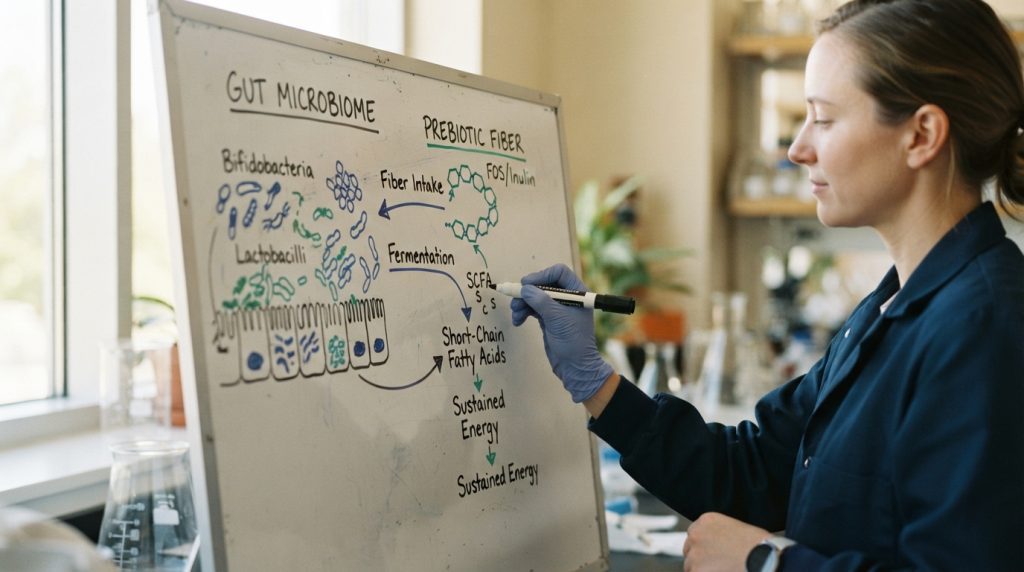
Ultimate Guide to Using Prebiotic Fibre for Sustained Energy Did you know that 90% of women and 97% of men don’t get enough fibre in their daily diet? That gap is exactly why we put together this ultimate guide to using prebiotic fibre for sustained energy, because we’ve read hundreds of research papers and articles, […]

How to Choose Quality Digestive Enzymes for Better Nutrient Absorption Did you know that a staggering 70,000,000 people in the United States deal with gastrointestinal disorders every single year? That number alone tells us why so many of you write in asking how to choose quality digestive enzymes for better nutrient absorption, because bloating, sluggish […]

Best Probiotics for Women Over 40: Our Science-Backed Pick of the Top Strains Finding the best probiotics for women over 40 has become one of the most-asked questions we get, and here’s a number that stopped us in our tracks: a striking 94% of women going through menopause report digestive health issues, often tied to […]
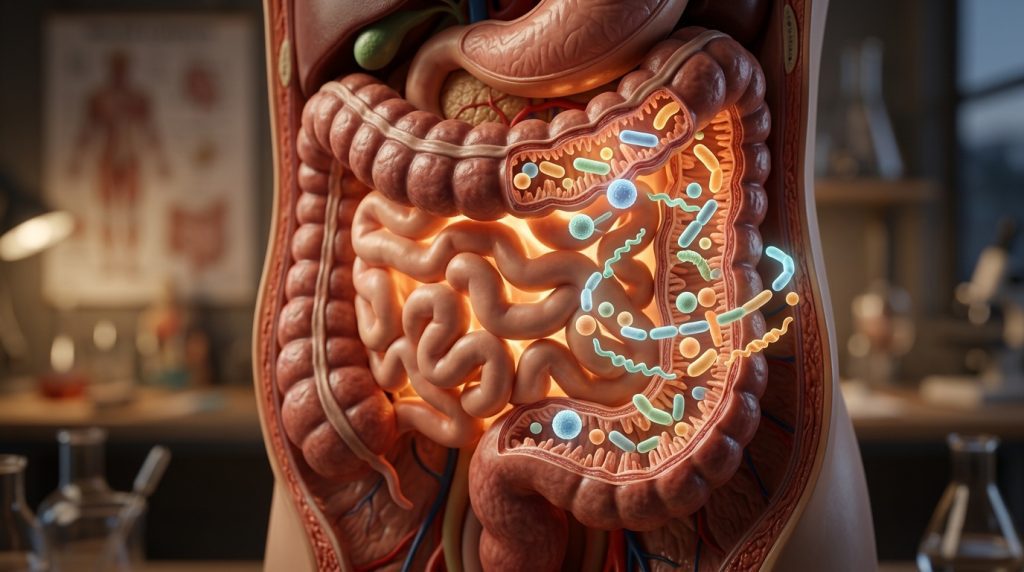
Digestive Disorders & Microbiome Recovery: What the Science Actually Says A single course of antibiotics can reduce gut microbial species by approximately 20, according to a Swedish analysis of nearly 15,000 adults, and that disruption can persist for years. This finding sits at the heart of why digestive disorders and microbiome recovery have become one […]
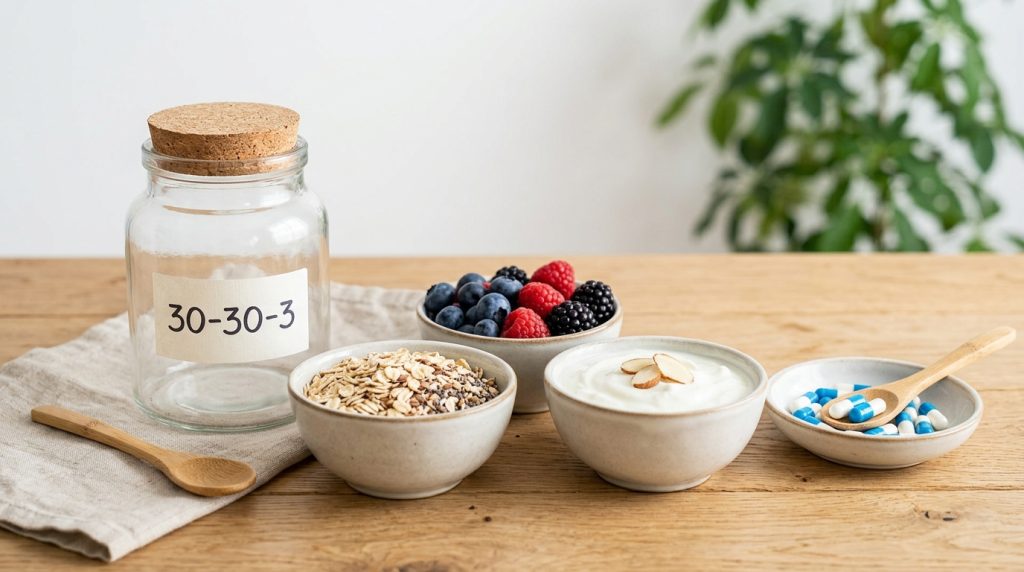
The ’30-30-3′ Microbiome Protocol: Your Science-Backed Daily Blueprint for a Thriving Gut Did you know that 84% of consumers report being more interested in gut health products than in previous years? It’s no wonder that simple, evidence-based frameworks like the ’30-30-3′ Microbiome Protocol are capturing so much attention right now. We’ve been fascinated (to the […]
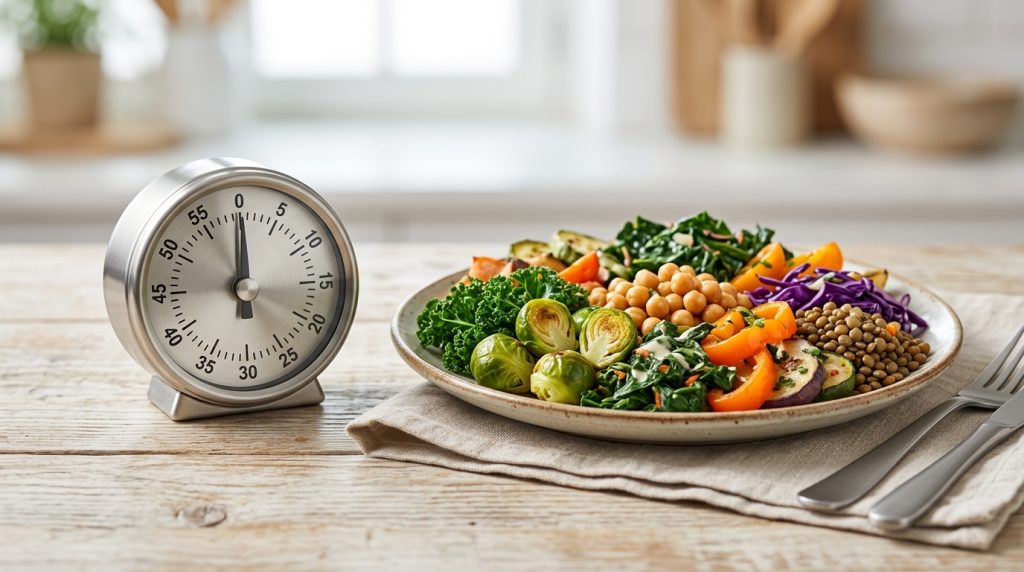
Chrono-Nutrition for the Microbiome: The Best Guide to Timing Your Meals for Gut Health Chrono-nutrition for the microbiome is one of the most exciting and practical shifts happening in gut health right now, and the science behind it is changing how we think about what we eat AND when we eat it. Consider this: over […]

Postbiotic pH Balancing: The Plain-English Guide to Supporting a Healthier Gut Ecosystem Postbiotic pH Balancing matters because clinicians often flag problems when vaginal pH rises above 4.5, a pH threshold tied to common vaginitis diagnoses. More people are asking the same practical question for gut health: how can we support stable, “right-range” pH conditions without […]
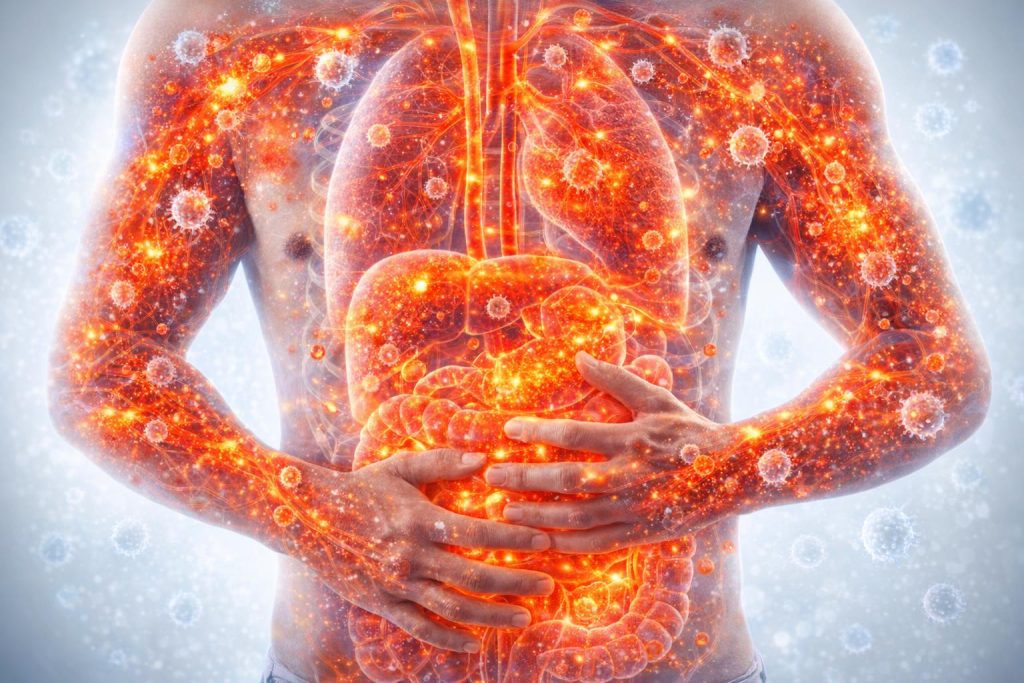
Best Natural Remedies for Reducing Chronic Systemic Inflammation If you’re looking for the best natural remedies for reducing chronic systemic inflammation, you’re in exactly the right place. And here’s something that might surprise you before we even get started: research shows that short sleep duration is associated with more than double the odds of elevated […]
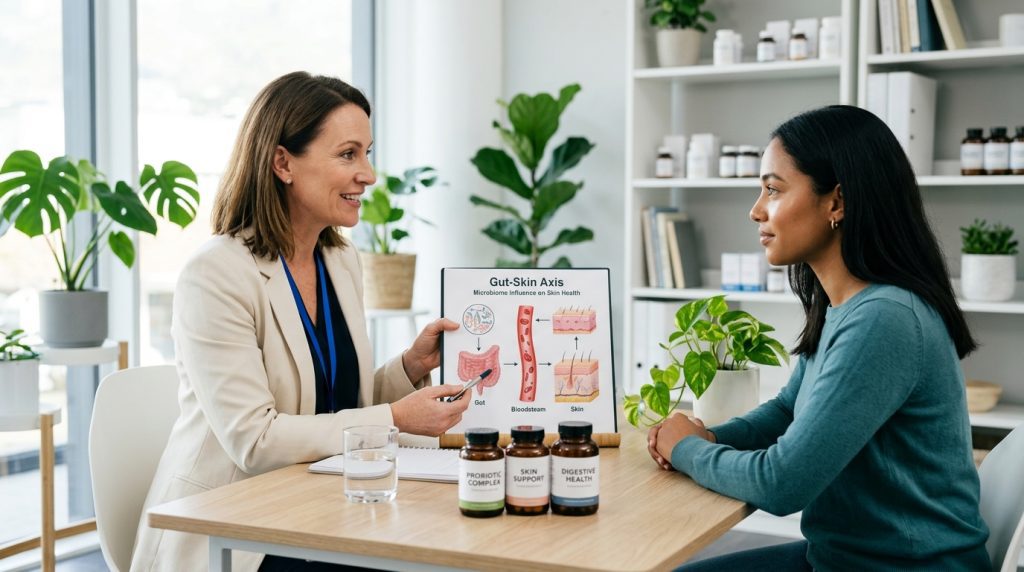
Metabolic Beauty: The Gut-Skin Axis Guide (What’s Actually Working Right Now) Metabolic Beauty and the Gut-Skin Axis in 2026 have officially moved from fringe wellness circles into mainstream science, and the numbers prove it: a staggering 67% of consumers now prefer ingestible beauty products over traditional topical solutions, signalling that the era of “beauty from […]

Menopause, Hormones & Gut Health: Understanding the Changes and Practical Solutions Menopause brings many changes to your body, and your digestive system is no exception. During this transition, dropping levels of oestrogen and progesterone affect more than just your reproductive system. These hormones also play key roles in how your gut functions, from digestion speed […]

The 24-Hour Glow Protocol: Transform Your Skin Through Microbiome-Focused Nutrition and Skincare Your skin and gut health are connected in ways that become visible within just 24 hours of changing what you eat and how you care for your skin. The microbiome—the collection of bacteria living in your gut and on your skin—responds quickly to […]

The Inside-Out Glow Up: How Gut Health Transforms Your Skin Care Results You’ve probably spent money on serums, creams, and treatments to get clear, glowing skin. But the real secret to healthy skin might be hiding in an unexpected place: your digestive system. Your gut health directly affects how your skin looks, influencing everything from […]
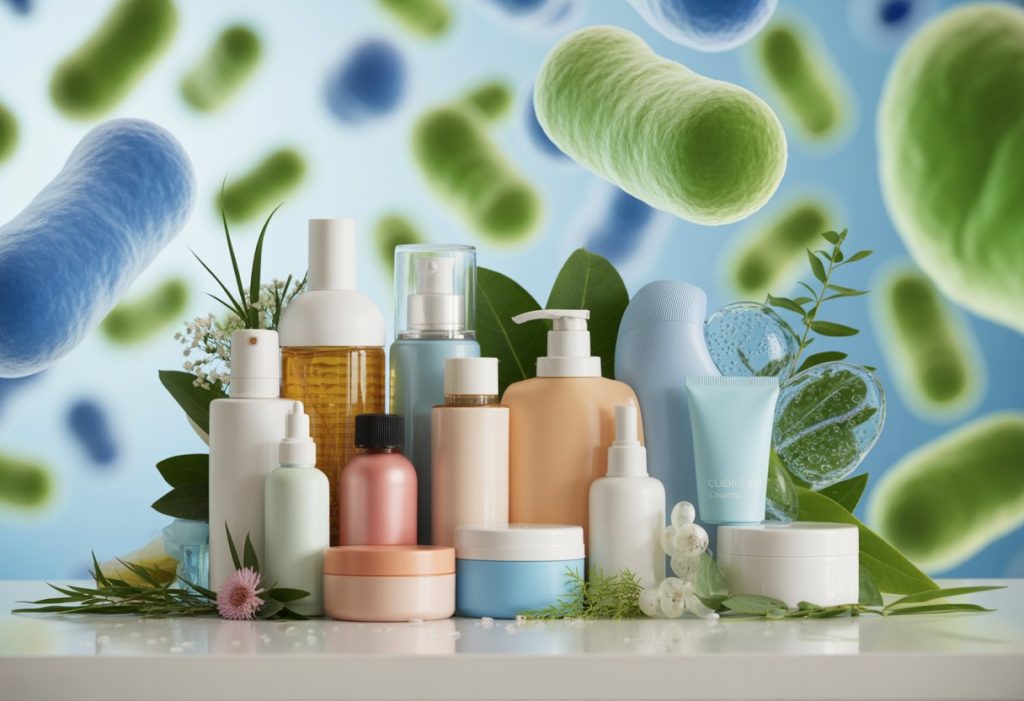
Is Your Clean Skincare Actually Hurting Your Microbiome? The Hidden Truth About Popular Products Your skin is home to trillions of tiny organisms that form a protective ecosystem called the skin microbiome. These bacteria, fungi, and other microbes help regulate moisture, control inflammation, and defend against harmful invaders. When this delicate balance gets disrupted, your […]

Brain, Belly, and Breakouts: How Stress Affects Your Skin Health You might notice that your skin breaks out more during stressful times at work, such as big presentations, or during shool exams for your teenager (or yourself!). This is not a coincidence. Stress directly affects your skin through chemical changes in your brain and body, […]

Pre, Pro, and Postbiotics: Why Your Face Needs Good Bacteria Too for Healthy Skin You’ve probably heard about probiotics for your gut, but your skin has its own community of bacteria that needs care too. Your skin is home to trillions of microorganisms that work together to keep it healthy and protected. Prebiotics feed the […]