
Purple Sweet Potato Soup: Easy, Delicious & Gut Healthy!
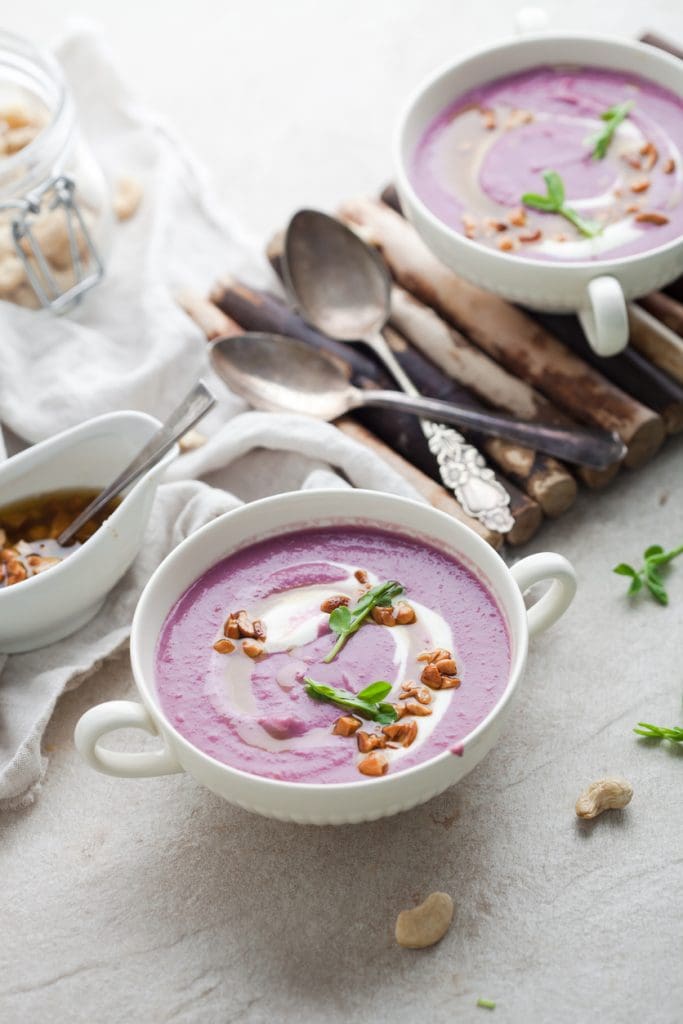
There’s nothing quite like the vibrant, velvety embrace of a purple sweet potato soup. Inspired by the Blue Zones kitchen, I think the gorgeous (if slightly unusual) colour of this delicious and gut healthy soup is pure happiness in a bowl.
But there’s more to the Japanese purple sweet potato than meets the eye – they’re a powerhouse of powerful nutrients! Think antioxidants, gut healthy fiber, and immune-boosting compounds. What’s more, this humble potato is packed with an antiinflammatory called anthocyanin, the same compound that gives blueberries their superfood status.
So, this gut healthy soup recipe isn’t just delicious – it’s a recipe for radiant health. Ready to glow from the inside out? Let’s get cooking!
Table of Contents
Why Choose Japanese Purple Sweet Potatoes?
- Gut Health Booster: Loaded with prebiotic fiber, they nourish your gut microbiome and support digestion
- Antioxidant-Rich: They’re brimming with anthocyanins, which fight free radicals, reduce inflammation and further boost gut health
- Brain Food: Their rich nutrient profile promotes cognitive health and combats oxidative stress
- Immunity Hero: High in vitamin C and other essential nutrients, they help fortify your defenses
So, this soup isn’t just pretty on the plate – it’s packed full of health benefits too!
Purple Sweet Potato Recipe
Ingredients
Here’s what you need for this delicious and gut-healthy recipe with anti-inflammatory benefits … And while it might look a bit like hard work, once the chopping is done, it really is one of the more simple soups to make. Plus, it delivers ten-fold in colour, taste and nutrition!
3 carrots, chopped
3 sticks of celery, chopped
1/2 bulb of garlic, minced
10 stalks of spring onion, chopped
1 red onion, chopped
2 large purple sweet potatoes (about 600 grams), peeled and chopped
2 small parsnips
2 tablespoons mixed herbs (I used Herbes de Provence)
50 grams cashew nuts (you can soak them for 2-3 hours, or overnight, to make them smoother)
Goose fat, or olive oil if you’re vegetarian, for cooking
1 liter stock (vegetables or chicken)
4 tablespoons Parmesan cheese (vegetarian option, if preferred)
3 tablespoons full-fat crème fraîche
Garnish
Feta cheese cut into small cubes (optional, but delicious!)
Drizzle of cream (optional, but also delicious!)
Sunflower seeds or pumpkin seeds – roasted (they’re bursting with nutrients and healthy fats!)
Anti-aging potential
Purple sweet potatoes are packed with compounds called anthocyanins.
Anthocyanins are highly anti-inflammatory and have strong antioxidant properties as well.
Recent studies indicate that purple sweet potato may even be anti-aging!
Method
1. Prepare the Vegetables: Chop the carrots, parsnips, celery, spring onions, red onion, and pruple sweet potatoes. Mince the garlic
2. Cook the Vegetables: In a large pot, heat the goose fat or olive oil over medium heat. Add the garlic, red onion, and spring onions. Sauté until fragrant and slightly softened
3. Add Remaining Vegetables: Add the carrots, parsnips, celery, and purple sweet potatoes to the pot. Stir in the mixed herbs and cook for another 10 minutes
4. Simmer: Pour in the chicken stock and bring to a boil. Reduce the heat and let it simmer until the vegetables are tender, about 25-30 minutes
5. Blend: Add the cashew nuts to the pot. Use an immersion blender to blitz the soup until smooth and creamy
6. Finish: Stir in the Parmesan cheese and crème fraîche. Mix well until fully incorporated
7. Serve: Ladle the soup into bowls, garnish with feta cheese and or seeds, and enjoy!
While this isn’t a particularly spicy soup, you can easily add flavour with a pinch of cumin, coriander, smoked paprika, chili or garlic powder at the start of the cooking process.

As a rule of thumb, add dried spices at the start to allow the flavours to develop and infuse the veggies. On the other hand, add fresh herbs at the end of the cooking to preserve flavour and nutrients.
I hope this becomes part of your favorite winter soup recipes!
Image by Barbara Rosner from Pixabay
5 Health Benefits of Sunflower Seeds
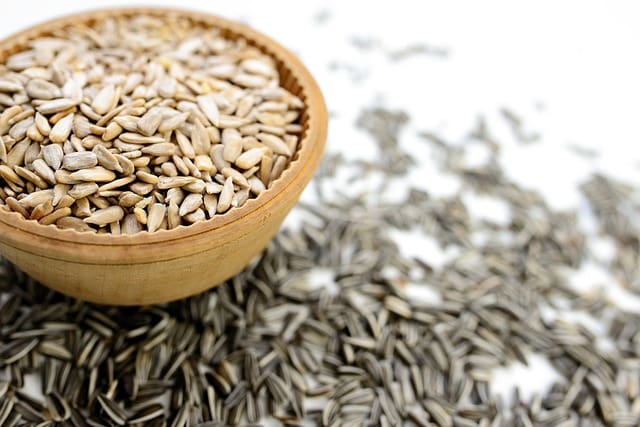
Sunflower seeds are a nutrient-dense snack with numerous health benefits.
Here are five key health benefits and why you should consider adding them to your healthy veggie soup recipes.
Image by congerdesign from Pixabay
- 1. Rich in Nutrients and Antioxidants: Sunflower seeds are a good source of vitamin E, selenium, and phenolic acids, which are powerful antioxidants. These help combat oxidative stress and reduce inflammation, supporting overall health.
- 2. Heart Health: They contain healthy fats, particularly monounsaturated and polyunsaturated fats, which help lower bad cholesterol (LDL) levels. The magnesium in sunflower seeds also supports healthy blood pressure, while vitamin E helps protect against heart disease.
- 3. Supports Immune Function: Sunflower seeds are high in zinc and selenium, two minerals critical for a strong immune system. Selenium, in particular, helps reduce inflammation and boosts the production of immune cells.
- 4. Promotes Skin Health: The vitamin E in sunflower seeds acts as a potent antioxidant that protects the skin from free radical damage, supports skin elasticity, and promotes a glowing complexion. Additionally, the healthy fats help maintain skin hydration.
- 5. Improves Digestive Health: Packed with fiber, sunflower seeds aid in promoting healthy digestion by keeping the gut moving regularly and supporting beneficial gut bacteria.
- Bonus Tip: Enjoy them raw, roasted, or added to salads, yogurt, or oatmeal for a nutritional boost! Just be mindful of portion sizes, as they are calorie-dense.
5 Health Benefits of Pumpkin Seeds
Adding pumpkin seeds to your vegetarian soup recipes is not only yummy but offers a host of additional health benefits (see below)
Image by Siobhan Dolezal from Pixabay
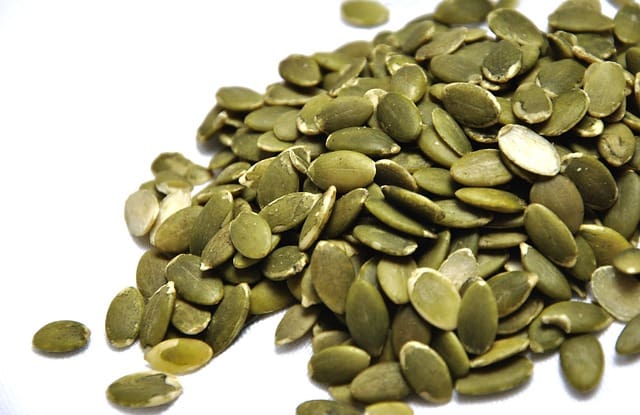
- Rich in Nutrients: Sunflower seeds are packed with essential vitamins and minerals, including vitamin E (a powerful antioxidant), magnesium, selenium, and B vitamins like folate.
- Heart Health: High levels of healthy fats (monounsaturated and polyunsaturated fats) support heart health by lowering “bad” LDL cholesterol and raising “good” HDL cholesterol. Magnesium also helps regulate blood pressure.
- Anti-Inflammatory Properties: Sunflower seeds are rich in vitamin E, selenium, and phytochemicals, which help reduce inflammation and protect cells from oxidative damage.
- Boosts Immunity: Selenium and zinc in sunflower seeds play critical roles in supporting immune function and fighting infections.
- Supports Healthy Skin: Vitamin E promotes skin health by protecting it from oxidative stress and helping maintain its elasticity and moisture.
These tiny seeds are a nutrient powerhouse, making them an excellent addition to salads, smoothies, or as a snack on their own!
Summary: Why Try Our Gut Healthy Purple Sweet Potato Soup
This soup is packed with ingredients that support gut health and reduce inflammation. The garlic, onions, and mixed herbs are known for their anti-inflammatory properties, while the sweet potatoes and cashew nuts provide fiber and healthy fats that promote a healthy gut.
if you want to add this to your roster of low fat soup recipes, then simply omit the cheese. While the flavor will be slightly less powerful, as mentioned, you can make a more spicy purple sweet potato soup by adding a pinch of cumin, coriander, smoked paprika or chili or garlic powder.
Purple sweet potatoes are as versatile and nutritious as they are beautiful, making them a favorite for healthy veggie soup ideas for food enthusiasts!
Enjoy your nutritious and delicious meal!
FAQs: Your Questions Answered
What is a purple sweet potato?

Purple sweet potatoes are a root vegetable known for their vibrant purple flesh. They belong to the sweet potato family and are naturally sweet, starchy, and rich in nutrients like anthocyanins.
What are the health benefits of purple sweet potatoes?
Purple sweet potatoes are rich in fiber, vitamins A and C, potassium, and anthocyanins. These nutrients support gut health, boost immunity, improve heart health, and combat oxidative stress.
Do purple sweet potatoes taste different?
Yes, they are slightly less sweet than orange sweet potatoes with a denser, nuttier flavor, making them versatile for both sweet and savory dishes.
Can I use purple sweet potatoes in any recipe that calls for regular sweet potatoes?

Absolutely! Purple sweet potatoes can replace orange or white sweet potatoes in recipes for soups, fries, mash, or baked dishes, adding extra color and nutrients.
Are purple sweet potatoes good for weight loss?

Yes! They are low in fat and calories while being high in fiber, which helps you feel full and supports healthy digestion, making them a great option for weight management.
Where can I buy purple sweet potatoes?
You can find them at farmers’ markets, health food stores, Asian supermarkets, online and sometimes in the specialty produce section of larger grocery stores.
Can people with diabetes eat purple sweet potatoes?
Yes, in moderation. They have a low to medium glycemic index and are rich in fiber, which helps manage blood sugar levels when paired with a balanced meal.
Are purple yam sweet potato and purple sweet potato the same?
No, purple yam sweet potato and purple sweet potato are not the same, though they are similar in some ways. Here’s how they differ:
1. Botanical Differences:
Purple Yam Sweet Potato (Dioscorea alata): A type of yam belonging to the Dioscoreaceae family, commonly known as ube in the Philippines.
Purple Sweet Potato (Ipomoea batatas): A sweet potato variety from the Convolvulaceae family.
2. Appearance:
Purple Yam Sweet Potato: Has rough, bark-like skin and a vibrant purple interior. Often larger and more cylindrical or irregularly shaped.
Purple Sweet Potato: Has smooth skin, which can be light purple, tan, or reddish, and a purple flesh that’s sometimes lighter than the yam.
3. Taste and Texture:
Purple Yam Sweet Potato: Mildly sweet, nutty flavor with a drier, denser texture.
Purple Sweet Potato: Sweeter than yam, with a creamier texture when cooked.
4. Culinary Uses:
Purple Yam Sweet Potato: Frequently used in desserts like ice cream, cakes, and jams, especially in Southeast Asian cuisine.
Purple Sweet Potato: Used in both sweet and savory dishes, including soups, fries, and baked goods.
5. Nutritional Profile:
Both are nutrient-dense and rich in fiber, antioxidants, and vitamins, but purple yam contains more carbohydrates and calories.
While they look and taste similar, they are distinct vegetables with unique uses in cooking and slightly different nutritional benefits.
What is the Okinawan sweet potato?
Also known as the purple sweet potato, this is a vibrant root vegetable native to Okinawa, Japan. It is distinct for its deep purple flesh and slightly sweet, nutty flavor.
Can you get purple sweet potatoes in the US?
Yes, you can find purple sweet potatoes in the United States! They are often available in well-stocked grocery stores, specialty food markets, and Asian or international markets.
Where to Buy:
Supermarkets: Look for them at stores like Whole Foods, Trader Joe’s, or Sprouts.
Farmers’ Markets: Local farmers may grow them
Online Retailers: Specialty produce suppliers, such as Melissa’s Produce or Baldor, often ship purple sweet potatoes nationwide.
Asian Markets: Stores specializing in Japanese, Hawaiian, or other Asian foods may carry them.
How do you eat purple sweet potatoes?
Purple sweet potatoes are versatile and delicious! Bake, steam, or roast them for a nutrient-packed side dish. Mash them for creamy soups, blend into smoothies, or use as a vibrant pie filling. Their natural sweetness shines in desserts like puddings or muffins. Perfect for gut health and rich in antioxidants!